Malaysia






Travel & Photography
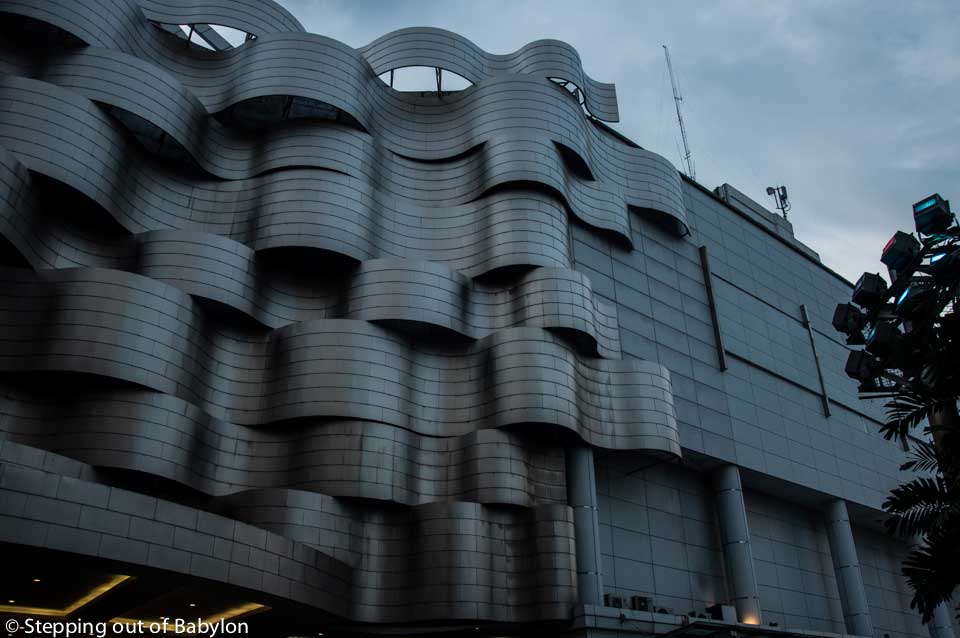
Medan is not part of the tourist path being mostly used as an arrival point at North Sumatra, to visit Bukit Lawang and Lake Toba, or to catch a domestic flight to Padang, on the south coast.
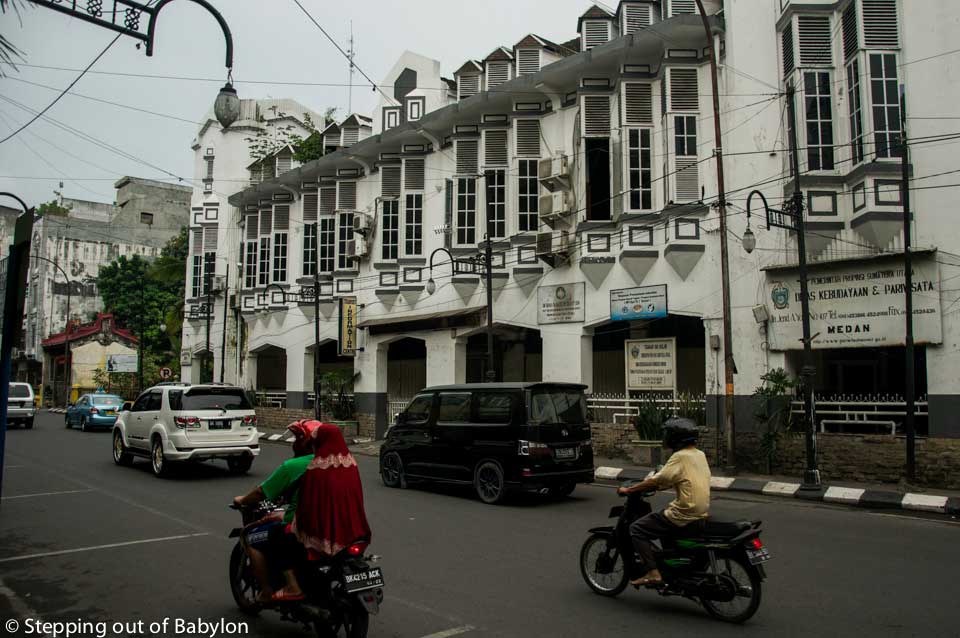
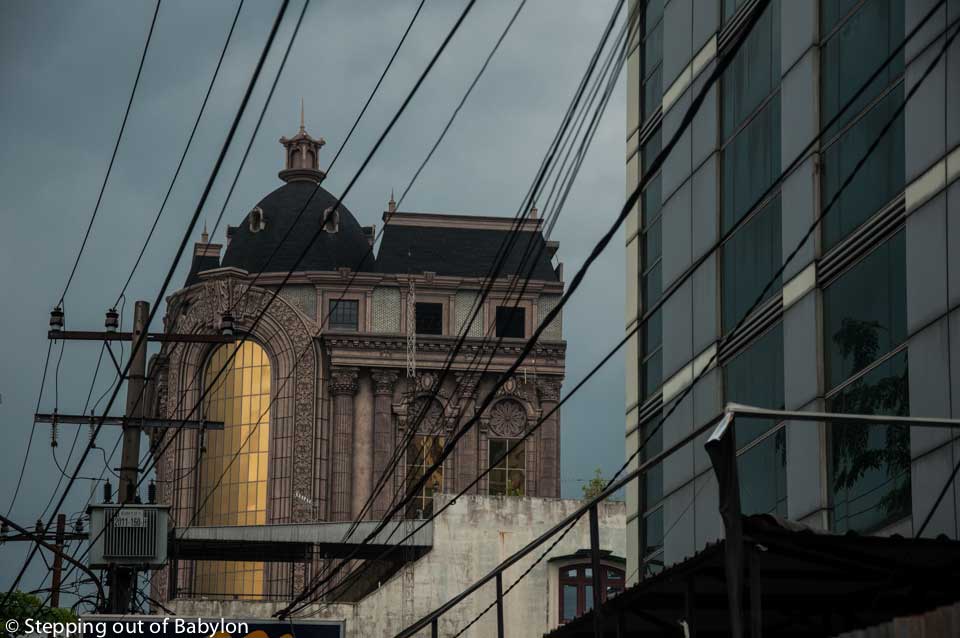
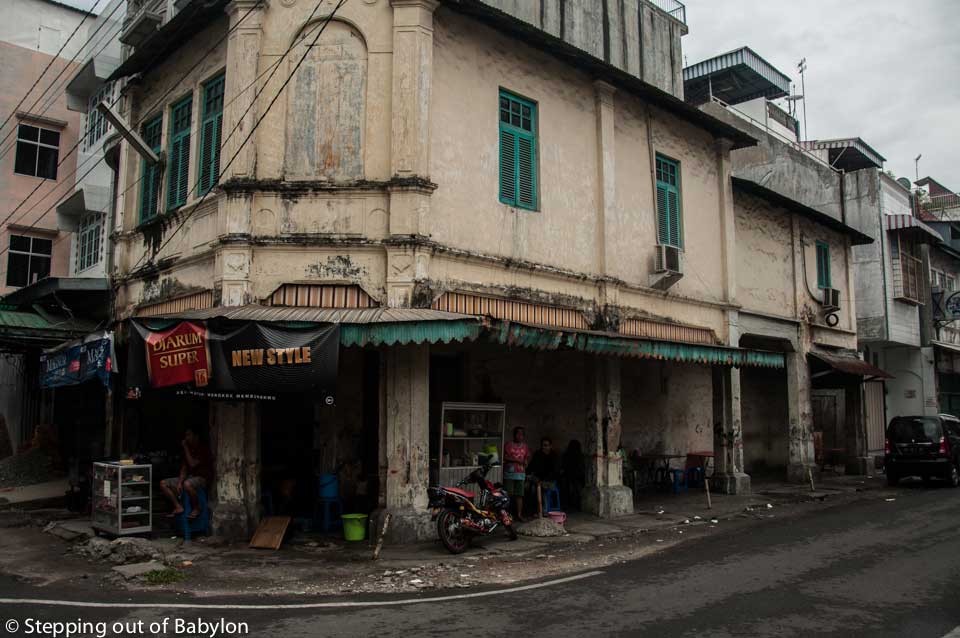
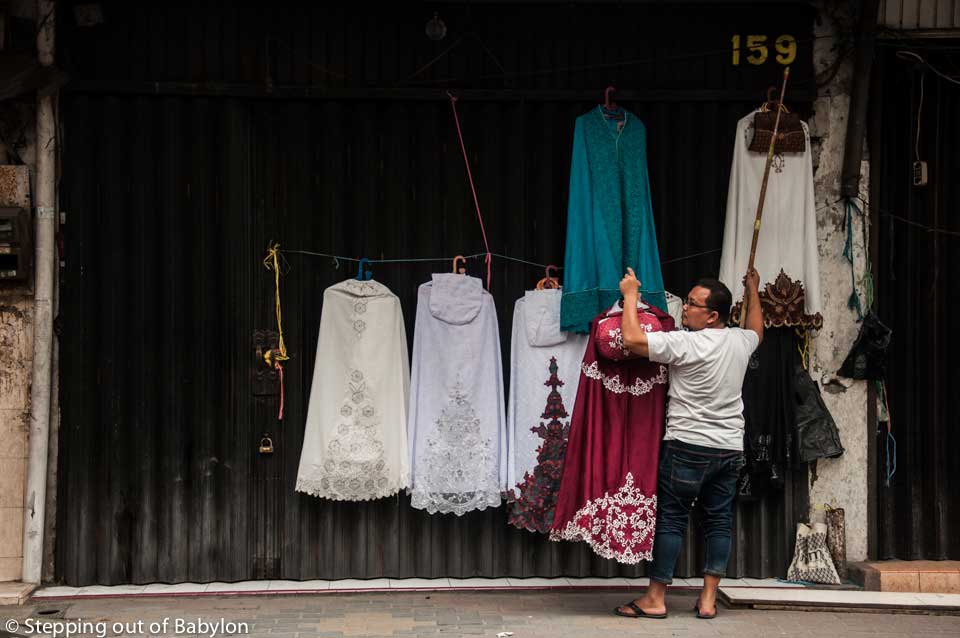
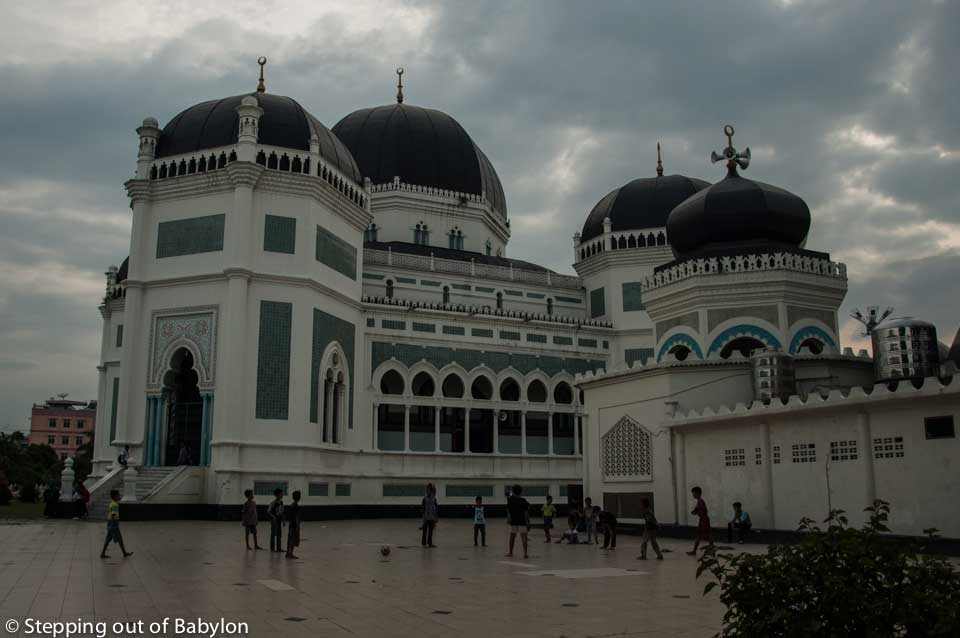
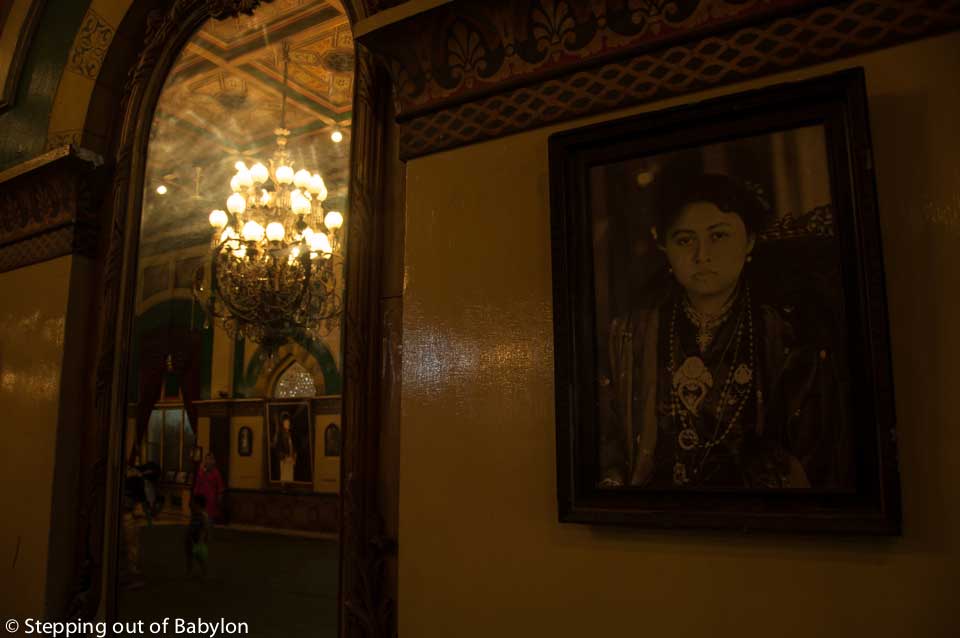
But the city isn’t totally deprived of charm. There’s the Masjid Raya, the more than one century old mosque with an exotic architecture, the Istana Maimoon, a palace built by a sultan that now a small museum, the old town with Dutch colonial building as also a touch of Chinese shop houses and Indian neighbourhood where you can make a break to the Indonesian cuisine.
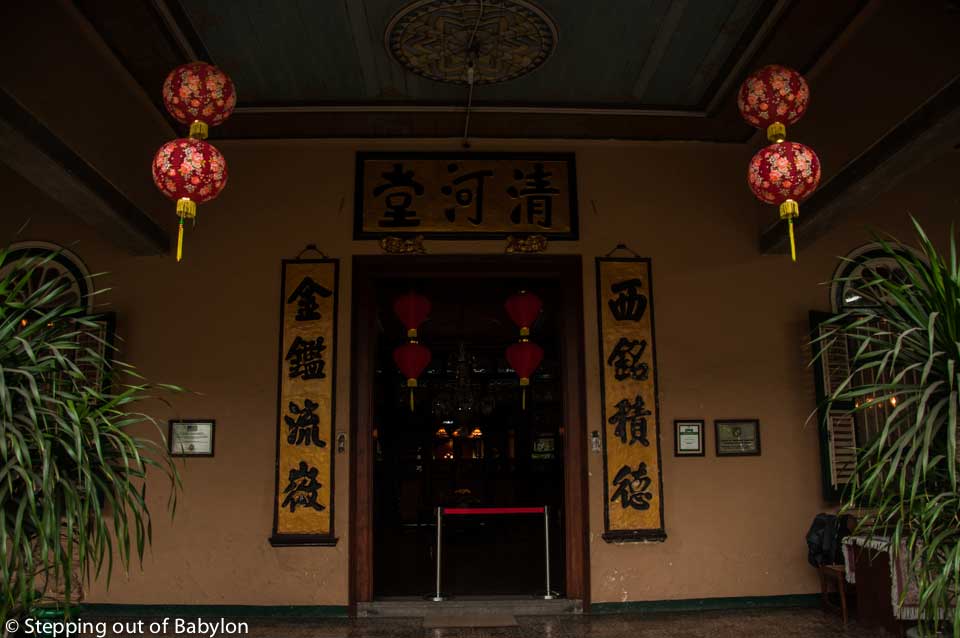
But for me, what brought the biggest surprise and the most pleasant time in Medan was the visit to the Tjong A Fie Mansion, the house of a rich Chinese merchant, from the end of the IX century, build in a mix of European colonial style and a strong Chinese influence. The house is a mark in the cultural panorama of the city and the Tjong A Fie, that arrive at Sumatra as a worker, build a fortune with the trade of tobacco, tea, rubber and sugar, becoming and important figure in Medan supporting education, health arts and culture. The house, where his relatives lived until a few years ago, has a balanced energy that creates a special positive atmosphere… and is a quiet place in the busy center of the city!
With all these Medan is a kind of melting pot of cultures, where Indonesia met Malaysia and China!


The prices at Medan are higher that the usual in Sumatra, and as this city is not on the backpacker’s circuit is difficult to find a cheap guest house or a hostel.
The K77 Guest House is located a bit far out from the center but offers very nice and clean rooms as also a dorm, in a quiet alley in front of a mosque. In fact, cleanness is the word to describe this guesthouse where the owners are super friendly and provide a lot of information in a good English.
A bed in the dorm is 125.000 Rp and the breakfast is not included.
http://k77guesthousemedan.blogspot.pt/
In a more central area there’s the Yap Hostel, just for women with a bed in a dorm for 75.000 Rp, but book in advance as is usually full, especially at the weekends.

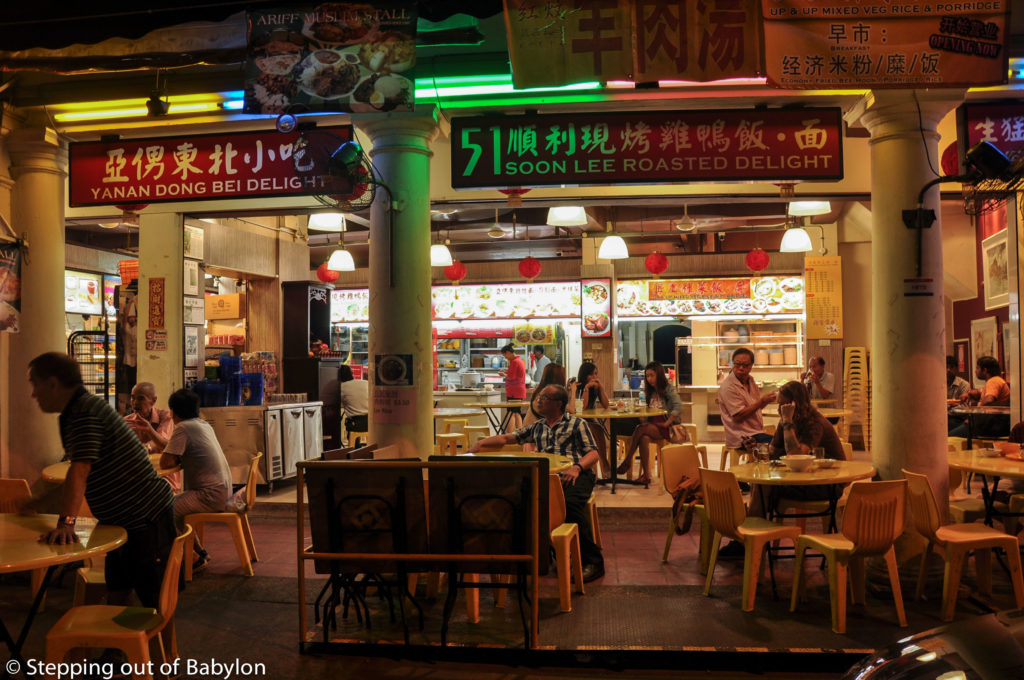
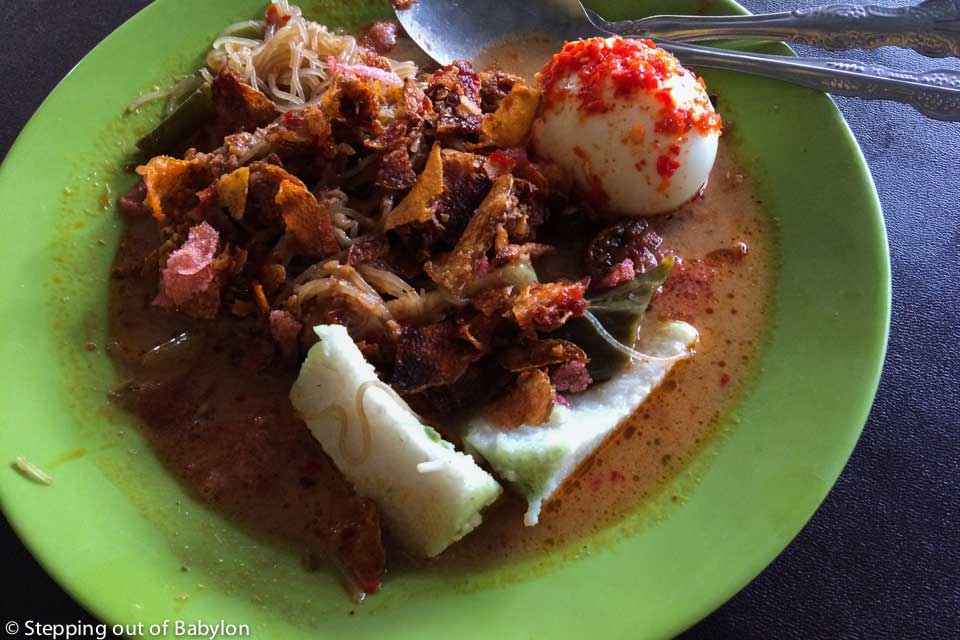
As there’s not much to do in Medan, the food could be a great entertainment if you need to stay a couple of days in this city and location close to Malaysian bring a new input to the Indonesian cuisine. As any big city, in Medan there’s a few “classic” that you must try!!
Despite these places there’s a lot of restaurants in Medan and is very easy to find masakan padang restaurants; due to the presence of a big Chinese community is very easy to find noodles, cooked in soups or stir fry.
If you are looking for a good supermarket where you can find top quality Indonesia products (is not so easy as we could imagine in a big city) the Brastagi Supermarket is the place!!! There’s a big choice of coffee and chocolates there!
The city is big and with a lot of traffic but with a lot of public transport (angkot). At your guest house you can get information about the angkot numbers, as this is the best way to identify them, as the destination isn’t written most of the times. There are colours according to the destination. It isn’t difficult but you gonna need help. The traffic is intense so you can easily be stuck in a traffic jam.
Very popular are the bajaj, a kind of auto-rickshaw that can transport two passengers.
The best option, especially if you travel alone, is the ojek (moto-taxi). You can use the app service of GoJek or Grab companies, and a trip inside the city costs around 10.000 Rp… and is a good way to avoid the traffic jams. Usually, this kind of transport doesn’t go out of the city.
The closest international airport from the capital of Sumatra is the Kualanamu International Airport (also written as Kuala Namu), which is located more than 40 kilometers from the center of Medan. There are a few ways to reach the airport:
https://www.railink.co.id/jadwal-kereta
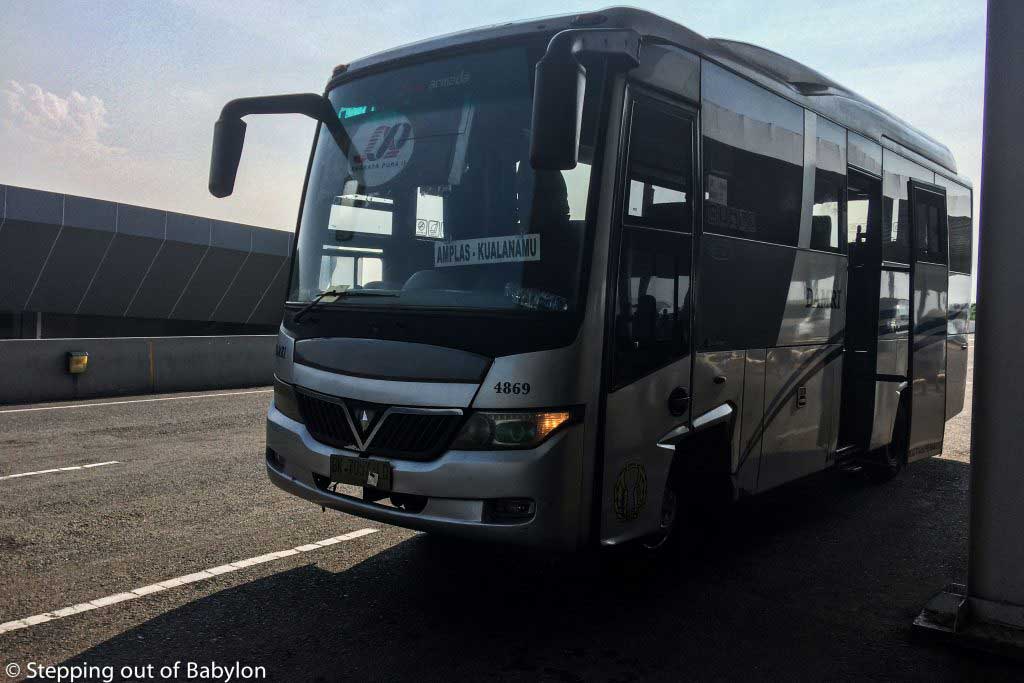
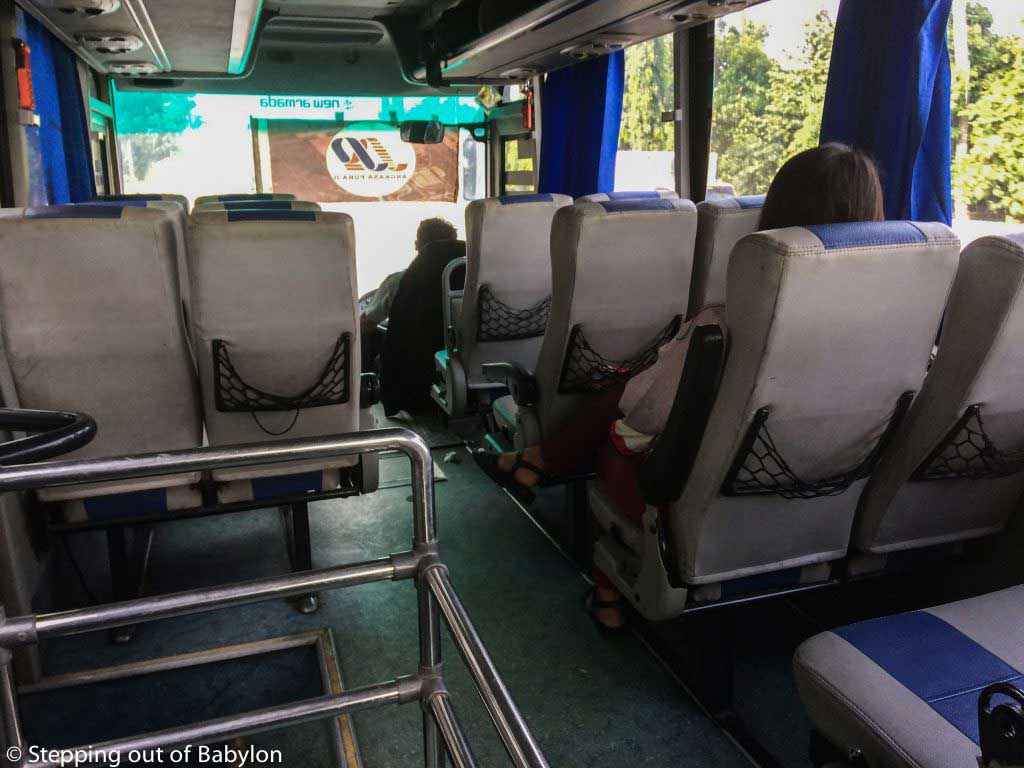
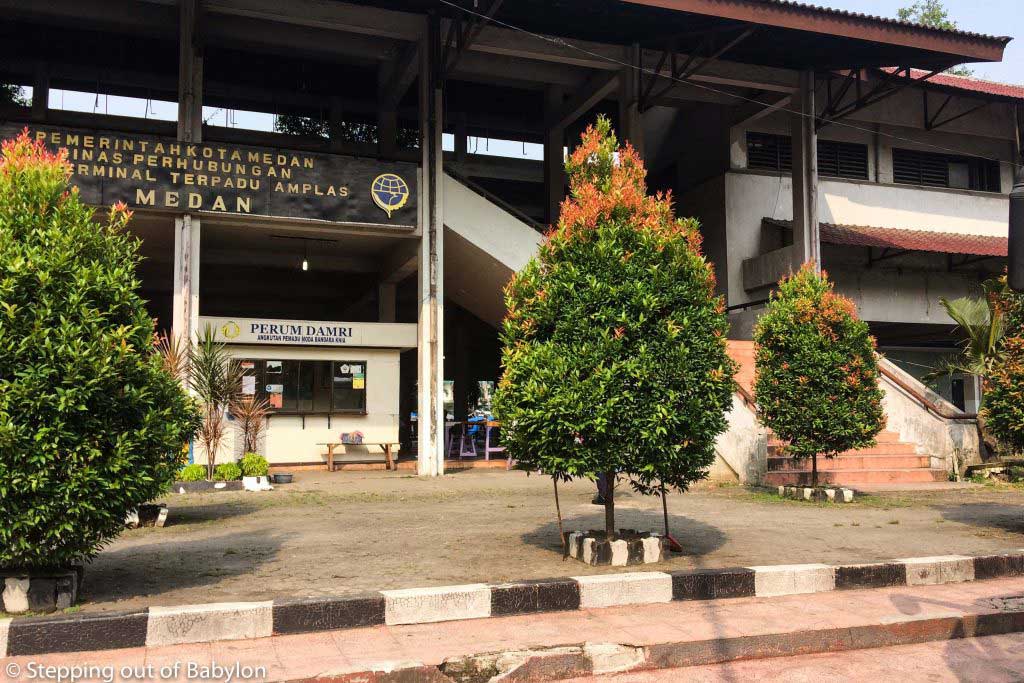
To reach Amplas Bus Terminal (located in the southeast part of Medan) you need to take one of the angkot (small local bus) that will cost you 10.000 Rp. There are many of these angkots that end their trip at the bus terminal but is better to ask someone on your guesthouse as the destination on this angkots is not clearly written on the vehicle, but to help they all have a number to make it easy to identify. Watch out that this trip to the Amplas Terminal can take you about 2 hours… depending on the time of the day and the distance that you are from the terminal!!!!
At the IVS /Indian visa Services) in Kuala Lumpur you can apply for visa, give all the documentation, fill a form as non-resident, make the payment and anyone will tell you that the India Embassy in Malaysia in not longer giving tourist visa to non-Malaysia Resident for more than two years. The only things that they ask is you to sign a paper that you agree to the submission of your application to the High Commission, don’t tell nothing about the meaning of this.
Later you’ll find that there is 99% of chances that you application is refused, and no way to have you money back.
The IVS staff in Kuala Lumpur is extremely impolite and totally incompetent to provide proper and clear information.
The only option if you are in one of this countries (Malaysia or Thailand), is to apply for 1 month e-visa if you are citizen of one of the 133 eligible counties:
Andorra, Anguilla, Antigua & Barbuda, Argentina, Armenia, Aruba, Australia, Bahamas, Barbados, Belgium, Belize, Bolivia, Brazil, Cambodia, Canada, Cayman Island, Chile, China, China- SAR Hongkong, China- SAR Macau, Colombia, Cook Islands, Costa Rica, Cuba, Djibouti, Dominica, Dominican Republic, East Timor, Ecuador, El Salvador, Estonia, Fiji, Finland, France, Georgia, Germany, Grenada, Guatemala, Guyana, Haiti, Honduras, Hungary, Indonesia, Ireland, Israel, Jamaica, Japan, Jordan, Kenya, Kiribati, Laos, Latvia, Liechtenstein, Lithuania, Luxembourg, Malta, Malaysia, Marshall Islands, Mauritius, Mexico, Micronesia, Monaco, Mongolia, Montenegro, Montserrat, Mozambique, Myanmar, Nauru, Netherlands, New Zealand, Nicaragua, Niue Island, Norway, Oman, Palau, Palestine, Panama, Papua New Guinea, Paraguay, Peru, Philippines, Poland, Portugal, Republic of Korea, Republic of Macedonia, Russia, Saint Christopher and Nevis, Saint Lucia, Saint Vincent & the Grenadines, Samoa, Seychelles, Singapore, Slovenia, Solomon Islands, Spain, Sri Lanka, Suriname, Sweden, Taiwan, Tanzania, Thailand, Tonga, Turks & Caicos Island, Tuvalu, UAE, Ukraine, United Kingdom, USA, Uruguay, Vanuatu, Vatican City-Holy See, Venezuela, Vietnam.
https://indianvisaonline.gov.in/visa/tvoa.html


Since October 2015, it is no longer possible for a non-Thailand residents to get a Indian Tourist visas in Bangkok or any other city.
Check update info at: http://www.travelfish.org/orientation_detail/thailand/bangkok_and_surrounds/bangkok/bangkok/138
The only option is to apply for 1 month e-visa if you are citizen of one of the 133 eligible counties:
Andorra, Anguilla, Antigua & Barbuda, Argentina, Armenia, Aruba, Australia, Bahamas, Barbados, Belgium, Belize, Bolivia, Brazil, Cambodia, Canada, Cayman Island, Chile, China, China- SAR Hongkong, China- SAR Macau, Colombia, Cook Islands, Costa Rica, Cuba, Djibouti, Dominica, Dominican Republic, East Timor, Ecuador, El Salvador, Estonia, Fiji, Finland, France, Georgia, Germany, Grenada, Guatemala, Guyana, Haiti, Honduras, Hungary, Indonesia, Ireland, Israel, Jamaica, Japan, Jordan, Kenya, Kiribati, Laos, Latvia, Liechtenstein, Lithuania, Luxembourg, Malta, Malaysia, Marshall Islands, Mauritius, Mexico, Micronesia, Monaco, Mongolia, Montenegro, Montserrat, Mozambique, Myanmar, Nauru, Netherlands, New Zealand, Nicaragua, Niue Island, Norway, Oman, Palau, Palestine, Panama, Papua New Guinea, Paraguay, Peru, Philippines, Poland, Portugal, Republic of Korea, Republic of Macedonia, Russia, Saint Christopher and Nevis, Saint Lucia, Saint Vincent & the Grenadines, Samoa, Seychelles, Singapore, Slovenia, Solomon Islands, Spain, Sri Lanka, Suriname, Sweden, Taiwan, Tanzania, Thailand, Tonga, Turks & Caicos Island, Tuvalu, UAE, Ukraine, United Kingdom, USA, Uruguay, Vanuatu, Vatican City-Holy See, Venezuela, Vietnam.
https://indianvisaonline.gov.in/visa/tvoa.html
It takes time but is easy and without any troubles!
When the bus arrive to the Malaysian immigration you need to get the stamp… it’s a quick and easy process that don’t take more than 5 minutes. The bus driver will help and show you were to go.
After you need to get in the bus again to drive a few meters until you arrive to the Thai immigration services, were the lines are long… this took about 1 hour.
After the immigration process, were you must show your passport and immigration form, you’ll take the same bus, yet you need to take your bags with you when cross the border.
Note: Before arriving to the Thai Immigration counter you must fill a immigration form, a card with your name, nationality and a few more information, that is staple to your passport after stamped. This should be available at the border.
Although before we reach the border the bus stop in a rest area/restaurant and the driver collect the passports of all passengers, give then back with the immigration form already fill and ask 5 RM for the service. Apparently this is a unnecessary charge as you can do it by yourself, but everybody accepted, included Malaysia and Thai passengers… scam?!?!?!
From TBS Terminal Bersepadu Selatan departure everyday buses from different companies to Hat Yai, crossing the Malaysia-Thai border: Kedah – Sadao.
Schedule: 8.00h, 8.45h, 9.30, 22.00h, 22.30h, 22.45h, 23.00h.
Ticket: between 55 RM (VIP, with 3 seat in a row) and 80 RM (double decker bus).
The bus trip takes 8 hours, but can be more depending of the time at the Malaysia-Thai border
The bus to Hat Yai departure from Terminal Bersepadu Selatan, that everybody knows by TBS. The terminal is located in the south area of Kuala Lumpur and offer good connection with public transportation network at Bandar Tasik Selatan to:

The TBS has a huge number of ticket counters, centralising the tickets selling to all destination and bus companies. Arrive at least half-hour before because the lines are big.
If you travel to popular destinations, especially on Fridays, weekends and holidays is better reserve the ticket in advance.
For reserving ticket you can use on of the many site, and pay with credit card. Most of the web sites don’t charge commission. I use this one: http://www.easybook.com/
Once you arrive to the TBS, nearby the ticket counter you’ll find a counter where you can show your reservation and get the ticket.
Two things stand out in the cuisine of Malaysia… the ethnic, cultural and religious diversity that brings us to China, India, Thailand, Indonesia… and the rice which is present in almost all dishes.
From the staying in Borneo and West Malaysia several representative dishes of Malaysian cuisine remain, like lontong, laksa, nasi lemak, nasi goreng… “nasi” means rice and “goreng” refers to fried, so fried rice is one of the dishes easily find anywhere at any time of day, usually made with chicken, beef or seafood, with pork away from a gastronomy of a Muslim country.
Being a predominantly muslim country, Malaysian cuisine is dominated by meat dishes, but the strong presence of the Chinese community as well the Tamil from South of India bring other options that suits the vegetarian diet!
In terms of nasi goreng, there are many variants (kampung, pattaya, ayam …), differing ingredients, seasonings and spices, always excelling spicy. The nasi goreng pattaya is basically fried rice (fried rice with meat, seafood or vegetables), involved in egg and drizzled with a sweet and spicy condiment. In Borneo this dish is often served with a bowl of broth that makes it less dry. Despite being unpopular and does not appear in the menus it is also possible to order vegetarian nasi goreng, but that is almost always made with egg, and not many vegetables.

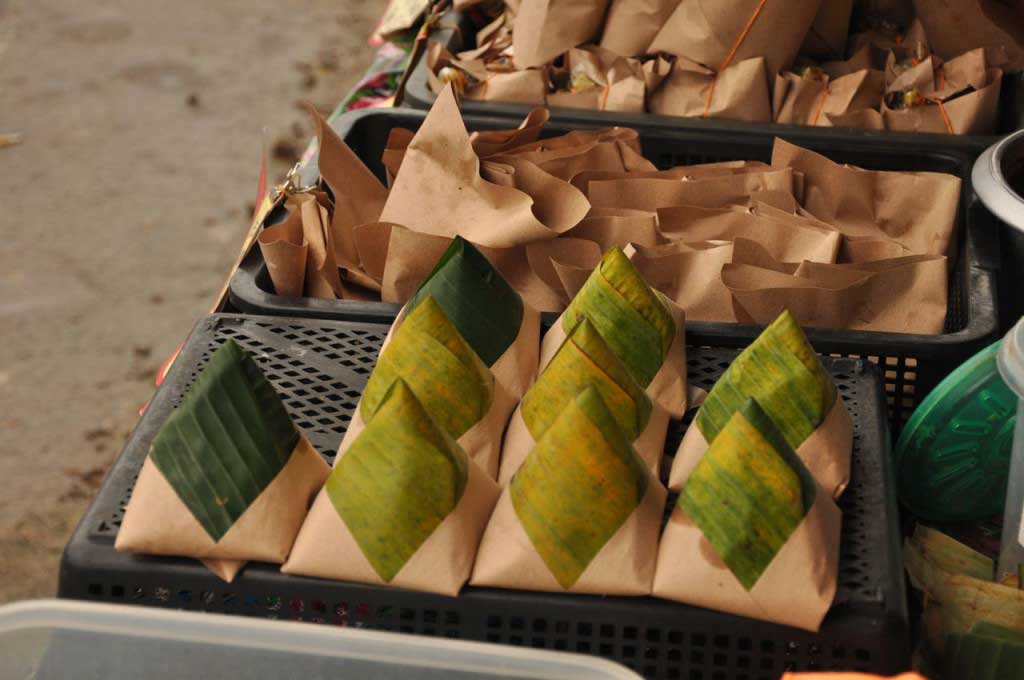
But it is the nasi lemak that is the “king” and can be considered the Malaysian national dish. Usually eaten for breakfast, being basic and very simple to prepare. It consists of rice and small portions of fried small anchovies, fried peanuts, cucumber slices and egg, that can be boiled or fried. This meal can be served on the plate or wrapped in banana leaf for take-away. But what makes this special dish is the sambal, a red and thick paste, made with chilies, onion, ginger, garlic, anchovies and a few more spices, resulting in a very tasty mixture.

Laksa is another popular Malay dish that can be classified between a soup and a curry. It’s basically a broth, sweet and spicy, which includes the coconut milk, ginger, lime leaf (kaffir) and lemongrass, which involves fine rice noodles and bean sprouts. To this base usually is added meat, but you can also order it with tofu.
In Borneo, the laksa is creamier, with more coconut milk and usually served with tofu and seafood, where seafood comes down to shrimp or squid… but wherever it is always served with lime that brings out the other flavors.


Lontong, a traditional Indonesian dish that was built in Malaysian cuisine, and its vegetarian in is origin. Made with a compressed rice with a roll shape, cut in big pieces. To these these “chunks” is added a soft vegetable curry cooked in coconut milk, to which joins tofu, tempeh and boiled egg (or sometimes fried). Like the nasi lemak is served with a spoonful of sambal, also part of the popular dishes eaten for breakfast.

A popular snack in Borneo, and probably can also be found in the rest of Malaysia is called fried carrot cake, which despite its name has nothing to do with carrots, made from cooked and compressed rice-shaped blocks, which are cut into pieces and fried with egg, spicy and sometimes with soy sauce. Unhealthy due to amount of oil but very delicious.
In cities, especially in neighbourhoods dominated by Indian culture, often called Little India, it’s easy to find the traditional cuisine of southern India as a result of the strong presence of the Tamil community living here for generations. In addition to the delicious curries that give life to a dish of rice, often served in a banana leaf, you can also find murtabak, dosas and other typical Indian snacks, served with coconut chutney and sambar.
But what stands out are the roti canai, also called roti prata or paratta. It is a flat unleavened bread, but whose dough is extended until get very thin, thrown with mechanical and precise gestures against the table, repeatedly until almost getting ripped, in a process that requires a lot of oil. After is extended and rolled to create rough layers and is then fried in a metal plate until crisp and slightly toasted. The roti is accompanied by a small dish of curry, were it is is soaked.
You can find several versions of this roti, stuffed with egg, banana, sweetened milk…

From the presence of the Chinese community, result many restaurants and all variations around the noodles soup and fried noodles, and along with nasi goreng, are a popular option and easy to find at any time of day. As they are prepared at the moment they can be made in a vegetarian variant, where it is often added tofu, a notorious influence of Chinese cuisine.
The fried rice noodles in Malaysia answering to the name Kueh Teow Goreng, and are always made with egg, bean sprouts and some raw chives.

The dim sum, traditional Cantonese meal steamed in bamboo baskets, is a presence in some Chinese restaurants, some of which still retain the traditional system in which the food is circulated in trolleys through the tables with customers choose the food among the dozens of varieties… were hardly can be find vegetarian food.
Very popular in areas with the highest concentration of the Chinese community, as are the Chinatown in different cities of Malaysia, are the shops specialised in dried meat that is prepared in different ways, ranging from sweet to spicy.
But what stands out the Chinese food, resulting from the attractive price and the wide range of options is the rice dish serve in buffet style: a plate of with a portion of rice were different dishes are added chosen from trays of food, which can be meat, fish, eggs, vegetables and the popular tofu that is cooked in different ways. This system is very popular, not limited to Chinese cuisine, extending the Malaysian food restaurants that although more focus in meat also offer a wide variety in terms of vegetarian food. Just need to ask for “rice” and we are given a plate with of rice for each one add the dishes.


About street food, Malaysia will get a lot of inspiration to neighboring Thailand, and is easier to find in the cities of the north of the country than for example in Borneo. In small stalls that arise several hours a day in specific locations of the city can be found apom, steam rice cake, fried banana, and the popular and delicious apam balik that are pancakes stuffed peanuts… and many more delicious options that also include snacks, often fried.


Markets are also great places to enjoy and experience the wide variety of food, a lot of which is difficult to identify, whether it is sweet or salt, whether it is meat or vegetarian… but always arouses curiosity.


As a tropical country abound bananas, mangoes and papayas… but also in the markets as street vendors also are pineapple, jackfruit, watermelon and melons… but it is the durian, the king of tropical fruits, much appreciated as hated by intense and characteristic smell, that make it forbidden to carry in the subway.


The chendul (or chendol) is a traditional cold sweet very popular in Malaysia, based on coconut milk and crushed ice, sweetened with palm sugar syrup and served with a green noodles (whose color comes from a vegetable often used in sweets and dishes, the pandan) and a few sweetened beans. It may seem odd but it is delicious and refreshing and in some places, like George Town people line up in small street stalls to buy chendul.


Very popular is kaya, a coconut and egg jam, that sometimes can have the green color, if it’s added pandan. Kaya is used to spread on toast, which served with eggs and tea is also one of the option in terms of traditional breakfast in Malaysia, mainly in cities. Kaya Jam is also used to fill puff tarts as the ones sold in a small corner shop in Kuala Lumpur’s Chinatown.


Adding to the list of popular sweet is the beancurd (also called soybean pudding) a kind of pudding made of soy, which is sweetened with palm sugar syrup, is also popular in most dominant Chinese areas.

Being a predominantly Muslim country, alcohol is unusual at local restaurants but is easy to find in bars and restaurants in more tourist sites, especially the beer.
But the most popular in terms of drinks is teh tarik, which is tea to which is added sweetened milk, and can be served hot or with ice (teh ais). It is consumed in the morning, usually hot, accompanying meals, like roti canai for example, or during the day, as a break in the workday.
Coffee is also easy to find, being in Malaysia usual the filtered coffee, served in a very strong version in terms of caffeine, with a dense and dark look but soft flavor.


For vegetarian food the best option are the Indian restaurants, due to the influence of the Hindu religion and some Chinese restaurants that resulting to the connection with Buddhist religion can sometimes exclude animal products. In restaurants more targeted to the Malay cuisine is notorious the strong presence of meat dishes, and yet respecting the halal rules, which pork is exclude. Yet pork meat is quite popular in Chinese dishes.
In general there are few dishes exclusively vegetarian in Malaysia gastronomy, and even those who appear to have no animal products, can often be served with a condiment called “sambal” that includes anchovies or any other small fish.
For those who are used to eating knife and fork, it is here to adapt to the use spoon and fork, because the knife is an instrument that does not arrive at the table, being unnecessary since the food is cut into pieces being brought to mouth by the spoon, serving the fork to push food into the spoon. In Malaysia the food is take to mouth with the right hand. In Indian restaurants it is common to use the fingers to bring food to the mouth, but spoons are always available. Spoon and chopsticks are used in Chinese restaurants. In general, the restaurants do not have napkins.
And as in other Asian countries the first meal of the day is made on the basis of rice and noodles, soups or curries. The rotis are also popular for breakfast. Many restaurants serving breakfast open at 6 am, but this are not always open until dinnertime, closing by 3 or 4 pm. But there are others who not opening so soon, serve meals until dinnertime, but not much later than 9 pm. Take-away system is very popular with both restaurants and street stall to be prepared to parcel food in proper containers or more traditionally in banana leaf.

In food courts a meal costs between 3.5 and 5 RM, which means that you can easily get a meal for 1 €.
The same applies to the so-called rice plat, with two or three varieties of vegetarians side dishes costs about 4 MR. The food costs in Kuala Lumpur are a bit higher were a rice plate eaten in a restaurant can costs about 5 RM, but van be cheaper is a street food stall
Dishes with meat, fish or seafood always have higher prices.
Between Kampong Glam and Little India, at the end of Arab Street, at the intersection with Queen Street, before Rochor Canal, there is a small Queen Street Bus Terminal (or Ban San Bus Terminal).
From here daily buses depart bound for Johor Bahru (most southern city of Malaysia) where they also run buses to Kuala Lumpur and Melaka.
The bus journey to Melaka (Malacca) takes 3.30h but may take longer depending on the time it takes to pass the immigration services. From the Malaysian side the process takes less than 1 minute to obtain the stamp of 30 or 90 days without costs. From the Singapore side the process took close to one hour with long lines, probably because it was a Sunday, and many people come to Singapore in a week-end trip.
Terminal located in Queen Street Bus Terminal (or Ban San Bus Terminal) to “707-inc” company has buses bound for Melaka Sentral (Melaka interstate Bus terminal) at the following times: 08:30, 09:00, 11:00, 13:30, 15:30 and 19.00h .
Ticket: 23 S$

Plane trip: 1.5 h
15 days


1427 km (until Hay Yai, in Thailand) made by bus
15 days

The fame of Thai gastronomy is entirely deserved, with a great diversity of dishes with a predominance of curries, aromatic and mildly spicy, and noodles, a smooth and soft pasta made with rice flour, present in many of the Thai dishes, like soups and stir-fry.
Generally speaking, rice is always present in any home, and it is common to walk the streets of the neighbourhoods to feel the hot smell of cooked rice at any time of the day, which is almost always made in electric cookers, both at home and in restaurants.
Near the markets, or even on the streets of the city, small stalls are selling cooked rice, both glutinous and normal, in small plastic bags, serving as side dishes for curries, stews or fried fish or meat, and sold in the form of small kebabs.
Sticky rice, or glutinous rice, serves as an accompaniment to many Thai dishes, also serving as a dessert, where it is eaten together with pieces of mango, and often drizzled with sweetened coconut milk, making a good combination. In some markets it is still possible to find this type of rice, which after being cooked is introduced into a bamboo trunk which is then grilled over charcoal; it can be just plain rice or mixed with beans, alfalfa seeds, bananas, meat… the choice is always risky because most sellers don’t speak English and even the sounds I try to pronounce to express my choice for vegetarian food are not understood, most of the time.
This type of long grain rice with a sweet taste, originally from the Issan region (northeastern Thailand), where it adapts well to poorly fertile soils, after being cooked it maintains its firm consistency but is easily added which allows it to be dipped in sauces, it is left to soak in water overnight, so that in the morning it is ready to be cooked.
Very popular, especially among foreigners, is the so-called “fried rice” which is nothing more than previously cooked rice that is stir-fry in the wok, with some pieces of vegetables and flavoured with soy sauce and fish sauce. Far from being my favourite dish, I consider the fried rice as “last resort” option, as the vegetarian option don’t show much nutritional value apart from a lot of carbohydrates and fat!!
It can be considered that the curry paste is the basis of almost all traditional dishes of Thai gastronomy, and can be made with different ingredients, but it usually has ginger, garlic, salt, chili, curry leaf, lemongrass… finely crushed and crushed to form a paste to which salt and spices are added that can be kept for several weeks. According to the dish to be prepared there are several types of curry pastes: green, red, massaman, panang… which are sold in the food markets all around the country.
Another constant is the noodle soup, prepared in less than a minute and very popular as street food, where small stalls only need a large pot with a steaming broth, which when uncovered fills the air with soft aromas, which pieces of green leafy vegetables, meat, or tofu are added to the dish, with the addition of fresh rice noodles, which are instantly ready to eat.
MSG, Monosodium Glutamate. This is the true plague of Thai food that competes strongly with sugar, and is present in almost all dishes, both in restaurants and in street food, which consists of a chemical used to enhance the flavour of food, but controversial use as it is not well tolerated by everyone and can cause gastric problems.
The “pad thai” is undoubtedly the most popular, perhaps because it has become popular with tourists and because it is cheap and easy to make, which makes it present in all restaurants, markets or street stalls. based on sautéed noodles with soy sprouts and a few vegetables, and sprinkled with crushed peanuts. Despite having an egg, it is a good option for vegetarians, but small dried shrimps often appear that ruin this option.
In general, Thai cuisine is not very “friendly” for vegetarians, as many of the dishes often have pork, chicken or shrimp, including noodle soups that are often made with meat broths; even more difficult is for vegan, where the presence of egg is almost mandatory when ordering something vegetarian.
But in the bigger urban areas, the vegetarian diet is getting popular and with a bit of internet research is not difficult to spot a vegetarian or even vegan restaurant. However, the prices are certainly higher than what you can find in street-food.
Tofu is also a presence in Thai cuisine, certainly an influence from neighbouring China, and is seen as one more ingredient in the local dishes, and not necessarily an alternative to meat or fish.
As most of the food is cooked at the moment it’s not difficult to order a vegetarian version of a dish, yet nothing is a guarantee about the use of some “mysterious” sauces that most of the time contain animal products.
There is no strict timetable for meals, nor a specific type of food for each meal, and a soup of noodles or a piece of fried chicken with rice can be served for breakfast, lunch, or dinner.


Although it is not too cold, this time of year is corresponding to winter, and temperatures drop significantly during the night; and how could it be that chestnuts appear to remember winter in Portugal … but these are smaller and steamed!


I’m Catarina, a wanderer from Lisbon, Portugal… or a backpack traveller with a camera!
Every word and photo here comes from my own journey — the places I’ve stayed, the meals I’ve enjoyed, and the routes I’ve taken. I travel independently and share it all without sponsors or ads, so what you read is real and unfiltered.
If you’ve found my blog helpful or inspiring, consider supporting it with a small contribution. Every donation helps me keep this project alive and free for everyone who loves exploring the world.
Thank you for helping me keep the journey going!