• Skip to main content
  • Skip to footer

Stepping Out Of Babylon

Travel & Photography

  • About me
    • Contact
  • Destinations
    • Africa and Middle East
      • Iran
      • Lebanon
      • Morocco
      • Turkey
    • East Asia
      • China
      • Japan
      • Taiwan (Formosa)
    • South Asia
      • Bangladesh
      • India
      • Nepal
      • Sri Lanka
    • Southeast Asia
      • Cambodia
      • Indonesia
      • Lao
      • Malaysia
      • Myanmar
      • Singapore
      • Thailand
      • Vietnam
  • Itineraries
  • Travel tips
    • Border crossing
    • Hiking and Natural parks
    • Food Journey
    • Visa
  • Photography

Taipei

Arriving in Taiwan (Taoyuan Airport)

How to get from the airport to Taipei

Taoyuan International Airport is located about 40 km west of Taipei and is conveniently connected to the city by the efficient MRT line. For NT$150, you can reach Taipei Station comfortably in about one hour.

At the airport, the signs to the MRT line are very clear. However, once you arrive at Taipei Station, it may take some effort to find the most convenient exit for your destination. It’s a good idea to have GPS working on your mobile, so getting a SIM card before leaving the airport is recommended.

Where to get a SIM card in Taiwan

Upon arrival at Taoyuan International Airport, there are many options for purchasing a prepaid SIM card. Several telecom company counters are available both near the baggage claim area and in the arrivals hall. You can compare prices and packages from different providers.

Unfortunately, I skipped this step and had to find a SIM card in Taipei instead. While it was still easy, it wasn’t as convenient, as I didn’t find as many telecom shops in the city as at the airport.

Still, I got a good deal at a FarEasTone (FET) shop, located at the corner of Guanqian Road and Xuchang Street. It’s a large store with a noticeable red and white sign that’s easy to spot. They sell phones and accessories, and you can get a SIM card there without much hassle. You just need to choose a prepaid plan, show your passport, and make the payment. The staff kindly installed the SIM card and completed all the activation and language setup in English.

I chose a 30-day package for NT$800, which included unlimited data and 100 minutes of voice calls. I traveled across Taiwan from north to south—from Taipei to Kenting—and had no issues with internet connectivity.
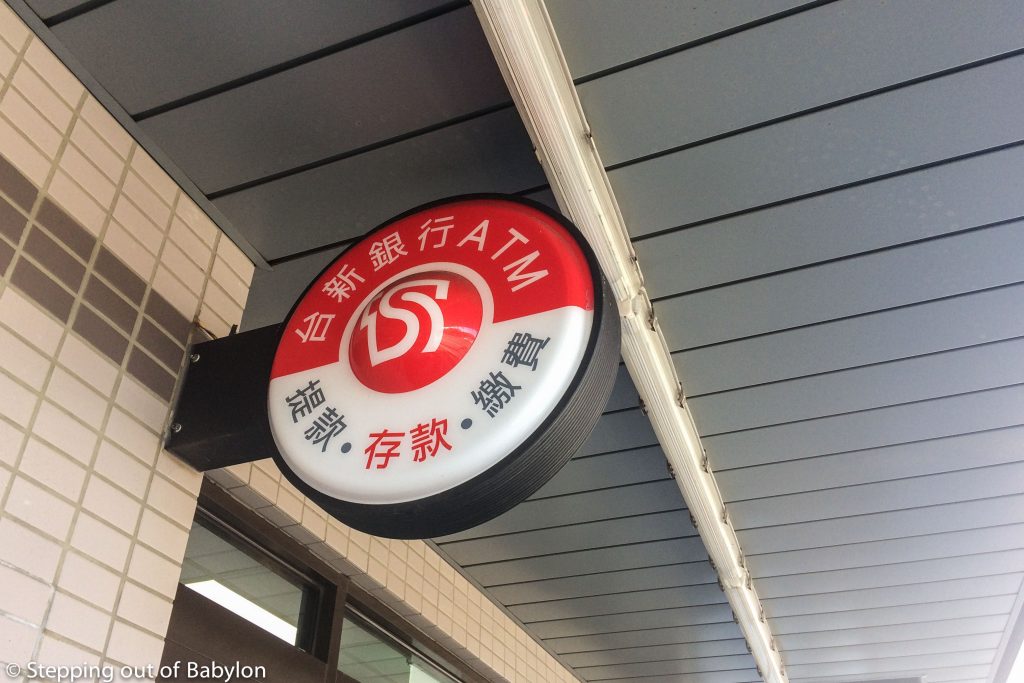
Taiwan: ATM withdrawals without fees

There are many ATMs in Taiwan that accept international cards (MasterCard is the most widely accepted), including several at the airport and throughout the country.

Some convenience stores, like 7-Eleven, have ATMs from Taichung Bank, which typically charge a NT$100 fee per withdrawal.

Later, I found out that regular Taichung Bank ATMs don’t charge a fee for withdrawals using MasterCard. However, the Taichung Bank ATMs located inside 7-Eleven stores still apply the NT$100 fee.
Taipei… the gateway

Arriving in Taipei

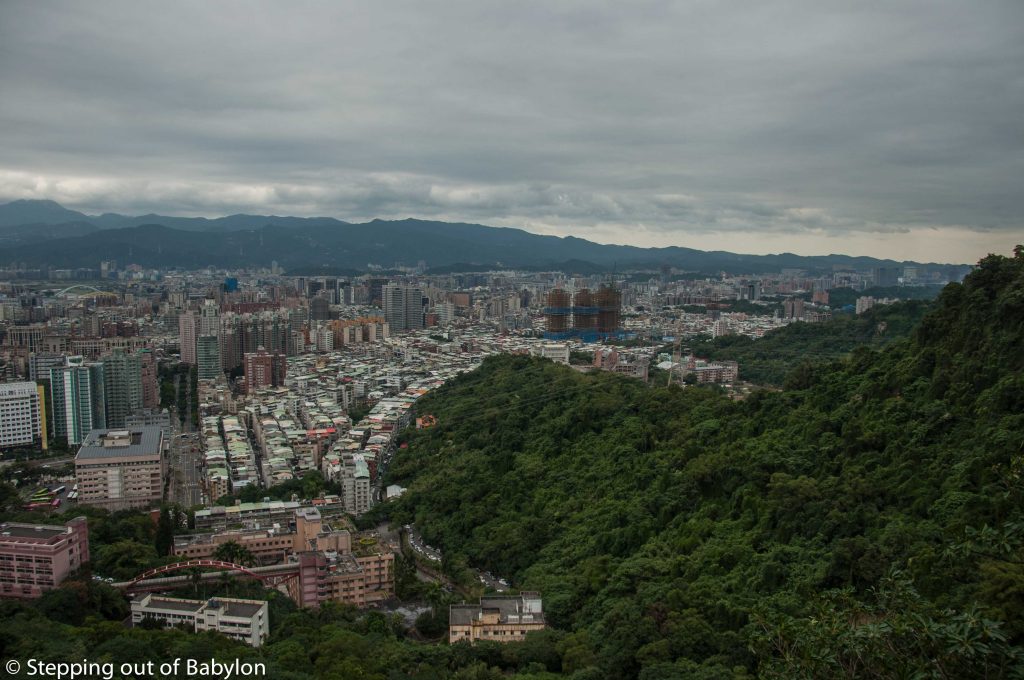
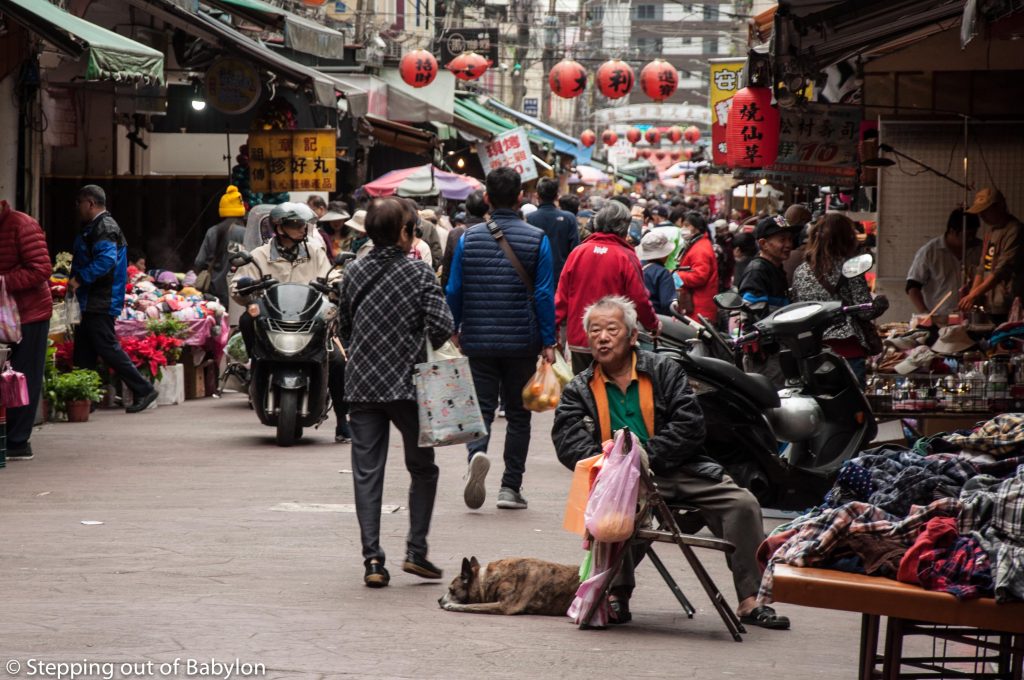
Arriving in Taipei after six weeks in Japan, I had the unexpected feeling that I had finally arrived in Asia: scooters everywhere, food being cooked and sold on the streets, foot massages being announced as we passed by, the ladyboys… the smells, the sounds, the turmoil that more or less characterise Southeast Asian countries — but without the chaotic traffic, the annoying horns, or the tuk-tuk cliché!

However, Taipei greeted me with a grey, cloudy sky that soon turned into a light but persistent rain, which lasted throughout my stay, making walks around the city — especially those further from the central area — less enjoyable.

Even the markets seemed to lose their usual color. The exotic nature of some foods and products wasn’t enough to leave a vivid memory. The winter weather, which made long walks unpleasant, pushed me instead into indoor spaces like coffee shops and malls, where you can feel a modern, cosmopolitan Taiwan, heavily influenced by Western habits and standards.

The cold and rainy climate painted the city in shades of grey, leaving a somewhat underwhelming impression of the capital, where there seems to be a disconnection between the run-down concrete buildings from the 1960s and the massive modern office towers and luxury apartments competing with the tallest in the world (Taipei 101, the city’s icon, is ranked 5th). Somewhere in between is an effort to rehabilitate old industrial zones from the 1930s and 1940s, where characteristic brick buildings were transformed into shops, studios, and ateliers — part of an attempt to create heritage and a sense of the past in a relatively new country with little history.

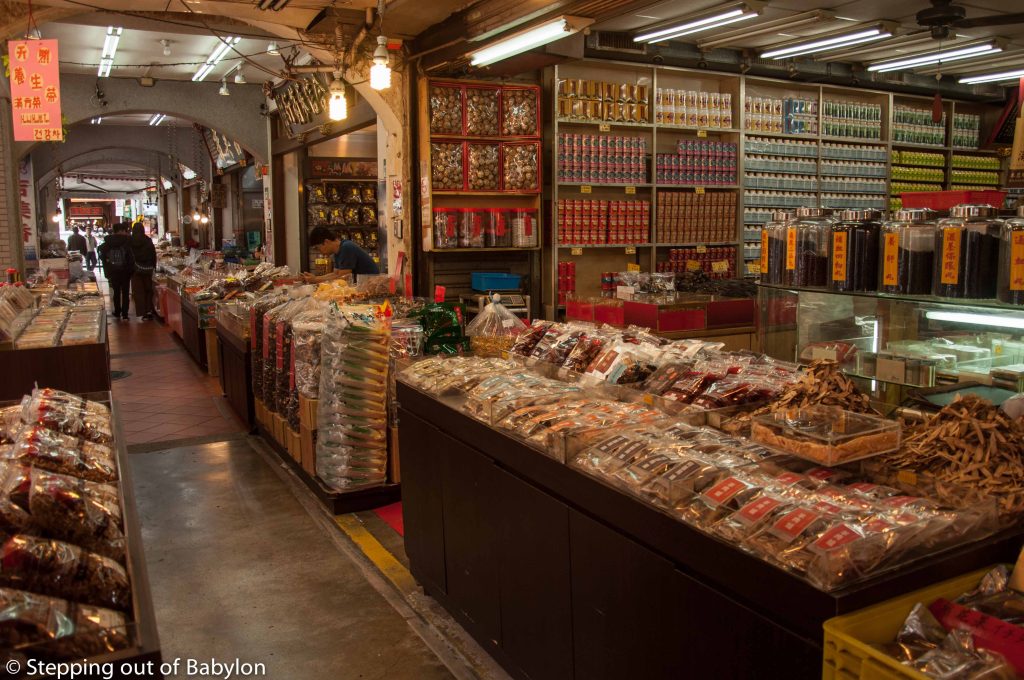
Despite being a recent city (it only became the capital in 1949) with little tradition or historical depth, Taipei still manages to offer some charm. Chinese goods stores selling decorations, food, and traditional medicinal products that give the city a colourful and exotic touch dominate the older neighbourhoods.

A bit about Taiwan… aka R.O.C.

Taiwan, officially called the Republic of China or R.O.C. (not to be confused with the People’s Republic of China — commonly just called China), is a relatively new country compared to its neighbours. It became an independent territory when Japanese troops withdrew from the island at the end of World War II in 1945. Despite their relatively short occupation (less than five decades), Japan contributed significantly to Taiwan’s economic and industrial development.

Originally called Formosa by the Portuguese when they arrived in the 16th century, Taiwan was under Chinese rule for centuries. This is reflected in its population, which is almost entirely ethnic Chinese, with indigenous groups and other minorities making up less than 5%Despite its economic development — Taiwan ranks among the world’s developed countries — it remains unrecognized as an independent nation by most of the international community. It is the most populous country and the largest economy that is not a member of the UN. This is due to Chinese foreign policy, which threatens to cut off trade and diplomatic relations with countries that recognize Taiwan. As a result, only 14 nations and the Holy See officially acknowledge it.

Regardless China’s efforts to maintain dominance over Taiwan, a growing number of young Taiwanese are distancing themselves from Chinese influence, instead embracing their own identity — a unique blend of Chinese and Japanese cultural elements.

A Temple Visit to Remember

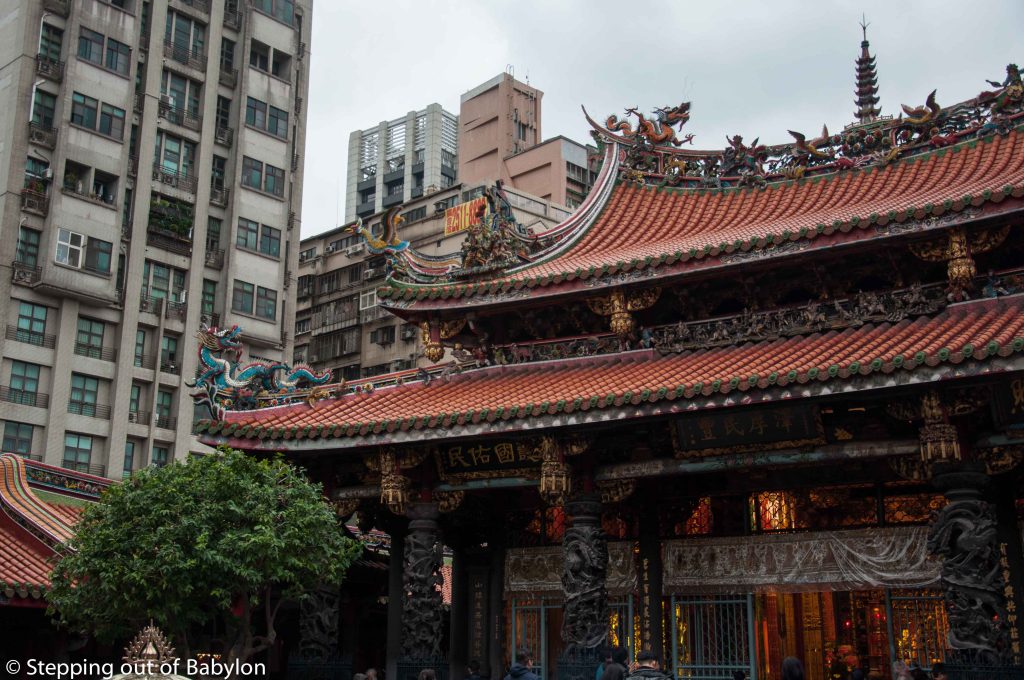
Maybe it was the rainy, grey weather, or maybe it was the city itself, but Taipei didn’t leave a particularly strong or memorable impression on me — with one exception: my visit to Longshan Temple, one of the oldest Buddhist temples in Taipei. Built in traditional Chinese religious style, it has a long history marked by fires, earthquakes, wars, and numerous reconstructions.

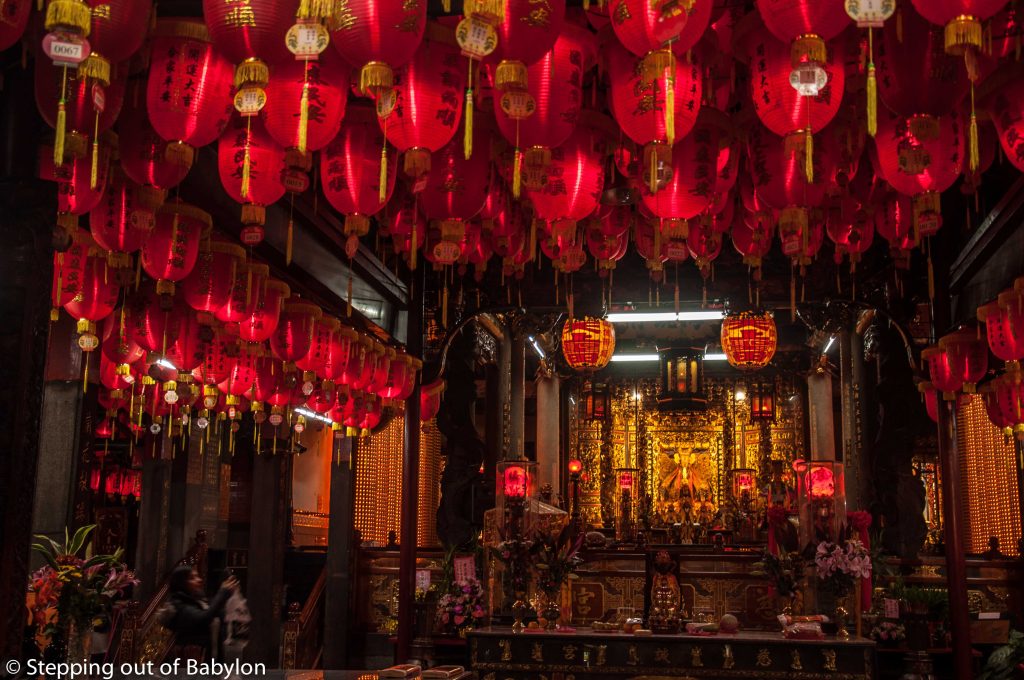
I arrived at the temple late in the day. The sky had been thick with clouds, and the early darkness added to the mood. Despite the dim light, I could still see the intricate carvings of dragons and other mythological figures, decorated with floral motifs and enhanced by the vivid colors of the carefully maintained paintwork.

It was clearly a special day, as it’s not every day that so many people gather at the temple, singing or chanting prayers alongside the monks inside. The smoke from the incense filled the room, blending with the scent of flowers and food offerings. The result was a unique and vibrant atmosphere — a moment of magic that made my visit to Longshan Temple truly memorable.

The square in front of the temple is also an interesting spot, serving as a meeting place for the Chinese community. Many elderly people gather there to play chess or cards. It’s also a place where beggars and homeless people congregate, creating a stark contrast to the sleek modern image of Taipei, symbolized by the gleaming Taipei 101 tower.

Longshan Temple


Longshan Temple

Where to sleep in Taipei:

As the main entry point to Taiwan, Taipei offers plenty of accommodation options for all budgets — including lots of hostels with dorm beds.

The Pillow Hostel
A great location, about 400m from MRT Taipei Station (exit Z6), which connects to several metro lines. It’s a quiet and comfortable place with very friendly and helpful staff. There’s a well-equipped kitchen available for guests, and free coffee in the morning (surprisingly good!), which might make up for the not-so-cozy common area. Good Wi-Fi too.

The area around the hostel is full of restaurants and street food stalls, and it’s within walking distance of the Ximending shopping district (also known as Shi-men Ting), which really comes alive in the evenings with shops and food stands staying open late.

Duckstay Hostel
On my second visit to Taipei, I stayed at Duckstay Hostel, near Longshan Temple. The hostel was probably better for meeting other travelers, but it wasn’t very comfortable — and the location was less convenient.

The best Taiwanese breakfast in Taipei:

Yong He Soy Milk – Wanhua District (Hankou Street)
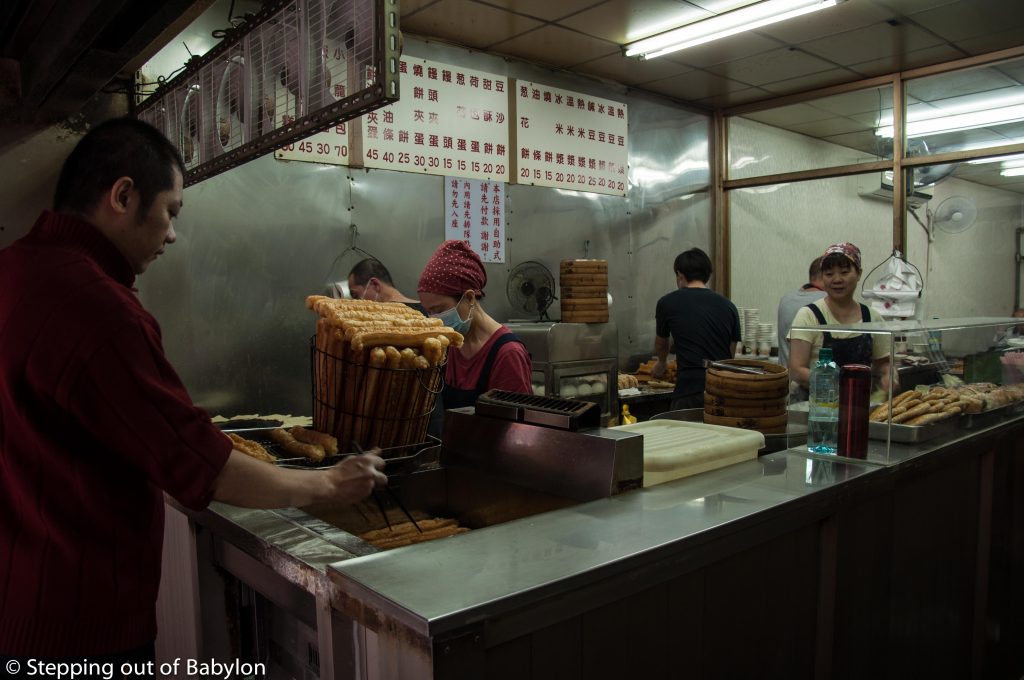
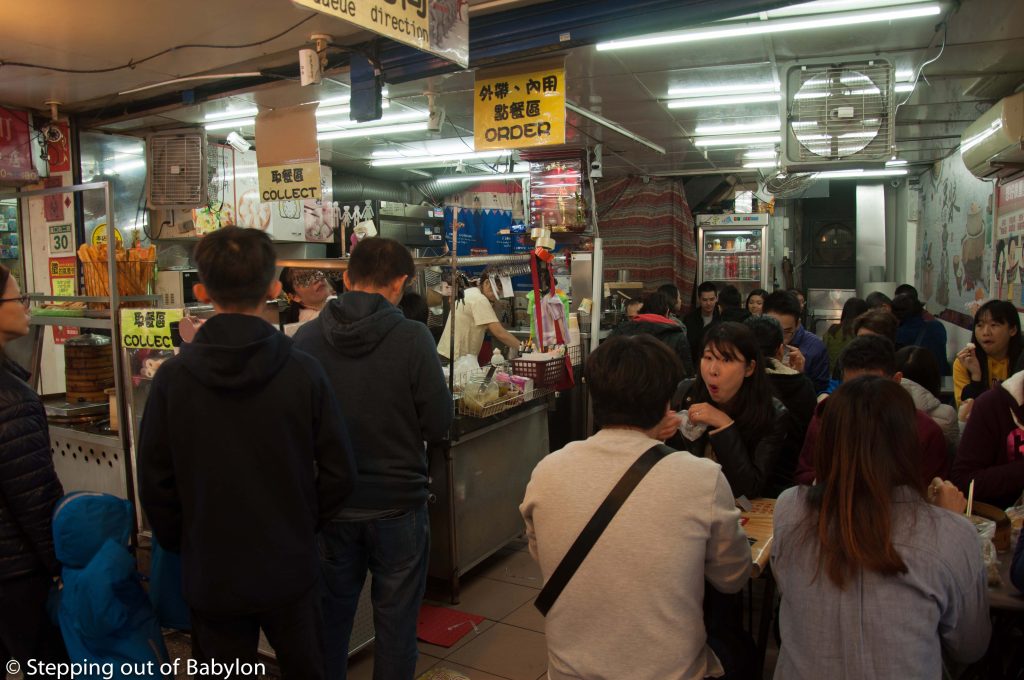
This place is a local institution when it comes to traditional Taiwanese breakfast! It opens around 5 a.m. and stays open until 3 p.m., but no matter when you go, there’s almost always a line. The service is quick and efficient — though a bit rough — and the place is noisy, not very clean, and far from comfortable. Still, it’s a great chance to experience local life and eat with the locals.

Yong He Soy Milk – Zhongzheng District (Hengyang Road)
If the Wanhua location is too crowded, there’s another spot with the same name on Hengyang Road. It serves the same kind of food in a quieter environment — but it’s poorly ventilated, with dirty white walls and aluminum tables. The flickering fluorescent lights give the place a slightly depressing vibe. Personally, I prefer ordering the food to go — as most locals do — and eating it back at the hostel, where there’s usually a common area set up for this.

Yong He Soy Milk
Yong He Soy Milk

Footer

search

Tags

accommodation Assam Bali Border Crossing Borneo Cappadocia Colombo Dalí Dambulla Dao Cheng Esfahan Fes Food Gilis Hiking hokkaido Istanbul Itinerary Jakarta Java Kandy Kashan Kataragama Kumano Kodo Lombok Meghalaya Meknes Mekong Nagaland Natural Park Nongriat Northeast States Ouarzazate Sarawak Shiraz Sichuan Province Sumatra Tabriz Tehran transportation Visa Yangon Yazd Yogyakarta Yunnan Province

I’m Catarina, a wanderer from Lisbon, Portugal… or a backpack traveller with a camera!

Every word and photo here comes from my own journey — the places I’ve stayed, the meals I’ve enjoyed, and the routes I’ve taken. I travel independently and share it all without sponsors or ads, so what you read is real and unfiltered.

If you’ve found my blog helpful or inspiring, consider supporting it with a small contribution. Every donation helps me keep this project alive and free for everyone who loves exploring the world.

Thank you for helping me keep the journey going!

BUY ME A COFFEE

Categories

Recent Posts:

  • How to go from Hualien to Dulan Beach
  • Taroko Gorge: between marble cliffs and emerald rivers
  • Hualien: a dull gateway to Taroko Gorge
  • Taiwan: Itinerary for an 16 day trip
  • Vietnam: Itinerary
  • 3 months in India: Kolkata, Tamil Nadu, Karnataka, Goa and Kerala
  • Backpacking Turkey in 24 Days: itinerary & costs
  • English
  • Português

© Copyright 2026 Stepping out of Babylon · All Rights Reserved · Designed by OnVa Online · Login