• Skip to main content
  • Skip to footer

Stepping Out Of Babylon

Travel & Photography

  • About me
    • Contact
  • Destinations
    • Africa and Middle East
      • Iran
      • Lebanon
      • Morocco
      • Turkey
    • East Asia
      • China
      • Japan
      • Taiwan (ROC)
    • South Asia
      • Bangladesh
      • India
      • Nepal
      • Sri Lanka
    • Southeast Asia
      • Cambodia
      • Indonesia
      • Lao
      • Malaysia
      • Myanmar
      • Singapore
      • Thailand
      • Vietnam
  • Itineraries
  • Travel tips
    • Border crossing
    • Hiking and Natural parks
    • Food Journey
    • Visa
  • Photography

Taiwan (ROC)

How to go from Hualien to Dulan Beach

After starting my trip in Taipei, exploring the charming streets of Jiufen, and hiking through the stunning Taroko Gorge, my plan was to keep heading south along Taiwan’s beautiful east coast all the way to Tainan. The next stop on my route was Dulan, a small coastal village known for its laid-back vibe, surf spots, and creative community.

While traveling around Taiwan, I usually rely on Google Maps to figure out transportation, travel times, and costs. But when I wanted to go to Dulan, I discovered that the Hualien County Information Center was actually a much better source. The staff there gave me clearer info and helped me save time by avoiding an unnecessary stop in Taitung.

By Train

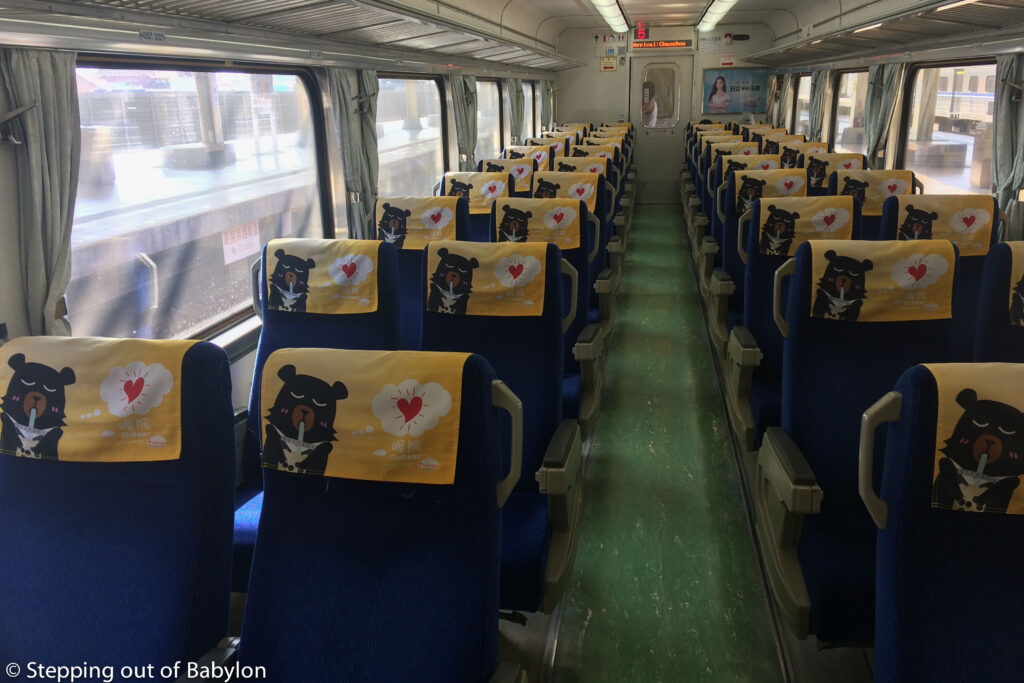
  • You can take a train from Hualien to Taitung, and then catch a bus to Dulan. The train ride takes around 1.5 to 2 hours and costs about 340 NT$.
  • The Taitung train station is a bit away from the city center, but the buses to Dulan stop right in front of it.
  • Just be aware that these buses aren’t very frequent and don’t always match the train schedules. You might need to wait an hour or two, so it’s worth checking the timetables and planning ahead.
By Bus

  • There’s also a bus from Hualien Station (right in front of the orange building) to Chenggong.
  • When you arrive in Chenggong, even though it’s the last stop, the bus doesn’t end at the terminal. It drops you off somewhere along Zhonghua Road, just after passing a FamilyMart on your right-hand side.
  • On the same street, you’ll find another bus stop (just a pole with a small schedule) where you can catch the bus to Dulan. There are several buses during the day, roughly one every hour.
  • It can be a little tricky to find the stop, but if you walk one block back along the same road, you’ll spot a small sign near the Chenggong Market.
  • The ride from Hualien to Chenggong is really beautiful — most of the road runs along the coast, with amazing views of the Pacific Ocean. The deep blue sea and the lush green hills make for an incredible contrast.
  • The bus drops you off on the main road through Dulan, where there are two stops — Dulan A and Dulan B — just a few hundred meters apart. The last one is right by the Sugar Factory, which is a good landmark.
  • The whole trip took me about 3 hours and cost around 500 NT$

Traveling down Taiwan’s east coast, Dulan show up as a nice stop to break the trip between Hualien and the south. Dulan doesn’t offer many attractives but it’s the most famous surf break in Taiwan and so I decided to make a stop even though it wasn’t the season for surfing.

Taroko Gorge: between marble cliffs and emerald rivers

Hiking in wild heart of Taiwan’s nature… well, not so wild 😉

A bit about hiking in Taroko Gorge:

There are three main types of trails you can explore in Taroko Gorge:

  • Scenic trails: These are eight super easy walking paths that don’t require any special gear—just comfy shoes. Most of them are quite short and are out-and-back routes. The longest one, the Shakadang Trail, is about 4 kilometers long and takes roughly two hours to complete.
  • Hiking trails: There are four moderate trails with some steep sections and mid-level altitudes. A few of them can take the whole day, so a bit of planning (and proper hiking footwear) is definitely a good idea.
  • Mountaineering trails: Only two of these exist, both climbing above 3,000 meters and stretching over five kilometers. They’re located in more remote parts of the park and require an entry permit, which you can apply for inside the park at the trailheads.

Keep in mind that some trails are temporarily closed—usually due to weather conditions—while others may be permanently closed or only partially open for safety reasons. So before setting off, make sure to check the latest trail updates on the official website of the natural park.


A One-Day Visit to Taroko Gorge:

Thanks to a mix of laziness, zero planning, and the short winter days, I decided to explore Taroko Gorge in just one day — sticking to the easiest trails only.

  • Shakadang Trail

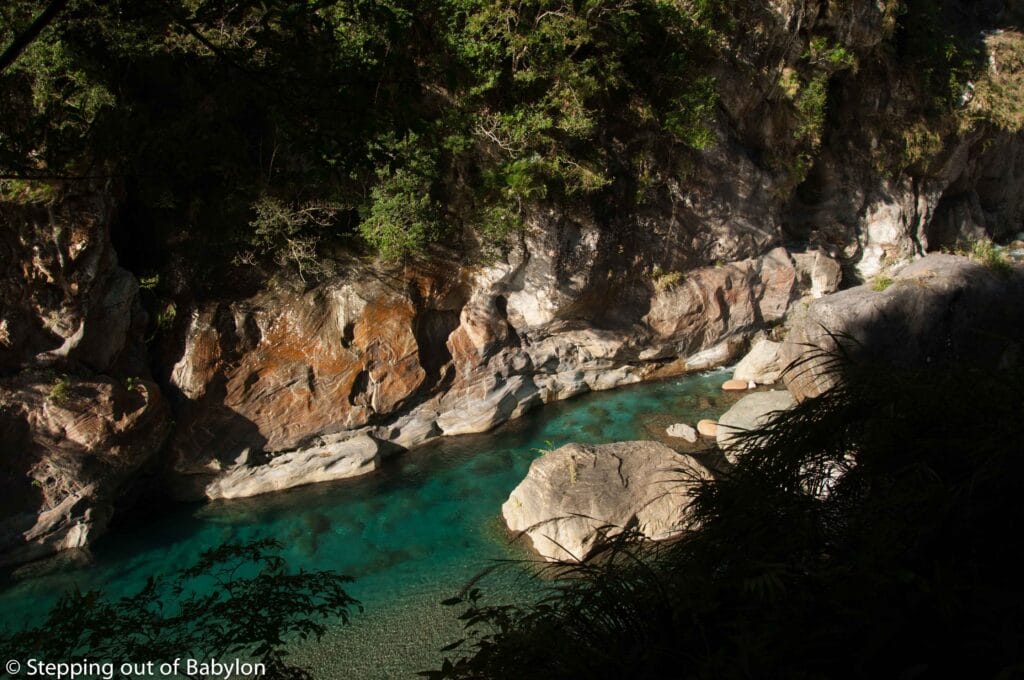
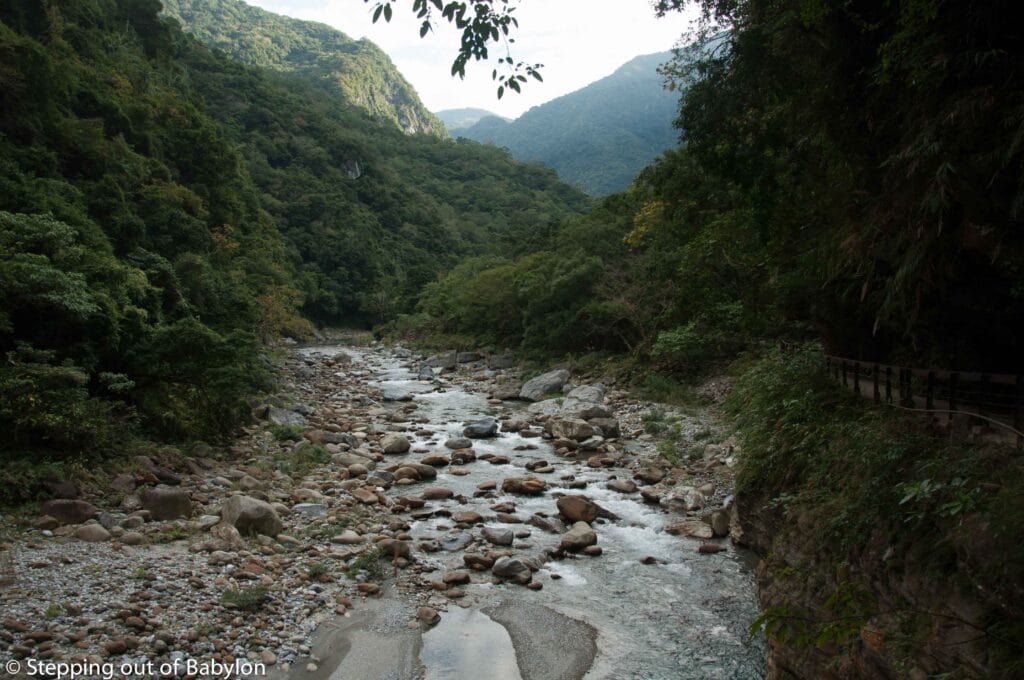
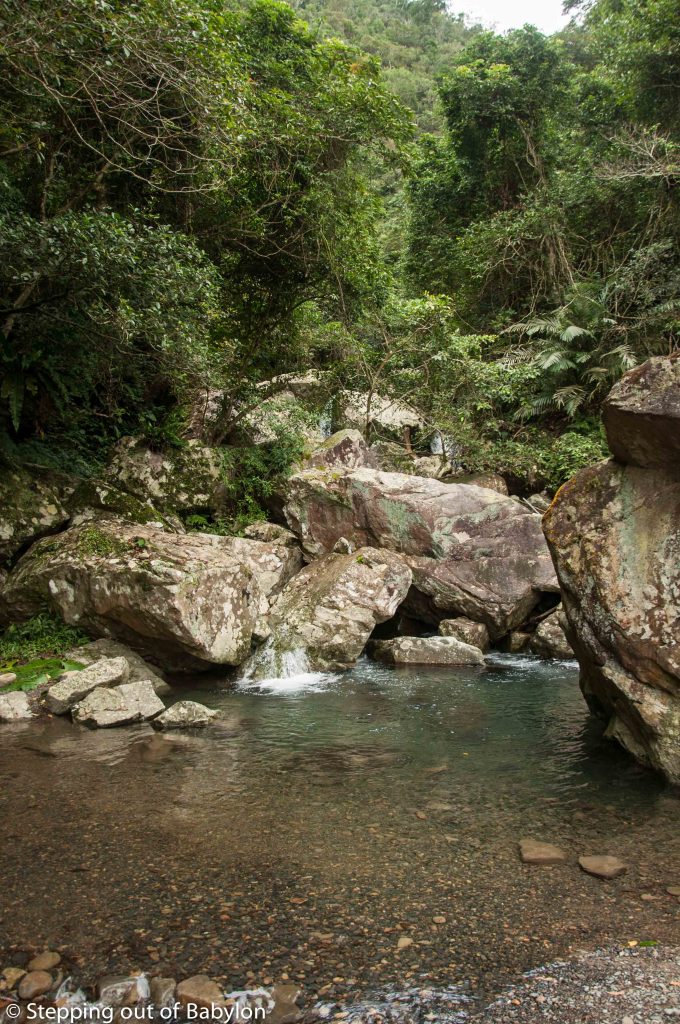
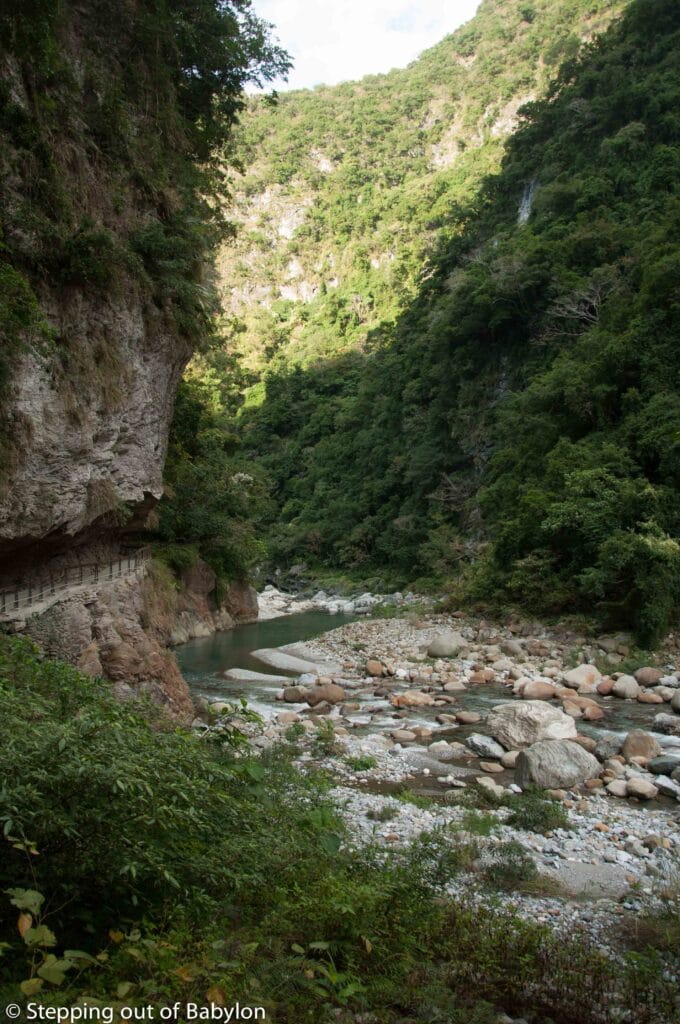
This easy trail starts right at the entrance of Taroko Gorge National Park. It’s about 4 km long and follows the Shakadang River, running beneath steep rocky slopes that keep most of the gorge in shade throughout the day. The path is carved directly into the rock, forming a sort of tunnel, with ferns hanging from the damp walls.

It turned out to be the most beautiful trail I did in the park — the river’s unreal emerald-blue water winding through a rocky riverbed surrounded by lush green forest. I walked up to the 3.1 km mark, where the narrow gorge opens into a wider valley with a less dramatic view.

  • Yanzikou also known as Swallow Grotto

This one isn’t exactly a trail but a short road carved into the cliff, with a few tunnel sections running parallel to the main road. It only takes about 15 minutes to walk (plus the same way back). The downside? Tourist buses use the same narrow, winding route, which makes the walk a bit stressful — and honestly, a little scary at times. Still, the views are stunning and worth a quick stop.

  • Jiuqudong also known as Tunnel of Nine Turns

A super short path, mostly through a concrete tunnel, taking no more than 10 minutes. It’s one of the busiest spots in Taroko — a must-stop for all bus tours. The views of the gorge are lovely, but if you’re pressed for time, you can safely skip this one.

  • Baiyang Trail

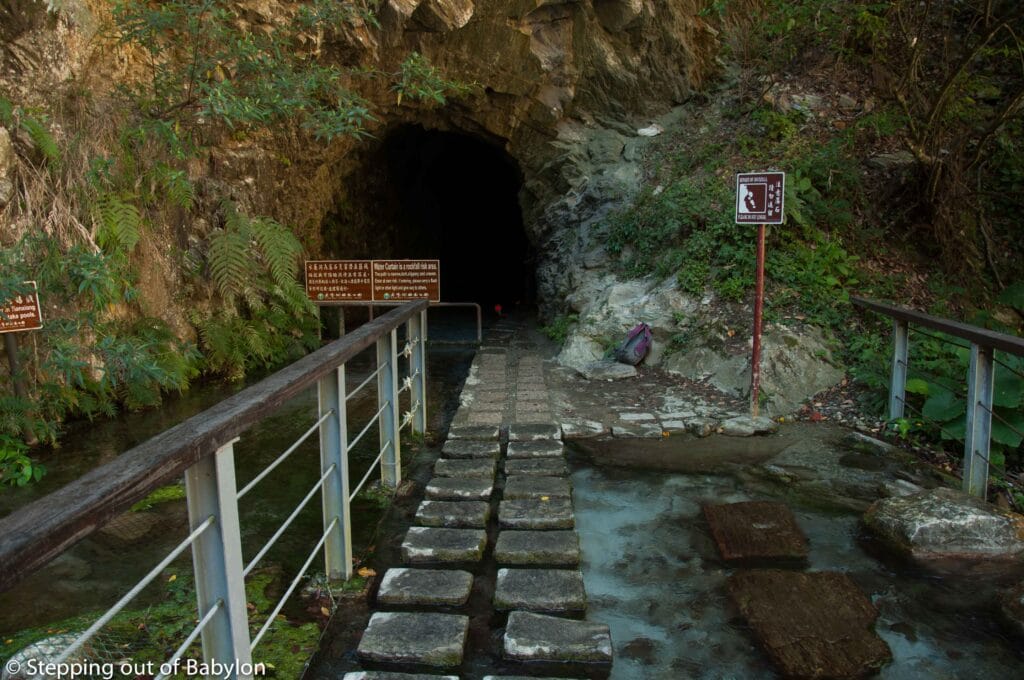
Almost at the end of the park’s accessible area, this trail is another easy one — around 2 km long, passing through several long tunnels and finishing at the famous Water Curtain (Shui-lian-dong), a small waterfall that flows inside one of the tunnels.

Walking through it is short but thrilling: dark tunnels echoing with the deafening roar of water against the stone walls. You’ll need a raincoat to pass under the water curtain, and a torch (or your phone’s flashlight) to make your way through and back. Crossing the Shui-lian-dong feels like a mix of fear and excitement — definitely one of the highlights of the day.

  • Changchun Trail

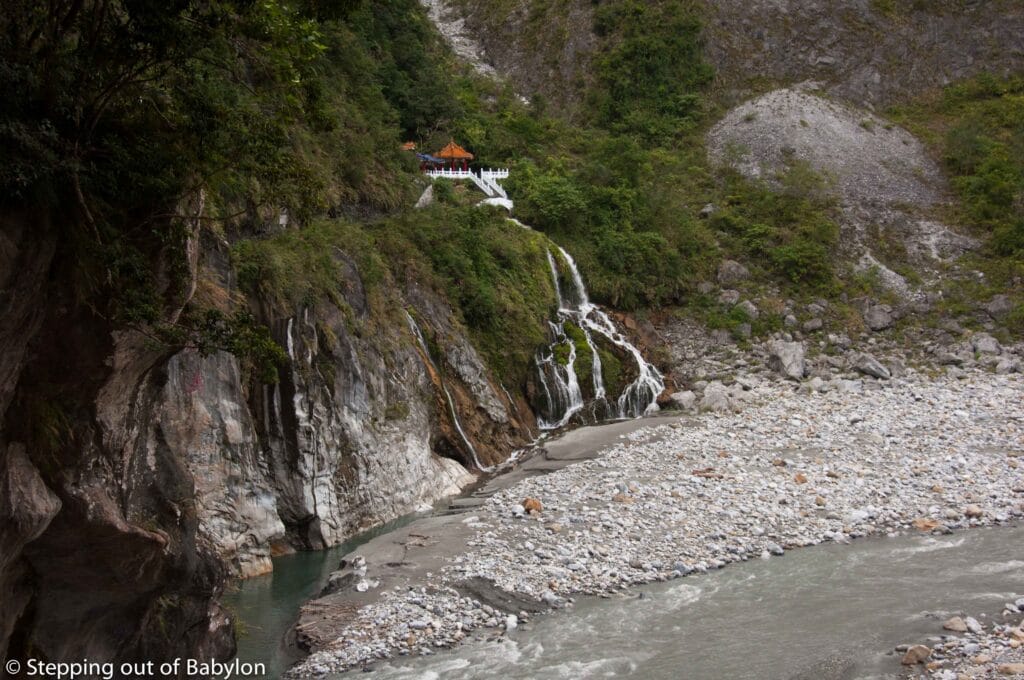
Technically classified as a Hiking Trail, but only the first stretch is open, making it impossible to reach the famous Eternal Spring Shrine — perched dramatically on a cliff above a waterfall. It’s an iconic and scenic spot, attracting big crowds from tour buses.

I didn’t realize the trail was closed, so I skipped the Lushui Trail in favor of this one — a decision I quickly regretted. I ended up stuck for over an hour in this noisy, crowded area waiting for the next bus back to Hualien, missing the chance to explore Lushui.

How to Get from Hualien to Taroko Gorge

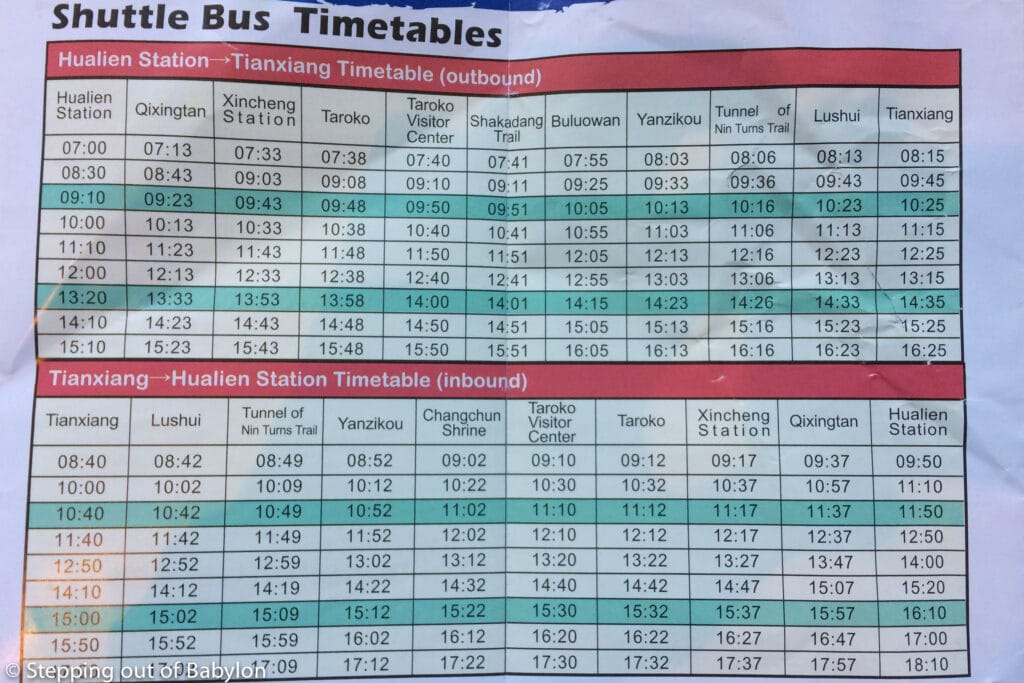
The Hualien Bus Company runs two bus lines — 1133A and 1133 — from Hualien Station to Tianxiang, passing by Xincheng Train Station, the Taroko National Park Headquarters Visitor Center, and the main points inside Taroko Gorge.

  • 1-day bus pass: NT$250
  • 2-day bus pass: NT$400

Trip duration: around 45 minutes one way

Note that there are two separate bus services for Taroko Gorge — one starting from Hualien Station and the other from Xincheng Station. The passes are not interchangeable, so if you buy your pass in Hualien, you can’t use it on the Xincheng line. Even if you don’t have a pass, you can still buy a ticket directly on the bus.

Don’t expect the buses inside Taroko Gorge to be perfectly on time — delays are common and tend to get worse the further you go, especially near Tianxiang.

Where to Buy the Taroko Gorge Bus Pass

If you exit Hualien Train Station, look to your left — you’ll see a small orange building across from the Hualien County Information Center. That’s the Hualien Bus Company ticket counter, where you can buy the bus pass to Taroko Gorge (and tickets for other destinations too).

The 1133A bus stops right in front of the bus company building.

Suggested Itinerary for Visiting Taroko Gorge

Here’s a possible one-day itinerary that works well with the bus schedule:

  • 07:00 am – Depart from Hualien Station
  • 07:41 am – Arrive at Shakadang Trail

You don’t need to walk the whole trail. I went up to the 3.1 km mark, and after that the scenery became less impressive — the gorge widens into a more open valley, losing some of its magic. The first 2 km are the most spectacular, so if you turn back there, you’ll make it just in time for the next bus (though you’ll have to walk fast!).

  • Take the bus at 9:11 from Shakadang Trail to Yanzikou, arriving at 9:33

You have enough time to walk along the Swallow tunnel, until it reaches the main road, and return by the same way, as there isn’t a bus stop at the end of the Yanzikou Trail.

  • Take the bus at 10:13 from Yanzikou to Tunnel of Nine Turns, arriving at 10:16

It’s not an interesting trail but the views are nice if you are lucky enough to avoid the massive amount of people arriving on big tours. You can see all this in less than 30 minutes.

  • Take the bus from Tunnel of Nine Turns at 11:06 to Lushui, arriving at 11:13. It’s an easy loop trail but I didn’t make it as I thought that if I did it I wouldn’t have enough time to visit the Baiyang waterfall. I regret the decision because there would be time enough for both trails, as they are flat and easy to walk!
  • Take the bus from Lushui at 12:23 to Tianxiang, arriving at 12:25

From Tianxiang, walk about 10 minutes along the main road until you find the entrance to the Baiyang Waterfall Trail — it starts through a tunnel, and you’ll need to share part of the road with cars. Stop by the Tianxiang Information Center first — they’ll give you maps and photos that make finding the trail much easier.

The Baiyang Trail, including the famous Water Curtain Cave, takes about 1.5 hours. Don’t rush it,  it’s nearly impossible to make it back in time for the 14:10 return bus anyway. Enjoy the walk, and maybe grab a bite in one of the (overpriced) restaurants nearby.

The Return Trip

  • Take the bus from Tianxiang at 15:00 to Changchun Shrine that arrives at 15:22. The trails around Changchun Shrine are all closed (check updated information) so it’s not a really interesting stop.
  • To back to Hualien Station you have a long wait at Changchun Shrine parking area until 16:12 where there’s not much to do except enjoy the views of the temples and the waterfalls, in a crowded place. There are a cafe and some souvenir shops.

Remember that buses often run late, especially on the way back from Tianxiang, where all routes end.

Hualien County Information Center

If you’re arriving by train, you’ll spot the tourist information center just a few meters to your right as you exit the station. It’s a large, grey building where you can grab maps, itineraries, and bus timetables; there you can get information about the Taroko Gorge, like maps, itineraries and bus schedules, as also detail and reliable information about transportation to your next destination.

(Check next destination: How to go from Hualien to Dulan Beach)

Hualien: a dull gateway to Taroko Gorge

Arriving at Hualien Station doesn’t give the best first impression. The train station sits a bit outside the main urban and commercial area, so you don’t really feel the city vibe right away. But honestly, people don’t come to Hualien for the city itself—they come because it’s the gateway to Taroko Gorge National Park, one of Taiwan’s top tourist spots, right up there with Sun Moon Lake.

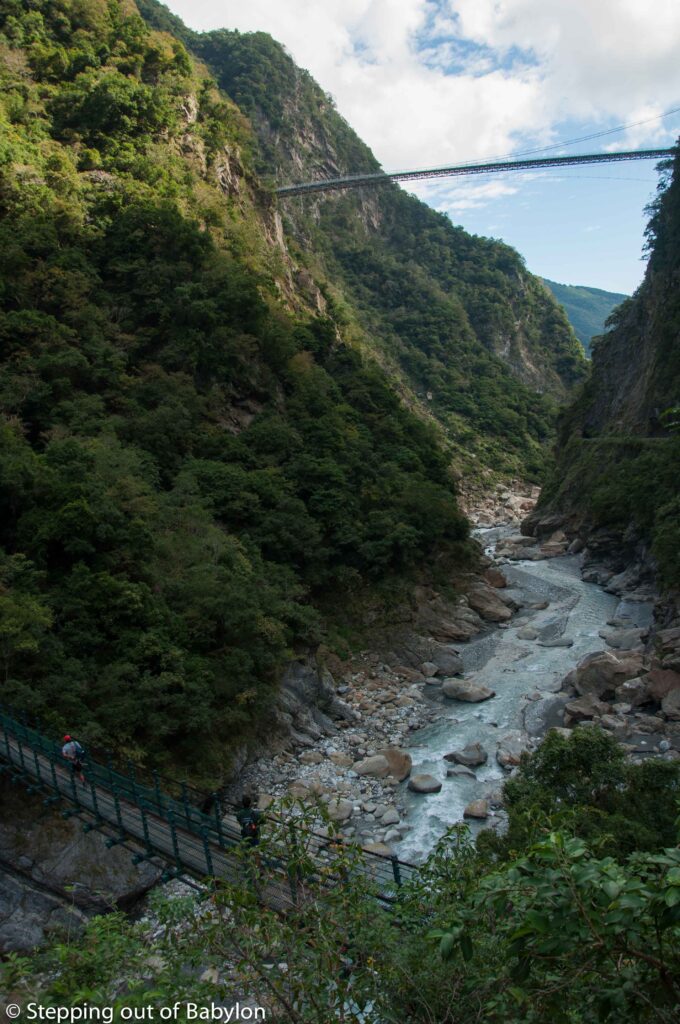
Taroko Gorge covers a huge protected area stretching from the Pacific coast all the way up into Taiwan’s high mountains—some over 3,400 meters tall. The 19-kilometer-long gorge cuts through the landscape, creating jaw-dropping views and dramatic scenery.

Because of the changes in altitude, the climate and landscape shift as you move through the park. The hiking trails wind through steep valley slopes carved out over centuries by rivers and waterfalls. The whole place was way more impressive than I expected—even though I only explored the easier, more accessible trails. I didn’t do any of the tougher mountain hikes that need more planning or gear.

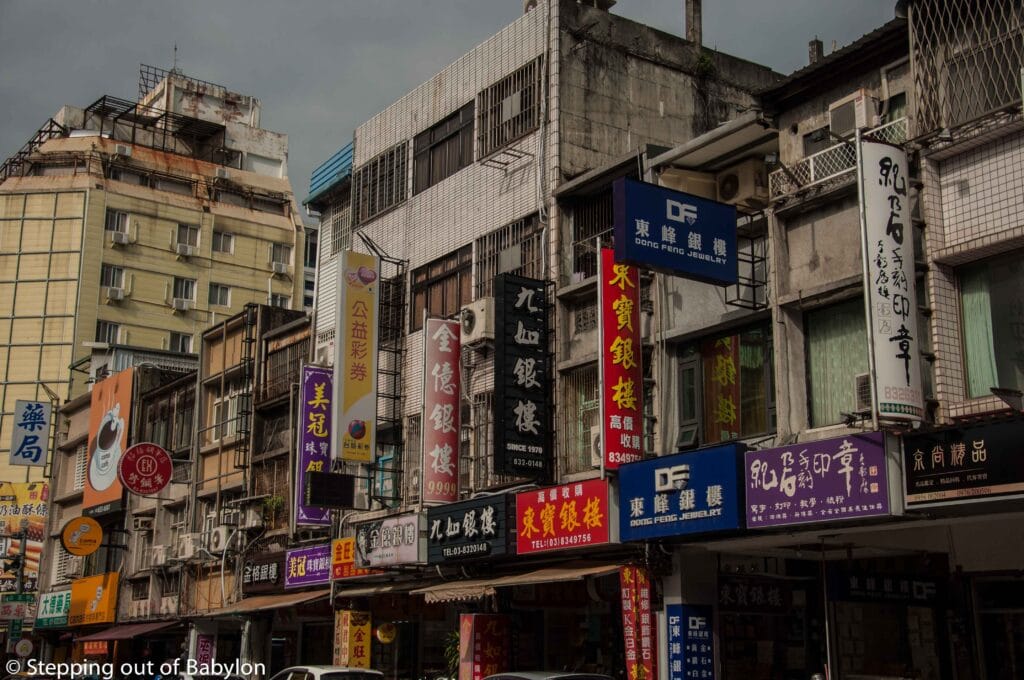
As for Hualien city itself, there’s not a whole lot to write about—except when it comes to food. It’s a solid place for foodies, with loads of restaurants, street eats, and lively food markets. The commercial area is buzzing, mixing modern international brands with older, traditional shops that still have that old-school Chinese decor.


The fact that Hualien is right by the ocean could be a bonus, but the city doesn’t seem to make much of it. To even reach the shoreline, you have to cross a truck-heavy road and walk through what feels like a half-abandoned industrial zone—not the most inviting walk, especially on foot.

The Dongdamen Night Market, found at the end of Zhongshan Road (Hualien’s main street), is a bit different from the typical Taiwanese night market scene. Usually, you’ll find a bunch of pop-up food stands lining random streets, filling the air with mouthwatering smells. But here in Hualien, the night market feels more planned out. It’s set up in a big open space a bit away from the main shopping district. The stalls are more like proper booths, arranged neatly along wide walkways. It’s weirdly organized for a night market, which are usually a bit chaotic—but in a fun way.

Dongdamen is mostly about food, especially seafood and fish. If you’re vegetarian, your options are pretty limited here. Things start picking up around sunset, when locals swing by after work to grab takeout or hang out for a meal with friends or family. Alongside the food, there are also a few stalls selling cheap clothes and random knickknacks. It’s also just a nice place for a casual evening stroll—though it can get crowded, so moving around isn’t always easy.

Where to Stay in Hualien

Thanks to its proximity to Taroko Gorge, Hualien has tons of accommodation options, especially for backpackers. There are plenty of hostels with dorms since it’s a regular stop on the backpacker trail.

I stayed at The Sleeping Booth Hostel, which is conveniently located about halfway between the train station and downtown Hualien. The dorms are comfy, and the whole place has a cozy, laid-back vibe with a really welcoming common area.

The staff were amazing—super friendly and always ready to help. They gave great tips not just about the city, but also on visiting Taroko Gorge—like which trails to take, how to get there using public transport, and other up-to-date info that only locals usually know.

There’s also a laundry service and a kitchen you can use, which is super handy if you’re traveling on a budget.

Where to Eat in Hualien

If you’re up early and want a traditional Taiwanese breakfast, there’s a small, almost hidden food stall right on the corner next to the Sleeping Booth Hostel. It opens at 5 a.m. and serves all the classics—omelets, egg pancakes, steamed buns, soymilk… basically, all the carbs you’ll need to fuel a day of hiking!

As you walk down Zhongshan Road, Hualien’s main commercial street, you’ll come across plenty of restaurants. Around Gongzheng Street, there’s a small street market packed with low-key, affordable spots serving Taiwanese food. Some offer buffet-style service, where it’s actually pretty easy to put together a decent vegetarian meal based around rice and veggies.

For dinner, Dongdamen Night Market is a lively option, especially if you’re into seafood—but just a heads-up, vegetarian choices are pretty limited there.

Hualien County Information Center

If you’re arriving by train, as soon as you leave the station building, look to your right. Just a few meters away, you’ll spot a big, grey, solid-looking building—that’s where the Tourist Information Center is located.

It’s a great place to pick up maps, suggested itineraries, and up-to-date bus schedules for Taroko Gorge. The staff are also super helpful if you need detailed, reliable info about transportation options for your next destination.

How to Get from Hualien to Taroko Gorge

The Hualien Bus Company runs two main routes to Taroko Gorge—bus 1133A and 1133. Both depart from Hualien Train Station and head toward Tianxiang, passing through Xincheng Station, the Taroko National Park Visitor Center, and several stops inside the gorge.

  • 1-day bus pass: NT$250
  • 2-day bus pass: NT$400
    The ride takes about 45 minutes from Hualien Station to Tianxiang.

One important thing to know: there are two separate bus services in the Taroko Gorge area—one starting from Hualien Station, and the other from Xincheng Station. The bus pass you buy in Hualien won’t work on the Xincheng route, so make sure you’re getting on the right one. If you don’t have a pass, no problem—you can always buy a ticket directly on the bus.

Just be aware that buses in the gorge don’t always run on time, especially the further you get into the route. Delays tend to increase the closer you get to Tianxiang.

Where to Buy the Bus Pass to Taroko Gorge

As you exit Hualien Train Station, look to your left—you’ll see a small orange building across from the Hualien County Information Center. That’s the ticket counter for the Hualien Bus Company, where you can buy the bus pass for Taroko Gorge, as well as tickets to other destinations.

The 1133A bus stops right in front of this building, so it’s super convenient to hop on once you’ve got your ticket.

Taiwan: Itinerary for an 16 day trip

Itinerary:

  • Taipei: 2 days
  • Jiufen: 1 day
  • Yilan: 2 days
  • Hualien and the Taroko Gorge: 2 days
  • Dulan Beach: 2 days
  • Kenting: 1 day
  • Tainan: 3 days
  • Taichung and the Sun Moon Lake: 2 days
  • Taipei: 1 day

Costs:

Costs based on solo travel, with a focus on keeping things budget-friendly… and a lot of walk!!!

33 €/day (December 2019)

This average daily budget includes:

  • eating only local food and a lot of street-food in markets
  • staying always in hostels
  • using public transportation (mainly buses and train)
  • renting scooter in some places
  • entrance tickets for tourists attractions like natural parks, museums, palaces, etc
  • no spending on alcohol, tobacco, or soft drinks
  • doing my own laundry
  • a local SIM card for local network

NOTE: This daily average does not include expenses for shopping, souvenirs, medical or health-related costs, or visa fees (as these vary depending on your country of origin).


See also: Short guide to the Taiwanese breakfast

Yilan… back to the hot springs

The plan was to make a round trip through Taiwan—heading south along the east coast to Kenting, then looping back up to Taipei via the west side of the island. So before hitting the popular Hualien, I made a stop in Yilan County, hoping to catch a glimpse of a more authentic slice of Taiwanese life.

Since Taiwan is a volcanic island, it’s shaped by massive mountain ranges. The west is less rugged and home to most of the population, as well as agriculture, fisheries, and industry. But along the east coast, you’ll still find towns and cities tucked into the flatter stretches between the green, forest-covered mountains and the blue waters of the Pacific.

Yilan and the ocean

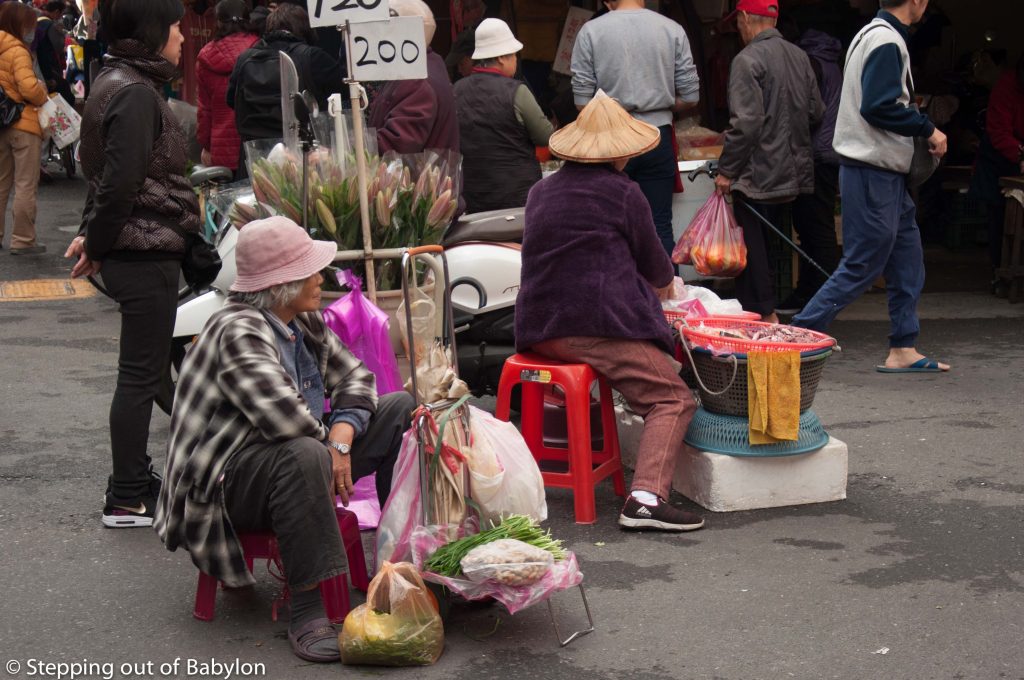
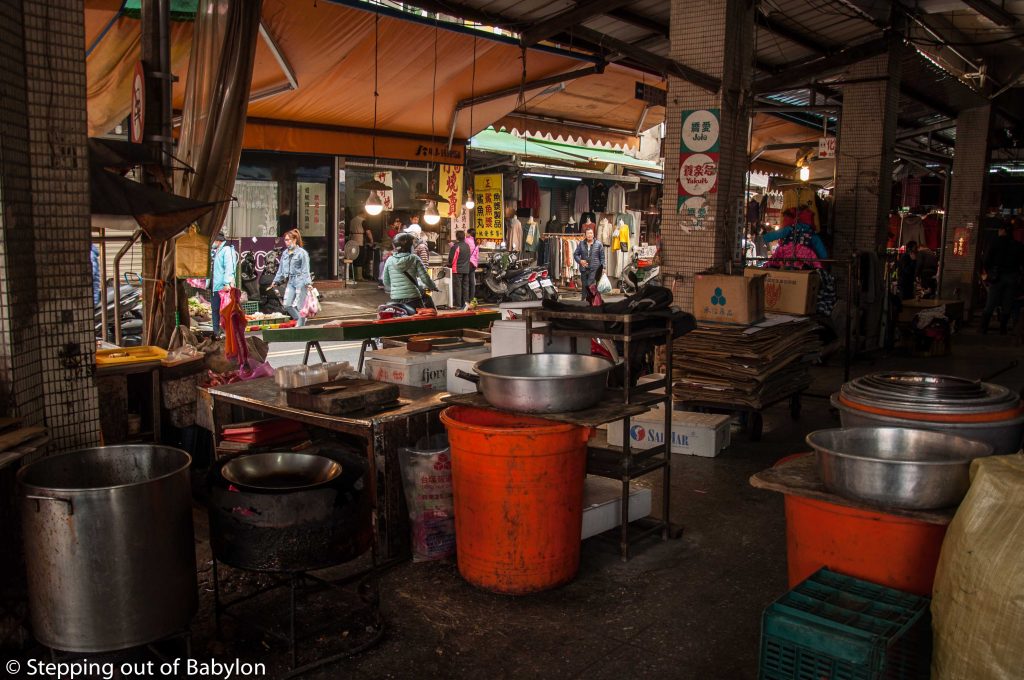
Yilan City, right in the center of the county, turned out to be a great base to explore the surrounding area. The main attractions around here? Beaches, mountain hikes, hot springs, and the night markets. The city itself doesn’t have a ton to offer, but it’s well connected by train, which makes easy-going day trips a breeze.

Yilan streets
market area in Yilan City

Paoma Historic Trail

Less than 10 kilometers to the north is Jiaoxi Town (also written as Jiaosi), nestled at the foot of the mountains. It’s famous for its hiking trails—often called “Historic Trails” in Taiwan—along with waterfalls and, of course, the hot springs.

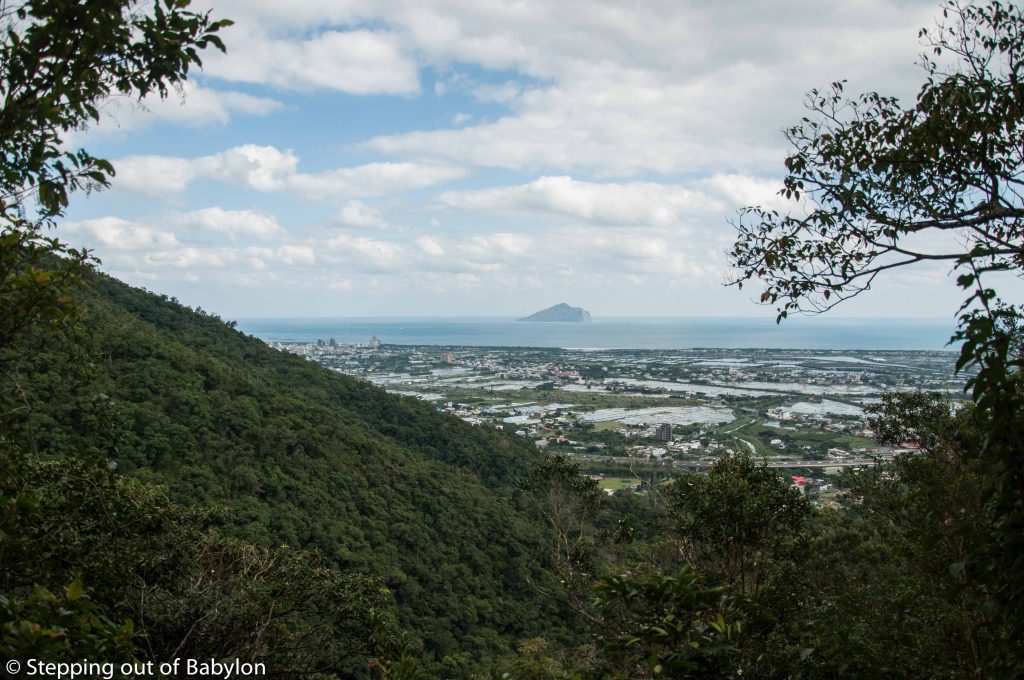
One of the trails, the Paoma Historic Trail, is an old timber route through the mountains, stretching just over 6 kilometers. It’s an easy walk through a lush, humid forest, and on a clear day, you can even catch glimpses of the sea. I only hiked part of it—just up to where the trail meets a paved road—then headed back to Yilan. The full route goes a bit too far, making it tricky to get back if you’re relying on public transport.

Paoma Historic Trail

Jiaoxi Hot Springs Park Onsen

After that little hike, the perfect spot to unwind is the Jiaoxi Hot Springs Park Onsen, the area’s top attraction. Taiwan has hot springs all over the island thanks to its volcanic geology, but it was during the Japanese era (when “onsen” culture was introduced) that these natural sites were adapted for public bathing—often for their therapeutic benefits, as the water tends to be rich in minerals like sulfur and emerges at high temperatures.

Hot springs in Taiwan are usually open-air pools where people bathe together in swimsuits. But Jiaoxi sticks to the traditional Japanese style, with gender-separated pools of varying temperatures.

It’s a beautiful and relaxing experience… though maybe not quite as peaceful as in Japan, since Taiwanese bathers are a bit more talkative and lively. (Entrance fee is 120 NT$. Don’t forget your towel and shower cap—or you can buy them at the counter.)

Jiaoxi Hot Springs Park Onsen

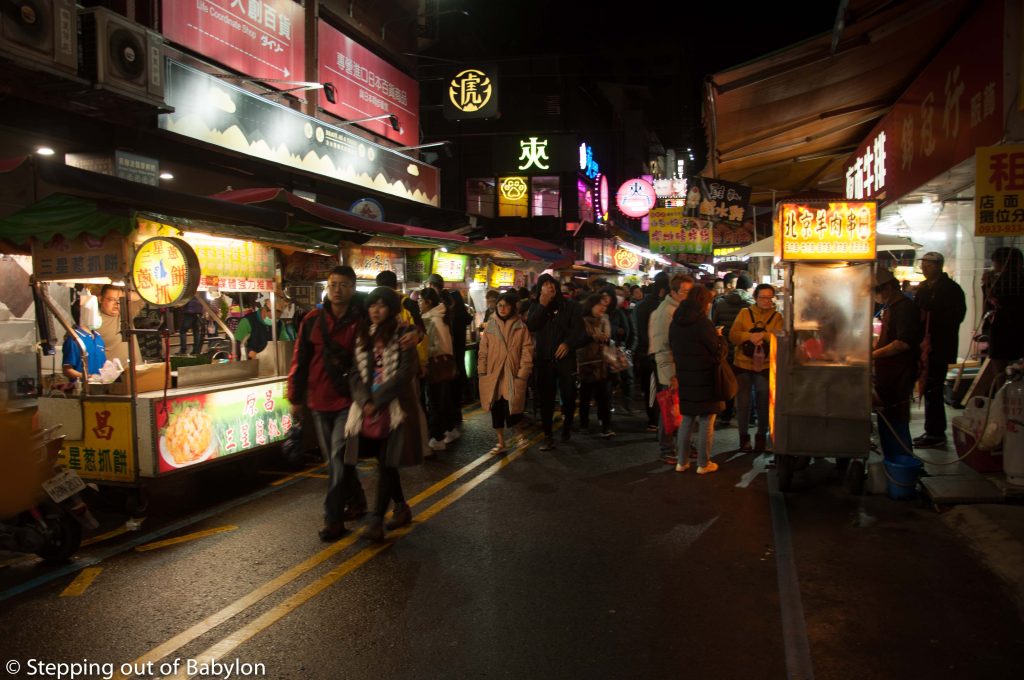
Though Luodong isn’t a major city, its night market is way more lively than Yilan’s Dongmen Night Market. It draws bigger crowds thanks to its huge variety of food stalls. That said, if you’re a foreigner, don’t expect much from the merchandise—it’s mostly low-quality clothes and cheap “made in China” items. Still, night markets are a fun way to spend an evening and watch local life unfold. They’re a big social scene, and some food specialties are unique to each one. Getting to Luodong from Yilan is easy—just a 15-minute train ride (15 NT$).

Dongmen Night Market

Waiao Beach, not far from Jiaoxi, was a bit tricky to reach without your own wheels. The local trains are slow and infrequent (they stop at every station), so a simple beach trip can easily eat up the whole day. Plus, with winter in full swing, the cold weather wasn’t exactly inviting for a swim.


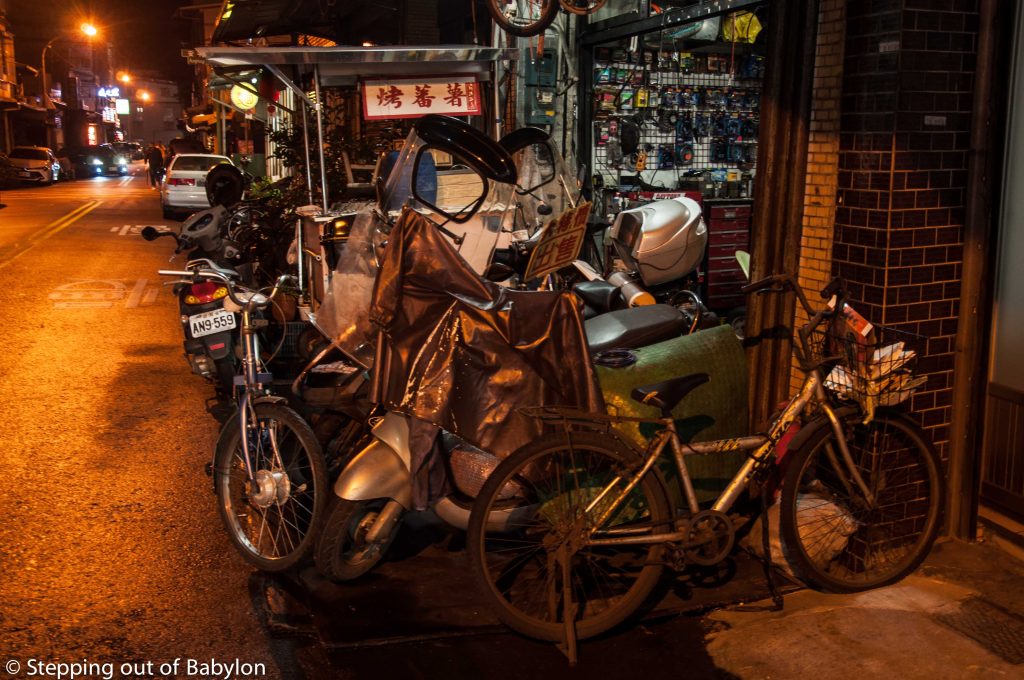
Even though Yilan City isn’t packed with tourist sights, I still found myself enjoying quiet evening walks, despite the chill. Winter nights start early—around 5 p.m.—and the dim fluorescent lights give the streets a nostalgic vibe. There’s a kind of quiet charm in the old eateries, where the lack of fancy decor feels oddly stylish. Some of the shops have that same slightly faded elegance that gives the city an old-school personality that’s hard to fake

Yilan
Yilan

Where to Sleep in Yilan City

There aren’t many budget options in Yilan—it’s definitely a bit off the typical backpacker trail. I stayed at Shen Nong Village, which has a super stylish and incredibly comfy dorm in a renovated building. It’s part of a cool concept space that also includes a restaurant, cafés, and boutique shops, mostly selling design and vintage stuff.

Even though it’s a bit pricey, it’s still the cheapest decent option within walking distance from the train station. Honestly, the peaceful vibe and comfort totally justify the cost.

Right next to Shen Nong Village, there’s a small buffet-style restaurant with lots of vegetarian options. The space is modern and clean, though a little lacking in personality. Still, the food is tasty—and super cheap!

The best breakfast in Yilan City

On the corner of Kangle Road and Guangfu Road, just next to Urisabakisho Restaurant, there’s a little breakfast spot that serves up a really tasty traditional Taiwanese breakfast.

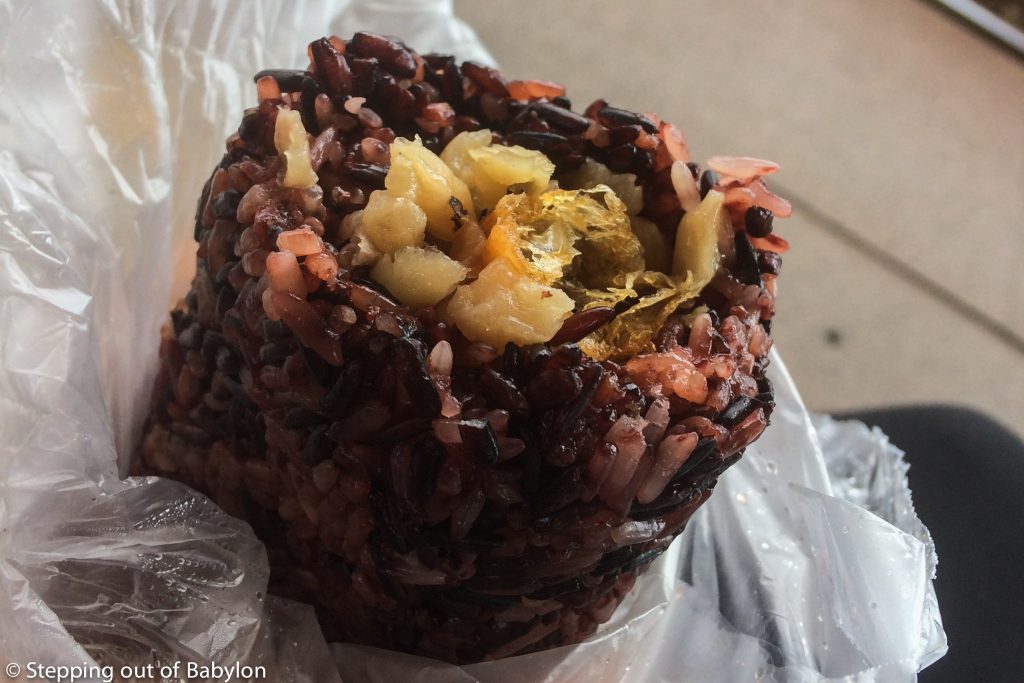
The name and menu are all in Chinese, but with a bit of help from other guests—or just pointing at whatever’s being cooked in the open kitchen—you can easily order a chilled sweet rice milk and a vegetarian Fan Tuan (a sticky rice roll). It’s made with red sticky rice and stuffed with You Tiao (fried dough sticks) and pickled cabbage.

A bit of an unusual combo for breakfast, but it was great to try a veggie version of Fan Tuan!

vegetarian Fan Tuan

Eating at Yilan County Night Markets

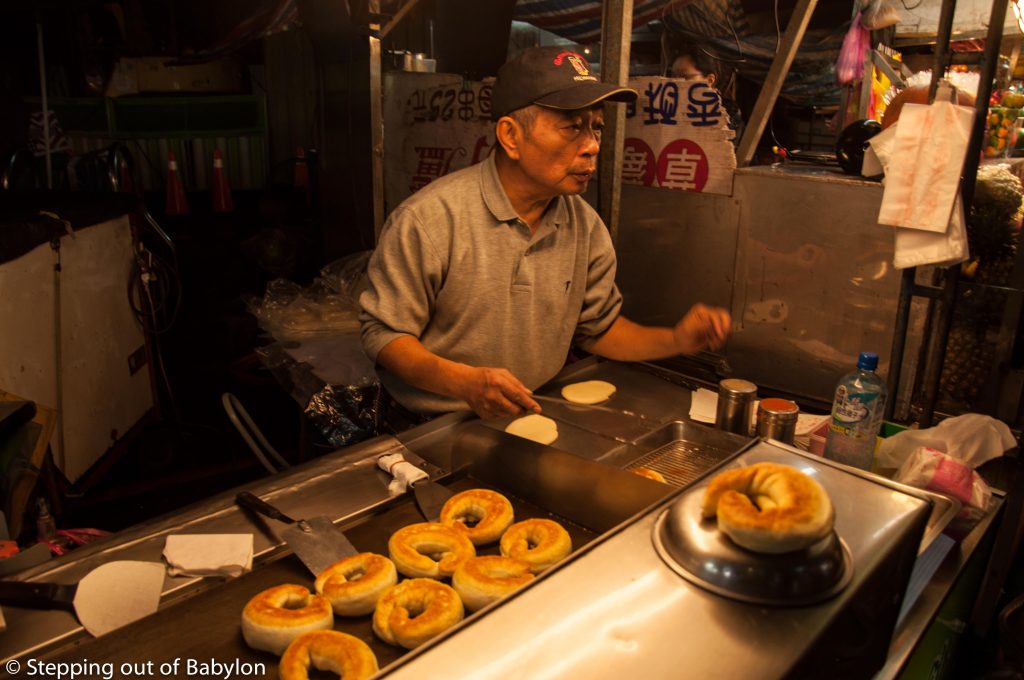
Taiwanese food is heavily influenced by Chinese cuisine, but there are plenty of local specialties and regional twists worth trying. One of Yilan’s famous snacks is the scallion pancake—which is popular all over Taiwan—but here it comes in a unique spiral shape that makes it stand out. It’s fried in lots of oil, making it softer and more like bread than the crispier versions elsewhere.

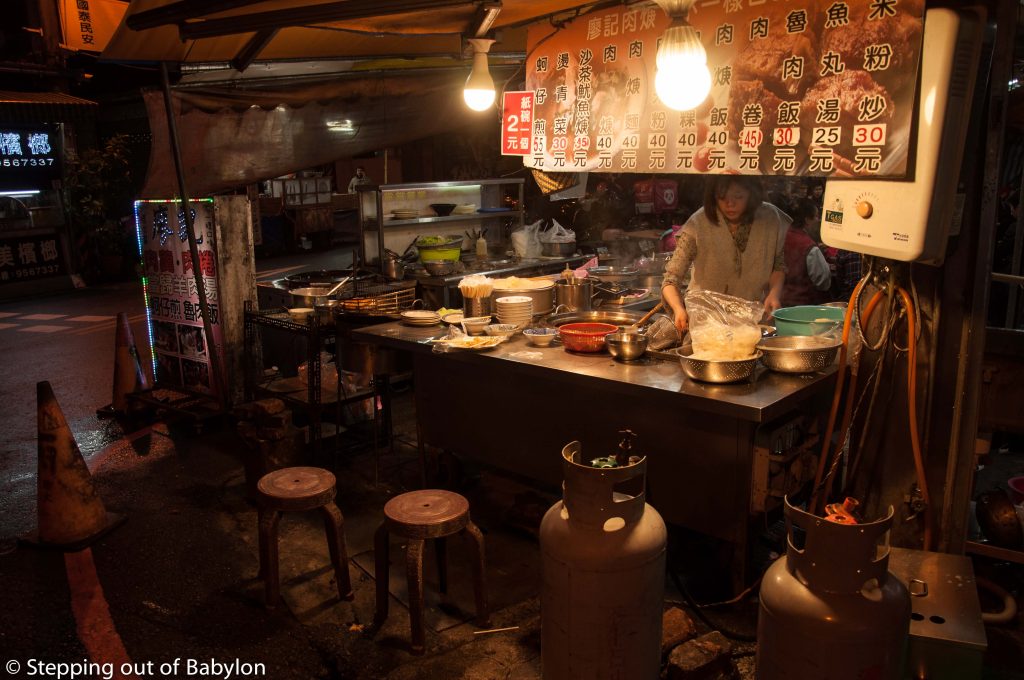
street food in one of the Yilan’s night markets

The best one I had was at Luodong Night Market, at a tiny stall near Yilan Zhongshan Park where there’s always a line. Totally worth the wait—these pancakes are super crispy, flavorful, and seriously addictive when eaten hot!

Luodong Night Market

How to Get from Yilan to Hualien

The train is hands down the best way to get to Hualien. The ride is short and scenic, following the coastline with nice sea views.

No need to book in advance—just show up at the station a few minutes before departure and grab your ticket at the counter. Trains in Taiwan run frequently, are comfortable, and rarely packed.

  • Time: About 1 hour trip
  • Price: 225 NT$

Jiufen… stepping into a postcard village

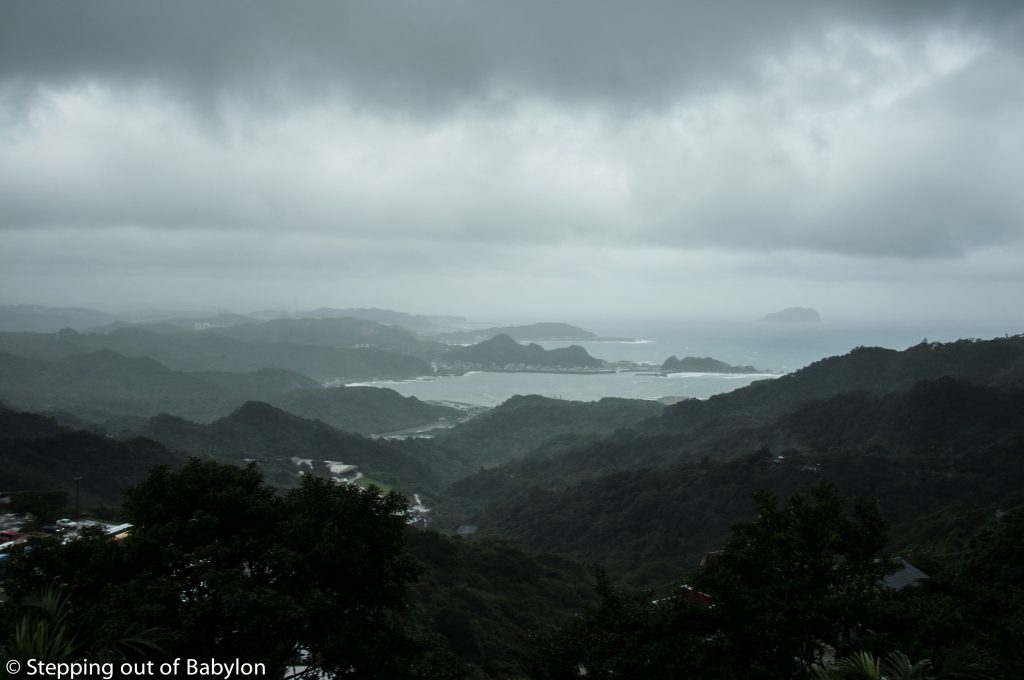
It was a rainy day—one of many in a long stretch of rainy days—when I arrived in Jiufen. The steady downpour from the dense grey clouds seemed to have drained the color from this mountain village, nestled in the hills near the sea. Although it was only noon, it felt as if the sun had already set. Still, the gloomy weather didn’t discourage the many visitors wandering through Jiufen that day, dressed in plastic ponchos and transparent raincoats.

Jiufen

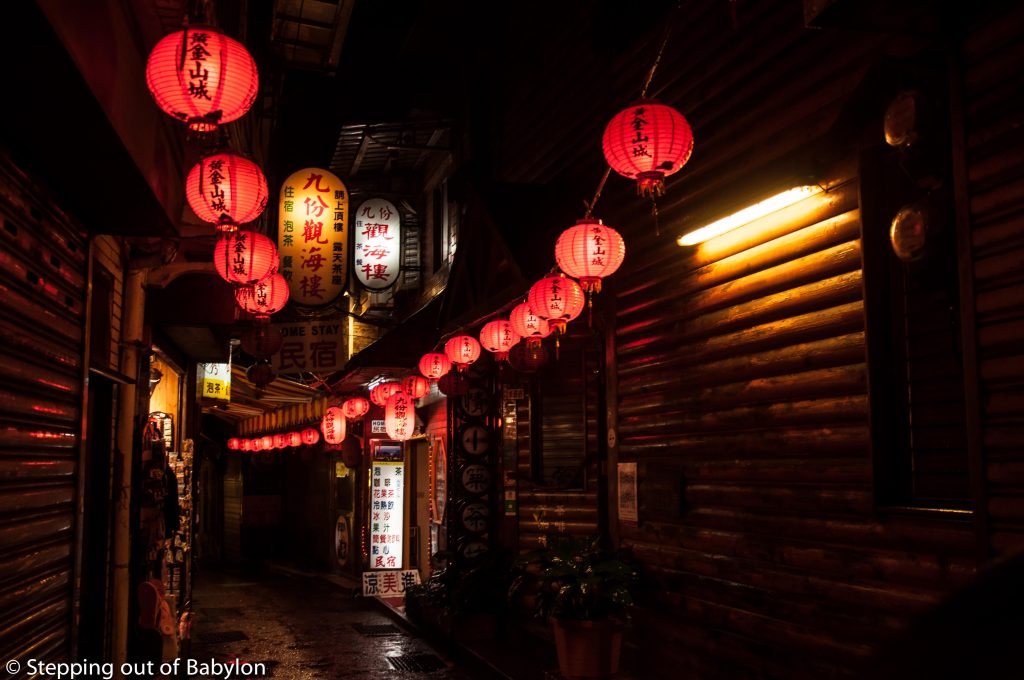
Jiufen is an old mining town that saw its heyday during the Japanese occupation of Taiwan. Located about an hour by bus from Taipei, it has become a very popular day-trip destination for both locals and tourists. Visitors pour in daily throughout the year, often in large groups, drawn by the picturesque charm of the narrow streets winding up the hillside, lined with quaint buildings and traditional Chinese teahouses.

Most of the shops and restaurants are concentrated along the main road, commonly known as “Jiufen Old Street.” This area is heavily geared toward tourism, filled with souvenir and craft shops, as well as street food stalls that flood the narrow lanes with delicious aromas.

One of the most curious aspects of Jiufen is the fame it gained after a film was shot there in the 1980s. The movie “City of Sadness” helped transform a semi-abandoned village into a cultural icon. It brought renewed attention to the lingering Japanese influence and helped revive the traditional Chinese teahouse culture, imbuing the town with a nostalgic charm that still draws crowds today. But this small village is also often associated with Hayao Miyazaki’s animated film “Spirited Away”, with many people believing it inspired the movie’s setting. Althougt Miyazaki himself has stated he has never visited this place and the film was not based in Jiufen or any single location, it’s easy to find merchandise and souvenirs related to the movie there

Jiufen

If you have time, it’s worth staying overnight in Jiufen to experience the village without the overwhelming daytime crowds. During the day, the narrow streets become difficult to navigate, packed with people and selfie sticks, testing the patience of even the most relaxed travellers.

I must admit, Jiufen didn’t especially impress me. While it’s not an unpleasant place—if you can overlook the crowds, the constant photo-taking, and the rushed atmosphere of tourists trying to catch their buses—it feels somewhat artificial. The village seems to try too hard to be picturesque, promoting food traditions that feel more modern than historic, and romanticizing a past that holds limited cultural depth. Jiufen is like a postcard: visually charming and perfect for photos, but lacking genuine authenticity.

Nearby Shifen is another similar town, but the ongoing bad weather made it uninviting to explore further. So, I hurried south, hoping to escape the rain that so often lingers in northern Taiwan during the winter.

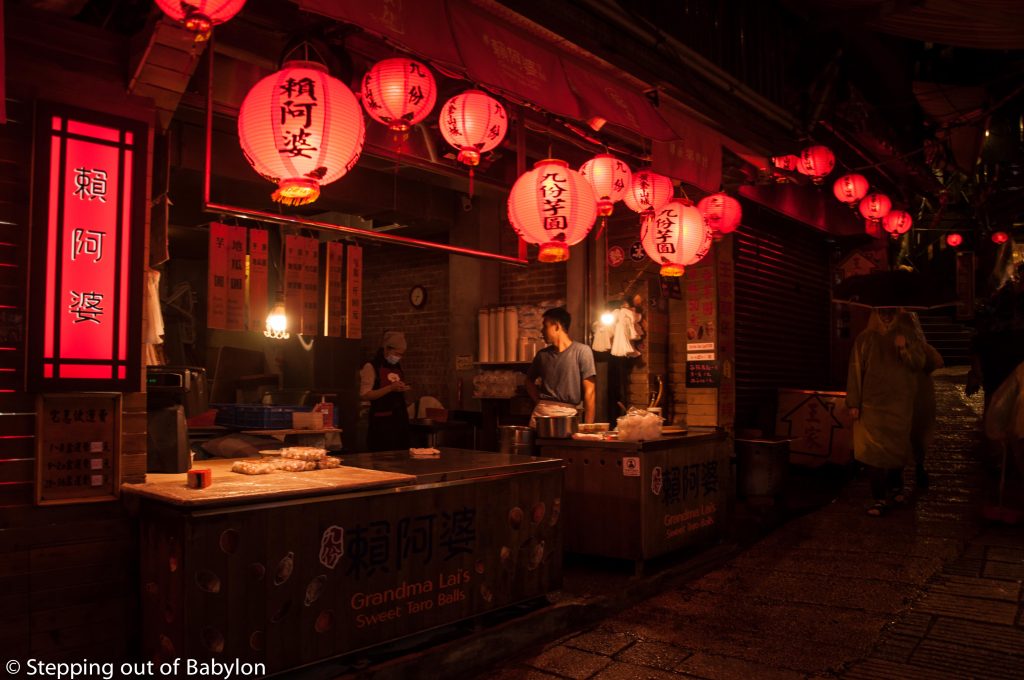
One of the many places selling street food along the main street of Jiufen

Teahouse Experience in Jiufen

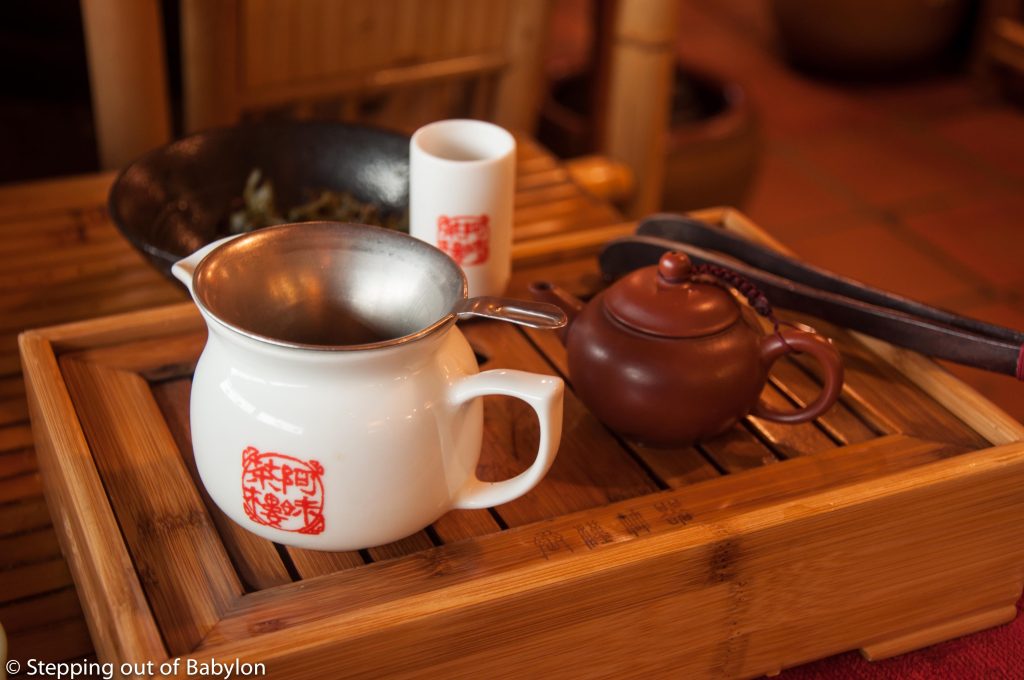
A-Mei is the most popular of Jiufen’s teahouses, offering a lovely sea view, but there are at least seven others where visitors can enjoy a traditional tea ceremony. Tea is prepared according to ancient rituals and served in miniature cups, often accompanied by a selection of local sweets.

A kettle is kept boiling next to your table, and after a quick explanation from the staff on how to prepare the tea, you’re left to perform the ritual at your own pace. You start by warming the teapot and cups, then pour the boiling water over the tea leaves—once to “open” them and subsequent times to infuse the flavour. The result is a subtle, delicate brew that encourages you to slow down, sip mindfully, and take in the atmosphere.

The experience is enhanced by the décor, full of classic Chinese motifs and antiques, creating a nostalgic and almost cinematic setting. You can enjoy the sweets that come with the tea and refill the pot as many times as you like.

I visited in the morning, when the teahouse was nearly empty. But later in the day, as tour groups arrive, you should expect a wait—especially if you’re hoping for a seat on the balcony.

The basic tea set costs around NT$300 per person, making it the most expensive tourist activity I did during my two-week trip in Taiwan—but it was certainly memorable.

Tea server at A-Mei, the most famous teahouse in Jiufen
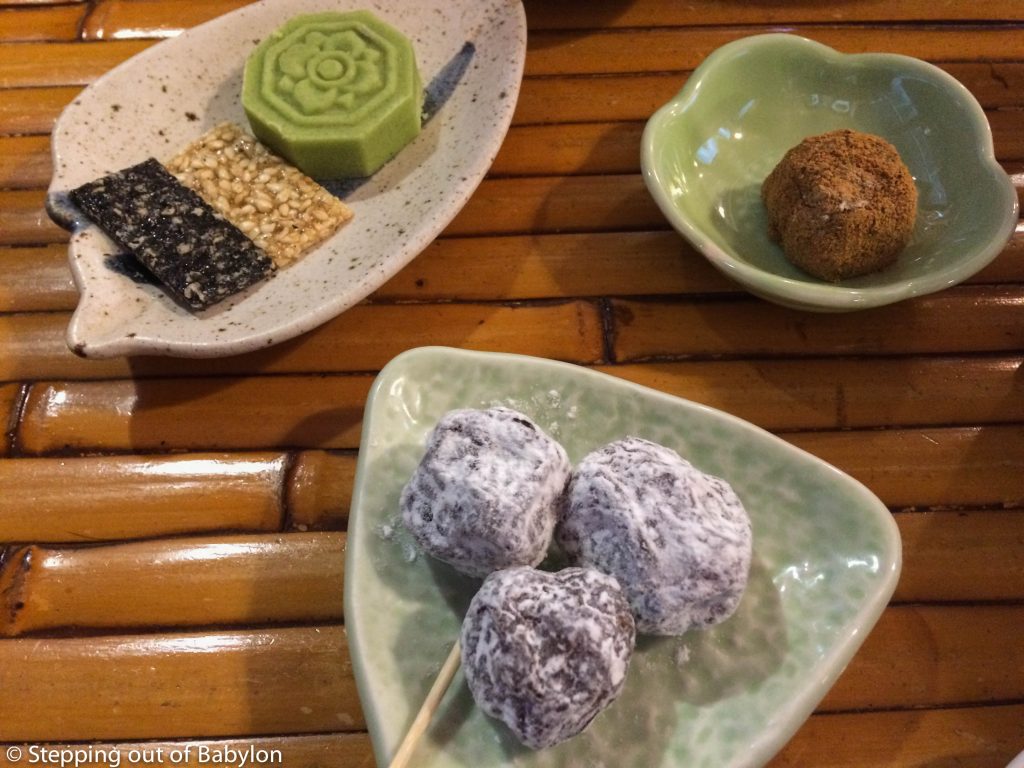
Traditional sweets served with the tea at A-Mei Teahouse

Where to Sleep in Jiufen

Most people visit Jiufen on a day trip from Taipei, but I chose to stay one night, as Jiufen was conveniently located along the route I had planned to follow down Taiwan’s East Coast.

I stayed at On My Way Jiufen Hostel, which has a great location—very close to both the main street and the bus stop. The hostel has a relaxed vibe, good facilities, and very friendly, helpful staff. The accommodations are simple, and while it covers all the basics, it lacks a bit in comfort—particularly when it comes to soundproofing.

Where to Eat in Jiufen:

Jiufen is well known for its beef noodle soup and other hearty meat dishes, but there’s much more to explore in terms of local snacks—both sweet and savory—with plenty of vegetarian options available. The best approach is to wander through Jiufen’s streets and stop at various stalls to sample the local specialties:

  • Taro Balls: A chewy dessert made from a mix of taro, sweet potato, and beetroot—though the texture and taste don’t resemble the original vegetables much. Served with beans, it comes in two versions: cold and hot. I wasn’t a fan of either, but the cold version (served with ice) was slightly better, as the hot one tastes too much like bean soup. Try them at Grandma Lai’s Taro Balls, a traditional yet stylish shop located on the main street.
  • Glutinous Rice Cakes: Another version of Taiwan’s beloved sticky rice sweets. These cakes are soft, slightly sweet, and filled with red bean paste (though meat-filled options also exist). They’re not extraordinary, but worth trying at Ah Lan Hakka, Jiufen’s most famous shop for freshly handmade rice cakes.
  • Oil Onion Rice Cake: This dish resembles a white-colored pudding, often seen in large trays at restaurant entrances. It’s served cold, roughly cut into chunks, and topped with a sweet sauce. The cake itself has little flavor, but leaves a mild onion aftertaste.
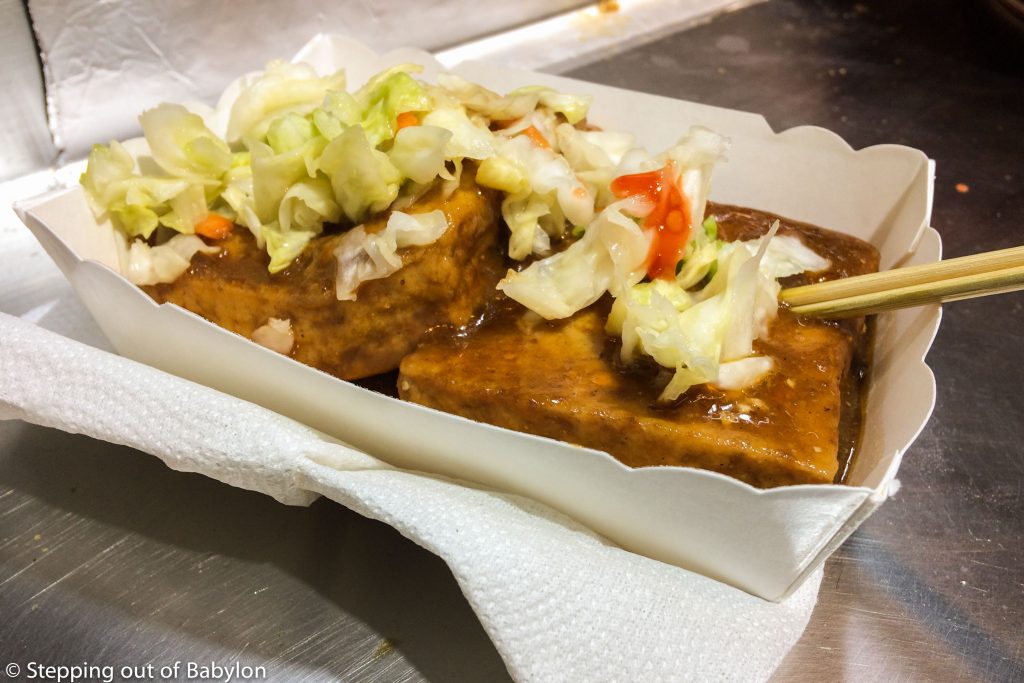
  • Stinky Tofu: Fermented tofu, usually deep-fried, known for its strong and distinctive smell that wafts through the streets. Despite its off-putting aroma, stinky tofu is surprisingly tasty and very popular in Taiwan, especially at night markets. Once you get past the smell, it’s definitely worth trying—and easy to find thanks to the unmistakable scent.
Rice Cake
Stinky Tofu

Besides these snacks, most restaurants in Jiufen focus on beef noodle soup and meatball noodle soup. Vegetarian options do exist—mainly fried noodles or noodle soups—but choices are limited.

Ask your hostel or guesthouse for a Jiufen map, which often highlights the locations of key restaurants, snack stalls, teahouses, and specialty shops.

Coffee shot at Jiufen

How to Go from Taipei to Jiufen by Public Bus

Reaching Jiufen from Taipei is simple and affordable—you don’t need to join a tour. The public bus is the cheapest and most flexible option, allowing you to travel on your own schedule.

Take bus 1062 (operated by the Keelung Bus Company), which departs from Zhongxiao Fuxing MRT Station, Exit 2. The ride to Jiufen is smooth and comfortable.

  • Frequency: Approximately every 20 minutes
  • Operating Hours: 6:00 AM – 9:30 PM
  • Duration: Just over 1 hour (depending on Taipei traffic)
  • Fare: NT$100

Arriving in Taiwan (Taoyuan Airport)

How to get from the airport to Taipei

Taoyuan International Airport is located about 40 km west of Taipei and is conveniently connected to the city by the efficient MRT line. For NT$150, you can reach Taipei Station comfortably in about one hour.

At the airport, the signs to the MRT line are very clear. However, once you arrive at Taipei Station, it may take some effort to find the most convenient exit for your destination. It’s a good idea to have GPS working on your mobile, so getting a SIM card before leaving the airport is recommended.

Where to get a SIM card in Taiwan

Upon arrival at Taoyuan International Airport, there are many options for purchasing a prepaid SIM card. Several telecom company counters are available both near the baggage claim area and in the arrivals hall. You can compare prices and packages from different providers.

Unfortunately, I skipped this step and had to find a SIM card in Taipei instead. While it was still easy, it wasn’t as convenient, as I didn’t find as many telecom shops in the city as at the airport.

Still, I got a good deal at a FarEasTone (FET) shop, located at the corner of Guanqian Road and Xuchang Street. It’s a large store with a noticeable red and white sign that’s easy to spot. They sell phones and accessories, and you can get a SIM card there without much hassle. You just need to choose a prepaid plan, show your passport, and make the payment. The staff kindly installed the SIM card and completed all the activation and language setup in English.

I chose a 30-day package for NT$800, which included unlimited data and 100 minutes of voice calls. I traveled across Taiwan from north to south—from Taipei to Kenting—and had no issues with internet connectivity.

Taiwan: ATM withdrawals without fees

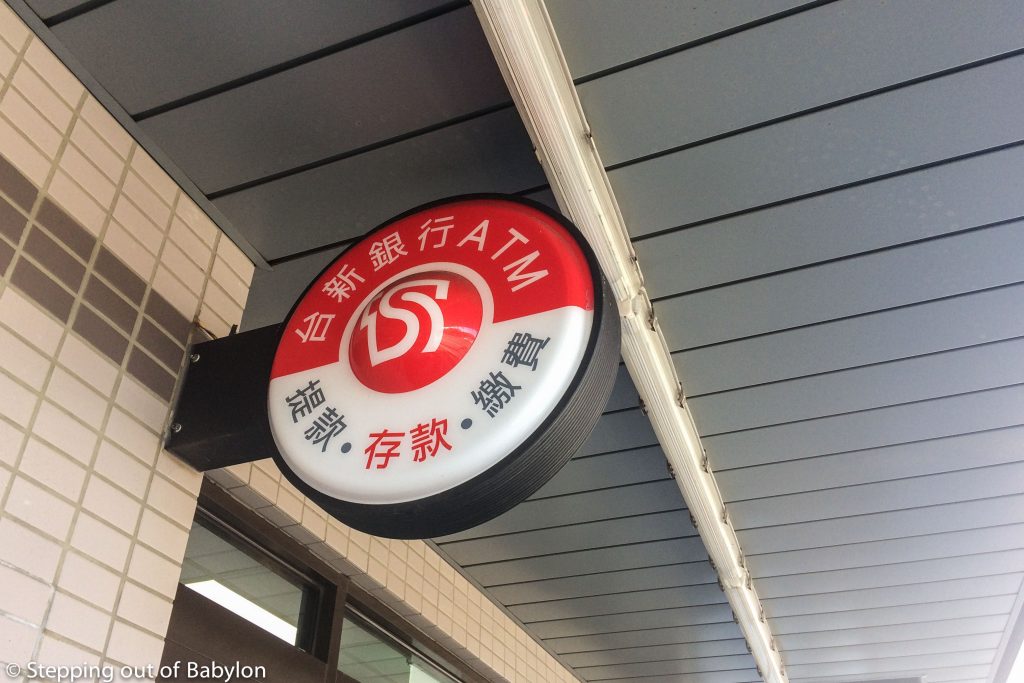
There are many ATMs in Taiwan that accept international cards (MasterCard is the most widely accepted), including several at the airport and throughout the country.

Some convenience stores, like 7-Eleven, have ATMs from Taichung Bank, which typically charge a NT$100 fee per withdrawal.

Later, I found out that regular Taichung Bank ATMs don’t charge a fee for withdrawals using MasterCard. However, the Taichung Bank ATMs located inside 7-Eleven stores still apply the NT$100 fee.

Short guide to the Taiwanese breakfast

The Taiwanese breakfast—apart from a few meat items that I skipped—consists mostly of eggs and fried foods. Sometimes it’s not easy to figure out the names of the different dishes, as they’re often only written in Mandarin. Even when there’s a menu with Latin characters, the names can vary from place to place. What helped me the most were the pictures that often illustrate the menus.

Here’s a summary of my breakfast experience in Taipei, mainly from the Yong He Soy Milk, shop; which seems to be a local institution and a go-to spot for cheap, traditional Taiwanese food.

Below are some of the most popular breakfast items that are vegetarian-friendly (or at least “edible” for vegetarians):

Pancake (蛋餅 – Dàn Bǐng)

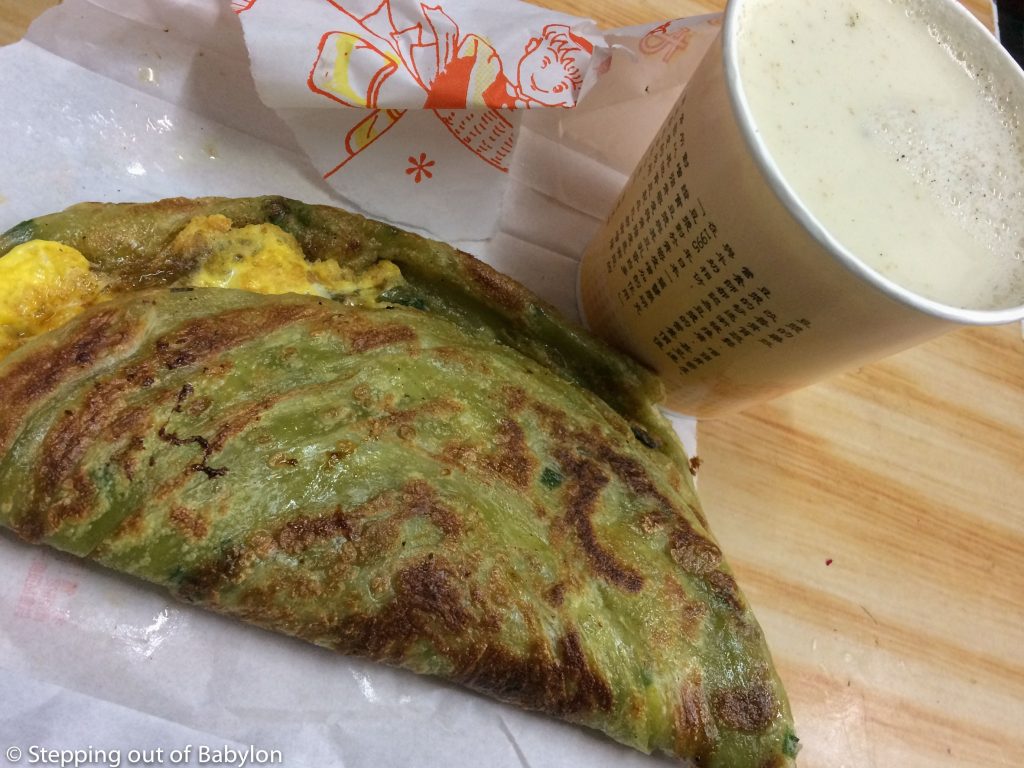
This Taiwanese version is a bit different from what we usually call a pancake. It’s somewhere between an omelet and a pancake — made with eggs, rice flour, and scallions, and fried in plenty of oil. The result is a delicious but heavy dish. Sometimes it has a green color, though the taste is the same as the plain version. The texture and crunchiness can vary depending on where you get it. It was my favorite breakfast item — and I later discovered it’s also available at night markets!

Pancake (蛋餅 – Dàn Bǐng)

You Tiao (油條)

Deep-fried twin sticks also found in Thailand and other Southeast Asian countries. They’re one of the most popular and widely available options. When freshly made, they’re slightly crispy and irresistibly tasty. Despite their light appearance, they’re quite filling due to the oil — and yes, they leave your fingers greasy. Some locals like to dip them in hot soy milk.

Deep fry twin sticks You Tiao (油條)

Luo Bo Gao (蘿蔔糕 – Turnip Cake)

Made with rice flour and white radish, this has a soft, jelly-like texture and a very mild flavor. It’s usually cut into small squares and pan-fried. A splash of soy sauce can enhance it. Sometimes it’s fried with egg — not very visually appealing, but a good source of protein and carbs.

Chinese Omelet

A simple omelet with scallions and onions, sometimes wrapped in a layer of rice dough, then fried (of course) and roughly chopped. It doesn’t look great but can be filling.
Dumplings and Buns

Very common in Chinese cuisine — most are meat-filled, but some places offer leek or cabbage versions. These shops are easy to spot thanks to the tall stacks of bamboo steamers out front, with steam pouring out.

Pao (包子 – Steamed Bread)

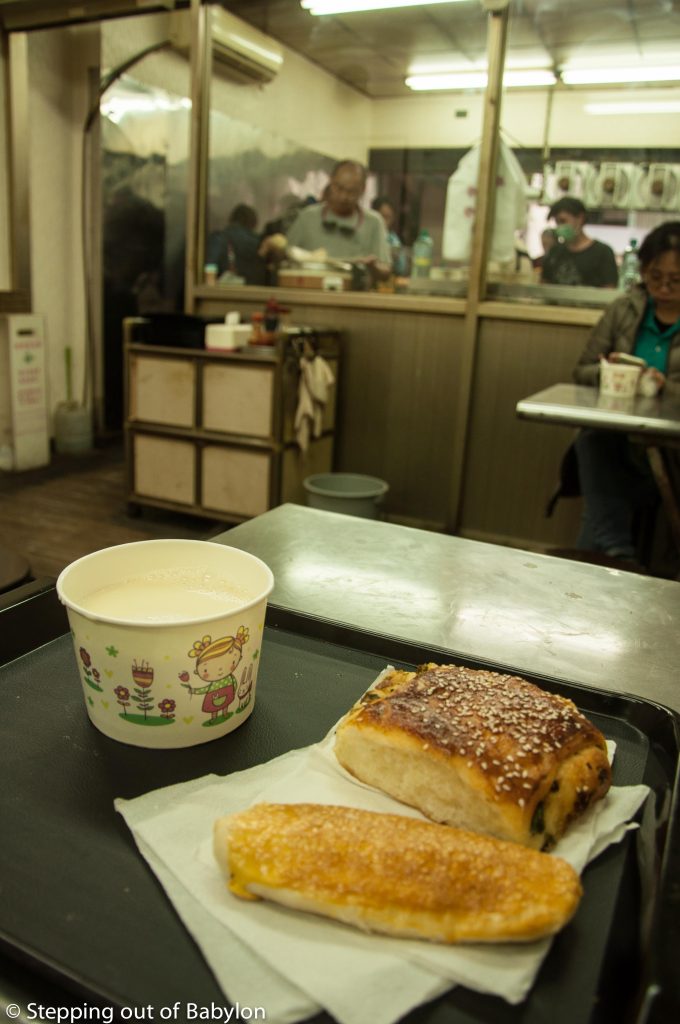
Another Chinese influence — this is steamed bread made from rice flour, with a neutral taste and spongy texture. It’s often eaten with an omelet like a sandwich. Not my favorite because of the texture, but worth trying once.

Pao (包子 – Steamed Bread)

Shaobing (燒餅)

One of the rare non-fried options! These are baked, wheat-based flatbreads that can be sweet (often filled with bean paste) or savory (usually with meat). I loved the texture and appreciated the break from fried food.

Shaobing (燒餅)


Fan Tuan (飯糰)

Sticky rice rolls filled with You Tiao, pickles, and meat. Vegetarian versions are hard to find unless you speak some Mandarin!

… and don’t forget the Soy Milk

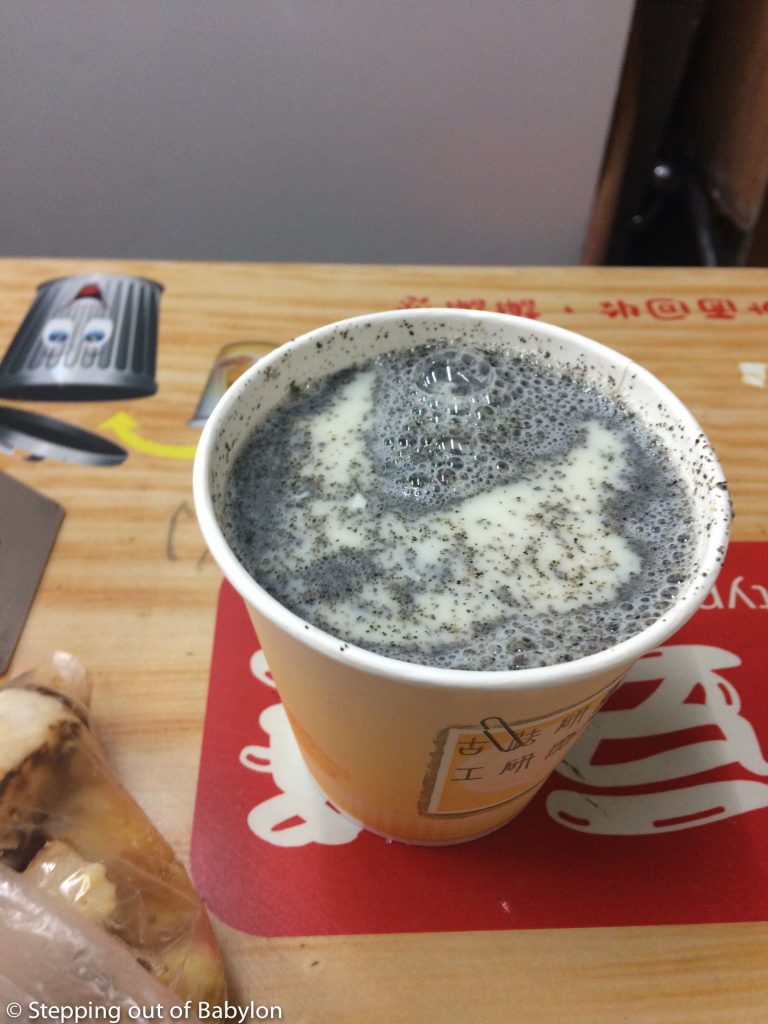
To wash it all down, soy milk is the most common drink — served hot or cold. At Yong He Soy Milk, you can also try a variation made with black sesame and ground peanuts, which gives it a darker color and thicker texture. Both versions are sweetened and perfect for the chilly winter weather.

Soy Milk
  • Page 1
  • Page 2
  • Go to Next Page »

Footer

search

Tags

accommodation Assam Bali Border Crossing Borneo Cappadocia Colombo Dalí Dambulla Dao Cheng Esfahan Fes Food Gilis Hiking hokkaido Istanbul Itinerary Jakarta Java Kandy Kashan Kataragama Kumano Kodo Lombok Meghalaya Meknes Mekong Nagaland Natural Park Nongriat Northeast States Ouarzazate Sarawak Shiraz Sichuan Province Sumatra Tabriz Tehran transportation Visa Yangon Yazd Yogyakarta Yunnan Province

I’m Catarina, a wanderer from Lisbon, Portugal… or a backpack traveller with a camera!

Every word and photo here comes from my own journey — the places I’ve stayed, the meals I’ve enjoyed, and the routes I’ve taken. I travel independently and share it all without sponsors or ads, so what you read is real and unfiltered.

If you’ve found my blog helpful or inspiring, consider supporting it with a small contribution. Every donation helps me keep this project alive and free for everyone who loves exploring the world.

Thank you for helping me keep the journey going!

BUY ME A COFFEE

Categories

Recent Posts:

  • How to go from Hualien to Dulan Beach
  • Taroko Gorge: between marble cliffs and emerald rivers
  • Hualien: a dull gateway to Taroko Gorge
  • Taiwan: Itinerary for an 16 day trip
  • Vietnam: Itinerary
  • 3 months in India: Kolkata, Tamil Nadu, Karnataka, Goa and Kerala
  • Backpacking Turkey in 24 Days: itinerary & costs
  • English
  • Português

© Copyright 2026 Stepping out of Babylon · All Rights Reserved · Designed by OnVa Online · Login