• Skip to main content
  • Skip to footer

Stepping Out Of Babylon

Travel & Photography

  • About me
    • Contact
  • Destinations
    • Africa and Middle East
      • Iran
      • Lebanon
      • Morocco
      • Turkey
    • East Asia
      • China
      • Japan
      • Taiwan (Formosa)
    • South Asia
      • Bangladesh
      • India
      • Nepal
      • Sri Lanka
    • Southeast Asia
      • Cambodia
      • Indonesia
      • Lao
      • Malaysia
      • Myanmar
      • Singapore
      • Thailand
      • Vietnam
  • Itineraries
  • Travel tips
    • Border crossing
    • Hiking and Natural parks
    • Food Journey
    • Visa
  • Photography

Indonesia

Padang… where is the food?!

“Padang” is one word that will cross your way as soon as you arrive in Indonesia, written at many signs and restaurant windows. Masakan Padang, that means Padang food, is the typical cuisine of the Minangkabau people of West Sumatra, and Padang is the capital of this region.

But visiting Padang, located in a traditional Muslim area of Sumatra, during the Ramadan, didn’t allow to experience the big choice of the restaurants with this kind of that put the name of this city on the gastronomic map of Indonesia.

But padang food is a bit everywhere in Indonesia, and despite the religious rules that push people to fasting during the day (more or less from sunrise until sunset), some restaurants still serve food during the day, although keeping the window where usually the food is displayed covered by a curtain as also the door, showing this way respect for the ones that are fasting. During the Ramadan, some of the restaurants that are open don’t allow the clients to eat there, selling food just for takeaway.

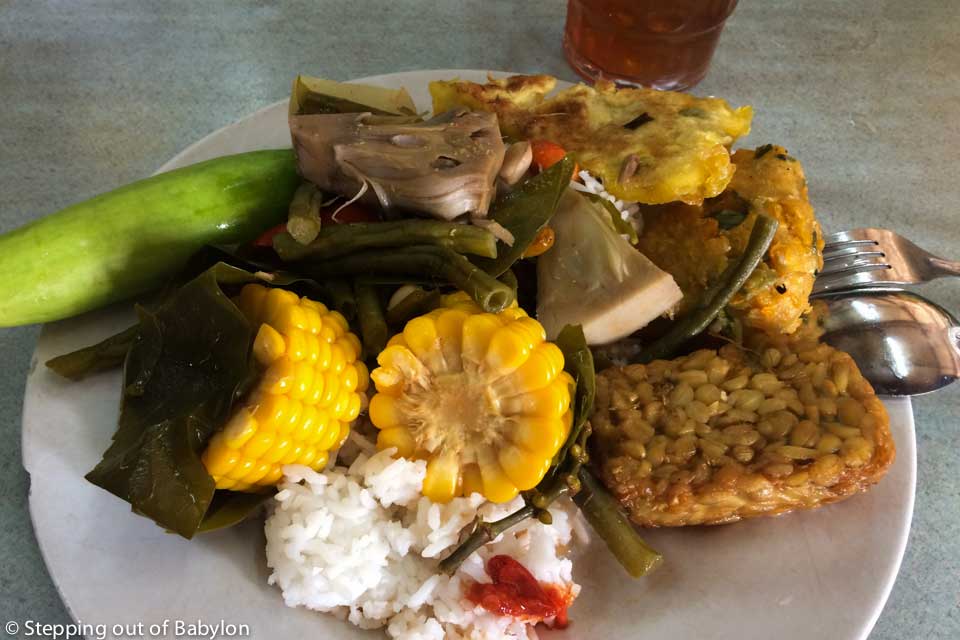
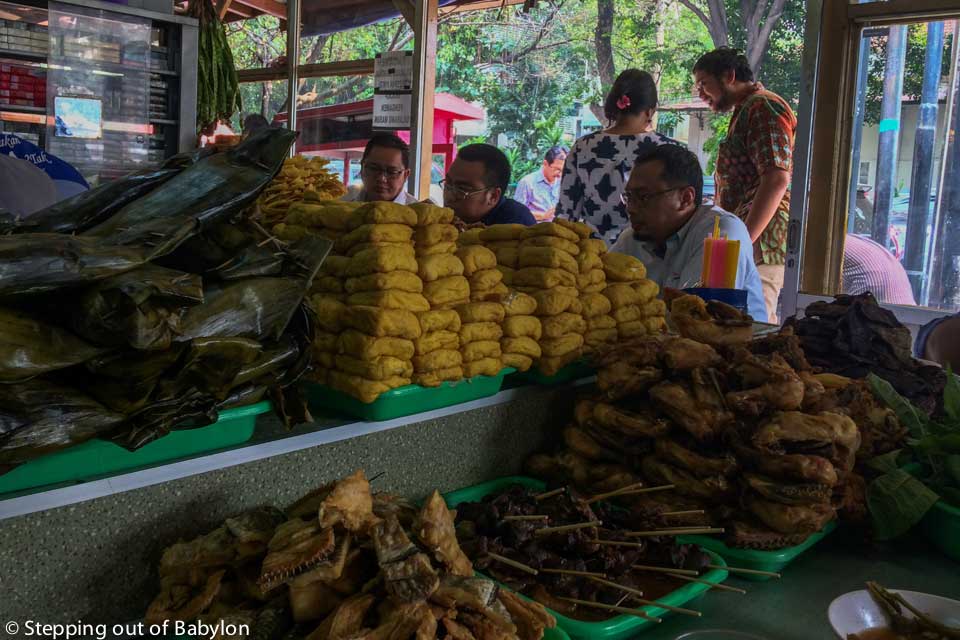
The Masakan Padang restaurants are easily identified be the way the food is presented: in piles at plates or in big metal bowls or trays for more juicy dishes, like curries. The plates are exposed at a window and visible from the outside, and most of them open from the morning until the evening. The food is served at room temperature and just the rice is kept warm.

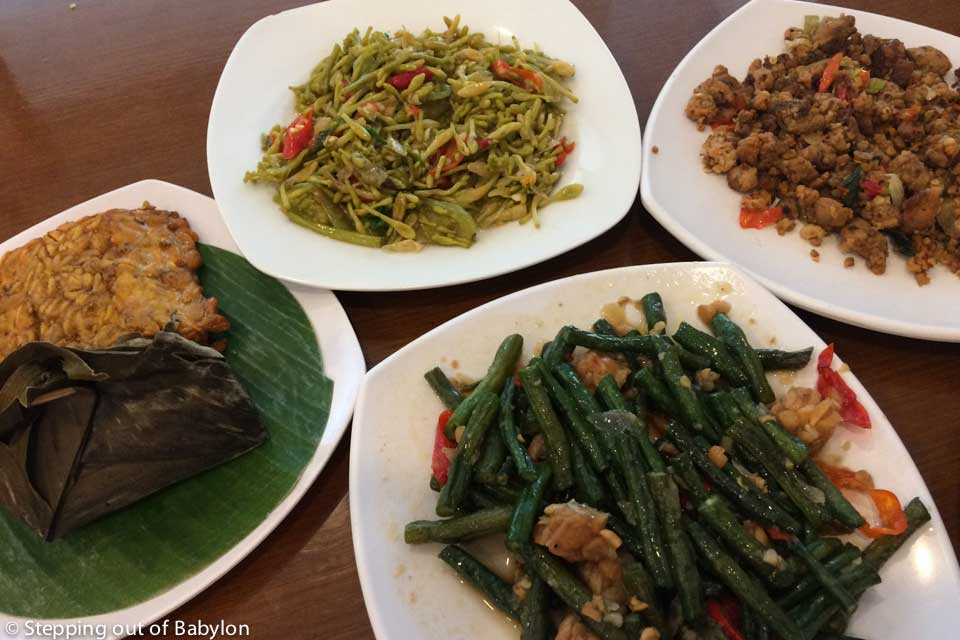
Due to the big vegetarian choices available, like tofu, tempeh, green leaf vegetables, vegetable curies, jackfruit curries, and eggs in many ways… the Masakan Padang restaurants are a great choice for vegetarians!!!!

But beyond the famous cuisine Padang has more to offer, although it is not a charming or engaging city, that was seriously afecte by 2009 earthquake. But still there enough things to see during a couple of days.
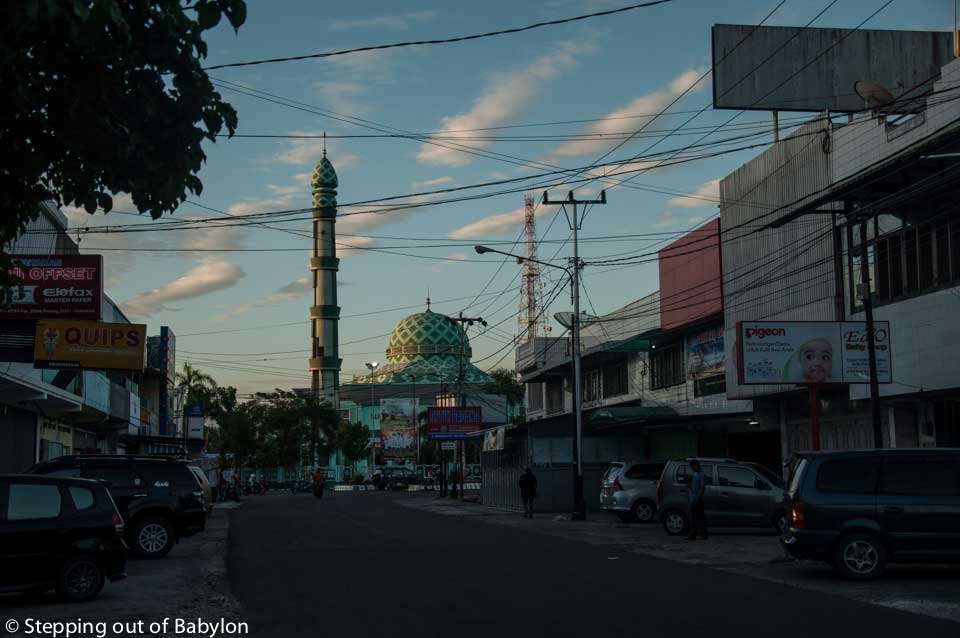
Padang
Padang
Padang
Padang
an example of Minangkabau arquitecture at Taman Iman Bonjol

Masjid Sumatera Raya Barat, the grand mosque of West Sumatra!!! In fact is an impressive building that crossed my way just I arrive in Padang, even before the first sun rays! It’s a massive structure inspired on the pointy rooftop of the Minangkabau (an ethnic group from West Sumatra) houses.

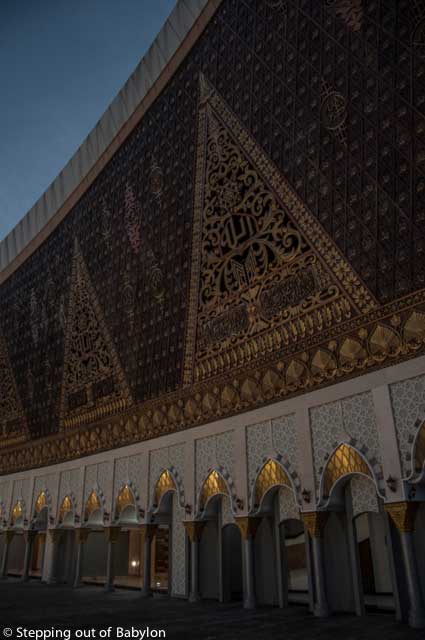
Majid Raya Sumatera Barat
Majid Raya Sumatera Barat... a new mosque with a modern design that was for me the most interesting sightseeing of Padang
Majid Raya Sumatera Barat… a new mosque with a modern design that was for me the most interesting sightseeing of Padang
Majid Raya Sumatera Barat

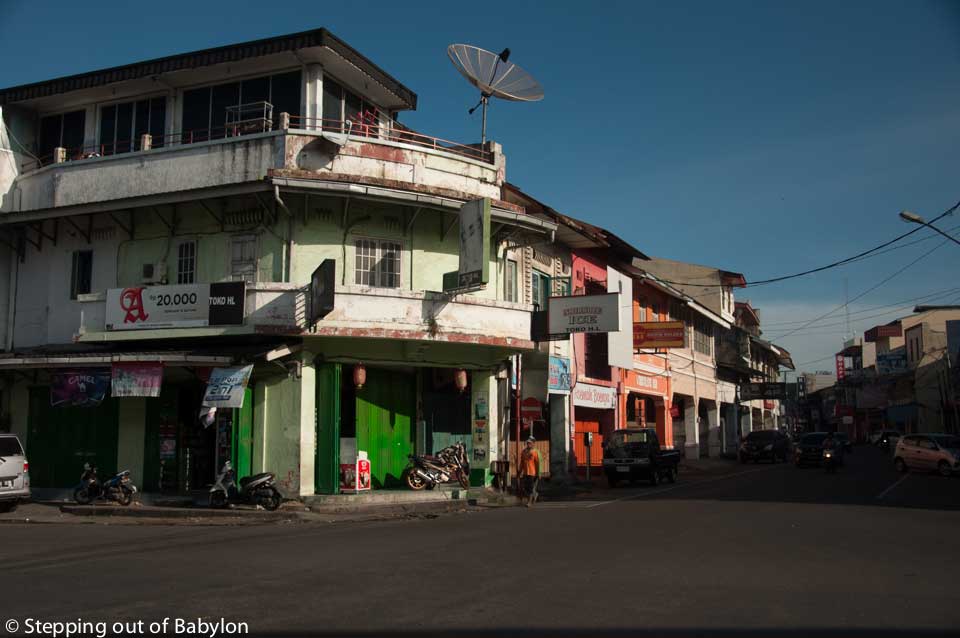
As the Ramadan time stole a bit the life of the city, with many shops closed, including many restaurants, was necessary a bit of walk to explore the other side of Padang. There’s a big Chinese community, even a neighbourhood identified as Chinatown with the traditional gate. Here the life runs at the usual pace, away from fasting traditions, and with markets and restaurants working normally.

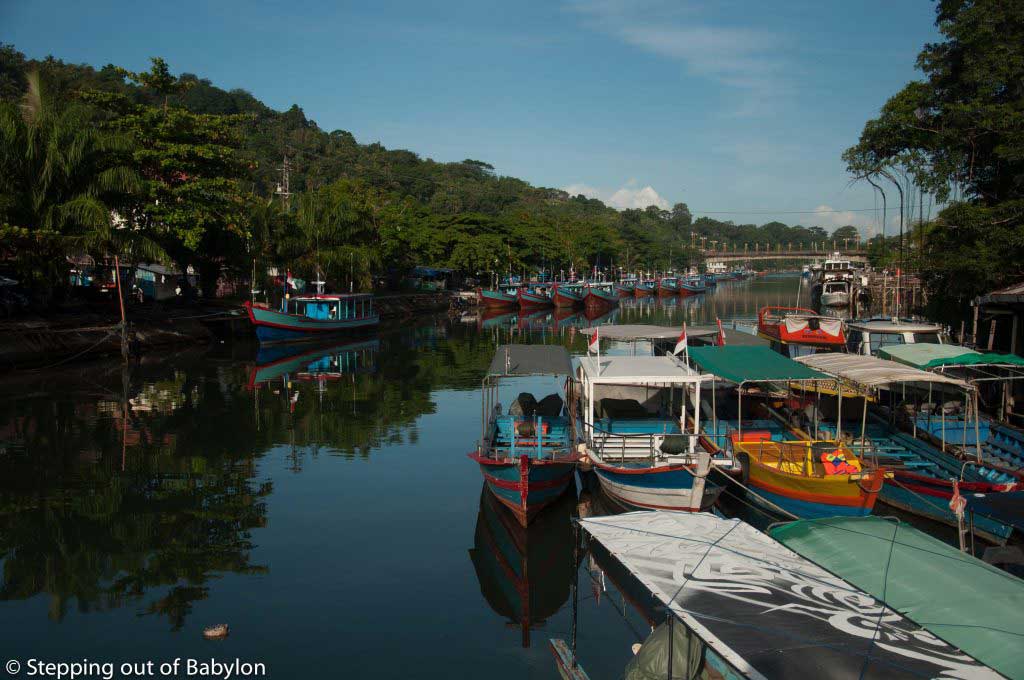
Nearby the Chinatown, along the Jalan Batang Arau can be found what remains of the Dutch presence here… not much more that a few warehouses and buildings. Some of them are abandoned and others were transformed into bars and restaurants that are closed during the day, giving an sad feeling to this riverside area, despite the colourful fishing boats that are aligned along the riverside, known as Dutch Harbour.
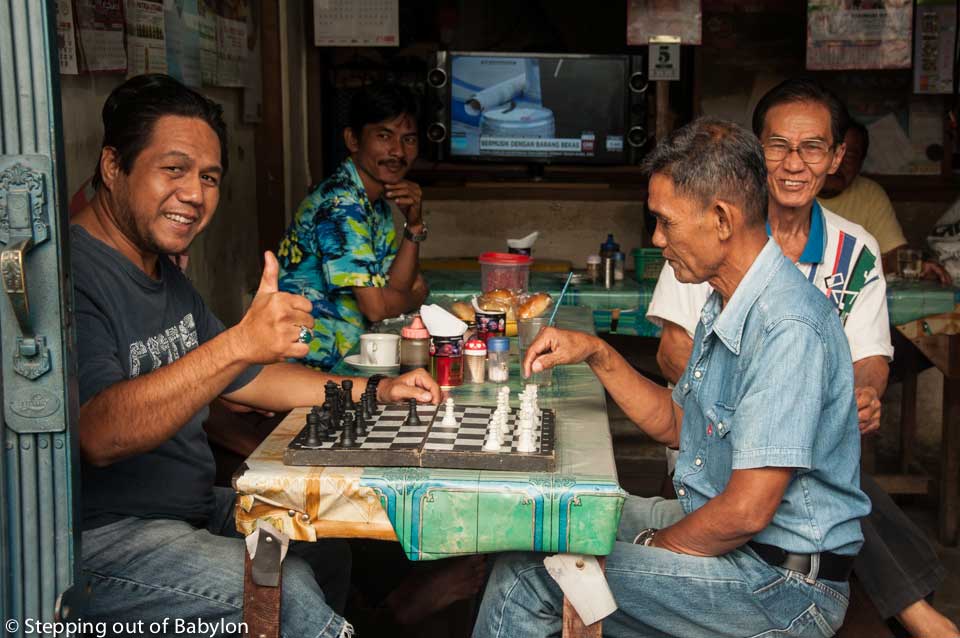
Padang's Chinatown, that during the Ramadan keep the usual pace, but where many restaurants keep a curtains covering the windows to respect the muslim fasting during this period
Padang’s Chinatown, that during the Ramadan keep the usual pace, but where many restaurants keep a curtains covering the windows to respect the muslim fasting during this period
Padang’s river front… old Dutch Harbour

But the Ramadan despite bringing fasting and closed restaurants also has the bright side: the Ramadan food markets!!!! Usually improvise street-market that just run during this season, that open during the afternoon selling food, some of which can only be found during the Ramadan, where people come to buy the food to break the fasting as also for the last meal before dawn, that impose the fasting again. So these markets are a delight for the senses and a temptation to everyone, although can be impolite eating this meals, snacks or sweets on the street, before the sound of the siren marking the end of the fasting.

At Padang, the Ramadan treats, many of them homemade, can be found in many streets between 4 and 5 p.m., but at Taman Iman Bonjol, a small park at the center of Padang where people play sports, hang out and where lots of kids play, where is located the Ramadan Food Market.
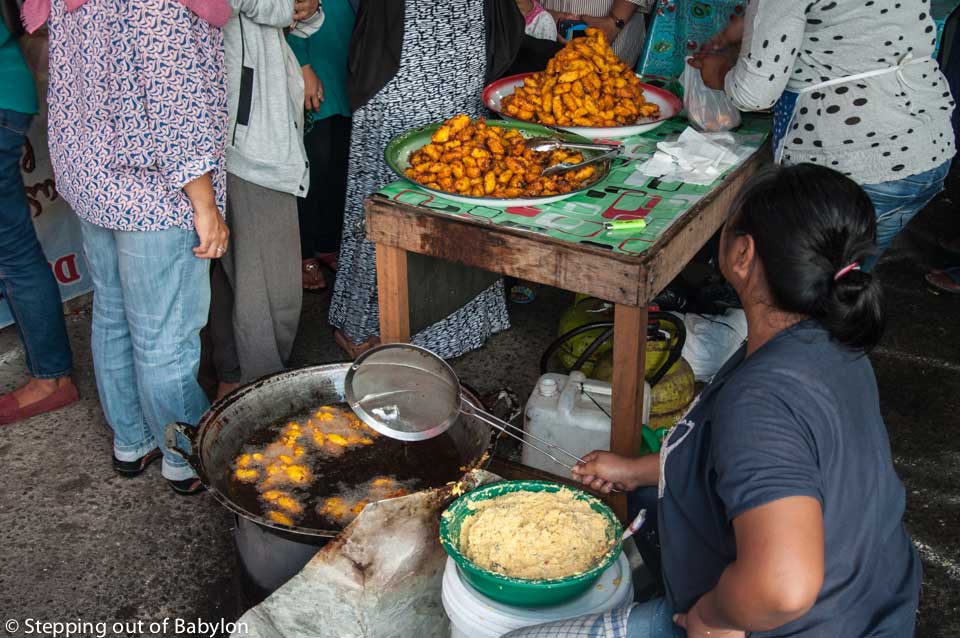
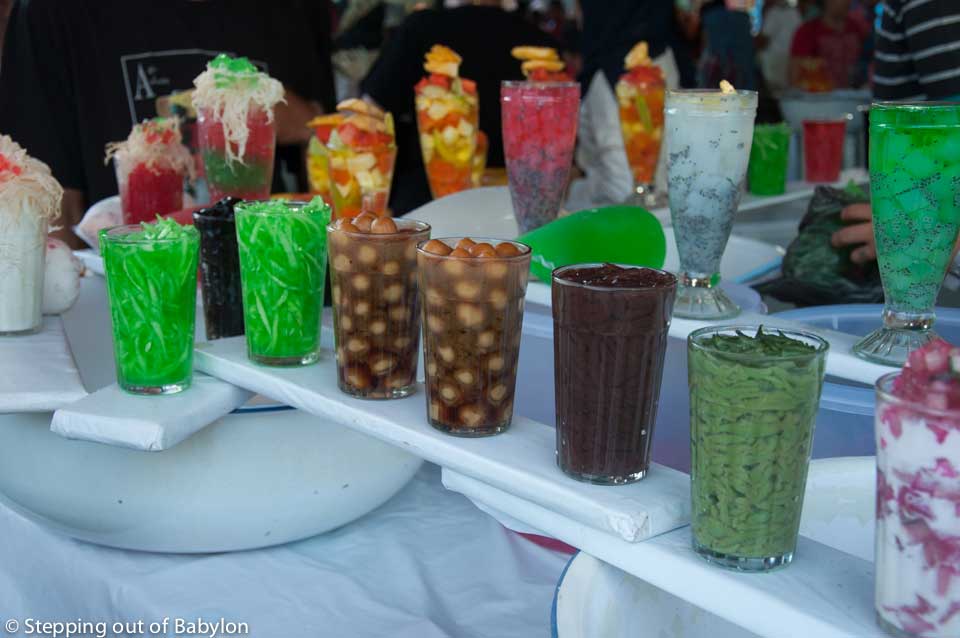
Ramadan Food Market at Taman Iman Bonjol


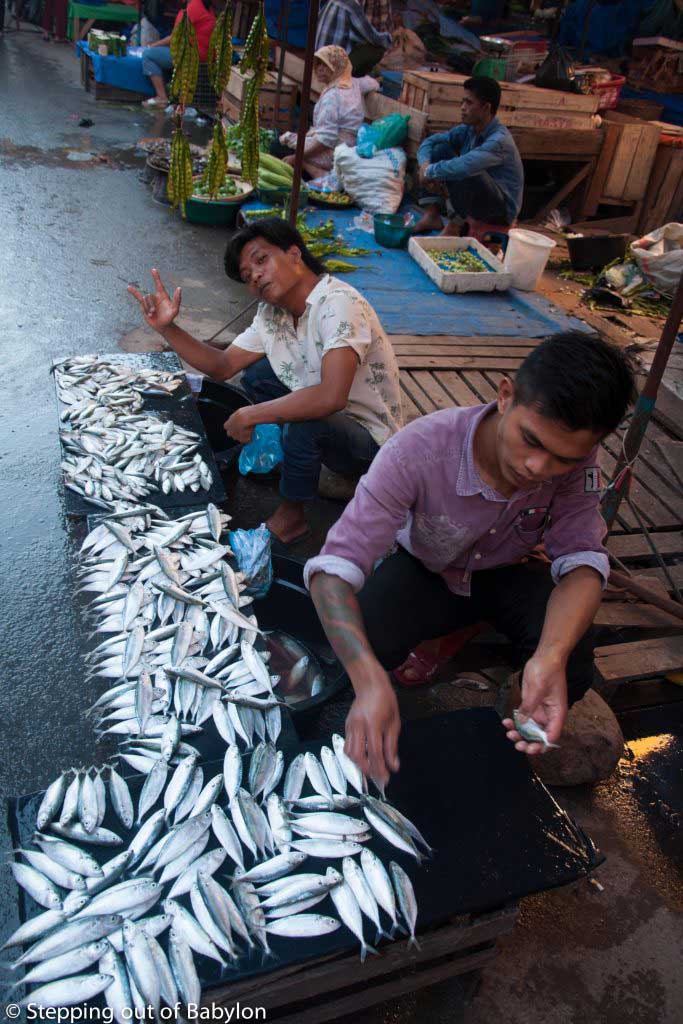
But with or without Ramadan, the markets are always the center of the activity in any Indonesia city, and Padang is not an exception! The Pasar Raya, the main market in the city, is a group of a few buildings that didn’t look inviting to visit. But outside along the Jalan Pasar Raya is where everything interesting happens… a street crowded with sellers, hawkers, people and traffic… clothes, fruits, fish and tasty food… busy, colourful and vibrant of activity.

Impossible to be unnoticed here!!! From everywhere the usual “hello” and “where are you from?”… Portugal?!?! Cristiano Ronaldo! 🙂

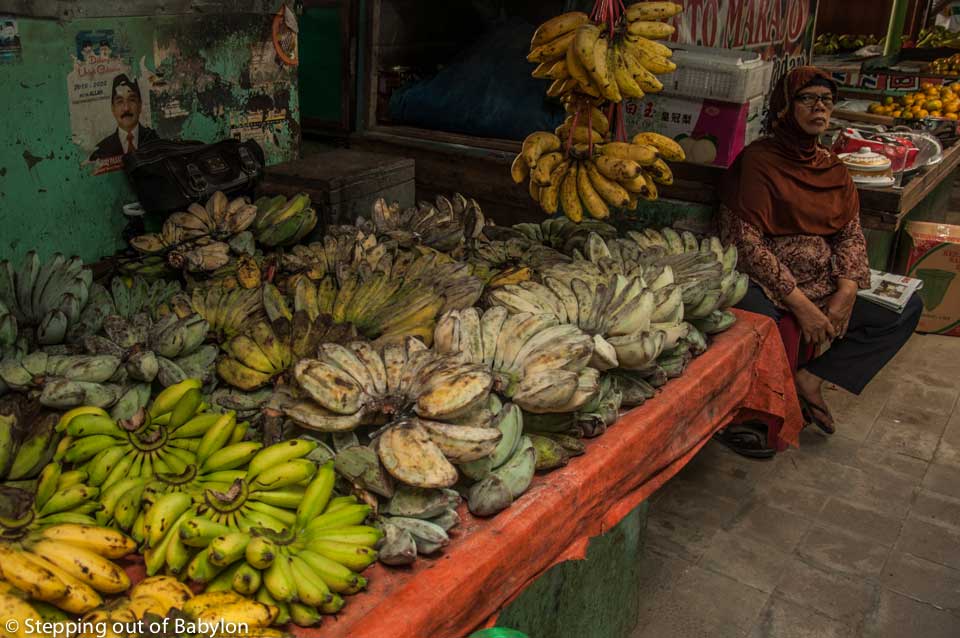
Pasar Raya
Pasar Raya
Pasar Raya
Pasar Raya
Pasar Raya
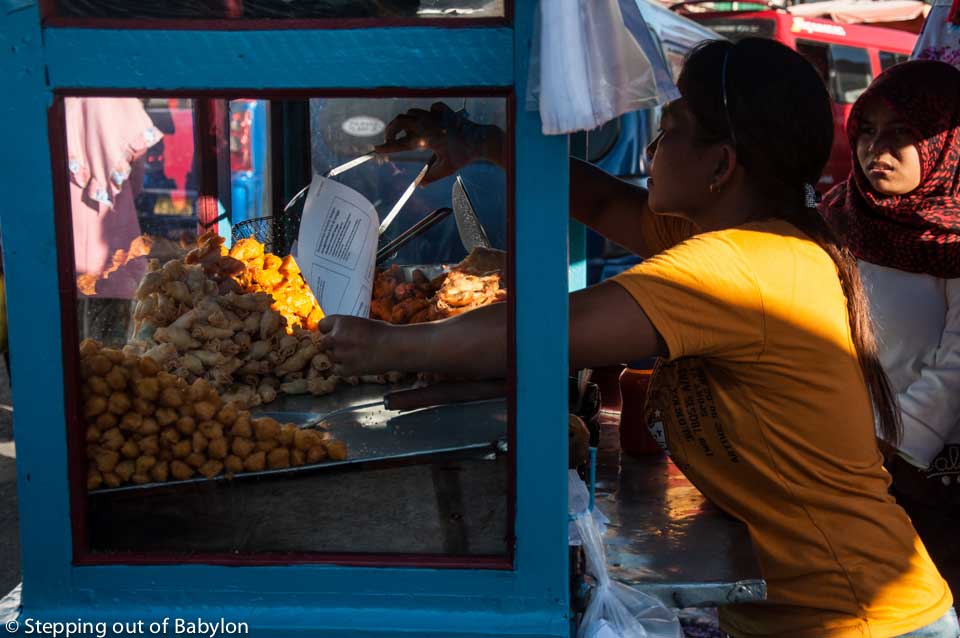
Padang street food
street food at Pasar Raya… delicious deep-fry snack made form corn and seasoned with kefir leaf.

Where to sleep in Padang:

Most of the people just stay in Padang on the way to Mentawai Island, but still, there are many accommodations in the city for different budgets. I choose one with a dorm as the prices at Padang are a bit height that the usual in Sumatra.

The Brigitte House, as different kinds of rooms, as also a dorm with 4 beds… is a nice place with good conditions, a balcony, a rooftop and is located in a quiet area. The staff is friendly but the owner can be a bit distant and indifferent to the guests, particularly the ones that are not buying one of the many tour pack available at the guesthouse. I don’t miss the place but the price was attractive considering other options in Padang. The bed at the dorm, with air-con, safe lockers and breakfast included is 95.000 Rp a day.

https://brigitteshousepadang.com/
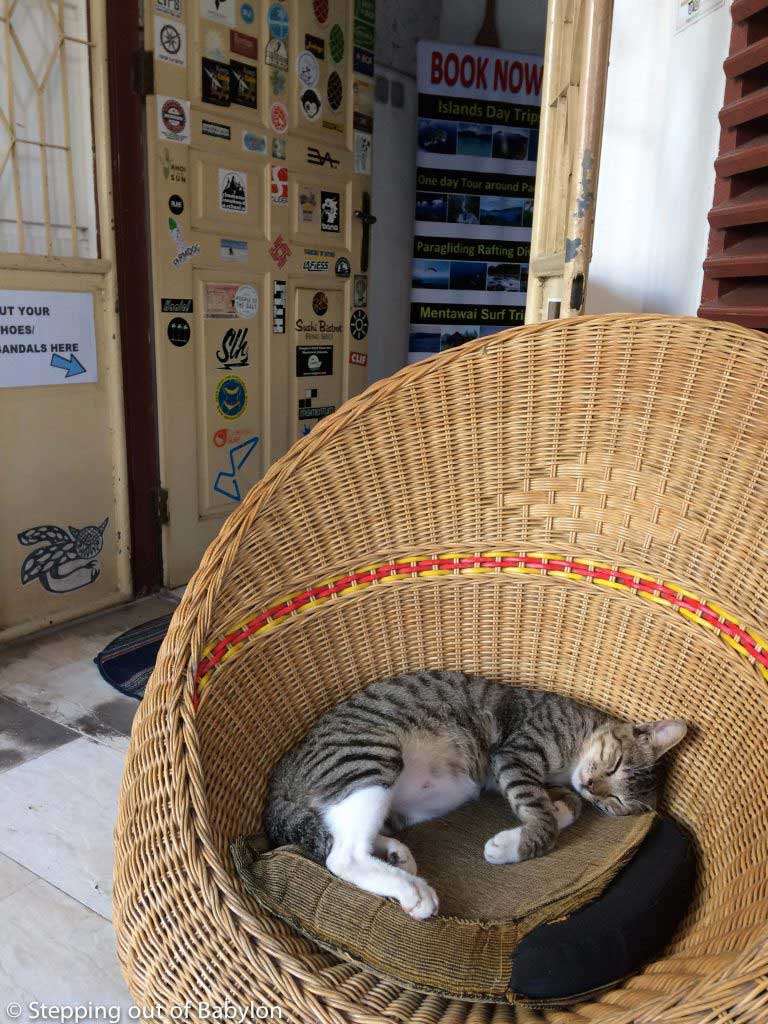
Brigitte House
Brigitte House… the cats are the coolest thing here!!!

Where to eat in Padang:

Ramadan… most of the places are closed, that make the visit of the most famous Indonesian cuisine a bit odd experience. But on the other hand, the Ramadan creates a curious phenomenon: the food markets that show up on the streets, some organized some very informal, during the afternoon and last until five or six in the evening. It’s a place where people come to buy food, already cooked, looking for treats to break the day fasting and having the next morning meal already in mind. It’s a delight for the senses, with a huge variety of Indonesian cousin, where is also possible to find types of food specially prepared for this season.

At Padang, nearby the Taman Iman Bonjol, a park chosen by local to chill with lots of kids playing, there’s a market area with delicious food!

But during the day, there are many other options to try the Padang food, locally called Masakan Padang. Yet, most of them were closed during the Ramadan, so I just found two of the top choices restaurants open: Restoran Sari Raso (at Jalan Karya, 3; open from 10 a.m. to 7 p.m.) and Rumah Makan Pagi Sore (Jalan Pondok, 143; open from 7.30 a.m. to 9 p.m.).

From this two eateries just have the opportunity to try the Sari Raso that is famous also for the wide range of vegetable dishes. The place during the Ramadan looks closed but behind the curtain that covered the door there’s delicious food served in an informal atmosphere. If you seat and ask for 4 or 5 dishes, hidang style, you may pay something around 50.000 Rp, just for vegetable and egg dishes. It’s a big portion of off just for one person, but you also have the pesan system, where the food you choose is served on a plate with rice, and this will cost around 15.000 Rp.
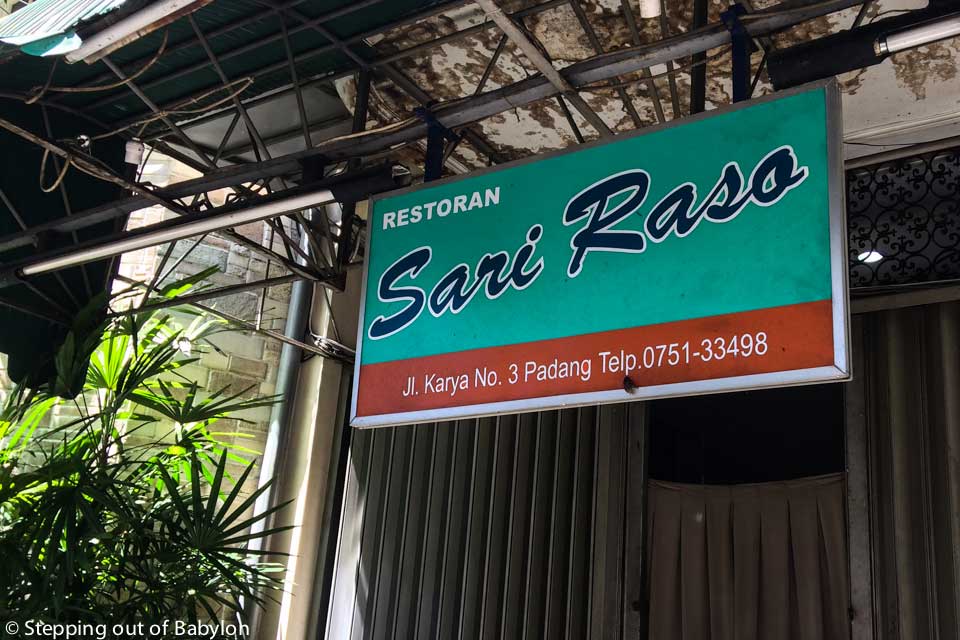
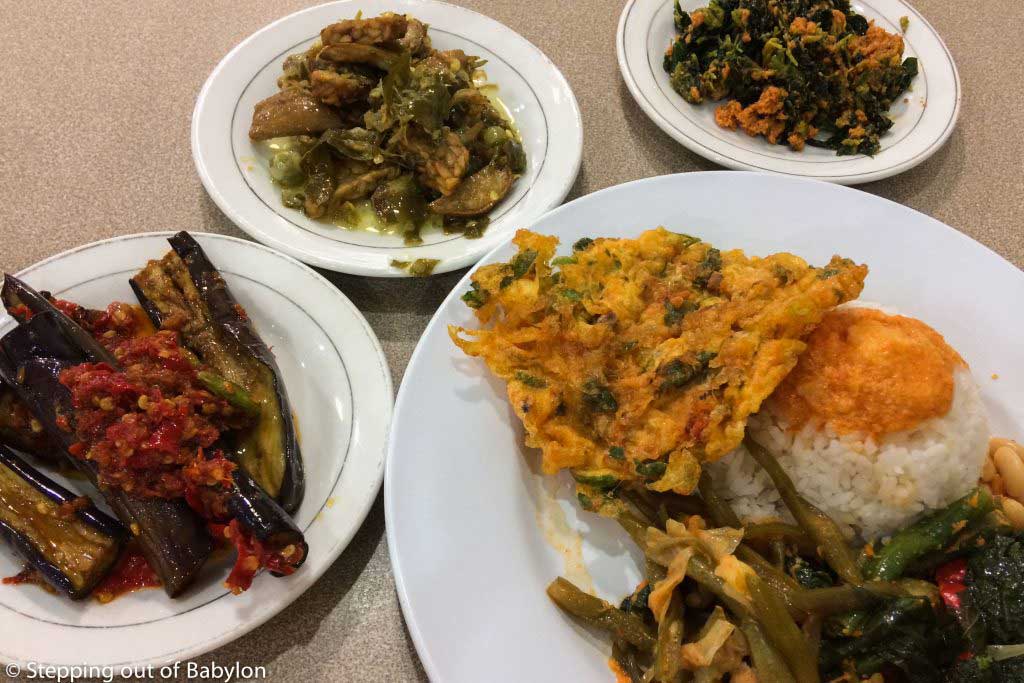
Sari Raso... delicious food, with a lot of vegetarian option... one of the few masakan padang restaurant that was open during the day at Padang
Sari Raso… delicious food, with a lot of vegetarian option… one of the few masakan padang restaurants that was open during the day at Padang
A delicious meal at Sari Raso Restaurant... a reference of Padang food
A delicious meal at Sari Raso Restaurant… a reference of Padang food

How to move around Padang:

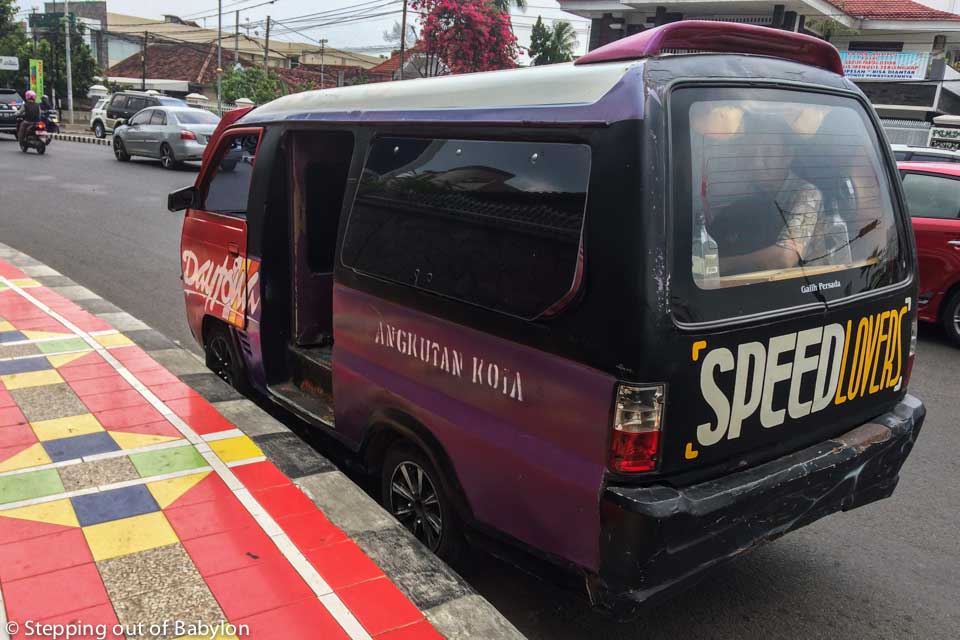
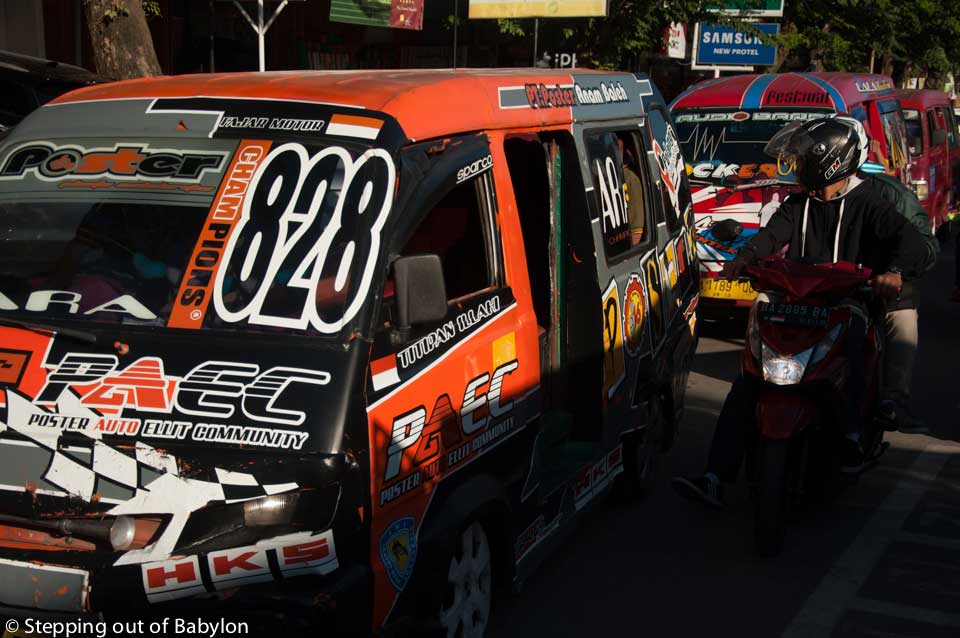
There are many types of angkot (public transport) in Padang, and the type of vehicle as also the colour indicates the route/destination. It’s not easy to understand how this system works, but there’s a big concentration of this angkot nearby Pasar Raya… and there you must tell to the drivers about your destination, and wait until one point you the right vehicle. Is not easy and it takes time and patience, as almost anyone speaks English, and you going to feel how useful is to know a few words of Indonesian!!!

For some strange reason, most of the public transport vehicles at Padang are personalized with eccentric decoration and always have a blasting sound system that can transform a trip in hellish experience!!! Sometimes these angkots are very old, dirty and in bad conditions, but nothing looks to affect the sound system, which sometimes is the only thing that is not decrepit.

But to make things easy, there are also the TransPadang, modern and confortable buses that have a number according to the route, as also specific bus stops (bus halt) that are easy to identify. A TransPadang trip cost 3.000 Rp.
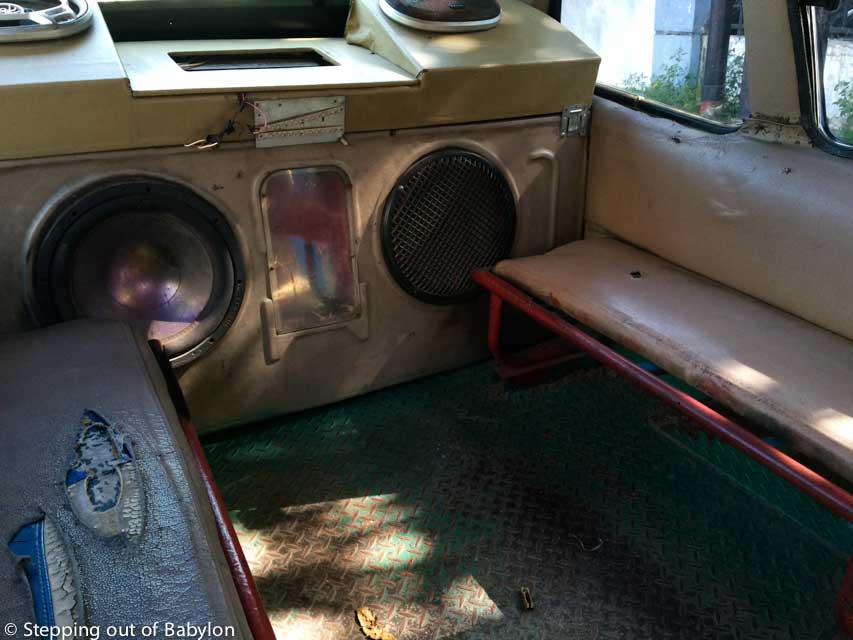
Sometimes these angkots are very old, dirty and in bad conditions, but nothing looks to affect the sound system, which sometimes is the only thing that is not decrepit.
the public transport in Padang have a "particular" look
the public buses in Padang have a “particular” look


See also: Masakan Psdang… the most popular Indonesian cuisine

Bengkulu… a stopover on the long Sumatra bus trips

For a tourist, there isn’t any reason to stop in this city, on the south cost of Sumatra, through is the most important transport hub on the way from Bandar Lampung to Padang, and due to the bus schedules is probably necessary to stop one night in Bengkulu… that what happen to me, and I just stay the obligatory time, one evening and one morning, to follow to the next destination: Padang.

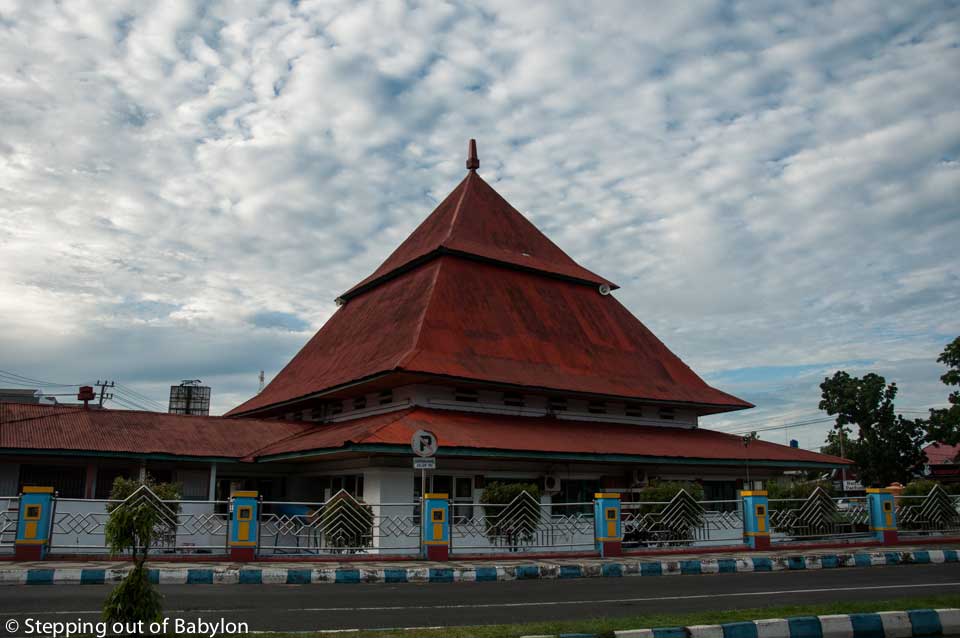
There’s a fort left by the British colonization, a long beach (Pantai Panjang) to see but not to swim, a huge market (Pasar Baru Koto) that during the Ramadan is numb, a British fort very well preserved (Fort Marlborough), there’s an interesting mosque (Majid Jamik) design by the President Soekarno that spent here his 10 years of exile during the Dutch colonization, there are friendly and smiley people but there’s also a language barrier, as Bengkulu is not used to receive the visit of foreigners and not many people speak English.


BengkuluBengkulu

Majid Jamik design by the President Soekarno that can be considered the center of Bengkulu
Majid Jamik design by the President Soekarno, during his exile at Bengkulu, that can be considered the center of the city
Fort Marlborough left by the British presence at Sumatra
Fort Marlborough left by the British presence at Sumatra… the most significant monument at Bengkulu, very well maintained and can be visited for free
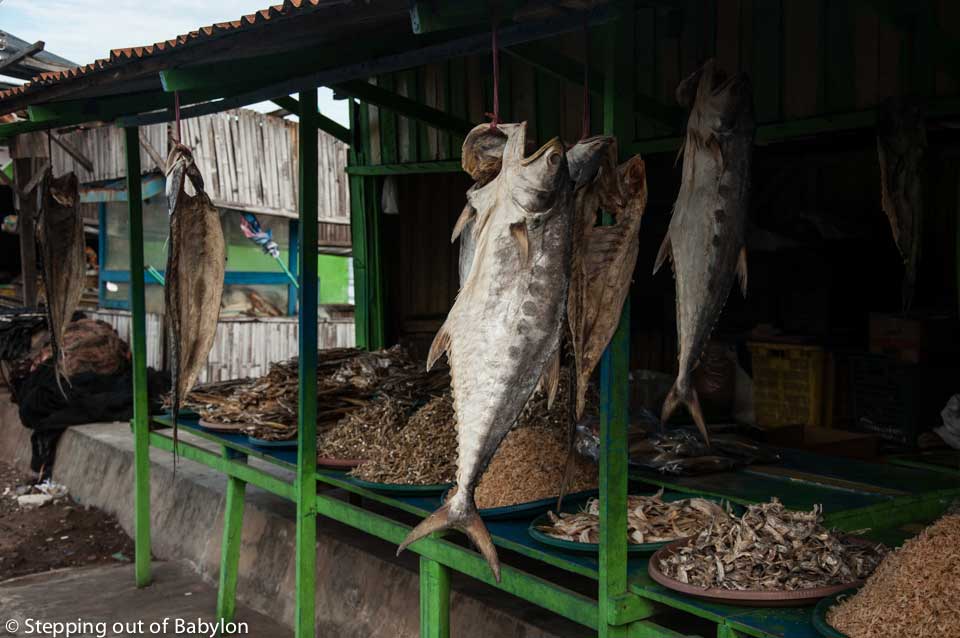
Fish MArket
Pasar Ikan Malabro, an Impoverished area nearby the sea…. a place that get alive later in the afternoon with street food

Where to sleep in Bengkulu:

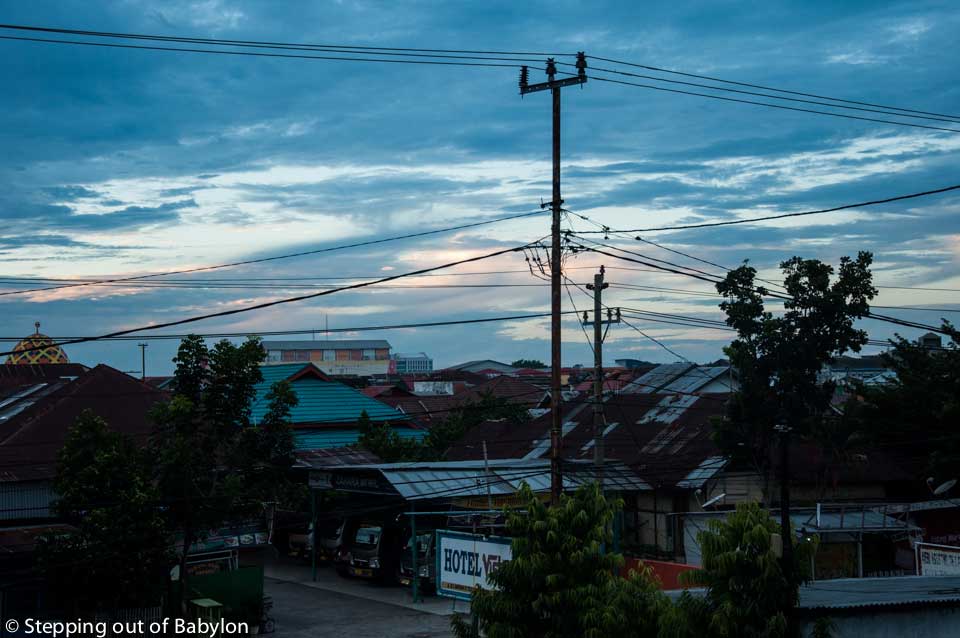
The Vista Hotel is far from being an attractive place, but is a good choice due to the prices and especially by location, very close by the Travel Companies… in fact just next door of San Travels, from where you can take buses to Padang.

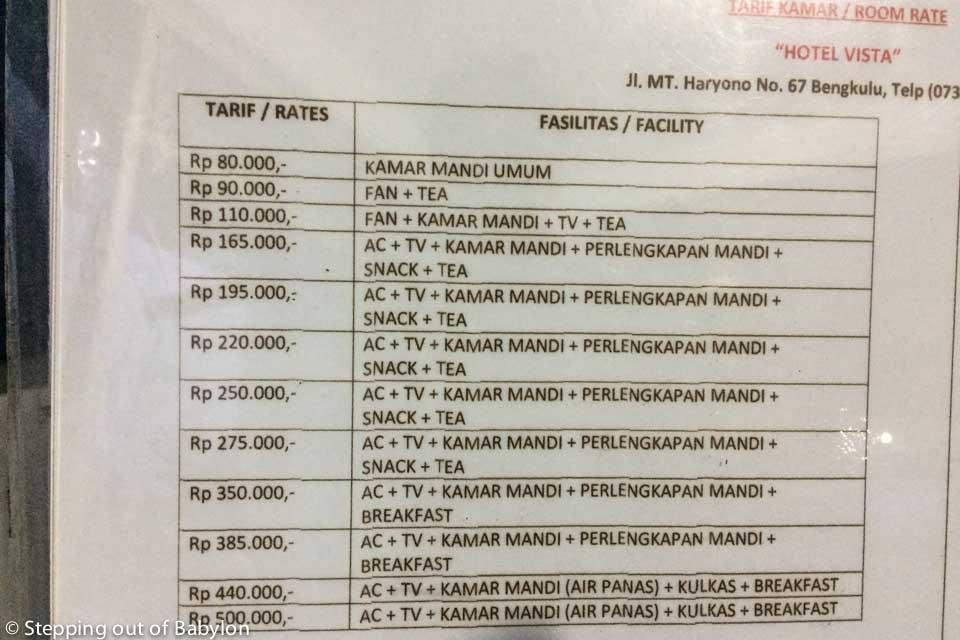
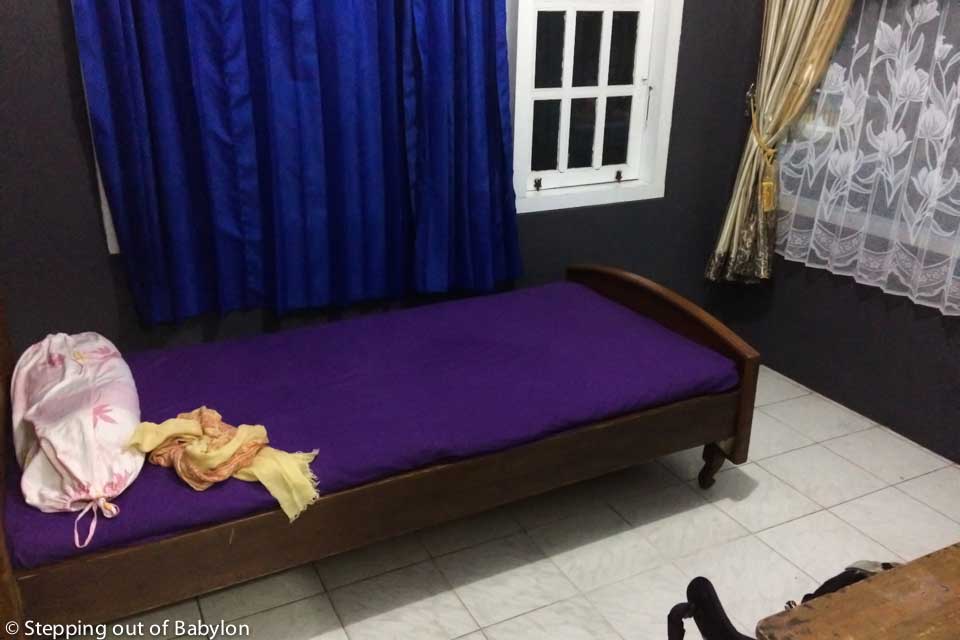
I stay in a single room, shared toilet, without air-con or fan, for 80.000 Rp… this is the cheapest option at Vista Hotel. The place is clean, a bit decadent but still reasonable to spend one night. Choose one room away from the main road, as the traffic noise is quite intense.

No wi-fi.

The staff doesn’t speak English.

Address: Jl. MT. Haryono No. 67, Bajak, Kota Bengkulu
Phone: (0736) 20820

[columns] [span6]

Vista hotel fees... there is no wi-fi and the staff doesn't speak english
Vista hotel fees… there is no wi-fi and the staff doesn’t speak english

[/span6][span6]

Vista Hotel... single room. A bit depressing but just next door from the San travels bus parking
Vista Hotel… single room. A bit depressing but just next door from the San travels bus parking

[/span6][/columns]

How to go from Bengkulu to Padang:
There are several bus companies linking Bengkulu to Padang, most of them with offices or agents at Jalan MT Haryono. The most reliable are the San Travels that offers an “executive” bus service.

The San Travels ticket counter is at Jalan MT Haryono, just next to the Vista Hotel, and the buses to Padang departure from here. Is better to buy the ticket as soon as you arrive, as the bus gets full.

Is a good and comfortable bus, but the air-con is freezing cold; it doesn’t take the road along the coast, instead it goes through Lubuk Linggau and Sitiung. The road until the sunset is very nice along villages and countryside landscape, but it takes time to load the bus with vegetables and other stuff.

The ticket from Bengkulu to Padang cost 200.000 Rp.
The bus departure at 1 p.m. and arrives at Padang at 6 a.m. It doesn’t stop at any terminal but the last stop is at Jalan Sulaiman, just after he Masjid Raya Sumatera. From there is easy to spot the bus stand of the TransPadang (tickets cost 3.000 Rp).

[columns] [span6]

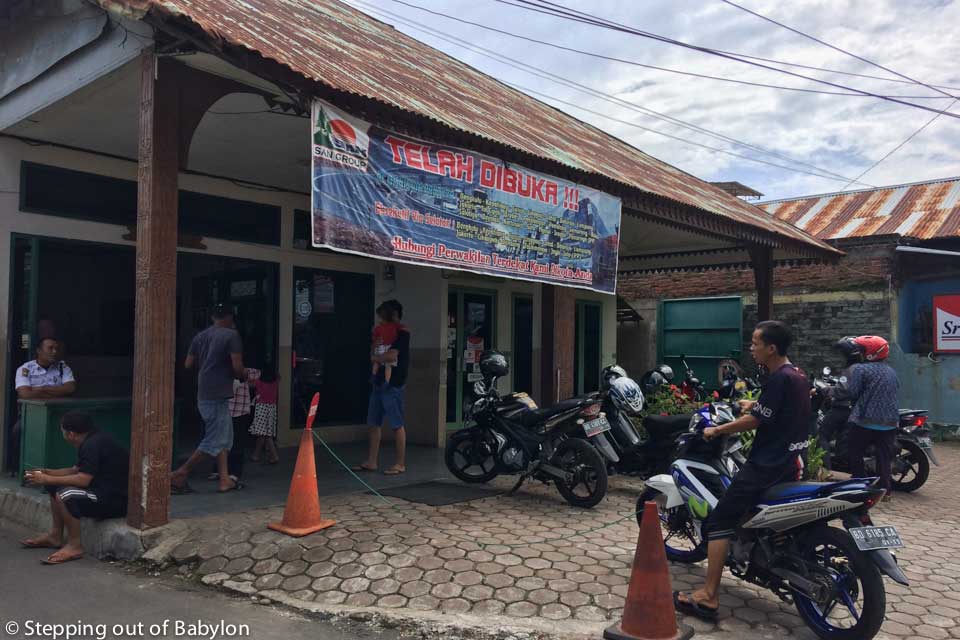
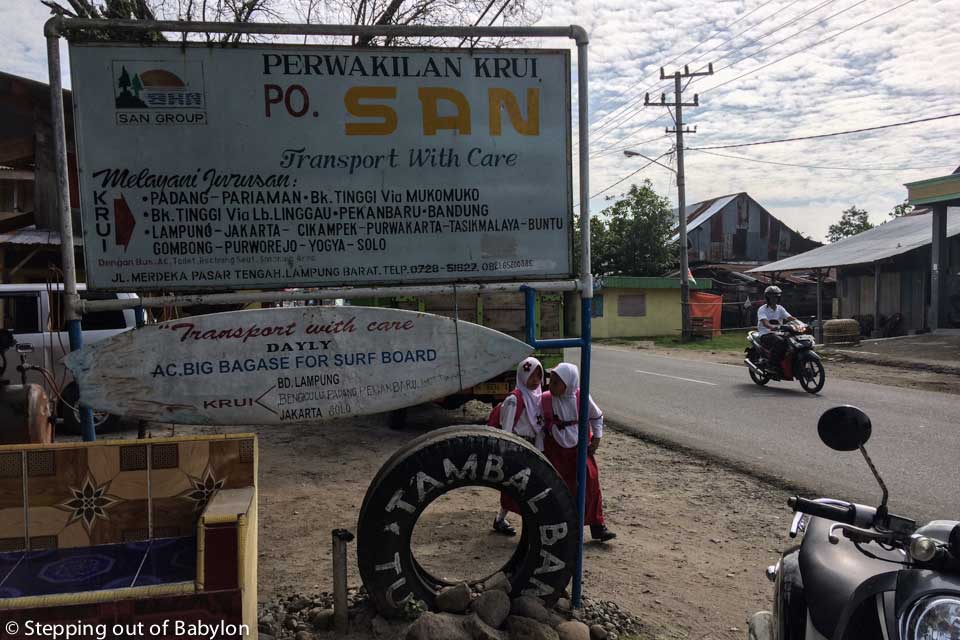
San Travel office
San Travel office

[/span6][span6]

Prices for the San Travel buses to different destination in Sumatra and also Java

[/span6][/columns]

[columns] [span6]

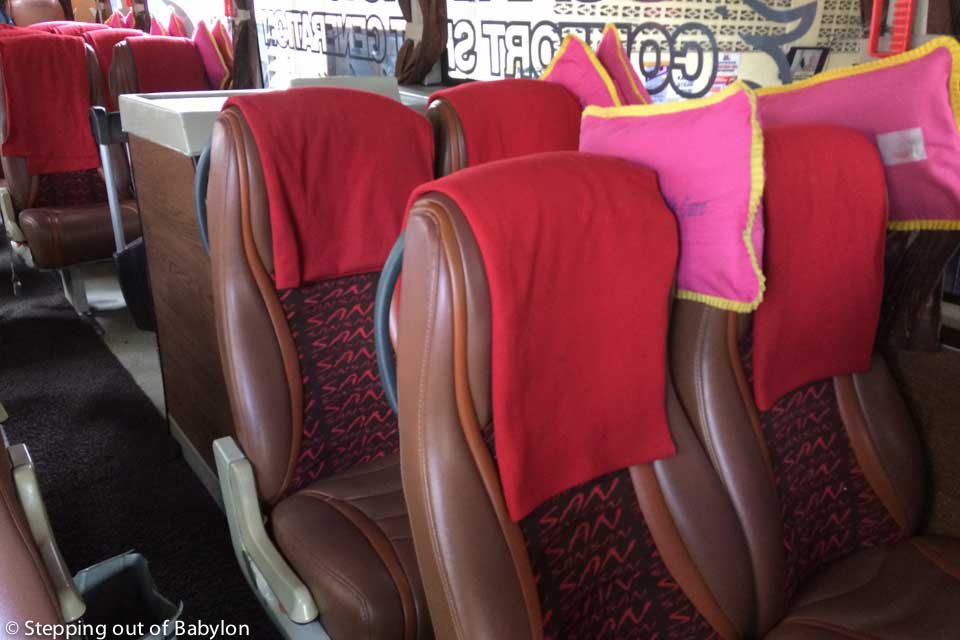
comfortable "executive" bus, where the blankets ar really necessary due to the low temperature of the air-conditioner
comfortable “executive” bus, where the blankets ar really necessary due to the low temperature of the air-conditioner

[/span6][span6]

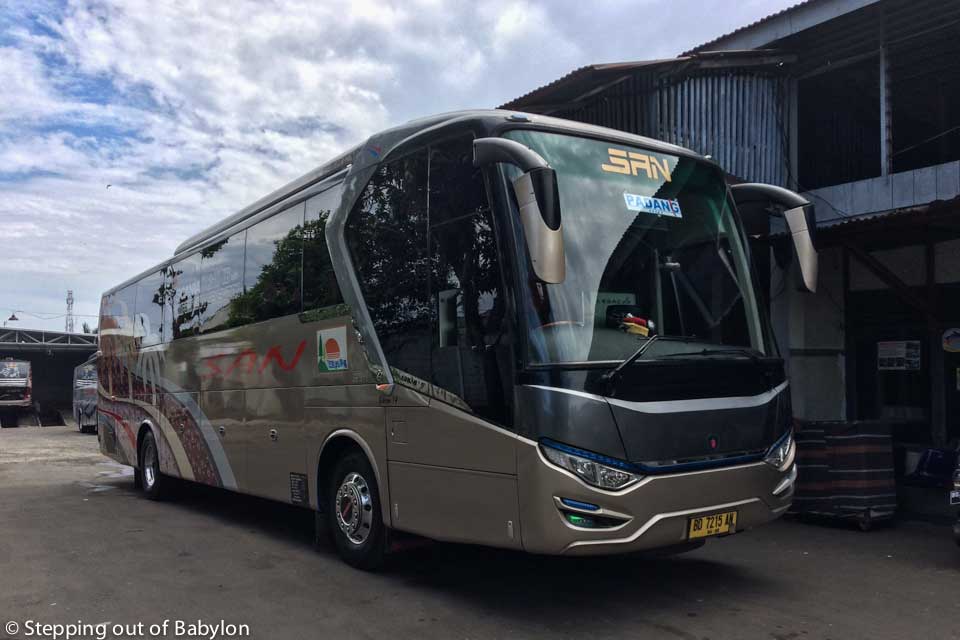
San travel bus to Padang... this company has good quality buses
San travel bus to Padang… this company has good quality buses

[/span6][/columns]

Wi-fi at Bengkulu:

I couldn’t find a restaurant with wi-fi or an internet café… but could find a shop selling vaporisers – Vapouritz – with wi-fi, that is also a café/restaurant, making this place a cool place to chill. Is centrally located nearby the Majid Jamik… it was also a good opportunity to socialize with local young people: very friendly and willing to know more about the world! thanks guys for the nice chat!!!

How to go from Bengkulu to Krui:
San Travels has a bus service from Krui to Bengkulu… and so must be the same on the other way around. Probably the same bus that links Bengkulu to Jakarta.
I couldn’t find the schedule but this buses departure form the San travels Terminal (Jalan Kalimantan). But is better contact the office for precise and detailed information.

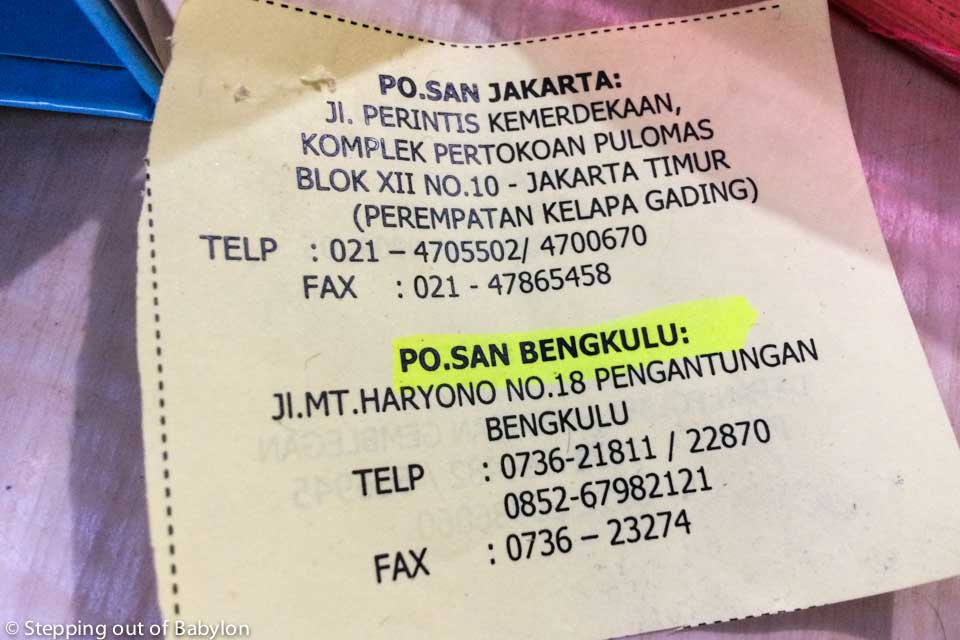
San travel contacts... to get information about prices and schedules from the buses that departure from Bengkulu
San travel contacts… to get information about prices and schedules from the buses that departure from Bengkulu

Krui… “hello mister”

I think I’ve never found any place where people are so eager to interact with foreigners as in Krui… there are “hello mister” coming from everywhere, no matter if you are a man or a woman. Almost everybody is willing to communicate with foreigners, which are not so rare in these places because Krui is famous for the good surf breaks, which attracts people from several countries, but the level of the English spoken in this remote village of the South of Sumatra creates a barrier in the communication for those that don’t speak Indonesian.

If you are not in the surfing mode, or if your skills aren’t good enough for strong waves, Krui is still a pleasant place to stay: quiet village, nice people, warm weather and a sea with a perfect temperature… let’s say, something around 27 degrees all year round. But… there’s always a “but”… the currents are strong and the waves break hard on the shore.

So this makes swim a danger activity, but with the low tide the reefs create a barrier that makes the waves break offshore, and just small waves reach the beach. Perfect moments, sitting in the shade of a tropical tree, watching the clear blue water and feeling the warm wind coming from the ocean heating my wet clothes… as in this area, swimming suits are just allowed to men!

But Krui, located between the tropical jungle and the sea, is more to offer than just the waves… there are rice fields to walk through, waterfalls to discover, rivers to swim and a market to visit in the centre of the village, that during the Ramadan get’s alive and makes us forget the sleepy mood that warps Krui during the day.

Krui beach
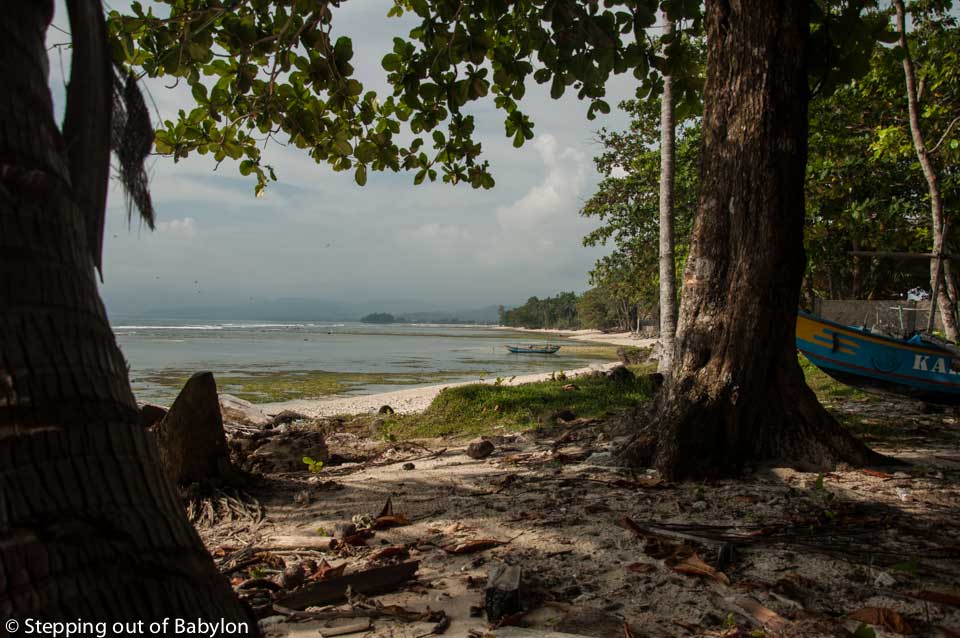
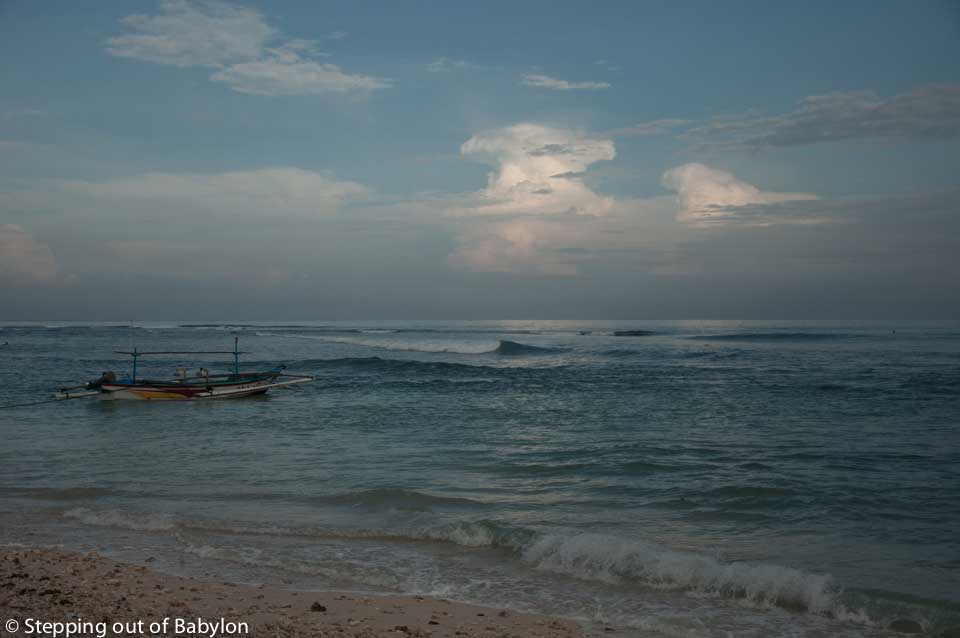
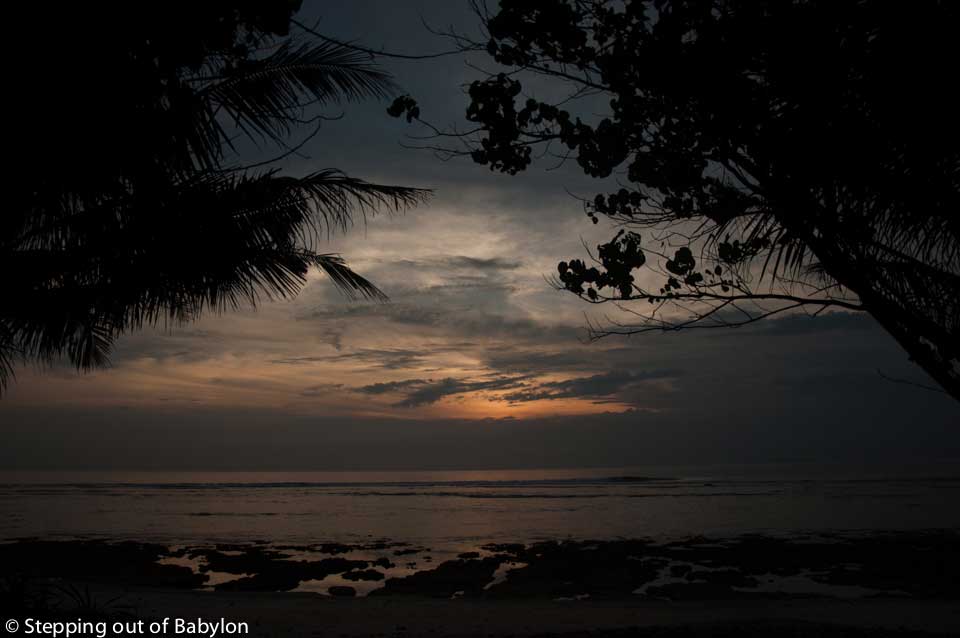
Krui beach… during the low tide the coral get exposed but the waves break far out from the shore and provide still and shallow waters to swim
Krui beach
Krui beach
Krui beach
Krui beach
Krui beach
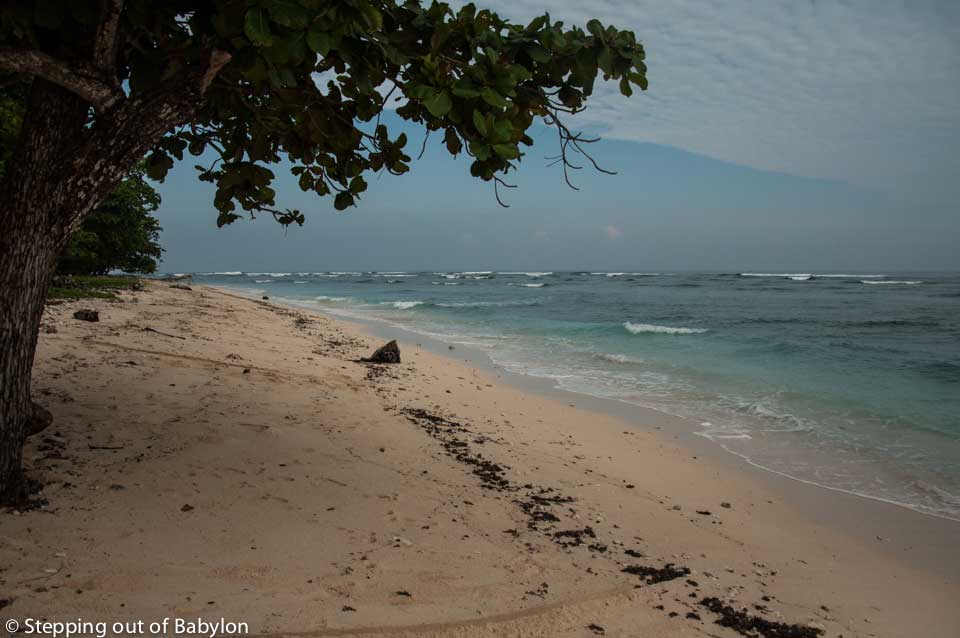
Krui beach… almost desert sands but strong waves with a perfect water temperature
Krui beach_DSC_6616
Krui with the Gurung
Krui
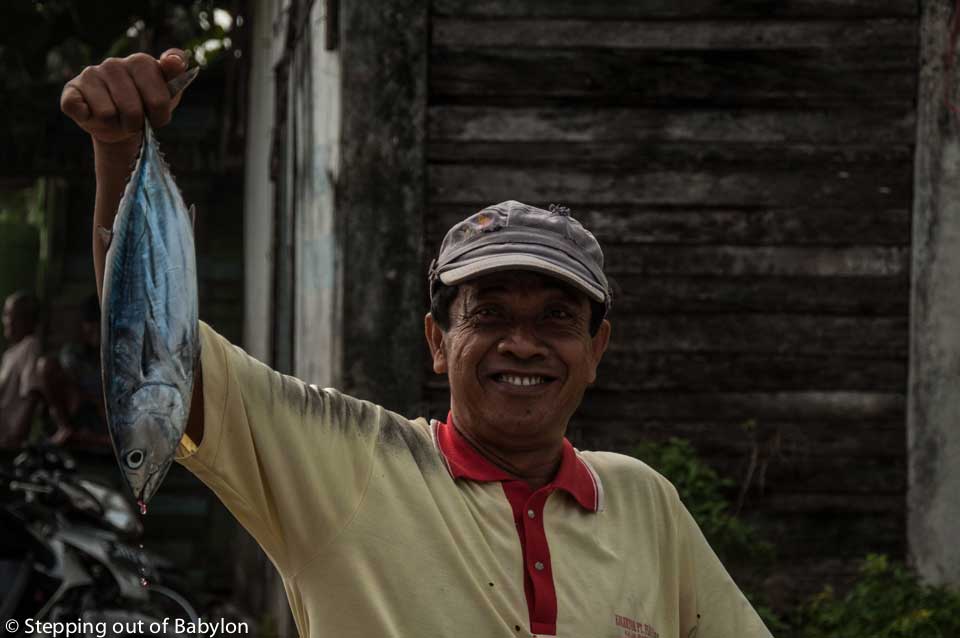
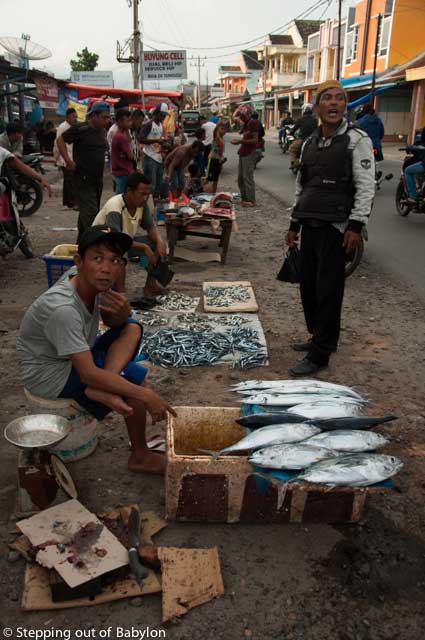
Fish market at the streets of Krui village
Krui
Krui has a small fishing harbor from where you can rent a boat to go to the Pulau Pisang (Banana Island)
Krui
Small and quiet streets at Krui
Krui village_IMG_3686
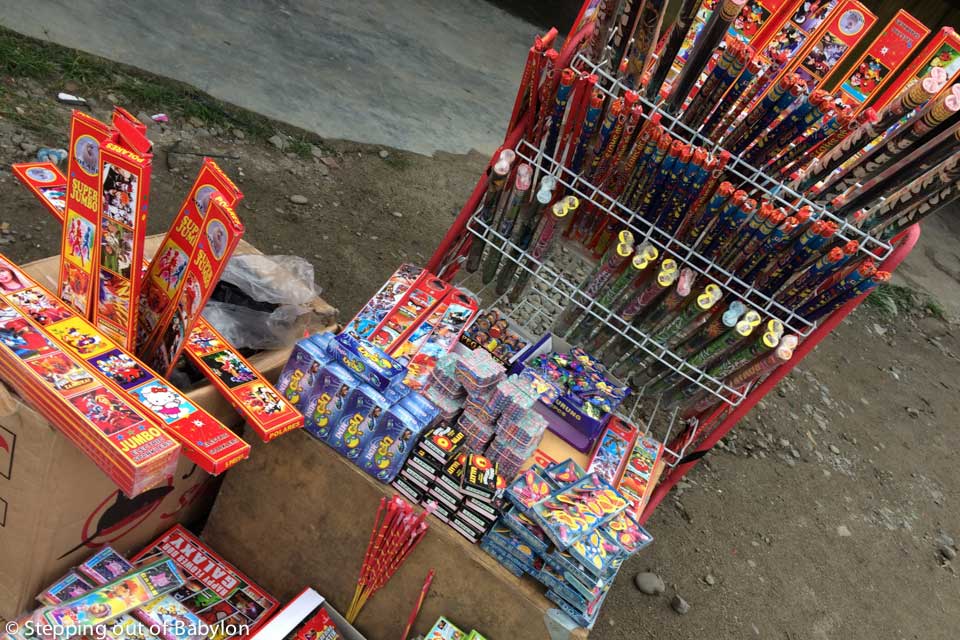
During the Ramadan the firecrackers are tradition and be prepared to wake up with the sound of small explosions… the kids get crazy with it!!


Where to sleep in Krui:

There are a few hotels along the main road, but the best places to stay are nearby the beach, usually identify as surf camp or losmen, and close by the surf breaks.

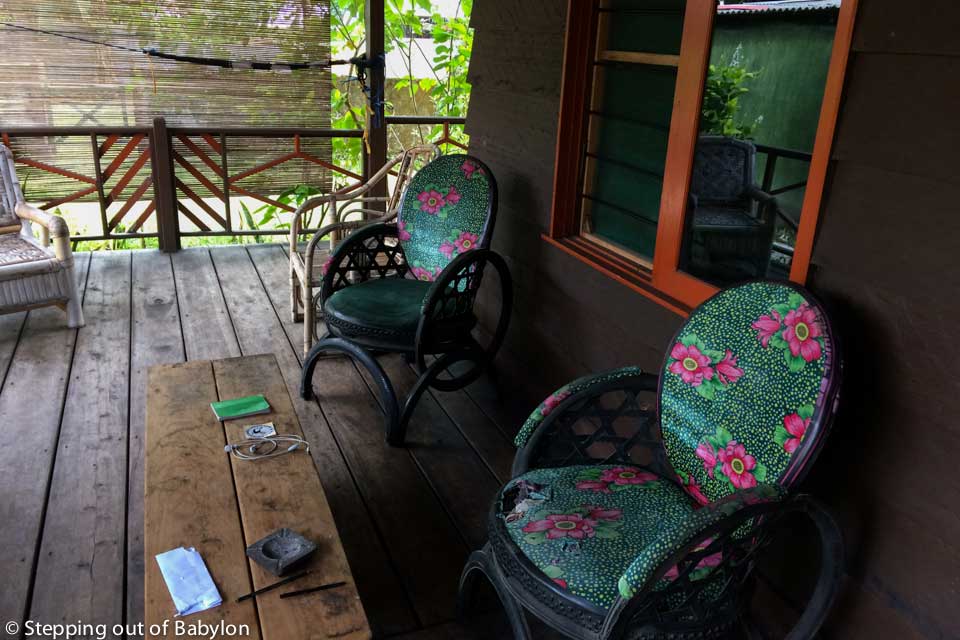
Fortunately, by chance, the Losmen Palm Beach Krui crossed my way and there I found a very nice room and a chill atmosphere, which make me stay longer that I planned. The owner, a German guy a long time living in Indonesia, is a friendly host and help me a lot with information about how to reach Krui and how to move on to the next destination.

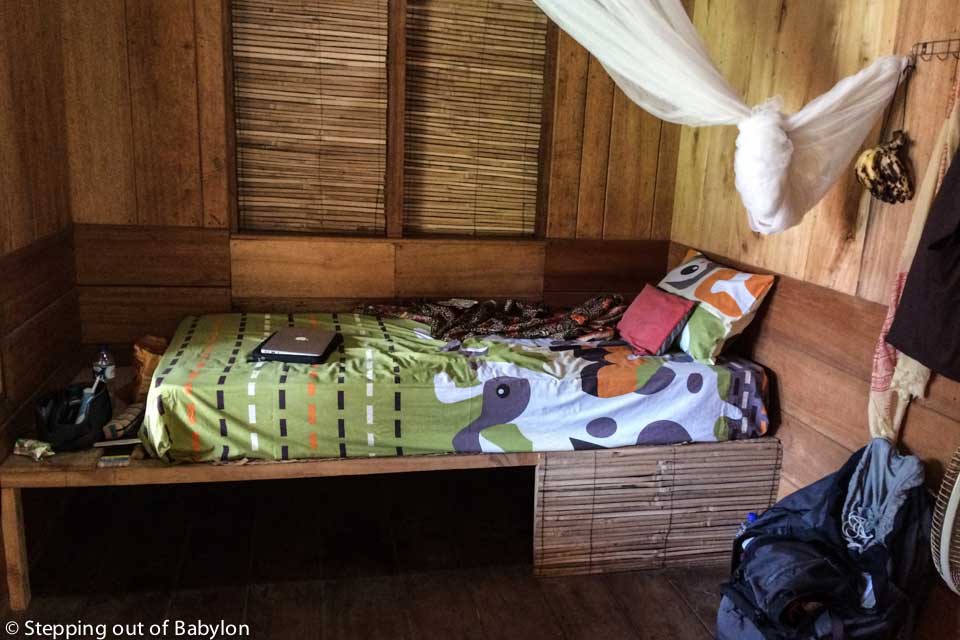
There are different kinds of rooms in this surf camp that is also prepared to receive big groups. I stay in a single room in a cozy wood house, with a fan and with outside toilet (but not shared)… the cheapest options for a solo traveler is 100.000 Rp a night. There are quite some social areas to chill and interact with others guests.

Meals and breakfast are not included but can be ordered on the day before, or even include in a pack along with the room price…. but there’s always a tasty morning coffee for free. Nearby, less that 5 minuts walking there are a few warungs serving the standard Indonesia food.

Losmen Palm Beach Krui is located a few meters from the beach, and about 25 minutes walking from the local market, where you can find the commercial area, restaurants and street-food.

The wi-fi at Losmen Palm Beach is very good, fast and reliable.

https://www.losmen-palmbeach-krui.com/

Losmen Palm Beach Krui

[columns] [span6]

Losmen Palm Beach Krui

[/span6][span6]

Losmen Palm Beach Krui

[/span6][/columns]

Where to eat in Krui:

Along the main road that crosses the village there are many warungs with the usual Indonesian food, but during the Ramadan, most of them are closed.

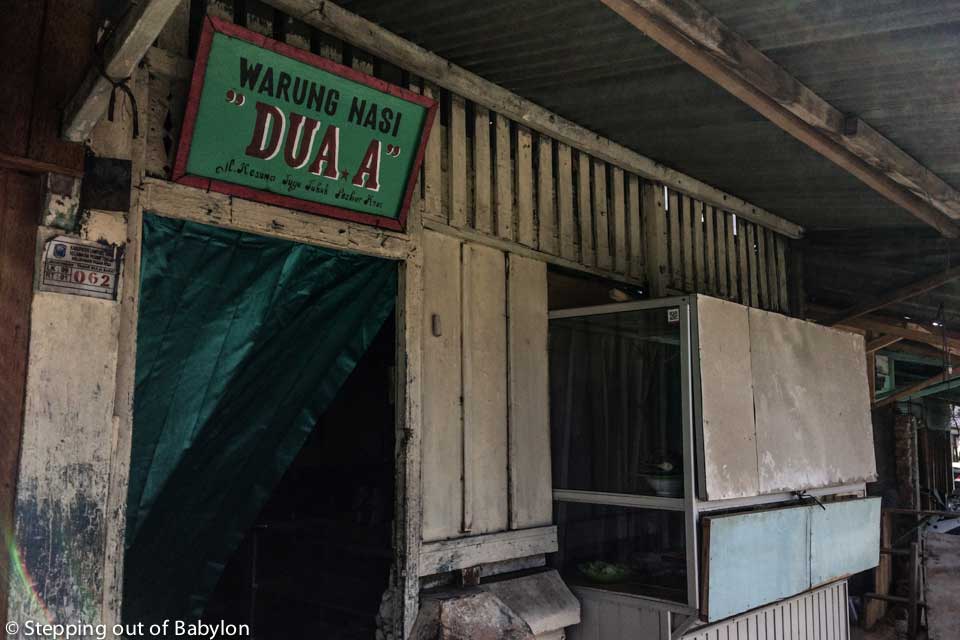
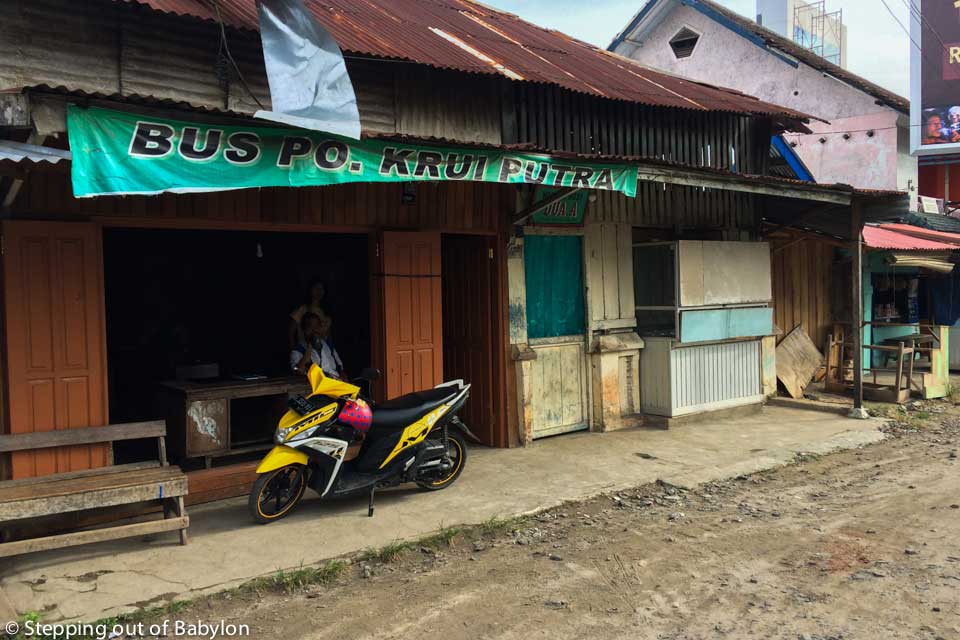
The Warung Nasi “Dua A” is open early morning (around 6 a.m.) serving tasty food for a cheap price; is located next to the P.O. Krui Putra, where the buses stop from Bandar Lampung and Bengkulu stop (close from a roundabout with a fish statue).


[columns] [span6]

Warung Nasi “Dua A” is open during the Ramadan, when most of the places close during the day

[/span6][span6]

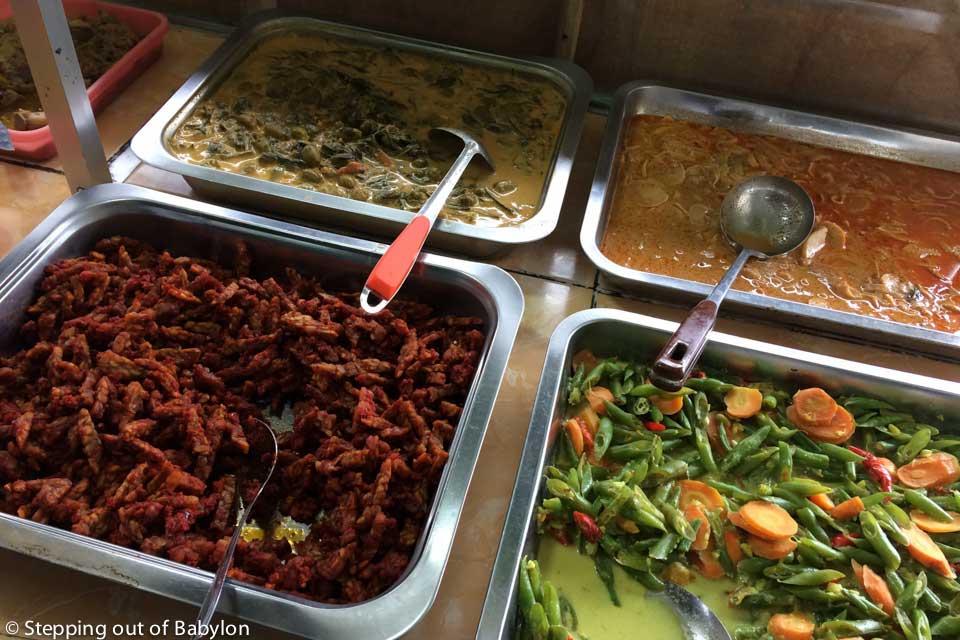
Warung Nasi “Dua A” ... simple but tasty food, with plenty of vegetable choices
Warung Nasi “Dua A” … simple but tasty food, with plenty of vegetable choices

[/span6][/columns]

During the Ramadan, around 3 o’clock the crossroad nearby the pasar (market) get full of people selling food, lots of fresh fish but mostly sweet drinks, sweets and snacks, usually gorengan (deep-fry stuff)…. there are lots of choices, all home made treats.

If is difficult to find an open eatery in Krui during the Ramadan, it’s also a excellent opportunity to try the home made treats  made specially to break the Ramadan fasting…. but be quick, as around 5 p.m. this street market closes.

During the day there are a few fruit shops as also supermarkets, open until 10 p.m.

Krui
Afternoon street market along the road that leave Krui to north (Jalan Merdeka)
Krui village_IMG_3685
This is a good opportunity to try the food specially made to break the Ramadan fasting…. but be quick, as around 5 p.m. this street market closes.

How to move around in Krui:

The village of Krui is not that big and can be done on foot, but the warm temperatures make a walking during the day in hard task… you’ll be the only one walking in the village as everybody move by scooter!!!

But to explore the surroundings is better to rent a scooter.

  • you can drive along the coast and spot other beaches and surf breaks.
  • drive through the small fishing settlement and enjoy the “hello mister” from the villagers and pass by the Krui´s small fishing harbor.
  • walk along the rice fields until finding a waterfall… but you gonna need a guide for this!!!
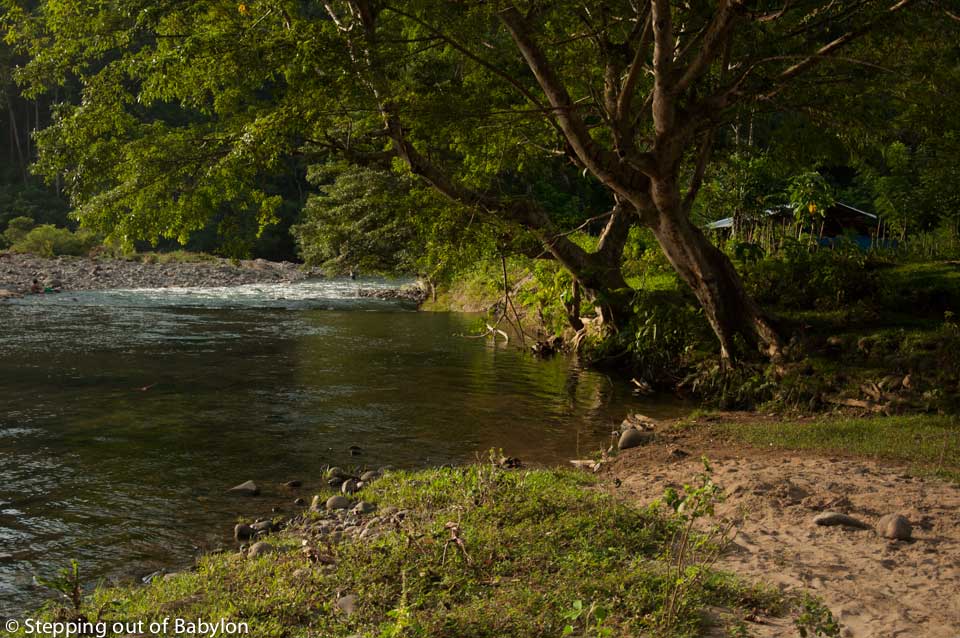
  • swim in the river along with the local kids… for that ,you need to drive along the Krui-Liwa road until you find a turn to the right side; from there drive all the way until the end of the road that crosses a beautiful countryside landscape and you’ll end up in a wide shallow river…. I’ll not be alone there but is an enjoyable experience swim in the fresh water at the end of a hot day!
  • drive through the jungle until Liwa and from there visit the lake (Danau Ranau)… but this is a long trip through a winding and steep road!!!

A a scooter for 70.000 Rp for one day… but long term rentals are much cheaper.

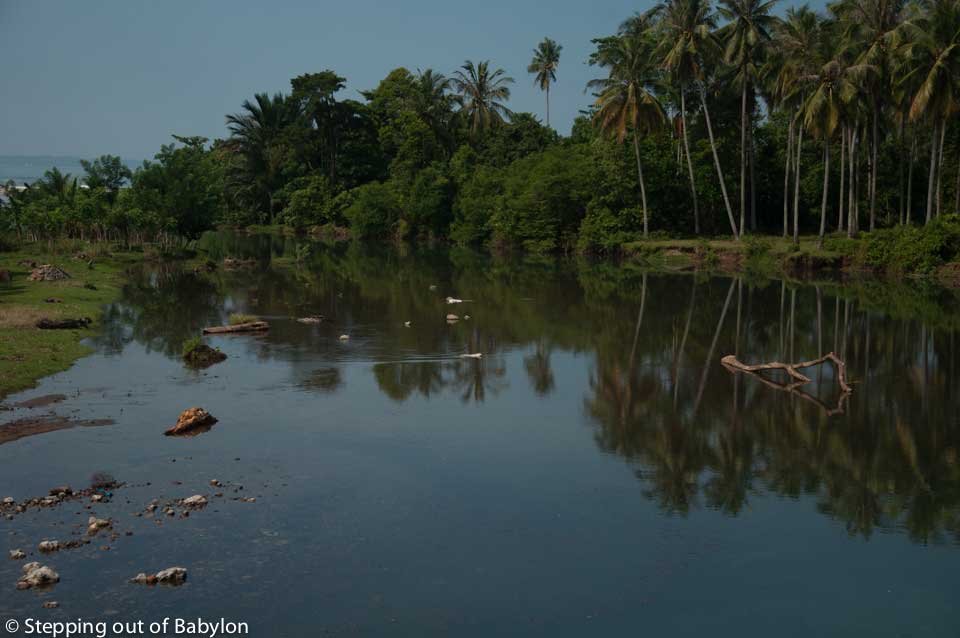
Crossing the road from Krui to Bintuhan there are many rivers surrounded by tropical forest
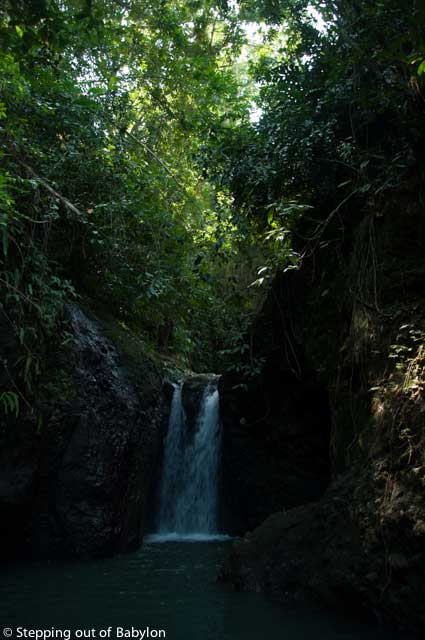
A hidden waterfall that can be reach by a short walk along the rice fields... but you gonna need a guide to reach there!
A hidden waterfall that can be reach by a short walk along the rice fields… but you gonna need a guide to reach there!
Exploring Krui surroundings... you gonna need to rent a scooter
Exploring Krui surroundings… you gonna need to rent a scooter to find nice and quiet places to chill

ATMs and Money exchange in Krui:

There are an ATM in Krui but be prepared because sometimes it can run out of money. The closest ATM is at Liwa.

Didn’t saw any money changer.

How to go from Krui to Bengkulu:

There are two bus services from Kuri to Bengkulu:

  • O. Krui Putra… it arrives at Krui around 6 a.m…. but can be later depending on the traffic and many others factors, as this bus comes from Jakarta. The bus stays about 30 minutes at Krui to allow the drivers to rest. The trip took 11 hours with 2 stops for rest and food (30 minutes each) and a few more stops to drop passengers and cargo.

The road until Manna is very beautiful, with the sea in one side ant the jungle on the other side (you can spot monkeys) and the pavement is mostly in good conditions, but after that is getting worst. As the bus get close from Bengkulu the traffic increase significantly. You can ask the drivers to drop you at your hotel or nearby the bus travel agents of Jalan MT Haryono.

You don’t need to book or buy the ticket in advance, just show up at the P.O. Krui Putra “office” (nearby the roundabout with the fish statue, just next to the “Dua A” warung) and wait for the bus. The ticket cost 130.000 Rp.

The Krui Putra bus is old and doesn’t have much confortable. I ask to seat on the front as there is more space… but here is air-con; be prepared for loud music all the way!!!!

  • San Travels… they have a bus that passes at Krui daily around 1 a.m. and 2 a.m. and the ticket to Bengkulu cost 175.000 Rp. The trip takes about 8 hours, according to the information of the guys who are selling tickets but I couldn’t get confirmation). The San travel has more modern and comfortable buses but this option has the inconvenient of making the most interesting part of the trip – Krui to Maans – during the night but MAYBE it arrives before 1 a.m., on time for you to get the bus to Padang on the same day… but nothing is guaranteed!!!

[columns] [span6]


the P.O. Krui Putra “office”, nearby the roundabout with the fish statue, just next to the “Dua A” warung)

[/span6][span6]

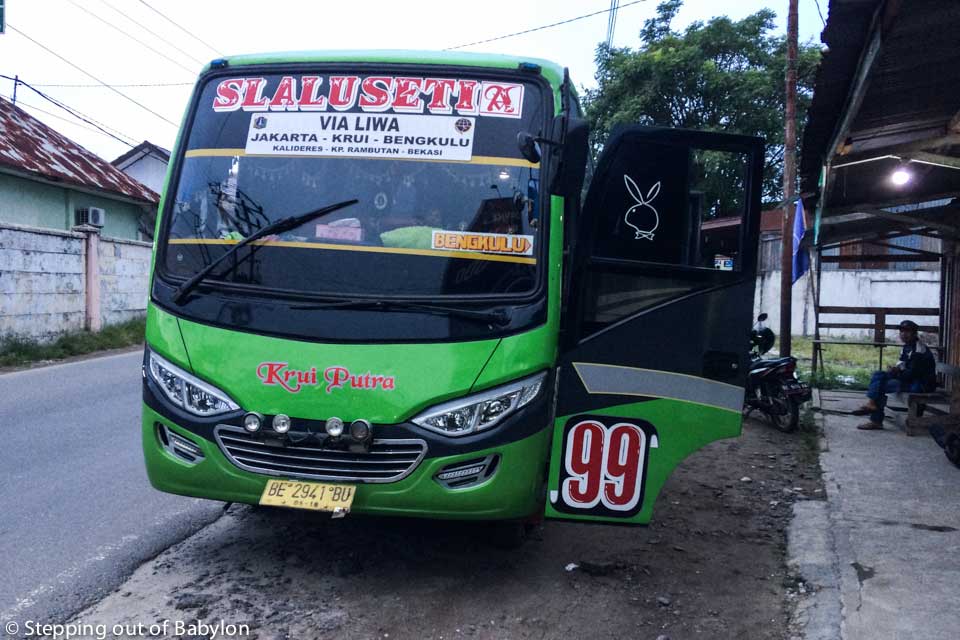
Bus from the P.O. Krui Putra that comes from Jakarta and passes by Krui on the way to Bengkulu. The Krui Putra bus is old and doesn’t have much confortable. I ask to seat on the front as there is more space... but here is air-con; be prepared for loud music all the way!!!!
Bus from the P.O. Krui Putra that comes from Jakarta and passes by Krui on the way to Bengkulu. The Krui Putra bus is old and doesn’t have much comfortable. I ask to seat on the front as there is more space… but here is air-con; be prepared for loud music all the way!!!!

add content here

[/span6][/columns]


[columns] [span6]

San travel "office" at Krui where you can find informations about the bus from Krui to Bengkulu
San travel “office” at Krui where you can find informations about the bus from Krui to Bengkulu

[/span6][span6]

San Travels schedule and prices from Bus from Krui to Bengkulu and other destinations

[/span6][/columns]

Another option to move out from Krui is to rent a travels service travel that can be private or shared with other passengers
To move out from Krui to Bandar Lampung, you have the Krui Putra bus as also the San Travels bus, but to avoid long trips you can hired a travels service, which can be a private or shared with other passengers

Bandar Lampung… on the first day of Ramadan

Arriving at Sumatra during the Ramadan was an odd experience after an overnight tiring bus-ferry-bus trip from Jakarta.

In the morning, the Teluk Betung, the older part of Bandar Lampung, that we can call the center, looked more like an abandon city, with the streets almost empty of traffic and people, closed shops and restaurants, empty markets… a feeling of numbness that wrap this place on the first day of the Ramadan, a totally opposite image of the usual pace of an Indonesian city.

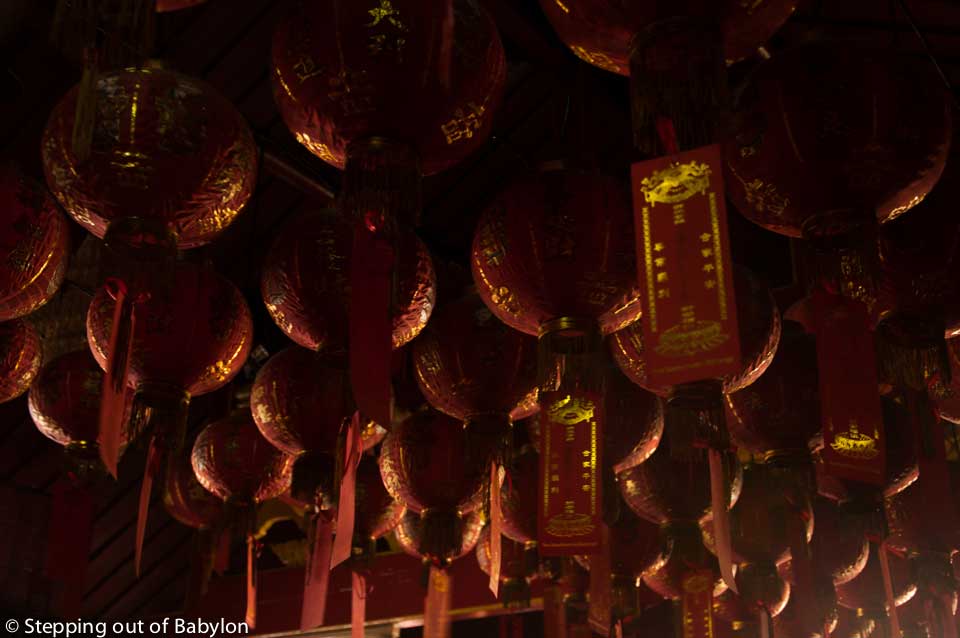
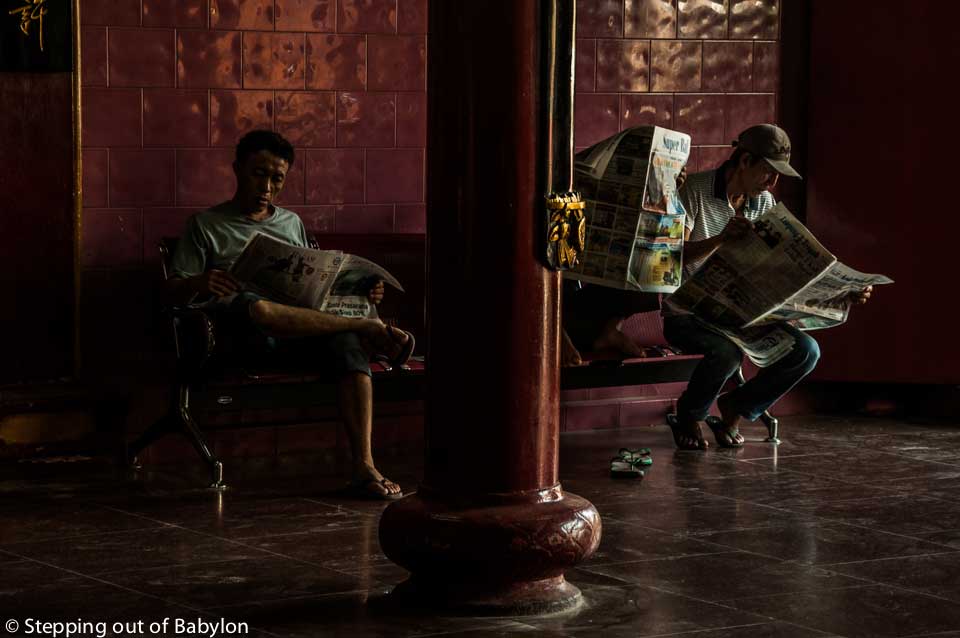
But Bandar Lampung is far from be appealing for a tourist, but is not totally deprived of interesting things, like the Vihara Thay Hin Bio an old Chinese Buddhist Temple, where the quietness and solemnity of the place is surrounded by the red color that dominates all the interior of the temple, where huge candles burn permanently. This is the core of the Chinese neighbourhood, a community that settles down in Indonesia during the Dutch colonisation.

Visiting the Pasar Ikan Gudang Lelang, a fish market nearby the Impoverished port area gives another vibe, where the activity is still going on. Despite the slow pace, resulting from fasting that is observed during the Ramadan by the Muslim people, roughly from sunrise until sunset, the harbour are was the most vibrant place in Bandar Lampung during the day, where smiles peek from everywhere.

But as the sun reach the zenith all the city change, and lots of people move around, looking for the Ramadan treats to breaks the fast. The ground in front of Pasar Seni gets fill with the smell of the food, that a delight for the senses and a temptation for the stomach.

Bandar Lampung... a ghost town at day time during the Ramadan
Bandar Lampung… a ghost town at day time during the Ramadan
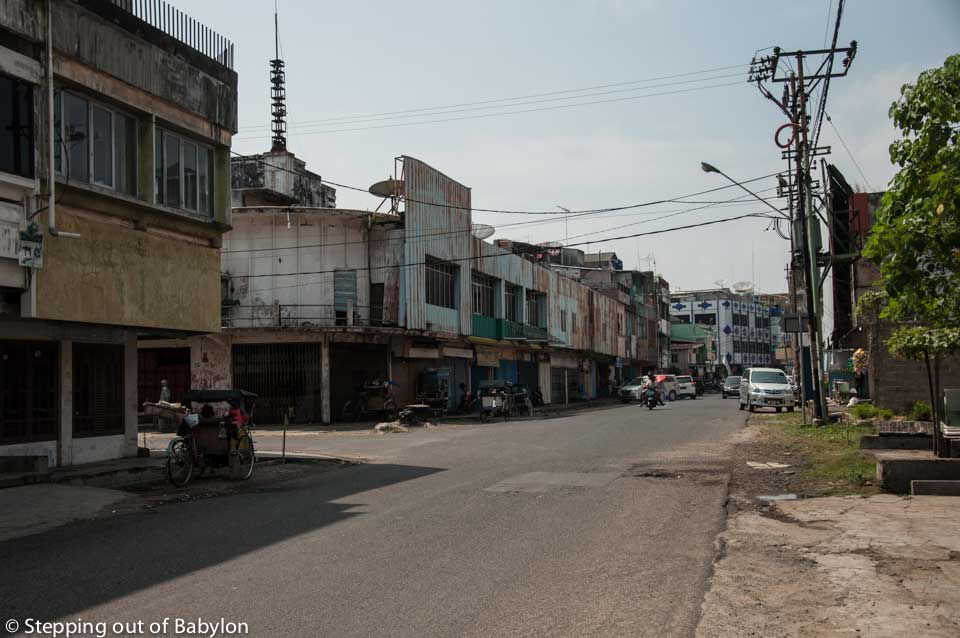
Bandar Lampung
Bandar Lampung


Vihara Thay Hin Bio Chinese Buddist Temple
Pasar Ikan Gudang Lelang on the old part of Bandar Lampung
Pasar Ikan Gudang Lelang, the harbour and the fish market on the old part of Bandar Lampung
Pasar Ikan Gudang Lelang
Pasar Ikan Gudang Lelang... the fish market of Bandar Lampung
Pasar Ikan Gudang Lelang… the fish market of Bandar Lampung
Pasar Ikan Gudang Lelang

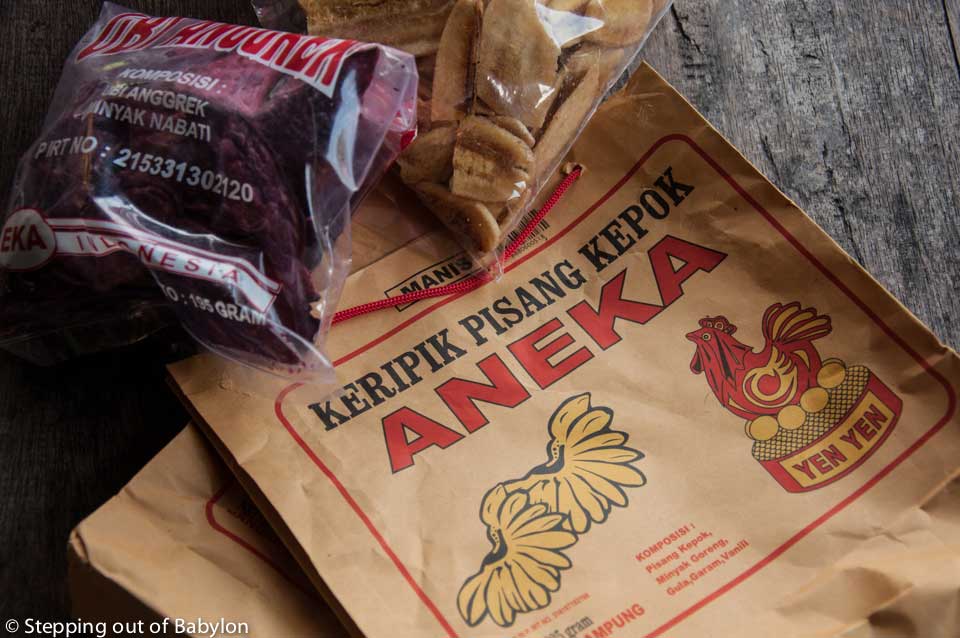
And just in front of the temple is the Aneka Sari Rasa, a keripik shop famous in town!! Kiripik is a typical Indonesian snack, a kind of chips made from banana, cassava, sweet potato or even jackfruit… and apparently Bandar Lampung is famous for the Kiripik. At the Aneka Sari Rasa, a shop dedicated almost totally to this chips you can find all the different versions, from sweet to salty, from chocolate to strawberry flavors… and there are dozens of workers there (in Europe for a shop like this you’ll don’t have more than two employees) willing to sell you something and super excited to have a foreigner there… It was impossible to resist to such an earnest and kind staff, and I end up with some packs of pisang kipirik, banana chips! Enak!!

[columns] [span6]

Aneka Sari Rasa... a huge shop in the center of Bandar Lampung selling mainly Kiripik
Aneka Sari Rasa… a huge shop in the center of Bandar Lampung selling mainly Kiripik

[/span6][span6]

Kiripik is a typical Indonesian snack; a kind of chips made from banana, cassava, sweet potato or even jackfruit... and apparently Bandar Lampung is famous for the Kiripik.
Kiripik is a typical Indonesian snack; a kind of chips made from banana, cassava, sweet potato or even jackfruit… and apparently Bandar Lampung is famous for the Kiripik.

[/span6][/columns]


Where to sleep at Bandar Lampung:

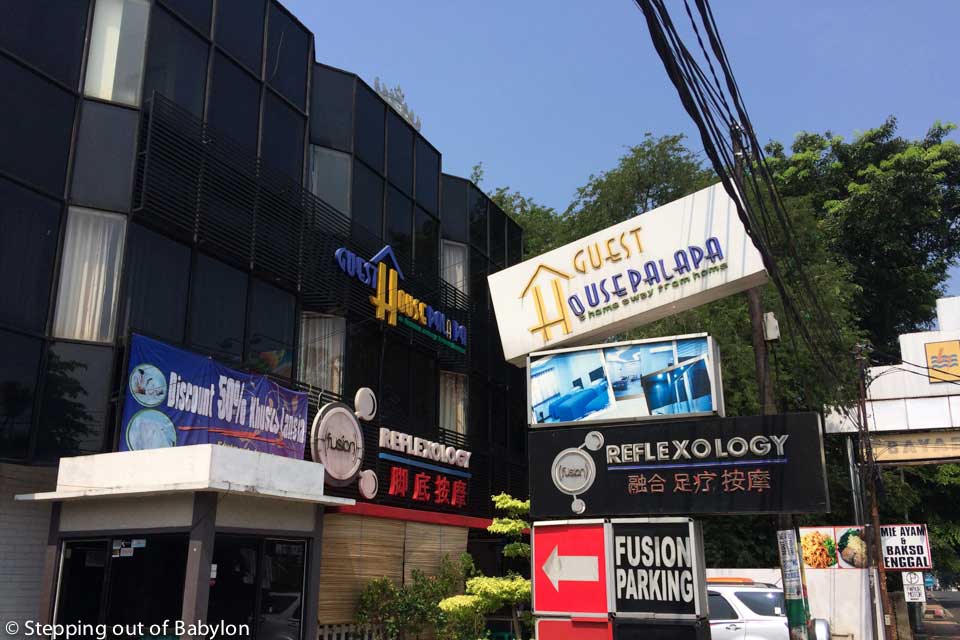
The Guest House Palapa is more a hotel than a guesthouse, but offer good conditions to spend one night, modern and very clean; it has with different types of room, some with shared toilet. The breakfast is included but I left too early to try it. Some rooms don’t have a window but all rooms have air-conditioner, but considering the location nearby the main road is better like that. There are single rooms (100.000 Rp), shared toilet and without window but with air-conditioner.

The staff is friendly but don’t speak much English but will try the best to help you, although it looks that they are not used to receive foreigners and maybe will be difficult to get information.

If you are coming from the East (Java or Bakauheni) you probably pass by Tugu Adipura (also called simply “tugu”), a crossroad with elephant statues playing football in the center of the roundabout. From here you just need to walk 200 meters to reach Guest House Palapa.

Address: Jl. P. Diponegoro No.154-156, Enggal, Bandar Lampung

Contact: (0721) 261617

[columns] [span6]

Guest House Palapa at Bandar Lampung

[/span6][span6]

Single room at the Guest House Palapa. Bandar Lampung

[/span6][/columns]

[Guest House Palapa: room prices

Guest House Palapa: room prices

[/span6][/columns]


Arriving at Bandar Lampung:

If you are coming from Java you’ll probably arrive at terminal Tanjung Karang.

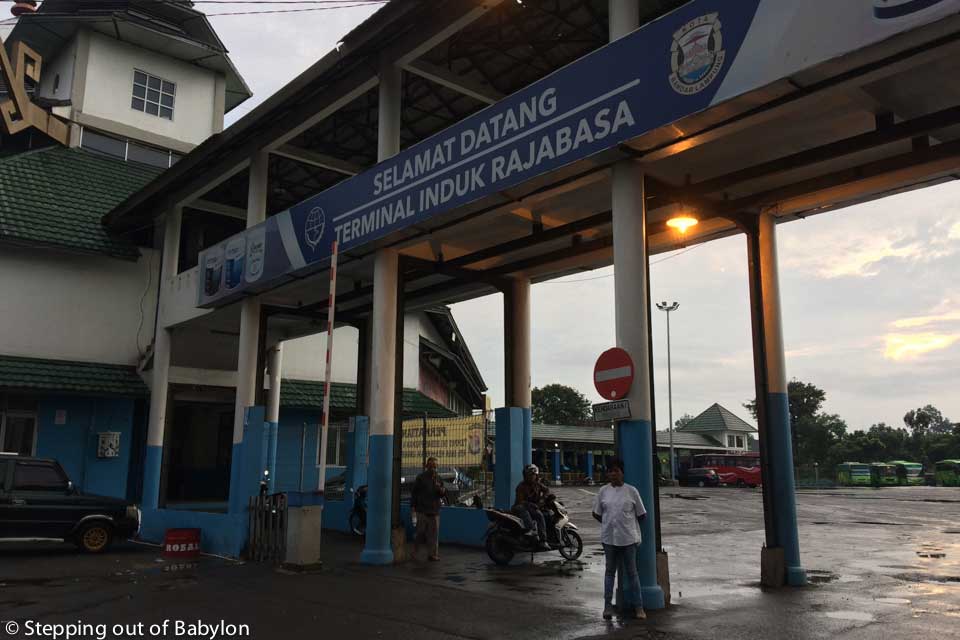
If you are coming from Padang, Bengkulu or Krui you’ll probably arrive at Terminal Rasabaja.

From any of these terminals, there are public buses locally called “angkot”, a minivan, usually very, old with a big sound system. The colour of the angkot is according to the route they do. A trip in one of this angkot cost you around 5.000 Rp.

Maybe you need to take more than one to reach your destination, but the drivers will help even if they don’t speak any English, dropping you into the right place and pointing you the next angkot. I found the drivers at Bandar Lampung very friendly and honest!!!

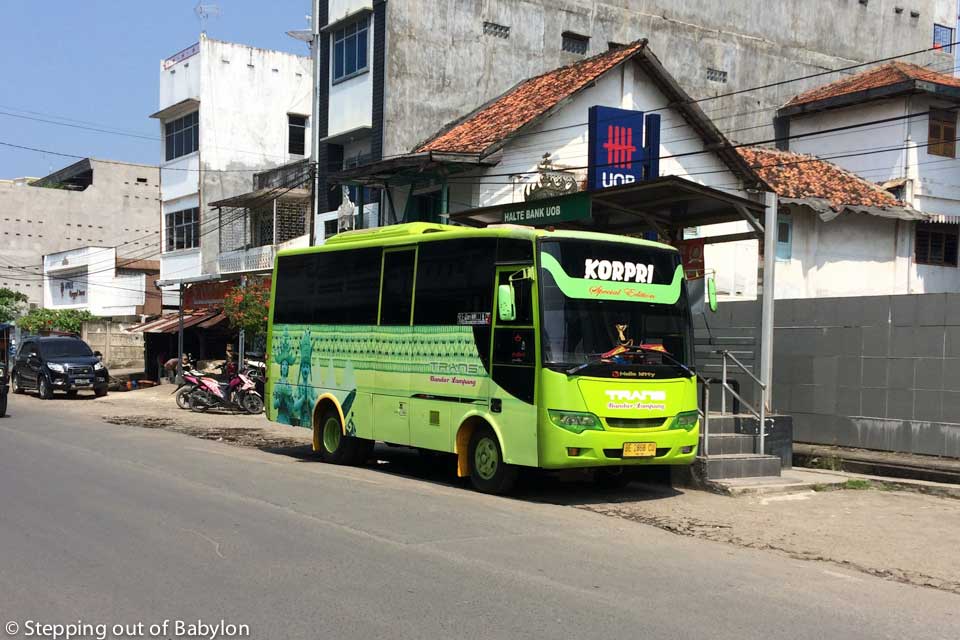
There are also buses, green colour, modern and with air-con. To go from Tugu Square to Terminal Rasabaja you can take one of these buses to the center of Bandar Lampung.

[columns] [span6]

How to more around Bandar Lampung: "angkot" for short distances
How to more around Bandar Lampung: “angkot” for short distances

[/span6][span6]

How to more around Bandar Lampung: buses to go far as the Terminal Rajabasa

[/span6][/columns]

How to go from Bandar Lampung to Krui:

From the Terminal Rasabaja, there are public buses to Krui. Is very difficult to get precise information about schedules.

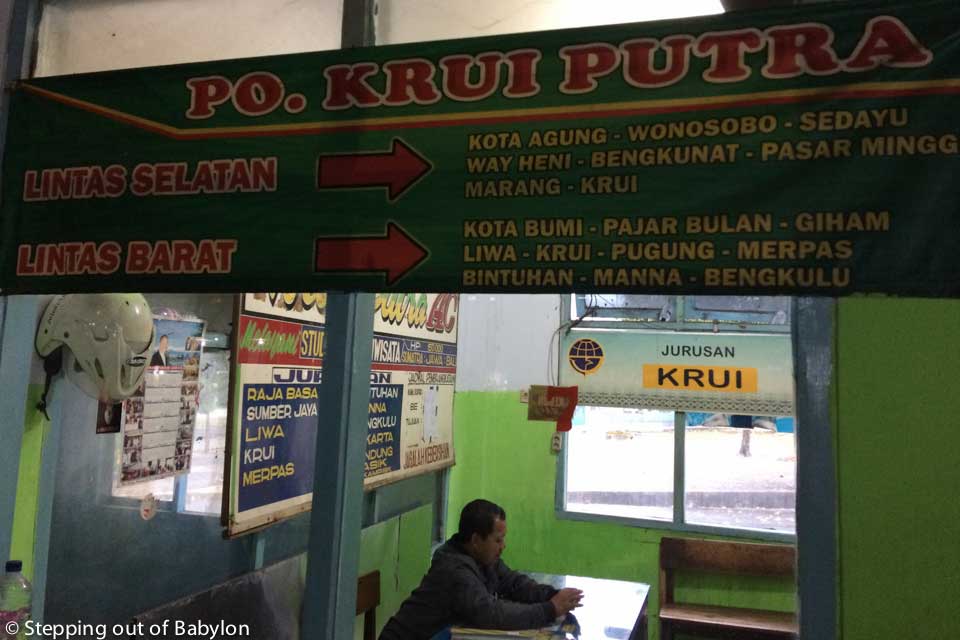
At the terminal, you need to look for the PO. Krui Putra office where you can buy the bus ticket to Krui (phone number: 0812.7202.2251). It wasn’t clear but I think they sell tickets for different bus companies.

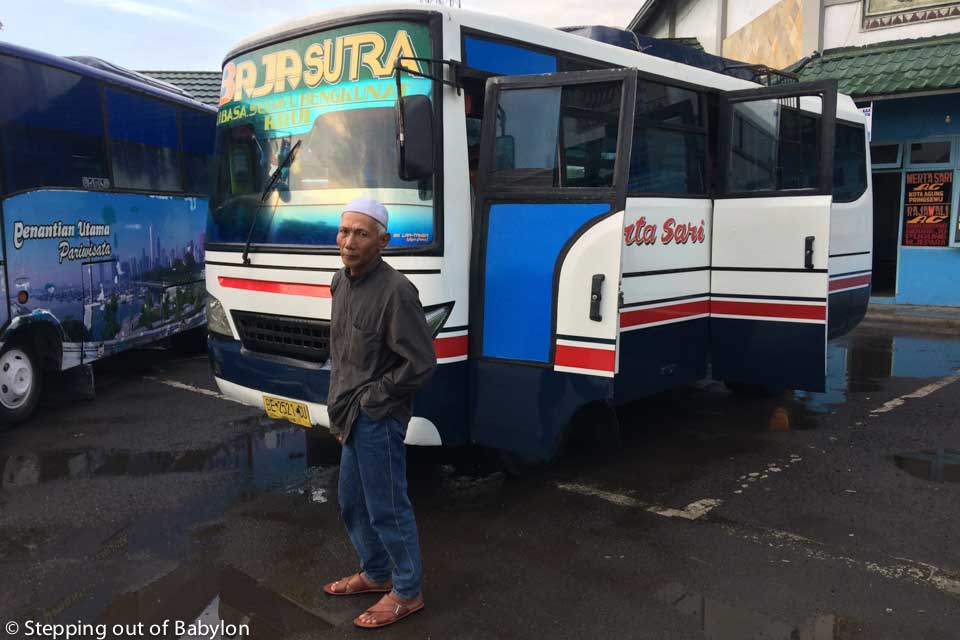
I took the Metra Sari. It departure at 7 a.m. and arrive at Krui around 2.30 p.m. The ticket cost 70.000 Rp. The Metra Sari has a very old bus, without air-con… thankfully it was a cloudy day, but still it ends up being a very tiring trip, particularly slow when the bus reaches a mountain area where the road gets very steep and winding.

I heard the later other companies have better buses (green colour) with air-con, but couldn’t get any information about this service to Krui.

There isn’t a bus terminal in Krui, so you can just ask the driver to stop anywhere you want, along with the main road.

[columns] [span6]

Terminal Rasabaja from where departure the buses to Krui

[/span6][span6]

PO. Krui Putra office where you can get the tickets for the bus to Krui

[/span6][/columns]

Bus to Krui... The Metra Sari has a very old bus, without air-con... thankfully it was a cloudy day, but still it end up being a very tiring trip, particularly slow when the bus reach a mountain area where the road gets very steep and winding.
Bus to Krui… The Metra Sari has a very old bus, without air-con… thankfully it was a cloudy day, but still it end up being a very tiring trip, particularly slow when the bus reach a mountain area where the road gets very steep and winding.

How to go from Java to Sumatra by public transport

How to go from Jakarta to Bandar Lampung by DAMRI bus:

Jakarta is big, very big… there are many bus terminal for long distance buses… and they are very far from each other. So is better that you plan your trip from Jakarta in order to avoid last minute stress, special if you travel around long weekends or national/religious holidays.

You can make the trip from Jakarta to Bandar Lampung, step by step by yourself, which means, taking a bus to Merak, from there a ferryboat to Bakauheni, and then another bus to Bandar Lampung or any other destination in Sumatra.

From Jakarta, you can take a bus to Merak at this bus terminal: Kampung Rambutan, Pulo Gadung and from Kalideres. The trip takes about 3 hours and the tickets cost less than 30.000 Rp (air-con). The ferries run 24 hours per day and cost about 15.000 Rp.

The DAMRI (Indonesian state-owned public transit bus company) operate buses directly from Jakarta to Bandar Lampung


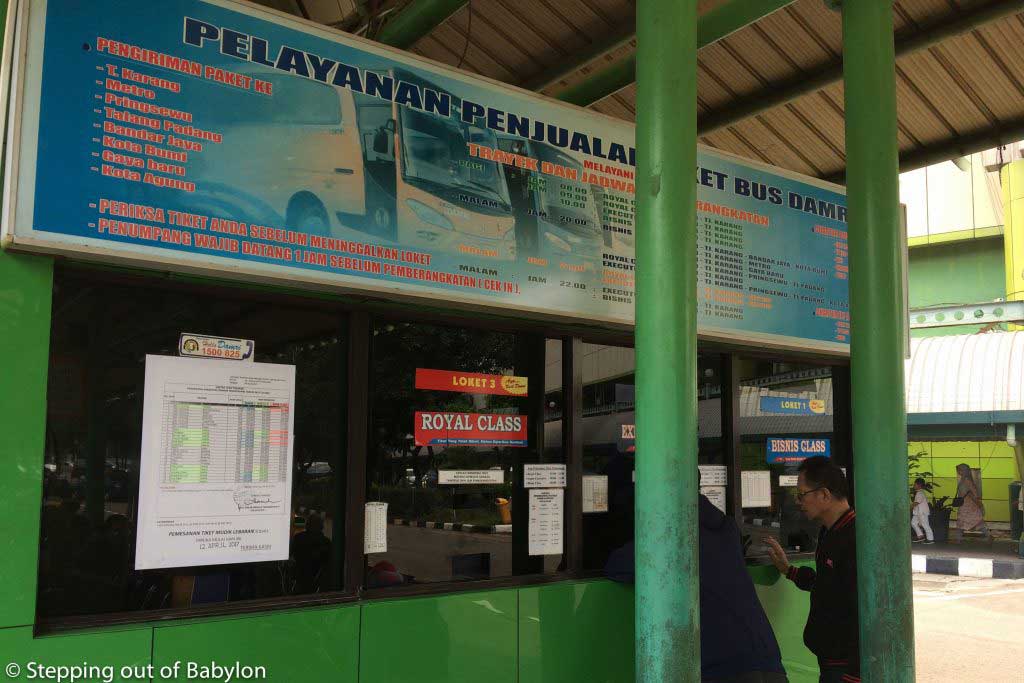
The DAMRI (Indonesian state-owned public transit bus company) operate buses directly from Jakarta to Bandar Lampung. The buses departure from Gambir station just next to Gambir Terminal (train station). There are three classes of buses: economic, business and executive, according to the number of seats and the comfort but all with air-con.

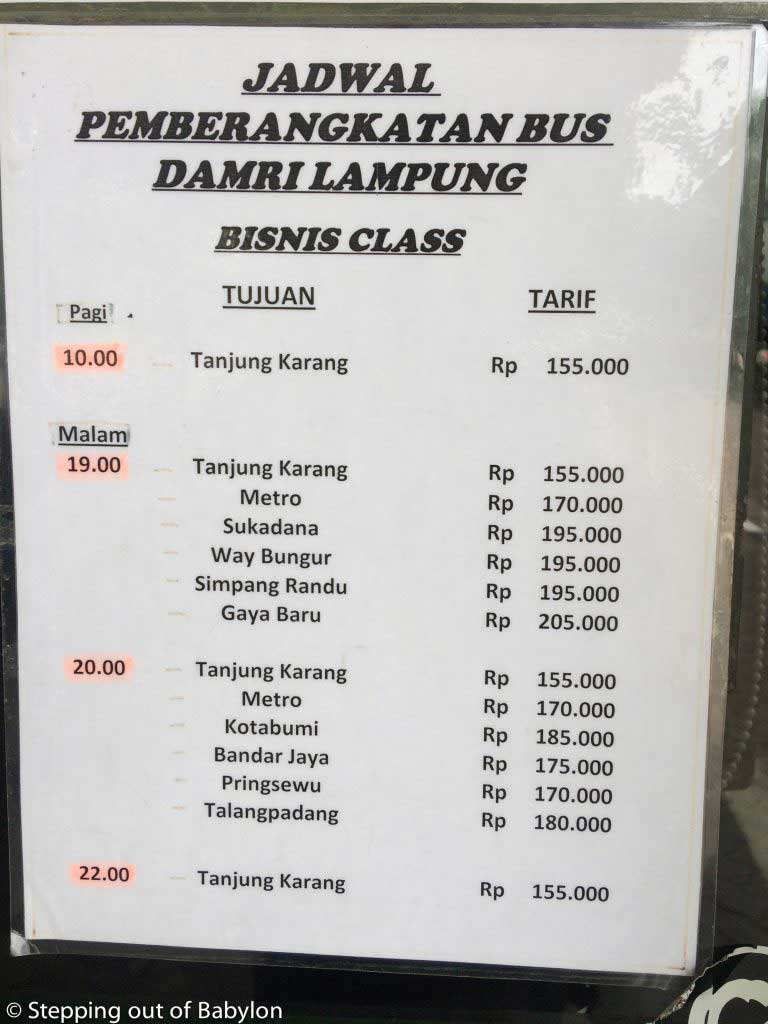
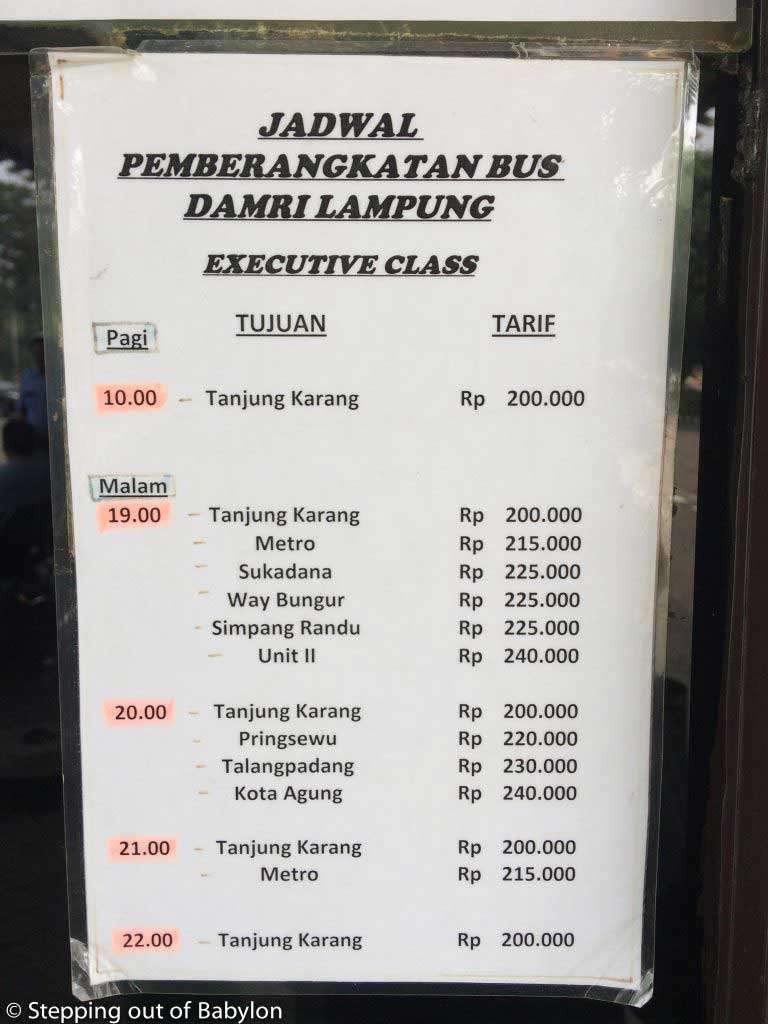
There are buses in the morning and in the evening (see images below) and stop in have different in Lampung. The prices include the ferry ticket.

All trip takes about 8 hours!!! The first part of the trip is smooth along a good road and takes around 3 hours. Then are 2 more hours on the ferry and then more 3 hours again on the same bus, along with a less confortable road until Bandar Lampung.

As the bus arrives at the city it starts to drop the passengers along the way to the terminal Tanjung Karang. The bus passes by the Tugu Adipura roundabout (crossroad of Jl Sudirman e Jl Diponegoro)… if you are going to stay at Guest House Palapa, you must get out here, and then just need a 300 meters walk!!! We alert as the bus helper will shout “Tugu, tugu”!

[columns] [span6]

Ticket counter of DAMRI buses at Gambir Terminal

[/span6][span6]

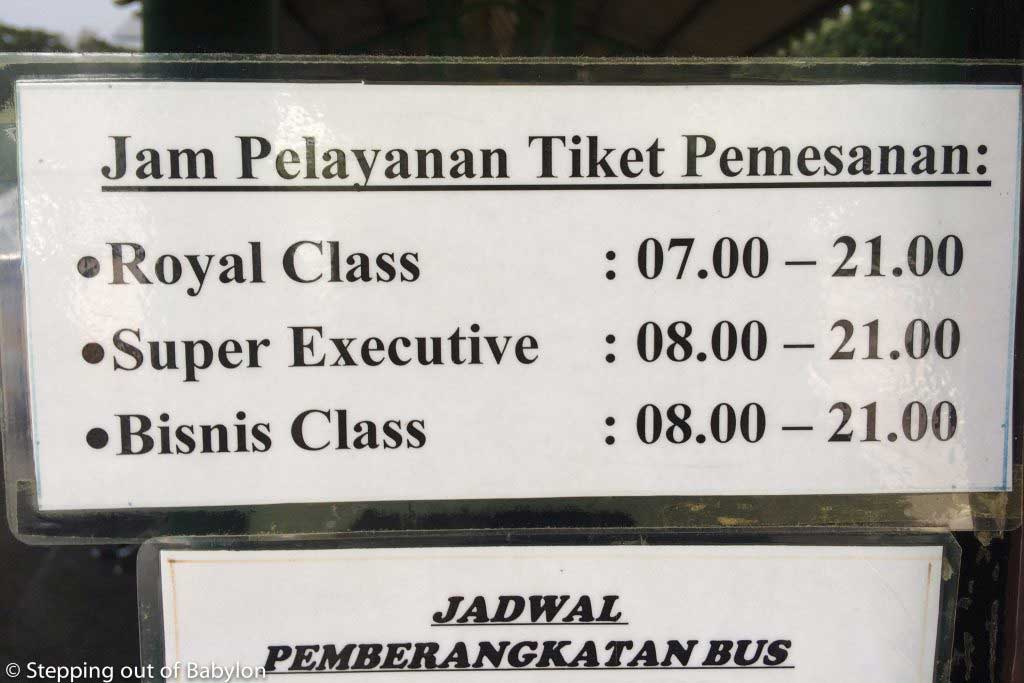
DAMRI ticket counter schedule at Gambri terminal
DAMRI ticket counter schedule at Gambir terminal

[/span6][/columns]


[columns] [span4]

DAMRI buses from Jakarta to Sumatra. Prices and schedule. Bussines class

[/span4][span4]

DAMRI buses from Jakarta to Sumatra. Prices and schedule. Executive class

[/span4][span4]

DAMRI buses from Jakarta to Sumatra. Prices and schedule. Royal class

[/span4][/columns]

The buses departure from Gambir station just next to Gambir Terminal (train station)


My personal experience with the DAMRI bus from Jakarta to Bandar Lampung:

  • I choose to make the trip during the night to save one night on the trip schedule and to save one night of accommodation. So to get a good sleep I choose the executive class.
  • There’s no point to get a more expensive ticket, like Royal or Executive, as you can’t really have a good sleep anyway…
  • From Jakarta to Merak the bus has very loud music.
  • As the bus gets inside the ferry you must get out… otherwise, you’ll die intoxicated with the gases of the vehicles and from the boat’s engine.
  • Inside the ferry, there are cabins where you can sleep, but I just found them at the end of the trip, so I stayed outside, sitting on the floor… in the middle of the crossing it gets chilly and windy… also not much sleep!
  • When the ferry arrives at Bakauheni you need to get back to the bus… from here there’s no more music until you reach Bandar Lampung, where the cheesy techno music is played loud to wake up the passengers before the bus reaches the terminal.
  • … so I think I could have saved 45.000 Rp choosing the business class… as it was almost impossible to sleep during the trip.
interior of the "executif" DAMRI bus from Jakarta to Bandar Lamoung
interior of the “executive” DAMRI bus from Jakarta to Bandar Lampung

[columns] [span6]

cabins to sleep during the ferry crossing... I just saw them on the end of the ferry trip but thibk that's hard to get a free space here as there were many people sleeping on the outside deck of the boat.
cabins to sleep during the ferry crossing… I just saw them on the end of the ferry trip but think that’s hard to get a free space here as there were many people sleeping on the outside deck of the boat.

[/span6][span6]

cabins to sleep during the ferry crossing... I just saw them on the end of the ferry trip but thibk that's hard to get a free space here as there were many people sleeping on the outside deck of the boat.
cabins to sleep during the ferry crossing… there are also a cafeteria with food and instante noodles, as well a big room with TV and air-com on the ferry boat

[/span6][/columns]

inside the ferry where the vehicles travel


23 days at Java: itinerary & costs
Itinerary:

  • ferry boat from Bali (Gilimanuk) to Java (Ketapang) 
  • Banyuwangi – Ijen Volcano: 2 days
  • Cemoro Lawang – Bromo volcano: 2 days
  • Malang: 2 days
  • Yogyakarta: 5 days
  • Borobudur: 1 day
  • Batukaras beach: 4 days
  • Bogor: 3 days
  • Jakarta: 4 days
  • ferry boat from Java (Merak) to Sumatra (Bakauheni)

Costs:

14 €/day

… considering traveling solo, eating just local (vegetarian) food, no a/c rooms, sometimes dorms, travel by public transport as far as possible, no alcohol and no soft drinks, making my own laundry and walking a lot on foot… Shopping and souvenirs are also not included, as well health expenses and communications (SIM card, mobile, telephone, internet…).

Costs in Java:

  • room (fan): minimum 60.000 Rp up to 125.000 Rp (one person); sometimes dorms. In Java most of the times the breakfast was not included. In Jakarta and Yogyakarta is easy to find dorms.
  • meal: less than 20.000 Rp (local food, street-food, vegetarian meals). At the big cities, like Jakarta and Yogyakarta, the food is more expensive, with a meal in a low-key restaurant or eatery costing around 30.000 Rp.
  • rent a scooter: 50.000 Rp/day or 60.000 Rp/day; a liter of petrol: 10.000 Rp (at the pump station is 8.000 Rp/l)
  • angkot (small local bus): costs from 3.000 Rp to10.000 Rp for a trip inside a city.
  • ojek: 10 km cost around 15.000 Rp (but the price of the ojek depends on your bargain skills and the needs of the driver, weather, time of the day…)… but once I need to pay 50.000 Rp for a 15 km ride!!!
  • At Jakarta and Yogyakarta the GoJek, Uber, Grab companies offer moto-taxi services, that are an easy way to move around.
  • Java has a good train system, that provide a comfortable way to travel by long distances. https://tiket.kereta-api.co.id/. The prices change according to the class trains (Executive, Business and Economic).
  • A bus trip of 350 km costs around 100.000 Rp, in a air-con bus.

Note: this trip was made in May 2017, which still is still considered the low season, when the prices of the accommodation are lower, that can be significant at beach areas.

Java: iteneraryJava: itinerary
Jakarta… where are the durians??!?!?

Jakarta, one of the Asian megapolis, a city with a fast economical and population grow, with a modern and westernized lifestyle, with the usual social gap between the rich and poor, where the upmarket malls contrast with the poverty of the suburbs.

Jakarta is known as the “big durian”. I don’t know from where this nickname came from but maybe because Jakarta is more like an agglomeration of cities that could resemble the inside of the durian, compact and dense… and with a spiked shell that usually keeps away the tourists, that just see Jakarta as a necessary stopover when arriving to Indonesia or before leaving to other destination.

It’s a big city with 10 million of inhabitants, long avenues, wide roads and intense traffic, but where the people still keep a gentleness that is less and less common in the big cities, where people usually don’t avoid eye contact and can answer with a smile!

Maybe Jakarta doesn’t have much to offer to a tourist that just arrives in Indonesia, but for people traveling for a long time, Jakarta (as also Yogyakarta) offer an urban and modern lifestyle, trendy and sophisticated places, with plenty of choices that are a nice break on the low key places that I found along this two months in Indonesia.

And like a durian, that are not such a popular presence in the markets, Jakarta left a mix of feelings, between seduction and loathing!!!!

Jakarta doesn’t have the appealing of Yogyakarta, and the interesting places can be a bit far out from each other’s, but still can be an interesting way to spend the time in the “big durian”. Skipping monuments, churches and museums, that for me are usually a bit boring, here is a list of the sight that I found interesting and that free to visit!

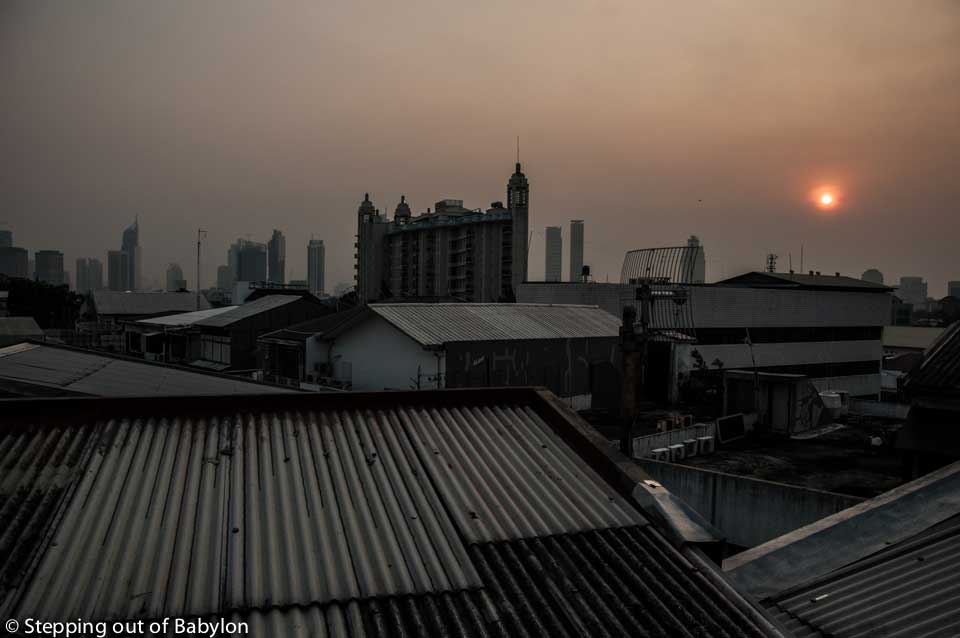
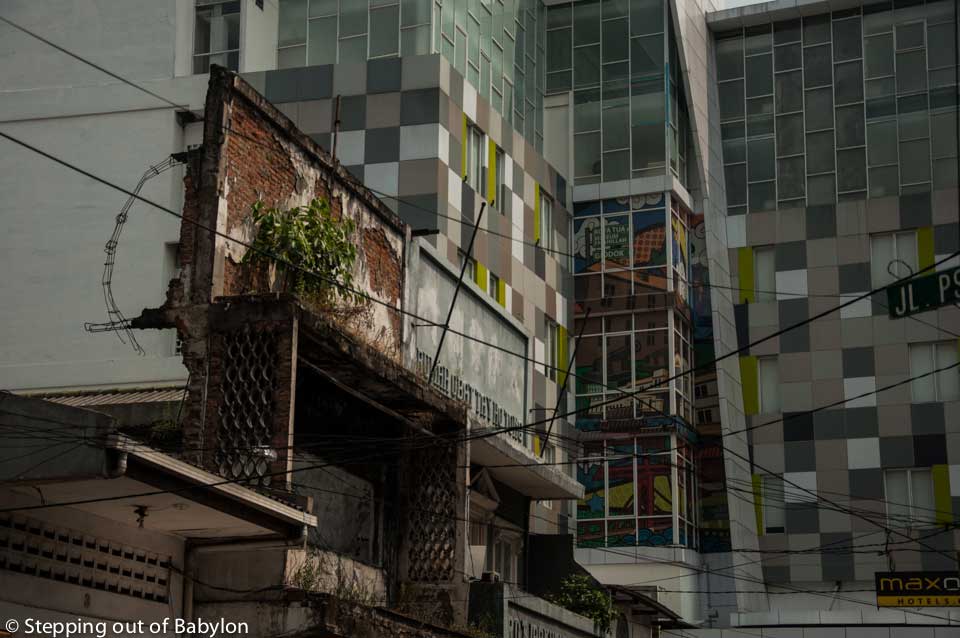
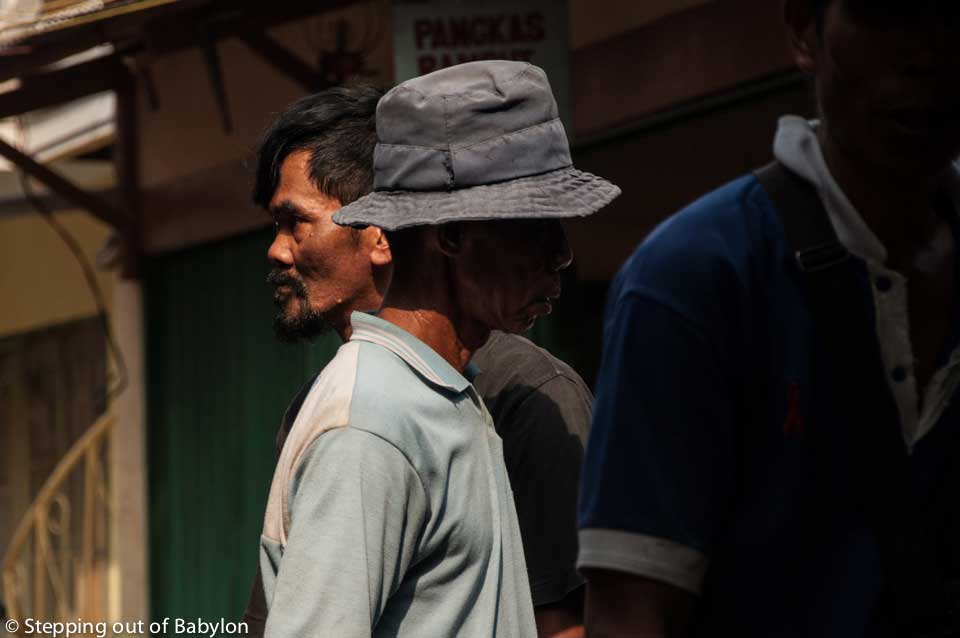
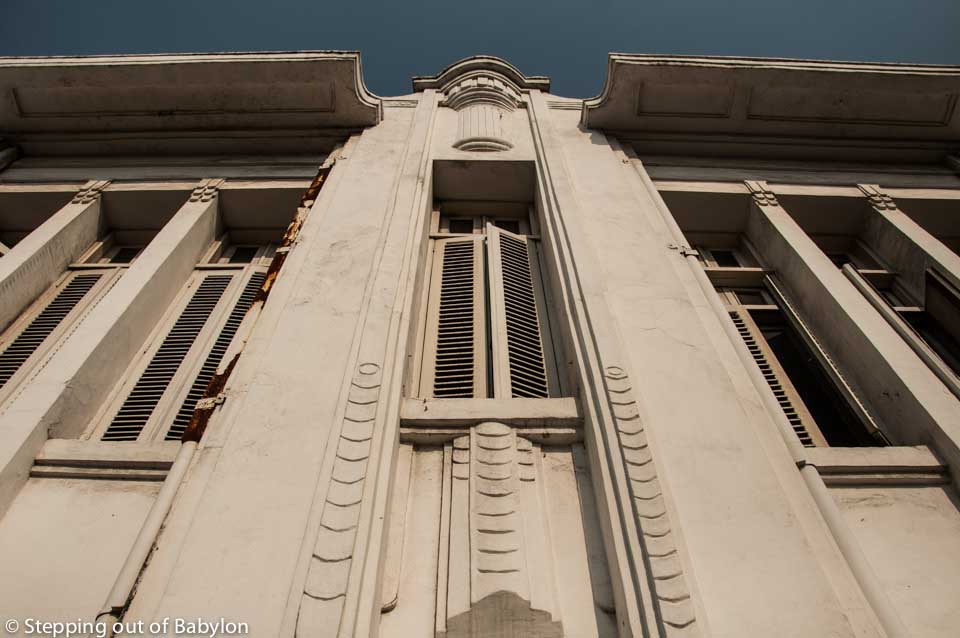
Jakarta
Jakarta
Jakarta
Jakarta
Jakarta
Jakarta
Jakarta
Jakarta

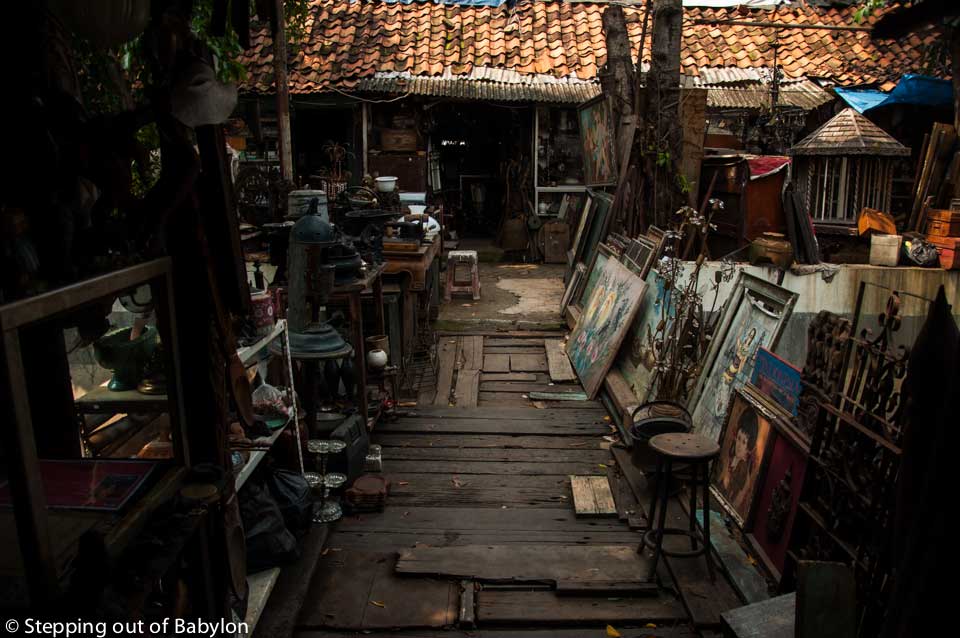
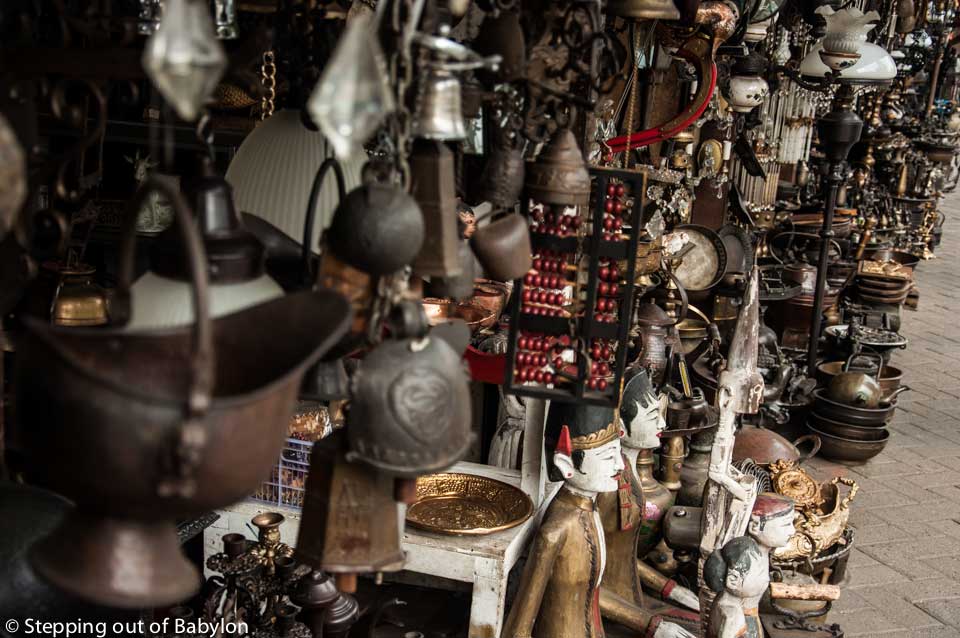
Antiques market

Walk along the Jalan Surabaya (close from Cikini train station) and let yourself lose in the thousands of objects, from statues, coins, fabrics, jewelry… but watch out that not everything is an antique just because it look old and dusty!!! If you are tired you can have a break on the Gianti Coffee, just opposite of the antique shops.

Antiques market at Jalan Surabaya
Antiques market
Antiques market at Jalan Surabaya

Colonial quarter (old Batavia)

The area is called Jakartakota, or simply Kota, and Fatahillah Square (Taman Fatahillah) is the center of a group of old building left by the Dutch colonization, most of them transformed into museums, but others are simply abandon. Despite the rehabilitation of the area, that is the central tourist attraction of Jakarta, the area around has a certain depressed appearance, like around the canal where you can find a metal drawbridge.

Jakartakota
Jakartakota
Jakartakota where the Fatahillah Square is the heart where bicycles with cheesy decoration can be rented to cycle around the square
Jakartakota
Jakartakota

Glodok

The Chinatown of Jakarta, where you can find a lot of Chinese culture, from restaurants, tea houses, shops and the market with the usual bizarre products. To reach Glodok area you can take the train to Jakarta Kota and from there you can walk.

  • The Jin De Yuan Temple (Jl. Kemenangan) was seriously affected by a fire 2 years ago that destroy seriously the building including statues and the rooftop, and what remains from it has a strange, although atmosphere, something between desolation and charming abandon.
  • The Glodok Market (Jl. Kemenangan) is a must see in the area.
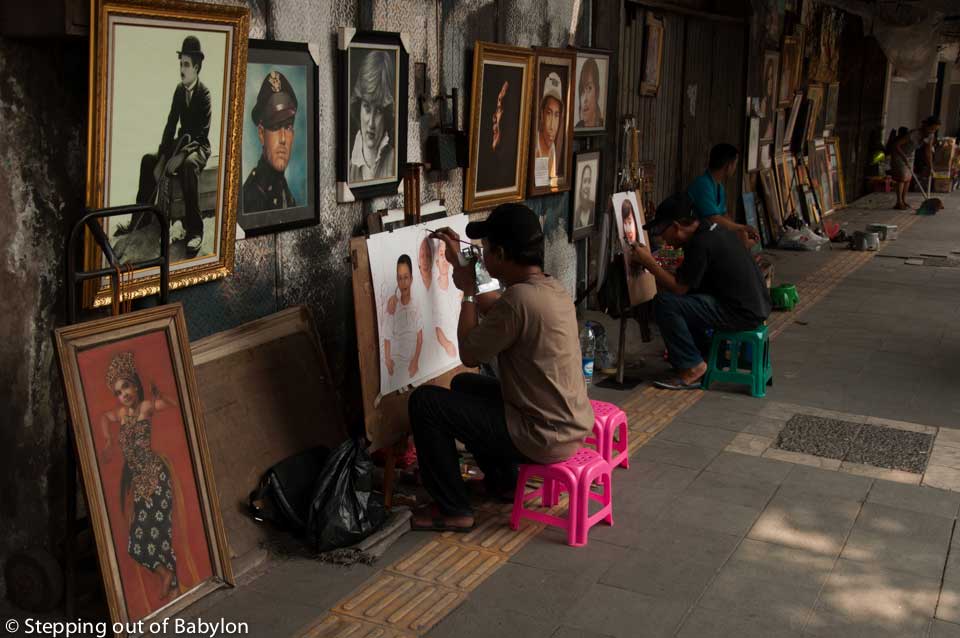
  • Along Jalan Pintu Besar Selatan you can see many painters working on the canvas or simply selling paintings… is a mix of styles where the portraits dominate… a bit cheesy and sometimes with doubtful taste but worth a look on the way from the trains station to Glodok.
Jin De Yuan Temple
Jin De Yuan Temple, also called Vihara Dharma Bhakti on the center of Glodok
Jin De Yuan Temple a Buddhist temple in Jakarta's chinatown
Jin De Yuan Temple a Buddhist temple in Jakarta’s chinatown
many painters working on the canvas or simply selling paintings along Jalan Pintu Besar Selatan
Glodok market
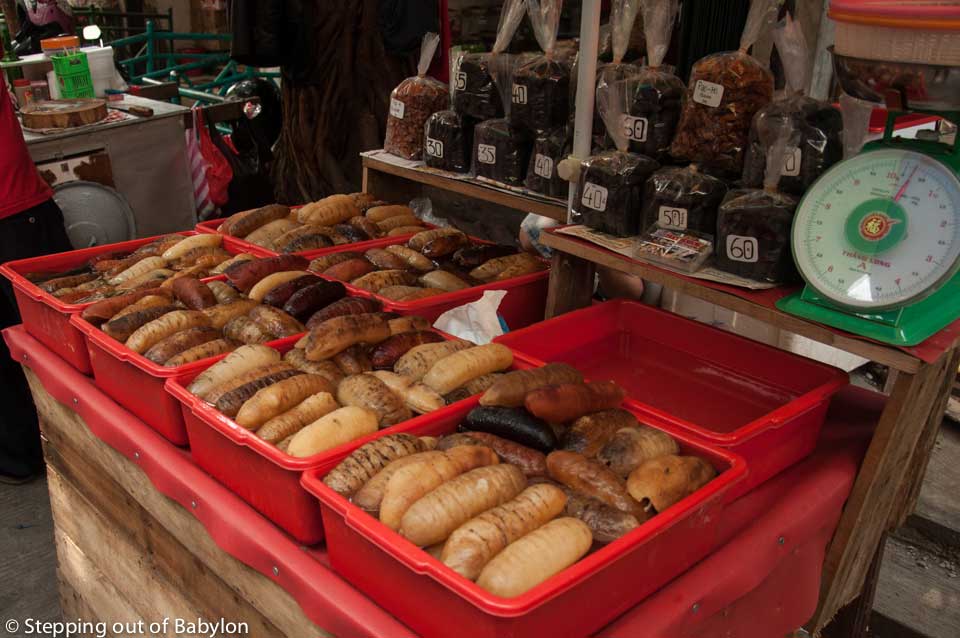
Glodok market… with the usual “strange” and difficult to identify products

Pasar Baroe

This is not much of a market but more a street with shops, mostly fabrics and cloths shops… is a bit lazy during the mornings but gets better later on. Not impressive if you are not in the mood for muslim style cloths, but still you can find some sarong shops and spot some traditional shops that keep the classic style.

Pasar Baroe
Pasar Baroe

Pasar Muara Angke

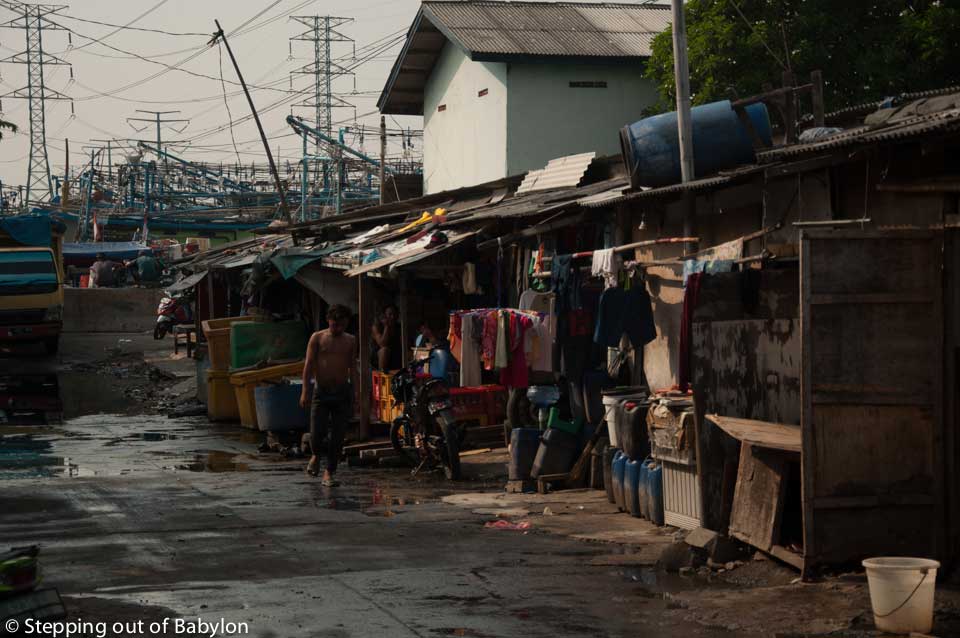
This is located a bit far out on the north of Jakarta, and is mainly focus on the fish, with lots of warehouses and small markets that run very early in the morning. During the day is an poor and depressed port area, with same activity connected with storage and fish processing. Nearby is the Baywalk Mall, a modern shopping area with international brands and a huge massive concrete structure of apartments overlooking the sea.

Pasar Muara Angke
Pasar Muara Angke

Pasar Muara Angke

Pasar Muara Angke.... a poor and depressed port area on the north of Jakarta
Pasar Muara Angke…. a poor and depressed port area on the north of Jakarta
Pasar Muara Angke
Pasar Muara Angke

Plaza Indonesia

The malls… yes! There is a lot of money in Jakarta, and the malls are a good way to see it! There are many shopping areas in the city, but the Plaza Indonesia is maybe on of the most sophisticated and posh one, with a concentration of the most luxurious international brands. It worth a visit to this side of Jakarta, away from the smelly and shabby market of Pasar Muara Angke.


Where to sleep in Jakarta:

The “official” backpackers area of Jakarta is nearby Jalan Jaksa.

But following the advice of the owner of the homestay where I slept in Bogor, I stay at Cikini (pronounces xikini), where the Six Degrees Hostel stands by the reasonable prices and the good conditions offered. There are several types of dorms as also rooms, safe lockers, free fast and reliable wi-fi, free water, tea and coffee, the breakfast is included…. there’s also a kitchen and a roof top that change to a bar, but where the party don’t disturb the sleep of anyone. The rooms don’t have windows (but all with air-con) what is good for travelers that what to recover from the jetlag… and avoid the noise that comes from the street (Jl. Cikini Raya). The staff is friendly and can help you with moving on and around!

http://jakarta-backpackers-hostel.com/

The Six Degrees Hostel is located about 5 minutes walking from the Cikini trains station. Around there’s restaurants and many street-food options, mainly after the sunset. You can have a meal for 10.000 Rp (street-food) or for 100.000 Rp (midrange restaurant) depending on your choice. There are also nice cafes and bakeries around for the delight of a sweet tooth.

[columns] [span6]

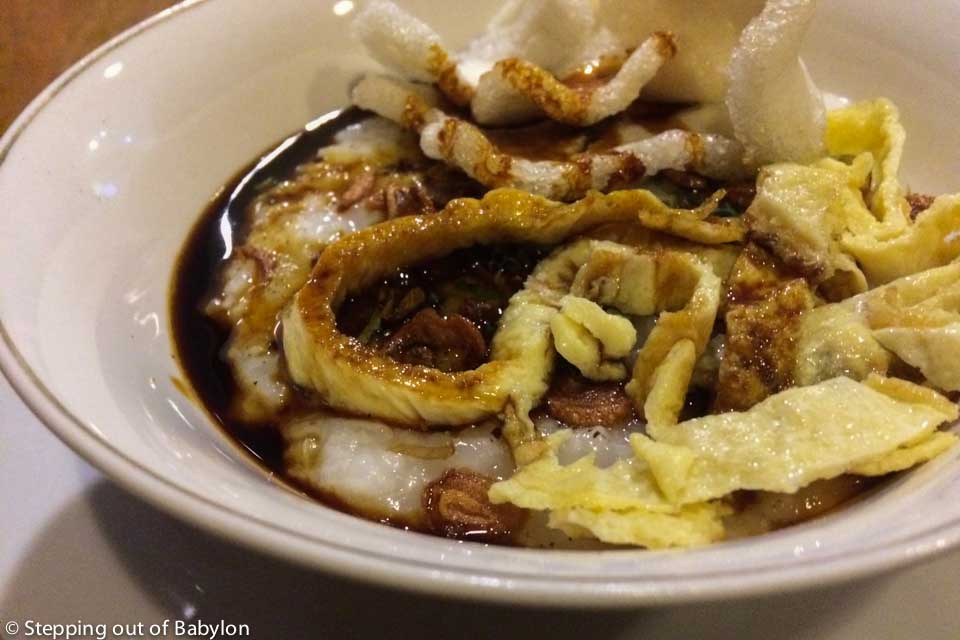
Bubur... a traditional Indonesia breakfast served at Six Degrees Hostel... a kind of rice porridge with a egg topping
Bubur… a traditional Indonesia breakfast and one of the option served at Six Degrees Hostel breakfast… a kind of rice porridge with a egg topping

[/span6][span6]

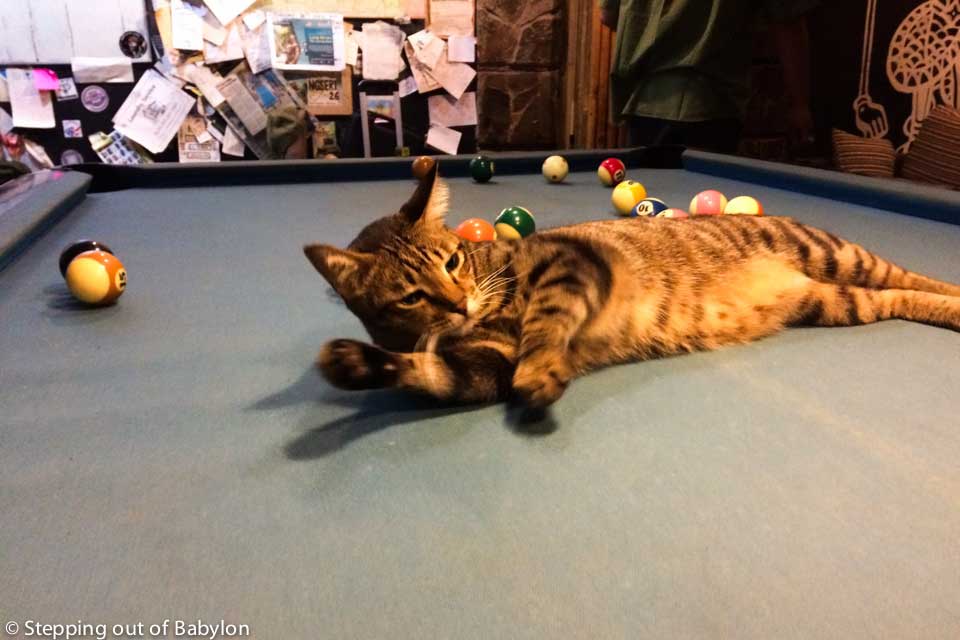
This is Nemo... the spoiled cat of Six Degrees Hostel!! cool cat!
This is Nemo… the spoiled cat of Six Degrees Hostel!! cool cat!

[/span6][/columns]

Where to eat and hang-out around Cikini (Menteng):

As any capital, Jakarta offers a lot of choices For someone that just stayed in this mega city for 4 days will be pretentious to give tips about best food and cool places to chill in the “big durian”… so this is just an overview of Cikini area where I spent most of the time:

  • Bakoel Koffie… good atmosphere, good coffee but not so good cakes. Can be busy and noisy at lunchtime. My favorite place to chill and read a book and blogging!!!
  • Gianti Coffee… a bit hidden at Jalan Surabaya (not far from Madam Chin restaurant); has different areas with nice decoration and cozy environment. But too noisy around lunchtime.
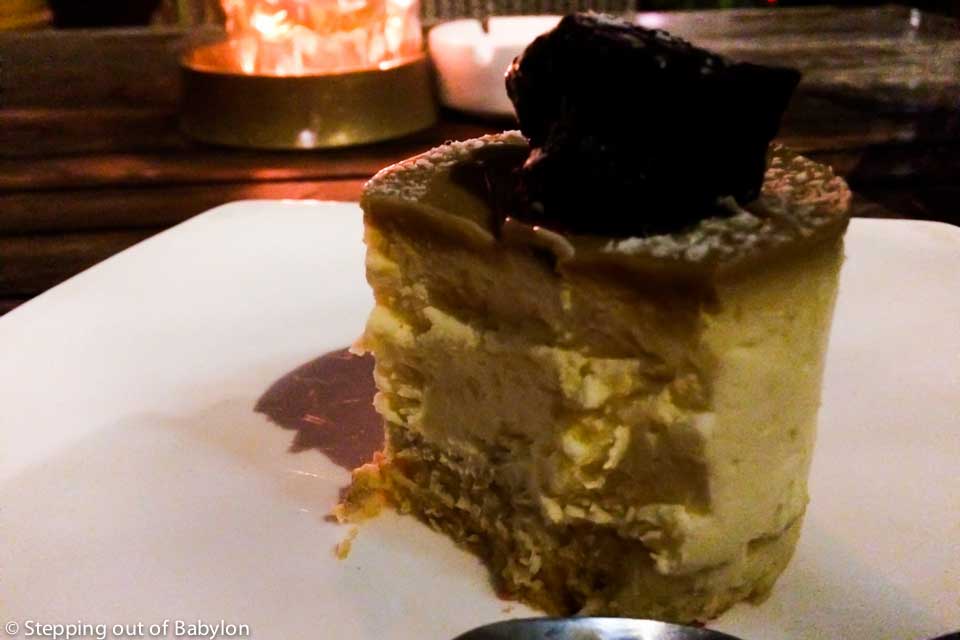
  • Cheesecake Factory (Jalan Cikini Raya)… a super posh place with high-quality products. The cheesecake that I try was perfect! The prices are high but not much more than you can find in others trendy coffee shops of Jakarta. It worth if you are in the mood for a treat!
  • On the ground floor of the Ibis Budget, there’s a food court with. I try the Riung Sunda, a sundanese food restaurant. Is expensive and you can find better in some of the street stalls nearby, for 10 times less the price!!!!
  • Street food…. its’ everywhere along Jl. Cikini Raya, particularly after 5 p.m. Cikini Raya is famous for martabak (Indonesian pancake). During the day you can find a good nasi campur at Jl Cikini 4, as also gado–gado.
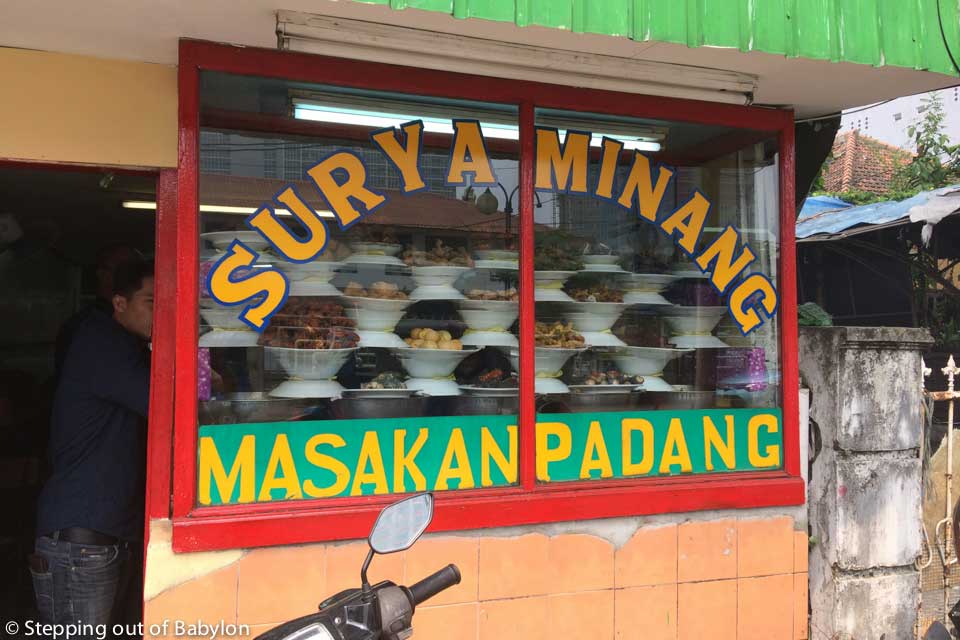
  • Surya Minang… a masakan padang at Jl Raden Saleh (before you reach the Sedahna restaurant) with tasty, simple and cheap food. Is better arrive before 1 p.m. as the runs out quickly! Sedahna restaurant is a reference for padang food but doesn’t have many vegetarian options and is more expensive.
  • On the corner of Jl Cikini Raya with Jala Ciliman there a very popular restaurant that gets full around lunchtime with the local population. Apparently, it doesn’t have a name but is easy to spot with some hawkers selling juices in front during the day. This eatery works on self-service system… a huge meal (vegetarian) cost me 30.000 Rp.
Bakoel Koffie...old school cafe at Cikini
Bakoel Koffie…old school cafe at Cikini
Cheesecake Factory at Cikini
Cheesecake Factory at Cikini… a perfect cheesecake serve in a very posh place!

[columns] [span6]

sundanese food... a meal that cost 100.000 Rp at Riung Sunda restaurant... Is expensive and you can find better in some of the street stalls nearby, for 10 times less the price!!!!
sundanese food… a meal that cost 100.000 Rp at Riung Sunda restaurant… Is expensive and you can find better in some of the street stalls nearby, for 10 times less the price!!!!

[/span6][span6]

street-food at Jl. Cikini Raya... delicious and tasty for just 10.000 Rp
street-food at Jl. Cikini Raya… delicious and tasty for just 10.000 Rp

[/span6][/columns]

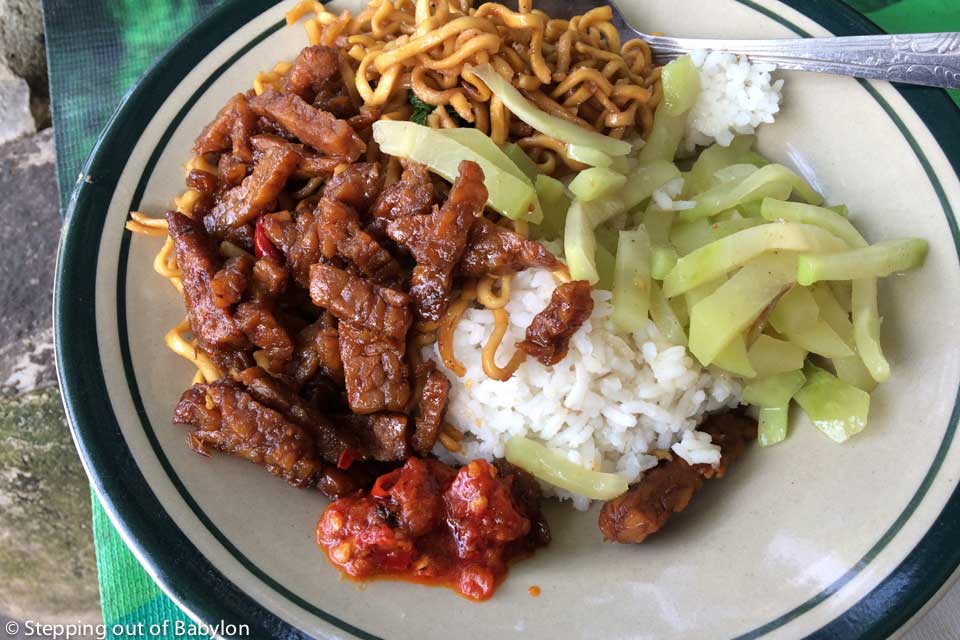
Surya Minang... a masakan padang with tasty, simple and cheap food. Is better arrive before 1 p.m. as the runs out quickly!
Surya Minang… a masakan padang with tasty, simple and cheap food. Is better arrive before 1 p.m. as the runs out quickly!

[columns] [span6]

Many options in this self-service eatery at Cikini, that serves food since morning until evening

[/span6][span6]

•On the corner of Jl Cikini Raya with Jala Ciliman there a very popular restaurant that gets full around lunchtime with the local population.
• On the corner of Jl Cikini Raya with Jala Ciliman there a very popular restaurant that gets full around lunchtime with the local population.

[/span6][/columns]

How to move around in Jakarta:

  • TransJakarta: modern and comfortable buses that have the advantage of using dedicated lanes in some parts of the city. Unfortunately, the single journey tickets are not longer available and you need to buy a monthly card that is not really an option if you stay just for a few days in Jakarta.
  • Train: if your accommodation is nearby a train station this is maybe the easier and cheapest way to move. I stay at Cikini and this line has trains every 10 or 15 minutes to Jakarta Kota, the “center” and old colonial quarter. The tickets cost 3.000 Rp for trips inside the city. You need to buy a card (10.000 Rp) that you charge for each trip, and in the end of your stay you can give it back and get the 10.000 Rp return… but the train doesn’t reach the airport yet, but the line is supposed to open in August 2017.
  • GoJek, Uber, Grab… all these companies offer moto-taxi services. They are everywhere and are the best way to move through the intense traffic. You just need to download their app and have an Indonesian SIM card. The most efficient way to move around if you are alone. It’s ok to travel with your backpack! Usually, the trips inside de city cost around 10.000 Rp. The ojek (independent moto-taxis are easy to find but with them, you need to deal the price).
  • On foot… forget about it!!!!! Everything is too far, and the hot and humid climate makes a short walk during the day in a sweaty experience.
  • There is no subway in Jakarta!
The train is a easy and cheap way to move around Jakarta, a megacity without subway. Line Jakartakota-Manggarai

See also:

Jakarta: How to go from the city to the airport by public transport

Jakarta: How to go from the airport to the city by public transport


Jakarta: How to go from the city to the airport

How to get from Jakarta city center to Jakarta International airport by public transport

If you are alone or traveling with a tight budget, the bus is the best way to reach the airport! The DAMRI (Indonesian state-owned public transit bus company) operate buses from Gambir to Soekarno–Hatta International Airport.

The DAMRI bus terminal is located nearby a train station – Stasiun Gambir – on the right side if you are looking side, nearby a huge square with the National Monument (Manunen Nasional).

The buses leave from Gambir terminal every 15 minutes from 3 a.m. to 9 p.m., except the two first buses early morning

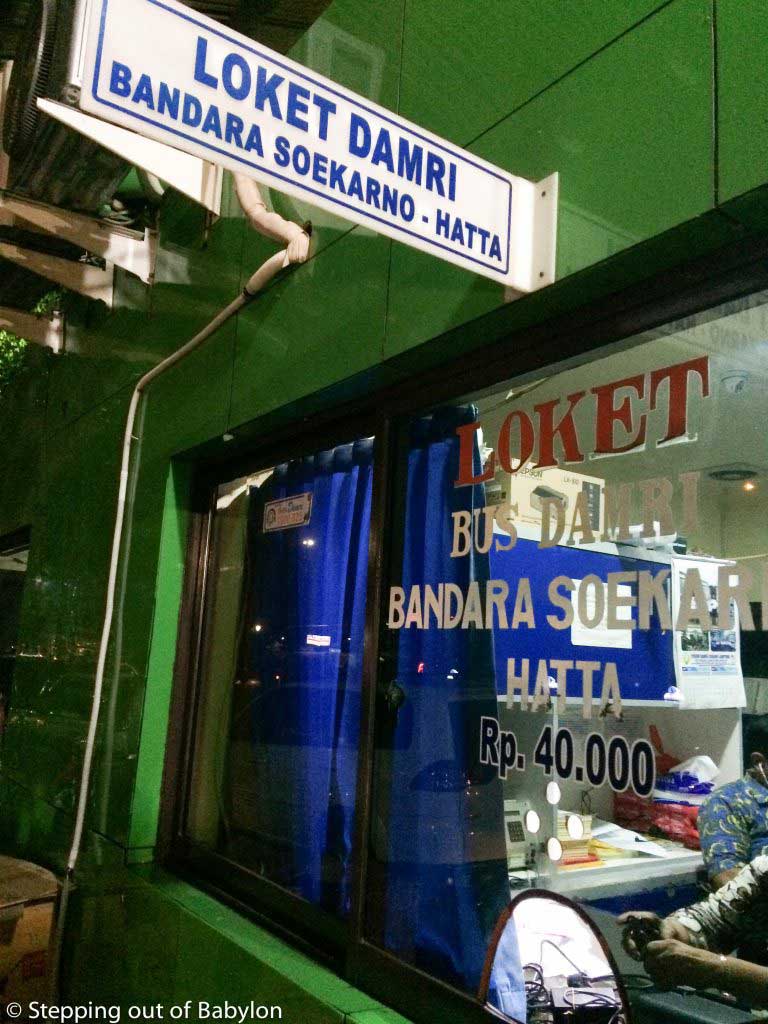
The ticket cost 40.000 Rp.

The trip takes around one hour, but watch out that Jakarta has intense traffic that can extend this journey for three hours… so go with time if you are traveling during the rush hours or on long weekends.


How to get from Jakarta city center to Jakarta International airport by public transport. DAMRI bus ticket
How to get from Jakarta city center to Jakarta International airport by public transport. DAMRI bus schedule
The buses departure from Gambir station just next to Gambir Terminal (train station)

How to reach Terminal Gambir :

Yes, Jakarta is huge and probably you will not stay close by Gambir… if you accommodation is nearby Jalan Jaksa (the most popular backpackers area of Jakarta) you can reach Gambir on foot, as the distance is around 1.5 km.

But from others areas in the city, like Cikini where i stayed, the easiest and option is to get a GoJek, Grab or Uber moto-taxi service, as it will cost around 10.000 Rp, and you can avoid to be stuck in the traffic jams. This is good if you travel alone and with not much luggage, as your backpack must be on your shoulders, but think that for two people the tuk-tuk or a taxi will be better, but go with plenty of time if you are traveling around rush hours.

See also: Jakarta: how to go from the airport to the city

  • « Go to Previous Page
  • Page 1
  • Page 2
  • Page 3
  • Page 4
  • Interim pages omitted …
  • Page 6
  • Go to Next Page »

Footer

search

Tags

accommodation Assam Bagan Bali Border Crossing Borneo Colombo Dambulla Dao Cheng Esfahan Fes Food Gilis Hiking hokkaido Istanbul Itinerary Jakarta Java Kashan Kuala Lumpur Kumano Kodo Lombok Majuli Meghalaya Meknes Mekong Nagaland Natural Park Nongriat Northeast States Ouarzazate Sarawak Shiraz Sichuan Province Sishuan Sumatra Tabriz Tehran transportation Visa Yangon Yazd Yogyakarta Yunnan Province

I’m Catarina, a wanderer from Lisbon, Portugal… or a backpack traveller with a camera!

Every word and photo here comes from my own journey — the places I’ve stayed, the meals I’ve enjoyed, and the routes I’ve taken. I travel independently and share it all without sponsors or ads, so what you read is real and unfiltered.

If you’ve found my blog helpful or inspiring, consider supporting it with a small contribution. Every donation helps me keep this project alive and free for everyone who loves exploring the world.

Thank you for helping me keep the journey going!

BUY ME A COFFEE

Categories

Recent Posts:

  • How to go from Hualien to Dulan Beach
  • Taroko Gorge: between marble cliffs and emerald rivers
  • Hualien: a dull gateway to Taroko Gorge
  • Taiwan: Itinerary for an 16 day trip
  • Vietnam: Itinerary
  • 3 months in India: Kolkata, Tamil Nadu, Karnataka, Goa and Kerala
  • Backpacking Turkey in 24 Days: itinerary & costs
  • English
  • Português

© Copyright 2026 Stepping out of Babylon · All Rights Reserved · Designed by OnVa Online · Login