• Skip to main content
  • Skip to footer

Stepping Out Of Babylon

Travel & Photography

  • About me
    • Contact
  • Destinations
    • Africa and Middle East
      • Iran
      • Lebanon
      • Morocco
      • Turkey
    • East Asia
      • China
      • Japan
      • Taiwan (Formosa)
    • South Asia
      • Bangladesh
      • India
      • Nepal
      • Sri Lanka
    • Southeast Asia
      • Cambodia
      • Indonesia
      • Lao
      • Malaysia
      • Myanmar
      • Singapore
      • Thailand
      • Vietnam
  • Itineraries
  • Travel tips
    • Border crossing
    • Hiking and Natural parks
    • Food Journey
    • Visa
  • Photography

Stepping out of Babylon

… from paradise to paradise, going through hell… from Nongriat to Majuli

Purpose: leave Nongriat and the fantastic scenery of Khasi Hills in the state of Meghalaya and go to Majuli, a river island situated in the mythical Brahmaputra, that run through Assam plains.

Obstacles: First it was necessary to overcome about 3000 steps that separate Nongriat from Tyrna, and there find a public transport to Sohra. Then go from Sohra to Shillong, and from Shillong to Guwahati. And from Guwahati reach Jorhart before the last ferry leave to Majuli Island.

Mode of transport: sumo (shared-taxi), tuk–tuk, tempo (shared tuk-tuk), bus and ferryboat.

Team: three intrepid travelers of different nationalities, with extensive experience traveling through India.

***

Looking at the map, knowing a little about how to travel in India, and being already familiar with the transport system in the Northeast states, this trip, although ambitious had no major problems, apart from the fact that it will take two days to win the nearly 470 kilometers that separate Nongriat from Majuli. To all this joins the need to spend a night in the city of Guwahati, whose hospitality wasn’t a good memory from the last visit.

But the Northeast States have their peculiarities that have created unexpected obstacles, requiring much patience and effort. First, it was the Holi Festival, celebrated by Hindus in Assam, and being a holiday just before the weekend allows many people to travel, making difficult to find public transports. By chance or not, this weekend coincided with Easter, and being Meghalaya a strongly Christian state, it was guaranteed that no public transport run from Good Friday to Easter Sunday. With this scenario, we could end “stuck” in the uninteresting village of Sohra for a few days. Adding to all these, the Assam regional elections, that put the quiet island of Majuli in the itinerary of the election campaign of the Indian prime minister, which brought with it thousands of people, in a kind of pilgrimage.

Climbing the steps from Nongriat to Sohra left legs tired, the body soaked in sweat, and some melancholy for abandoning such paradisiac place.

But the bucolic calm of the countryside was quickly replaced by the rush and stress to leave quickly Sohra and reach Shillong in time to take a “sumo” to Guwahati, in a period that the weekend and the Holi Festival had put lots of people traveling, decreased the chances of getting a places in the sumo which link the capitals of Meghalaya and Assam states. But this mission was done with success, despite the long wait near unfriendly and drunken staff of sumo company, who took advantage of the situation charging a few extra rupees for the ticket.

On arrival at Guwahati was repeated the frustrating search for accommodation, in a city where many of the hotels and guesthouses don’t allow foreigners, pushing us too costly options. After a dose of antipathy, just the unattractive dorm of the Youth Hostel remains, which in these situation proved to be quite friendly, and where the decay of the place gained a touch of “patina“.

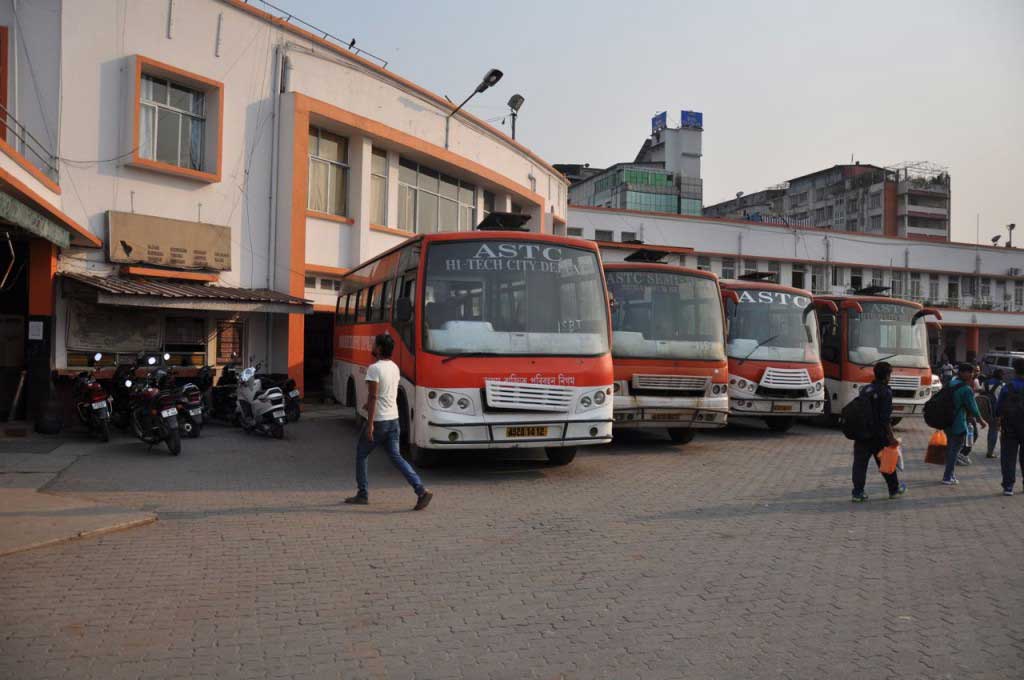
Despite the comforting meal and a deep night of sleep, the group was demoralized by the idea of 6 hours bus ride to Jorhat. But waiting for us, was a modern luxury bus, from the recommended state company, ASTC, with comfortable and spacious seats, giving encouragement for the next step of this journey.
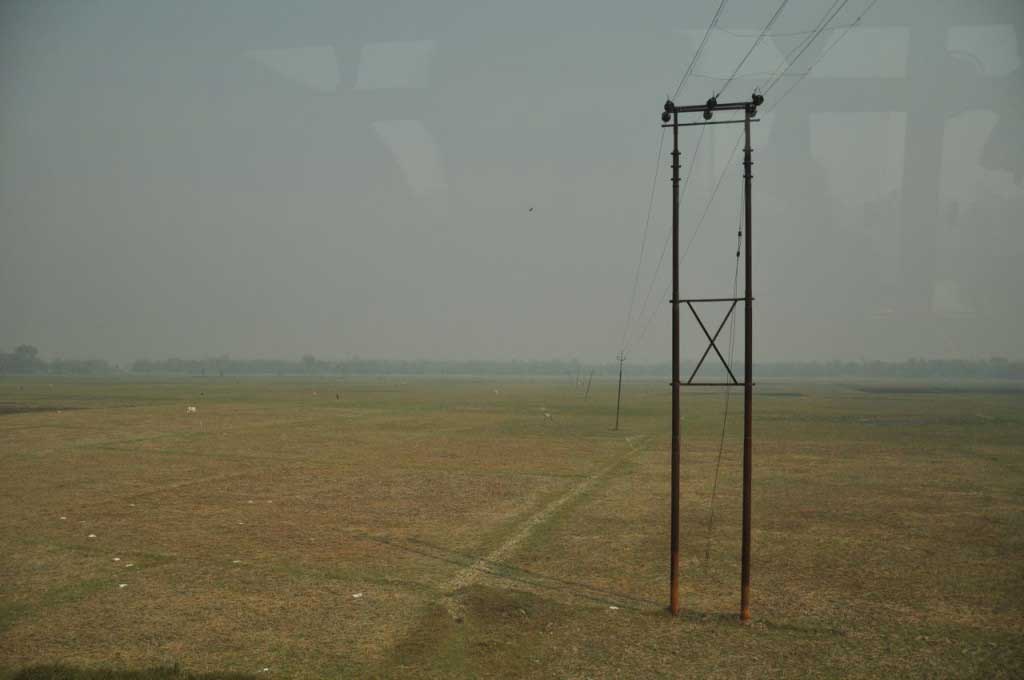
Campos de arroz. Assam
Rice fields along the road from Guwahati to Jorhart. Assam


Plantações de chá. Assam
Tea plantations along the road from Guwahati to Jorhart. Assam

As the flat and monotonous landscape of Assam, of rice fields and tea plantations passing through the windows, the eyes were getting heavy and the body surrender to sleepy inertia. But nothing lasts, and we were suddenly forced to abandoning the comfort of air-conditioning, dumped to the dusty and noisy edge of the national highway, without knowing exactly where we were. So this way we arrive to Jorhat!

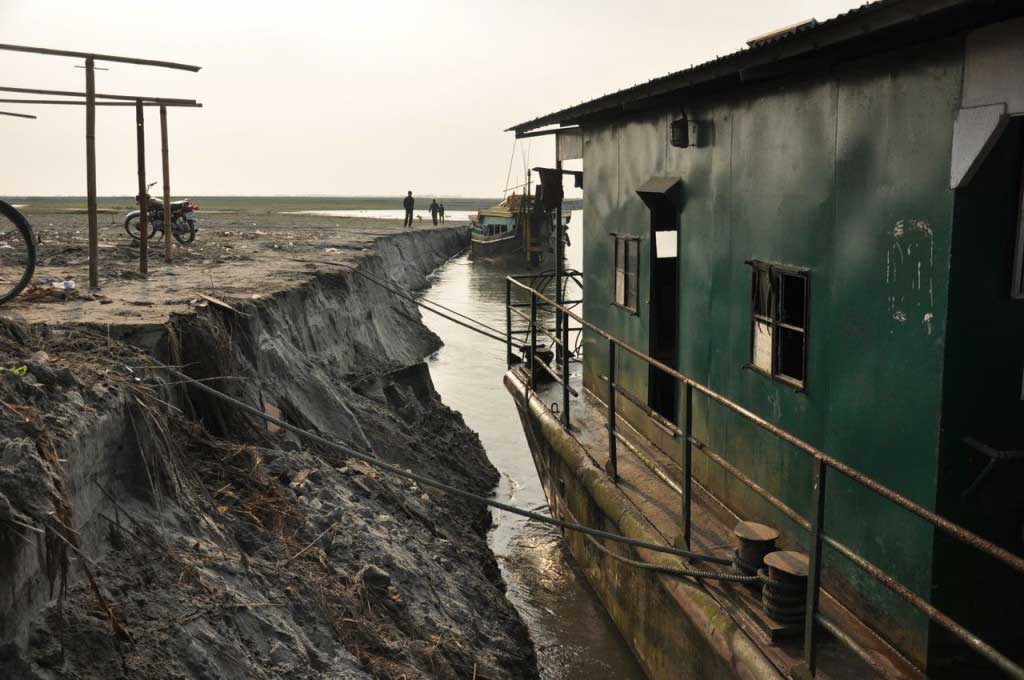
At Jorhat, there was no time to stops, and from tuk–tuk to tempo, in the middle of the disorganized city traffic, we made the turbulent journey through a dusty bumpy road, until Nimati Gaht. After this last tempo ride, squeezed between other passengers and luggage, arriving to the muddy banks of Brahmaputra, in time for the last boat, was a relief.

Nimati Gaht, Jorhart. Assam


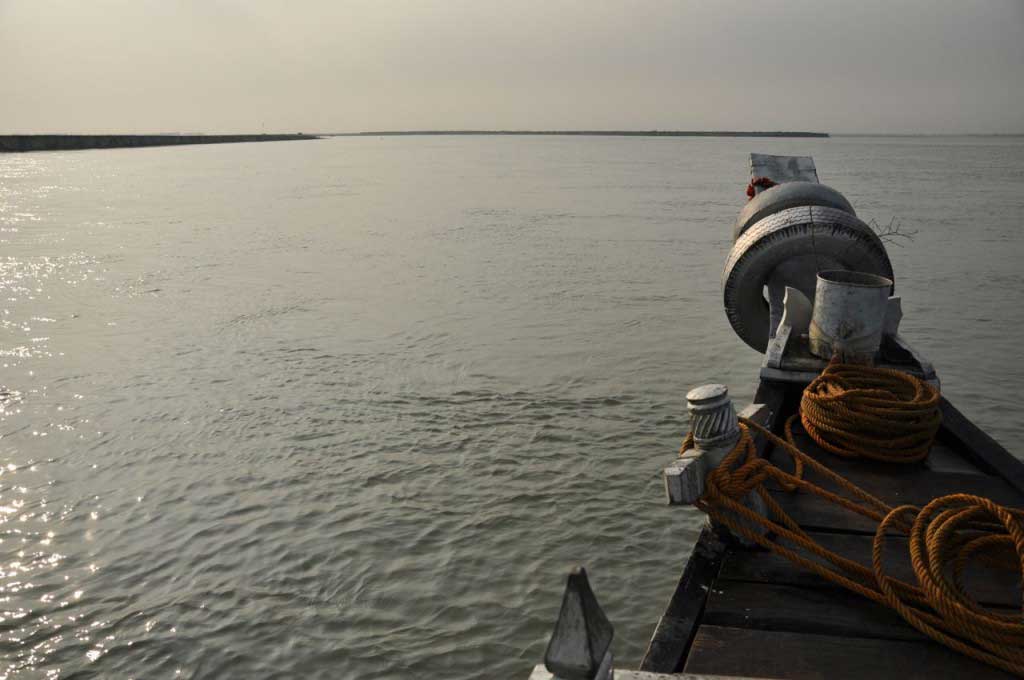
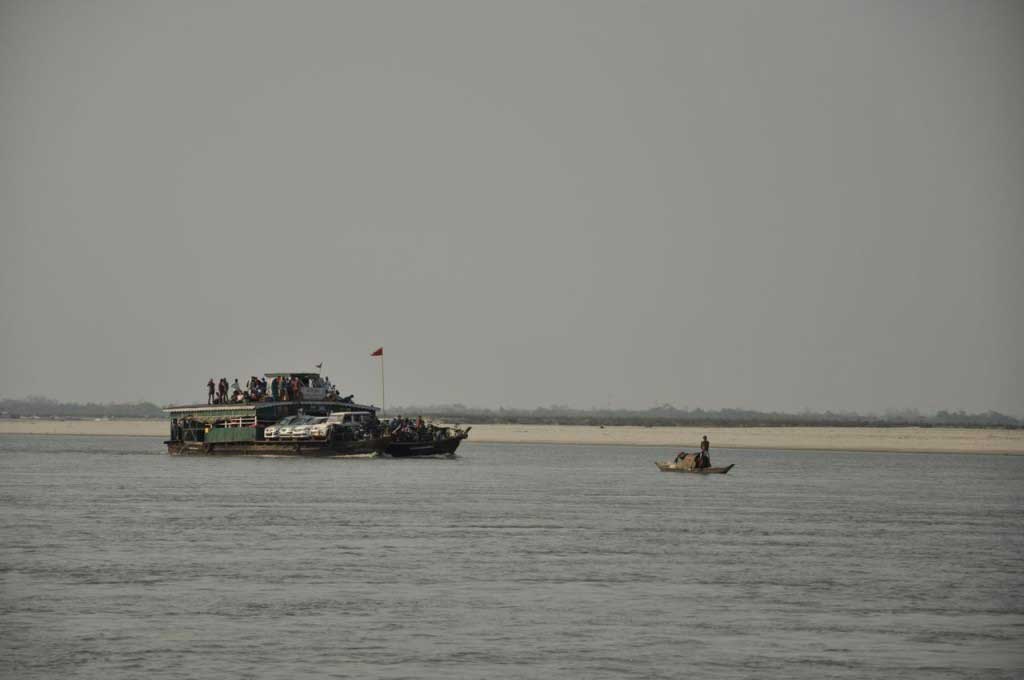
From Nimati Gaht (also written as Neamati), a makeshift ferry pier where the stormy river doesn’t allow lasting structures, followed a quiet trip to Majuli, in a crowded ferry boat, where the roof of the passenger compartment, is used to transport goods and motorbikes… and a few more passengers. The trip on the boat’s roof, besides the fresh air provides a view to the island, whose completely flat surface blends with the horizon.
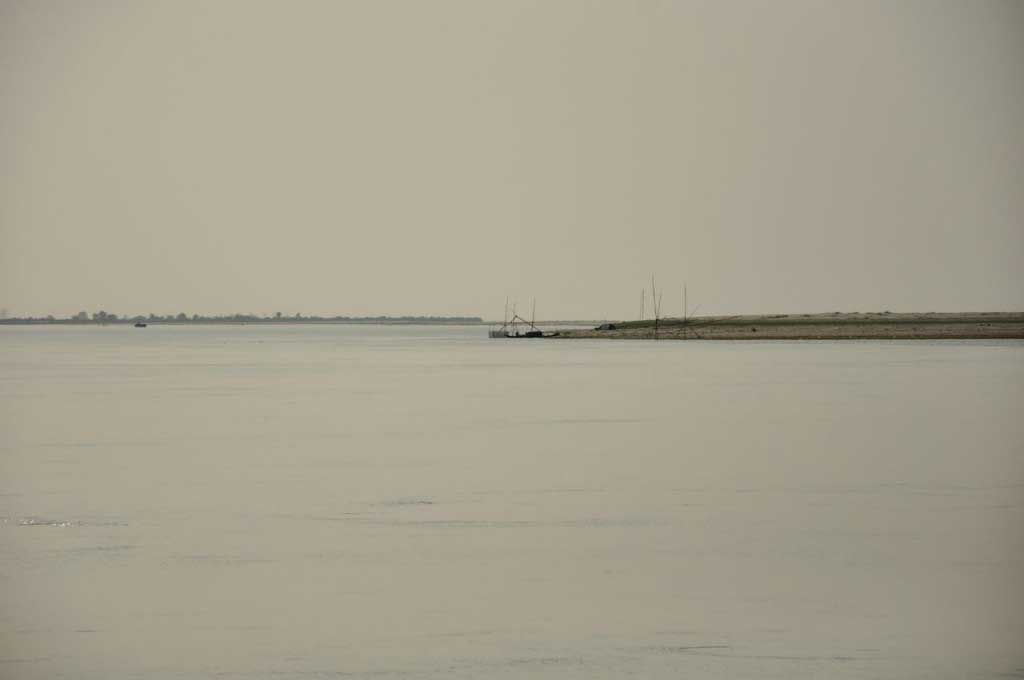
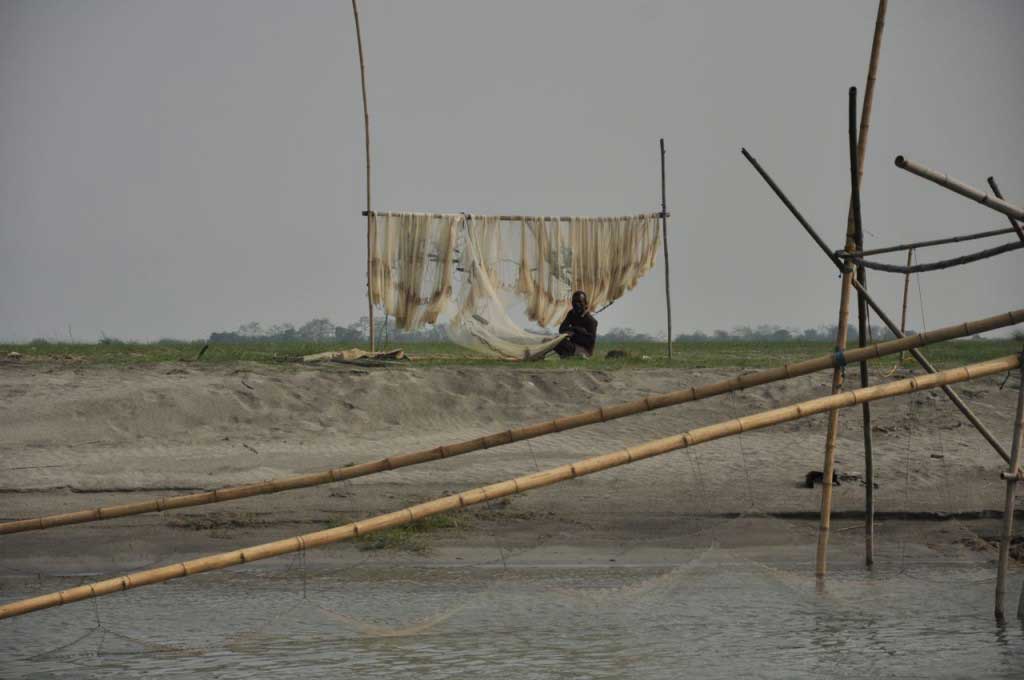
Brahmaputra. Assam
Brahmaputra. Assam


Brahmaputra. Assam
Ferry boat that cross the Brahmaputra until Majuli. Assam


Brahmaputra. Assam
Brahmaputra. Assam


Brahmaputra. Assam
Brahmaputra. Assam


As we left the ferry directly to the sand bank that forms Majuli (officially the world’s largest river island), we were hastily conducted to an already full shared-taxi. Soon all the vehicles were full and quickly leave the pier area. Luckily a military bus gave us some space and a pleasant talk. After the journey through the sands, follows a green and rural landscape, where the road takes us to the first village: Kamalabari.
Assam_Brahmaputra River_Ferry_Majuli_DSC_8592
Kamalabari Gaht. Majuli Island. Assam


Majuli junto ao local onde os ferry boats atracam. Assam
Kamalabari Gaht. Majuli Island. Assam


And when finally, after almost two days on the road, we finally arrive at our destination, the biggest obstacle of all trip emerged: finding accommodation in Majuli.

The options are not many on the island, but to aggravate the situation, our arrival coincided with the visit of Indian Prime Minister to the island, during the campaign of regional Assam elections. In India, political campaigns mobilize many people, but this time, the situation has worst due to the presence of Modi, on which lies a sort of almost religious veneration, attracting an unusual crowd to the island. As it was the first time a prime minister visited Majuli since India’s independence, lots of people come to the island to see him, reducing the chances of find accommodation.

With the help of some locals, vegetable vendors, taxi drivers and even from the troops, that were there to ensure the security of the Prime Minister, it was possible after 3 hours of searching to find a place to sleep, where the owner took advantage of the situation, inflating the price of the rooms.

Despite being a bit unpleasant, the room offered conditions for a well-deserved rest after a terrible meal, of dal and potato curry, an oily paratha and a stew of yellow pea and more potato. This boring yellowish meal marks the beginning of a series of meals, which force me to correct my quote “that the Indian food even if not good, is never bad!”… as the stay in Assam made me change my mind!!!


How to go from Nongriat to Guwahati:

  • climbing almost 3000 steps until reaching the main road;
  • walk to Tyrna, for about half-hour; from here you can also take a taxi directly to Sohra;
  • Bus or shared-taxi from Tyrna to Sohra: 40 rupees (20 minutes)
  • “sumo” from Sohra to Shilllong: 70 rupees (1.5 hours)
  • Shilllong in the sumo ends in Babra Bazaar, within a terminal on the top floor. To find the sumo to Guwahati is necessary to go to a bigger terminal in another concrete building about 5 minutes further up, in the same street, on the left side. If there any available sumos here, you need to catch a taxi (or walk) to Police Bazaar, and then down the Keating Road (left of GS Road) until you find the sumo stand to Guwahati, the left side.
  • sumo from Shilllong to Guwahati: 170 rupees (2.50 hours but can be more than 3 hours depending on the traffic).
  • In Guwahati, the sumo ends at Paltan Bazaar, near the bus terminal and the train station.
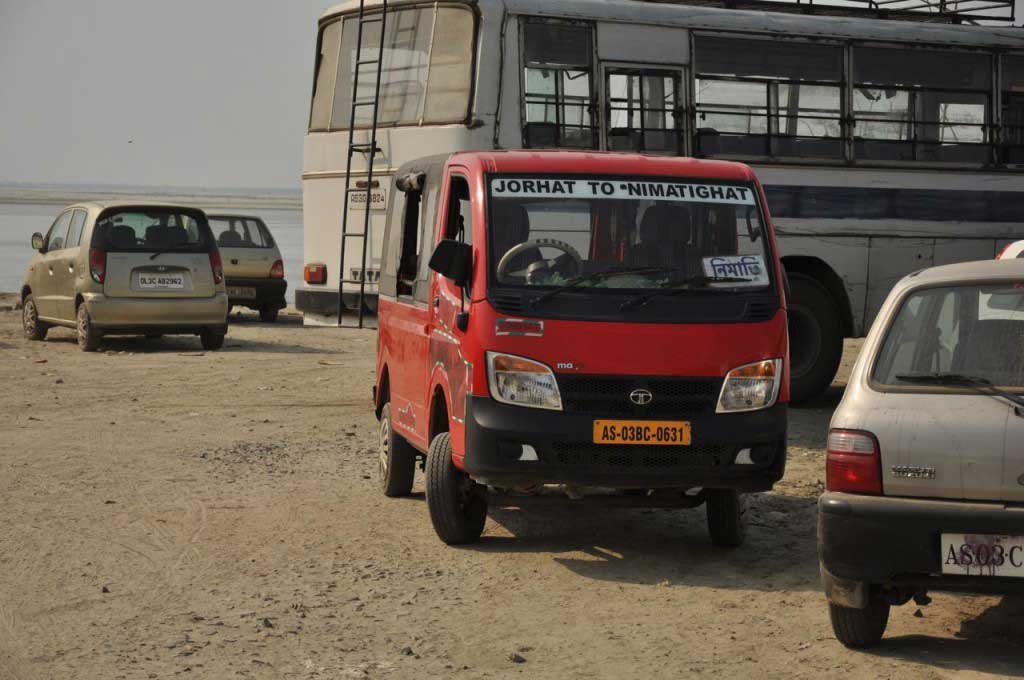
 

"tempos" uma espécide de taxi partilhado entre Jorhart e o Nimati Gaht. Assam
“tempos” a kind of shared-taxi that link Jorhat to Nimati Gaht. Assam

How to go from Guwahati to Majuli:

  • Bus from Guwahati to Jorhat: 330 rupees (the trip takes seven hours, stopping for breakfast). The bus leaves the passengers outside the city, on the highway. From here to the Bus Terminal of Jorhat, is not that far and can be done on foot.
  • Shared-taxi (tempo) from here to the center of Jorhat (Jorhart bazaar): 20 rupees (10 minutes)
  • In Jorhat (bazaar) there are shared-taxis (tempo) to Nimati Gaht: 20 rupees (20 minutes)
  • Ferry Nimati Gaht to Majuli Island: 30 rupees (1 hour)
  • Shared-taxi from the pier to Kamalabari (the nearest village): 30 rupees (20 minutes)
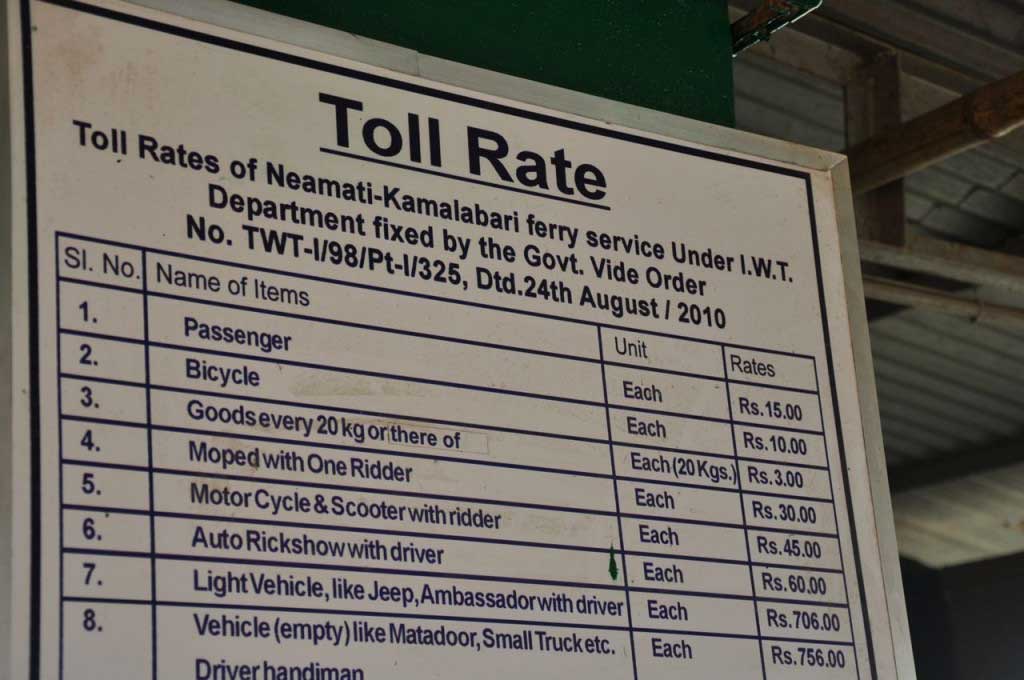
 

Tarifas do ferryboat para Majuli. Assam
Ferry boat fees… despite the 15 rupees written on the boars the ticket is 20 rupees. Majuli Island. Assam


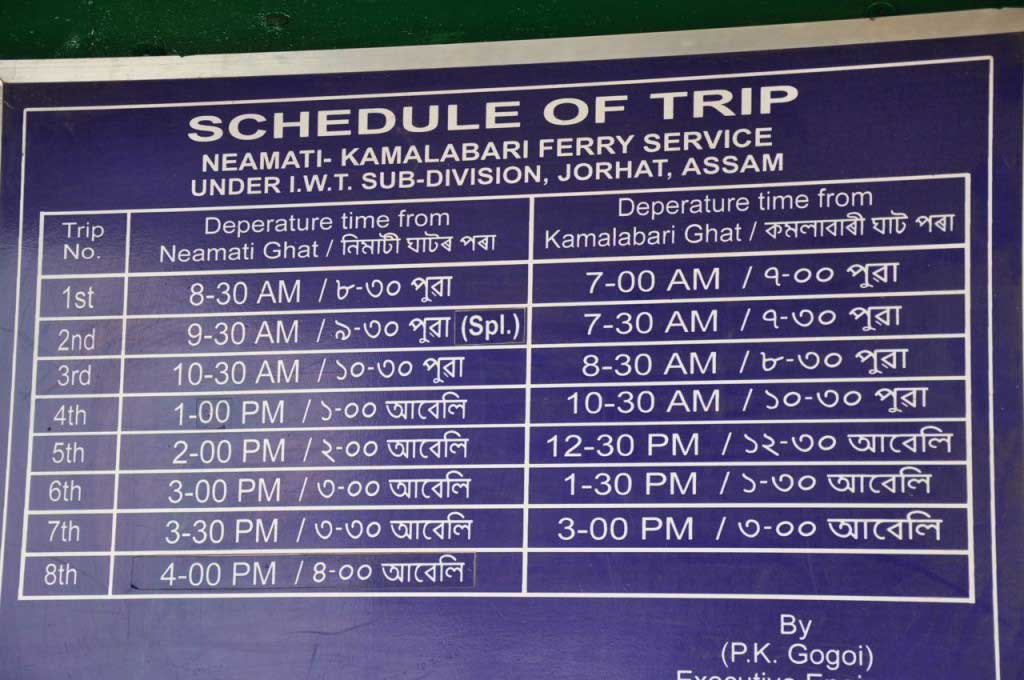
Horário do ferryboat para Majuli. Assam
Ferryboat Schedule. Assam


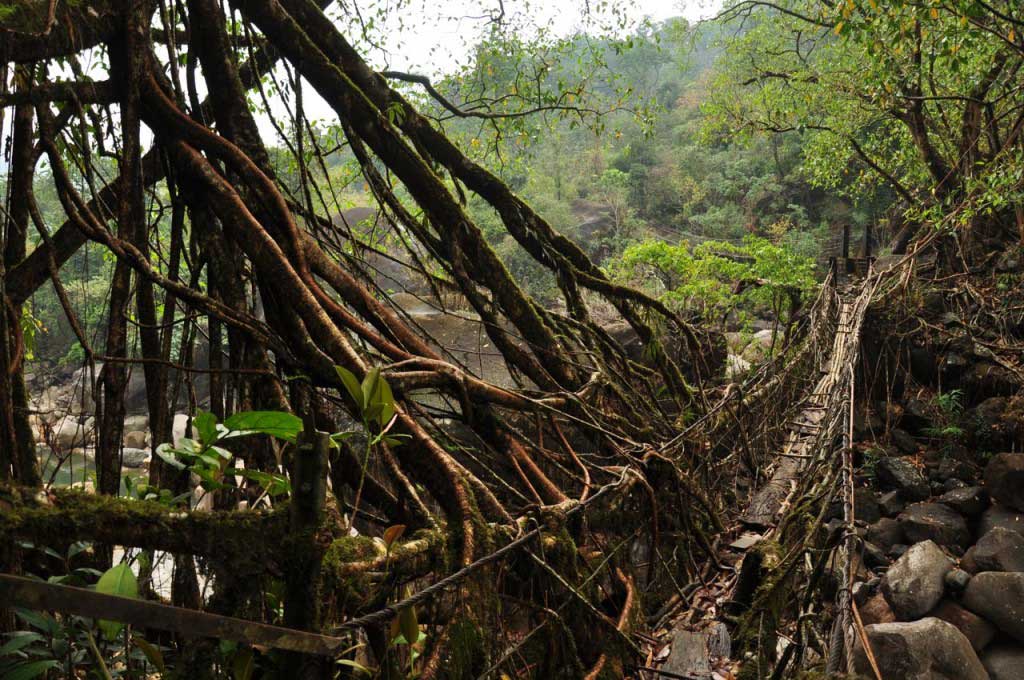
Living Root Bridges… between mosses and fairies!

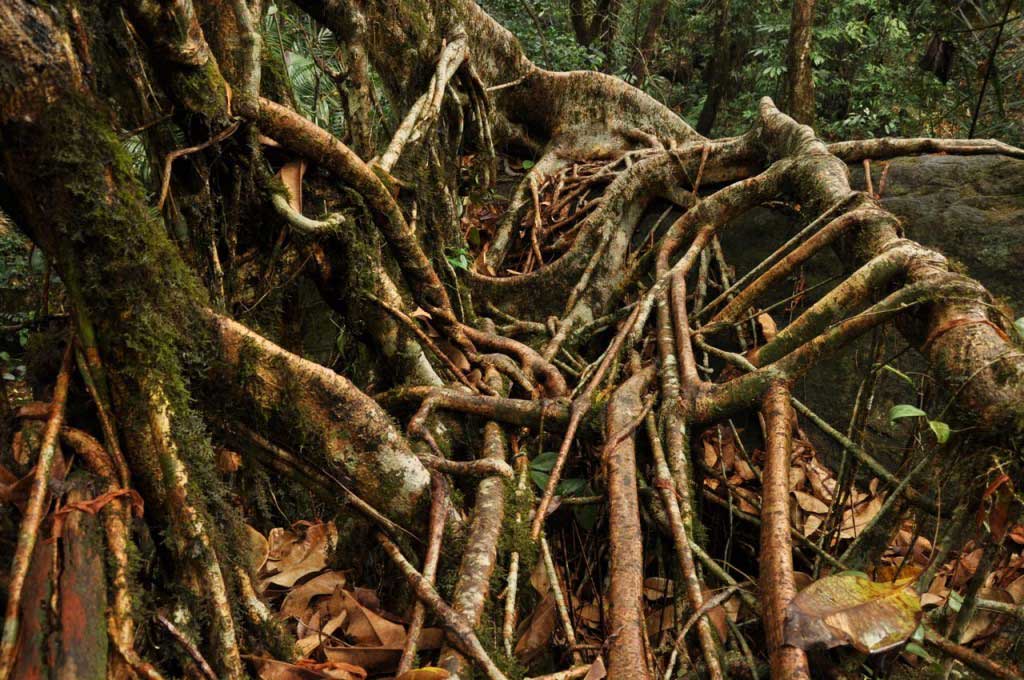
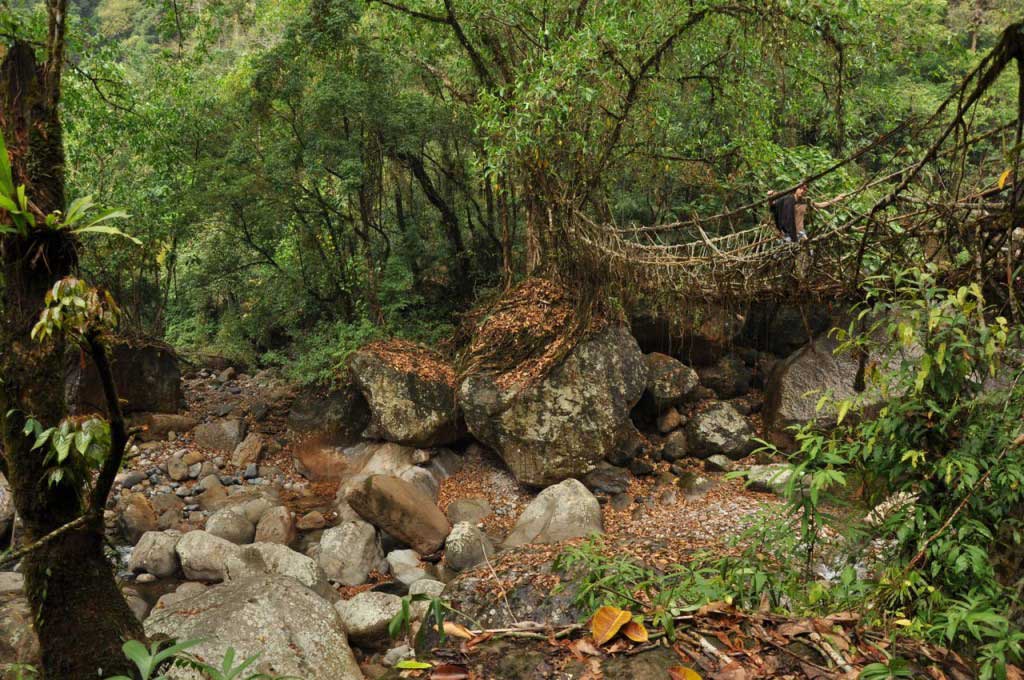
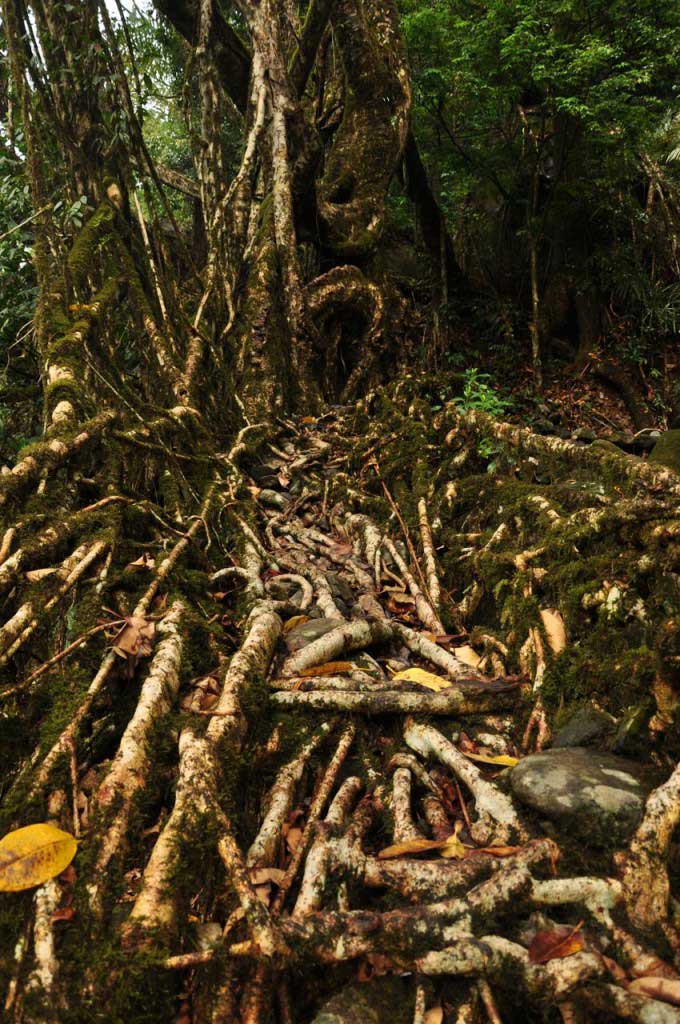
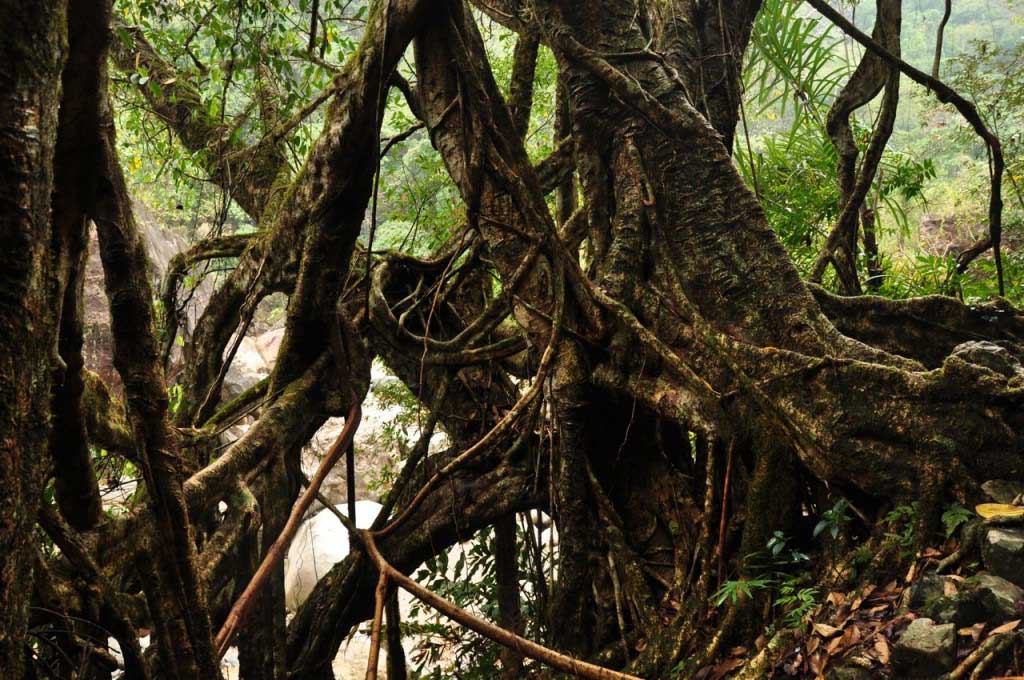
The enchanted forest where grow bridges made of tree roots, where time seems suspended in a dream, where nature does magic tricks, where the light gets filtered through the ceiling formed by the treetops, where we are transported to another dimension, as if we had entered in a world where fairies and gnomes watch us through mosses and raindrops.

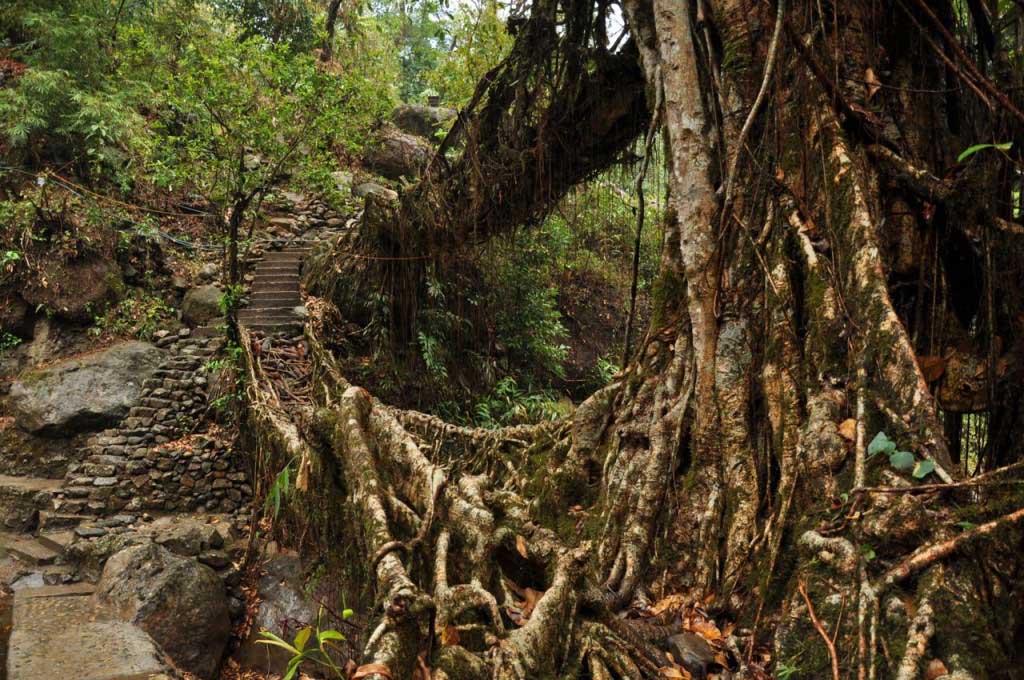
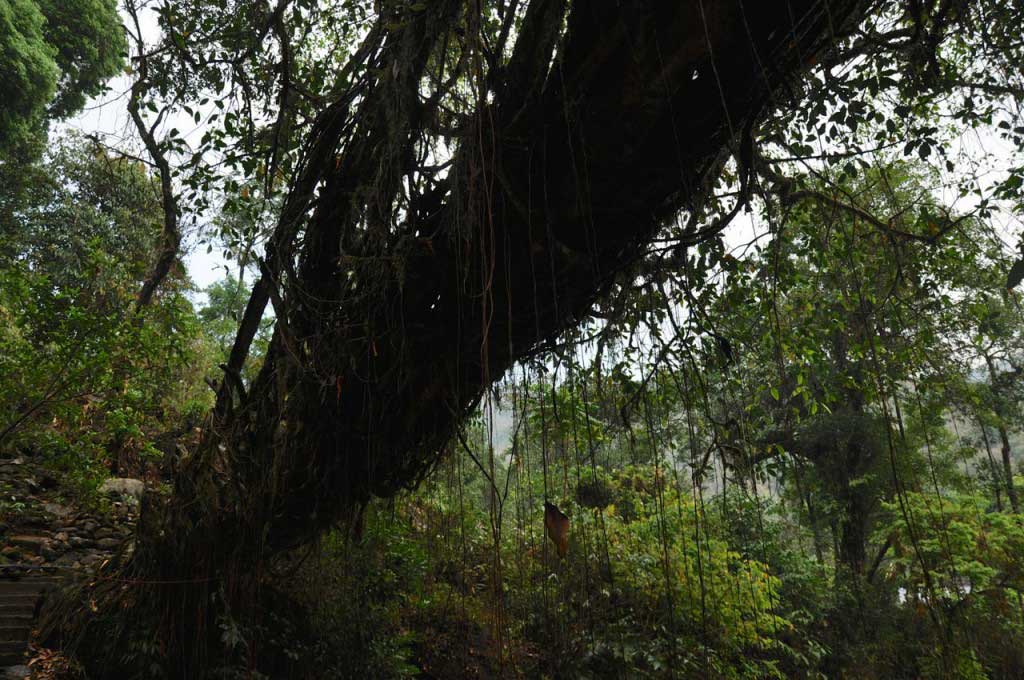
The bridges created by the patient hand of man, seem to come directly from the trees, as if they had decided to reach out to the other side of the river, merging with stones and relying on the trunks. A discrete layer of moss and lichen cover the surface form by these living structures, a shelter for insects and tiny animal life, which seems indifferent to human engineer skills.

But not only the bridges make this place special. The surrounding landscape, which adds the fantastic atmosphere that is perceived in the middle of the forest, from where emanates such energy, able to rejoin the man to our primordial roots, catalyzing the exchange of energies.

There are no words to describe the magic of this place… and the photos can only give a visual impression, not containing the forest energy, with the harmonious nature sounds, neither the sensations that flood our senses, making the memories of days spent in Nongriat a dreamlike memory.

… A place where we are observed by fairies, goblins, elfes and gnomes!


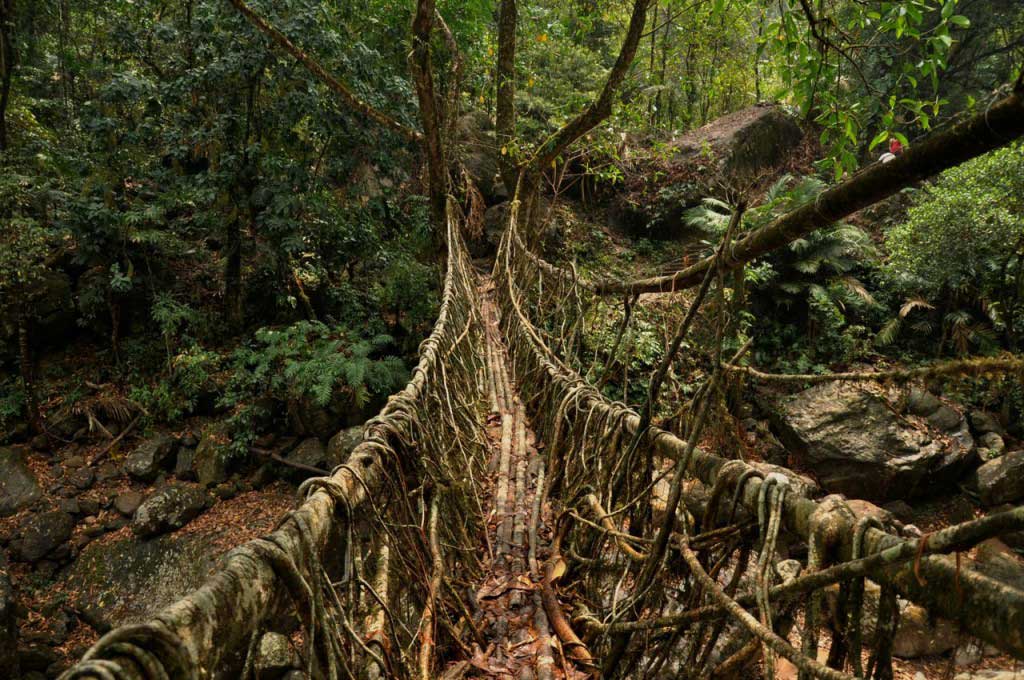
Living root bridges. Nongriat. Megahlaya


Living root bridges. Nongriat. Megahlaya


Living root bridges. Nongriat. Megahlaya


Living root bridges. Nongriat. Megahlaya


Living root bridges. Nongriat. Megahlaya


Living root bridges. Nongriat. Megahlaya


Living root bridges. Nongriat. Megahlaya


Living root bridges. Nongriat. Megahlaya


Living root bridges. Nongriat. Megahlaya


Living root bridges. Nongriat. Megahlaya


Living root bridges. Nongriat. Megahlaya


Living root bridges. Nongriat. Megahlaya


More about Nongriat living root bridges:

The living root bridges are work of human engineering, when man learn how to take advantage of nature, in a perfect harmony. Taking advantage of the long aerial roots of an endemic tree (ficus erratica), the local population intertwining these roots with logs and bamboos, along generations, creating vegetable bridges to cross the rivers that run through the valleys of Khasi Hills.

Each one of these bridges, adapts perfectly to the site, seem to merge with nature. Going down the hill towards Nongriat, the Jingkieng Pi-Tymmen bridge, the longest of this root bridges. After crossing Nongriat village we arrive at the famous double-deck bridge, whose two levels resulting from the need to cross the river when the monsoon rains make the river submerge the lower level of the bridge. Walking towards the Rainbow Waterfall we cross the Maw Saw bridge, that has the most mysterious and fantastic atmosphere.

There are several bridges made from roots of the ficus tree in Khasi Hills, but Nongriat has the privilege to have a higher number, making this village a good base for exploring paths and discover other living root bridges.


Living root bridges. Nongriat. Megahlaya


Where to stay in Nongriat:

http://steppingoutofbabylon.com/en/2016/07/nongritat-and-the-living-root-bridges/

Where to eat in Nongriat:

http://steppingoutofbabylon.com/en/2016/07/nongritat-and-the-living-root-bridges/

How to go from Sohra (Cherrapunjee) to Nongriat:

http://steppingoutofbabylon.com/en/2016/07/nongritat-and-the-living-root-bridges/

Nongritat and the living root bridges

Magic. Dream. Unreal.

Words that show up in my mind when I recall Nongriat.

Nongriat
Nongriat


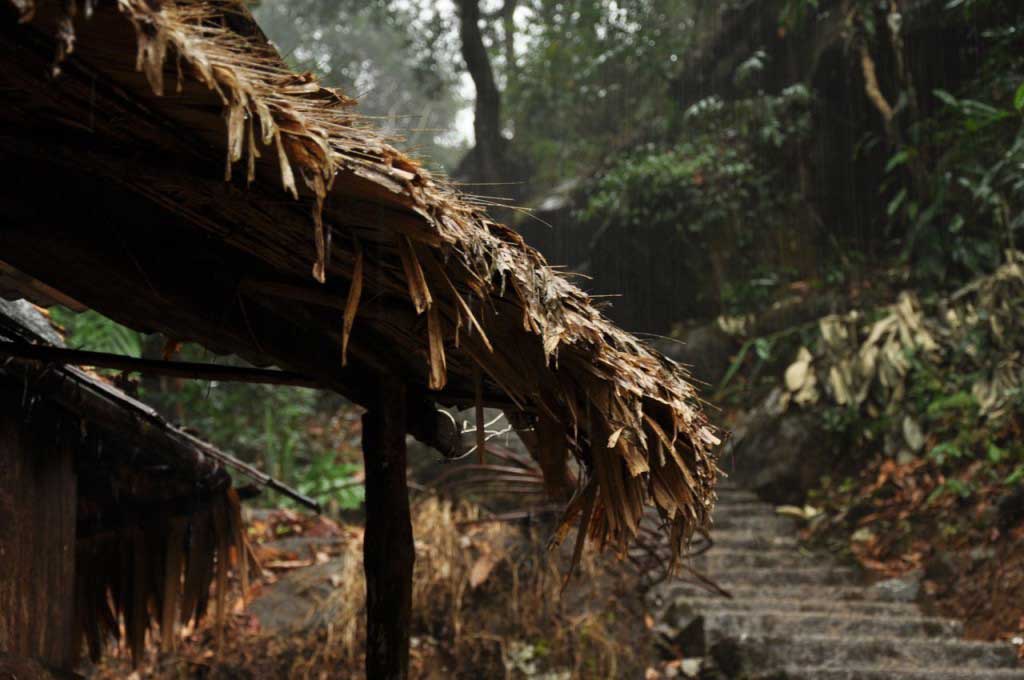
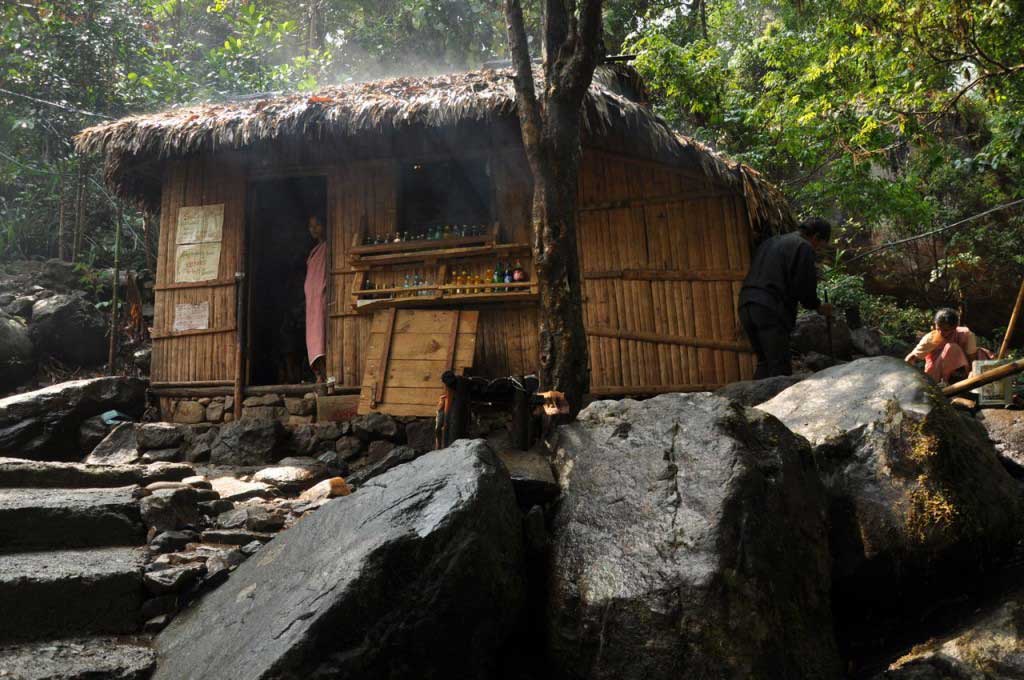
The rain, though predictable, unexpectedly began as we start the descent to the village of Nongriat, forcing to some breaks for tea and rest in modest bamboo huts. But what was coming to be an inconvenience proved to be a blessing, with the vegetation gaining a glow that gives greater vividness and contrast to the green nuances that fill entirely the horizon.

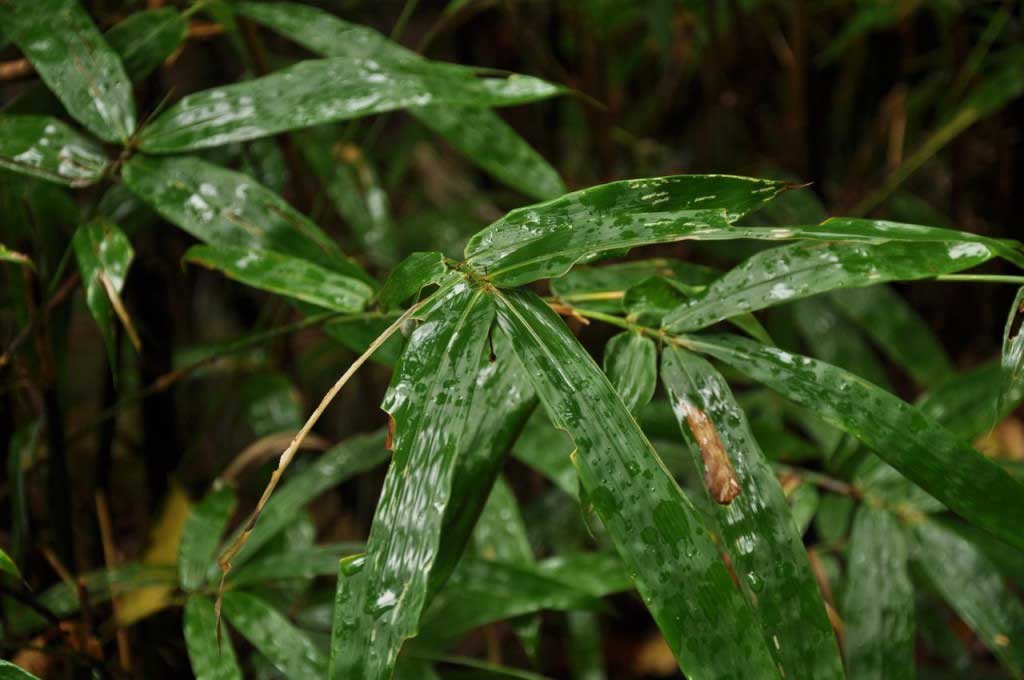
As the sound of drops of rain goes away, turn the shy sounds of the jungle, with an invisible orchestra formed by frogs and insects. Mosses and lichens show with all its power, absorbing water drops that slowly give off the bamboo leaves, which seem to bend under the weight of water.

a caminho de Nongriat
on the way to Nongriat


a caminho de Nongriat
on the way to Nongriat


a caminho de Nongriat
on the way to Nongriat


Despite having lost the title of rainiest place in the world, resulting from the persistent deforestation, both to feed the timber industry or as fuel for the local population, Nongriat and the surrounding region of Mawsynram and Cherrapunjee in East Khasi Hills, continue to show a high rainfall. Even out of the monsoon (July and August) heavy rains are frequent, which during the so-called dry season only lasts a few minutes. From this semi-tropical climate, resulting in a lush and diverse vegetation: giant trees, palm trees, bamboos, ferns and ficus, whose aerial roots are indispensable to the construction of footbridges, which make so many people come to Nongriat.

Nongriat. Megahlaya


Nongriat
Nongriat


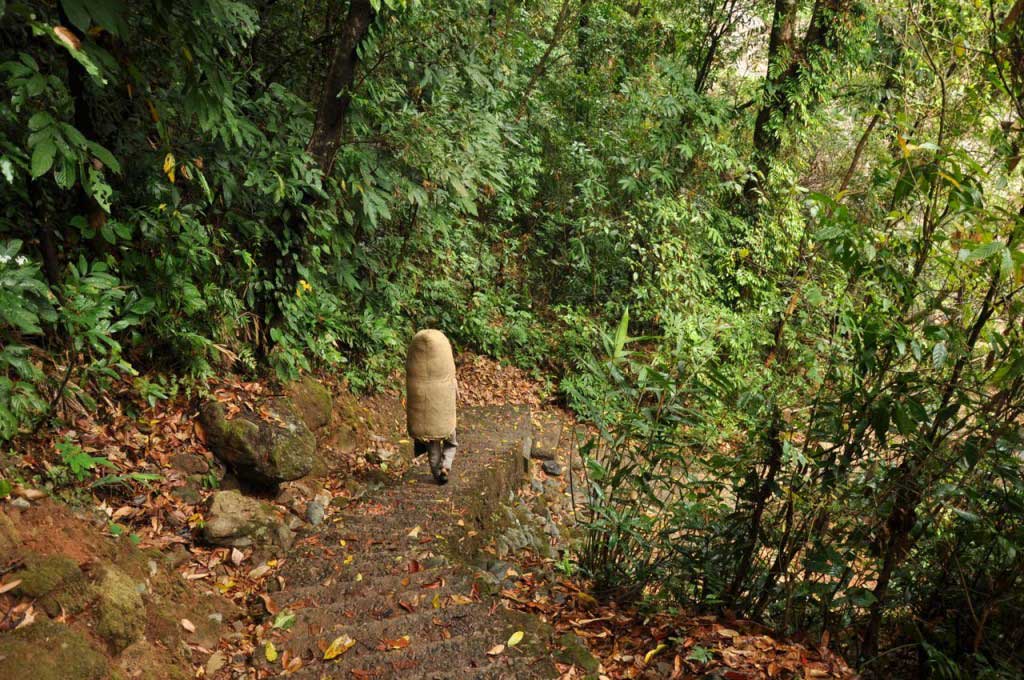
bay leaves porter. Nongriat


Nongriat. Megahlaya


 The night arrives early in the valley, with green slopes and be lost as the blue sky surrenders to the night, leaving the village in almost total darkness, interrupted here and there by the faint glow of electricity that reaches every home. It’s this darkness that makes me realize how far I’m from the so-called civilization and how comfortable can be this simple and modest lifestyle, where the contact with nature brings a deep calm and tranquility.

Enjoying the freshness brought by night, we are naturally invited to share the calm evening with the other guests, surrounded by the dark cloak of night. But an unexpected glow, with an unusual intensity, emerges from behind the mountains, drawing ever more clearly the top of the contours of the hilltop, in the opposite of the village. It is the show of moonrise, that here with the full moon night, offers a magical view that makes all people stare, creating a space of quietness in the cross talk of the guests.


Kashi Hills. Megahlaya


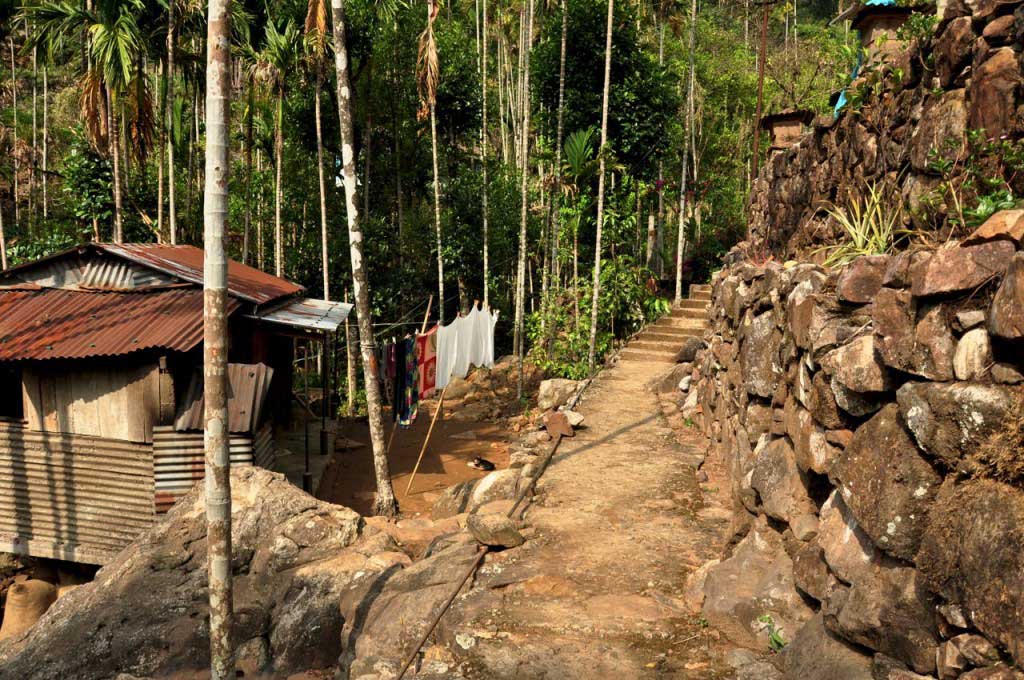
Nongriat is one of the hundreds of villages that are located on the slopes of the East Kashi Hills, and due to the isolation remain the traditional way of life of Kashi tribe almost intact. A lifestyle based on collecting product directly in the forest and sold them in Sohra market, that attracts people from that region every Wednesday. The forest provides pepper, bay leaf, betel nut, cinnamon, lemon juice… pineapples grow spontaneously a little everywhere, jackfruit abounds in the tree trunks, and around the village there’s beehive whose honey is also a business that supports the local economy. Porters go up and down the slopes bringing forest products and return with food and other products necessary for the simple life of this population of 150 people, where apparently the majority are children.

Nongriat. Megahlaya


Porter carrying bay leaves picket at the forest to be sold at Sohra weekly market


Vila de Nongriat
Nongriat village


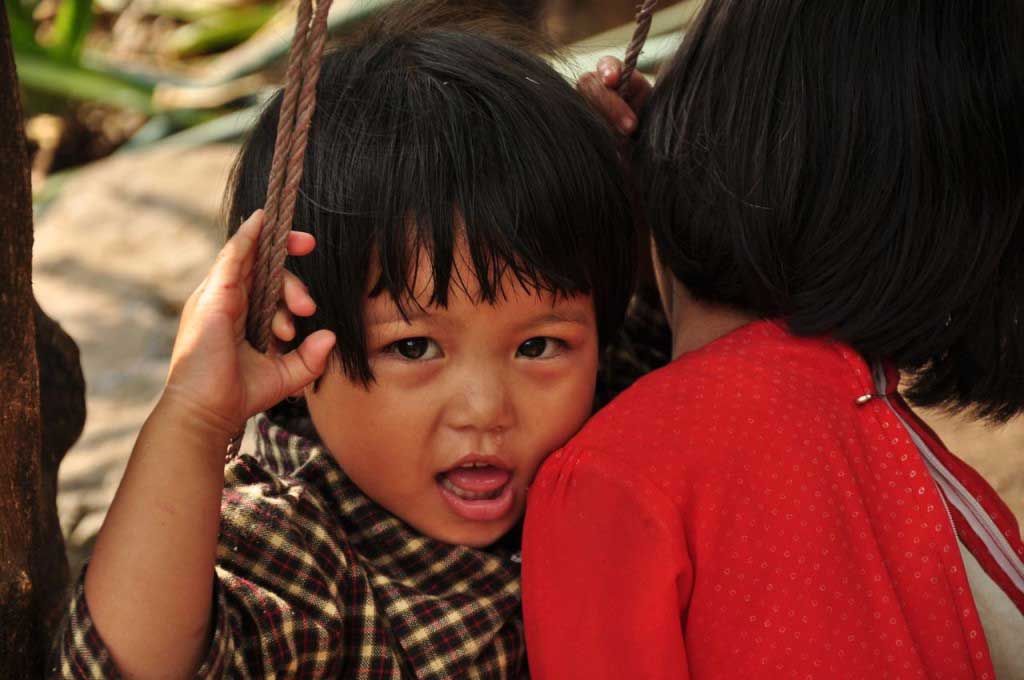
It’s the laugh of children in their restless plays that fills the air of the village, where is strange the absence of birds, monkeys and other animals. Early morning, in upright school uniform, the children forward to the village primary school, while the older ones need to climb the slope to take classes in Tyrna and Sohra. Despite the isolation and rural environment of this region, which could lead to a lack of interest in school, education is taken very seriously, with virtually all children going to school and learn English, language that is spoken by the majority of the population, even in the most remote villages as Sohra.

The Christian church is also a strong presence here in Megahlaya, that due to the remote location, as well as Nagaland, remained impervious to Hinduism, but could not resist the Christianization in the nineteenth century, during the British presence in India, imposed by missionaries that found here a fertile ground between an animist population.

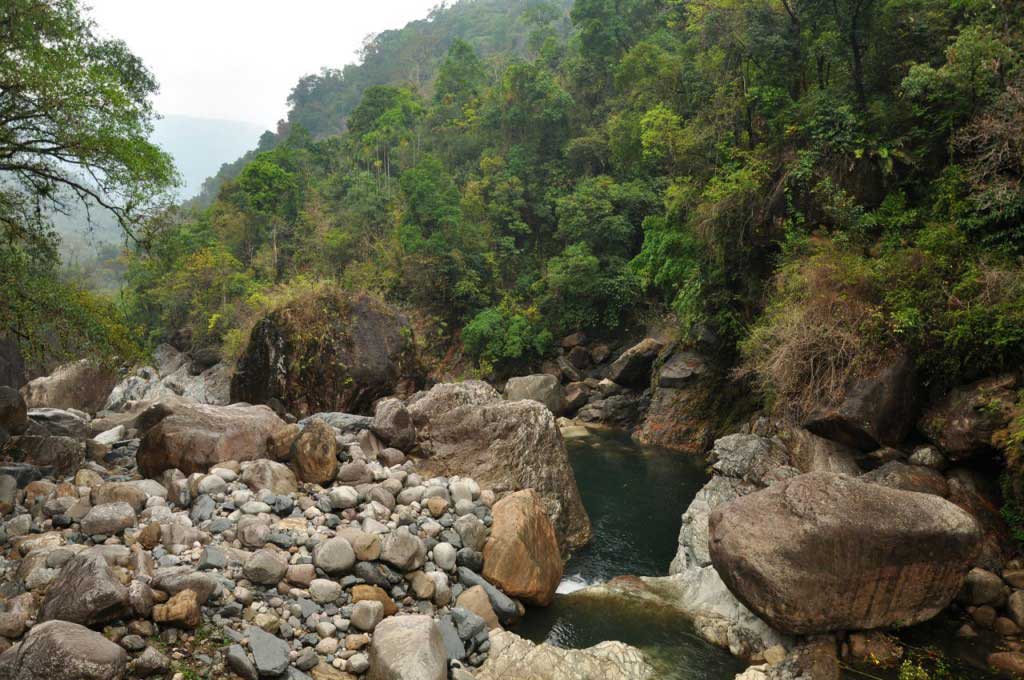
But Nongriat has more attractive than only the living root bridges, with several paths leaving from the village, some towards neighbouring village, who also hide other living bridges, others toward the waterfalls, being the Rainbow Waterfall the most popular destination. For those who want to bathe in the clear waters of this cascade, of an unusual blue, have to go down a steep path, but along the way, as well as in other parts of the rivers that surround Nongriat are several natural pools formed by granitic rocks along river bed, providing clear and calm waters for a refreshing bath, relieving the heaviness from warm and moist tropical air. During the monsoon is not allowed bathing in the river due to the force of the water.


uma das pontes suspensas junto à aldeia de Nongriat que dá acesso às Rainbow falls
suspension bridge along the way from Nongriat to the Rainbow falls


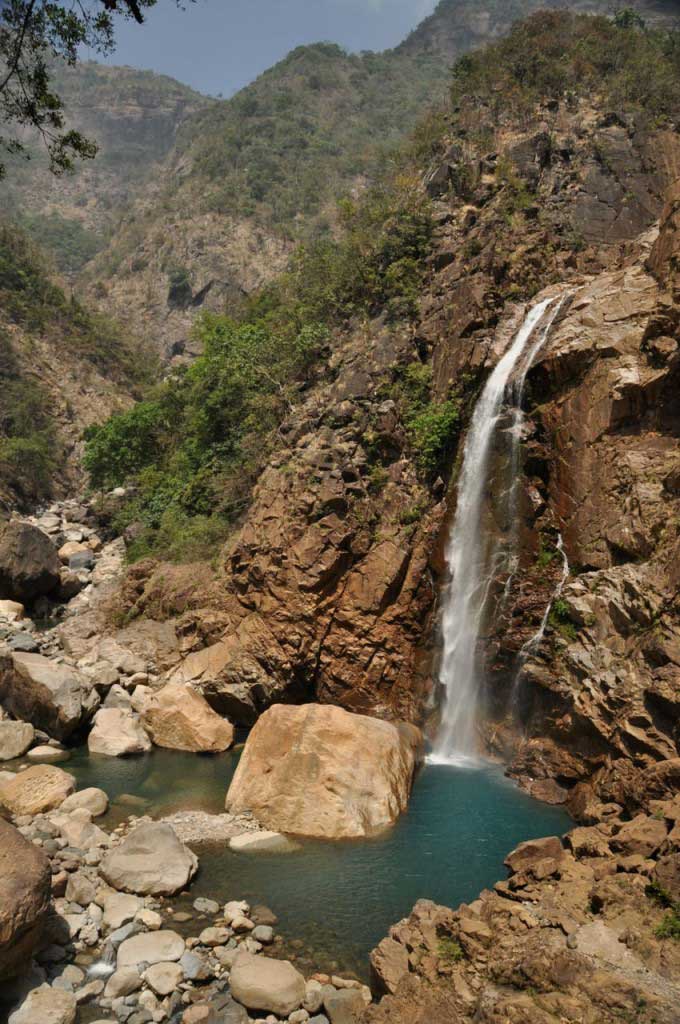
Rainbow falls. Nongriat. Megahlaya


Nongriat. Megahlaya

Hiking to Nongriat. practical information:


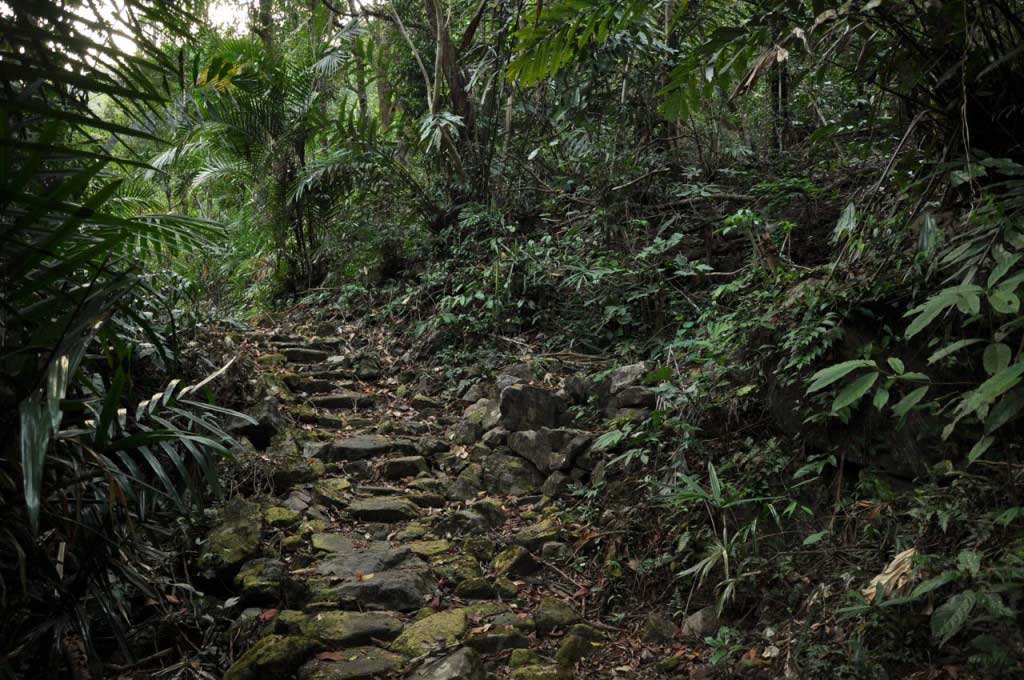
  • all the way is done along a very clear path, made in cement stairs that have fairly regular steps and it’s in good condition, as the result of financial funds to support the agricultural development of the region;
  • the descent is all done in steps until you reach the valley which then forces you to go through some metal suspension bridges; there are between 2500-3000 steps until Nongriat;
  • the descent is not difficult, but the hot and humid climate, causing a constant perspiration, make the most tiring journey;
  • the climb up is intense, forcing a few stops that are always a good time to enjoy the view; enough water is required in particular for the ascending path;
  • the descent takes less than 1.5 hours, with some stops for enjoying the views and rest, but the way up can take almost the doubled;
  • recommended to take the minimum weight in the backpack, it is advisable to leave most of the luggage at the guest house in Sohra.
  • if it rains a raincoat doesn’t prove to be effective because it causes, even more, sweat; it is better to have quickly dry clothes;
  • You do not need special shoes, some comfortable sandals serve perfectly, as all the way is cemented.
  • after Nongritat, if you wish to explore surrounding villages, hiking shoes may be more comfortable, but the sandals cover the needs if they have good grip in wet conditions;
  • it is recommended to stay at least one night Nongriat, to have the chance of visit more bridges, waterfalls and natural pools, away from the busiest trail;
  • during the weekend the number of visitors significantly increases, so it is best to arrive on Sunday and leave on the next Saturday morning, avoiding the noise and confusion and the view of the trash caused by irresponsible visitors who blindly seek “double deck bridge” just for the perfect selfie, totally unaware of the environment!!!


caminho para Nongriat


Where to stay in Nongriat:

There are three homestays in Nongriat. The first is at the entrance of the village, after crossing one of the living root bridges, one in the center of Nongriat, and the last is located just after crossing the double deck bridge. The Serene Homestay is the most popular and which offers better conditions. There are double rooms and shared room, but all have shared toilet outside. Dinner is prepared for all guests and for everyone else that ordered, served in buffet style, with delicious vegetarian food made by the owner and his wife.

The Serene Homestay

Bed: 200 rupees per person, regardless of double or shared room.

Dinner: 130 rupees

The owner Ryan is a good source of information about trails, pools and other villages and bridges in the valley, as also about the way of life and local culture. His environmental awareness and good English make Ryan the spokesman of Nongriat and neighbouring villages, who come together to prevent the government to open a road to the valley. This so-called “progress” would destabilize the socio-economic way of life and would have environmental consequences resulting from the increase in visitors.

Serene Homestay, em Nongriat


Serene Homestay, em Nongriat


Where to eat in Nongritat:

Any of homestays in Nongriat serves food as well as the huts near the two roots bridge existing in Nongriat. However, it is a very simple food, mainly rice and dal… and chicken.

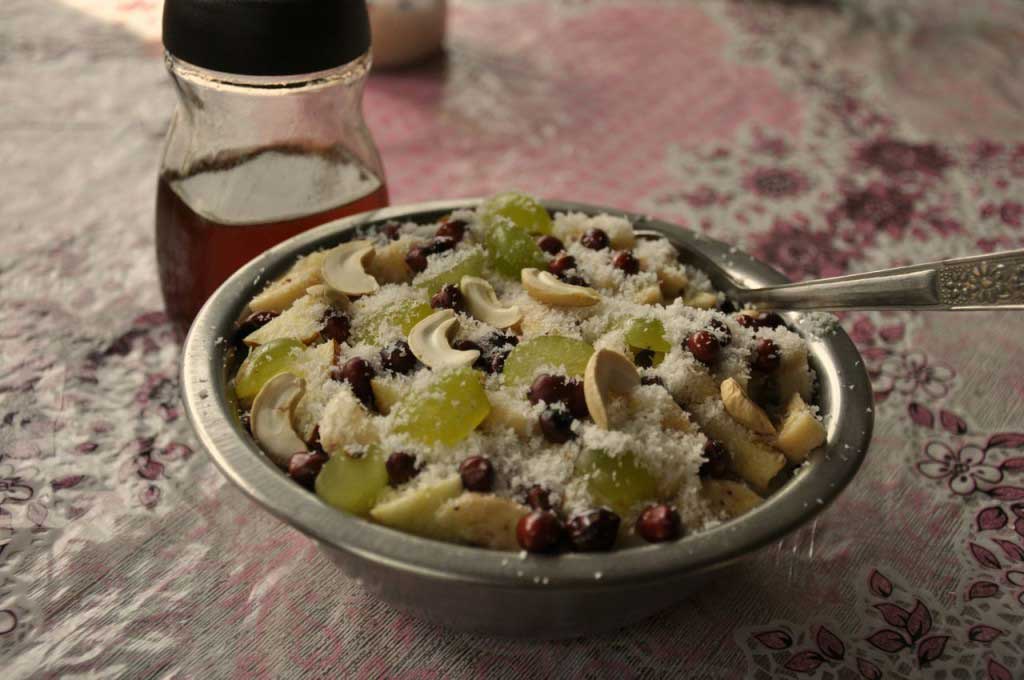
The best option is the Serene Homestay, with vegetarian food. The breakfast with porridge, fruit and nuts are delicious. Dinner (130 rupees) is served in buffet style, both for homestay guests as for who order in advance, and it is a great opportunity to socialize with other travelers.


pequeno-almoço no Serene Homestay, em Nongriatpequeno-almoço no Serene Homestay, em Nongriat
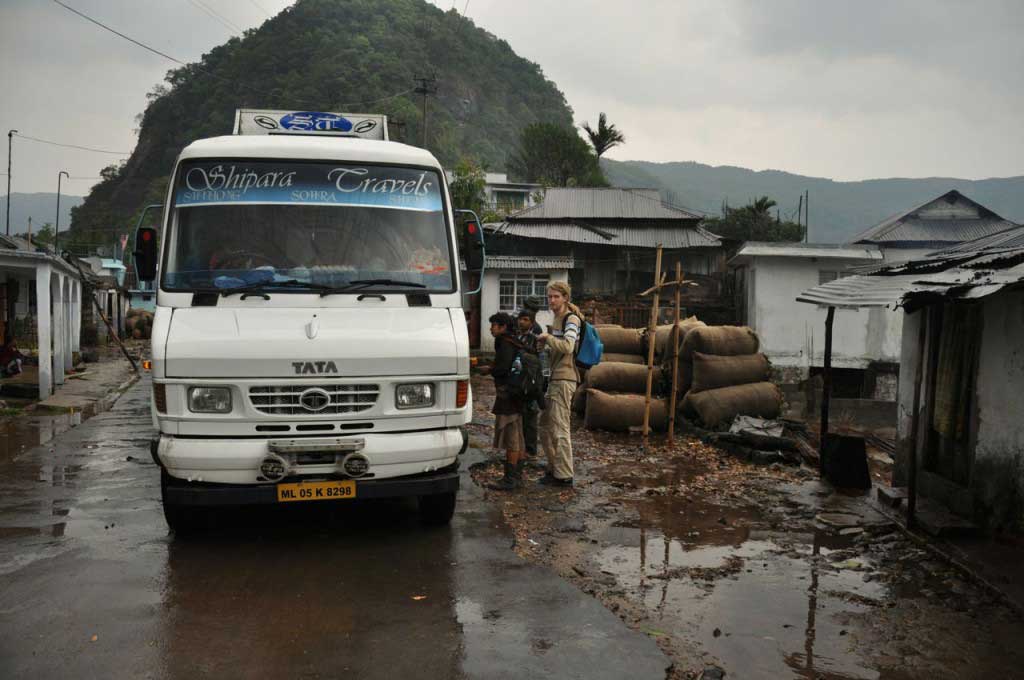
How to go from Sohra (Cherrapunjee) to Nongriat:

In front of the By the Way Lodge, there is a bus stand where around 9 am stops a bus bound for Tyrna, the nearest town of Nongriat with road access … from now on there are only paths down the mountain slopes to the villages located along the valley.
  • Bus Sohra to Tyrna (20 rupees) passes around 9 am, the trip takes about 1 hour)
  • shared-taxi Sohra to Tyrna: 40 rupees
  • in Tyrna is necessary to walk the road to find the path that leads to Nongriat, about 30 minutes walk down the road. Just go asked for “Nongriat” the local population because everyone knows the way, even the children.
  • Coming to a small cluster of houses, where there is a shop chai made in bamboo, the trail to Nongriat is on the left side that second account has more than 2,800 steps and a few suspension bridges until reaching Nongriat.
 

Bus de Sohra para Tyrna


Tyrna
Tyrna

Cherrapunjee… the wettest place on earth?!

Cherrapunjee or Sohra?!?!?!?… the first name is the “official” and is the one on the maps, the second name is by which this village, situated on a plateau near the Khasi Hills, is known by the local population, belonging to Khasi tribe.

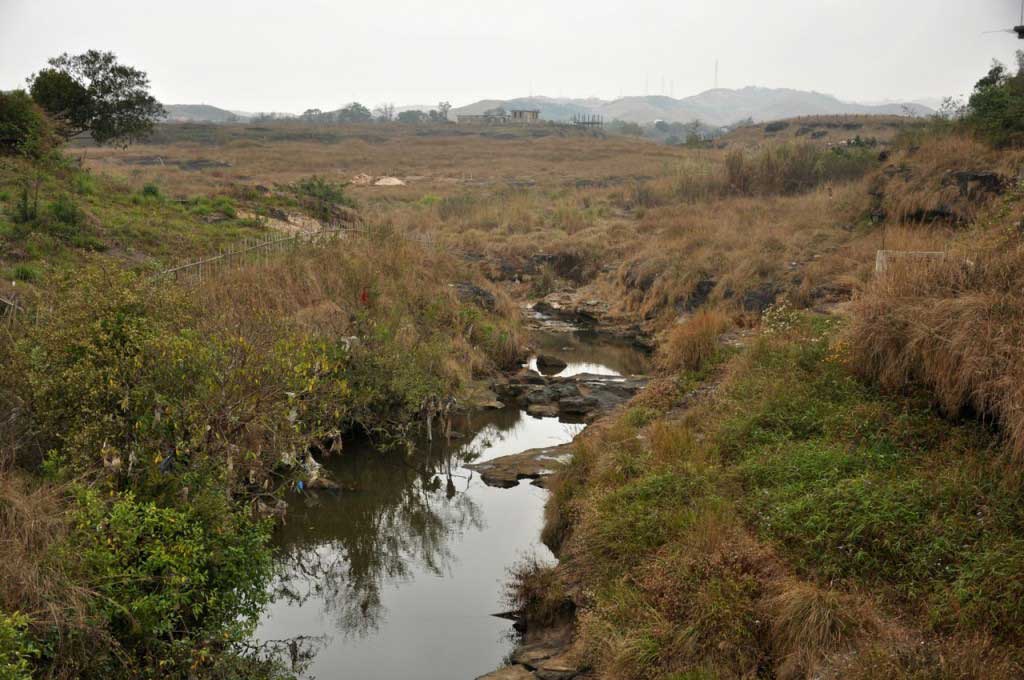
At this time of year, when the monsoon rains are a distant memory, only streams slide the bedrock of this plateau, where the green grass surrenders to dryness, changing to yellow tones.

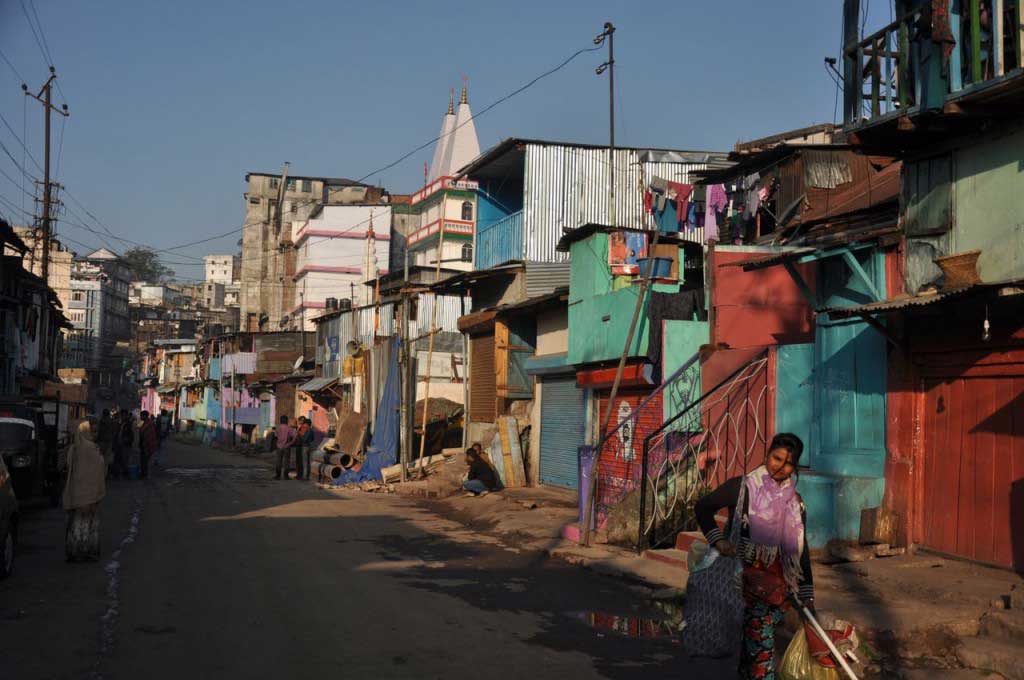
After leaving behind the gray city of Shillong, and traveling by the winding road of rural landscapes and mountains of profuse vegetation, where we witness the bucolic but hard rural life, one comes to the desolate village of Sohra. The arrival on Sunday morning, with the sky covered with a soft blanket of gray clouds, the shops closed, streets empty of people and roads deserted of traffic, left a gloomy impression that even the next day, with the sun shining in a blue sky, could not erase.

Sohra (Cherrapunjee)
Sohra
Sohra (Cherrapunjee)

In a region heavily dominated by Christianity, in different forms, Christians, Anglicans, Protestants, Evangelicals, Presbyterians, etc…, the Sunday is entirely reserved for church. By midmorning, the deserted streets of Sohra, are gaining some colorful, with people walking towards the various churches in fancy clothes, where men dress impeccably ironed shirts, women wear lungis made from sophisticated fabrics, girls wear proudly pompous and colorful dresses and hair carefully combed, with fancy ties.

Situated on a plateau of the Khasi Hills, about 1400 meters above sea level, Sohra suffers from desertification, in an area where agriculture is difficult in a field depleted by erosion resulting from logging, which caused already visible climate change that made this place, formerly called “wettest place on earth,” has lost this title.

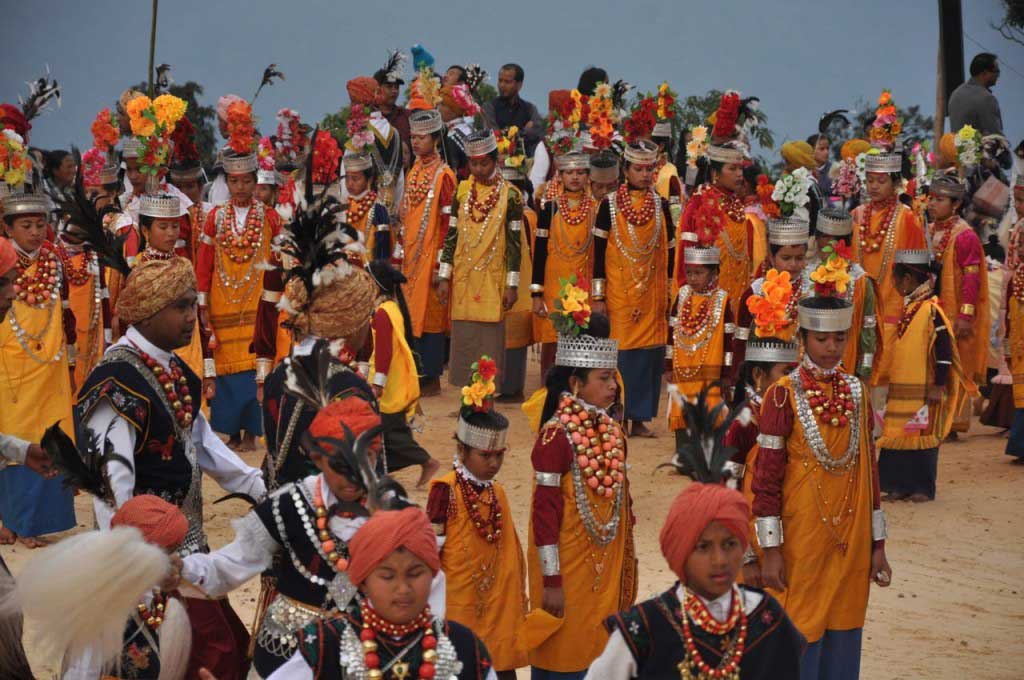
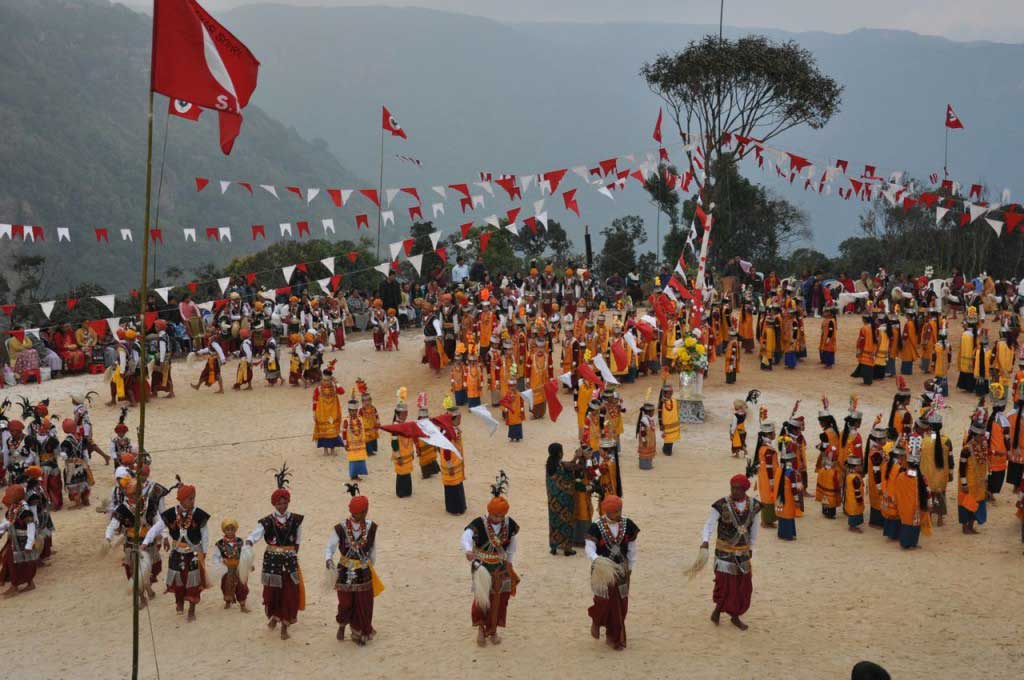
Kashi festival, Sohra (Cherrapunjee)

However Shora is obligatory passage point for those exploring the slopes of the Khasi Hills, and also serves as a technical stopover for those who want to come down to the valleys, where inhabitants keep the traditional way of life of Khasi culture. The village of Nogriat stands out by the fantastic bridges made from living tree roots: the living root bridges.

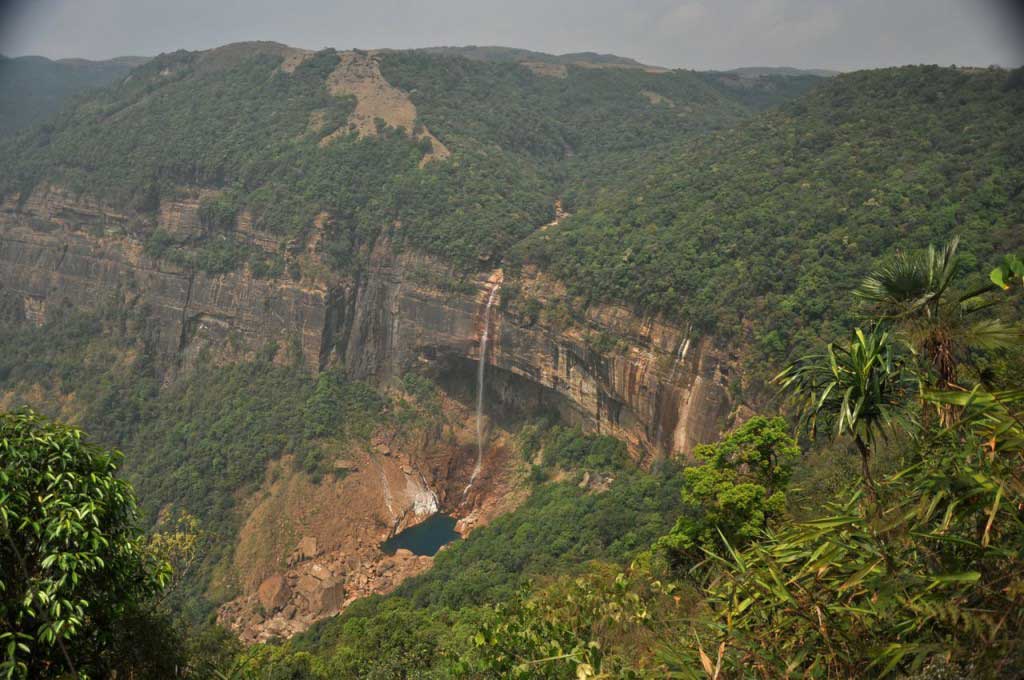
There is little to do or see in Sohra, but the day can be used for a visit to Nohkalikai Falls, 5 kilometers Sohra Market. In April, the amount of water in the rivers is not abundant, but still, a visit to the falls provides an interesting walk and a view of the chain of hills that extends to the Bangladesh border.

Nohkalikai Falls. Sohra (Cherrapunjee)

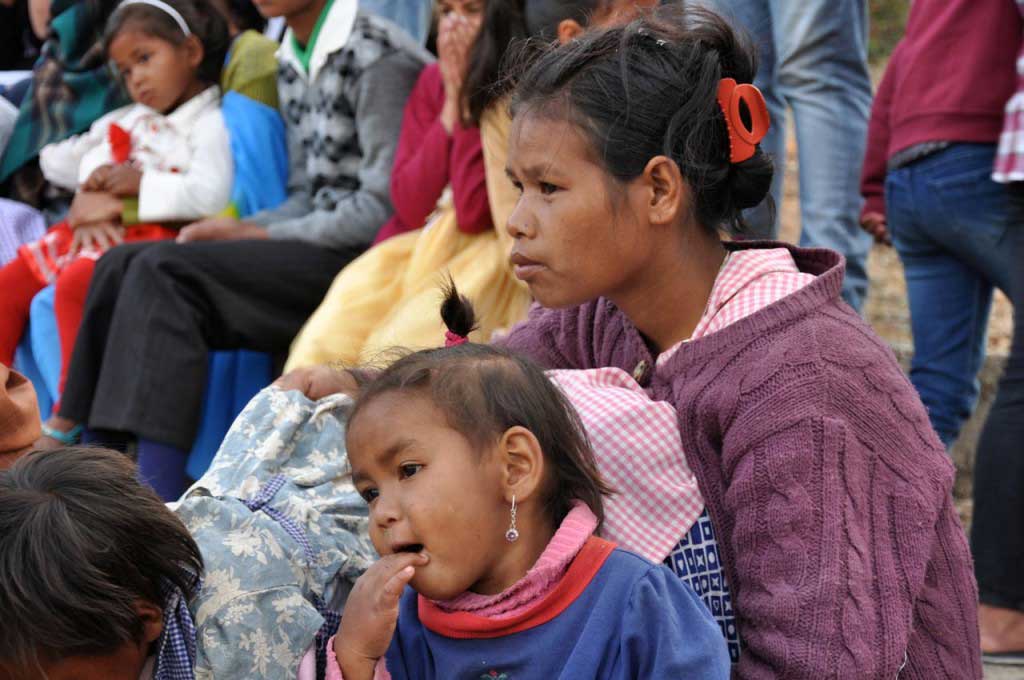
The stay of a day Sohra gave the opportunity to watch the last three days of a festival, where children and adults, wearing traditional costumes, performed dances to the sound of a minimalist and repetitive music.

Kashi festival, Sohra (Cherrapunjee)

Nohkalikai Falls:

Ticket: 10 rupees + 20 rupees for camera.

There isn’t a public transportation to the waterfalls, so the option is to get a taxi (300 rupees) or try to hitchhiking.

Tarifas. Nohkalikai Falls. Sohra (Cherrapunjee)
Entry fees to Nohkalikai Falls. Sohra (Cherrapunjee)

Onde dormir em Sohra:

There are several options in terms of accommodation in Sohra, but most are located in Lower Cherrapunjee, in an area where the houses are a bit spread, about 3 kilometers from Sohra Market, the town center.

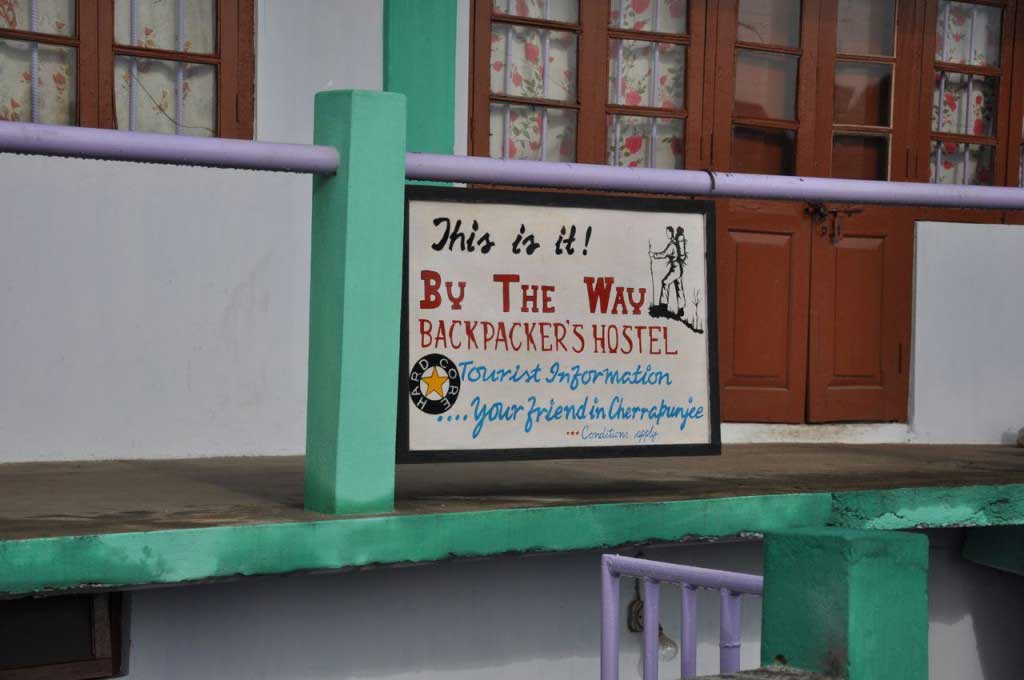
Of the various accommodations available the choice was for the unassuming By the Way Lodge, where the owner, who looks more like a Rastafarian, welcomes us with kindness, providing all the information.

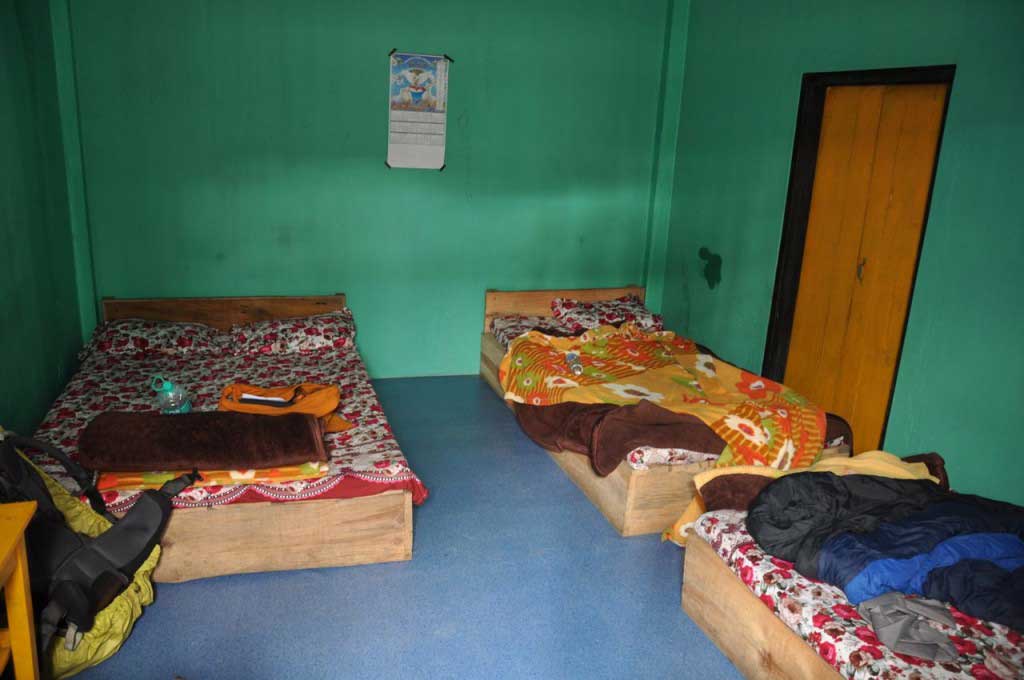
There are two dorms and a few rooms. The toilet and shower (with hot water) are shared and located outside the room, as the local custom, but are modern and spotlessly clean. There’s a good atmosphere and is the ideal place to meet other backpackers and rest, before and after, the demanding way to Nongriat. You can leave part of the luggage at the By the Way Lodge.

By the Way Lodge (Dukan Road, Lower Cherrapunjee). Nearby Indian Petrol Pump station. Less than 500 meters from the last sumo stand.

Dorm: 250 rupees

The By the way hostel is located close to India Petrol pump station. Less than 500 meters from the last stop of sumo in Lower Cherrapunjee.

By the Way Backpackers Hostel. Sohra (Cherrapunjee)

Lower Cherrapunjee does not have much to offer than some restaurants and accommodations, but is a large area of natural landscape, that right after the monsoon is totally green and crossed by streams, but in March starts to get dry. But the By the Way Lodge and the friendliness of its owner are more than enough reasons to choose to stay in Lower Cherrapunjee before going to Nongriat.

Where to eat in Sohra (Cherrapunjee):

Meghalaya cuisine, not being friendly to vegetarians, is possible to find the traditional dishes of Indian cuisine, as also some Asian vegetarian option the Lower Cherrapunjee restaurants.

7 Trep Restaurant: Good Indian food. A curry with a rich variety of vegetables served in a generous portion and served with a big bowl of rice only costs 70 rupees. The noodles and momos are the favorites of the local population. The food is cooked at the moment, which may take a while. The staff is very friendly.

Sunday everything is closed in Sohra Market, but some restaurants are open in Lower Cherrapunjee.

But for those who want to get an early start, there are few options for breakfast. There a few small shops, a mixture of coffee and groceries, serving milk-tea and meals, based mainly on rice and meat, from 8.30 in the morning.

um restaurante local em Sohra (Cherrapunjee)
local restaurant, Sohra (Cherrapunjee)
pequeno-almoço num restaurante local em Sohra (Cherrapunjee)
rice and chickpeas as a breakfast at a local restaurant, Sohra (Cherrapunjee)

Transports in Sohra (Cherrapunjee):

To cover the three kilometers separating Lower Cherrapunjee from Sohra Market there are shared-taxis (locally called “tempo”) picking up and dropping passengers, along the road, without any specific place. Usually you have to wait until they are nearly full to do the trip. The tempo are small cars (Maruti Suzuki) painted in black and yellow.

  • Shared taxis Lower Cherrapunjee to Sohra Market: 10 INR
paragem de "sumos" em Lower Cherrapunjee
“sumo” stand at Lower Cherrapunjee

How to go from Sohra (Cherrapunjee) to Nongriat:

In front of the By the Way Lodge, there is a bus stand where the 9 am passes a bus bound for Tyrna, the nearest town of Nongriat with road access… from there are only paths down the mountain to the villages located along the valley.
  • Bus Sohra to Tyrna 20 (INR passes around 9 am, the trip takes close to 1 hour)
  • shared-taxi Sohra to Tyrna: 40 INR
  • in Tyrna is necessary to walk the road to find the path that leads to Nongriat, about 30 minutes walk down the road. Just asked for “Nongriat” to the local population because everyone knows to show the way, even the children.
  • arriving to a small group of houses where there is a bamboo chai-shop, the trail to Nongriat, that has more than 2,800 steps and a few suspension bridges until reaching the village.

ATM in Sohra:

There is no ATM in Lower Cherrapunjee, next to the petrol station, on the Dukan Road, as well as in Sohra Market.

There is no ATM in Tyrna or Nongriat.

How to go from Sohra (Cherrapunjee) to Shilllong:

Both in Lower Cherrapunjee as in Sohra Market, sumos (shared jeeps with yellow color) link daily (except Sundays) Sohra to Shillong. They work from dawn until the end of the day. The trip starts when the tempo is full.

  • sumo from Sohra to Shillong: 70 INR (1.5 hours)

elevation: 1484 m

population: 14.816

Shillong… arriving to the “abode of the clouds”

Being Shillong the capital of the Indian state of Meghalaya, which literally means “abode of the clouds” due to high rainfall, I was received by a grey clouds that in a few minutes became a storm, with the dark sky to light up with the sound of thundering, lowering the temperature and reminding us how unpredictable is the climate in mountain areas. After the storm was time to walk through the city center looking for budget accommodation. A task that has proved exasperating, similar to what had happened in Guwahati: many hotels don’t allow foreigners, it was weekend and Shillong attract people looking for fresh air, and some event that brought many visitors from the rest of India.

After the round the various hotels where the answer was almost always “full”, even when apparently the place was desert, finally comes up to a site – Marwari Basa Hotel – modest and reasonably priced, yet little warm considering the weather in Shillong. Followed another round, always trough the steep streets of the city, which proved fruitless, due to inflated prices and by the usual response of “full” in places that don’t have a license to host foreigners. Accepting the defeat, with fatigue making the legs heavy but with high morale, it was time to return Marwari Basa Hotel, that despite all show to be the best option… but to my astonishment, arriving at reception I’m received with discouraging “full”… how is it possible?!?!? 15 minutes before there more than ten rooms empty?!?!? Faced with the situation that it was obvious that there were no guests there, the owner has agreed to provide me a room, but at twice the price !!! Faced with such an unpleasant and idiot attitude, I turn back and restart my search. But this time, the reasonable knowledge acquired from the city center, allowed me to find a “cubicle” where to sleep, too expensive but comfortable and using the manager words “more or less clean”!

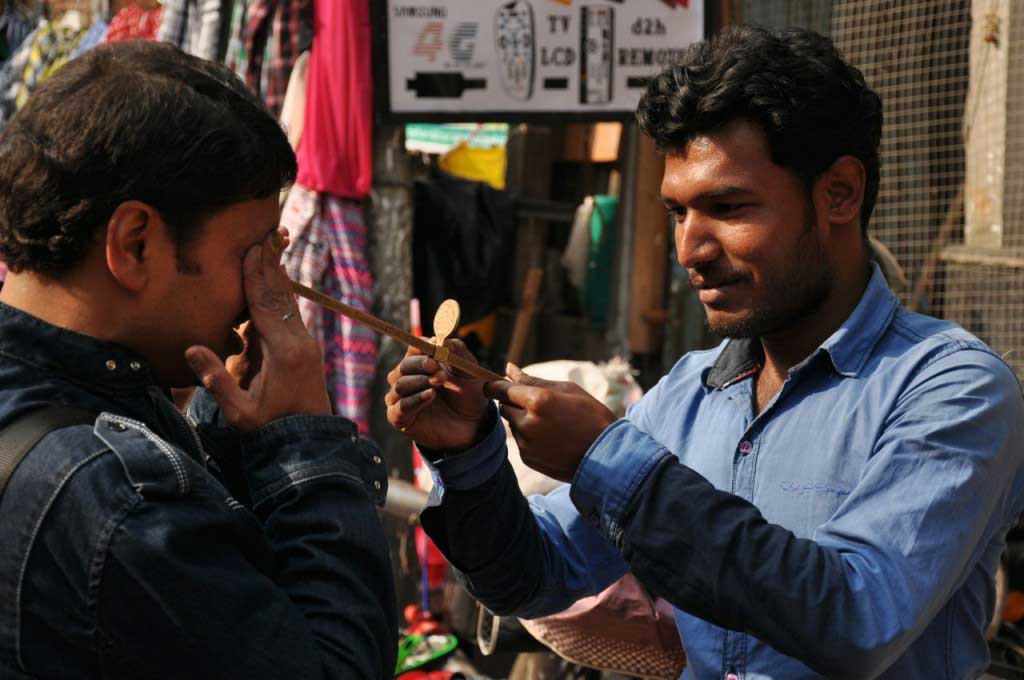
Medidnfo dioptrias no Police Bazaar. Shillong
need glasses?!?!?…. at Police Bazaar. Shillong

Shillong, the state capital of Meghalaya, due to the fresh and mild climate of the mountains attracts the inhabitants of the neighboring state of Assam, seeking relief from the scorching heat of the plains, in a city that is less than 3 hours from Guwahati.

Here the urban atmosphere wins an exotic touch by the presence of the inhabitants from the local tribes, the Kashi and the Garo, whose Mongols faces with fair skin, small and with a different outfit, easily stand out from the rest of the Indian population.

From the supposed atmosphere of British colonial times, that choose this place because of the fresh climate, little left in this concrete city, perched on a hilltop, and spread by the surrounding slopes. Here and there appear houses whose architecture reveals links to Europe, by the large windows, porches and gardens, but where the typical roofs, quite inclined and with complex configuration, were being replaced by the rusty color of metal rooftops.

The city center, locally designated Police Bazaar, surrounded by gray concrete buildings and a nearby roundabout, that link several main roads permanently busy, with heavy traffic, noisy and polluted, particularly the GS Road. Surprisingly the commercial area of the city has become modern and cosmopolitan with many shops selling the most popular international brands of clothing, which is reflected in the way of dressing of the younger population, which fully adopted the Western style.

Police Street. Shillong

Apart from this cosmopolitan area, located near the Police Bazaar, Shillong has other shopping areas, less sophisticated but more stimulating.

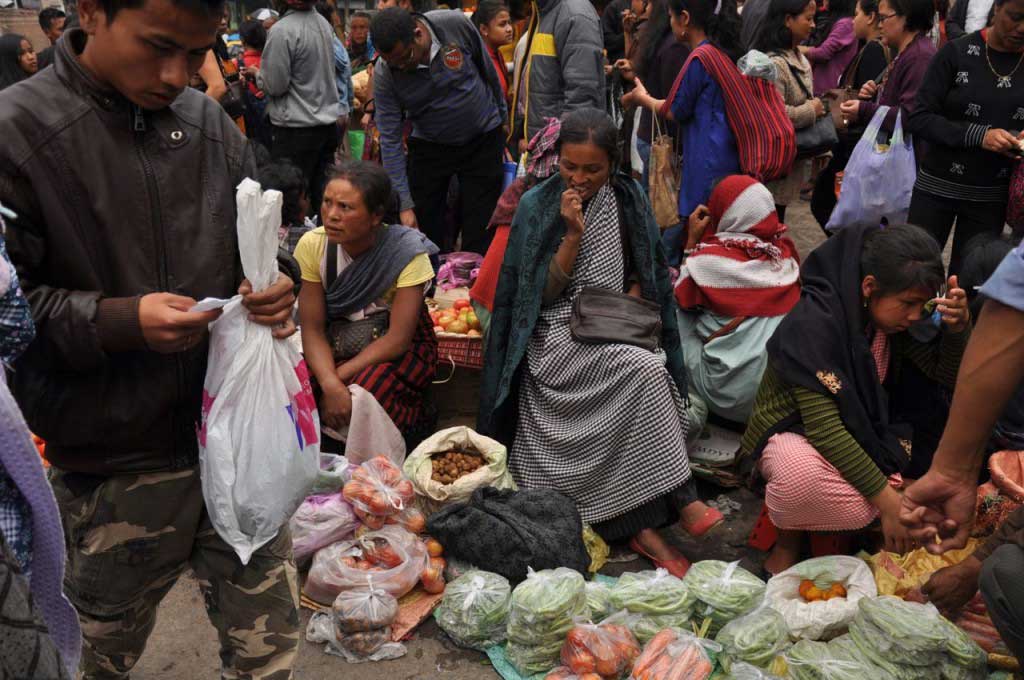
Wandering by gray and sad streets of decaying buildings along dirty and muddy streets we arrive at the Bara Bazaar (also called Bar bazaar). A market where is sold a bit of everything, where small shops align along narrow and winding streets, and whose merchandise extends beyond the limits of the shop, making even more difficult to walk along the crowded streets.

Bara Bazaar. Shillong

A vibrant and lively market, the Bara Bazaar is a good first contact with the population of the Kashi tribe, which dominates the hills of this area of Meghalaya state, and gather here to sell and purchase products, ranging from traditional artifacts to modern clothes, from plastic toys to farming tools, from homemade cakes to wild mushrooms!

Women from Kashi tribe, in addition to facial features, are easily identified by the outfit using a cloth, usually of chess pattern, which is fastened in the shoulder, covering the western style clothes that almost everybody dress.

Wandering through the market streets, the attention is diverted to the variety and originality of the food available so that from time to time one foot slips into a muddy hollow of the pavement. Here and there resemble curious and smiling eyes, in round faces that don’t allow photos.

Shillong
Shillong
Shillong
Shillong

Where to stay in Shillong:

There are lots of choices for accommodation, but the prices are too high for the conditions offered, with hotels more focused in Indian family style tourism and in businessmen, and not so much for backpackers. There are no proper guesthouses, but just hotels. Shillong is a popular weekend destination for Indian tourists from West Bengal state.

Near the Police Bazaar, along the GS Road, and on the back alleys Police Street, there are several options:

Marwari Basa Hotel: single 300 INR, double 600 INr, shared toilet. The rooms are very basic but with good light, all with shared bathroom. The building is old, entrenched between concrete buildings but has some charm. It lies between the GS Road (which is well labeled) and the Police Street, a narrow street that connects the two main arteries of the city, away from the GS Road noise. The owner’s son, apparently the boss, is very unfriendly.

Hotel Lamlyn (GS Road) single with toilet: 600 INR. Staff friendly but with a noisy environment. Some rooms have no window, as is the case of the individual room. Reasonably clean, with a modern en-suite and hot shower.

Hotel Lamlyn... "more or less clean sheets" using the word of the owner. Shillong
Hotel Lamlyn… “more or less clean sheets” using the word of the owner. Shillong


Apparently, there is a Youth Hostel in Shillong but couldn’t find or get any information.

Onde comer em Shillong:

In Shillong stand the Indian food restaurants, from the most modest to the most sophisticated.

But the choice was for the momos, a obvious Asian influence, in a small and humble restaurant in the pedestrian streets that linking GS Road and the Police Street (AC Lane). Only momos are served there, vegetarians and with meat, and a soup, a thick chicken broth, with a meal costing only 40 rupees. The restaurant is open all day, but closes early, shortly after the setting of the sun, which here is ore or less, 5 pm.

momos restaurant. Shillong
Vegetarian momos at Shillong

In Bara Bazaar there are some restaurants, and along the streets is possible to find vendors, some with the delicious coconut cakes, steamed, that are a specialty from the neighbouring village of Sohra.

Transport in Shillong:

There are little to see in Shillong, and the center of the city can be done on foot, but all the streets are steep. The Police Bazaar Street is the most enjoyable for walking because it’s closed to traffic.

How to go from Shillong to Sohra (Cherrapunjee):

Few buses run on Saturdays in Meghalaya. No public or private buses to Sohra (Cherrapunjee) on Sundays; the only alternative is the sumo (shared taxis) or a taxi. On Sunday, there is no public transport in Meghalaya.

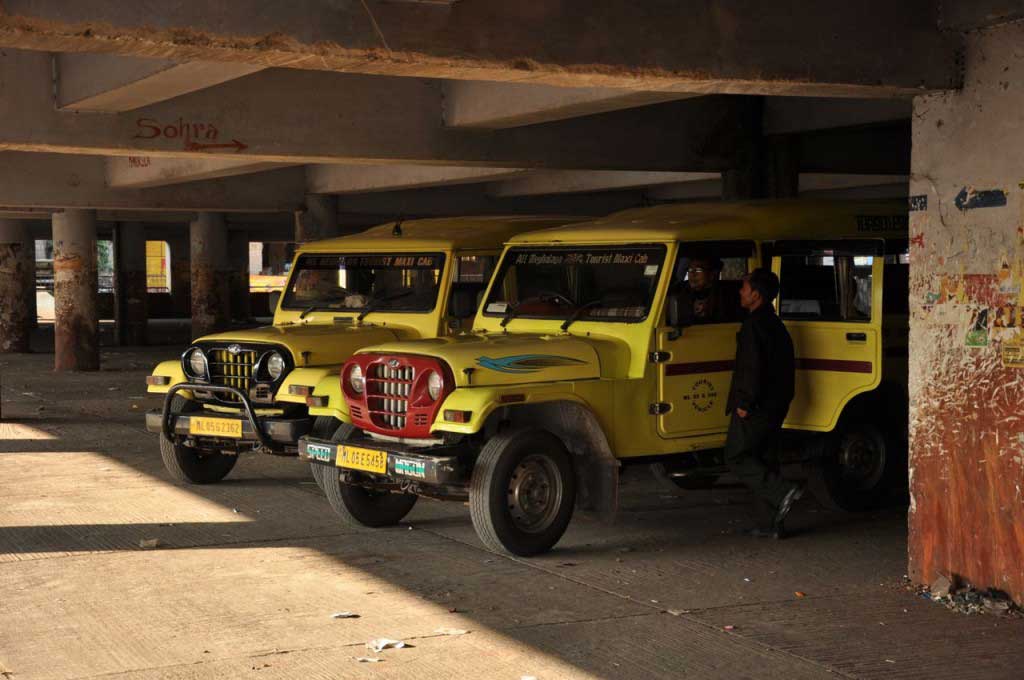
Anyway, sumos or buses depart from the same place, a bus terminal located near the Bara Bazaar. This terminal, a seemingly unfinished concrete building, are on the first-floor sumos to Sohra, that runs all day, since 6 a.m. and depart when they are full (11 passengers).

  • sumo (shared taxi) from Shillong to Sohra: 70 INR

The journey takes 1.5 hours. The view is beautiful and should seat on the left side of the vehicle, near the window. The sumo makes the first stop in Sohra Market, and the second stop in Lower Cherrapunjee, where is most of the lodgings and restaurants, and is what you might call tourist area.

"sumo" terminal. Bara Bazaar. Shillong
“sumo” terminal. Bara Bazaar. Shillong
"sumo" para Sohra. Bara Bazaar. Shillong
“sumo” para Sohra. Bara Bazaar. Shillong

How to go from Shillong to Guwahati:

Buses connecting Shillong to Guwahati depart from Bus Station that is located on GS Road, less than 5 minutes from the main roundabout. Directly opposite the station is an official Tourist Office, but little has interests because the maps provided are vague and has little information. But this Tourist Office can be useful for those who want to rent a vehicle with driver.

  • Bus ticket from Shillong to Guwahati: 135 rupees (4h)

Alternatively, you can make this trip in less time using a sumo (shared taxi). The sumo runs from Guwahati Keating Road, one of the roads out of the main roundabout.

  • sumo Shillong to Guwahati: 170 rupees (the journey takes at least about 2.45pm, depending on traffic)


elevation: 1525 m

population: 132.867

Guwahati… the gateway to Northeast States

Guwahati, not being the capital of the state of Assam, is the city that works as a gateway to the so-called Northeastern States, mainly due to its geographical position in a lowland area, between Bhutan and the mountains of the state of Meghalaya.

Under the generic name of Northeastern States, gathering seven states also called Seven Sisters, located in the extreme north-east of India, delimited by Bhutan, Bangladesh, Burma (Myanmar) and Tibet (China). These states along with Sikkim are “linked” to the rest of the India by a narrow strip of territory, part of the state of West Bengal. This strip of Indian territory between Nepal and Bangladesh is called “chicken’s neck,” that at some point only 23 km wide.

These Seven Sisters are Arunachal Pradesh, Assam, Meghalaya, Tripura, Mizoram, Manipur and Nagaland. Until recently these states had some restrictions being necessary permits to visit, but currently, only the state of Arunachal Pradesh requires permits, both foreign and Indian nationality, given the sensitive border with China.

Guwahati
Guwahati

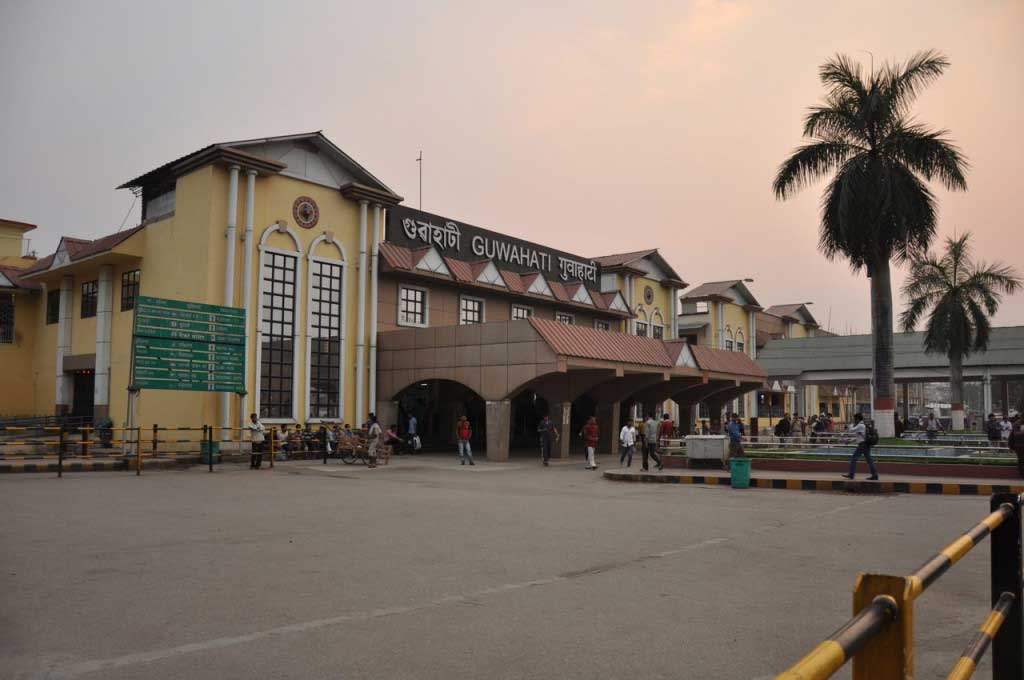
After a 30 hours train trip, the usual bustle of Indian big cities waits for us, with noise, traffic and the hurried movements of people. But Guwahati has the advantage of having the train station right in the center of the city, which avoids the usual stress of negotiating rates with tuk-tuks drivers.

And being the gateway to the northeastern states, it is noted upon arrival, a big ethnic diversity.

Leaving the train station we are faced with the Paltan Bazaar located on the left side of the busy national highway running through the town, the GS Road (Guwahati-Shillong Road). In Paltan Bazaar, within five minutes from the station and the bus terminal, there’re plenty of accommodations, dominating the hotels with a big range of prices and quality. But this is here where the difficulties begin. Many of the hotels don’t have the special license need to accept foreigners, given the small number of non-Indians visitors that come so far. Therefore, the most modest lodgings don’t accept foreigners, arguing that they are full when are obvious the room keys hanging patiently at the reception.

This way we are pushed to more expensive hotels, some taking advantage of the few alternatives, charging high prices for a room in miserable conditions… 600 rupees that don’t guarantee clean sheets!

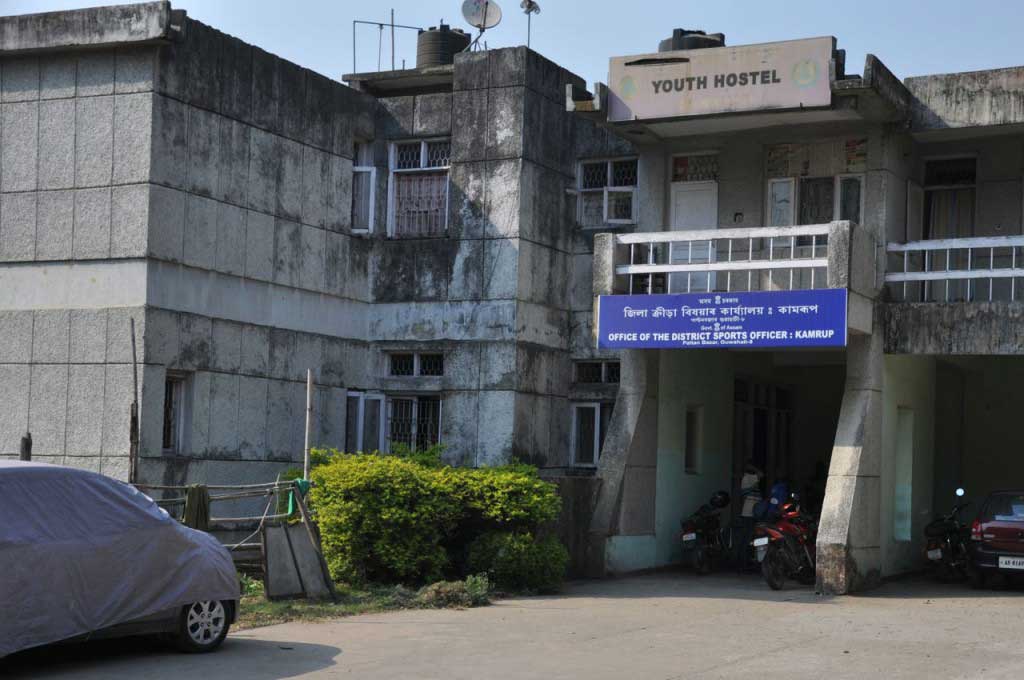
In this search for a place to sleep came on my way the Youth Hostel, an institution that I was unaware of existing in India. In a building that has seen better days, reigns an atmosphere of abandonment and emptiness, where the room show an urgent need of repairs and the toilet is decrepit, but cheap price, the clean sheets and the friendly staff made this place look like a warming shelter to spend a night, before traveling to the mountains of Meghalaya.

Fancy Bazzar
Fancy Bazaar


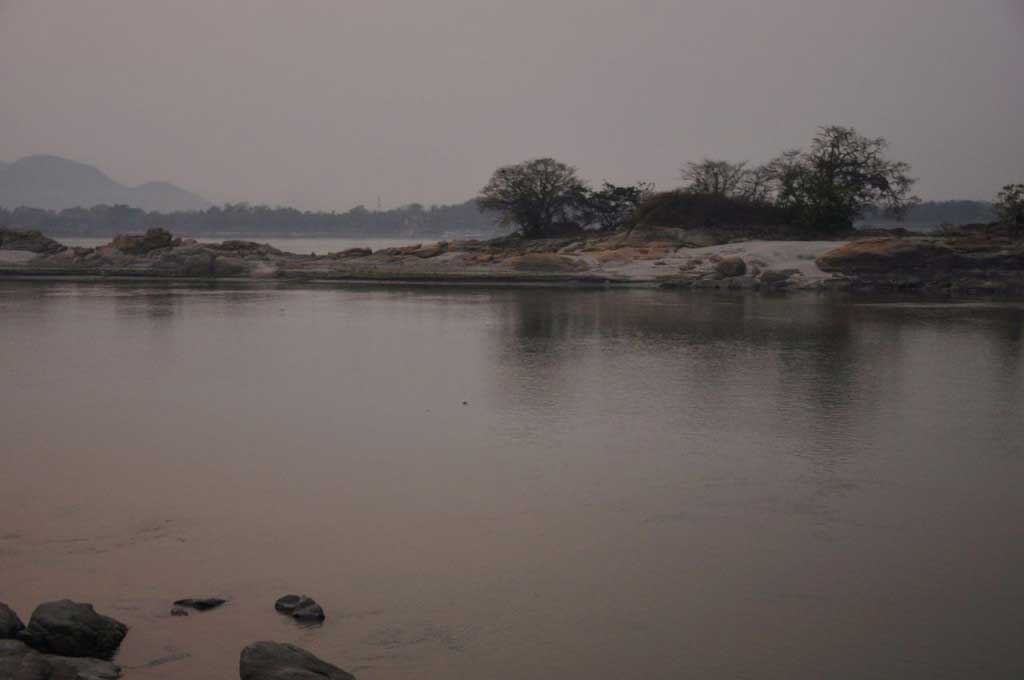
The last afternoon spent in the Guwahati there wasn’t the opportunity to get away from restless city center, away from the confusing Paltan Bazaar and Fancy Bazaar, which despite the names are quite similar. But there was time to walk to the banks of Brahmaputra, which the brownish waters offers a serene landscape that contrasts with the movement of the city streets. The Brahmaputra, one of the largest Asian rivers, runs through the state of Assam, heading south until the Bay of Bengal, crossing the plains of Bangladesh.

Brahmaputra
Brahmaputra

In Hindu religion, it is common the representation of the yoni with the lingam, which corresponds to the female and male elements of cosmic creation, according to the Shiva followers. But in India, there are few temples dedicated exclusively to the female side of this energy: Shakti (also referred as Devi), the goddess representing the energy of creation and change, also associated with fertility and creativity.

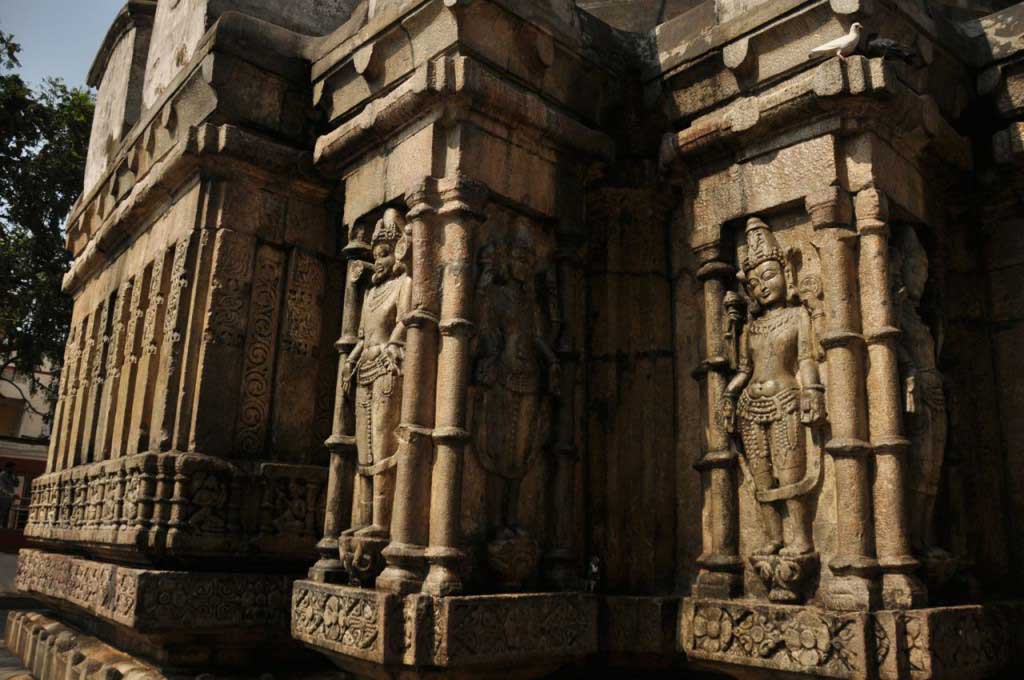
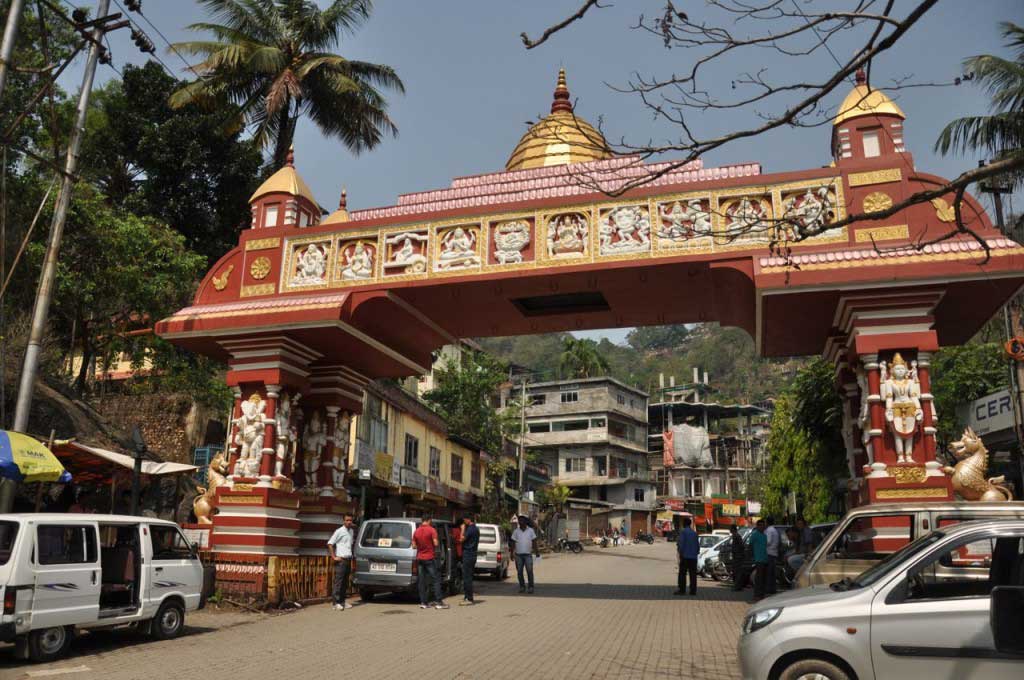
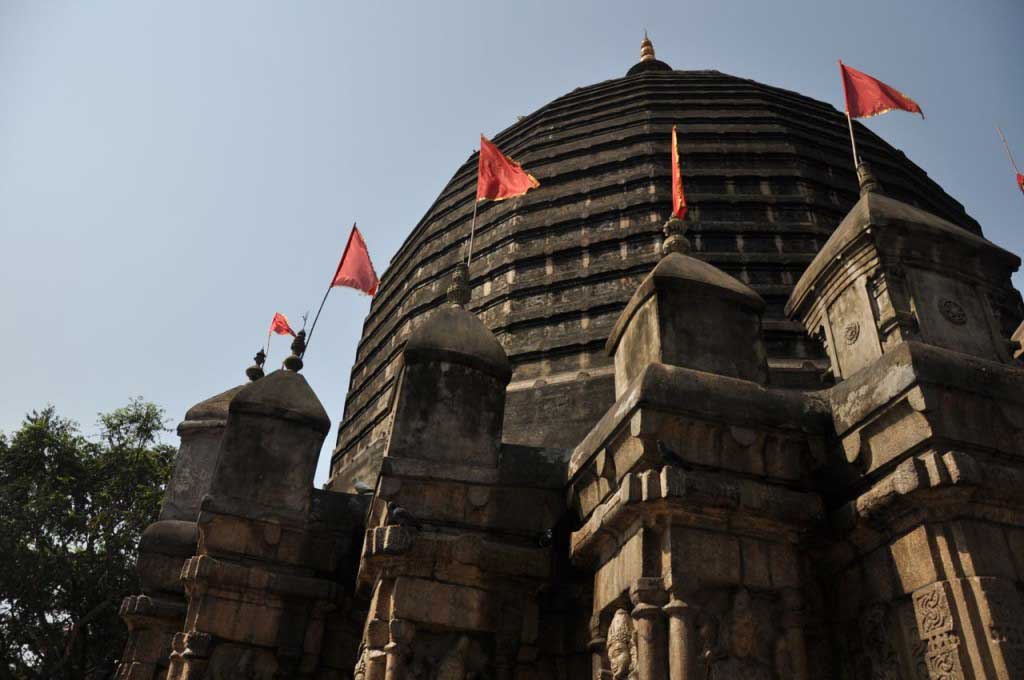
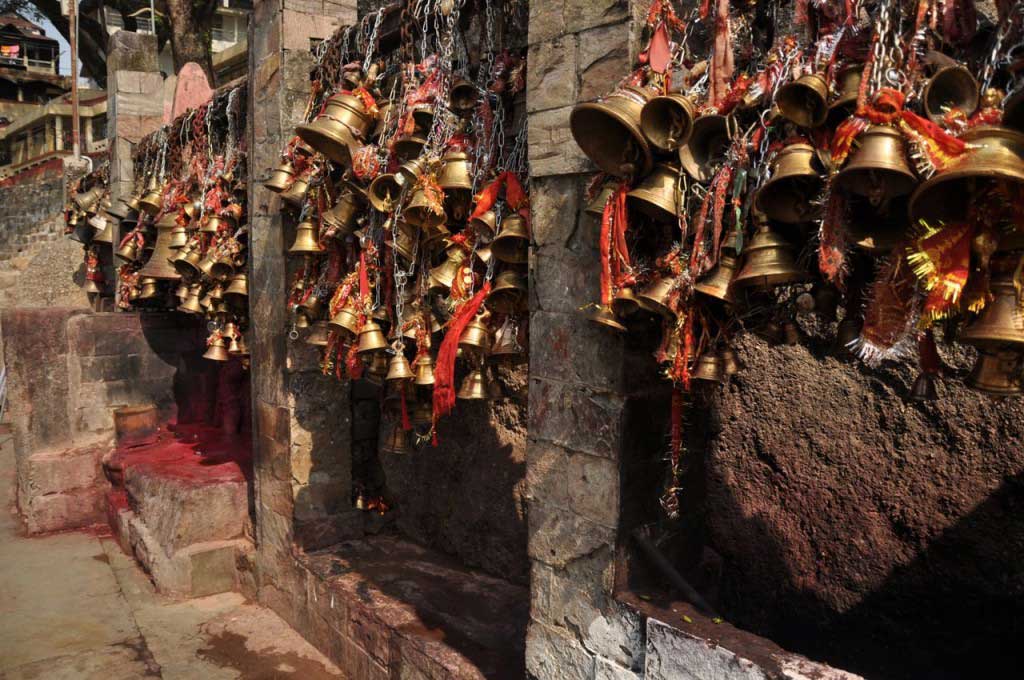
Guwahati is one of the most important temples dedicated to mother goddess: the Kamakhya Temple, where during Ambubachi Mela animals are sacrificed, according to Tantric tradition, with the blood of goats symbolizing the annual period of goddess Kamakhya.

Kamakhya Temple. Guwahati


Kamakhya Temple. Guwahati


Kamakhya Temple. Guwahati


Kamakhya Temple. Guwahati


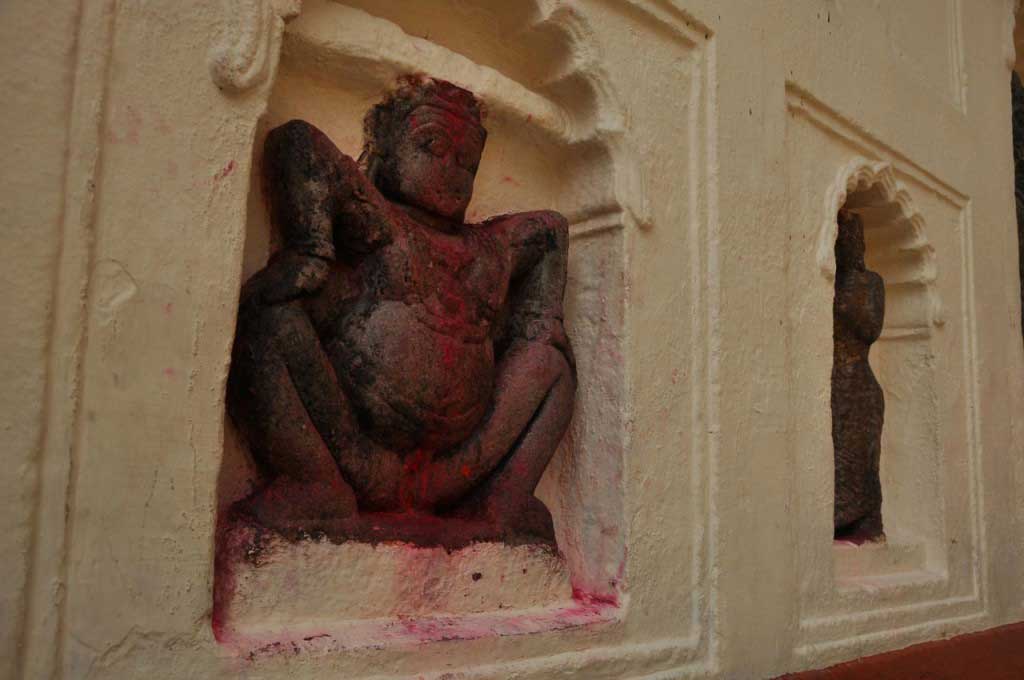
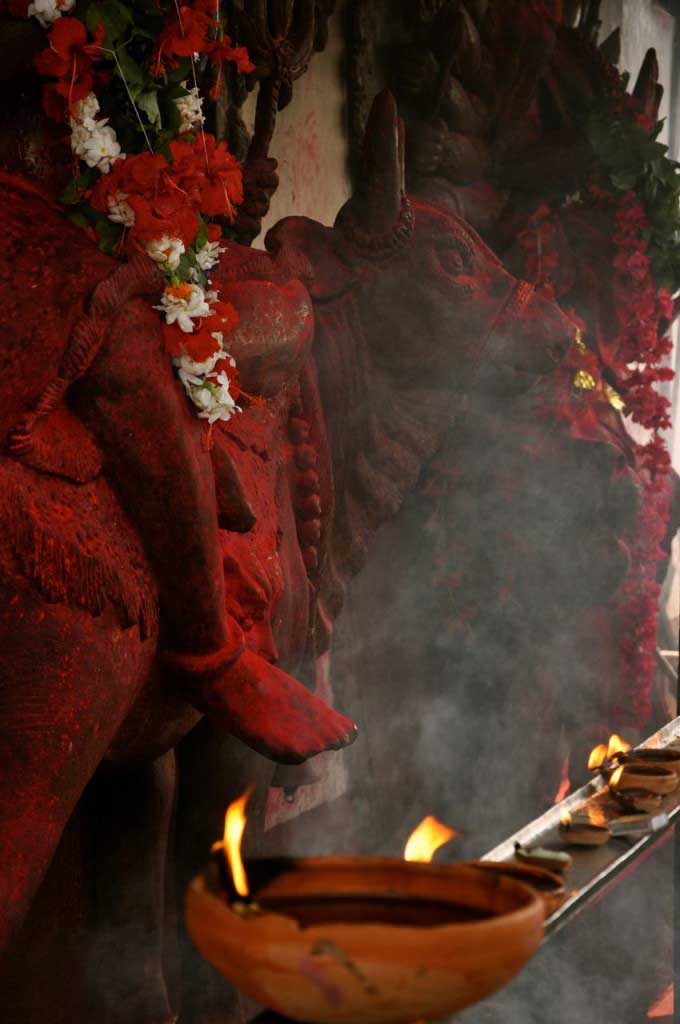
For those who visit the place, where the red color stands out, symbolizing the menstruation, the female reproductive cycle and fertility… in the red robes of the pujari (followers of goddess Kamakhya), in the red flowers that adorn statues, in the red pigment covering the statues of Kamakhya, from whom are lit incense and candles, and the red that seems to come out from vaginas of women statues associated with fertility.

Kamakhya Temple. Guwahati


Kamakhya Temple. Guwahati


How to go to the Kamakhya Temple:


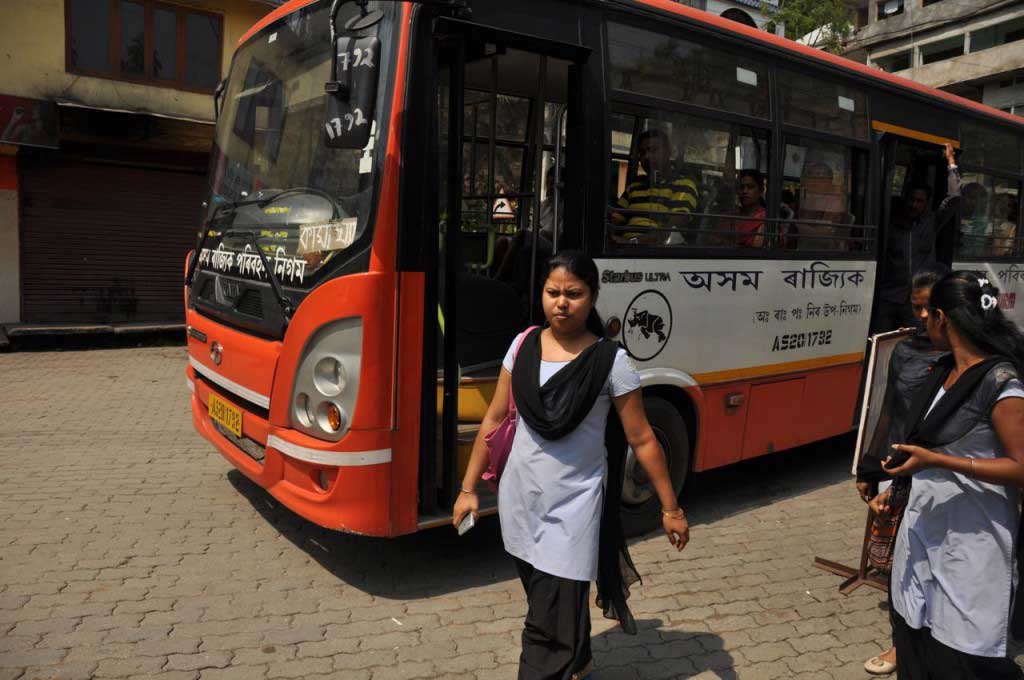
To go to Kamakhya, you can catch one of the buses that pass on GS Road. Just ask for “Kamakhya” and stop on the main road (AT Road). The bus ticket costs 8 rupees. After crossing a gate, there are the ASTC buses that make the journey to the top of the hill, for 7 rupees; these buses depart when are full and the journey takes about 10 minutes. There is a pedestrian access, a staircase you access to the temple but that seems to be little used, with the pilgrims prefer the comfort and the speed of the bus.

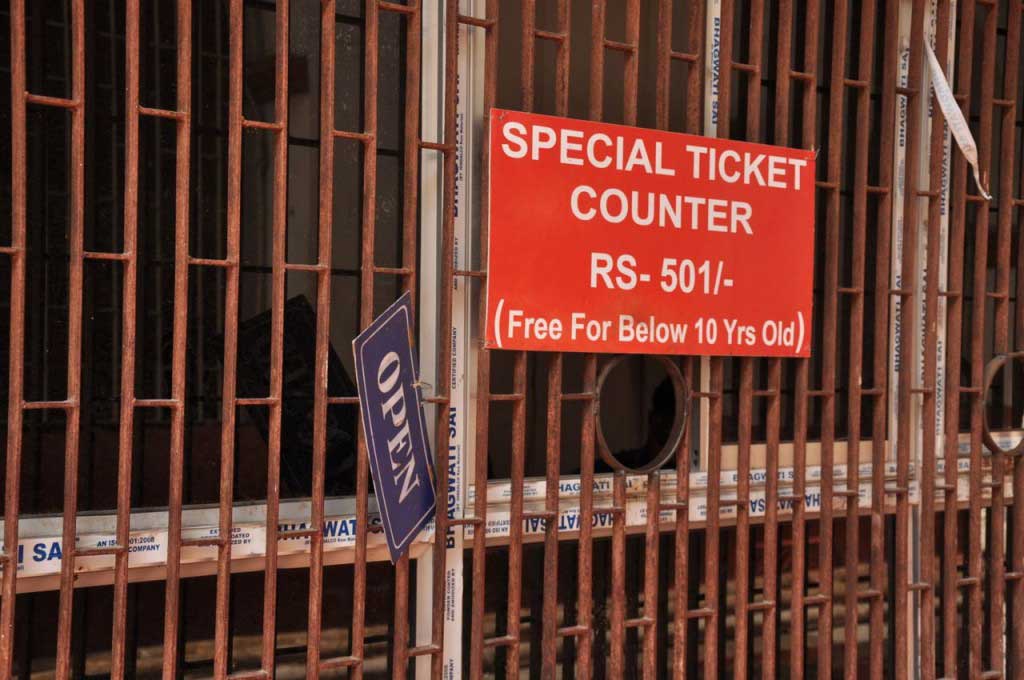
To visit the interior of the temple is required to join the dozens of pilgrims waiting patiently in a long queue, holding offerings to Kamakhya altar. But as often happens in India, where is strong the distinction between social classes, there is a VIP access which saves the pilgrims and visitors from a long wait, by paying 501 rupees… yes, five hundred and one… why this modest rupee among other 500!?!!


Portico junto à estrada principal onde estacionam os bus que vão até ao cimo da colina. Kamakhya Temple. Guwahati
Gate that mark the entrance to the road that goes up to Kamakhya Temple, where buses stop. Guwahati


autocarro para o Kamakhya Temple. Guwahati
Bus Kamakhya Temple. Guwahati


Kamakhya Temple. Guwahati

Where to stay in Guwahati:

For those who stay only for one night, the GS Road and the side streets around Paltan Bazaar, offer dozens of options for several prices. From my experience, you can’t get a room with shared toilet for less than 500 rupees, which however don’t guarantee clean sheets.

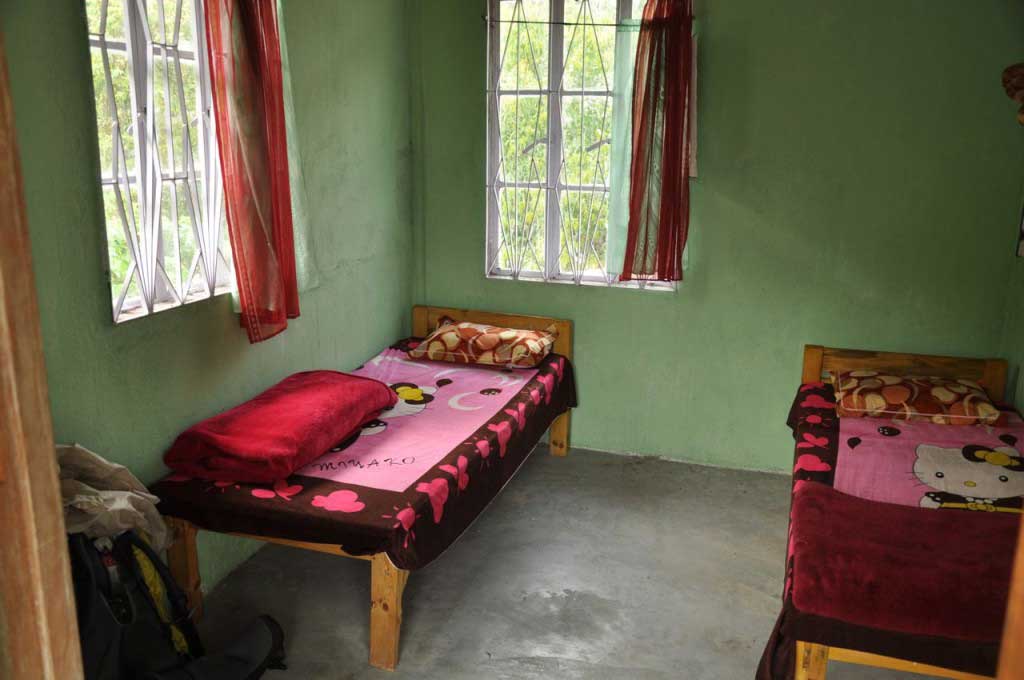
Unexpectedly I found the Youth Hostel that has a discreet access on the right side of GS Road, on the corner of MD Shah Road. The building looks abandoned, and in fact, almost no one stays here, with some of the rooms being used as offices of Assam tourism department. The available room works in a dormitory system, with 4 beds with a private bathroom, but everything is in a miserable condition, in need of heavy repairs especially the toilet facility. The bed is comfortable and the sheets are clean; it has a mosquito net for each bed.

The Youth Hostel is an option for those who intended to stay only one night in Guwahati and have a very short budget.

Youth Hostel Guwahati: Bed in a dormitory room with toilet: 250 INR (the room, regardless of the number of occupants). Despite being a dorm, as no one else the room was just for me.


Youth Hostel. Guwahati


Youth Hostel. Guwahati


Youth Hostel. Guwahati

Where to eat in Guwahati:

Many restaurants, here called “hotel” line up next to the train station and along the GS Road, as well as the cross streets of Paltan Bazaar, with reasonable vegetarian thalis for 60 rupees. Here rules the typical Indian food, but in a poorer version that usual, with rice, potato based curries and watery dal. Almost all restaurants have vegetarian and non-vegetarian options, which reflects the taste of the Assamese for meat.

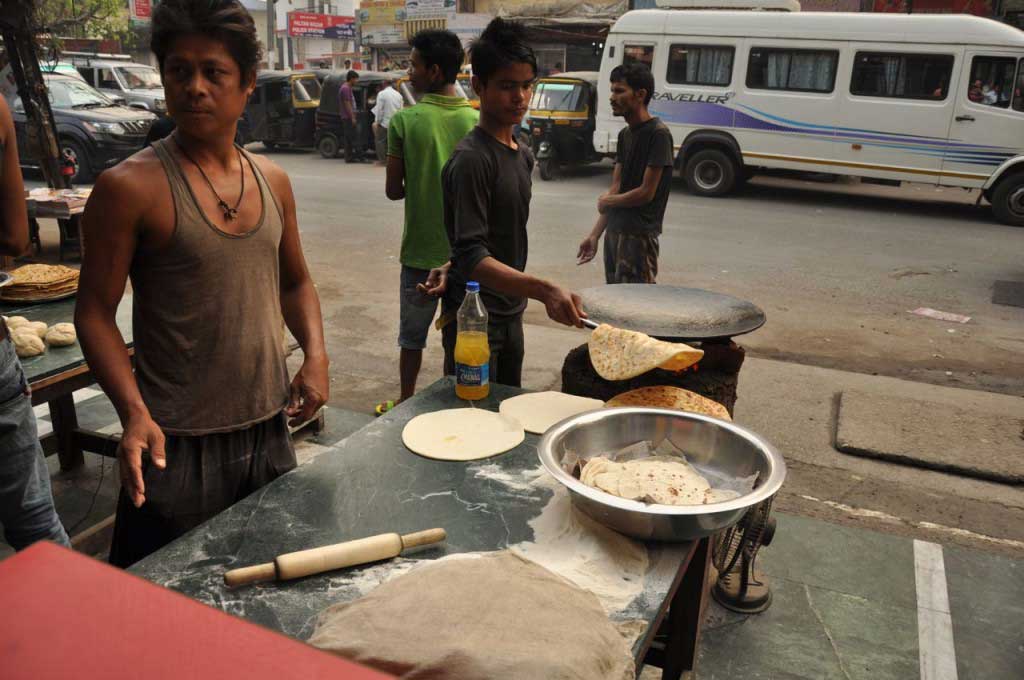
There are great parathas during the morning in two small restaurants at the beginning of GS Road, Greenview and Deepak Restaurant, located on the right side of those coming from the south of the train station exit.


"parathas" no Paltan bazaar. Guwahati.
“parathas” at Paltan bazaar. Guwahati.


restaurante de comida indiana e deliciosas "parathas" no Paltan bazaar. Guwahati.
Indian food restaurant with good “parathas” at Paltan bazaar. Guwahati.


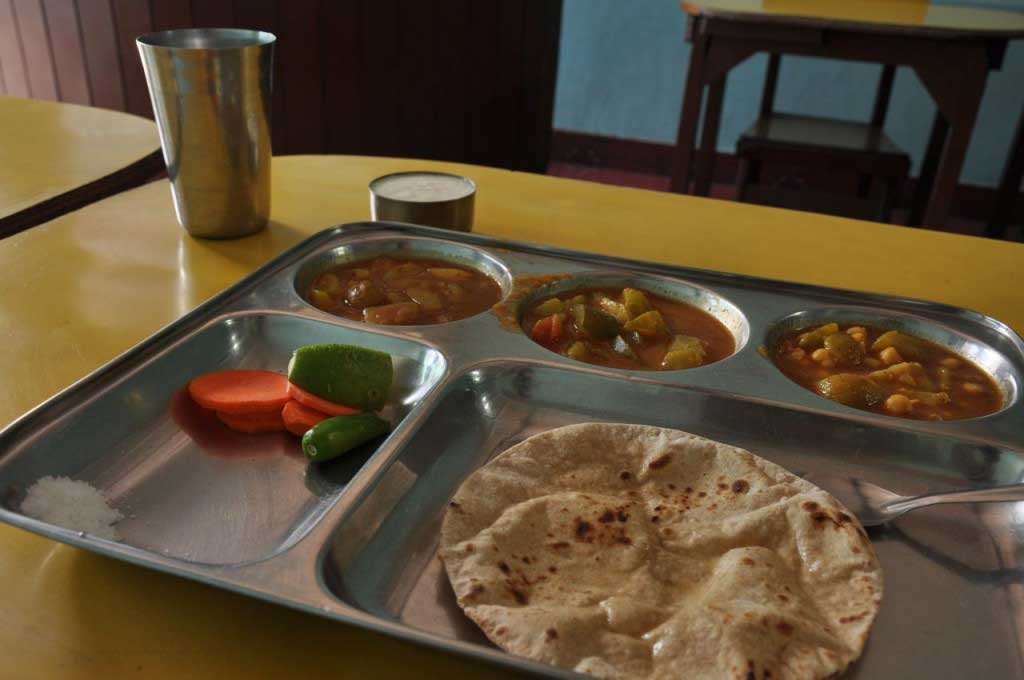
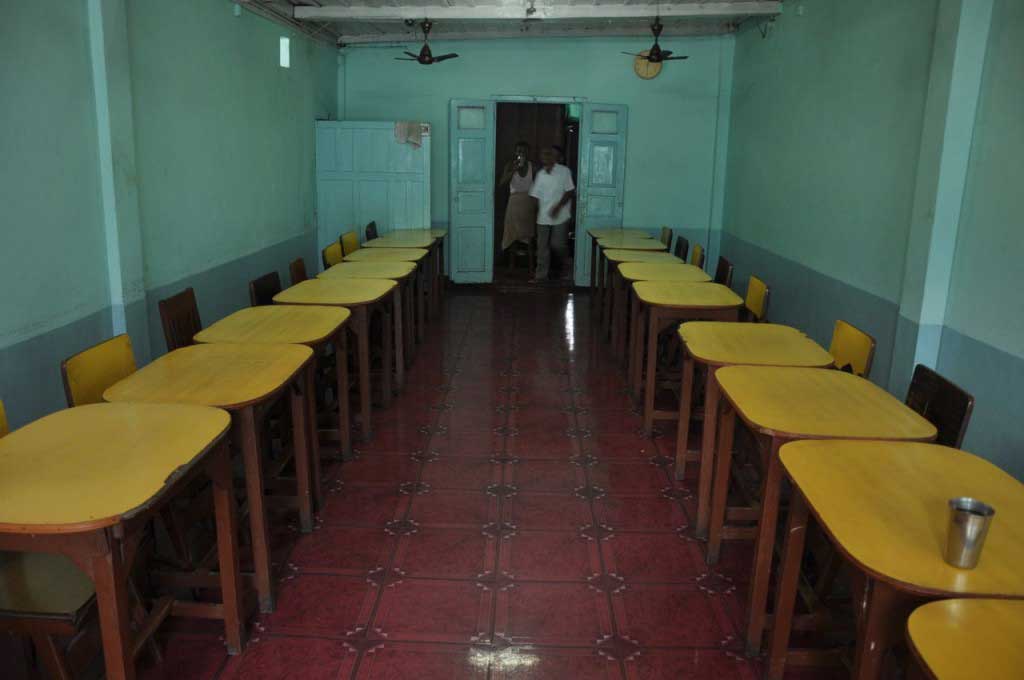
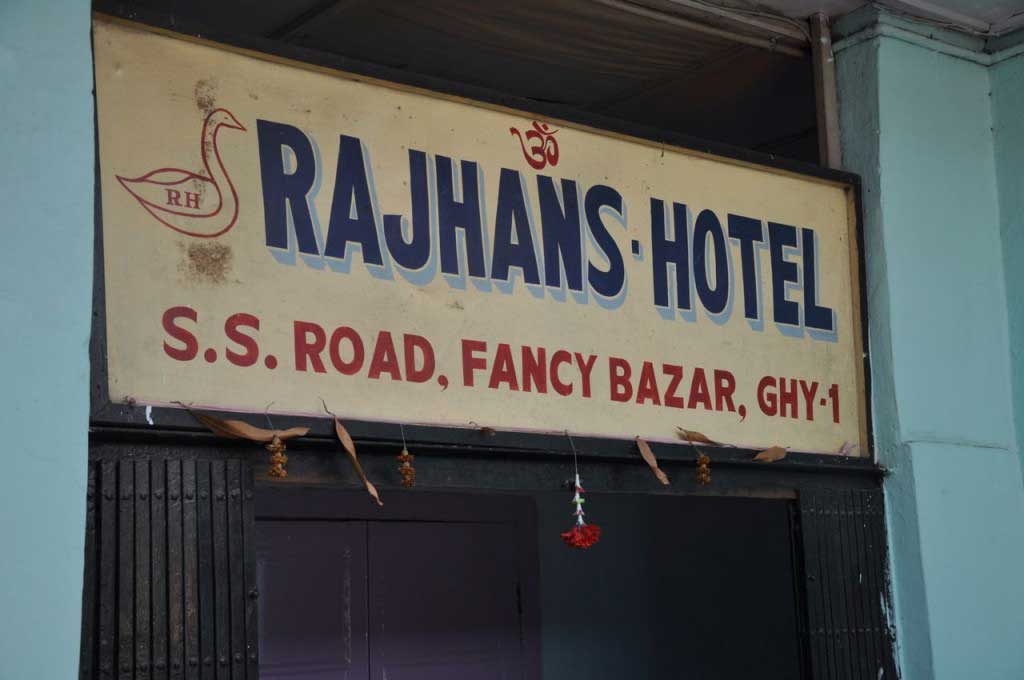
If you are in Fancy Bazaar and feel the call of the stomach, Rajhans Hotel, on the second floor of an anonymous building is a nice option with vegetarian food, friendly service and a decor that takes us to a school canteen, which have certain charisma and a super smiley staff.

Rajhans Hotel: S.S. Road, Fancy Bazaar, Guwahati. Vegetarian thali for 70 rupees.

Rajhans Hotel. Vegetariano. Fancy bazaar. Guwahati.
Kitchen of Rajhans Hotel. Vegetarian restaurant at Fancy bazaar. Guwahati.


tahli no Rajhans Hotel. Vegetariano. Fancy bazaar. Guwahati.
Vegetarian tahli no Rajhans Hotel. Fancy bazaar. Guwahati.


Rajhans Hotel. Vegetariano. Fancy bazaar. Guwahati.
Rajhans Hotel. Vegetarian restaurant at Fancy bazaar. Guwahati.


Rajhans Hotel. Vegetariano. Fancy bazaar. Guwahati.
Rajhans Hotel. Vegetarian restaurant at Fancy bazar. Guwahati.


Transports in Guwahati:

Both the train station and the public bus terminal (ASTC) are conveniently located in the center of Guwahati, close to hotel and restaurants and other commercial activity.

From Guwahati, there are trains that cross Assam stat, towards the North until Dibrugarh, passing through Dimapur.


Note: Guwahati railway station has two entrances: the north side (the same side of the river) and that is the main entrance, and another on the south side that leads directly to the GS Road (Guwahati-Shillong Road). The Reservation Office (for long distance tickets) is in a building a few meters from the north entrance of the station (opposite the Paltan bazaar).


Guwahati Train Station. South entrance. Paltan Bazaar


Guwahati Train Station. North entrance.


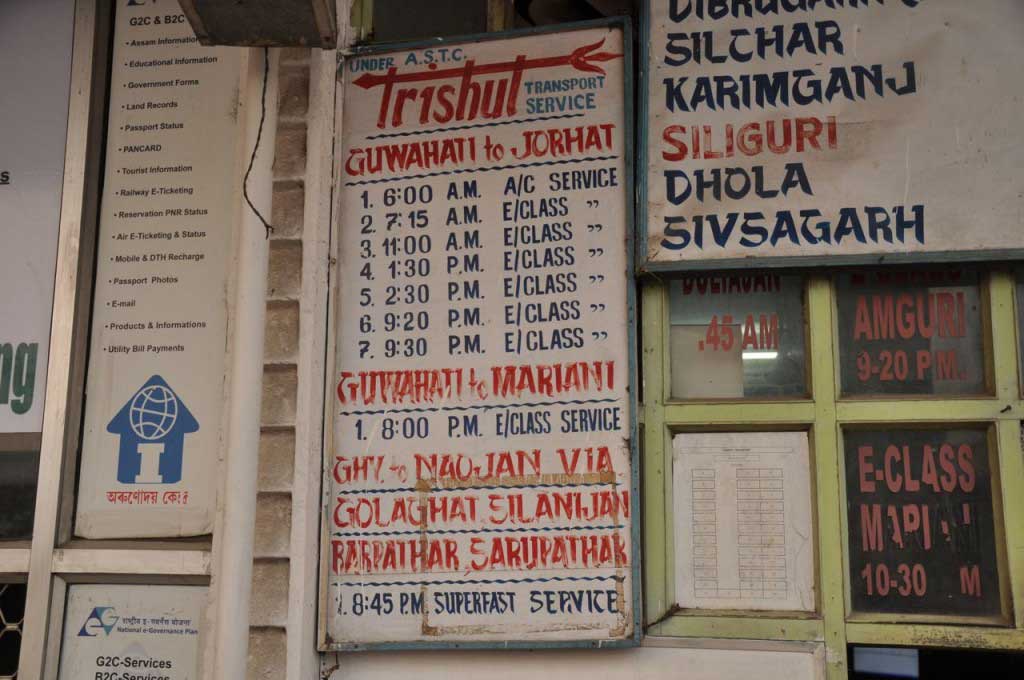
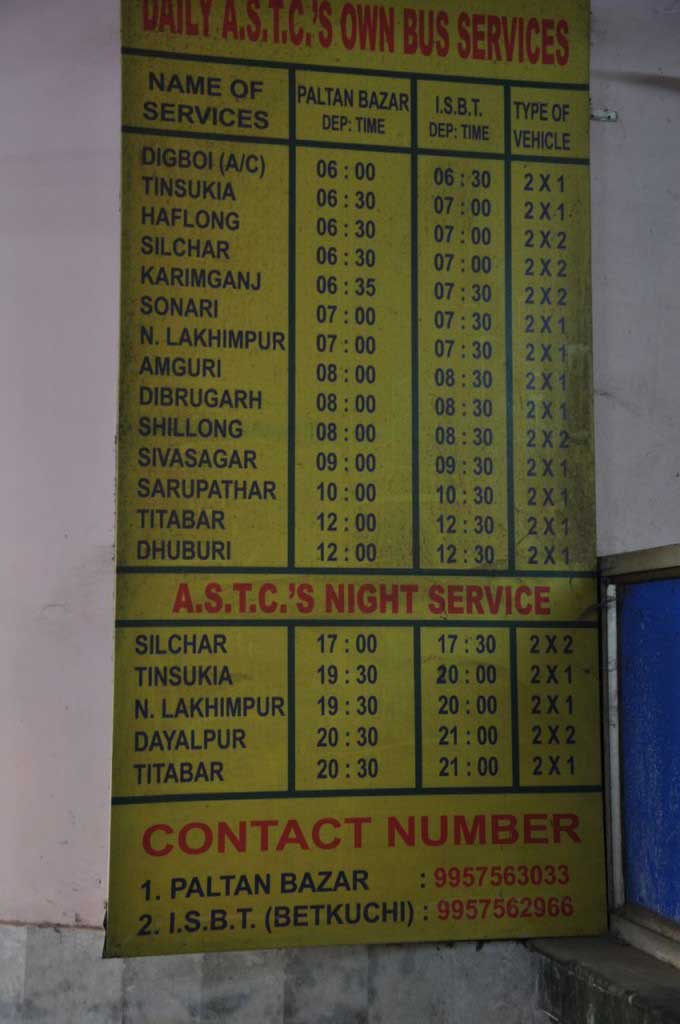
The public bus station is just outside the train station (near the Paltan Bazaar). The ticket office ASTC is inside the building, although there are several counters of private companies that also sell tickets for ASTC buses.

The bus (ASTC) from Guwahati to Shillong leaves at 7:30 am, and the journey takes 4 hours.

  • Bus ticket to Guwahati-Shillong: 135 rupees (a/c)… in fact, the air conditioning doesn’t work, but it is bearable because the bus always runs with the door open, and as we move away from the plains of Assam, the temperature is drop down.


horários. Terminal de autocarros da ASCT em Guwahati
Timetable of private buses from Guwahati


Terminal de bus ASCT em Guwahati
Central buses Terminal. Guwahati


Terminal de autocarros da ASCT em Guwahati
Timetable of private buses from Guwahati


horários. Terminal de autocarros da ASCT em Guwahati
Timetable of ASCT buses from Guwahati


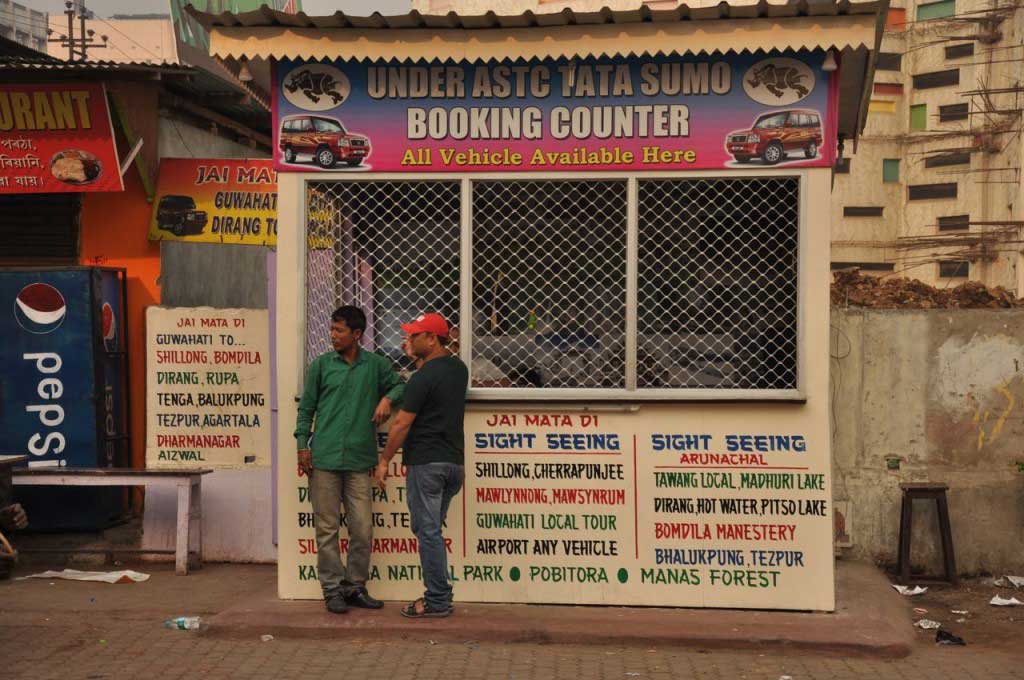
As an alternative to the buses, there are sumos, a shared all-terrain, which are a very popular mode of transport in the Northeast states, and that makes the connection between the main cities. Inside the Guwahati Bus Terminal, in the bus park, there’s a booth where you can buy tickets for the sumos. In general, these vehicles have no set time, circulating during the day, since very early morning, and depart when they are full.

  • sumo Guwahati to Shillong: 170 rupees (the trip takes about 2.45 pm, depending on traffic and number of stops)

bilheteira de "sumo" no Terminal Central de autocarros
“sumo” counter at Guwahati central bus terminal


Internet in Guwahati:

Most hotels don’t have internet and those who have charge sometimes 100 rupees per day. The best option is the cyber-cafes that aren’t easy to find.

In GS Road, on the left side for who comes from the train station, there is a shop “complex”, and on the first floor there’s a cyber-cafe, Virtual Office, with good connection and wi-fi.

  • Wi-fi: 30 rupees per hour.


Elevation: 56 m

Population: 809,895

Myanmar food… where India meets China!!

Reflecting the cultural and ethnic diversity of this country, situated between the Indian subcontinent and Southeast Asia, the Burmese cuisine is very rich and diverse, where is visible a strong Indian and Chinese influence.

Compared to neighbouring Thailand, Burmese dishes may seem poor and too simple, but have the advantage of offering a wide variety of tastes in the same meal, ranging from salty to bitter, and from spicy to sour. Away from the refined palates and sweet taste of Thai curries, and with a strong presence of oily and deep-fried food.

Both meat and fish, from river or sea, are present in many of the thick and fatty curries, that usually are part of a traditional Burmese meal. Around a big bowl of rice are served small plates, with these curries as also lentils or beans stewed, stir-fry vegetables, raw vegetable salads, pickled bamboo shoots, a platter of fresh vegetables such as okra, green beans, small eggplants, cabbage, etc…. A broth of vegetables, very light and clear, is served in a small bowl with this meal, that can be flavored with raw garlic, chilies, and a mixture, dry or oily, of dried shrimps.

mohinga, pela facilidade em se encontrar nas ruas de qualquer cidade ou povoação, à beira da estrada, junto a mercados ou em ruas secundárias, pode ser considerada o prato mais popular entre os birmaneses, sendo muitas vezes consumido ao pequeno almoço.
“mohinga”, a noodle soup, easy to find on streets stalls of any city or town, as also in markets; it can be considered the most popular dish among the Burmese, often consumed at breakfast
pão frito, uma espécie de farturas mas sem açúcar, que é popular ao pequeno-almoço como acompanhamento do café ou do chá
deep-fried bread, light and without sugar, which is popular for breakfast or with a tea or coffee
preparação da let thoke, uma salada à base de massa, legumes frescos como tomate e couve, com muitos anónimos e indecifráveis condimentos, tudo ligado com farinha de grão e misturado com as mãos
Preparation of “let thoke”, a noodle salad, made with fresh vegetables such as tomato and cabbage seasoned with many anonymous and indecipherable condiments, all mix with chickpea flour and fresh hands
let thoke
“mohing” on the left and “let thok” right…  on the back is cooked plain rice, served with the broth, that often is served as side dish of salads
ingredientes para mohinga e let thoke
ingrediants for the “mohinga” and “let thoke”

Burmese meals are usually taken among family and friends who gathered around the table sharing the various dishes and mixing them the plate with small pieces of rice. Meals are taken in quiet, little given to conversation, with attention directed to the food.

The tea is always served with meals, as also in almost all places, from tea shops, restaurants, cafes and even street stalls, which is available for free, keep in the thermos or in the traditional kettles, and drunk in small bowls, that usually are waiting on the top od the tables.

A regular presence at meals and also used for the preparation of salads is the “laphet”, a fermented green tea leaves mixture, that have very characteristic acid flavor.

The “laphet” in the main ingredient of one of the most popular salads, which also have chopped tomato, cabbage finely sliced, crispy fry peanuts, chickpeas or broad beans also fried and is seasoned with lime juice. To this mixture, that is served cold, can be added rice, getting the name of “támin dhouq”.

Another popular salad is let “thoke” made from wheat noodles (that differ from the traditional rice noodles by the yellow color), that is mixed with vegetables and seasoning with mysterious sauces; all these ingredients are involved with chickpea flour, to become less wet, resulting in a strong meal, good the start of the day.

preparação de fritos à base de lentilhas, pequenos peixes ou de camarão seco, que depois de fritos forma uma espécie de bolacha que poder ser consumida como um snack ou como acompanhamento de sopas
deep fry salty crackers to eat with the burmese soups
doces de massa de arroz recheados com uma pasta feita à base de côco fresco e açúcar
sweets made from rice flour and fill with fresh coconut and sugar. they are cooked over the fire along the street of Mandalay, resulting in a sponge texture
restaurante de rua em Yangon
Street restaurant at Yangon
praticamente toda a comida é confeccionada em fogões a lenha, tanto em restaurantes como, nos mercados e em bancas de rua
In Myanmar almost all the food is cooked with fire stoves
restaurante de rua em Yangon
street restaurant at Yangon

But the most popular dish of Burmese cuisine is undoubtedly the “mohinga”: rice noodles soaked in a thick fish broth mix with vegetables and banana trunk sliced… yes! the tender parts of the trunk of the banana tree are also used for cooking in Burma. Sometimes this broth is flavored with fish or crab, but due to the overcooking, just the taste remains.
This soup is seasoned with onion, fried or raw, garlic, dried chilis, fresh coriander and a few more condiments coming out from anonymous bottles that are placed around the table where this dish is prepared. The “mohinga” is a typical Burmese street food, prepared and sold in small street stalls that are set up early morning and run until around 9 or 10 a.m, return in the afternoon, around 4 p.m. until sunset.

The “mohinga” soup can be enhanced with samosas, fried tofu or some fried vegetables, chopped and placed on top. But usually, this soup has a topping of a crispy wafer, made from lentil flour, and fried in oil.

For vegetarians, there are several options in the Burmese cousin, and it’s not difficult to find, especially in big cities, in the neighbourhoods dominated by Hindu and Indo-Burmese population. From neighbouring India, particularly from the southern state of Tamil Nadu, come the curries and dosas, as also parathas, naans, and samosas… in more Muslim areas or neighbourhoods, it’s particularly easy to find the “biryanis”, rice mixed with a meat curry, but in Burma is easy to find a vegetarian version of this dish.

salada let thoke
“let thoke” salad where the funny taste of fermented the green leaf mis with the fry peanuts
Venda de doces junto ao mercado no centro da cidade de Yangon
Sweet sold in on of the markers that every morning fill up the Yangon streets
o famoso MSG, ou mais comumente designado de glutamato monossódico, um intensificador de sabor que está mais ou menos presente na confecção da comida que se encontra nos restaurantes e nos vendedores ambulantes, um pouco por todos os países do sudoeste asiático, mas que na Birmânia é mais evidente, chegando a ser usado em substituição do sal
The MSG, a kind of salt that is a popular presence in Asian food, but that in Myanmar is very common leaving a thirsty sensation in the month
várias variações de arroz glutinoso, que pelo seu paladar naturalmente adocicado serve de snack ou complemento ao pequeno-almoço, dificilmente se encontrando à venda depois das dez da manhã
Stick rice with different presentation… some more salty, others more sweet… the black one is my favourit

Being the curries the most popular of the traditional Burmese cuisine, and despite Burma being a Buddhist country, it’s not so easy to find vegetable curries, especially in rural areas where the options are limited to chicken or pork. But is always possible to have a proper meal, with rice and the others side-dishes that are usually served with the meal, like stews, beans, raw vegetables, etc…
In the cities, usually by the end of the day, there are several stalls that make fried rice or fried noodles, and as the food is prepared in the moment is always possible to ask to use just vegetables.

Both meat and fish can be cooked fresh, and are sold in all markets, that work both early in the morning as in the evening; but at the end of the day, the hygienic conditions deteriorate significantly by the intense heat and by the presence of flies… lots of flies. But the dried fish are also very popular, filling large areas in the markets with its characteristic smell which joins the dried seafood, often tiny shrimp, widely used in the preparation of salads. The dried meat is also part of Burmese cuisine, and easy to identify in curries by its dark color and compact texture.

preparação de comida num dos muitos restaurante de rua em Yangon
street food at Yangon
confecção de noodles numa das ruas de Yangon, onde a pasta feita à base de farinha de arroz e água é “espremida” através de um passador específico, para dentro de uma panela de água a ferver, ficando cozidos em pouco mais de um minuto
making rice noodles in the streets of Yangon
Restaurante de rua em Yangon servindo os tradicionais pequenos-almoços indianos de dosa e puri, acompanhado de sambar e chutney de côco.
South Indian style breakfast, “dosa” and “puri”, served with sambar and a spicy coconut chutney
laphet, folhas de chá verde fermentadas
“laphet”… fermented tea leafs
açúcar de palma, também designado de jageri, que se encontra à venda nos mercados, apresentando-se quase em “bruto” de aspecto escuro ou mais “limpo” ganhando tons de amarelo-torrado, mas sempre de cheiro e sabor intensos, bem longe do excessivo e artificial sabor do açúcar refinado a que estamos habituados
Palm sugar, also call “jageri”, with a intense flavour and smell
refeição típica birmanesa, com sopa e vários acompanhamentos que se misturam com o arroz
typical Burmese meal, with rice, soup, vegetables and salad… in a vegetarian option without the greasy meat of fish curries
pequeno restaurante em Nyaung-U, com a salada de laphet, foi acompanhada da cerveja Myanmar, a mais popular, num país onde o consumo do álcool não é muito evidente, com excepção dos Thingyan Festival e acontecimentos especiais, onde cafés e a maioria dos restaurantes não vende bebidas alcoólicas
restaurant at  Nyaung-U

And now the sweets!!!… they are an important aspect of a gastronomy of any country, and Burma offers plenty of variety: from traditional Indian sweets to the Chinese cakes, stuffed with a chickpea mixture. In general, the Burmese sweets are made from rice, both from glutinous rice as from dough made with rice flour, creating consistent and gelatinous puddings and tarts, mainly with a wet texture.
Very often the condensed milk is used as a sweetener, and is very easy to identify by the taste, as also by the can, always present in shops, restaurants, tea-shops and street stalls
These sweets have frequently a fresh grated coconut topping, or in the case of glutinous rice, a mixture of roasted sesame with salt, which brings an excellent contrast to the sweetness of the condensed milk.
Another specialty is the puddings made with semolina: sweet, sticky but delicious, that can also be made with over cooked rice or noodles.
To this rice sweets, there is also a big variety of deep fry sweet dough, filled or not with a sweet bean paste or lentils, the soft and oily crepes filled with the same mixture, and fried bananas, a Thai influence but here a heavier and greasy version.
Besides sweet shops, that usually can only be found in larger cities, the best place to try these delicacies are the markets where ladies sell sweets made by themselves, giving a homemade taste and creating many variations from city to city and even from stall to stall, a show of creativity and diversity.

sumo de cana de açúcar, feito na hora, e que é verdadeiramente irresistível nas horas de maior calor, juntado à frescura do gelo a aparente energia do açúcar, com o suave e fresco paladar da cana de açúcar... até parece uma coisa saudável!!!
Sugar cane juice, it’s irresistible during hot days, giving freshness and energy
preparação de pahratas num estabelecimentos em Mandalay
dough for “pahratas” waiting to be cooked
espécie de puri de tamanho gigante, pão frito numa chapa sobre as brasas com um pouco de óleo e que companha geralmente com um caril de grão ou de lentilhas, refeição reservada para o pequeno-almoço, numa clara influencia indiana
A giant “puri”, flat bread cooked in a metal surface over the fire, that is a influence of the Indian gastronomy
Como acompanhamento do chá ou de um café tomado ao meio da manhã, os dumplings, recheados de carne ou de feijão, são herança das comunidades de origem chinesa que se encontram espalhadas por toda a Birmânia
The “dumplings”, sweet or sour, fill with meat or beans, are an influence of Chinese cuisine and are popular with a tea or a coffee takes in one of the many tea shops
Salada de pahrata, onde esta é cortada em tiras e servida com cebola, uma variante birmanesa à indo-muçulmana pahrata
This is a “pahrata” salad a oily snack served with raw onions; a Burmese twist to the south Indian “pahrata”
Numa das ruas de Yangon, encontram-se pequenas bancas de venda de comida, em especial durante a manhã, altura em que os fritos são muito populares, seja bananas seja somente de massa simples, recheada de lentilhas ou grão
Several kinds of deep-fry stuff that are a bit everywhere in the streets of Yangon, usually early morning or later, in the end of the afternoon
Loja de venda de carne seca, muito consumida na Birmânia, assim como o peixe
Dry meat in a shop in Yangon in a country where due to the long distances is still very common to find dry meat and dry fish in the markets

Like other Asian countries, there is here what we call the “cult of the table”, with food is taken when one is hungry, despite the time of the day, without starters or deserts. Food can be found almost everywhere, from restaurants to markets as also t the countless street stall, that can be found a bit everywhere, from the big cities to small villages. Knives are absent and all the food consumed with a spoon and sometimes a fork.

Despite you can have food during all day, there are specific times for each kind of meal, with markets, shops and streets stalls being subject to very specific schedule, which requires some effort to learn and incorporate. For example: you can’t find “mohinga” at lunch time, as also impossible to find pahratas in the middle of the morning, who wants to eat “samosas” will have to wait for the end of the day, and those who choose a “laphet” salad to accompany a beer will have to wait for the sunset. However, the big cities like Yangon and Mandalay are more flexible since there are many restaurants, while small towns the food is mostly consumed in markets and streets stalls, where is very often the takeaway system, here called “pásê”.

mohinga numa das ruas de Sittwe, que foi quase sempre a minha opção nesta estadia na Birmânia, seja como pequeno-almoço ou como um vespertino jantar pelas quatro e meia da tarde, pois às cinco horas já esgotou!!!
One of the many “mohinga” that were my favourit option for breakfast… this one in a backstreet in Sittwe
A mohinga da despedida da Birmânia, servida à beira da estrada de acesso ao posto fronteiriço de Myawady minutos antes de cruzar a fronteira com a Tailândia
The last “mohinga” before leaving Myanmar, served in a road side restaurant nearby the Myawady border crossing to Thailand

Above all, what stands out in Burmese cuisine is its diversity, varying significantly from region to region, and even from city to city, being a result of the geographic presence of Burma between the Indian subcontinent and Southeast Asia. The markets reflect the local products, subject to seasonality and to the local products, in a country where the weak transport system don’t promote big exchanges and where the political system are not open to  imports, keeping the Burmese gastronomy almost intact.

Laos food… a bit more than noodles soup

With many similarities with the cuisine of Thailand and some influences of China and Vietnam, the traditional Lao food is a modest sample of the neighbouring countries cuisine. Stand out the noodles and soups, but the grilled are also very popular, but despite the meat is a constant presence, the consumption of fish is not unusual, given the proximity to the Mekong and other rivers that cross the country.

For vegetarians, the options are very slim, not much more than noodles soup, which even if you order without meat, the broths are usually made with chicken or pork and probably you’ll notice the flavour of meat, that can be disguised with the spicy sauces and seasonings alway available.

The noodle soup was a constant presence in my diet during my stay in Laos, where I ate noodles soup at least once a day, often as breakfast.

Both in cities as small villages there are always restaurants that serve only serve noodle soup, changing the quality of the broth and the kind of meat served, but especially the type of noodles that can range from very thin and almost transparent to thicker and consistent strips, but always made from rice flour.

The soup is served with a plate full of raw vegetables such as cabbage, lettuce, green beans, leeks, spring onions, mint, spinach and other vegetables popular in Asian markets but absent from western cuisine. The soups aren’t spicy at all, but sauces like fish, soy, oyster, etc… but chilly can be added in powder, as fresh chilies or as an oily paste, which is often generously laid on the soup and can transform a clear broth in a red soup. Limes in slices are always available on the tables of restaurants, which give a twist of freshness to these soups.

To eat this soup in Laos style, you must use bamboo chopsticks to eat the noodles and other solid ingredients, while the spoon in the left hand is used to eat the broth.

As an alternative to the noodle soup, is also possible to find rice soup, a broth made with overcooked rice which are added a bit of spring onions, soy sprouts and small pieces of meat. This option can only be found in the morning as it just eaten as breakfast with a glass of green tea.

Very popular is the lap, a dish that can be with meat or fish, usually very spicy, prepared with lots of mint leaves and chilies, which is generally eaten with hands with the help of stick-rice, a very glutinous type of rice, dominant in Laos.

A melhor sopa de noodles do Laos, experimentada logo no segundo dia de estadia, na povoação fronteiriça de Huay Xai, com o requinte de servir um pequeno prato de pasta de amendoim onde tradicionalmente são mergulhadas as malaguetas ants e serem comidas
The best noodles soup in Laos, ate in the first day, just after crossing the border at Huay Xai, with lots of vegetables peanut sauce and tea

Stiky-rice, servido como é tradicional em potes de bambo
Sticky rice, in the traditional bambu pots

Sticky-rice a acompanhar um prato de vegetais salteados... uma alternativa vegetariana à tradicinal carne grelhada que acompanha este tipo de arroz
Sticky-rice with stir fry vegetables… but usually this kind of rice is served with meat

restaurante em Luang Prabang que somente serve sopa de noodles, aberto desde manhã bem cedo mas que encerra pouco depois da 1 hora da tarde
street restaurant in Luang Prabang that only have noodles, open since early morning, but close around 1 pm; very popular between local people, serving a good food for a very cheap price, in a casual environment

ingredientes para a preparação da sopa de noodles, que para além dos vegetais custuma ter pedaços de carne, por vezes sangue cozido ou visceras, que são também usadas na confecção do caldo
tray with the ingredients for the noodles soup that apart from a wide range of vegetables, also have meat, intestines and cooked blood

ingredientes para a preparação da sopa de noodles
Ingredients for noodles soup

Besides the noodle soup, you can find easily fried rice and fried noodles. Curries are also part of Laos gastronomy but simple and less sophisticated versions of the ones served in Thailand.

Is visible a greater diversity in the food served in the North of the country, a more wet and fertile area, compared to southern regions, where the climate is dryer and supply are more limited, except the rice that dominates the landscape in the south flat areas.

About sweets, there is little to say because the desserts are not part of the menu of typical restaurants in Laos, being very rare to find some pastry out of the tourist areas. However, as also in Thailand, the rotis are very popular, and can be found in street stalls, that show up after the sun set along the city street. The rotis are a kind of pancake, made from a very thin dough, stuffed with banana, chocolate or egg, fried bit a bit of oil, and drizzled with condensed milk in the end, for extra sweetness.

This roti business is very popular and dominated almost exclusively by Indians, many from Chennai, as this area the roti, in a plain style, are usually eaten with the meal. This Indian community provides also restaurants where is possible to find the traditional Indian dishes for those already tired of some monotony of Lao cuisine.

banca de rua em Vientianne que serve dsde manhã bem cedo sopa de arroz e sopa de noodles, assim como o tradicional café
Street stall in Vientianne that since early morning serve rice and noodles soup, as also the traditional Lao coffee, being a very popular place between local people

molhos e picantes que são adicionados à comida, juntamente com sal, e açucar: uma presença constante em todas as mesas dos restaurantes tradicionais do Laos
A big range of condiments and sauces are available in the restaurants tables, as also sugar, that is manny times added to the food

Muitos do condimentos usados na cozinha do Laos são de origem Tailandesa ou, como é o caso, Chineza
Most of the ingredients used in Lao cuisine come from Thailand and China, making it hard to understand what we have on the table to seasoning the food

The so-called Lao Coffee is a constant presence throughout the country, usually served in the morning on the street stalls. But it can also be found in the more sophisticated cafes in touristic and cosmopolitan areas of Luang Prabang and Vientiane, side by side with French bakery.

The Lao coffee is prepared in a very characteristic way: there’s a metal pot, which always keeps in the heat with boiling water, from where the water is removed with a ladle and poured into a jug, passing through a conical filter cloth, containing the coffee powder. From the jug it’s poured into small glasses, passing again through the coffee filter, to make ti stronger. In the end is usually added condensed milk, or sugar with milk powdered. The coffee that remains in the filter is used more than once, serving to prepare several coffees. It can also be drunk plain without dairy or sweeteners, and this is the best way to appreciate the dense and thick texture of this coffee that have an unexpectedly soft taste and somewhat light bitter flavor.

The price of a Lao Coffee is from 4,000 to 5,000 kips, and is often served accompanied by a kind of bread made in the of fried dough, and sometimes is also serve with a glass of tea… yes, the tea is served even with the coffee and is offered for free.

The French presence is visible in the bread, especially the baguettes, which are sold on the streets and bus terminals, consume as a meal or as a snack between meals, stuffed with not-identify paste, spicy sauces, meat (usually pork or processed meat) and vegetables. They are a popular option for a meal in the long and endless bus trips, due to be easy to take away and to the low price around 7,000 10,000 kips, less than 1 euro.

In tourist areas, it is possible to find restaurants with a wide range of Western food, but with much higher prices than traditional food found in the simple and modest restaurants frequented by locals, where you can have a meal for 10,000 kip, about 1 €.

Lao-coffee
Lao-coffee

In terms of snacks the Lao coisine doesn’t offer many choice, being basically rice cakes, that can be sweet or salted. The sweat ones are made from puff rice, and the salted version is made with cooked rice, mix with egg that is grill with the shape of a small pancake.

noodles frescos vendidos nos mercados espalhados por todo o Laos, e que marcam a diferença entre as várias sopas vendidas em restaurnates, muitas das vezes contiguos uns aos outros
fresh noodles, that can be found all over the country, being sold in markets and also made in the restaurants. the quality of the noodles make the difference in the soups, making on place more popular than the one next door

snack muito popular no norte do país, feito á base de arroz cozido que depois de espalmado é mergulhando em ovo batido e grelhado no carvão
snack made with rice and egg.
  • « Go to Previous Page
  • Page 1
  • Interim pages omitted …
  • Page 18
  • Page 19
  • Page 20
  • Page 21
  • Page 22
  • Interim pages omitted …
  • Page 31
  • Go to Next Page »

Footer

search

Tags

Amed Arugam Bay Assam Bali Border Crossing Borneo Colombo Esfahan Fes Food Gilis Hiking hokkaido Istanbul Itinerary Jakarta Java Kashan Kohima Kumano Kodo Litang Lombok Meghalaya Meknes Mekong Mulay Idriss Nagaland Natural Park Northeast States Ouarzazate Sarawak Shangri-lá (Zhongdian) Shan State Shiraz Sichuan Province Sishuan Sumatra Tabriz Tehran transportation Visa Yangon Yazd Yogyakarta Yunnan Province

I’m Catarina, a wanderer from Lisbon, Portugal… or a backpack traveller with a camera!

Every word and photo here comes from my own journey — the places I’ve stayed, the meals I’ve enjoyed, and the routes I’ve taken. I travel independently and share it all without sponsors or ads, so what you read is real and unfiltered.

If you’ve found my blog helpful or inspiring, consider supporting it with a small contribution. Every donation helps me keep this project alive and free for everyone who loves exploring the world.

Thank you for helping me keep the journey going!

BUY ME A COFFEE

Categories

Recent Posts:

  • How to go from Hualien to Dulan Beach
  • Taroko Gorge: between marble cliffs and emerald rivers
  • Hualien: a dull gateway to Taroko Gorge
  • Taiwan: Itinerary for an 16 day trip
  • Vietnam: Itinerary
  • 3 months in India: Kolkata, Tamil Nadu, Karnataka, Goa and Kerala
  • Backpacking Turkey in 24 Days: itinerary & costs
  • English
  • Português

© Copyright 2026 Stepping out of Babylon · All Rights Reserved · Designed by OnVa Online · Login