• Skip to main content
  • Skip to footer

Stepping Out Of Babylon

Travel & Photography

  • About me
    • Contact
  • Destinations
    • Africa and Middle East
      • Iran
      • Lebanon
      • Morocco
      • Turkey
    • East Asia
      • China
      • Japan
      • Taiwan (Formosa)
    • South Asia
      • Bangladesh
      • India
      • Nepal
      • Sri Lanka
    • Southeast Asia
      • Cambodia
      • Indonesia
      • Lao
      • Malaysia
      • Myanmar
      • Singapore
      • Thailand
      • Vietnam
  • Itineraries
  • Travel tips
    • Border crossing
    • Hiking and Natural parks
    • Food Journey
    • Visa
  • Photography

Myanmar

15 days in Myanmar: itinerary & costs

Distance Travelled: 2300 km

Length: 15 days

Date: February 2017

Itinerary

  • Yangon (4 days)
  • Ngwesaung Beach (3 days)
  • Bagan (3 days)
  • Kyaukme (1 day)
  • Hiking through Palaung villages (3 days)
  • Back to Yangon for flight (1 day)

note: this was my second visit to Myanmar, so I skip some places, and others I visit again 🙂

The entire trip was made by bus.

Cost:

16 €/day (per person)

… considering traveling with other person (is cheaper to share a room), eating just local (vegetarian) food, no a/c rooms, travel by public transport, no alcohol and no soft drinks.. doesn’t include laundry… Shopping and souvenirs are also not included, as well health expenses and communications (SIM card, mobile, telephone, internet).

Doesn’t include visa fee.

15 days in Myanmar: itenerary
15 days in Myanmar: itinerary


Some examples of costs of traveling in Myanmar (Feb 2017):

Note: the prices are in dollars (USD) but you can and should pay in Kyat, even if the guesthouse owner makes a grumpy face.

  • Sleep:

    • single room cost minimum 6USD (in Yangon you can get the cheapest prices)
    • double room cost minimum 12 USD (local guesthouses, fan, shared toilet) but be prepared to pay more than 20 USD a night
  • Move around:

    • A bus ticket from Yangon to Bangan (Nyaung-u), a more than 600 km trip, cost 10 USD in a super fancy night bus.
    • a taxi form about 20 km costs between 6000 kyats and 8000 kyats (for example from Yangon downtown to Aung Mingalar Highway Bus Terminal or to the airport
    • a shared-taxi (a kind of open van) costs around 1000 kyat for 6 km.
  • Eating:

    • mohinga at a street-food stall costs between 500 kyats to 800 kyats.
    • fried rice or fried noodles cost around 2000 Kyats (and is a huge portion)
    • a Myanmar beer cost 2000 kyats at a restaurant
    • if you eat Myanmar food at local restaurants, markets and streets stall, you spend less than 5 USD a day.


ATMs at Myanmar:

The maximum amount of cash you can withdraw at the ATM is 300.000 (three hundred thousand) kyats and is charged a commission of 5.000 kyats (all ATMs charge the same commission for foreigner cards).

Not all the ATM accepts foreigner cards but KBZ is a good and reliable option and can be found a bit everywhere.

The ATMs are available in every cities and town.

Exchange money:

Go the banks!!! It’s strange but it’s true! In Myanmar the banks offer a good rate (sometimes better that the exchange shops) with no commission. But some of them have a maximum amount of cash that each person can change a day (100 euros for example).

The bills must be in good condition, almost new, not damage or with any mark.

Myanmar Visa:

Cost: 50 USD

The process can be made online. It takes two days.

https://evisa.moip.gov.mm/newapplication.aspx#

If you prefer to go to the embassy the visa fee is 45 USD.
Hikking through Palaung Villages

Strange feeling to be in a remote village where the hills and the winding and steep dirty roads create a barrier with the modern world.
This sense of isolation is intensified with the nightfall, where a cloak of darkness surrounds the village, with the blackness of the moonless night enters through the windows, creating a thick obstacle between us and the inhabitants of the house where we will spend the night, where the cultural and language differences do not allow us to break.

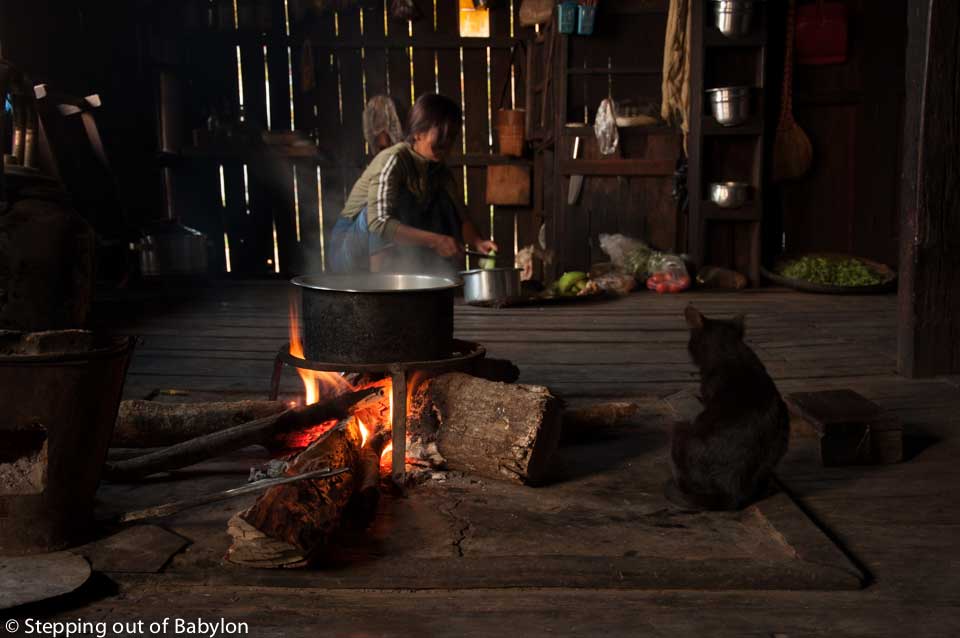
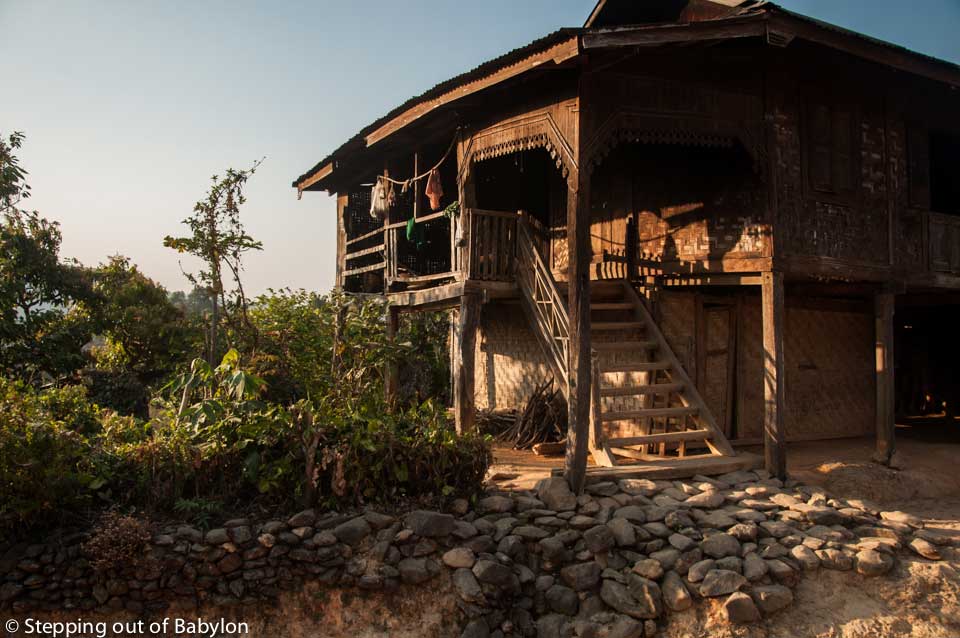
Large rooms made of wood and bamboo, simple, comfortable and above all functional, where the fire is the center of the house, being kept lit throughout all day, from the first rays of the sun until bedtime… that here is around nine o’clock. A fine and discreet smoke that burns the eyes and leaves an fragrant trace on the clothes, reminding us how different the way of life in the countryside.

Shortly after sundown, as soon as the sky darkens, the movements in the streets of the Palaung village cease, the ballads of the donkeys, the clucking of the chickens, the tweeting of the birds and the laughter of the children suddenly ceases. The families gather to the houses, wrapped in the rituals of preparation of food. Rituals where everyone, including the children, seems to know their role by heart, making the daily life resemble a silent play.

A thin layer of smoke remains in the main room of the house, a large area almost empty of furniture that is at the same time the living room and the kitchen. The few belongings wait for special days in lockers embedded in the wooden walls, almost becoming invisible in the penumbra that permanently fills the space, despite the various windows that look to the succession of woody hills.

From this first stop in a village on the outskirts of Kyaukme, a further two days’ hike through the western region of Shan State, dominated by the Palaung tribe, whose population shares the ethnic heritage with China, but along many centuries developed its own characteristics of language, clothing and gastronomy.

The Palaung, whose features are more Asian than the Bamar ethnic group (dominant in Myanmar) are easily recognizable by the way women dress, with sarongs of gaudy colors in purple, blue and green, and by the white handkerchiefs that cover carelessly the Heads, whose hair is kept shaven, following an unknown tradition.

Palaung village. Kyaukme region. Shan State
Woody hills that little by little have been replaced by tea plantations, the main commercial activity in the region
Palaung village. Kyaukme region. Shan State
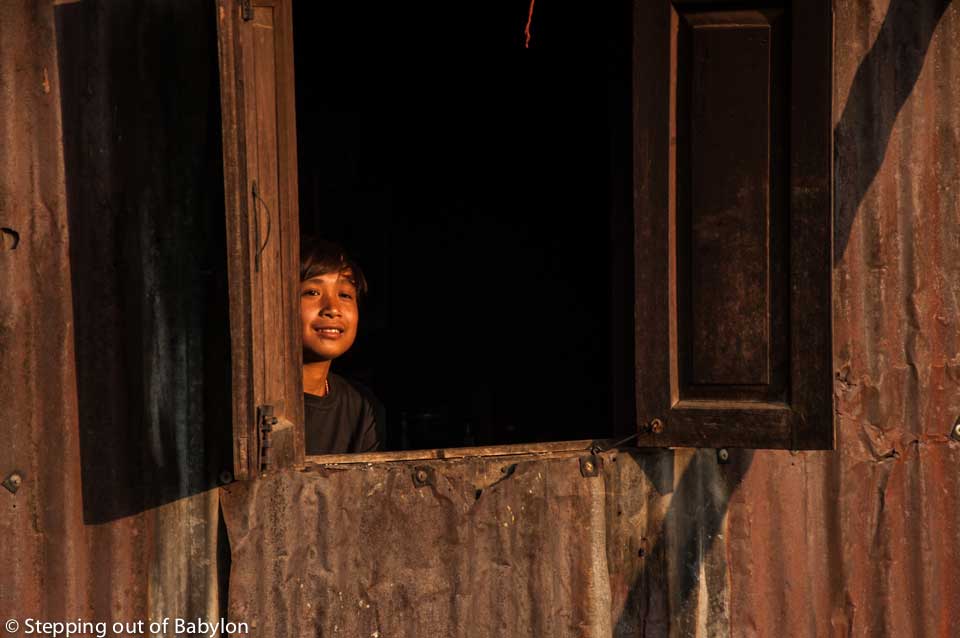
shy but curious smiles wait for us everywhere
Palaung village. Kyaukme region. Shan State
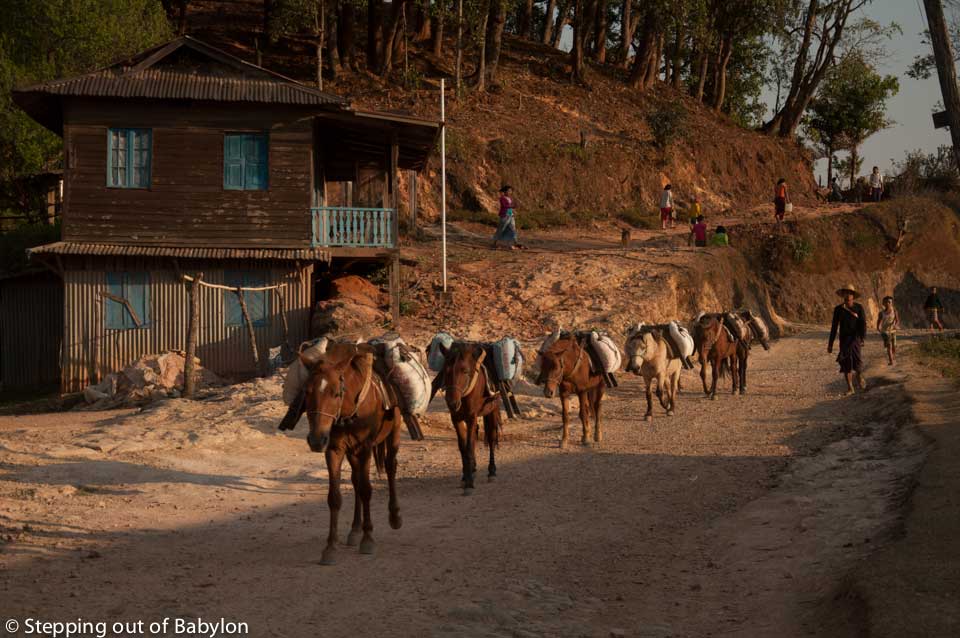
Despite the recently made roads the donkeys are still commun as a way to transport cargo between villages
A tecelagem é parte do quotidiano das mulheres da tribo Palaung
Weaving is part of the everyday life of women of the Palaung tribe, whose sarongs are made by themselfs
Palaung_Kyaukme_Shan State_Myanmar_DSC_2934
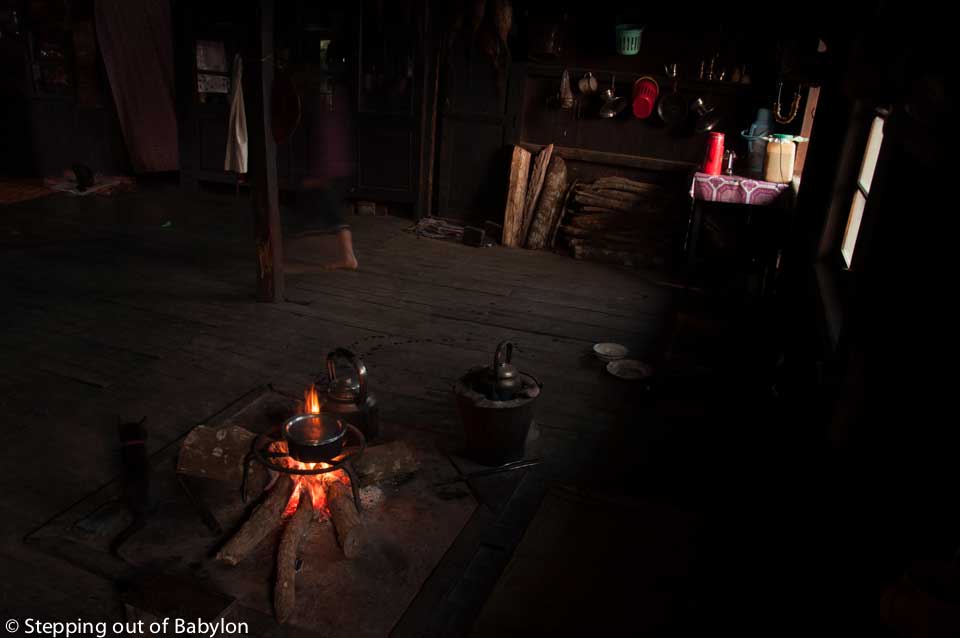
Inside one of the houses where we spend the night during the three days of walking through Palaung villages… the fire is the main source of light of the house
Palaung village. Kyaukme region. Shan State
Easy going life at the villages, where even the population that work in the tea plantation keep the slow pace
Palaung village. Kyaukme region. Shan State
In the main villages there is always a small monastery attached to the pagoda, so it is common to find children in monastic costumes
Palaung village. Kyaukme region. Shan State
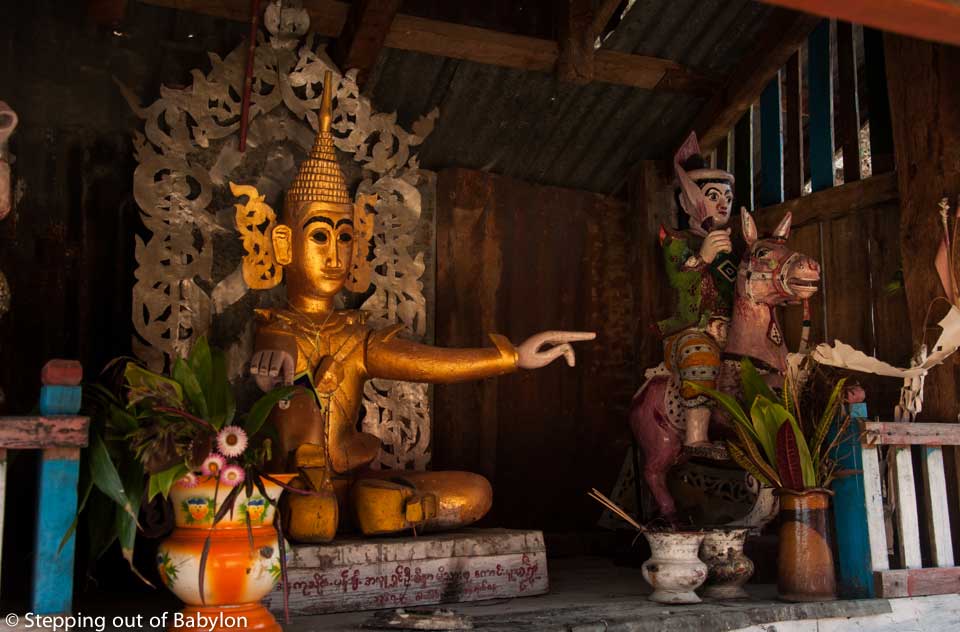
altar decorado com motivos birmaneses numa das aldeias
Buddhist altar decorated with Burmese motifs in one of the villages
mulheres da tribo Palaung, com o tradicional lenço que cobre a cabeça rapada
Women of the Palaung tribe, with the traditional scarf covering the shaved head… a tradition with blur contours
Palaung village. Kyaukme region. Shan State
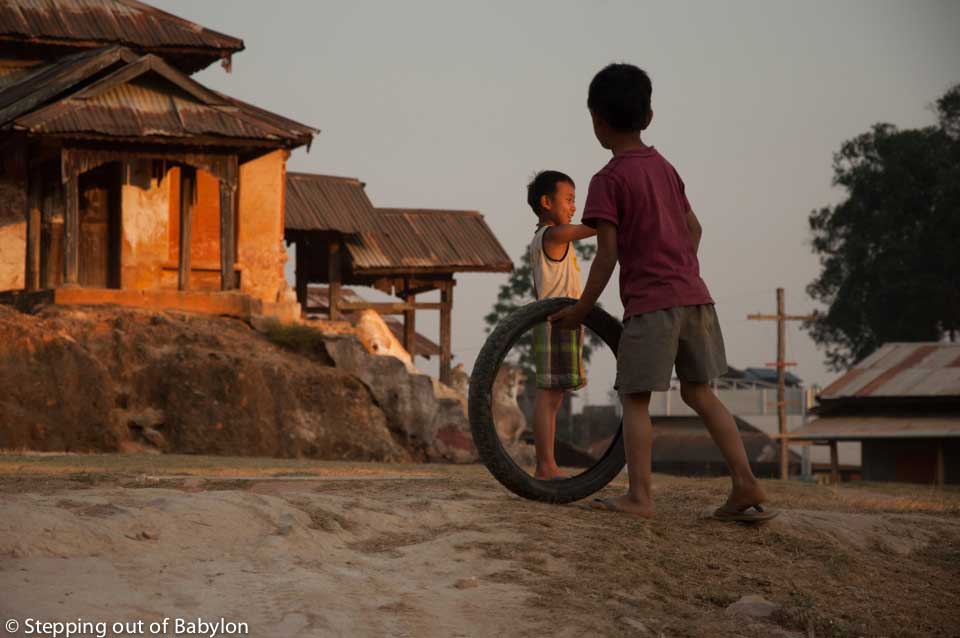
During the day children play leisurely on the streets of villages, practically without traffic

But here also the religion acquires its own contours. Despite the domination of Buddhism that arrived in the eleventh century, there are still traces of rituals and beliefs related to animism. A small group of people gathers in one of the village houses bringing offerings, where a woman in trance communicates with the spirits … practical questions about the whereabouts of a lost cow or the crops are answered by spirits by the voice of a possessed woman, who’s tone change from female to male tone according to each spirit evoked.

Sessão espírita numa das aldeias, mostrando que o Budismo não esmagou totalmente as práticas animistas
Spiritist session in one of the villages, showing that Buddhism did not completely crush animistic practices

In all villages that we visited always seem to be full of children running freely in the streets, waving and smiling, curious and excited by the unusual presence of strangers.

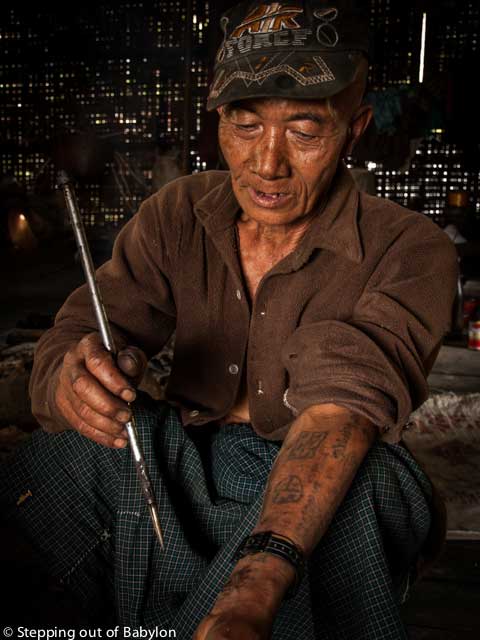
But it is not only the children who show their curiosity, as the adults cannot disguise the pride with which they pose for the photographs, hiding damage teeth under a closed-lipped smile. But are the men who, despite language differences, show more communicative, exposing the tattoos that cover the body, with symbols and inscriptions, that work as protection against all kind of bad things, a practice common among the male population and also among the Buddhist monks, both in Myanmar as in Thailand.


Palaung village. Kyaukme region. Shan State
Men rom the Palaung tribe with protection symbols tattooed on his chest
as tattoos para proteção com símbolos e inscrições Budistas são comuns entre os habitantes mais velhos
Tattoos for protection with Buddhist symbols and inscriptions are common among older people

How to visit the Palaung villages around Kyaukme

These three days of hiking were organized by Thura, a Burmese from the Shan ethnic group, whose mother was from the Palaung tribe. He’s friendliness, the very good english and the contacts with local people allows him to travel around this region, which is probably impossible to visit without a guide who speaks the local language.

The route is done on foot and by motorcycle. The hike is easy and made with many breaks but sometimes the path can be in a less shady area.

The nights are spent in local families houses, on improvised beds on the living room floor, with blankets and blankets. The bathrooms are basic (a small hut outside the house) and the washing is made on the back of the house without much privacy or hot water.

Meals (can be vegetarian or not) are either in a family home or in local restaurants. This is a good opportunity to try the local food and have the taste of a homemade meal.

Everything is included (motorbike, gas, meals, water) and this tour costs 25€ per person, a day… that is not much more than you spend on food and accommodation when you travel in Myanmar

Thura Tours contact: http://thuratrips.page.tl/


casa de aldeia onde o fogo é o centro da casa seja para aquecimento seja para cozinhar
one of the village house where we stay overnight; the fire is the center of the house whether for heating or for cooking
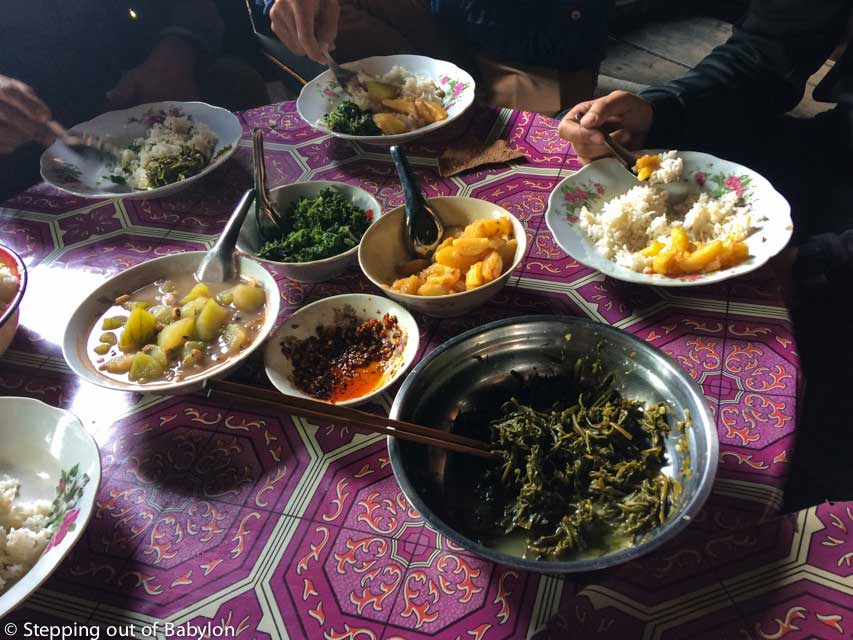
Refeição preparada por uma das famílias que nos acolheu durante os três dias de caminhada
Meal prepared by one of the families who welcomed us during the three days of walking… delicious vegetarian meals where the bowls never stop to be refilled

Kyaukme… first step on Shan State

Kyaukme isn´t one of the most popular places to stay when you visit the Shan State, with Hsipaw and Pyin Oo Lwin on the top of the list of the places chosen as a base point to explore this area. This northeast region of Myanmar is well known by the presence of different ethnic groups, generically denominated Shan people that include different tribes that in common have the same Chinese roots and the language, similar with Tahi and Lao.

But there are many reasons to stay and enjoy this town: is small enough to be made on foot, and with some interesting thing to keep you entertained for a couple of days: some sightseeing points, a nice market, lots of street-food… and a laid back vibe… where there’s always time for a smile and to pet a stray cat!

Despite the proximity to the surrounding villages, where predominates the Palaung, one of the tribes that make up the ethnic mosaic of the Shan state, the traditional colorful costumes of the Palaung women are not glimpsed in Kyaukme. However, in the faces of the people of this region we can note the Eastern features, distinct from the Bamar, the dominant ethnic group in Myanmar.

As a result of ethnic and cultural differences, the Shan State has been for a long time a name connected fights opposing the army to groups of the local population. These conflicts still going on, and are a mix of stand up for recognition and respect for cultural differences, as also a fight against the military dictatorship that ruled the country for 54 years. But now, despite the recent democracy, the conflicts are still going on, with these “rebels” groups controlling the region from the top of the hills.

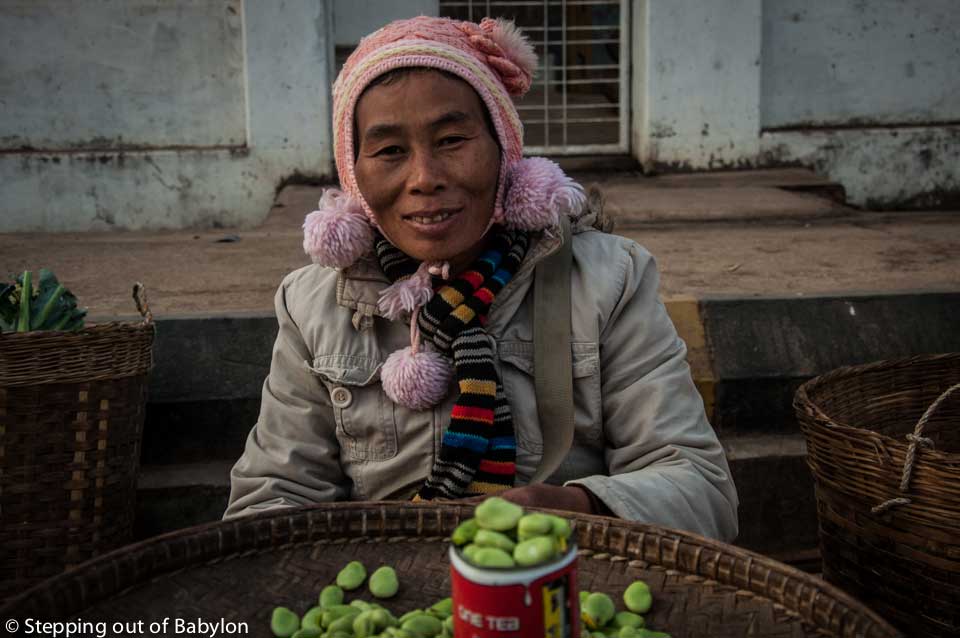
But the daily life at Kyaukme starts early, while the first sunrays shine on the local food market, heating the chilly morning. This is a good opportunity to try some of the local snacks, a mix of Chinese with Burmese influence, but for that, you need to wake up early, as the market close around 7.30 a.m.

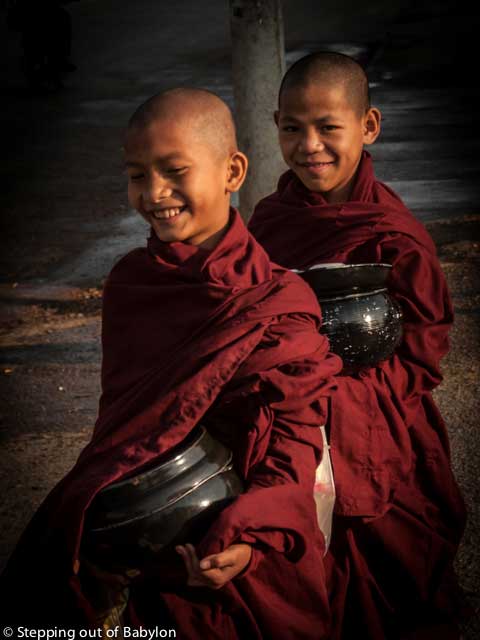
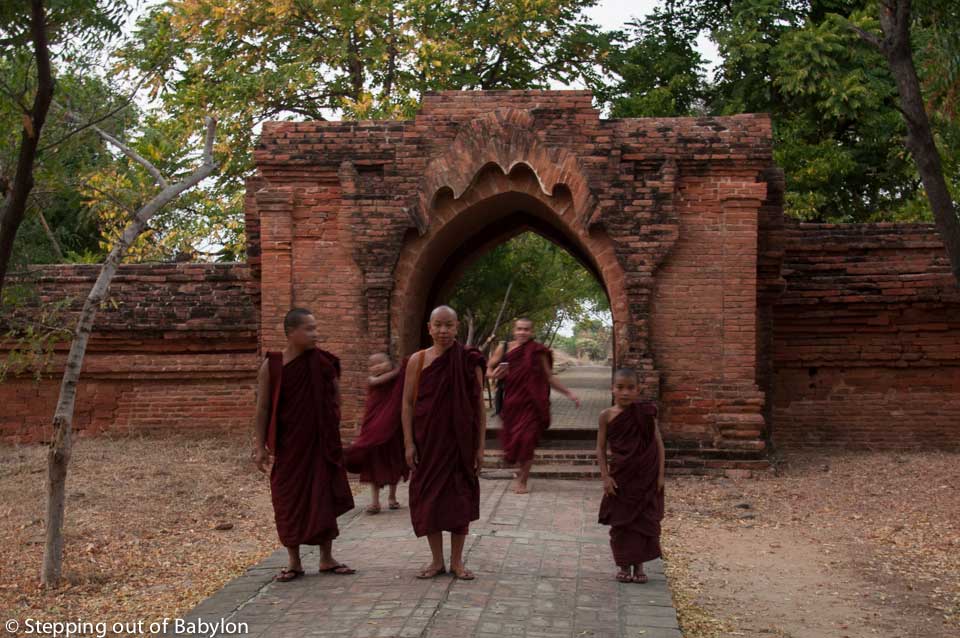
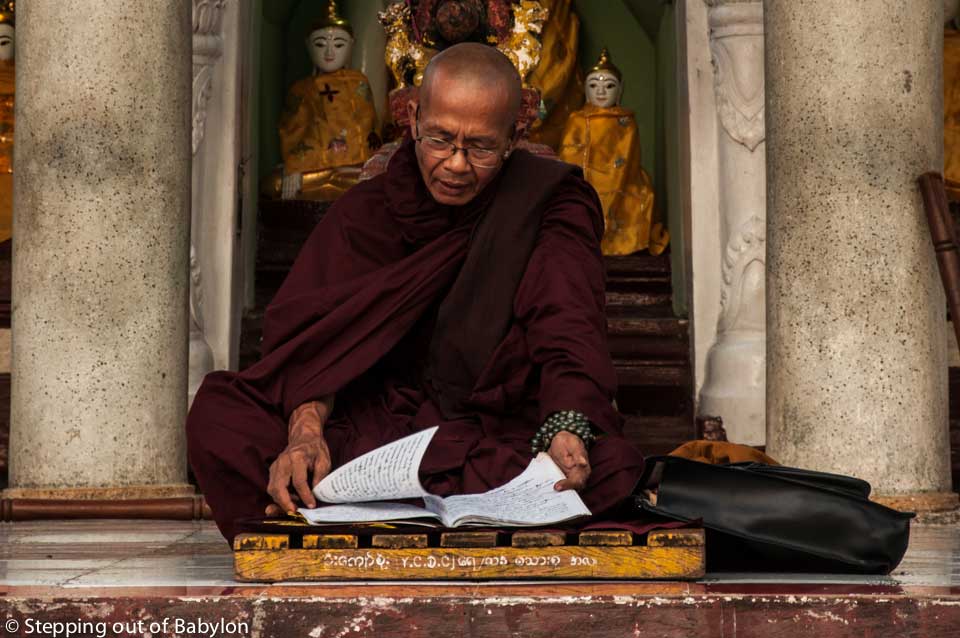
Along the streets, monks walk begging for alms, and despite the serious faces gazing the ground, the younger monks can´t avoid a curious smile when they look to the foreigners.

Kyaukme
Kyaukme
Kyaukme
Kyaukme
Kyaukme
Kyaukme
Kyaukme
Kyaukme

Kyaukme_DSC_3153

Where to sleep in Kyaukme:

As Kyaukme is starting to be an alternative to the more popular Hsipaw, there several accommodation options for foreigners.

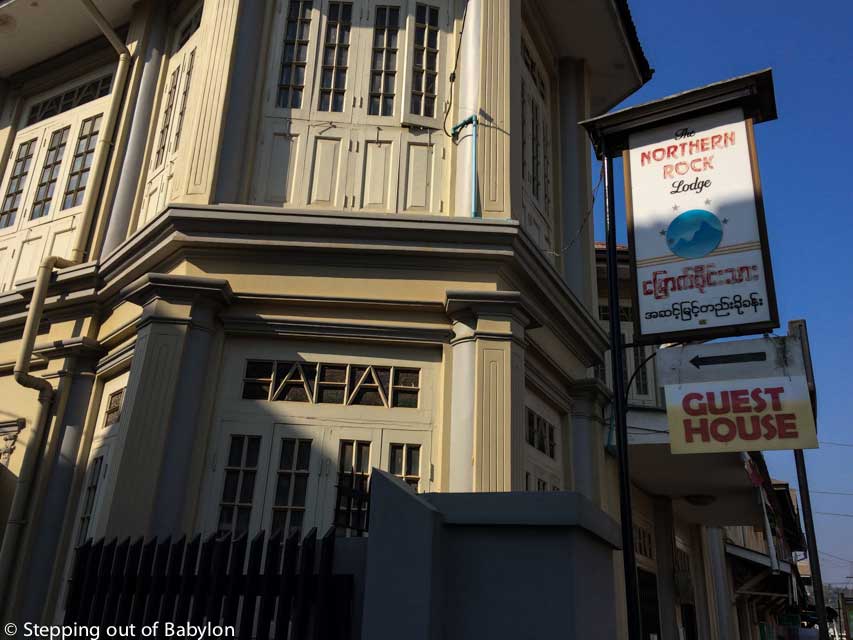
The choice was to Northen Guest House, probably the most smiley staff in town. The building has character, with a well-preserved colonial charm. There are different types of rooms, some with shared bathroom and some without window.

  • Double room with toilet inside: 21 USD
  • Double room with shared toilet: 12 USD

[columns] [span6]

Accommodation Kyaukme

[/span6][span6]

Accommodation Kyaukme
Accommodation Kyaukme. contacts

[/span6][/columns]

Where to eat in Kyaukme:

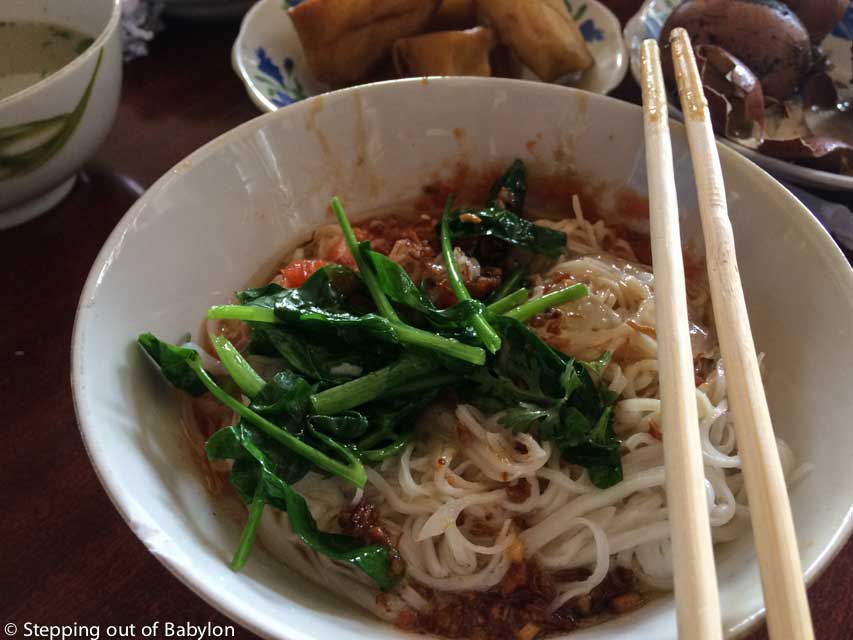
But not much later starts another market, this one indoors selling a mix of traditional Burmese clothes and crafts with some Chinese imported products. On the streets around this building that occupy one block of the town grid, another market starts in the afternoon… street food is almost everywhere, and here is a good opportunity to try the traditional Shan noodles soup, that has a more Chinese touch compared to the other Burmese soups like mohinga.

Shan noodles soup
Shan noodles soup

Wi-fi in Kyaukme:

Cherry Pan Tea House, where most of the workers are kids, has the best wi-fi connection in town, if you don’t want to go for a more expensive experience of the Banyan Coffee shop.

On the other side of the street there’s another tea-shop with wi-fi…. but watch out that the tea in this kind of teashops is sweetened with condensed milk resulting in an extremely sweet drink that little has to do with tea. The coffee here is “coffee mix” an instant industrial drink made with sugar, milk powder (in fact a creamer without dairy) and a bit of coffee.

wi-fi in Accommodation Kyaukme

How to go from Mandalay to Kyaukme:

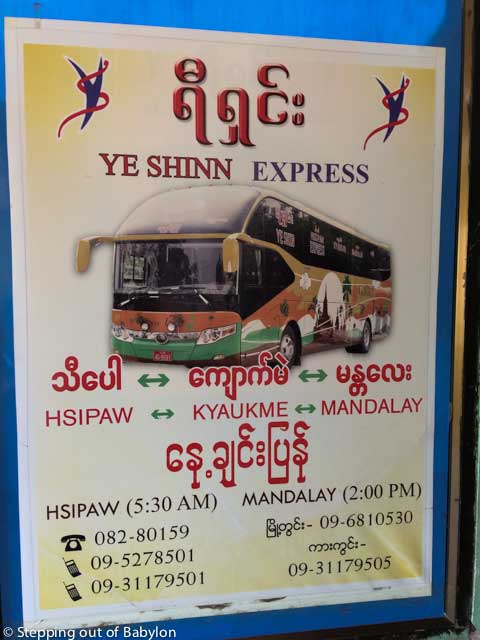
From Mandalay, you can get a direct bus at Pyi Gyi Myat Shin Bus Terminal. There are two buses leaving at the same time to Hsipaw that stop at Pyin Oo Lwin and Kyaukme. The best buses from Ye Shinn Express are more modern and comfortable.

The buses departure at 2 pm. The ticket cost 4000 kyats and the trip takes around 3.5 hours… but can be much more as the road pass by a mountain area with often traffic jams.

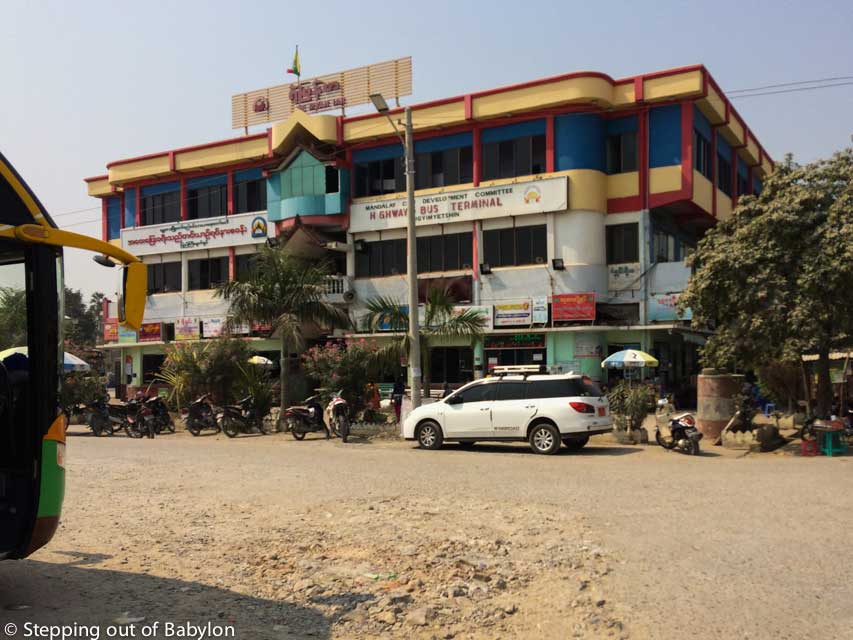
Pyi Gyi Myat Shin Bus Terminal is very small terminal, with basic conditions the make long waiting a bit hard.

[columns] [span6]

Bus Schudule Mandalay to Kyaukme

[/span6][span6]

Pyi Gyi Myat Shin Bus Terminal at Mandalay

[/span6][/columns]

Bagan… eat, sleep and move around

Where to sleep in Bagan:

To vist Bagan you have three option to stay: Old Bagan, where are located the most posh accommodation, New Bagan, a grid of organized quiet alleys, with a good choice of homestays and guesthouses… or Nyaung-U for budget option.

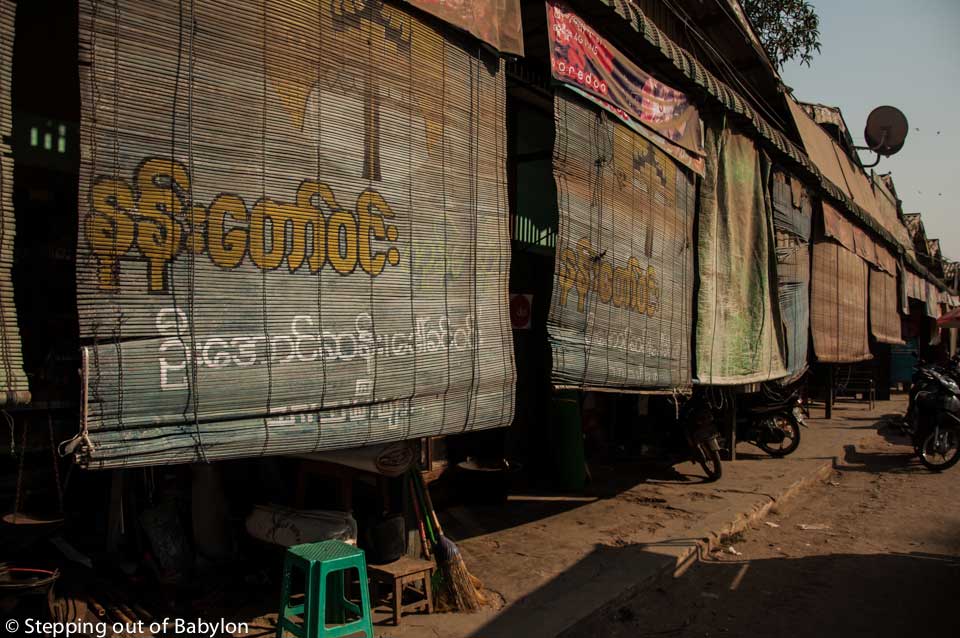
So Nyaung-U was the choice: an uninteresting village along the road, more and more focus in the tourism business. The local food market (mornings) still has the pulsation of the Burmese lifestyle but slowly is changing to tourist-oriented products, like souvenirs handicrafts and antiques (until 4 pm). Still deserve a visit.

To sleep they’re hundreds of options in Nyaung-U. The places listed in booking websites are usually more expensive, but still you can get a better rate if you go directly to the counter instead of booking on-line. No stress, you’ll find a place to sleep!!!

From my experience you can’t find a double room cheaper than 20 USD (around 27.000 Kyats). February 2016. However, the breakfast is included and the wi-fi is free.

The choice was for the Large Golden Pot. The rooms are ok, the place is quiet, slow wi-fi, reasonable breakfast (fruit, eggs, toast, tea, coffee, butter and jam)… but a push and unpleasant manager, always trying to push you to rent the e-bike there (you can find cheaper outside) and the bus tickets (all have the same price). When he realized that we didn’t get anything from him he become grumpy and gave us a bad rate when we pay in kyats. https://www.tripadvisor.com/ShowUserReviews-g303663-d554718-r463088080-Large_Golden_Pot-Nyaung_U_Mandalay_Region.html#CHECK_RATES_CONT

Bagan_Nyanung-U_Myanmar_DSC_2533
one of the local tea shops were food is also served. Nyaung-U
Bagan_Nyanung-U_Myanmar_DSC_2545
Nyaung-U food market… busy during early morning
Bagan_Nyanung-U_Myanmar_DSC_2569
Nyaung-U

Where to eat in Bagan:

Nyanung-U if the less charming option, but has all the facilities that you may need, like banks, ATM, motorbike and bicycle rent, reserve of bus tickets, and many food option, from the more touristic restaurant with a choice of Myanmar and Western food, as a lot of local restaurants and tea-shops.

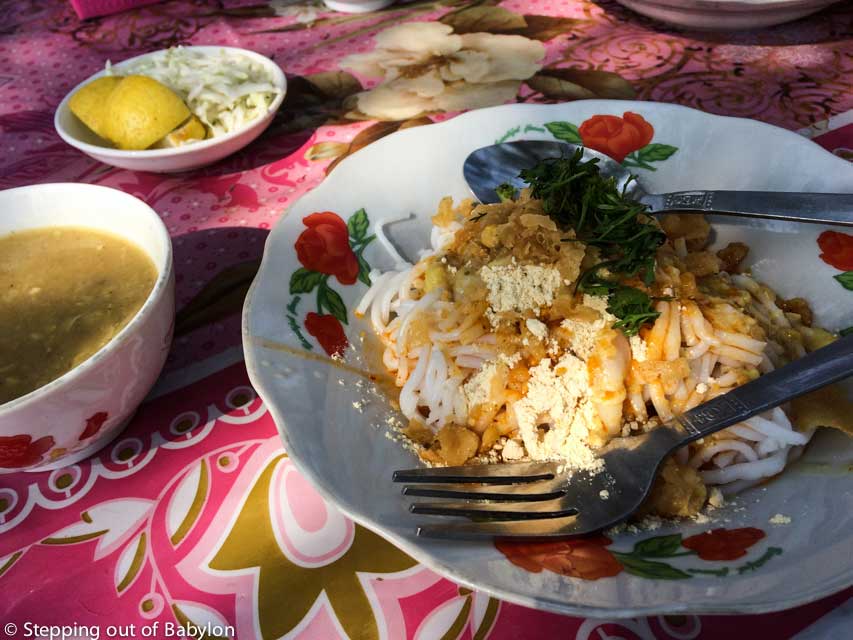
Also in Nyanung-U you can find street-food, as mohinga. Mohinga even if you ask without pork or chicken is not guarantee that is totally vegetarian, as the soup is not always made from a vegetable stock, and can also be made from fish.

"mohinga" from a street food stall at Nyaung-U
“mohinga” from a street food stall at Nyaung-U

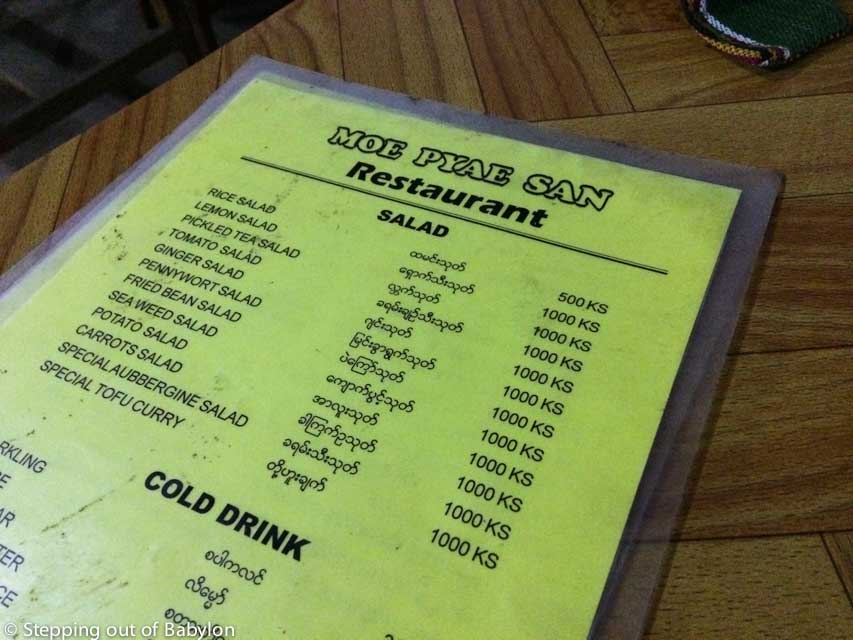
It´s also easy to find vegetarian options, in local restaurants, like fried rice and fried-noodles. But along the road from Nyanung-U to Old Bagan, you’ll find on the left side of the road a nice vegetarian restaurant with Myanmar food… and Myanmar prices: Moe Pyae San. When you pass by the sign indicated “art gallery” will probably pop up to your eyes, but this place is basically a family style restaurant.

The menu is dominated by salads (tea leaf salads, or laphet thoke) and rice (the coconut rice is very good). Despite the sign that advertise “vegetarian restaurant” at Moe Pyae San you can also find Myanmar food, a set of rice, curry, soup, steam lentil, tea leaf pickle and some raw vegetables. This meal cost around 1200 Kyats… around 0.80 euros.

Along the road from Nyanung-U to Old Bagan there are many stalls selling food, much of them close around 4 pm. But they are a good and cheap option for local food.


Burmese meal at ... Restaurant. Nyaung-U
Burmese meal at … Restaurant. Nyaung-U

[columns] [span6]

Bagan_Nyanung-U_Myanmar_Moe Pyae san restaurant_IMG_2259
Moe Pyae San restaurant at Nyanung-U

[/span6][span6]

Bagan_Nyanung-U_Myanmar_Moe Pyae san restaurant_IMG_2238
Moe Pyae San… a vegetarian restaurant but that also serve burmese food, at Nyanung-U, on the road between Nyanung-U and old Bagan

[/span6][/columns]

Burmese meal at ... Restaurant. Nyaung-U
Burmese meal at Moe Pyae San Restaurant. Nyaung-U

Moving around Bagan:

Bagan is big, the temples are spread, the weather is hot and dry and many roads are sandy. So… e-bikes are the answer! A new fashion that quickly conquered Bagan and the tourists, compared with what I found in 2014, making bicycles a less option popular option.

I like to cycle and it’s a very smooth way to visit the Bagan Archaeological Area. But to be honest the e-bikes are a better option, not just saving you from some effort, but because allow you to go further, escaping from the most beaten track, and enjoy to get lost in the labyrinth of roads of Bagan.

An e-bike cost 7.000 kyats, a day, but if you rent it just for the “sunset” i.e. from 4 pm you pay 5.000 kyats.

Note: you can rent a e-bike, for two person!!!! Some places insist that is just one for each person, I got one for 7000 kyats a da day for two person, at Treasure Queen, nice and friendly family. The shop is open since 5.30 a.m. to 8 p.m., and you should drop the e-bike there to recharge during the evening.

Bagan_Nyanung-U_Myanmar_IMG_2303

Bagan Archaeological Area Ticket:

The ticket cost 25.000 Kyats. (February 2016)

No matter how you arrive to Bagan you cannot avoid paying the ticket; all the bus or taxi drivers will stop at the counter. But if you want to take your chance you can try to skip the ticket counter: you can walk from the Bus Terminal or from the Train Station on the way to Nyanung-U, along the main road. When you walk about 850 meters you’ll nee to turn to the first road on your right. Then keep walking more-or-less parallel to the main road for 2.5 km, crossing a residential area. At a T-junction, turn left to get back to main road. From here you have 2 km more until reach Nyanung-U.

Is a loooong walk but if you are really in a tight budget you can give a try. This will work better if you arrive early morning, before the sunrise or during the evening (choose the “on foot” option of maps.me).

The guesthouses never ask for your ticket, and there is not a gate or nothing where you have to show your ticket. In 3 days of visiting Bagan Archaeological Area, only once I need to show the ticket and was on a Sunday (the busiest day in Bagan) and at the Ananda Temple, one of the most popular places.

Bagan ticket
Bagan ticket

How long to stay in Bagan?

For me, 3 days was perfect to visit the area. You have several changes to see the sunrise and the sunset from different perspectives, and time enough to look for a quiet place to see the sunset.

In just one day you’ll be rushing, and end up full of Buddha images and stone carving, mixing all the names and places. With a longer stay you can visit Bagan in the morning, and at the end of the afternoon, when the temperatures and cooler and the light is better.

How to go from the bus terminal to Bagan:

The bus terminal that serves Bagan is located far from the Archaeological Area, as also the Train Station, located about 5.6 km from Nyanung-U.

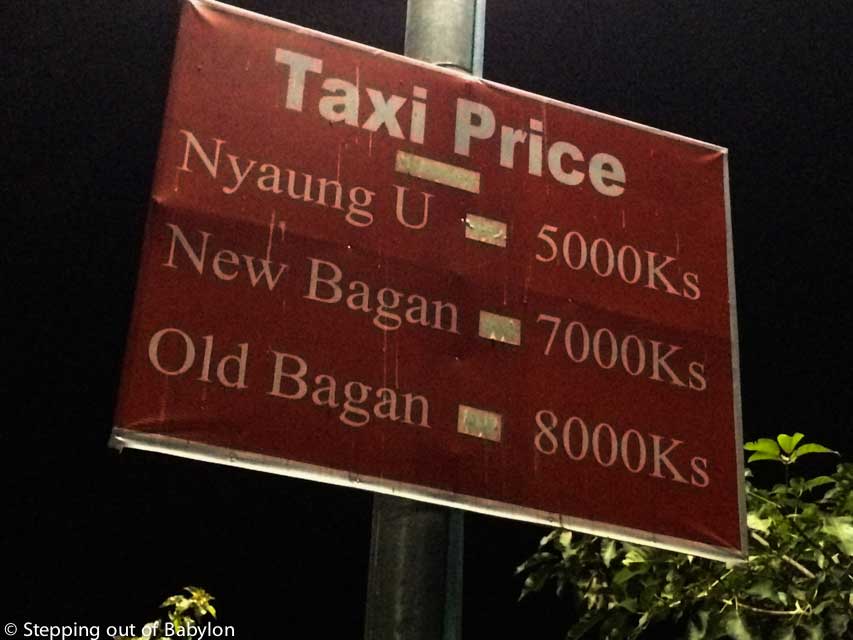
The taxis are organized and there is a sign in the bus terminal with the price to the different places to stay: Old Bagan, New Bagan and Nyanung-U. The price is for person!!! Quite expensive for such a short ride. It’s a distance that can me made of foot if your destination is Nyanung-U, if you arrive early morning or evening, as the road doesn’t have much shade.

But the best is to leave the bus terminal on foot, and walk on the direction of the town. There you can try to hitchhike or take one of the shared-taxi that regularly pass by and that charge 1.000 kyats per person. The shared-taxis are a regular public transportation in Myanmar, usually a small truck that transports people on the back of the vehicle. 

Bagan_Nyanung-U_Myanmar_taxi prices_IMG_2187

How to go from Bagan to Shan State:

There are many options to leave Bagan by bus.

My next stop was Shan State, so I took a bus to Mandalay, and from there there’s another bus to Kyaukme. You can get the tickets at the guesthouses, travel agents or in one of the many shops the rent bikes. The prices are more or less the same.

Is also possible to take a direct bus to Hsipaw, which pass by Kyaukme.

Bus from Nyanung-U to Mandalay: 9.000 Kyats, departure at 5.30 am, and they pic you at your guesthouse. Maybe you can save some money if you go directly to the bus terminal. In Mandalay the bus can drop you at Chan Mya Shwe Pyi or at Pyi Gyi Myat Shin. It was a small bus, new and with a/c but more adjust to urban rides that to bumpy roads.

Bagan and the 2 thousand Buddhist temples

Yes… there presently around two thousand temples that survive from the ten thousand build between the 9th and the 13th centuries, during the Pagan Kingdom (later changed to Bagan), which territory is more or less what is now Myanmar.

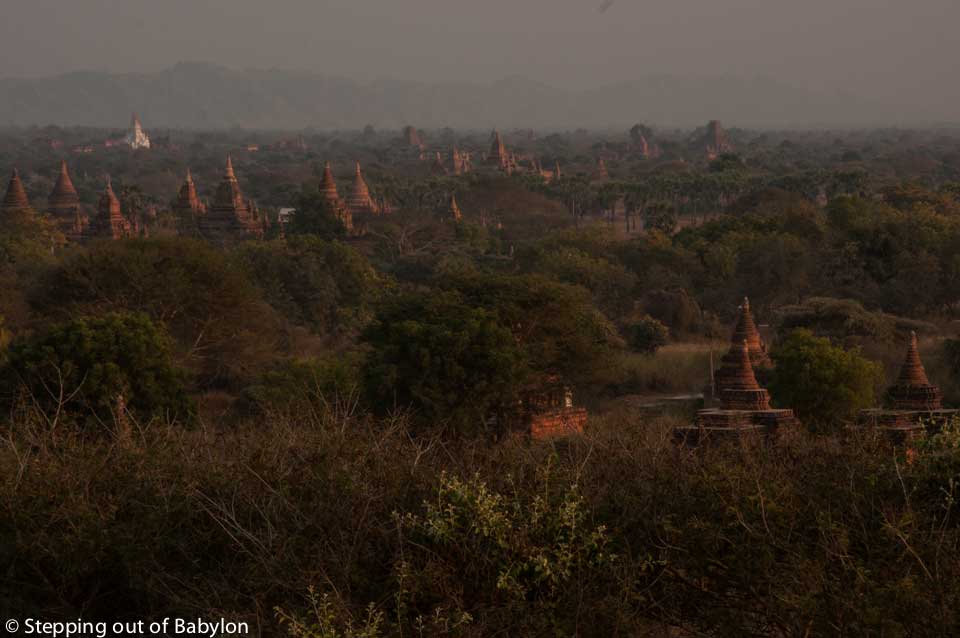
Despite being located on the banks of Irrawaddy River, Bagan is located in a very dry and hot area, where the scarce vegetation leads us to a savanna landscape. The intense sun and the temperatures above 30 degrees intensify this feeling, pushing the visitors to move around during early morning or close to the sunset, leaving the hot hours of the day to chill at the room or take a nap.

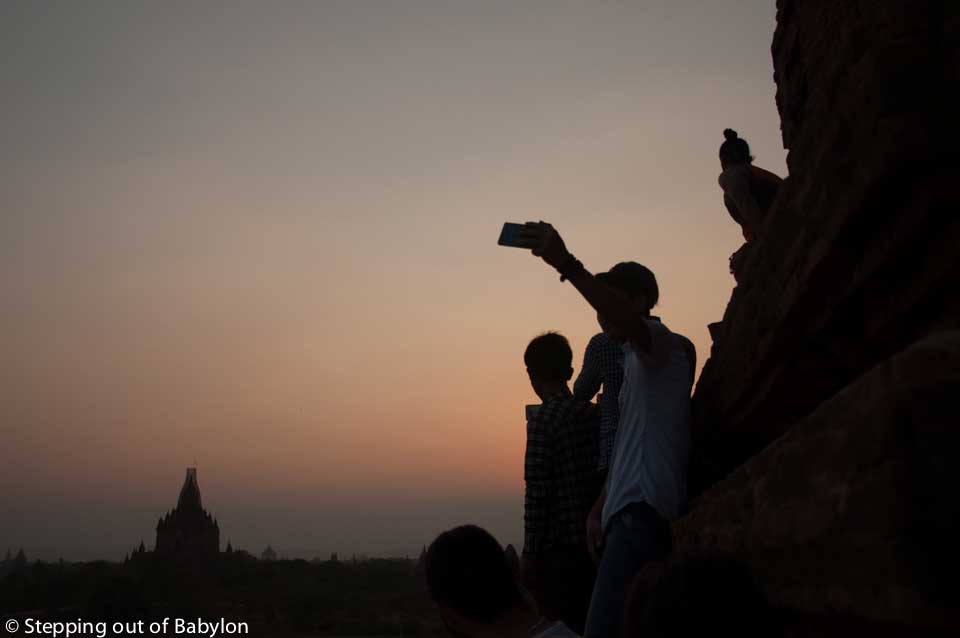
With the sunset the landscape gets a special touch when the last sunrays light the ground, enhancing the rusty color of the soil. This is one of the most appreciated moments, attracting the visitors is the search of an accessible rooftop or an easy climbing temple to appreciate the show. It’s a stress moment, with the best places already taken by the tour groups and excursions, with crowds climbing the steep and narrow staircases, and people pushing to reach the best spots, handling selfie sticks.

It’s a challenge and a good excuse to explore the endless number of temples and find “your” place… that maybe need to be shared with other people 😉

With the sunrise comes the quietest moment of the day, and also the most inspiring, with the mist slowly coming out from the vegetation, creating a layer of unreal atmosphere that evolve the flat landscape, where the temples and pagodas stand out.

But despite the tourist cliché, the sunset and sunrise at Bagan offer beautiful moments, where is nice just to sit and enjoy the magic moment, surrounded by an almost unreal landscape where the red color of the walls of the temples, pops up from the green dry vegetation.

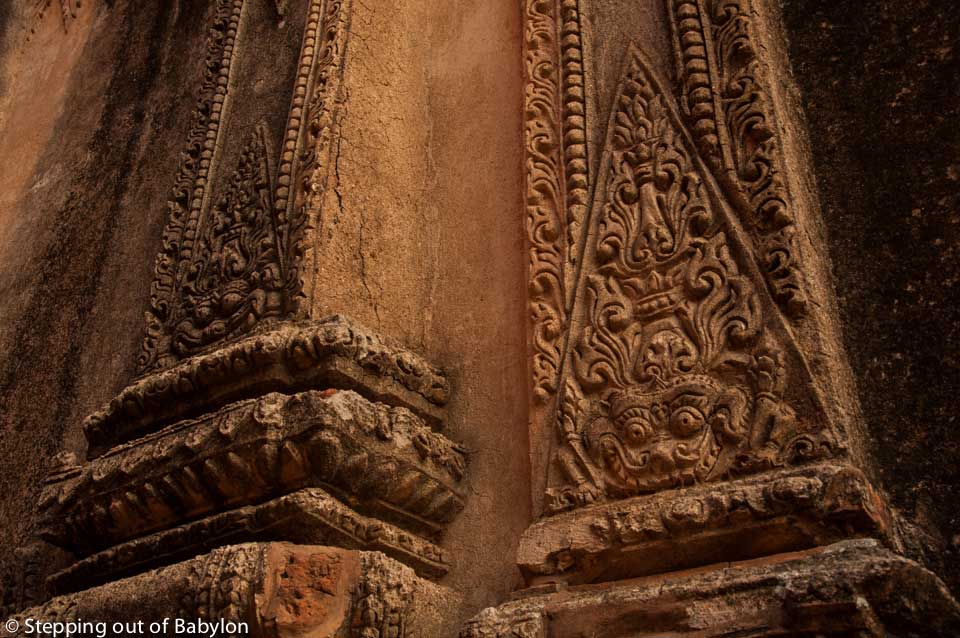
Stone carving with traditional "kanot" decoration. Bagan, Mayanmar
Stone carving with traditional “kanot” decoration that cover most of the temple walls. Bagan, Mayanmar
Bagan, Myanmar
… but Bagan doesn’t attract just foreigner tourist, being also a importante place for pilgrimage between burmese Buddhist, coming from different parts of the country
Sunrise at Bagan, Myanmar
Sunrise at Bagan with the mist comes out from the vegetation, giving a fairytale atmosphere to the landscape
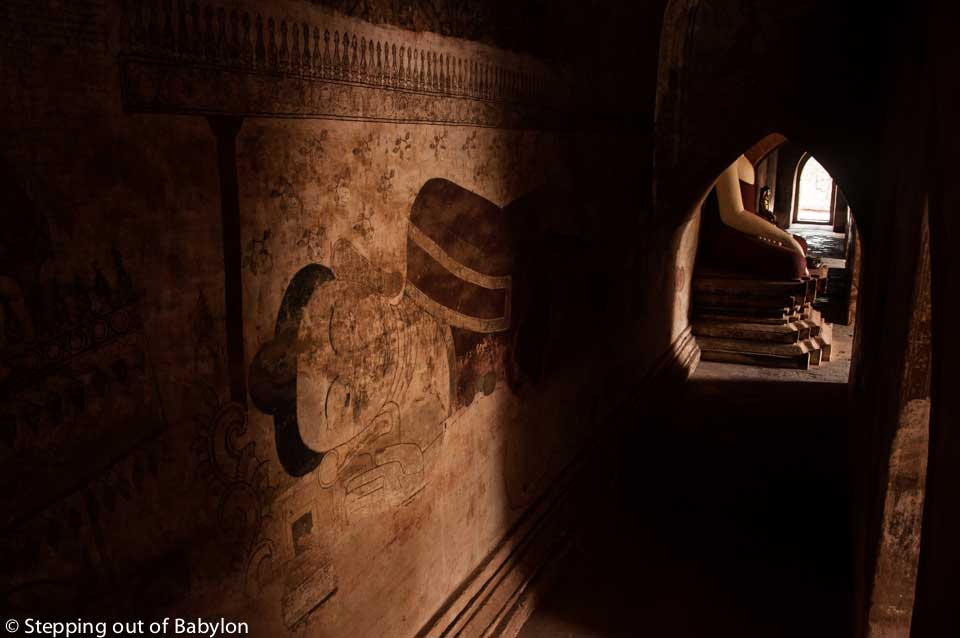
fresco inside on of Bagan temples
Murals and “frescos” inside on of Bagan temples, always with representation of Buddha’s life, preserved by the darkness that envolve the corridors inside the temples. Sulamani Temple, Bagan
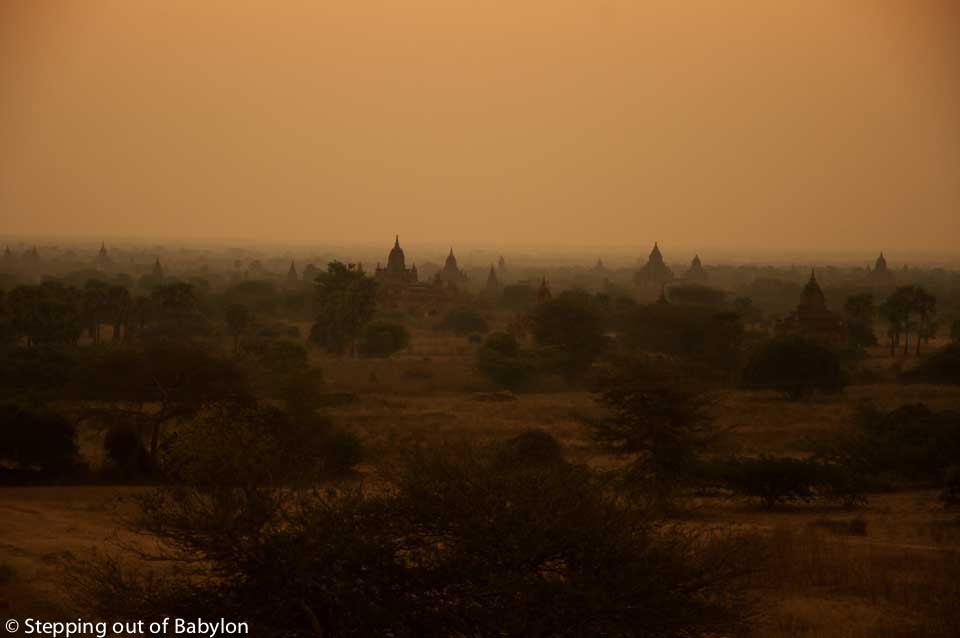
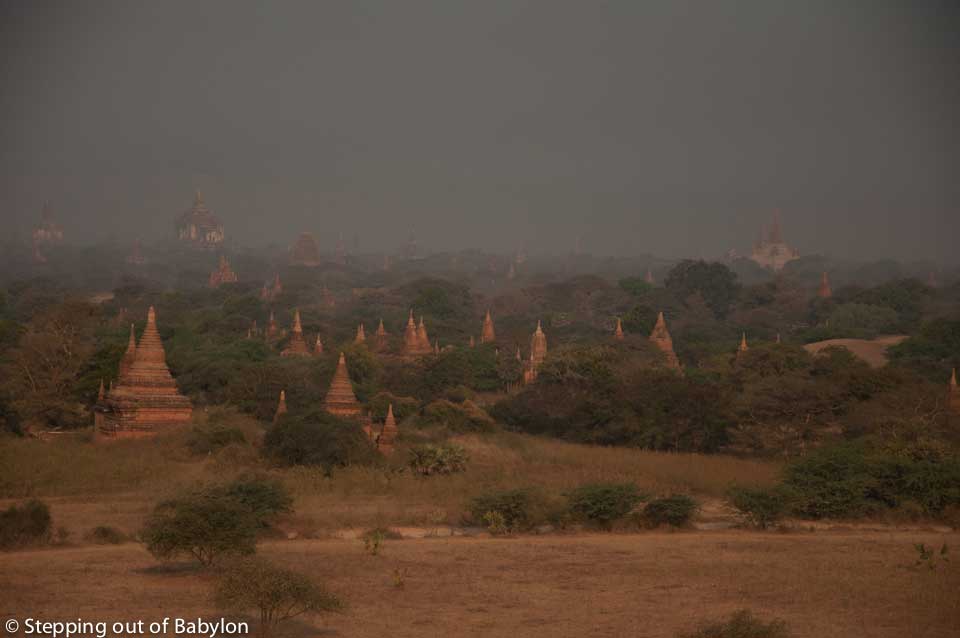
During the afternoon the landscape is wrapped in a layer of mist resulting from the heat. Bagan, Myanmar
During the afternoon the landscape is wrapped in a layer of mist resulting from the heat, dimming the contours of the pagodas

Bagan, Myanmar
Most of the temples follow the same arquitecture, with the core formed by a square surrounded by corridors of high ceilings, occupied by pigeons, at each side of the square there’s a Buddha statue facing a gate to the outside. Sulamani Temple
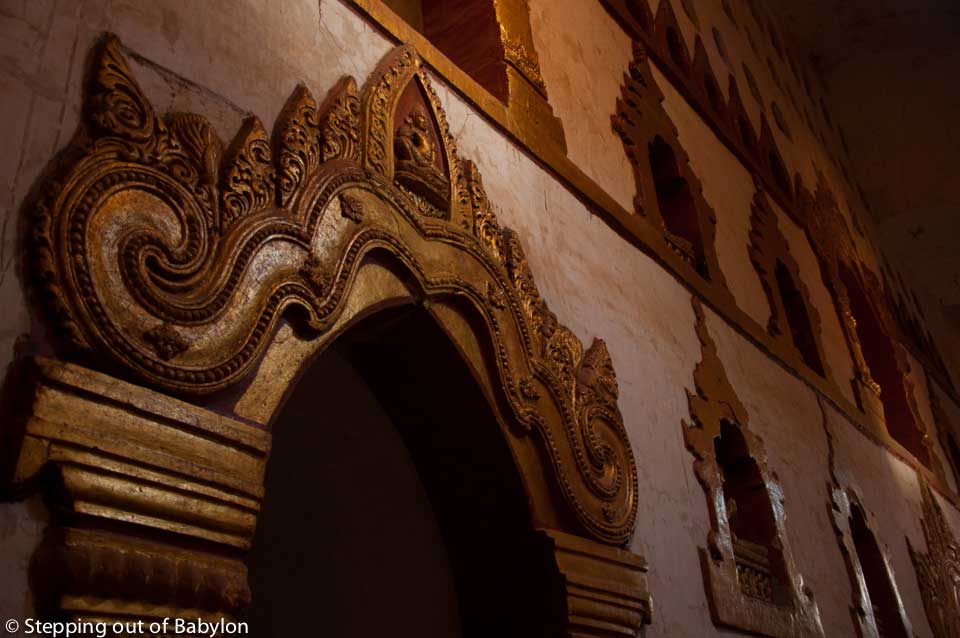
Stone carving decorating he entrance of a temple, Bagan
Stone carving decorating the entrance of a temple, Bagan
Bagan, Myanmar
Decoration inside on of the Bagan temples
Bagan, Myanmar
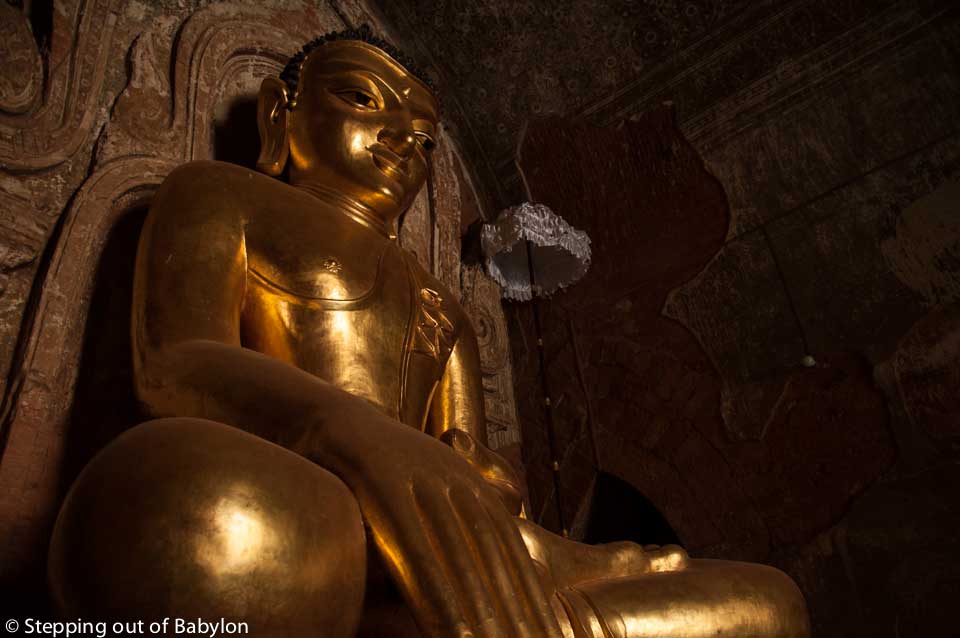
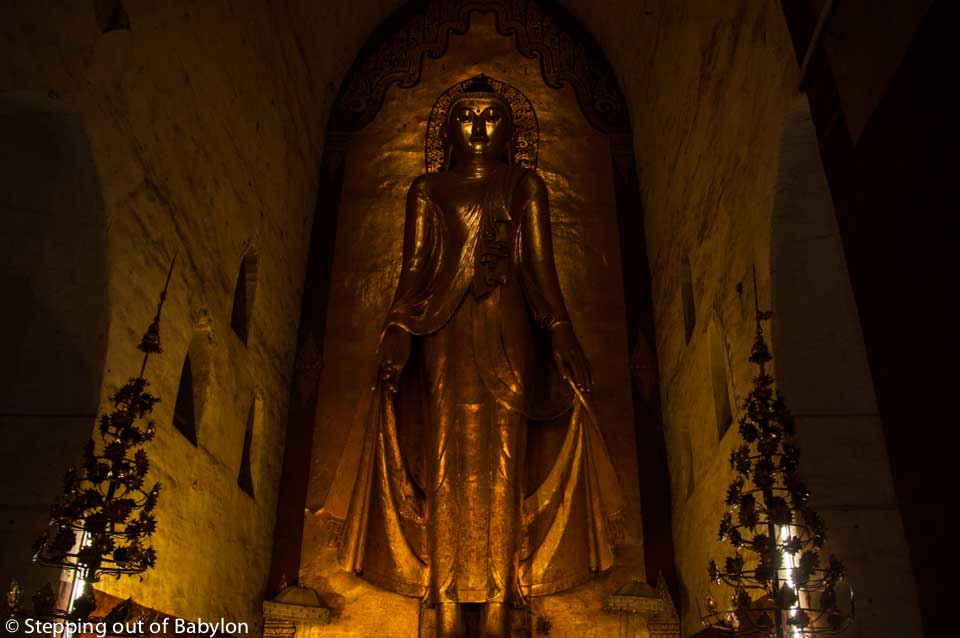
Almost all the Buddha statues are covered with gold, shinning with the faint light of the interior of the temples
Bagan, Myanmar
One of the four main Buddha’s statues at Ananda Temple, one of the most important of Bagan
Bagan, Myanmar
Bagan, Myanmar
Selling sweets at the entrance of one temple
Selling sweets at the entrance of one of Bagan temples
Bagan, Myanmar
Bagan, Myanmar
Bagan, Myanmar
Bagan, Myanmar
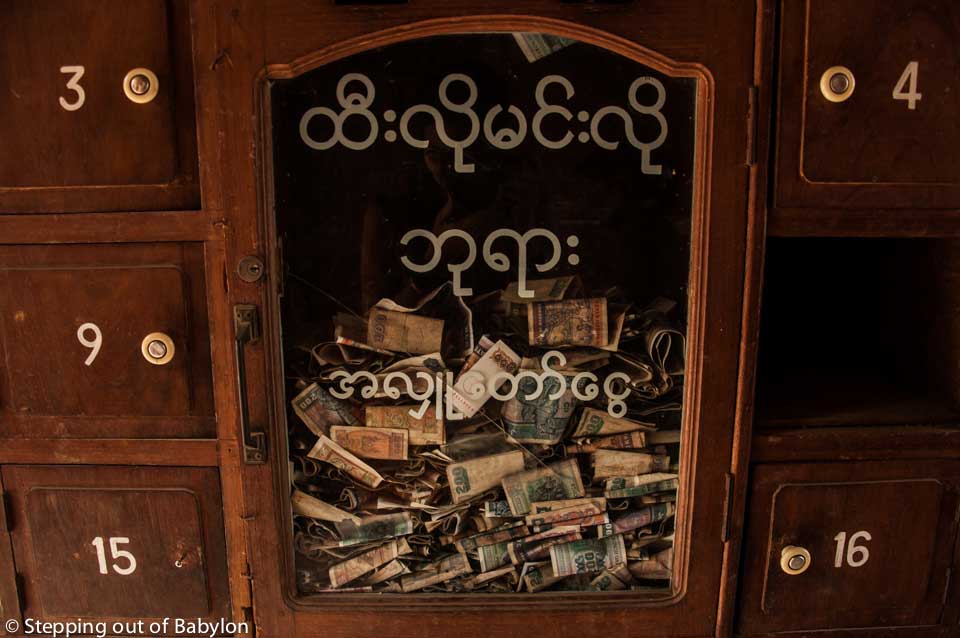
Donation box at temples entrance, Bagan, Myanmar
Sunset at Bagan, Myanmar


Sunset at Bagan, Myanmar

Bagan… eat, sleep and move around

Ngwe Saung… a taste of Myanmar sands

Leaving Yangon behind there are kilometers of wet flatlands in front of our eyes, where the green of the rice fields is interrupted every now and then by a lagoon or a wide river of slow and brown waters. For hours a rural landscape fills the window of the bus, with small groups of houses made from bamboo break the monotony but reveal a lifestyle where nothing appears to have changed in the last century.

But the last part of the journey, a few kilometers from the coast a succession of hills, rises between the plain and the sea, forcing the road to bend and narrow. But this break in the monotony of the landscape does not bring a pleasant image.

Here and there some isolated trees of impressive size attest that before there was a forest of a dense canopy, destroyed by the timber business that leaves the ground free for the rubber tree plantation.


DSC_2294

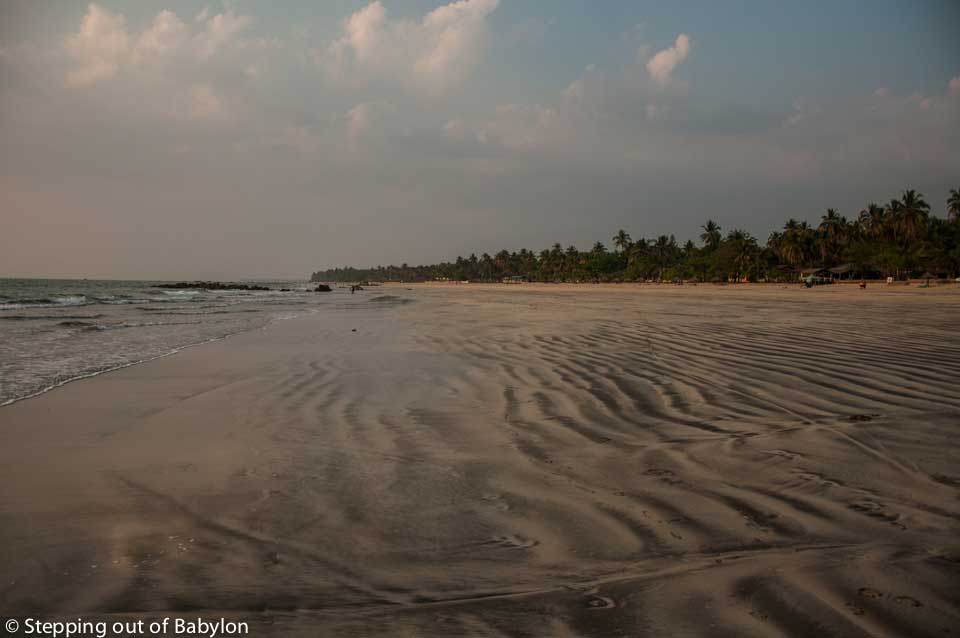
Ngwen Saung… a small dot on the Myanmar map, before a small fisherman village, is stand up now to become one more resort area, competing with Ngapali. But despite being a tourist-orientated place where the fishing becomes a secondary activity, Ngwe Saung still offer a long stretch of almost empty sands, attracting both Burmese and foreigners. The first ones looking for a break away from the intensity of Yangon, and the others looking for a relax place to chill or a special treat at the end of the vacations, in a place where the warm and still waters are a pleasant place to swim.

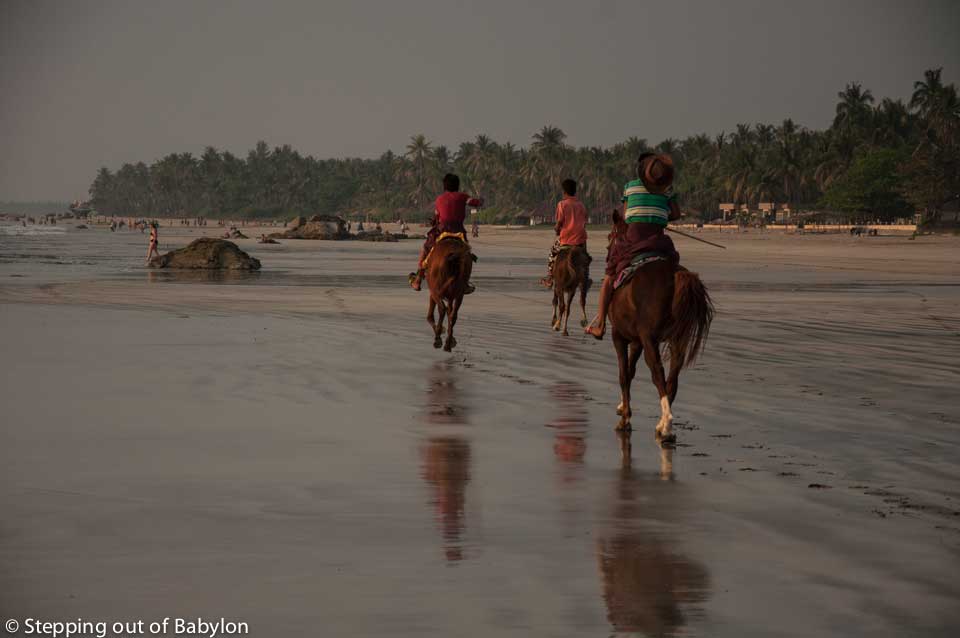
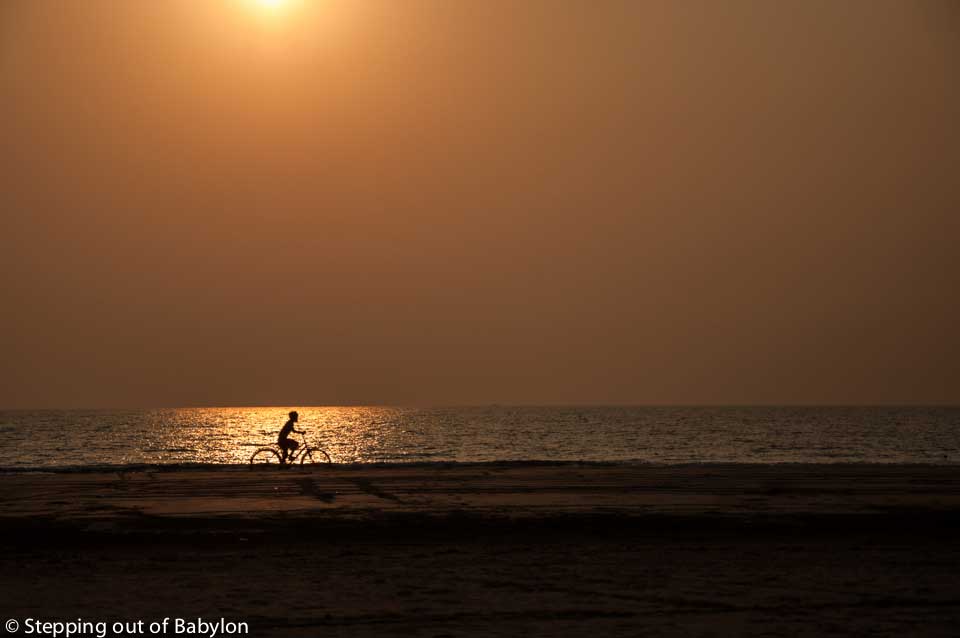
During the low tide the beach the hard and flat sand surface is used by local population as kind of shortcut between the nearby villages, offering a more pleasant way than the road, with the quiet landscape crossed by motorbikes and horses.

DSC_2292
Ngwe Saung beach


DSC_2303
During the day women walk along the Ngwe Saung beach selling grill fish, squid and prawns… and spreading friendly smiles


DSC_2286
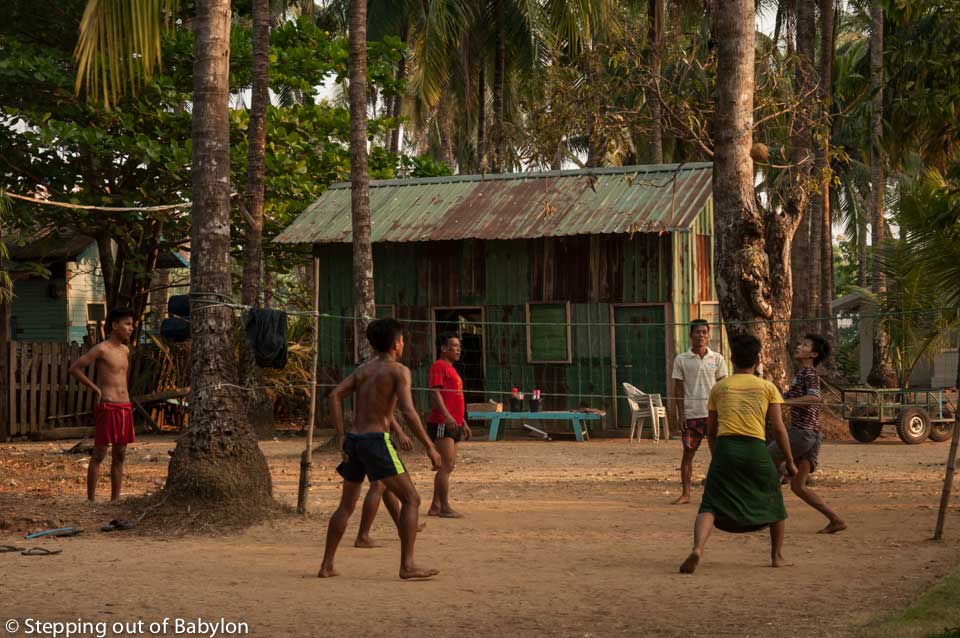
With the sunset, when the temperature is more chill groups of men gathering for playing chinlone, the traditional Myanmar sport


There is not much to do or see around Ngwe Saung, and the two nearby villages, don’t have much more to offer than restaurants and souvenir shops. So, the best is just enjoy the almost ten kilometers of beach, where the low tide reveals a wide beach of grey-brown sand, making every visit to the sea long walk under the strong sun.

But with the sunset comes a fresh air, inviting for long walks enjoying the change of the light and colours of the vegetation that surrounds the beach… or join one of the groups that are playing chinlone, the traditional burmese game, played with the feet and a bamboo ball.

Ngwe Saung
Ngwe Saung


DSC_2273
Ngwe Saung

Where to sleep in Ngwe Saung:

Despite being focus in large budget tourist, is still possible to find cheap places (according to Myanmar accommodation prices) suitable for backpackers at Ngwe Saung

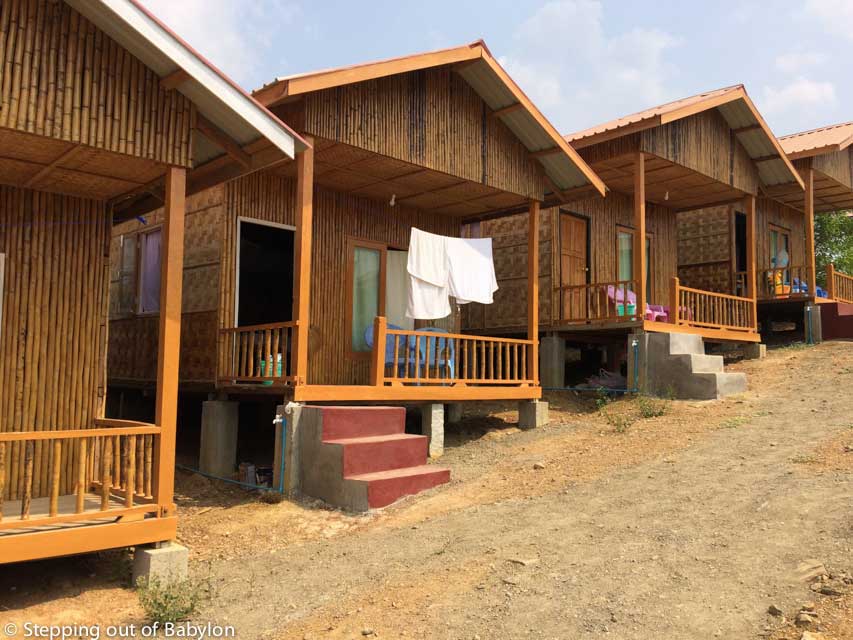
One of the options is the Forest Home Resort where the word resort in not the best to catalog a group of bungalows spread along a slope. The Bungalows are big, modern and very clean, and the breakfast in included, changing everyday between a mix of continental food with Burmese food. The staff is friendly and helpful.

The name of Forest Home Resort bring us the image of a shady green area, full of vegetation… but the forest already was gone and the place now is a dry area, exposed to the intense sun.

A double room, with toilet inside (no hot shower), and breakfast cost around 20 USD, depending on the length of the stay and your bargain skills. There is no wi-fi.

If you want to make a reservation is better text them by fb page: https://www.facebook.com/FOREST-HOME-Resort-1428700997435689/

[columns] [span4]

IMG_2171
Forest Home Resort, Ngwe Saung

[/span4][span4]

IMG_2158
Forest Home Resort, Ngwe Saung

[/span4][span4]

IMG_2170
Forest Home Resort, Ngwe Saung

[/span4][/columns]

Where to eat in Ngwe Saung:

At the Ngwe Saung village are several restaurants, from the ones that belong to the hotels and resorts with Burmese and international food, to the more simple ones serving rice and noodles dishes where the seafood (fish, squid and prawns) dominates the menu.

If you stay nearby Forest Home Resort, you can find nice food for an affordable price at a small hut located almost at the beach, but inside the area of the Shwe Hin Tha Resort (Silver Coast Beach Resort). The place doesn’t have a name in western characters, but from the beach is visible a small hut on piles near the sand.

In front of “Lovers Island” a big rock forming an island that is accessible in the low tide, there are a group of small stalls with parasols and chairs, serving food and drinks, and where is also possible to seat and enjoy the seafood sold by ladies and children that walk along the beach.

Along the road to Ngwe Saung there are a few more options, but you need to walk or take a taxi or moto-taxi (the most popular option here). If you walk south, along the beach until Lovers Island, you’ll find a small fishing village with a few restaurants.

How to reach to Ngwe Saung:

Ngwe Saung is located on the west coast of Myanmar, about 260km from Yangon, which means around 5 hours by bus. The road from Yangon until Pathein is flat and the bus runs smooth with a couple of breaks for food and rest (usually 30 minutes each). But from Pathein until Ngwe Saung, the roads gets narrow and with many curves and turns, make the last part of the trip look harder that the rest.

Most of the long distances buses departure from Aung Mingalar Bus Terminal, but if your destination is the west coast, like Ngwe Saung or Ngapali for example, your bus probably will depart from Dagon Ayeyar Highway bus station.

Dagon Ayeyar Highway Bus Station is located about 22 km far from Yangon city center, on the side of the Yangon-Pathein Highway (west from Yangon, after crossing the Yangon river). A taxi from Yangon to Dagon Ayeyar Bus Station costs about 8.000 kyats.

  • The bus from Dagon Ayeyar Highway Bus Station to Ngwe Saung cost 9.000 kyats, around 7 a.m.
  • But there is also a daily bus departing from Yangon Train Station, in front of the travel agencies located on the opposite side of the railway building. The round trip cost 18.000 kyats (Asia Dragon Travels) and departure from Yangon at 5.30 a.m… the bus is small and not that comfortable but save you the annoyance of catching a taxi and to go to the Dagon Ayeyar Bus Station!!!
Asia Dragon... one of the bus companies that have buses to Ngwe Saung that departure from the ground in front of the Train Station
Asia Dragon… one of the bus companies that have buses to Ngwe Saung that departure from the ground in front of the Train Station

How to buy bus tickets in Yangon:

https://steppingoutofbabylon.com/wp/en/2017/03/yangon-eat-sleep-and-move-around/

To buy bus ticket in Yangon: on the ledt side is the train station and on the right side are located the offices from ticket agents and bus companies

Leaving Ngwe Saung:

The bus company where you bought your ticket will pick at your hotel/resort.

The buses to Yangon leave around 12 noon.

Shwedagon Pagoda… the gold and the moon

Watching the moonrise while the last sun rays still shine on the gold that covers the Shwedagon Pagoda, creating a memorable moment full of a magic atmosphere.

For most of the visitor, Shwedagon Pagoda is just one more pagoda and not the biggest one, but according to the tradition is the oldest in the country, with more than 2500 years, and is particularly important as shelter the relic of some Buddha’s hairs.

What we can see now was improved and upgrades during centuries by several Burmese kings, resulting in an impressive structure that includes also temples and shrines, decorated with intricate and complex floral ornaments, typical of Burmese art. Parallel to this traditional style some modern decorations were added, with many Buddha images, decorated with neon lights that blink behind the statues, giving a cheesy and tasteless appearance to such a sacred place.

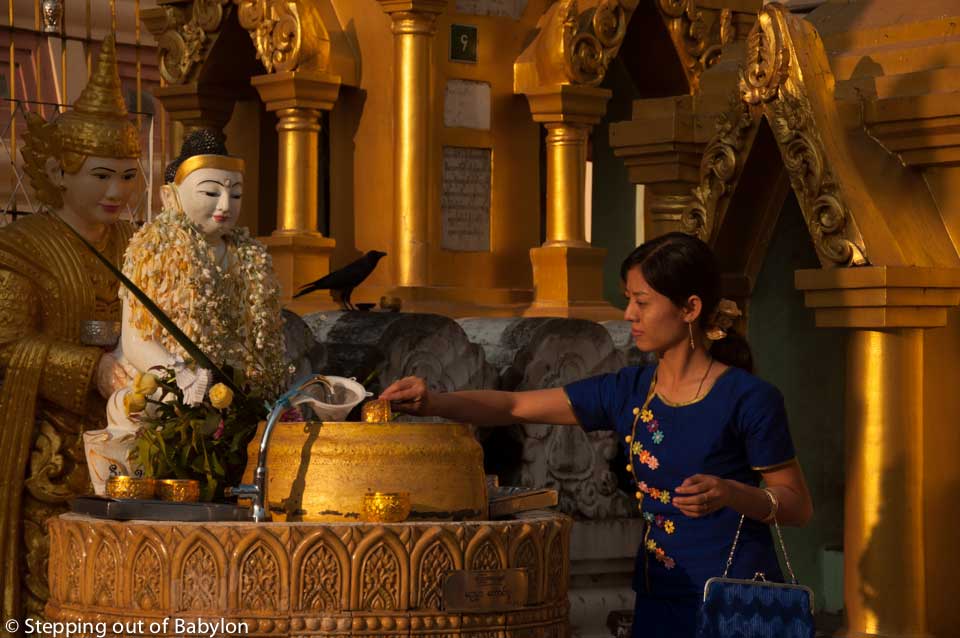
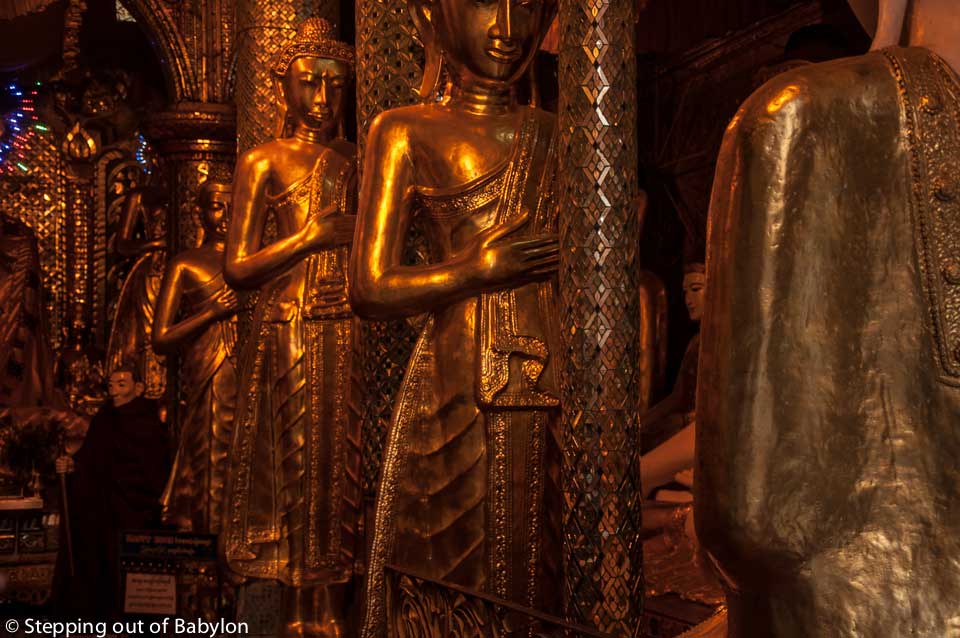
The gold rules at Shwedagon Pagoda!!! Is everywhere covering and decorating, ceilings, columns, images, ornaments, statues, altars, walls… makes us feel surrounded by an imaginary world made from this precious metal.

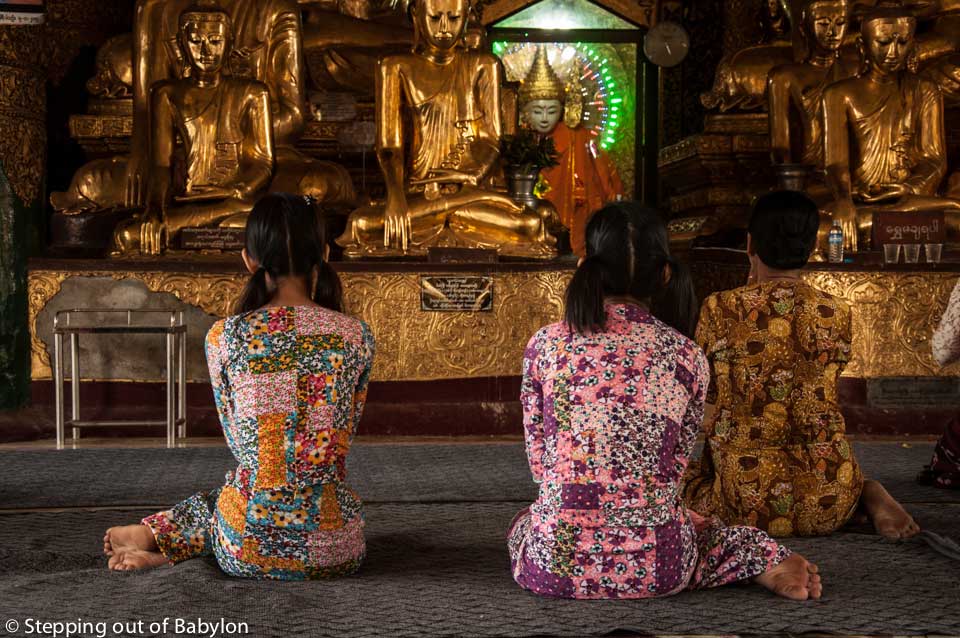
But more interesting than all is to observe the quotidian life of the pagoda, a mix of pilgrimage and amusement place, where kids play while parents pray. Groups of visitors pose for a souvenir photo in front of the pagoda, while others coming from distant parts of the country, which ethnic group is easy to identify by the clothes and face features, pray in one of the many temples around the pagoda.

DSC_1984
according with the Myanmar Buddhist tradition each person should pray at the altar correspondent to the day of the week of the birth day

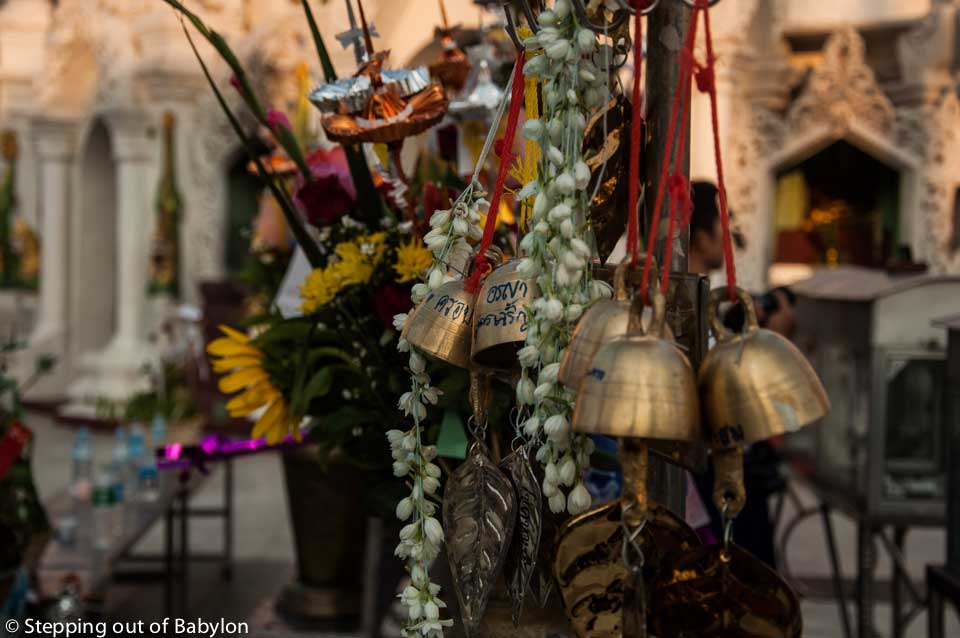
Offerings hanging nearby the pagoda

Praying at on of the temples of Shwedagon Pagoda

DSC_2047
Gold, gold, gold… all over the Shwedagon Pagoda

DSC_2052
Shwedagon Pagoda

How to go to Shwedagon Pagoda by bus:

The Shwedagon Pagoda is located 5 km north from Yangon Downtown.

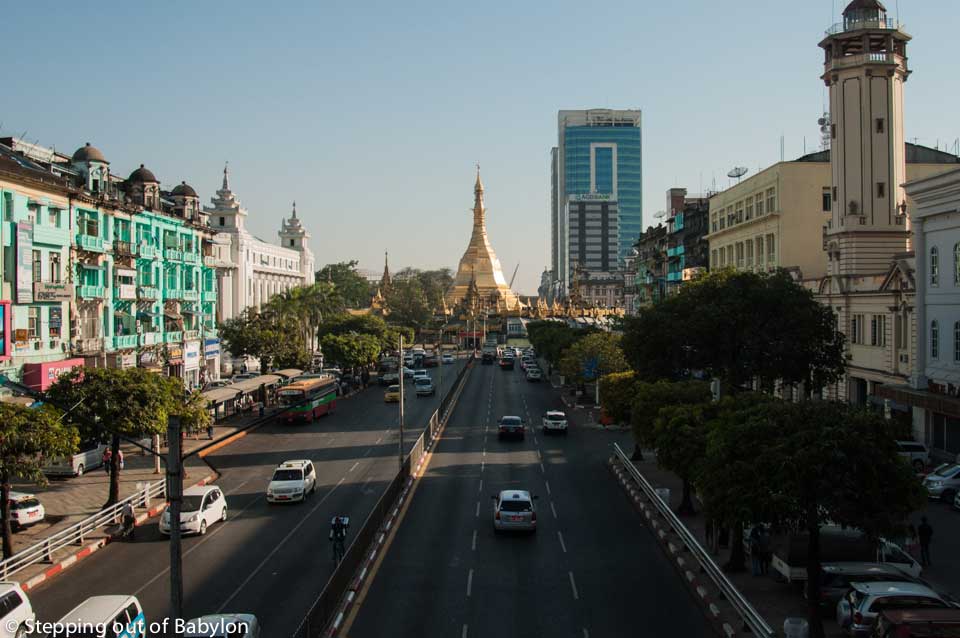
To visit the Shwedagon Pagoda you can take the local bus (city bus) at Sule Pagoda bus stand (Sule Pagoda Road opposite of Sule Shangri-La Hotel). Is hard to know the number of the bus, and hard to identify them if you are not yet used to Burmese number, but just ask the people that are waiting at the bus stand and they will point you the bus when it shows up.

The ticket is 200 Kyats, in an air- conditioned bus. The trip takes around 30 minutes.

Depending on the bus you take, maybe you need to walk about 10 minutes to reach one of the entrances.

Sule Pagoda Road. The bus stand to Shwedagon Pagoda is located on the left side

Shwedagon Pagoda ticket:

As usual in Myanmar, there’s a special fee for foreigners (Myanmar citizens don’t pay anything) of 8.000 kyats.

There are four main entrances, orientated for each cardinal point, and a couple of small entrances more, but all with ticket counters, that make it impossible for a foreigner to get in without a ticket. But if you walk around, trusting in maps application, you can find a discreet entrance to get inside the Shwedagon Pagoda without passing by a ticket counter. Although when you buy your ticket is given you a sticker, that must be kept visible during all visit… so if you manage to sneak inside the temple without a ticket, you must be careful as the guards will look for you entrance sticker.

Shewdagon Pagoda ticket

Best time to visit Shwedagon Pagoda:

The most popular hour is around sunset when the last light rays give a special tone to the gold that covers the pagoda… and you can even stay a bit longer to see the electric lights turn on and have a new perspective of the place.

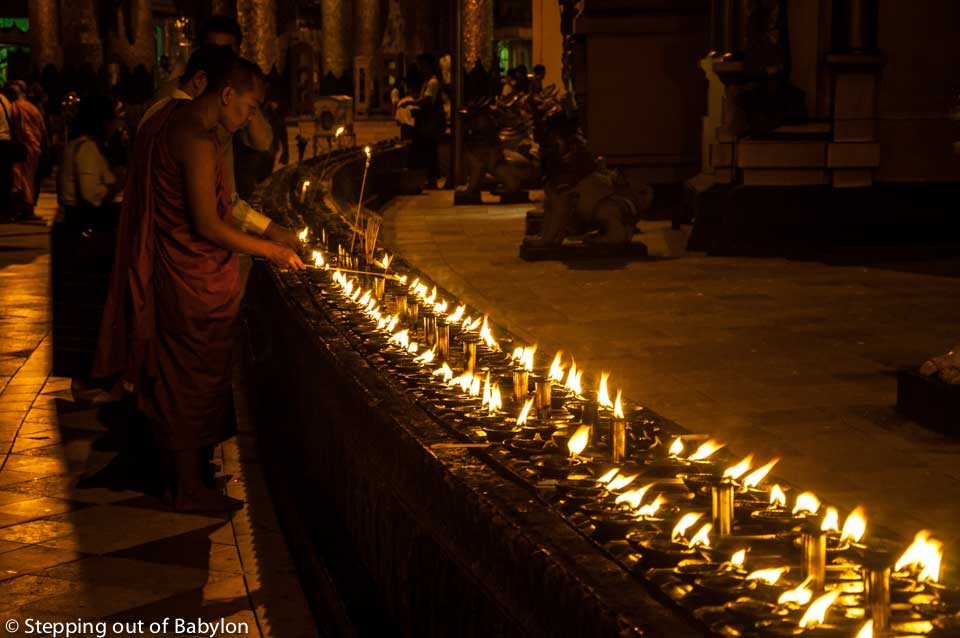
But the sunset is also the time that the pagoda is visited by local people, praying and lighting candles, and when most of the tourists arrive, many with guides or in groups, make it a bit noisy and crowded.

Try to arrive around 5 p.m. and you’ll have time to visit the place, walk around, take rest in a shade and find a quiet spot to sit and enjoy the scenery. You can easily spend 2 hours visiting the Shwedagon Pagoda.

Shwedagon Pagoda at the moonrise

Shwedagon Pagoda. Yangon


Yangon… eat, sleep and move around

Yangon… eat, sleep and move around

A short guide to help the ones that are visiting Yangon for the first time.

Where to sleep in Yangon


After checking a few places, including some new western-style hostel with dorms, the choice was to the White House Hotel… an old school accommodation, basic, cheap and very-very clean. The staff is friendly and helpful. Good location at Yangon downtown, between Sule Pagoda and the Chinatown area…. so plenty of food around at a walking distance.

There are rooms for many prices… but the cheapest ones are without window and with shared toilet. Basic, small and quiet, but is better get one with air-con as the fan maybe is not enough to provide freshness and dryness during the hottest months… but all depends on how long you plan to stay! Hot water shower, with good pressure, clean toilets with toilet paper.

Cheaper than White House Hotel I think there’s only Mahabandoola Guest house, with the same style but not so clean, particularly the bathrooms and toilets.

[columns] [span6]

White House Hotel Yangon. Address and contact

[/span6][span6]

IMG_2115

[/span6][/columns]

Moving around Yangon


All downtown of Yangon can be visited on foot… maybe is a too big area to do it in one day, but in three days you can see a lot, and even have time to take a short nap during the warmest part of the day. It worth to wake up early one time to see the early city vibe, that starts really early with market and food stalls start just as the sunrise.

Walk randomly along the streets grid and enjoy the Friday fuss at the Muslim neighbourhood, the groups of monks line by height begging for alms, drink a cold lassi at the Indian area of the city or enjoy a sweet milk tea in one of the Chinese style tea shops.

To visit the Shwedagon Pagoda you can take the bus at Sule Pagoda bus stand (Sule Pagoda Road). The ticket is 200 Kyat, in a air- conditioned bus.

DSC_1950

Where to eat in Yangon


At each corner of Yangon downtown you can find some food: fruits, deep-fry snacks, sweets and puddings, sticky rice, noodles soups, mohinga, parathas, noodle salads, juices, stir fry rice and noodles… it looks that each time you find something new to try!!!

But it all depends on the time of the day… so don’t expect to find parathas after 9 a.m. or mohinga after 5 p.m… just walk random and grab what look more attractive, without thinking about hygiene conditions. Choose a place to seat along the street and have your food or tea, surrounded by friendly smiles, and enjoy the contact with local people! They will be happy to have you around and that you appreciate the local food.

Any of this street-food should cost you less than 1.000 kyats.

A mohinga bowl without meat is around 500 kyats.

  • Ingyin New South Indian Food Center is a good option.

The famous Nilar Biryani Restaurant suffers a strong upgrade and has a new look and new prices, not anymore the casual biryani place from before, but worth a try.

  • Shan food: basically noodle soup cooked in Shan State style, serving also the traditional Burmese food, like tea leaf salad. A bit touristic and busy but with good food.
  • Strand Road food market: For an evening meal the place with the more options is the street food market along Strand Road... it starts more or less close to the 30th street and goes on for more than ten blocks… I could never walk until the last stall.

It’s open every day from 4 p.m until 11 p.m. and there you can find every kind of Burmese food, from grill fish to hot pot soups, from fry noodles to noodle soups, from smoothies to lassi, from sweet sticky rice to the delicious rice pancakes!

Despite many stalls serve meat, there’s also a lot’s of vegetarian options.

Food market that every evening occupy the sidewalk between the Strand Road and the port area

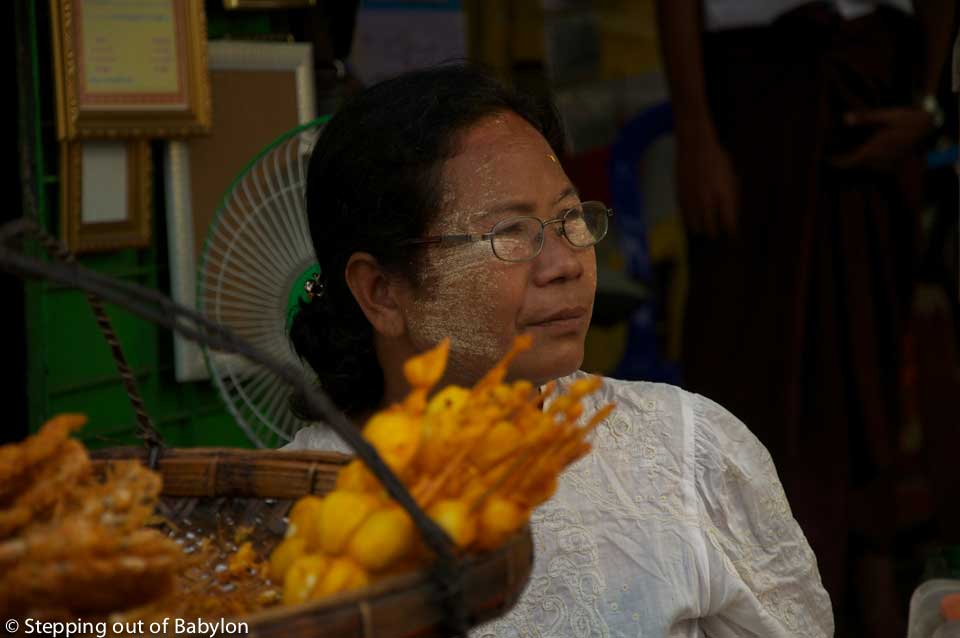
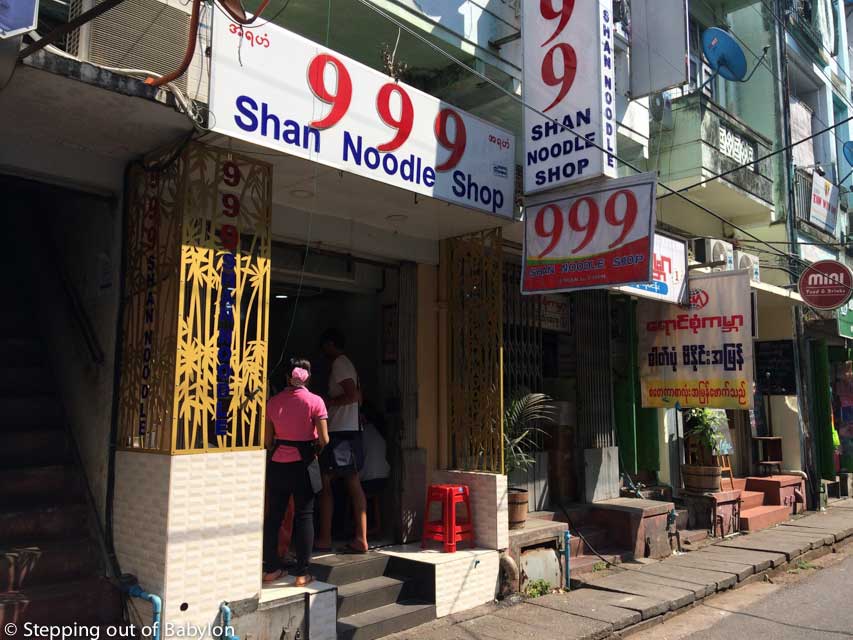
Shan noodles... very popular between foreigners but a good way to try the food from Shan State
Shan noodles… very popular between foreigners but a good way to try the food from Shan State

How to go from Yangon to Aung Mingalar Highway Bus Terminal


This bus terminal is located 20 km north of the city center, on the right side of the Nº 3 Main Road, the highway that connects Yangon to Mandalay.

Note: Most of the buses departure from Aung Mingalar Bus Terminal, but if your destination is the west coast, like Ngwe Saung or Ngapali for example, your bus probably will depart from Dagon Ayeyar Highway bus station.

Dagon Ayeyar Highway Bus Station is located about 22 km far from Yangon city center, on the side of the Yangon-Pathein Highway (west from Yangon, after crossing the Yangon river). A taxi from Yangon to Dagon Ayeyar Bus Station costs about 8.000 kyats.

  • By mini-van (shared-taxi):

Nearby Sule Pagoda, on the corner of Sule Pagoda Road and Maha Bandoola Road (northeast corner of the square) you’ll find a group of mini-vans that work like a shuttle between the terminal and the city.

They are identified by the sign “Aung Mahar Taxi Cab” and the ride cost 1.000 kyats. The trip can take almost one hour because of the traffic jam that are frequent in Yangon.

  • By taxi:

The taxi drivers will ask you 10.000 kyats but you can get it for 7.000 kyats. In evening time or very early in the morning maybe you need to pay 8.000 kyats.

IMG_2326

Aung Mingalar Highway Bus Terminal

The Aung Mingalar Highway Bus Terminal is huge, and the way it is organized has nothing to do with what we used to call a terminal. Is more like a grid of streets, with yards where each company has their office. There are thousands of bus companies and each bus departure from the parking area in front of the office/ticket counter. In between you have restaurants and others shops, storage areas, a lot of people, hawkers… too big and too confuse for you to manage if you are in a rush or if you have heavy luggage. So is better to ask your taxi driver to drop you at the bus company office from where you have the ticket. You need to pay extra 200 Kyat for the taxi get inside the terminal.

At the entrance of the terminal, there is dozen of hawkers asking you where you go, to try to push you to a certain company. If you already have a ticket you are “safe” otherwise to need to know where to go, or trust in one of this guys.

IMG_2182
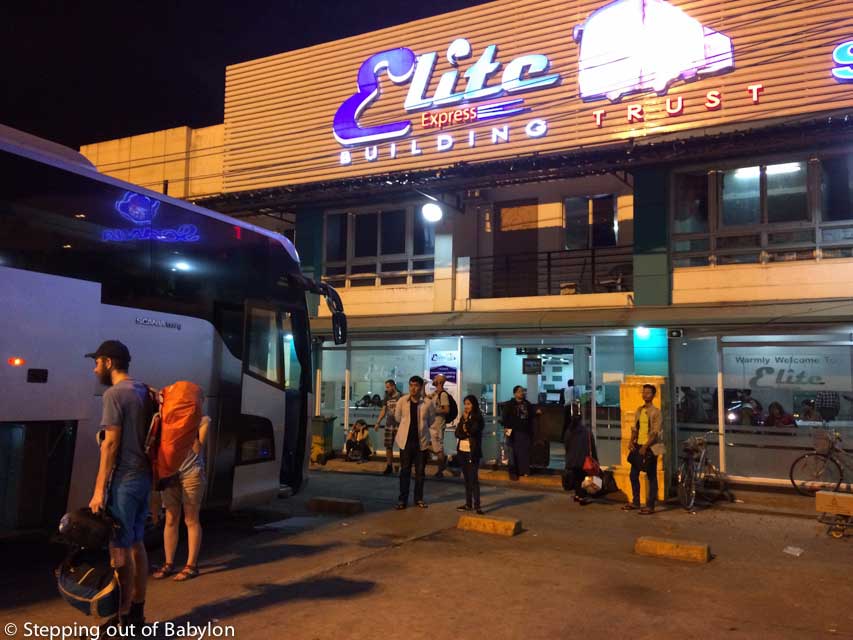
One of the bus companies that departure from Aung Mingalar Highway Bus Terminal, Yangon

Where to buy bus tickets in Yangon

  • At Hotels, hotels, guesthouse and travel agents that charge a small fee.
  • By the internet (http://www.go-myanmar.com/by-bus)
  • Directly at the bus company offices at the terminal… if you have time and energy.
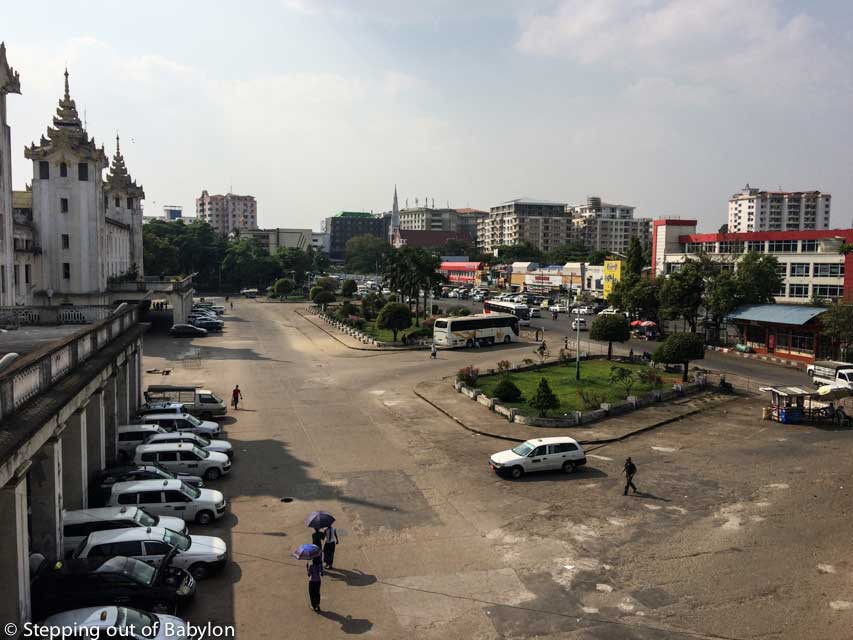
  • But if you want to check different option in terms of costs and schedules you can go to the small offices of ticket sellers in front of the Train Station. You can reach there by crossing the Pansodan Bridge and turn right when you see a staircase, after crossing over the rail lines. You’ll be at a wide ground, with the station building on your left and the offices on the right side. From here there are also some private shuttles to the Aung Mingalar Bus Terminal, which service can be arranged by the same company where you buy the ticket.

To buy bus ticket in Yangon: on the ledt side is the train station and on the right side are located the offices from ticket agents and bus companies
To buy bus ticket in Yangon: on the left side is the train station and on the right side are located the offices from ticket agents and bus companies

How to go from Yangon to the Airport

  • By bus:

There’s a local bus (city bus) that take you close to the airport, and that departure from the bus stops on Sule Pagoda Road (in front of Sule Shangri-La Hotel). Is hard to know the number of the bus, but just ask the people that are waiting and they will point you the bus when it shows up. The ride takes almost 1 hour but can be more because of the traffic, and at rush hours is almost guarantee that you find a jam along most of the way. The ticket should cost around 200 kyats.

Any bus stops at the airport; the nearby bus stop (called Sal Mile Kone at Pyay Road) is about 2 km walking.

  • By taxi:

If you ask in your hotel you can get a taxi to the airport for 8.000 kyats.

At the streets the taxi driver’s start by 10.000 kyats, but you can negotiate and get it for 6.000 kyats. Take into consideration that if you need a taxi very early in the morning (live 5 a.m. or so) you’ll maybe need to pay a bit more because you’ll not find many taxis in the streets at that time. The same applies to evening rides.

ATMs in Myanmar

The maximum amount of cash you can withdraw at the ATM is 300.000 kyats and is charged a commission of 5.000 kyats.

Not all the ATM accepts foreigner cards but KBZ is a good and reliable option and can be found a bit everywhere.

The ATMs are available in every cities and town.

If you prefer to exchange money, the banks offer a very good rate (sometimes better that the exchange shops) with no commission. But some have a maximum amount of money that each person can change a day (100 euros for example) and your bills must be in good condition, no wrinkles, not dirty or damage and no marks of pen, pencil or stamps.

  • Page 1
  • Page 2
  • Go to Next Page »

Footer

search

Tags

accommodation Assam Bagan Bali Border Crossing Borneo Colombo Dambulla Dao Cheng Esfahan Fes Food Gilis Hiking hokkaido Istanbul Itinerary Jakarta Java Kashan Kuala Lumpur Kumano Kodo Lombok Majuli Meghalaya Meknes Mekong Nagaland Natural Park Nongriat Northeast States Ouarzazate Sarawak Shiraz Sichuan Province Sishuan Sumatra Tabriz Tehran transportation Visa Yangon Yazd Yogyakarta Yunnan Province

I’m Catarina, a wanderer from Lisbon, Portugal… or a backpack traveller with a camera!

Every word and photo here comes from my own journey — the places I’ve stayed, the meals I’ve enjoyed, and the routes I’ve taken. I travel independently and share it all without sponsors or ads, so what you read is real and unfiltered.

If you’ve found my blog helpful or inspiring, consider supporting it with a small contribution. Every donation helps me keep this project alive and free for everyone who loves exploring the world.

Thank you for helping me keep the journey going!

BUY ME A COFFEE

Categories

Recent Posts:

  • How to go from Hualien to Dulan Beach
  • Taroko Gorge: between marble cliffs and emerald rivers
  • Hualien: a dull gateway to Taroko Gorge
  • Taiwan: Itinerary for an 16 day trip
  • Vietnam: Itinerary
  • 3 months in India: Kolkata, Tamil Nadu, Karnataka, Goa and Kerala
  • Backpacking Turkey in 24 Days: itinerary & costs
  • English
  • Português

© Copyright 2026 Stepping out of Babylon · All Rights Reserved · Designed by OnVa Online · Login