• Skip to main content
  • Skip to footer

Stepping Out Of Babylon

Travel & Photography

  • About me
    • Contact
  • Destinations
    • Africa and Middle East
      • Iran
      • Lebanon
      • Morocco
      • Turkey
    • East Asia
      • China
      • Japan
      • Taiwan (Formosa)
    • South Asia
      • Bangladesh
      • India
      • Nepal
      • Sri Lanka
    • Southeast Asia
      • Cambodia
      • Indonesia
      • Lao
      • Malaysia
      • Myanmar
      • Singapore
      • Thailand
      • Vietnam
  • Itineraries
  • Travel tips
    • Border crossing
    • Hiking and Natural parks
    • Food Journey
    • Visa
  • Photography

Stepping out of Babylon

Jiufen… stepping into a postcard village

It was a rainy day—one of many in a long stretch of rainy days—when I arrived in Jiufen. The steady downpour from the dense grey clouds seemed to have drained the color from this mountain village, nestled in the hills near the sea. Although it was only noon, it felt as if the sun had already set. Still, the gloomy weather didn’t discourage the many visitors wandering through Jiufen that day, dressed in plastic ponchos and transparent raincoats.
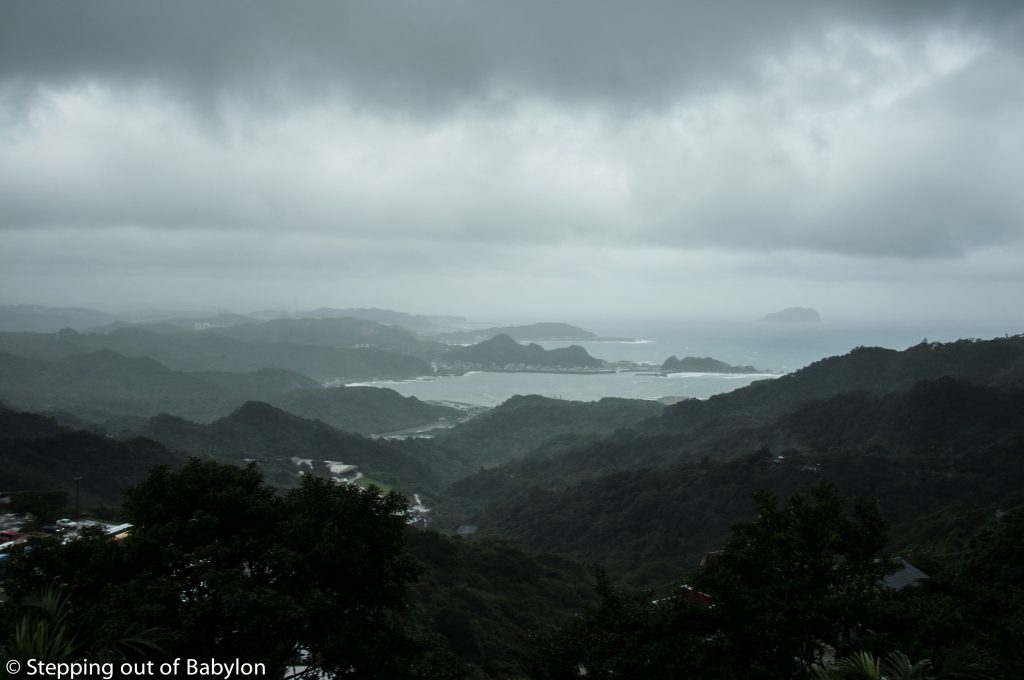
Jiufen

Jiufen is an old mining town that saw its heyday during the Japanese occupation of Taiwan. Located about an hour by bus from Taipei, it has become a very popular day-trip destination for both locals and tourists. Visitors pour in daily throughout the year, often in large groups, drawn by the picturesque charm of the narrow streets winding up the hillside, lined with quaint buildings and traditional Chinese teahouses.

Most of the shops and restaurants are concentrated along the main road, commonly known as “Jiufen Old Street.” This area is heavily geared toward tourism, filled with souvenir and craft shops, as well as street food stalls that flood the narrow lanes with delicious aromas.

One of the most curious aspects of Jiufen is the fame it gained after a film was shot there in the 1980s. The movie “City of Sadness” helped transform a semi-abandoned village into a cultural icon. It brought renewed attention to the lingering Japanese influence and helped revive the traditional Chinese teahouse culture, imbuing the town with a nostalgic charm that still draws crowds today. But this small village is also often associated with Hayao Miyazaki’s animated film “Spirited Away”, with many people believing it inspired the movie’s setting. Althougt Miyazaki himself has stated he has never visited this place and the film was not based in Jiufen or any single location, it’s easy to find merchandise and souvenirs related to the movie there
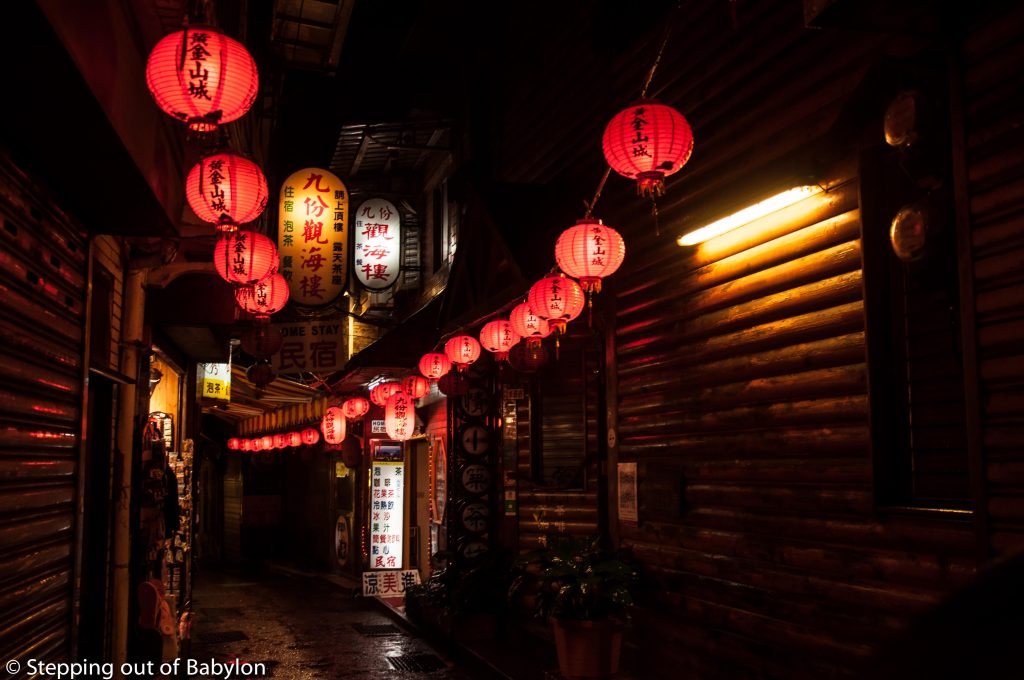
Jiufen

If you have time, it’s worth staying overnight in Jiufen to experience the village without the overwhelming daytime crowds. During the day, the narrow streets become difficult to navigate, packed with people and selfie sticks, testing the patience of even the most relaxed travellers.

I must admit, Jiufen didn’t especially impress me. While it’s not an unpleasant place—if you can overlook the crowds, the constant photo-taking, and the rushed atmosphere of tourists trying to catch their buses—it feels somewhat artificial. The village seems to try too hard to be picturesque, promoting food traditions that feel more modern than historic, and romanticizing a past that holds limited cultural depth. Jiufen is like a postcard: visually charming and perfect for photos, but lacking genuine authenticity.

Nearby Shifen is another similar town, but the ongoing bad weather made it uninviting to explore further. So, I hurried south, hoping to escape the rain that so often lingers in northern Taiwan during the winter.
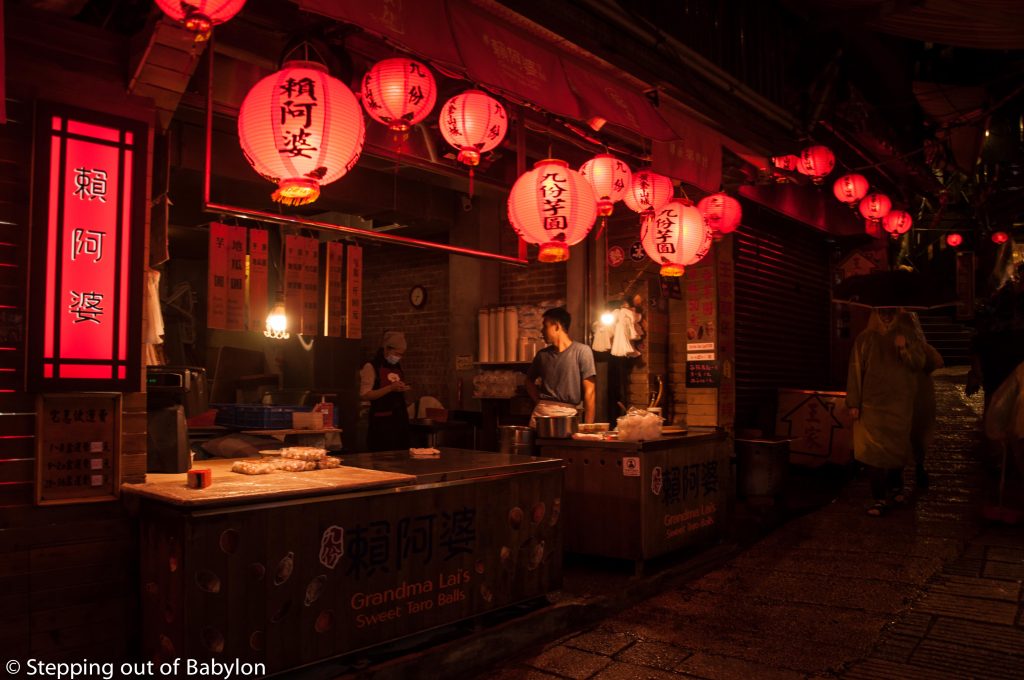
One of the many places selling street food along the main street of Jiufen

Teahouse Experience in Jiufen

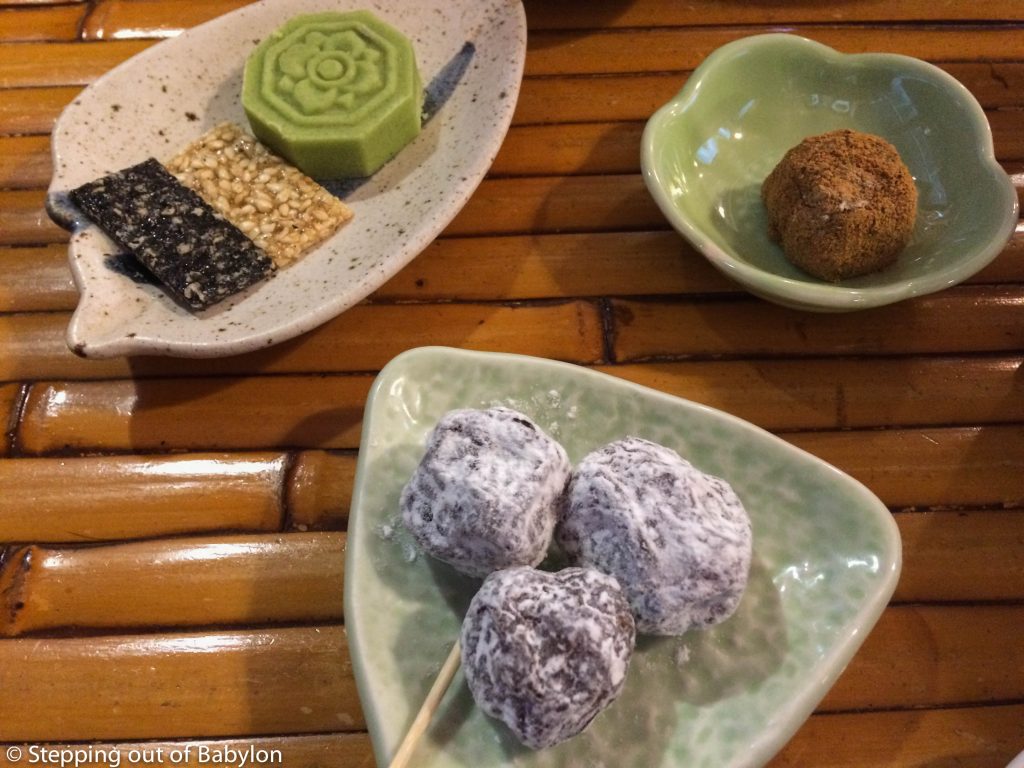
A-Mei is the most popular of Jiufen’s teahouses, offering a lovely sea view, but there are at least seven others where visitors can enjoy a traditional tea ceremony. Tea is prepared according to ancient rituals and served in miniature cups, often accompanied by a selection of local sweets.

A kettle is kept boiling next to your table, and after a quick explanation from the staff on how to prepare the tea, you’re left to perform the ritual at your own pace. You start by warming the teapot and cups, then pour the boiling water over the tea leaves—once to “open” them and subsequent times to infuse the flavour. The result is a subtle, delicate brew that encourages you to slow down, sip mindfully, and take in the atmosphere.

The experience is enhanced by the décor, full of classic Chinese motifs and antiques, creating a nostalgic and almost cinematic setting. You can enjoy the sweets that come with the tea and refill the pot as many times as you like.

I visited in the morning, when the teahouse was nearly empty. But later in the day, as tour groups arrive, you should expect a wait—especially if you’re hoping for a seat on the balcony.

The basic tea set costs around NT$300 per person, making it the most expensive tourist activity I did during my two-week trip in Taiwan—but it was certainly memorable.
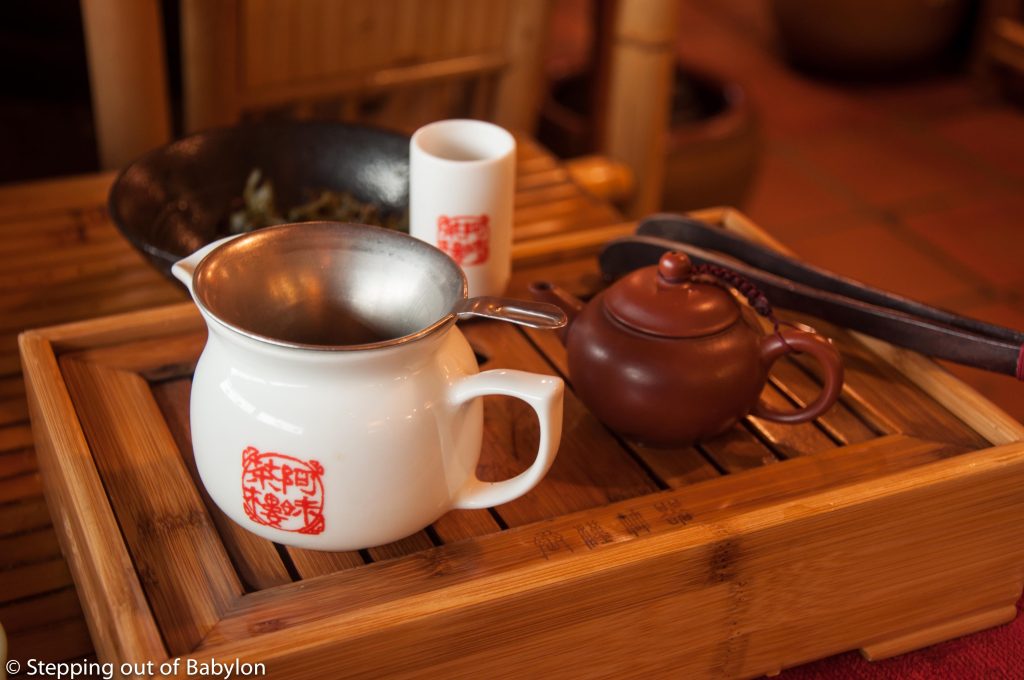
Tea server at A-Mei, the most famous teahouse in Jiufen
Traditional sweets served with the tea at A-Mei Teahouse

Where to Sleep in Jiufen

Most people visit Jiufen on a day trip from Taipei, but I chose to stay one night, as Jiufen was conveniently located along the route I had planned to follow down Taiwan’s East Coast.

I stayed at On My Way Jiufen Hostel, which has a great location—very close to both the main street and the bus stop. The hostel has a relaxed vibe, good facilities, and very friendly, helpful staff. The accommodations are simple, and while it covers all the basics, it lacks a bit in comfort—particularly when it comes to soundproofing.

Where to Eat in Jiufen:

Jiufen is well known for its beef noodle soup and other hearty meat dishes, but there’s much more to explore in terms of local snacks—both sweet and savory—with plenty of vegetarian options available. The best approach is to wander through Jiufen’s streets and stop at various stalls to sample the local specialties:

  • Taro Balls: A chewy dessert made from a mix of taro, sweet potato, and beetroot—though the texture and taste don’t resemble the original vegetables much. Served with beans, it comes in two versions: cold and hot. I wasn’t a fan of either, but the cold version (served with ice) was slightly better, as the hot one tastes too much like bean soup. Try them at Grandma Lai’s Taro Balls, a traditional yet stylish shop located on the main street.
  • Glutinous Rice Cakes: Another version of Taiwan’s beloved sticky rice sweets. These cakes are soft, slightly sweet, and filled with red bean paste (though meat-filled options also exist). They’re not extraordinary, but worth trying at Ah Lan Hakka, Jiufen’s most famous shop for freshly handmade rice cakes.
  • Oil Onion Rice Cake: This dish resembles a white-colored pudding, often seen in large trays at restaurant entrances. It’s served cold, roughly cut into chunks, and topped with a sweet sauce. The cake itself has little flavor, but leaves a mild onion aftertaste.
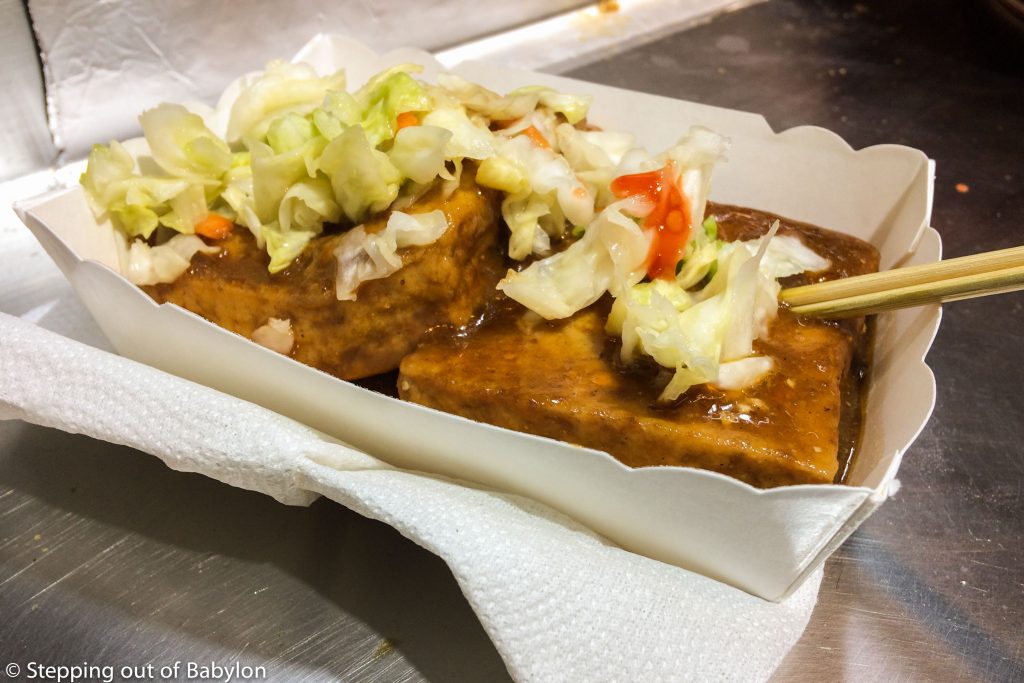
  • Stinky Tofu: Fermented tofu, usually deep-fried, known for its strong and distinctive smell that wafts through the streets. Despite its off-putting aroma, stinky tofu is surprisingly tasty and very popular in Taiwan, especially at night markets. Once you get past the smell, it’s definitely worth trying—and easy to find thanks to the unmistakable scent.
Rice Cake
Stinky Tofu

Besides these snacks, most restaurants in Jiufen focus on beef noodle soup and meatball noodle soup. Vegetarian options do exist—mainly fried noodles or noodle soups—but choices are limited.

Ask your hostel or guesthouse for a Jiufen map, which often highlights the locations of key restaurants, snack stalls, teahouses, and specialty shops.

Coffee shot at Jiufen

How to Go from Taipei to Jiufen by Public Bus

Reaching Jiufen from Taipei is simple and affordable—you don’t need to join a tour. The public bus is the cheapest and most flexible option, allowing you to travel on your own schedule.

Take bus 1062 (operated by the Keelung Bus Company), which departs from Zhongxiao Fuxing MRT Station, Exit 2. The ride to Jiufen is smooth and comfortable.

  • Frequency: Approximately every 20 minutes
  • Operating Hours: 6:00 AM – 9:30 PM
  • Duration: Just over 1 hour (depending on Taipei traffic)
  • Fare: NT$100

Arriving in Taiwan (Taoyuan Airport)

How to get from the airport to Taipei

Taoyuan International Airport is located about 40 km west of Taipei and is conveniently connected to the city by the efficient MRT line. For NT$150, you can reach Taipei Station comfortably in about one hour.

At the airport, the signs to the MRT line are very clear. However, once you arrive at Taipei Station, it may take some effort to find the most convenient exit for your destination. It’s a good idea to have GPS working on your mobile, so getting a SIM card before leaving the airport is recommended.

Where to get a SIM card in Taiwan

Upon arrival at Taoyuan International Airport, there are many options for purchasing a prepaid SIM card. Several telecom company counters are available both near the baggage claim area and in the arrivals hall. You can compare prices and packages from different providers.

Unfortunately, I skipped this step and had to find a SIM card in Taipei instead. While it was still easy, it wasn’t as convenient, as I didn’t find as many telecom shops in the city as at the airport.

Still, I got a good deal at a FarEasTone (FET) shop, located at the corner of Guanqian Road and Xuchang Street. It’s a large store with a noticeable red and white sign that’s easy to spot. They sell phones and accessories, and you can get a SIM card there without much hassle. You just need to choose a prepaid plan, show your passport, and make the payment. The staff kindly installed the SIM card and completed all the activation and language setup in English.

I chose a 30-day package for NT$800, which included unlimited data and 100 minutes of voice calls. I traveled across Taiwan from north to south—from Taipei to Kenting—and had no issues with internet connectivity.

Taiwan: ATM withdrawals without fees

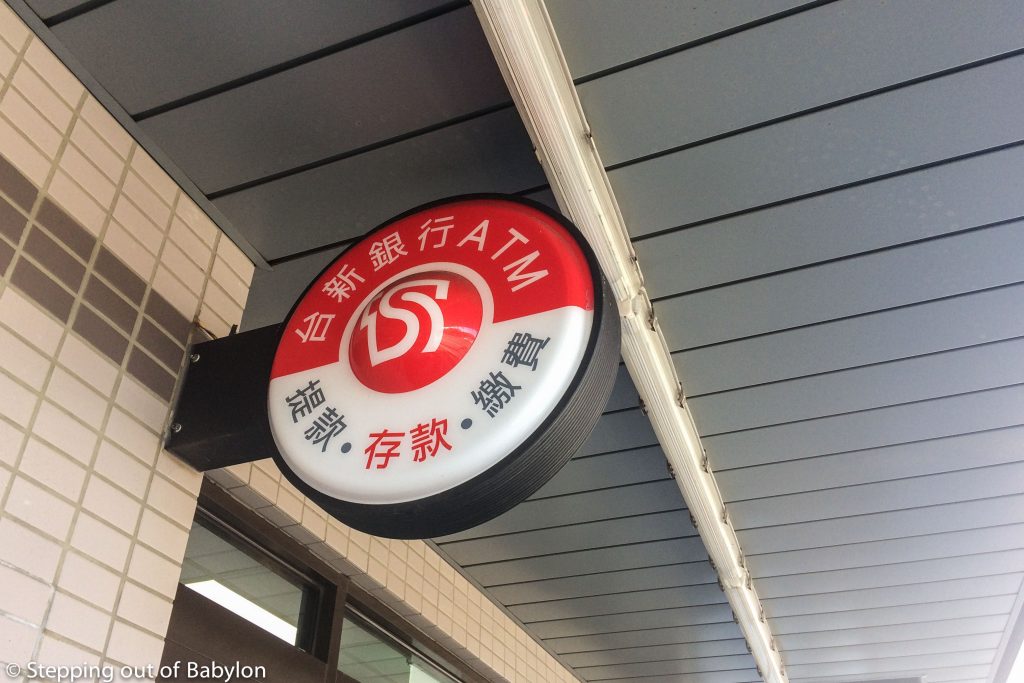
There are many ATMs in Taiwan that accept international cards (MasterCard is the most widely accepted), including several at the airport and throughout the country.

Some convenience stores, like 7-Eleven, have ATMs from Taichung Bank, which typically charge a NT$100 fee per withdrawal.

Later, I found out that regular Taichung Bank ATMs don’t charge a fee for withdrawals using MasterCard. However, the Taichung Bank ATMs located inside 7-Eleven stores still apply the NT$100 fee.

Short guide to the Taiwanese breakfast

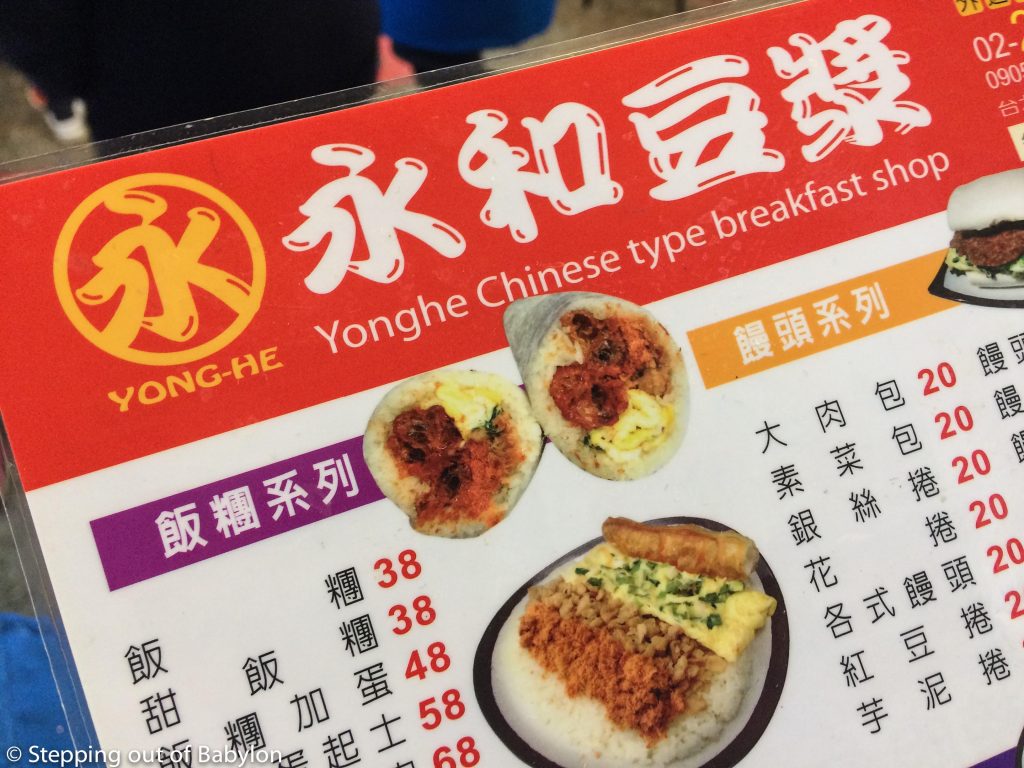
The Taiwanese breakfast—apart from a few meat items that I skipped—consists mostly of eggs and fried foods. Sometimes it’s not easy to figure out the names of the different dishes, as they’re often only written in Mandarin. Even when there’s a menu with Latin characters, the names can vary from place to place. What helped me the most were the pictures that often illustrate the menus.

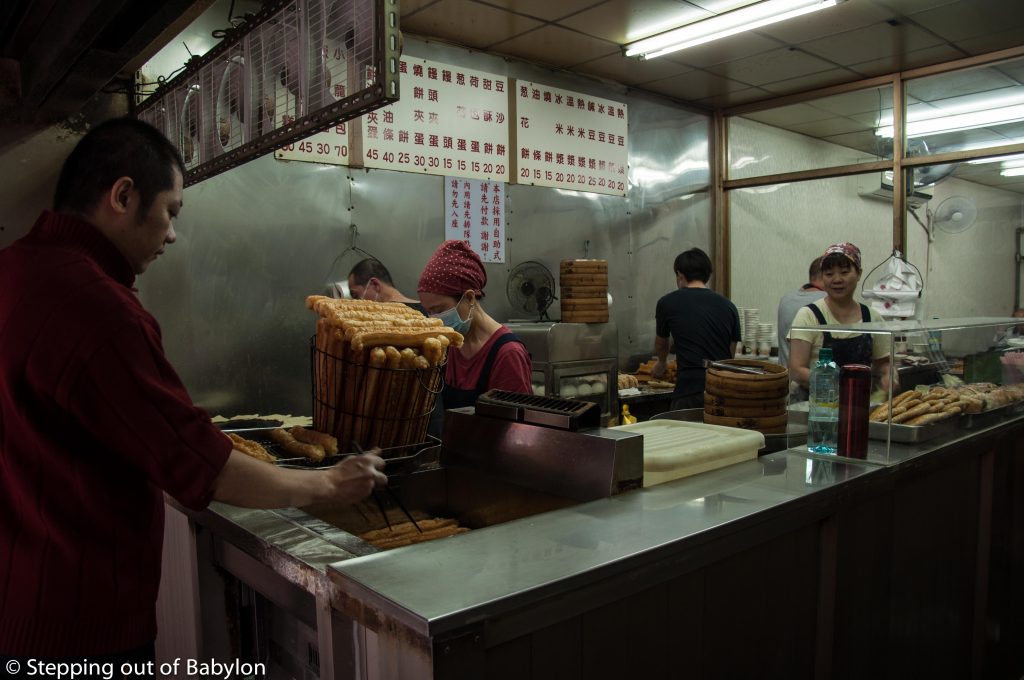
Here’s a summary of my breakfast experience in Taipei, mainly from the Yong He Soy Milk, shop; which seems to be a local institution and a go-to spot for cheap, traditional Taiwanese food.

Below are some of the most popular breakfast items that are vegetarian-friendly (or at least “edible” for vegetarians):

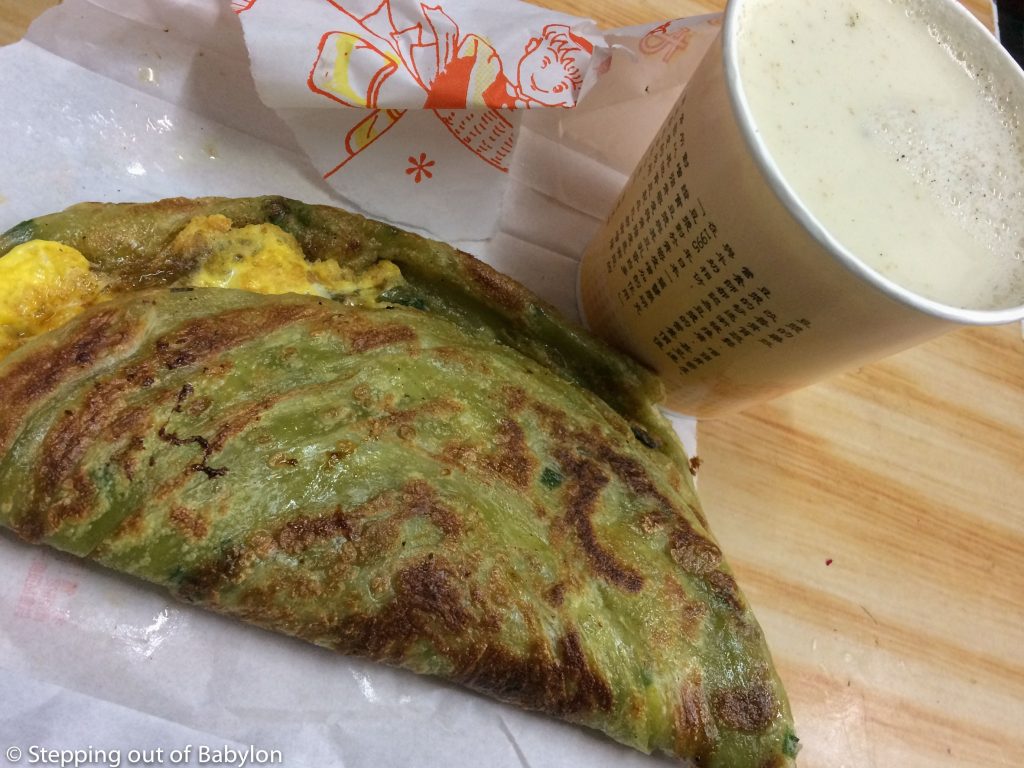
Pancake (蛋餅 – Dàn Bǐng)

This Taiwanese version is a bit different from what we usually call a pancake. It’s somewhere between an omelet and a pancake — made with eggs, rice flour, and scallions, and fried in plenty of oil. The result is a delicious but heavy dish. Sometimes it has a green color, though the taste is the same as the plain version. The texture and crunchiness can vary depending on where you get it. It was my favorite breakfast item — and I later discovered it’s also available at night markets!

Pancake (蛋餅 – Dàn Bǐng)

You Tiao (油條)

Deep-fried twin sticks also found in Thailand and other Southeast Asian countries. They’re one of the most popular and widely available options. When freshly made, they’re slightly crispy and irresistibly tasty. Despite their light appearance, they’re quite filling due to the oil — and yes, they leave your fingers greasy. Some locals like to dip them in hot soy milk.

Deep fry twin sticks You Tiao (油條)

Luo Bo Gao (蘿蔔糕 – Turnip Cake)

Made with rice flour and white radish, this has a soft, jelly-like texture and a very mild flavor. It’s usually cut into small squares and pan-fried. A splash of soy sauce can enhance it. Sometimes it’s fried with egg — not very visually appealing, but a good source of protein and carbs.

Chinese Omelet

A simple omelet with scallions and onions, sometimes wrapped in a layer of rice dough, then fried (of course) and roughly chopped. It doesn’t look great but can be filling.

Dumplings and Buns

Very common in Chinese cuisine — most are meat-filled, but some places offer leek or cabbage versions. These shops are easy to spot thanks to the tall stacks of bamboo steamers out front, with steam pouring out.

Pao (包子 – Steamed Bread)

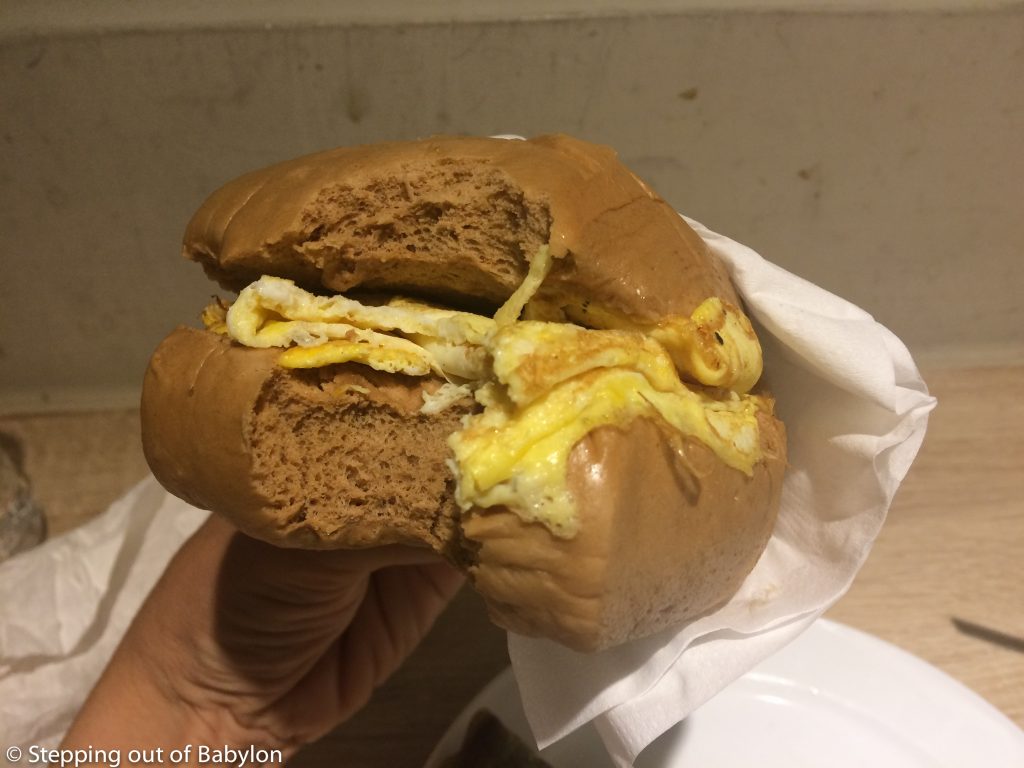
Another Chinese influence — this is steamed bread made from rice flour, with a neutral taste and spongy texture. It’s often eaten with an omelet like a sandwich. Not my favorite because of the texture, but worth trying once.

Pao (包子 – Steamed Bread)

Shaobing (燒餅)

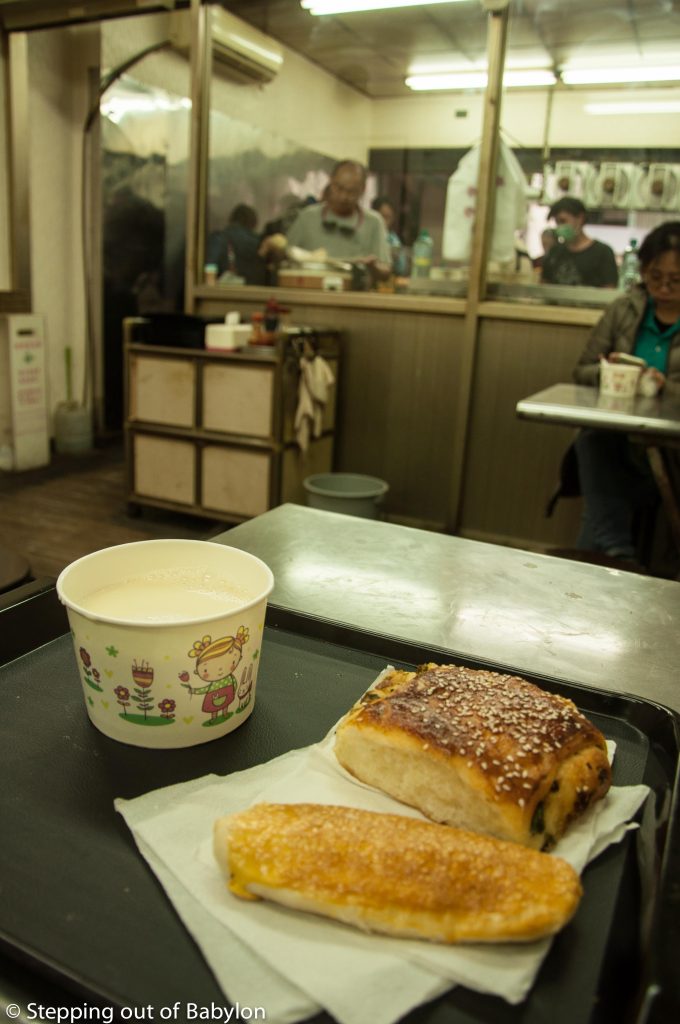
One of the rare non-fried options! These are baked, wheat-based flatbreads that can be sweet (often filled with bean paste) or savory (usually with meat). I loved the texture and appreciated the break from fried food.

Shaobing (燒餅)


Fan Tuan (飯糰)

Sticky rice rolls filled with You Tiao, pickles, and meat. Vegetarian versions are hard to find unless you speak some Mandarin!

… and don’t forget the Soy Milk

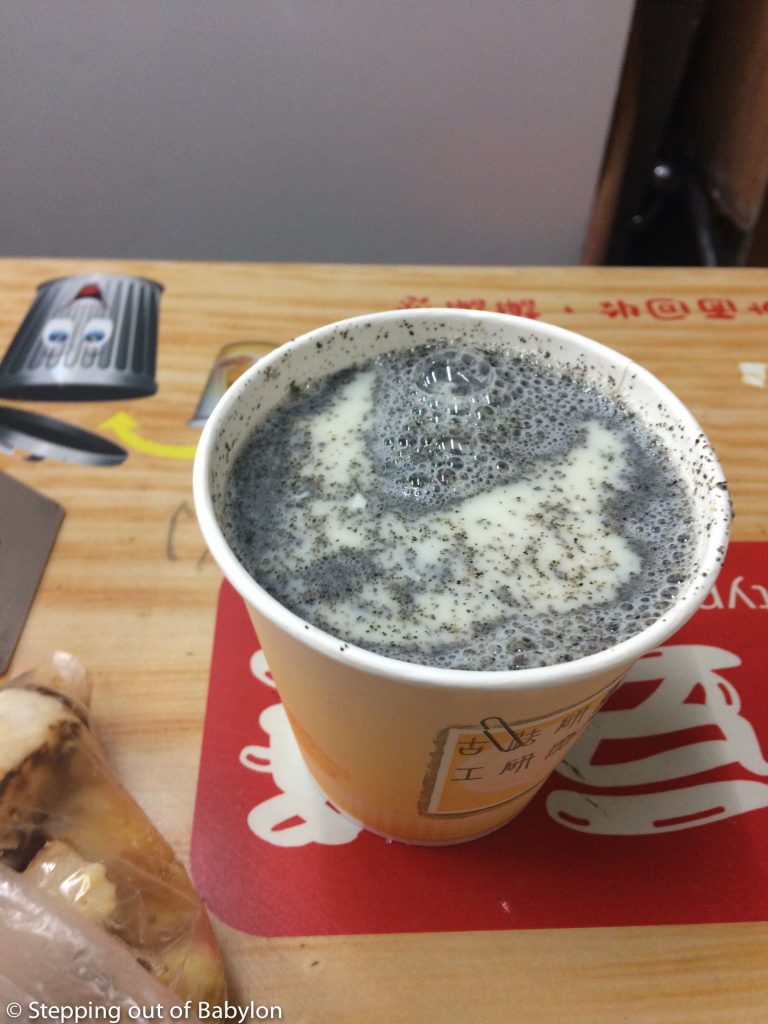
To wash it all down, soy milk is the most common drink — served hot or cold. At Yong He Soy Milk, you can also try a variation made with black sesame and ground peanuts, which gives it a darker color and thicker texture. Both versions are sweetened and perfect for the chilly winter weather.

Soy Milk

Taipei… the gateway

Arriving in Taipei

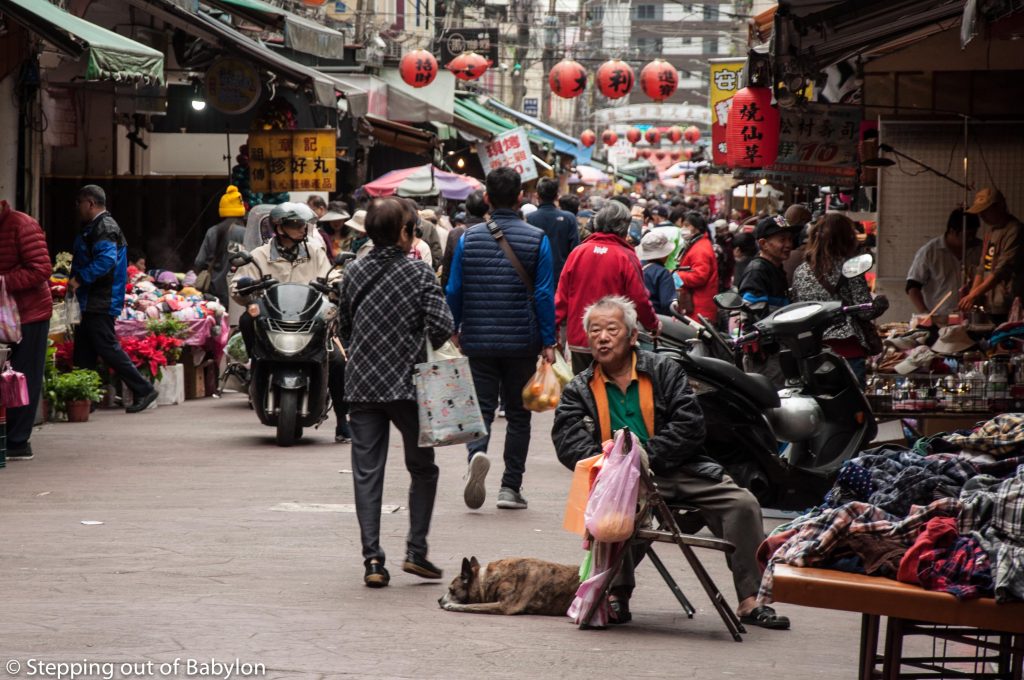
Arriving in Taipei after six weeks in Japan, I had the unexpected feeling that I had finally arrived in Asia: scooters everywhere, food being cooked and sold on the streets, foot massages being announced as we passed by, the ladyboys… the smells, the sounds, the turmoil that more or less characterise Southeast Asian countries — but without the chaotic traffic, the annoying horns, or the tuk-tuk cliché!

However, Taipei greeted me with a grey, cloudy sky that soon turned into a light but persistent rain, which lasted throughout my stay, making walks around the city — especially those further from the central area — less enjoyable.

Even the markets seemed to lose their usual color. The exotic nature of some foods and products wasn’t enough to leave a vivid memory. The winter weather, which made long walks unpleasant, pushed me instead into indoor spaces like coffee shops and malls, where you can feel a modern, cosmopolitan Taiwan, heavily influenced by Western habits and standards.

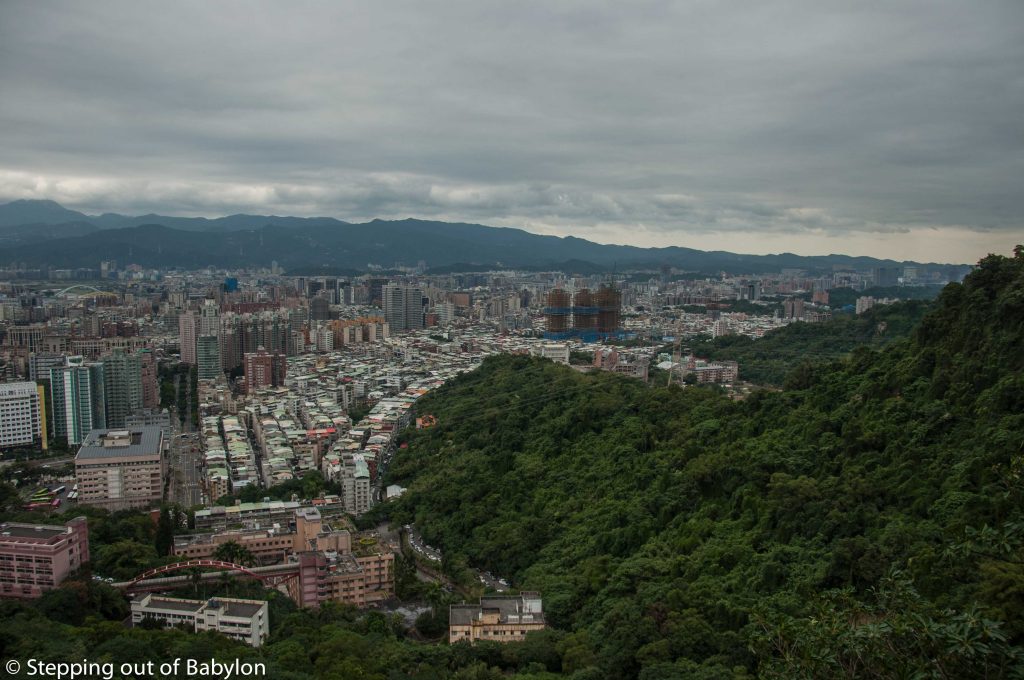
The cold and rainy climate painted the city in shades of grey, leaving a somewhat underwhelming impression of the capital, where there seems to be a disconnection between the run-down concrete buildings from the 1960s and the massive modern office towers and luxury apartments competing with the tallest in the world (Taipei 101, the city’s icon, is ranked 5th). Somewhere in between is an effort to rehabilitate old industrial zones from the 1930s and 1940s, where characteristic brick buildings were transformed into shops, studios, and ateliers — part of an attempt to create heritage and a sense of the past in a relatively new country with little history.

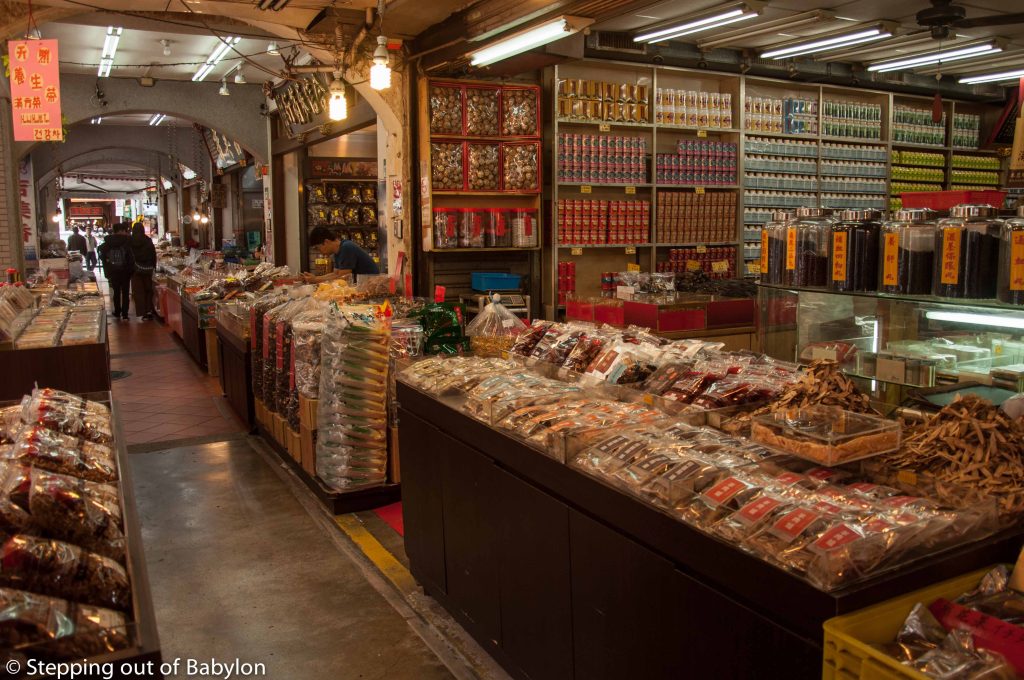
Despite being a recent city (it only became the capital in 1949) with little tradition or historical depth, Taipei still manages to offer some charm. Chinese goods stores selling decorations, food, and traditional medicinal products that give the city a colourful and exotic touch dominate the older neighbourhoods.

A bit about Taiwan… aka R.O.C.

Taiwan, officially called the Republic of China or R.O.C. (not to be confused with the People’s Republic of China — commonly just called China), is a relatively new country compared to its neighbours. It became an independent territory when Japanese troops withdrew from the island at the end of World War II in 1945. Despite their relatively short occupation (less than five decades), Japan contributed significantly to Taiwan’s economic and industrial development.

Originally called Formosa by the Portuguese when they arrived in the 16th century, Taiwan was under Chinese rule for centuries. This is reflected in its population, which is almost entirely ethnic Chinese, with indigenous groups and other minorities making up less than 5%Despite its economic development — Taiwan ranks among the world’s developed countries — it remains unrecognized as an independent nation by most of the international community. It is the most populous country and the largest economy that is not a member of the UN. This is due to Chinese foreign policy, which threatens to cut off trade and diplomatic relations with countries that recognize Taiwan. As a result, only 14 nations and the Holy See officially acknowledge it.

Regardless China’s efforts to maintain dominance over Taiwan, a growing number of young Taiwanese are distancing themselves from Chinese influence, instead embracing their own identity — a unique blend of Chinese and Japanese cultural elements.

A Temple Visit to Remember

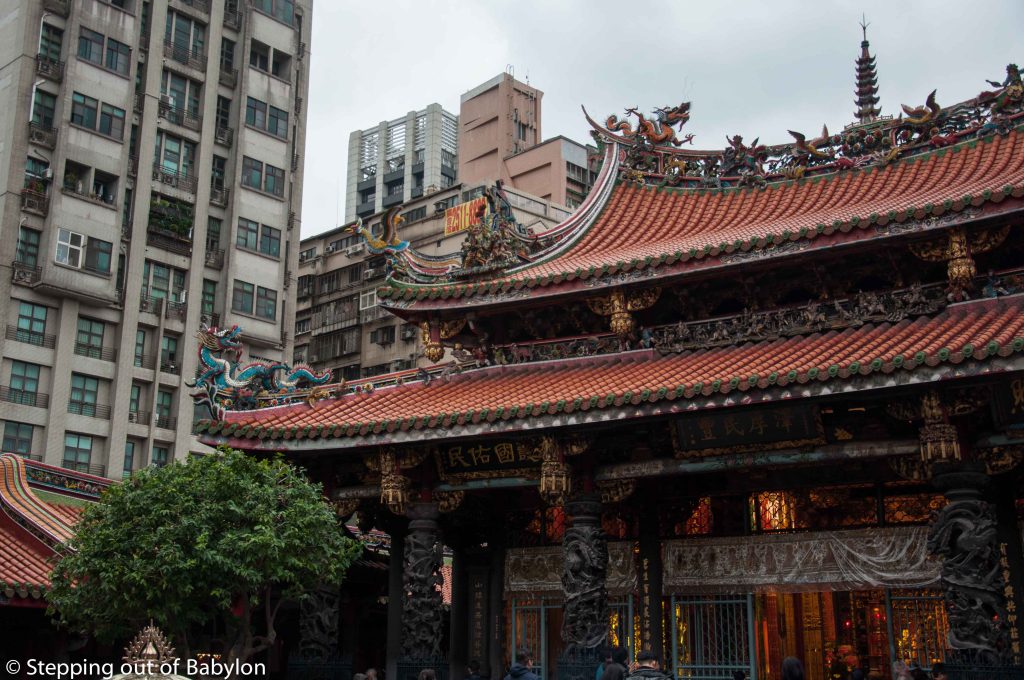
Maybe it was the rainy, grey weather, or maybe it was the city itself, but Taipei didn’t leave a particularly strong or memorable impression on me — with one exception: my visit to Longshan Temple, one of the oldest Buddhist temples in Taipei. Built in traditional Chinese religious style, it has a long history marked by fires, earthquakes, wars, and numerous reconstructions.

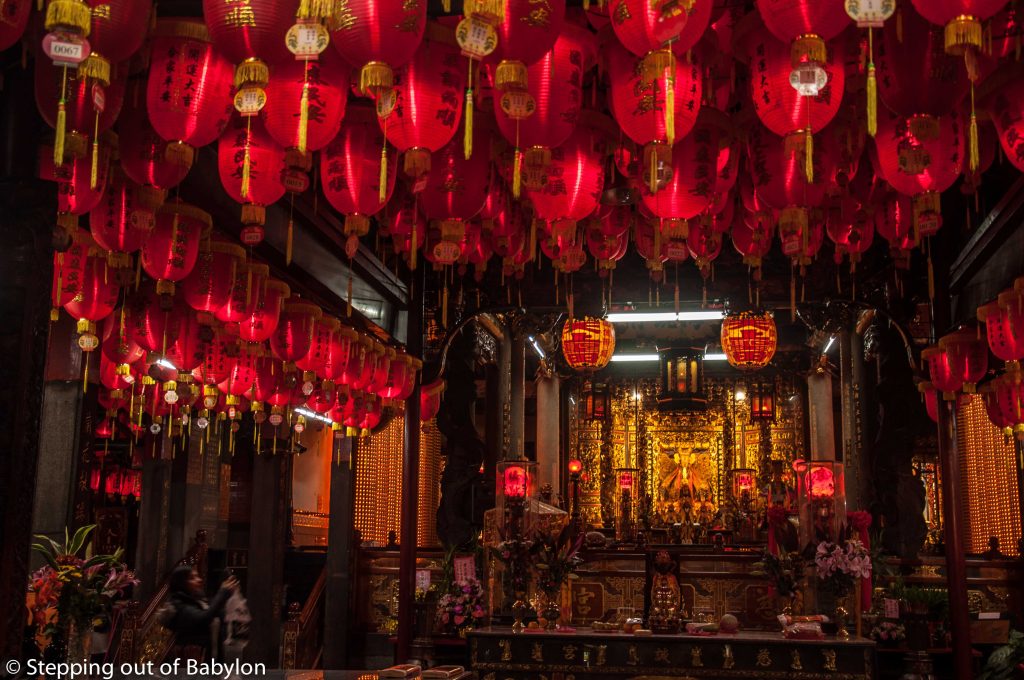
I arrived at the temple late in the day. The sky had been thick with clouds, and the early darkness added to the mood. Despite the dim light, I could still see the intricate carvings of dragons and other mythological figures, decorated with floral motifs and enhanced by the vivid colors of the carefully maintained paintwork.

It was clearly a special day, as it’s not every day that so many people gather at the temple, singing or chanting prayers alongside the monks inside. The smoke from the incense filled the room, blending with the scent of flowers and food offerings. The result was a unique and vibrant atmosphere — a moment of magic that made my visit to Longshan Temple truly memorable.

The square in front of the temple is also an interesting spot, serving as a meeting place for the Chinese community. Many elderly people gather there to play chess or cards. It’s also a place where beggars and homeless people congregate, creating a stark contrast to the sleek modern image of Taipei, symbolized by the gleaming Taipei 101 tower.

Longshan Temple


Longshan Temple

Where to sleep in Taipei:

As the main entry point to Taiwan, Taipei offers plenty of accommodation options for all budgets — including lots of hostels with dorm beds.

The Pillow Hostel
A great location, about 400m from MRT Taipei Station (exit Z6), which connects to several metro lines. It’s a quiet and comfortable place with very friendly and helpful staff. There’s a well-equipped kitchen available for guests, and free coffee in the morning (surprisingly good!), which might make up for the not-so-cozy common area. Good Wi-Fi too.

The area around the hostel is full of restaurants and street food stalls, and it’s within walking distance of the Ximending shopping district (also known as Shi-men Ting), which really comes alive in the evenings with shops and food stands staying open late.

Duckstay Hostel
On my second visit to Taipei, I stayed at Duckstay Hostel, near Longshan Temple. The hostel was probably better for meeting other travelers, but it wasn’t very comfortable — and the location was less convenient.

The best Taiwanese breakfast in Taipei:

Yong He Soy Milk – Wanhua District (Hankou Street)
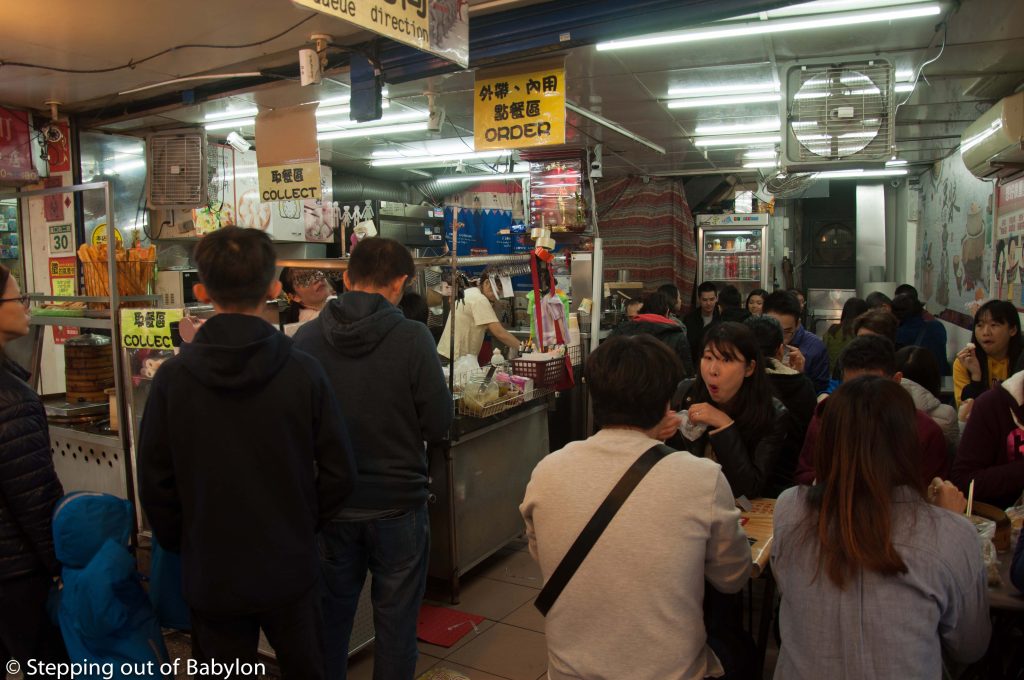
This place is a local institution when it comes to traditional Taiwanese breakfast! It opens around 5 a.m. and stays open until 3 p.m., but no matter when you go, there’s almost always a line. The service is quick and efficient — though a bit rough — and the place is noisy, not very clean, and far from comfortable. Still, it’s a great chance to experience local life and eat with the locals.

Yong He Soy Milk – Zhongzheng District (Hengyang Road)
If the Wanhua location is too crowded, there’s another spot with the same name on Hengyang Road. It serves the same kind of food in a quieter environment — but it’s poorly ventilated, with dirty white walls and aluminum tables. The flickering fluorescent lights give the place a slightly depressing vibe. Personally, I prefer ordering the food to go — as most locals do — and eating it back at the hostel, where there’s usually a common area set up for this.

Yong He Soy Milk
Yong He Soy Milk

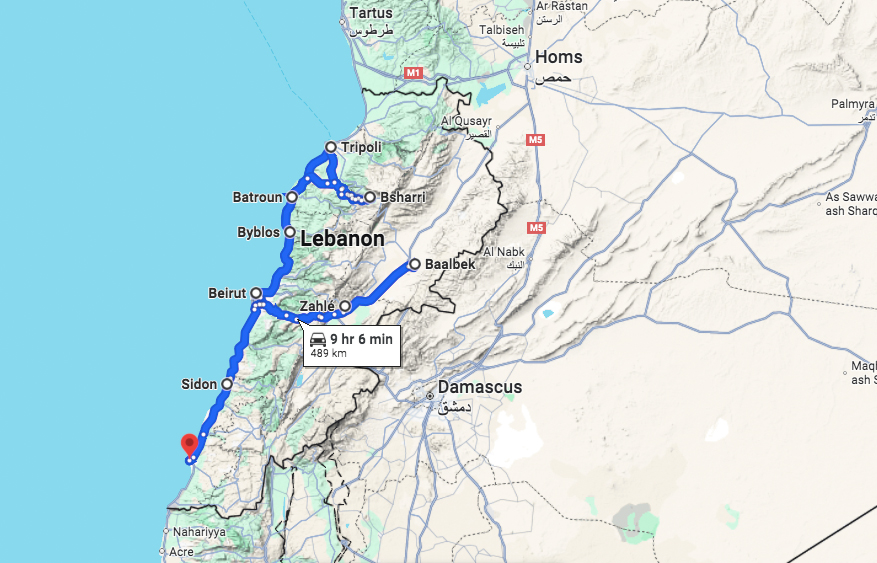
Lebanon: Itinerary for a 15 days solo trip

Itinerary:

  • Beirut
  • Byblos (Jbeil): a day trip from Beirut
  • Batroun: a day trip from Beirut
  • Tripoli (Trâblous)
  • Beirut
  • Bcharré (Bsharri) and the Qadisha Valley
  • Baalbek and Beqaa Valley (Chateau Ksara)
  • Beirut
  • Sidon (Saida)
  • Tyre (Sour): a day trip from Sidon
  • Beirut

Average costs based on solo travel, with a focus on keeping things budget-friendly… and a lot of walk!!!

32 €/day (September 2023)

This budget includes:

  • eating only local food
  • staying in hostels or budget hotels
  • using public transportation (mainly buses and occasional taxis to/from the airport)
  • no spending on alcohol, tobacco, or soft drinks
  • doing my own laundry
  • a local SIM card for connectivity

Note: This daily average does not include expenses for shopping, souvenirs, medical or health-related costs, or visa fees (as these vary depending on your country of origin).

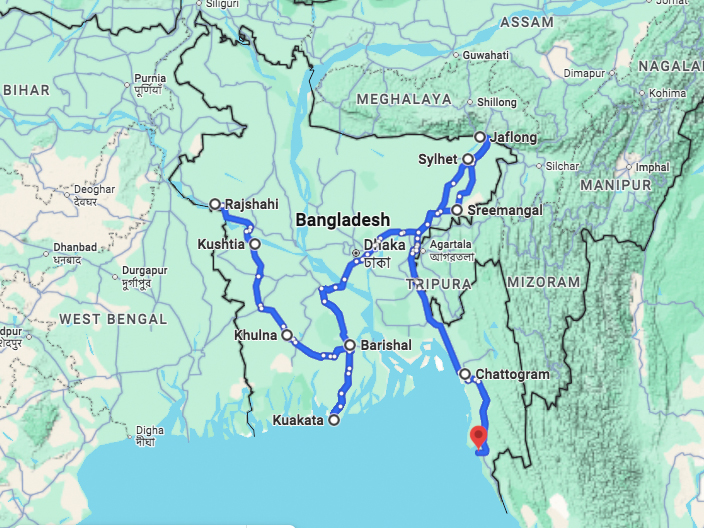
25 Days solo travel in Bangladesh: Itinerary

Itinerary:

  • Dhaka: 1 day
  • Sreemangal: 2 days
  • Syhlet + Jaflong: 2 days
  • Sonargaon + Panam Nagar: 2 days (stay in Dhaka)
  • Rajshahi + Sona Masjid + Puthia: 3 days
  • Kushtia: 1 day
  • Khulna + Bagerhat: 2 days
  • Barishal + Banaripara: 2 days
  • Dhaka: 1 day
  • Kuakata: 2 days
  • Chittagong: 1 day
  • Cox’s bazar + Inani Beach + Maheskhali Island: 3 days
  • Dhaka: 1 day


Average costs based on solo travel, with a focus on keeping things budget-friendly
:

23 €/day (January 2025)

This average daily budget includes:

  • sticking to local cuisine while trying a variety of restaurants—from street food stalls to mid-range restaurants and a few upscale experiences
  • staying always in budget hotels (hostels don’t existe in Bangladesh and what you can find give that name are mostly for long term stays, hosting students and workers)
  • using public transportation (mainly bus, train, ferry-boat, auto-rickshaws and a lot of cycling rickshaws; for urban longer distances I used the Uber service for taxis and moto-taxi)
  • entrance tickets for tourists attractions like natural parks, museums, palaces, etc
  • no spending on alcohol, tobacco, or soft drinks
  • doing my own laundry (couldn’t find this service at the hotels where i stay but also didn’t made a big effort to find an alternative)
  • a SIM card for local network with unlimited data

NOTE: This daily average does not include expenses for shopping, souvenirs, medical or health-related costs, or visa fees (as these vary depending on your country of origin). Also doesn’t include visa fee or flights in and out of the country

on the road … from Leh to Srinagar

(this post was originally publish in June 2013)

Now that we are approaching the day to leave Srinagar, after a stay of about two weeks, it is time to tell how we got here.

After a difficult journey between Manali and Leh, which took us 21 hours to cover the 490 km of the famous Manali-Leh Highway, we didn’t want to face again the dangers of this winding and narrow mountain road to return to Manali, that despite being middle of June was still flanked by thick layers of ice.

So, the only option was to continue forward, towards the Kashmir region facing the National Highway 1 (NH1), which is the only road, linking the Ladakh region to the rest of Jammu & Kashmir state, passing close by the Pakistan border.

Just to make it clear, the term “highway” has nothing to do with what we know by that name in terms of commodities, speed or safety conditions. It’s a term used to identify a main road linking to major places. Maybe the term “highway” should be read literally as a road located at high altitude, usually winding, narrow and carved into the steep slopes of the mountains, far from being safe and where circulation is dependent on the weather conditions that in the rainy season end up in landslides.

Closed more than half of the year due to the extreme weather conditions of the Himalayan winters, the Srinagar–Leh Highway crosses the Zoji La, a high pass at 3528 mm, that despite not being the highest elevation point of this road, Zoji La is famous for being the most danger highpass of the Srinagar-Leh Highway, due to the combination of factor like the bad pavement conditions, steep slopes, narrow road and frequent heavy rain…. but not none of these we knew when we took our decision to lead to Srinagar!!

Srinagar and the Kashmir surrounding region were out of the tourist circuit until about ten years ago, not even appearing in travel guides, as this region was closed to foreigners due to the civil war between Indian troops and the separatist movements that claim Kashmir’s independence, as also the several conflicts during the Indo-Pakistani War which last battlers occur during 1999, known as Kargil War.

Despite the heavy history of these region, the information and feedback that we got from other travellers that we met in Leh, were very positive, referring Srinagar as a beautiful city, with nice and friendly people, a strong Muslim influence, and despite the army presence, it doesn’t appear to have safety problems. So, Srinagar becomes our next destination after Leh, and the NH1 was the only option!

To cover the 434 kilometers separating Leh from Srinagar we decided that it would be best to go by jeep because the previous experience of the mini-van trip between Manali and Leh did not leave comfortable memories. We learned later that the bus service provided by the local company JKSRTC would have been the best option, in terms of cost, of course, but also in terms of safety as the drivers take time to rest and don’t drive in the night. But the two days of travel required by a bus trip were not tempting.

By jeep, we had a ten-hour journey ahead, made mostly at night, and strangely we were the only passengers. Soon, we realised that it was not going to be an easy trip and it would take us a lot longer… the driver was quite bad, sometimes driving in the opposite side of the road, often too close by the verge, making sharp turns on the steering wheel, overtaking without any care…all these while typing messages on the mobile phone and picking the teeth.

In one of the many stops we made during the night was in Mulbekh, which was a place we wanted to visit because of the Buddha statue with about seven meters high, carved in the rock between the 7th and 8th centuries. But this was not for sightseeing or just to eat or drink a “chai”. Here the driver decided to rest vanishing in the dark night. So we end up spending several hours inside the jeep, parked on the roadside, in a completely isolated place, deserted at those hours, surrounded by dense darkness facing the chill night under Buddha’s protective gaze.

At dawn, we made a short stop in Kargil, from where the signs of Muslim culture became clear: mosques, flags in the green colour of Islam, Arabic calligraphy, women with heads covered by scarfs… it didn’t even seem that we were in India anymore. The Dalai Lama pictures that usually show up on the walls a bit every place in Leh, were now replaced by Ayatollah Khomeini images. The face features of the people also changed, and we couldn’t anymore spot the traditional Tibetan round faces and slanted eyes, but instead by the long bony faces, narrow noses and the long beards.

As we move further, the landscape became increasingly green, leaving behind the aridity and dryness of the Ladakh landscape. The road goes smoothly up, describing winding curves in a mountains landscape crowned with snow and valleys lined with grass where rivers meandered. Flocks of sheep and goats led by nomad shepherds move along the road, transporting their possessions and goods in small caravans of mules.

After passing Dras, another village without any remarkable thiing, we went up and up in the mountain towards the highest point, Zoji La, the famous highpass situated at 3529 meters of altitude. The temperature started to drop down and the visibility conditions were drastically diminished with the thick fog, forming small drops in our air and cloths, almost like rain. As we were getting close to the highpass, the conditions worsened, with the bumpy pavement road giving place to a narrow and muddy path, which wasn’t more than a thin line carved in the steep slopes of these mountains, without any protection from us and the abyss.

Moving further become hard and slower due to the intense traffic, mainly overloaded cargo trucks, and got worsened by streams that quickly formed by the intense rain, crossing the road and falling off the slopes like small waterfalls, dangerously eroding the verge and creating small landslides.

Crossing vehicles become a difficult and risky task, requiring long stops, as certain sections of the road are only wide enough for one truck, which creates long lines of trucks and buses. At the most critical points on the road, the military help to control the traffic and monitored road safety conditions, where landslides often close the road even during the few “summer” months where it is supposed to be open.

Faced with this scenario that got worst as we went closer to Zoji La, the driver of our Jeep didn’t show any sign of changing is danger driving style, but instead, started to speed up while honking his horn furiously, trying to make dangerous and unthinkable overtaking, pushing our car too close to the verg, like un unconscious mad-man. It was too much for me, and couldn’t avoid shouting at him to stop!!! It work out for a few minutes…

All these resulting in an extreme accumulation of tension, which left me on the verge of despair, to the point I decided to get out of the car to continue the rest of the way on foot… at last until reach a less scary part of the road. But the persistent rain, the strong wind, the mountain cold and the mud, which almost made me slip as I set foot on the road, restrain my impulse and push me to go back to the car again.

This whole nightmare, framed by a heavy grey sky that make the midday almost look almost like dusk, only subsided when we started to descend towards Sonamarg, where the sun started timidly rising through the clouds, leaving behind the arid and grey landscape of the high mountains, where the summits were still covered with snow.

The rest of the trip was made smoothly, through green and flowering valleys, with the road crossing small villages. It was like a blessing, leaving behind the frightening experience of crossing the Zoji La and enjoying a smooth trip, with the road running along the Sind River, where wild horses graze calmly and where the road is every now and then shared with flocks of sheep.

Without doubt, the Srinagar–Leh Highway is something remarkable in my trip in India and I’m glad (and in a certain way proud) that I did it but I’m not sure if I’ll ever do it again! I respect the courage of people that do this road, as also Manali-Leh Highway, by motorbike… I wouldn’t dare!

From all this intense experience, can’t share much more than words, that are never enough to describe the mix of feelings that range between terror and fascination, or the amazing landscapes from dry steep mountains to green bucolic valleys. But with so many things going on, taking photos pictures was something that was left behind and now I regret don’t have any more images to share.

After an 18 hours trip (almost the double of what it was told us in the beginning), we finally arrived at Srinagar, around two o’clock in the afternoon, and were dropped off by our driver somewhere, on a wide and busy street. The sound of the horn honking and the chaotic intense traffic, that was absent in the Ladakh region, made us realise that we were back in India!

Leh-Srinagar
Leh-Srinagar Highway
Leh-Srinagar
Leh-Srinagar Highway
Leh-Srinagar
Leh-Srinagar Highway
Leh-Srinagar
Leh-Srinagar Highway
Leh-Srinagar
Leh-Srinagar Highway
Leh-Srinagar
Leh-Srinagar Highway

About the food in Cambodia

In summary, it can be said that Cambodia is not an easy country for vegetarians, as this is a strange concept in this country where meat consumption dominates. But there are always options like noodle soups, curries and some snacks that help to get around the situation!

As in Lao, the noodle soups continued to be present but the quality decreased: not only are the broths less aromatic, but sometimes the noodles are made from dry pasta or even instant noodles. The usual dish of aromatic herbs and vegetables that accompanied these soups in the neighbouring country, is often absent here.

In Cambodian food, there is a strong influence of Chinese and Vietnamese cuisine, which is visible in the many restaurants serving “phò”, the traditional vietnamese noodle soup.

Another influence of China is the hot pots, which are very popular among Cambodians (as in many other Southwest Asian countries), especially in cities and particularly on weekends, where these restaurants are filled with families and groups of friends who share this meal, consisting of a pan with a boiling broth, where pieces of meat are floating, which remain hot on the table with the use of a mini gas stove, and where the various side dishes, such as cabbage, fresh herbs, pasta, pieces of meat and also viscera…

These noodle soups, prepared at the moment, can be made in the vegetarian version, however, although meat is not added, there is no increase in the amount of vegetables that usually come down to a handful of soy sprouts and a few cabbage leaves. As for the broth that serves as the base for these soups, almost transparent and with a light flavour, it is likely to contain products of animal origin in its preparation.

The so-called rice soups, popular as a morning meal, although a little boring, are also an option for vegetarians, since you can always order without meat, alternatively adding soy sprouts.

More advisable in terms of a vegetarian diet are fry-noodles, where the rice noodles are stir fry with some vegetables and egg and seasoned with mysterious sauces.

Coffee is usually served with ice and is almost always sweetened with condensed milk. The preparation is in everything similar to that found in Vietnam, with the boiling water being poured over the coffee in a kind of metallic filter, placed on the top of the glass. Often the coffee is already made, in a very concentrated dose, which is then diluted in hot water when the coffee is served. The flavour is smooth but with a particular flavour, but it is necessary to use a certain communication skill to avoid the popular condensed milk, which totally crushes the original flavour of the coffee.

The curries continue to be strongly present, much less spicy than in neighbouring Thailand, served with the usual dose of rice. The most popular of these curries is amok, which can be seafood, fish, meat or just vegetables, highlighting the mild aroma of spices from which lemongrass, turmeric and ginger stand out. Traditionally this dish is made very slowly, in steam, on a banana leaf. Not as easy to find as a noodle soup, amok served with rice is a delicious option for vegetarians and is more likely to be found in restaurants than in markets.

In Cambodia, vegetarian options are scarcer than in other countries in Southeast Asia, dominating meat, whether fresh or processed in the form of small meatballs whose appearance is far from attractive but which is extremely popular in Cambodia. In the south of the country, given the proximity to the sea, fish and seafood are strongly present, with markets offering a wide variety of products, which is reflected in the dishes and even street snacks.

And as in any Asian country, street food has a strong presence, due to its variety, both in sweets and in snacks, appearing at specific times of the day, often next to markets, schools, or in the busiest streets of cities. They can be small stalls transported on bicycles or compact kitchens coupled to motorcycles.

As in many Southwest Asian countries, it is not difficult to find exotic foods by European standards, and Cambodia seems to offer even more opportunities to find frogs for sale in the markets or grasshoppers fried at a street stall.

Sopa de arroz, servida somente de manhã, como primeira refeição do dia, e que muitas vezes é acompanhada de uma especie de pão frito
Rice soup, served only in the morning, as the first meal of the day, which is often accompanied by a kind of fried bread
stree food em Siem Reap
street food in Siem Reap
pasteis de massa de arroz recheados com legumes e mergulhados numa mistura de molhos doces, salgados e picantes
rice noodles stuffed with vegetables and dipped in a mixture of sweet, savoury and spicy sauces
banca que todas as noite surge nas ruas de Siem Reap servindo a sopa de noodles tradicional do Vietnam
every night several small stands appear on the streets of Siem Reap serving Vietnamese traditional noodle soup
muitas vezes é possivel encontrar fruta já descascada e cortada que se vende nas ruas, em especial nas zonas mais frequentadas por turistas.
it is often possible to find already peeled and cut fruit that is sold on the streets, especially in the areas most frequented by tourists
fritos de banana e massa
fried banana
phô
Vietnamese phô soup
bancas de venda de comida em Siem reap, em frente ao local de partidas dos autocarros... depois da hora de ponta mudan-se para outras paragens.
food stalls in Siem reap, in front of the bus departure point … but after the rush hour it moves to other stops
nooodlles
dry noodles
chá que está semptre disponivel nas mesas
tea that is always available on the tables
sops de noodles com legumes
noodle soup with vegetables
molhos e mais molhos... mas poucos picantes, em comparação com o que era oferecido na Tailândia ou mesmo no Laos
sauces and more sauces … but few spicy, compared to what was offered in Thailand or even Laos
café confeccionado de forma semelhante à que se encontra no Vietnam
ice coffee made by the filter process
street-food em Phnom Penh
street-food in Phnom Penh
fruta de uma especie de palmeira, servida com leite de coco, gelo e muito, muito açucar
toddy fruit, from a kind of palm tree, translucent and gelatinous, served with coconut milk and ice…. very sugary
fruta de uma especie de palmeira
toddy palm fruit
mercado de Phnom Penh
Phnom Penh market
bolos cozinhados ao vapor, em folha de bananeira
steamed cakes in banana leaf
noodles fritos com legumes e ovo estrelado... sempre frito dos dois lados!
fried noodles with vegetables and a fried egg … always fried on both sides!
banca de rua
street stall
street food em Phnom Penh
street food in Phnom Penh: pancake served hot, stuffed with sticky rice and sweetened with a mixture of coconut and sugar
street food em Phnom Penh
street food in Phnom Penh with fry dough, also called oily sticks
um dos muitos snacks de rua: massa doce frita e salpicada de sésamo
one of the many street snacks: fried sweet dough, sprinkled with sesame seads
restaurante de phô em Phnom Penh
“phô” restaurant in Phnom Penh
DSC_3399

Vegetable “amok“… the famous Cambodian curry that most of the times is made with fish, but that can also be ordered in a vegetarian version only with legumes.

Uma especie de custard, mas cozinhada dentro de uma pequena abóbora que depois de cozida se pode comer a casca; é servida às fatias, regadas com leite de côco, calda de açucar, gelo e leite condensado. Muito popular na Tailândia, pode-se também encontrar nos mercados do Camboja

A kind of custard, but cooked inside a small pumpkin that after being cooked you can eat the peel; it is served sliced, drizzled with coconut milk, sugar syrup, ice and condensed milk. Very popular in Thailand, it can also be found in Cambodian markets

banca no mercado de Sihanouk Ville dedicada à venda de doces, onde domina o leite de côco e o leite condensado
stall in the Sihanouk Ville market dedicated to the sale of sweets, where coconut milk and condensed milk dominate
  • « Go to Previous Page
  • Page 1
  • Page 2
  • Page 3
  • Page 4
  • Interim pages omitted …
  • Page 31
  • Go to Next Page »

Footer

search

Tags

Amed Arugam Bay Assam Bali Bogor Border Crossing Borneo Colombo Esfahan Fes Food Gilis Hiking Hikkaduwa hokkaido Istanbul Itinerary Jakarta Java Kashan Kohima Kumano Kodo Lombok Marrakesh Meghalaya Meknes Mekong Nagaland Natural Park Northeast States Ouarzazate Sarawak Shan State Shiraz Sichuan Province Sumatra Tabriz Tehran transportation Varanasi Visa Yangon Yazd Yogyakarta Yunnan Province

I’m Catarina, a wanderer from Lisbon, Portugal… or a backpack traveller with a camera!

Every word and photo here comes from my own journey — the places I’ve stayed, the meals I’ve enjoyed, and the routes I’ve taken. I travel independently and share it all without sponsors or ads, so what you read is real and unfiltered.

If you’ve found my blog helpful or inspiring, consider supporting it with a small contribution. Every donation helps me keep this project alive and free for everyone who loves exploring the world.

Thank you for helping me keep the journey going!

BUY ME A COFFEE

Categories

Recent Posts:

  • How to go from Hualien to Dulan Beach
  • Taroko Gorge: between marble cliffs and emerald rivers
  • Hualien: a dull gateway to Taroko Gorge
  • Taiwan: Itinerary for an 16 day trip
  • Vietnam: Itinerary
  • 3 months in India: Kolkata, Tamil Nadu, Karnataka, Goa and Kerala
  • Backpacking Turkey in 24 Days: itinerary & costs
  • English
  • Português

© Copyright 2026 Stepping out of Babylon · All Rights Reserved · Designed by OnVa Online · Login