• Skip to main content
  • Skip to footer

Stepping Out Of Babylon

Travel & Photography

  • About me
    • Contact
  • Destinations
    • Africa and Middle East
      • Iran
      • Lebanon
      • Morocco
      • Turkey
    • East Asia
      • China
      • Japan
      • Taiwan (Formosa)
    • South Asia
      • Bangladesh
      • India
      • Nepal
      • Sri Lanka
    • Southeast Asia
      • Cambodia
      • Indonesia
      • Lao
      • Malaysia
      • Myanmar
      • Singapore
      • Thailand
      • Vietnam
  • Itineraries
  • Travel tips
    • Border crossing
    • Hiking and Natural parks
    • Food Journey
    • Visa
  • Photography

Search Results for: Malásia

Medan… where Indonesia meet Malaysia and China

Medan is not part of the tourist path being mostly used as an arrival point at North Sumatra, to visit Bukit Lawang and Lake Toba, or to catch a domestic flight to Padang, on the south coast.

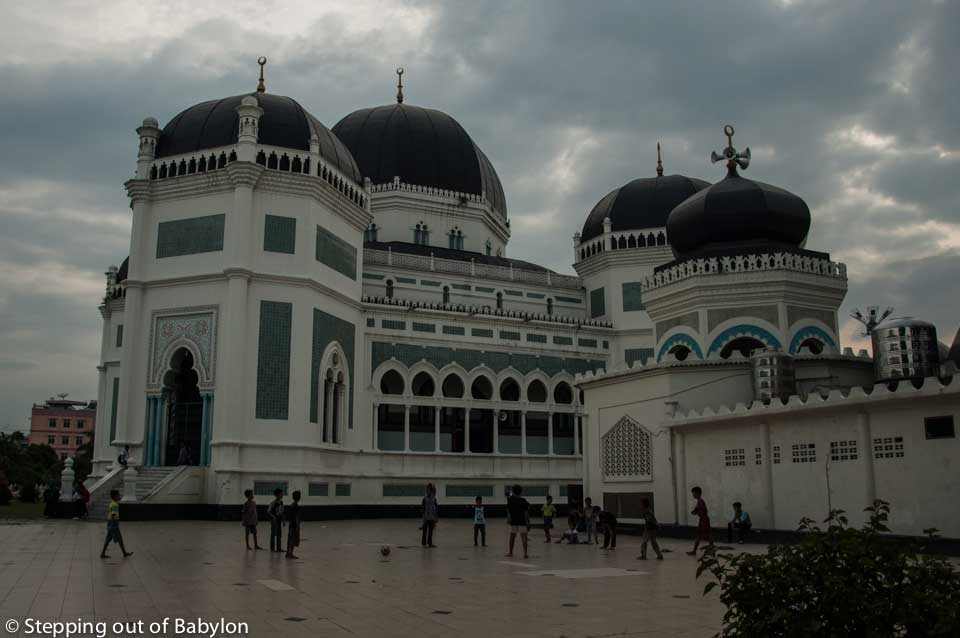
But the city isn’t totally deprived of charm. There’s the Masjid Raya, the more than one century old mosque with an exotic architecture, the Istana Maimoon, a palace built by a sultan that now a small museum, the old town with Dutch colonial building as also a touch of Chinese shop houses and Indian neighbourhood where you can make a break to the Indonesian cuisine.

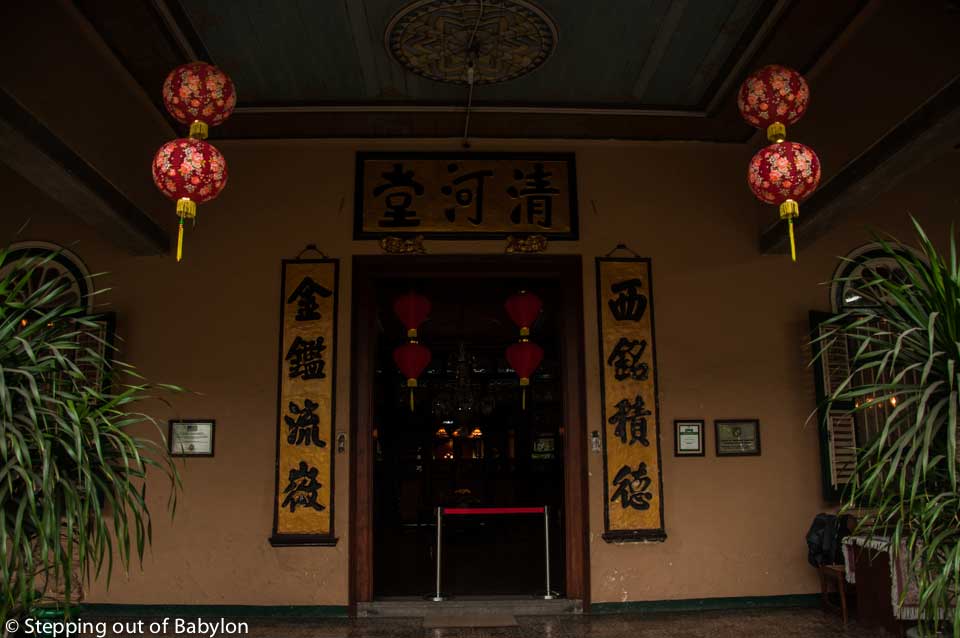
But for me, what brought the biggest surprise and the most pleasant time in Medan was the visit to the Tjong A Fie Mansion, the house of a rich Chinese merchant, from the end of the IX century, build in a mix of European colonial style and a strong Chinese influence. The house is a mark in the cultural panorama of the city and the Tjong A Fie, that arrive at Sumatra as a worker, build a fortune with the trade of tobacco, tea, rubber and sugar, becoming and important figure in Medan supporting education, health arts and culture. The house, where his relatives lived until a few years ago, has a balanced energy that creates a special positive atmosphere… and is a quiet place in the busy center of the city!

With all these Medan is a kind of melting pot of cultures, where Indonesia met Malaysia and China!
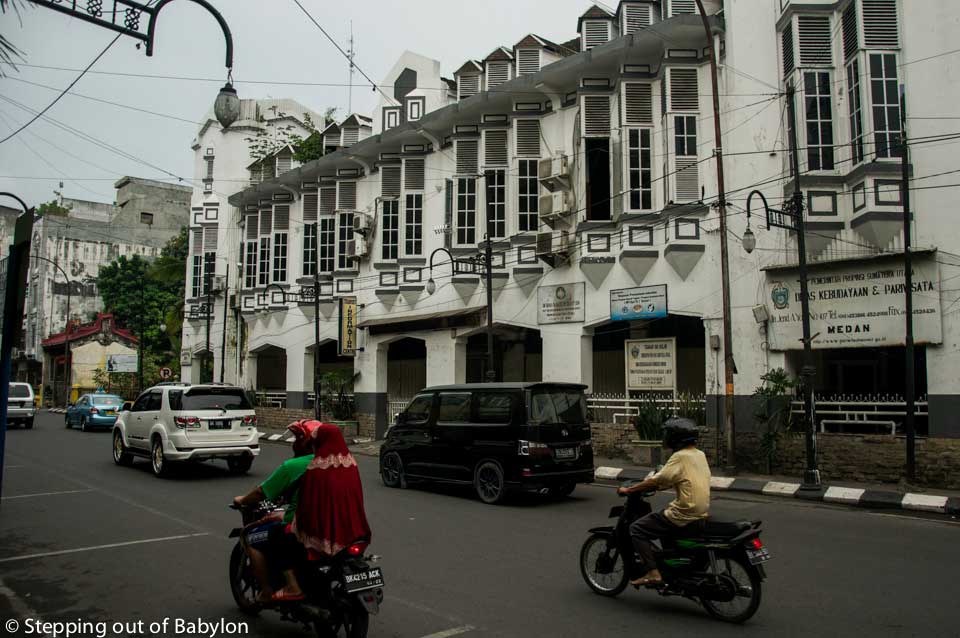
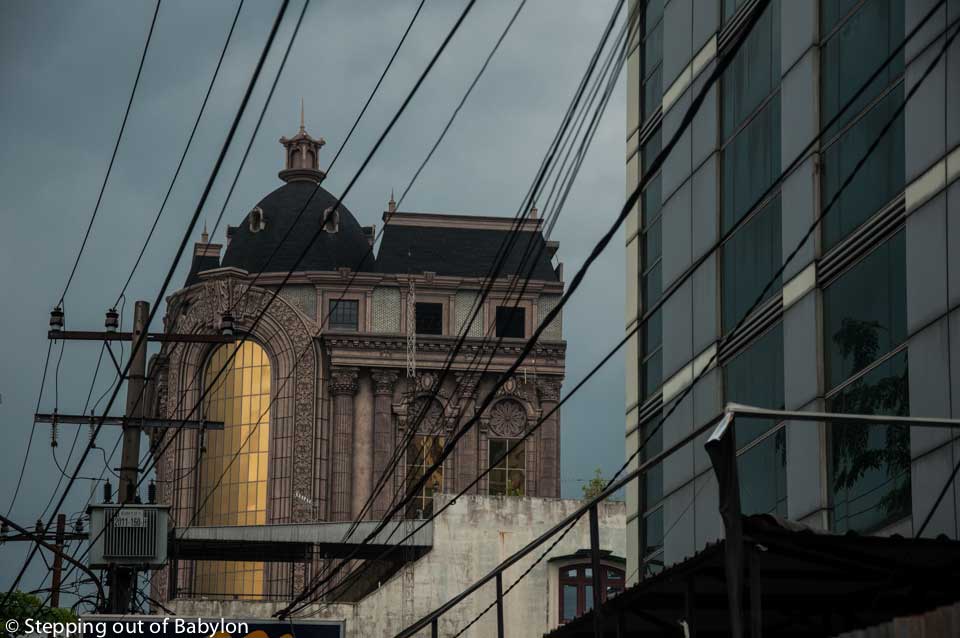
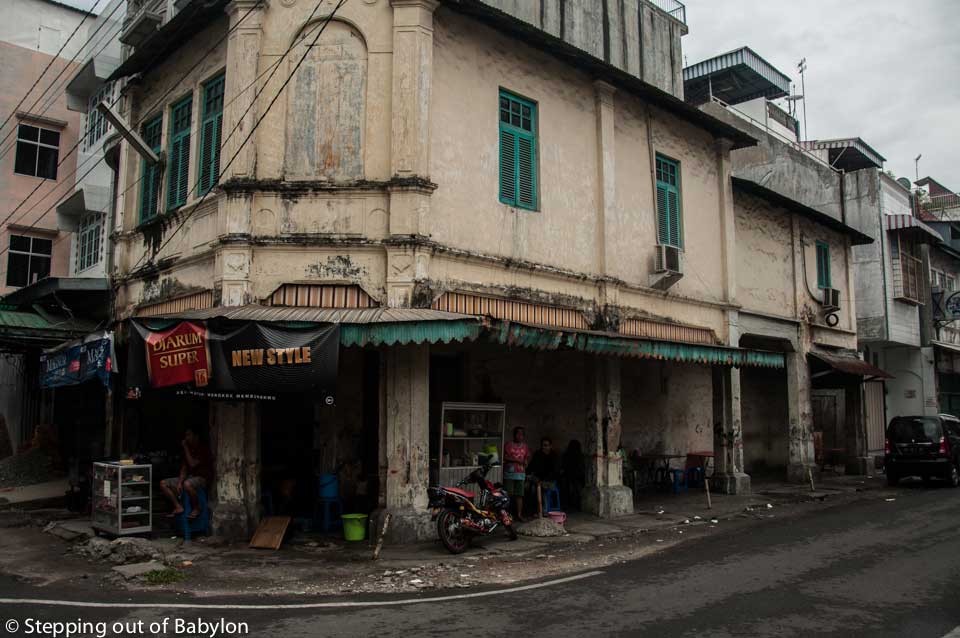
Old colonial building that still resist from the neglected old part of Medan

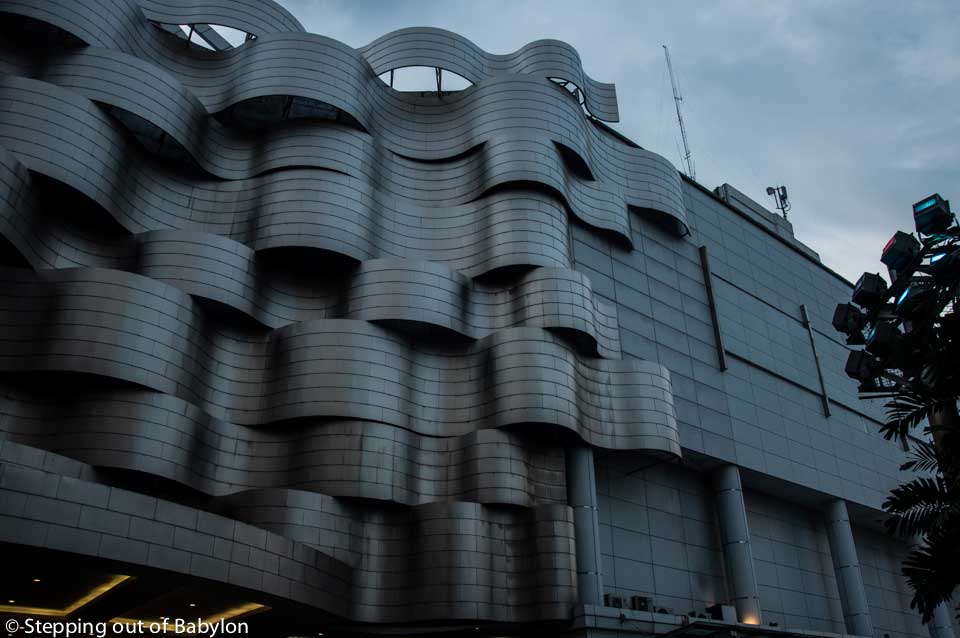
Medan
Medan
Medan
Medan
"Little India" the Indian neighbourhood but where there's a big mix with the Chinese community
“Little India” the Indian neighbourhood but where there’s a big mix with the Chinese community
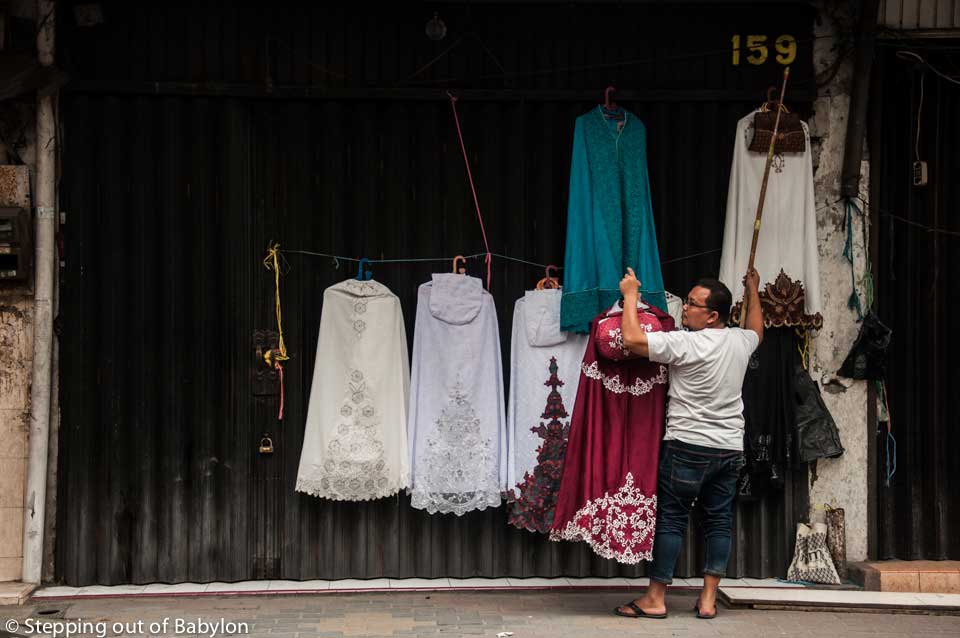
Hijab in a street market at Medan
Tjong A Fie Mansion
Tjong A Fie Mansion
Tjong A Fie Mansion
Tjong A Fie Mansion
Tjong A Fie Mansion
Tjong A Fie Mansion

What to see in Medan:

  • Istana Maimoon also called the Sultan Palace build in IX century by the Sultan Ma’moem Al Rasyid. You can’t see much of the interior of the palace but is a nice place where you can chill and enjoy the local people dress up with sultan customs to pose for a photo nearby the throne. Ticket 5.000 Rp.
  • Masjid Raya is free but you need to dress properly (no shorts, no naked shoulders, etc…) and the women must cover the head.
  • Tjong A Fie Mansion is located in the old town that is the most interesting area to walk around in Medan, Ticket 35.000 Rp, which includes a guided tour.
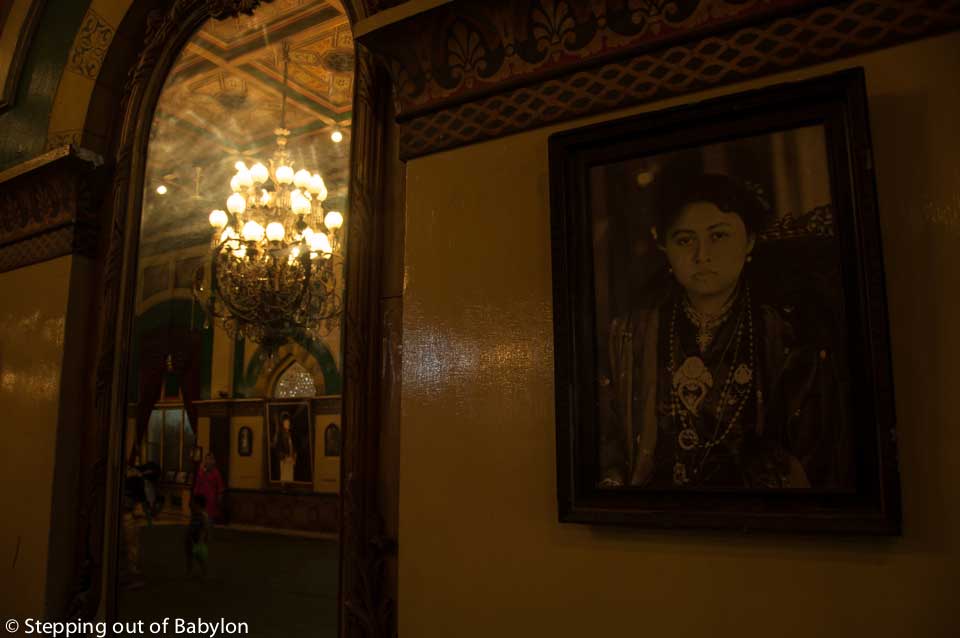
http://tjongafiemansion.org/

•Masjid Raya
Masjid Raya
Istana Maimoon also called the Sultan Palace build

Where to sleep in Medan:

The prices at Medan are higher that the usual in Sumatra, and as this city is not on the backpacker’s circuit is difficult to find a cheap guest house or a hostel.

The K77 Guest House is located a bit far out from the center but offers very nice and clean rooms as also a dorm, in a quiet alley in front of a mosque. In fact, cleanness is the word to describe this guesthouse where the owners are super friendly and provide a lot of information in a good English.

A bed in the dorm is 125.000 Rp and the breakfast is not included.

http://k77guesthousemedan.blogspot.pt/

In a more central area there’s the Yap Hostel, just for women with a bed in a dorm for 75.000 Rp, but book in advance as is usually full, especially at the weekends.

K77 Guest House
K77 Guest House

Where to eat in Medan:

As there’s not much to do in Medan, the food could be a great entertainment if you need to stay a couple of days in this city and location close to Malaysian bring a new input to the Indonesian cuisine. As any big city, in Medan there’s a few “classic” that you must try!!

  • Lontong Kak Lin… it’s a simple and humble eatery that serves lontong, a classic Malasian dish, that is a soup where the base is compressed steamed rice. I try the Lontong Sayur, a very rich vegetarian version of the original, that is served with egg, a few noodles, some tapioca crackers and lots of fry onion!! (15.000 Rp)
  • Zulaikha Bika Ambon… bika ambon is an Indonesia cake and apparently Zubaikha is the place to buy it in Medan, judging by the number of people that come here on the last week of the Ramadan to buy several boxes of this cake before visiting the relatives during the Eid al-Fitr (the holidays that mark the end of the fasting). Bika Ambon is made from tapioca flour, egg, coconut milk and sugar, of course! After cooking it results in a dense and wet texture with a lot of thin holes… and less sweet than it looks like! A small cake cost 23.000 p and the big one 43.000 Rp… there are different flavor but I just try the “original”!
  • Rumanh Makan Nasi Campau Hj Uni Emi… this restaurant is a reference in Medan for Nasi Kapau, the traditional Minangkabau cuisine, from South Sumatra.
  • Merdeka Walk… street food everywhere after 5 p.m.

Despite these places there’s a lot of restaurants in Medan and is very easy to find masakan padang restaurants; due to the presence of a big Chinese community is very easy to find noodles, cooked in soups or stir fry.

If you are looking for a good supermarket where you can find top quality Indonesia products (is not so easy as we could imagine in a big city) the Brastagi Supermarket is the place!!! There’s a big choice of coffee and chocolates there!
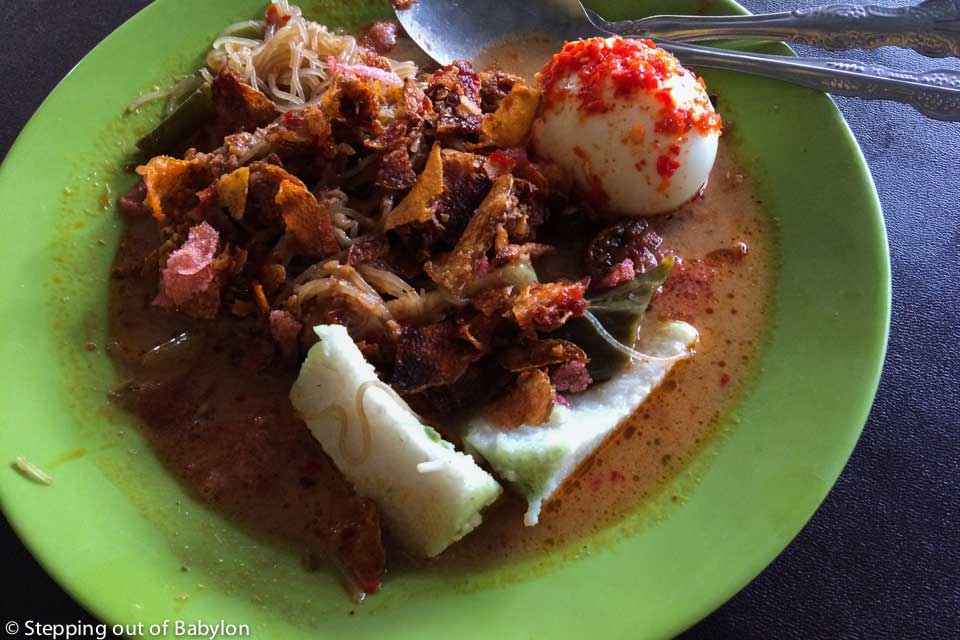
•Lontong Kak Lin
• Lontong Kak Lin

How to move around Medan:

The city is big and with a lot of traffic but with a lot of public transport (angkot). At your guest house you can get information about the angkot numbers, as this is the best way to identify them, as the destination isn’t written most of the times. There are colours according to the destination. It isn’t difficult but you gonna need help. The traffic is intense so you can easily be stuck in a traffic jam.

Very popular are the bajaj, a kind of auto-rickshaw that can transport two passengers.

The best option, especially if you travel alone, is the ojek (moto-taxi). You can use the app service of GoJek or Grab companies, and a trip inside the city costs around 10.000 Rp… and is a good way to avoid the traffic jams. Usually, this kind of transport doesn’t go out of the city.

How to go from Medan to the Airport:

The closest international airport from the capital of Sumatra is the Kualanamu International Airport (also written as Kuala Namu), which is located more than 40 kilometers from the center of Medan. There are a few ways to reach the airport:

  • Taxi: 150.000 Rp
  • Travel Service arrange by the guesthouse/hotel: 200.000 Rp
  • Train Rail Link: 100.000 Rp. It is the fastest option as it avoids the usual traffic jams of Medan. The train leaves from the Statsiun Medan close from the Merdeka Walk.

https://www.railink.co.id/jadwal-kereta

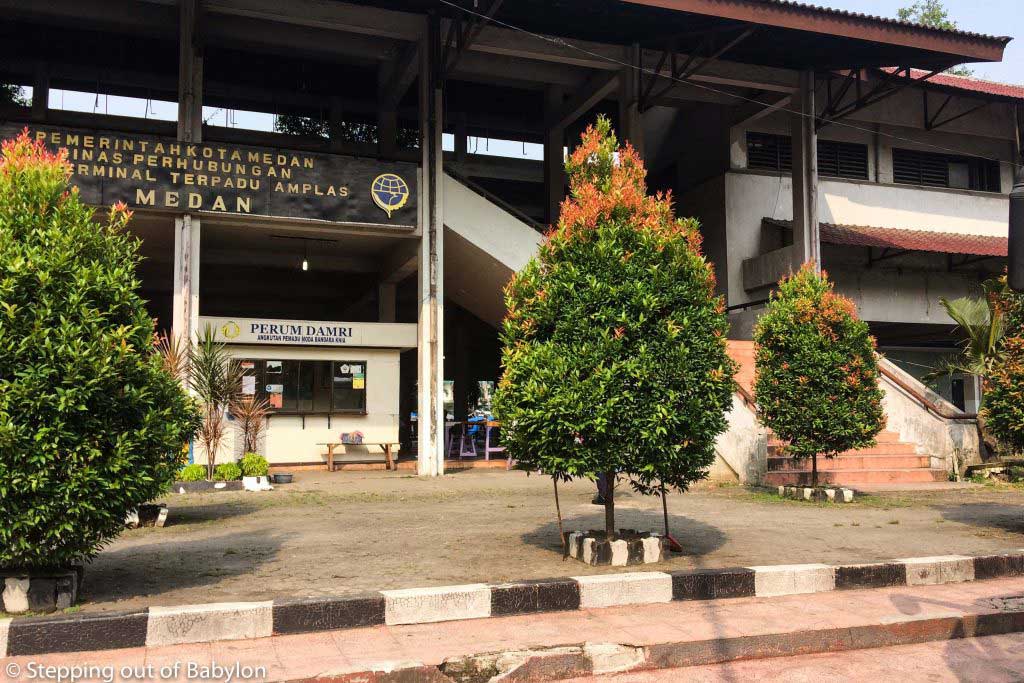
  • Airport Damri Bus: the DAMRI (Indonesian state-owned public transit bus company) operates buses from Amplas Bus Terminal in Medan to Kualanamu International Airport. The ticket costs 000 Rp, in modern air-conditioned buses, and the trip takes less than 45 minutes, but it can be more depending of the traffic. It isn’t the fastest option but is the cheapest!

To reach Amplas Bus Terminal (located in the southeast part of Medan) you need to take one of the angkot (small local bus) that will cost you 10.000 Rp. There are many of these angkots that end their trip at the bus terminal but is better to ask someone on your guesthouse as the destination on this angkots is not clearly written on the vehicle, but to help they all have a number to make it easy to identify. Watch out that this trip to the Amplas Terminal can take you about 2 hours… depending on the time of the day and the distance that you are from the terminal!!!!
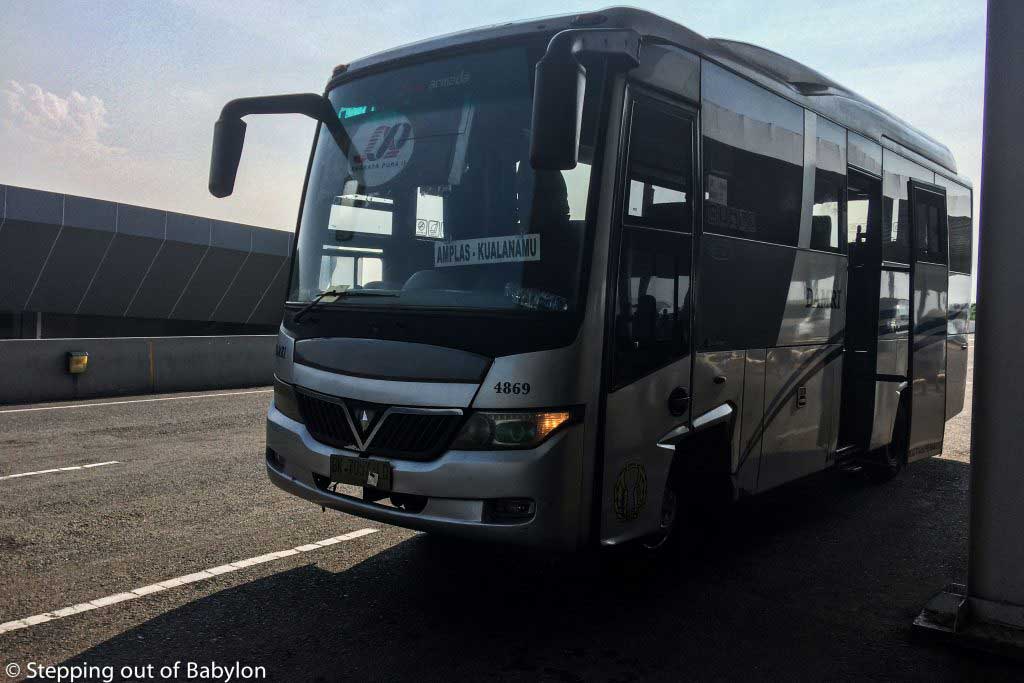
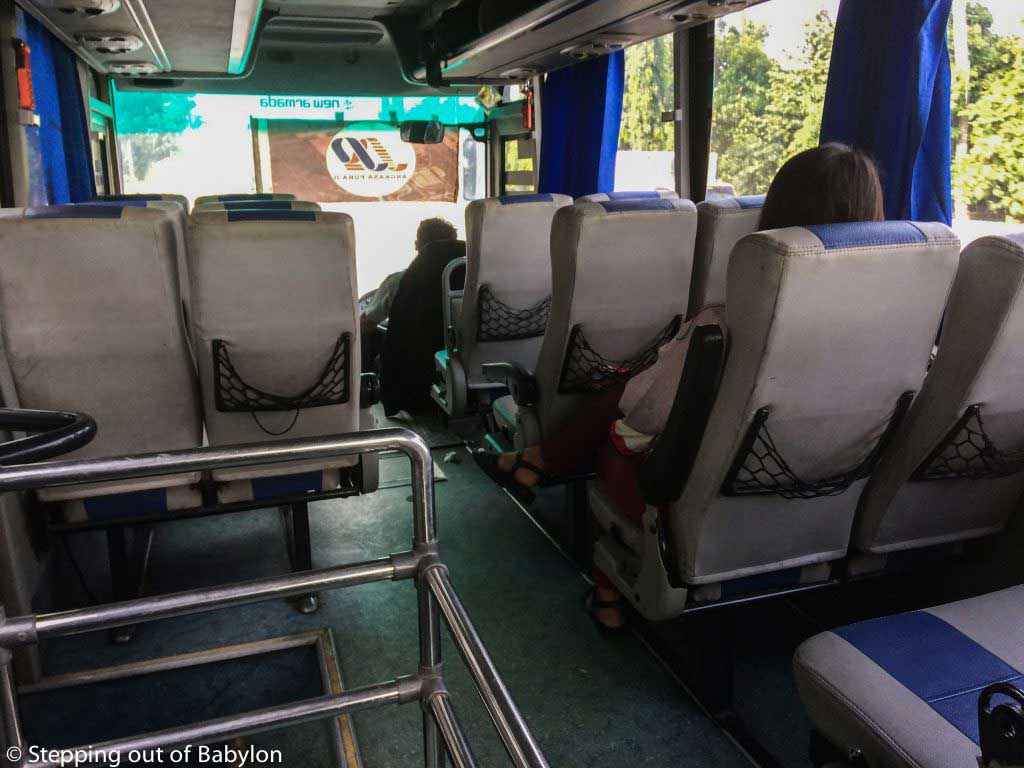
 

How to go from Medan to the Airport: DAMRI bus
DAMRI ticket counter at the Amplas terminal

How to go from Medan to Bukit Lawang:

Kota Kinabalu, a capital de Sabah

A Malásia divide-se em duas regiões: a chamada Malásia Peninsular, ou Malásia Ocidental e o Bornéu Malaio, situando-se na zona Oeste da ilha do Bornéu, sendo o lado Este pertencente à vizinha Indonésia.

O Bornéu Malaio, está dividido em dois estados, a norte Sabah e a Sul Sarawak, tendo-se mantido independente e governado por tribos até 1963, altura em que foi incorporado na Federação Malaia, tendo a cultura tribal, assim como as diferentes línguas e costumes sido rapidamente erodidos pela introdução da cultura da Malásia.

Situada junto ao mar, a região de Sabah foi local de comércio desde 700 D.C. com os Chineses a trocarem matérias primas com as tribos locais. No século XIV esta região passou a ser dominada pelo Sultão do Brunei que cedeu partes do território ao império Britânico que aqui fez comércio de tabaco, borracha e madeira, depois da passagem em 1521 do navegador português Fernão de Magalhães.

Kota Kinabalu é capital do estado de Sabah, e de todo este passado pouco resta depois dos bombardeamentos durante a II Guerra Mundial. O que se encontra é uma cidade moderna, organizada e dominada pelo betão, onde é evidente o gosto por superfícies comerciais e pela construção em altura que cria uma barreira entre o mar e a densa floresta que ainda domina o Bornéu, fortemente ameaçada pela plantação em regime de monocultura de palmeiras para extração de óleo de palma, uma das maiores exportações da Malásia.

Da cultura das tribos locais pouco ou nada se nota, sobrevivendo uma ou outra loja de artesanato local, numa cidade de betão com pouco para oferecer, para além da grande variedade gastronómica fruto da presença de grandes comunidades chinesas, e da comida malaia que por si apresenta influências indianas, tailandesas e indonésias.

O peixe e marisco têm lugar de destaque com o mercado situado junto ao pequeno porto a mostrar grande actividade em especial durante a manhã e ao fim da tarde, com uma grande variedade de peixes e de mariscos. Perto, o Central Market fervilha de agitação com centenas de bancas a vender e a confeccionar comida, sendo o local da cidade ideal para refeições e o também que oferece maior variedade e melhores preços.

Malaysia_Sabah_Kota Kinabalu_DSC_4540
Kota Kinabalu


Kota Kinabalu
Kota Kinabalu


Kota Kinabalu
Kota Kinabalu

Perto da zona denominada de Austrália Place existe um acesso pedonal que por escadas, cerca de 250 degraus, chega ao Signal Hill Observatory um mirador com vista sobre o Mar da China e as ilhas que formam o Tunku Abdul Rahman Park, mas cuja vista está fortemente comprometida pela construção de massivos edifícios que pouco já deixam ver da paisagem marítima.

Kota Kinabalu
Kota Kinabalu


Kota Kinabalu
Kota Kinabalu


Kota Kinabalu
Kota Kinabalu


Kota Kinabalu
Kota Kinabalu


Kota Kinabalu. Fish Market


Kota Kinabalu. Fish Market


Kota Kinabalu. Fish Market

A cidade é pequena e pode ser feita a pé, contudo os principais pontos de interesse situam-se afastados, como os parques naturais. O mais atractivo em redor de Kota Kinabalu é sem dúvida a natureza, sendo o Monte Kinabalu (Gunung Kinabalu) o ponto mais alto do Bornéu com cerca de 4000m; contudo a opção foi para as ilhas que formam o Tunku Abdul Rahman Park, situadas a cerca de 3 km de Kota Kinabalu. A escolha foi para um das mais pequenas Pulau Mamutik por oferecer um dos melhores locais para observação de corais e de vida marinha, não sendo necessário grande esforço ou equipamento para ver de perto peixes de fantásticas cores, deslocando-se por entre corais de diversas cores e formas e rochas cobertas de anémonas e outros seres marinhos.

Pulau Mamutik. Tunku Abdul Rahman Park


Pulau Mamutik. Tunku Abdul Rahman Park


Kota Kinabalu
Kota Kinabalu

A estadia em Kota Kinabalu for marcada pela chegada da monção em que os dias amanhecendo quentes e luminosos, se transformam em nublados com o céu a encher-se de pesadas e densas nuvens cinzentas que associadas a trovoadas descarregam sobre a cidade forte chuva que dura umas poucas horas. Passada a tempestade o ar fica mais fresco mas carregado de humidade, deixando um rastos de nuvens no céu que iluminadas pelas raios de sol do fim do dia enchem o céu de cores fantásticas.

Kota Kinabalu
Kota Kinabalu


Kota Kinabalu
Kota Kinabalu


Alojamento:

A zona da cidade denominada de Australia Place, situada na zona Este da cidade perto da Atkinson Clock Tower e da Lorong Dewan é onde se concentra a maioria das alojamentos para orçamentos backpackers, com dormitórios e com quartos duplos a rondar os 60 a 70 RM.

Também nesta zona se encontram cafés e restaurantes de estilo ocidental que oferecem um local agradável e calmo para passar umas horas saboreando um bom café, sofisticada pastelaria, com ar-condicionado e free wi-fi… se bem que um café num destes locais custa cerca de 10 RM (ringits)


Onde comer:

Sendo uma cidade junto à costa, o peixe e o marisco ocupa lugar de destaque na comida local, existindo vários restaurantes junto ao mar servindo marisco e peixe fresco, mas onde uma refeição pode custar mais de 80 ringits para duas pessoas.

Contudo o Central Market, um mercado a céu-aberto, onde as bancas protegidas por toldos constituem a opção mais económica oferecendo grande variedade de comida local, incluindo fruta, doces e sobremesas. Um fried-rice custa menos de 4 RM.

Na cidade existem muitas opções. Os locais favoritos foram o Fong Ip Café (cruzamento da Jalang Pantai com a Jalang Gaya) com comida chinesa e com opções malaias, e onde se destaca o laksa, uma espécie de caril à base de leite de côco, com noodles, tofu e gengibre e aqui é servido com camarão. Na esquina oposta, no Azlina Sulawesi de influência muçulmana, serve-se comida típica malaia, alguns caris tailandeses e onde se pode encontrar rotis, numa clara influência da comida do sul da Índia.

Atenção que o horário das refeições é limitado: apesar de se poder ter uma refeição durante todo o dia, com os restaurantes a abrirem pelas 7h da manhã é normal encerrarem pelas 21.30h.


Azlina Sulawesi
Azlina Sulawesi
Fong Ip Café
Fong Ip Café. Restaurante in Kota Kinabalu


coffee shop near "Australia Palace"
coffee shop near “Australia Palace”. Kota Kinabalu


Laksa
Laksa


Com o ir de Kota Kinabalu para Tunku Abdul Rahman Park

Das várias ilhas do parque a escolha foi para Pulau Mamutik por oferecer um dos melhores locais pára observação de corais e de vida marinha bastando para isso o tubo e os óculos de snorkeling que se podem alugar no local.

Os barcos partem de um pequeno cais junto o Central Market; o preço tem que ser negociado com os vários angariadores que se encontram no local e que dirigem aos turistas… a viagem ficou em 40 RM (ida e volta). O horário de volta é acordado com dono do barco.

Convém levar comida.


Como ir de Kota Kinabaludo para o Aeroporto:

Taxi custa 25 RM.

Existem autocarros que fazem a ligação entre Kota Kinabalu até ao Terminal 1 e Terminal 2 do aeroporto situado nos arredores de Kota Kinabalu.

A paragem de autocarros onde se inicia o serviço Airport Bus fica situada na Jalan Padang, perto do Merdeka Field. Para quem vem da Australia Place, caminhado 5 minutos, encontra estes autocarros depois de passar a Atkinson Clock Tower.

O primeiro é às 7.30am; entre as 9.00 h e as 19.00h saem de hora a hora, com o ultimo às 19.00h

Ticket: 5 ringits


Airport Bus
Airport Bus


Airpot Bus. tickets
Airpot Bus. tickets

Footer

search

Tags

Amed Arugam Bay Assam Bali Bogor Border Crossing Borneo Colombo Esfahan Fes Food Gilis Hiking Hikkaduwa hokkaido Istanbul Itinerary Jakarta Java Kashan Kohima Kumano Kodo Litang Lombok Meghalaya Meknes Mekong Nagaland Natural Park Northeast States Ouarzazate Sarawak Shangri-lá (Zhongdian) Shan State Shiraz Sichuan Province Sumatra Tabriz Tehran transportation Visa Yangon Yazd Yogyakarta Yunnan Province

I’m Catarina, a wanderer from Lisbon, Portugal… or a backpack traveller with a camera!

Every word and photo here comes from my own journey — the places I’ve stayed, the meals I’ve enjoyed, and the routes I’ve taken. I travel independently and share it all without sponsors or ads, so what you read is real and unfiltered.

If you’ve found my blog helpful or inspiring, consider supporting it with a small contribution. Every donation helps me keep this project alive and free for everyone who loves exploring the world.

Thank you for helping me keep the journey going!

BUY ME A COFFEE

Categories

Recent Posts:

  • How to go from Hualien to Dulan Beach
  • Taroko Gorge: between marble cliffs and emerald rivers
  • Hualien: a dull gateway to Taroko Gorge
  • Taiwan: Itinerary for an 16 day trip
  • Vietnam: Itinerary
  • 3 months in India: Kolkata, Tamil Nadu, Karnataka, Goa and Kerala
  • Backpacking Turkey in 24 Days: itinerary & costs
  • English
  • Português

© Copyright 2026 Stepping out of Babylon · All Rights Reserved · Designed by OnVa Online · Login