• Skip to main content
  • Skip to footer

Stepping Out Of Babylon

Travel & Photography

  • About me
    • Contact
  • Destinations
    • Africa and Middle East
      • Iran
      • Lebanon
      • Morocco
      • Turkey
    • East Asia
      • China
      • Japan
      • Taiwan (Formosa)
    • South Asia
      • Bangladesh
      • India
      • Nepal
      • Sri Lanka
    • Southeast Asia
      • Cambodia
      • Indonesia
      • Lao
      • Malaysia
      • Myanmar
      • Singapore
      • Thailand
      • Vietnam
  • Itineraries
  • Travel tips
    • Border crossing
    • Hiking and Natural parks
    • Food Journey
    • Visa
  • Photography

Southeast Asia

Vietnam: Itinerary

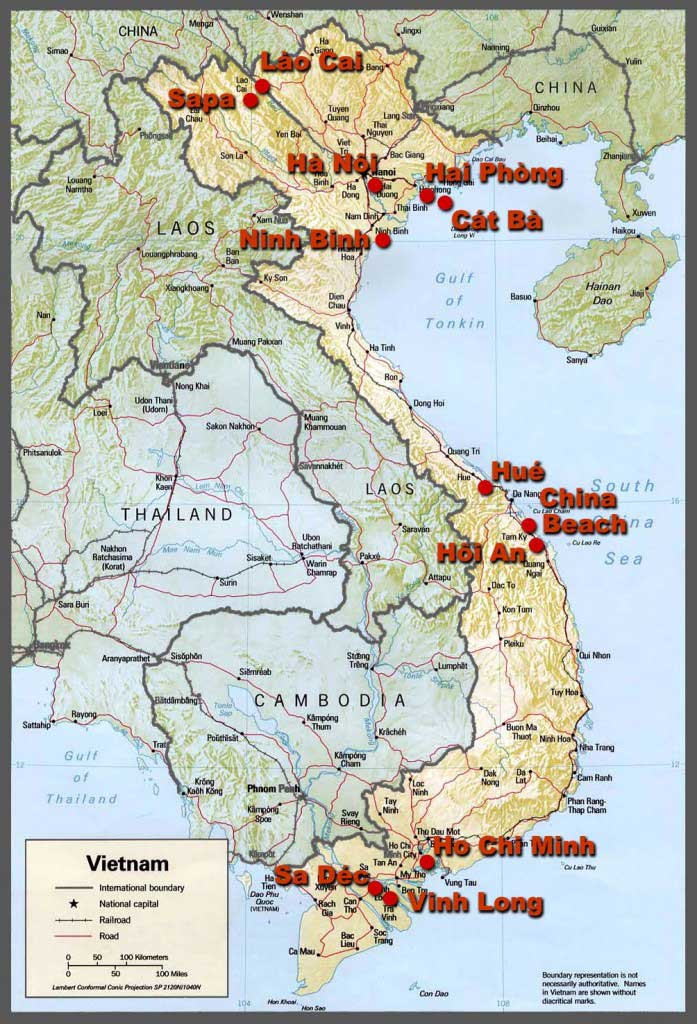
vietnam-map

Itinerary

#1     Lisbon – Paris – Ho Chi Minh

#2     Ho Chi Min
#3     Sá Dec – Vinh Long

#4     Vinh Long (Mekong) – Ho Chi Minh

#5     Ho Chi Minh – Da Nang (Nuo Nuoc Beach)

#6     Nuo Nuoc Beach (Marbel Montains)

#7     Nuo Nuoc Beach (Hoi An)

#8     Nuo Nuoc Beach (My Son)

#9     Da Nang – Hué (comboio)

#10   Hué

#11   Hué – Ninh Binh

#12   Ninh Binh (Tam Coc)

#13   Ninh Binh (Cuc Phuong e Hoa Lu)

#14   Ninh Binh – Haiphong – Cat Bá

#15   Cat Bá

#16   Halong Bay

#17   Cat Bá – Haiphong – Hà Nôi

#18   Hà Nôi

#19   Sapa (Trekking #1)

#20   Sapa (Trekking #2)

#21   Sapa (Bac Há)

#22   Hà Nôi

#23   Hà Nôi

#24   Hà Nôi – Ho Chi Minh – Paris – Lisbon

Visa Requirements:

Since there is no Vietnamese embassy or consulate in Portugal, it is necessary to use the internet ([http://www.visa-vietnam.org/](http://www.visa-vietnam.org/)) or a travel agency to obtain the visa.

Through the website, you can obtain an entry approval letter for Vietnam, which will be sent to you by email after filling out a form with your passport details and paying $20 per person (the more people you have, the cheaper it gets). This is for a 30-day, single-entry visa.

When you arrive in Vietnam, you must present this document, along with your passport, to customs and pay an additional $25 (it must be in dollars; they don’t accept other currencies, and there are no ATMs available).

Vaccines:

The best option is to consult with the Curry Cabral Hospital. The consultation costs €4.5, which corresponds to the moderation fee, and some vaccines are given on-site after the consultation.

If you have the vaccines required by the national vaccination program, including tetanus, only the hepatitis A and B vaccines, and the typhoid vaccine, are necessary.

It’s advisable to book in advance.

Travel Insurance:

It’s advisable to take out insurance. We opted for Império Bonança. The cost was €41.10 for two people over 24 days. We used Atributo Seguros (21 891 94 85) as an intermediary, and everything was handled quickly and efficiently by email and phone.

Weather:

You can check the weather at: [MSN Weather – Vietnam](http://weather.msn.com/region.aspx?&wealocations=Vietnam&setunit=C#current).

TRANSPORTATION IN VIETNAM
  • Bicycle:

Pleasant, especially in cities with little traffic or when cycling in rural areas. We tried it in Hué, and the price is negotiable. We rented bikes at the hostel in Hué and paid 30,000 VND (about €1.2) per bike for one day, from morning to evening.

  • Rickshaw:

The most charming mode of transport in Vietnam, but not the fastest. They are often found in city centers and are usually used for sightseeing routes; the price is negotiable.

  • Motorbike:

The best option for renting a motorbike is through hotels or guesthouses. No driver’s license or other documents are required. Helmets are mandatory. The price ranged from 80,000 VND, but it is negotiable. When renting a bike for a day, it is common to return it by the end of the day.

It’s advisable to test the bike before finalizing the rental to assess the condition of the vehicle, especially the brakes, which are important if you plan to take longer trips.

In large cities, it is not recommended to drive a motorbike due to the heavy traffic and lack of traffic rules (there are no pedestrian crossings, no priority at intersections or roundabouts).

  • Honda-om:

A service similar to a taxi but on a motorbike. It’s ideal for moving around urban areas where taxis may take longer. The price is negotiable. If you need to carry luggage, it can be placed on the passenger’s back or between the driver’s legs. We didn’t try this.

  • Taxi:

It’s best to insist on using the meter, especially when you’re confident about the route. However, many drivers prefer to negotiate the fare instead of using the meter, which generally isn’t in the passenger’s favor.

  • Public Bus:

The cheapest option for transportation; recommended for urban areas and short distances, as they lack many comforts. If you’re carrying luggage, you may need to pay an extra fee.

  • Travel by Tourist Bus:

Operated by private companies. Recommended for longer trips, as they offer more comfortable seats and air-conditioning. There are also sleeper buses for overnight trips between major cities (290,000 VND between Hué and Ninh Binh). Tickets can be bought at bus stations, which are easy to find in almost every city, with various companies represented.

  • Travel by Mini-bus

Operated by private companies; seats about 15 people, but there isn’t much space for bulky luggage. They connect major cities, with several trips per day. Tickets can be bought at bus stations, where you can compare prices and schedules from various companies. It’s advisable to book in advance, especially for popular routes and weekends. One company we found nationwide is Mai Linh. [Mai Linh Website](http://www.mailinh.vn/)

  • Travel by Train in Vietnam

The railway network in Vietnam covers only the coastal region, with the main route being the North-South Reunification Line, connecting Hanoi to Ho Chi Minh City. There are also two connections to the Chinese border—Lao Cai and Dong Dang.

As of now, it’s not worth trying the Vietnam Railways website, as the English page is not working.

Trains are divided into different categories based on comfort:

  • SE1 to SE6: “soft sleep” (4 beds) with air-conditioning; “hard sleep” (6 beds) with air-conditioning; restaurant car. These are the most comfortable vehicles with the best-conditioned carriages, but they’re the most expensive tickets.
  • SE7 to SE8: “hard sleep” (6 beds) with air-conditioning; “soft seat” (cushioned seat) with air-conditioning; restaurant car. They do not have “soft sleep” carriages.
  • TN1 to TN2: “hard sleep” (6 beds) with or without air-conditioning; “hard seat” (wooden seat). These are the least comfortable vehicles.

The “soft sleep” beds come with sheets, a pillow, and a blanket… although not always in the best hygienic condition, they are generally acceptable. In the carriages with seats, passengers often carry large volumes of luggage, making it difficult to move around.

The best website for train information we found was [Seat61 – Vietnam](http://www.seat61.com/Vietnam.htm). Besides ticket sales (which we didn’t try, as we bought tickets at stations or through hotels or travel agencies), it helps understand how the rail system works, which is a bit different from what we’re used to. It also provides information on routes, ticket prices, and the best scenic train journeys.

It’s recommended to book in advance, especially for sleeper carriages and on weekends or public holidays. If you buy a ticket and later decide not to travel, you can exchange it at the station ticket counters with a 10% fee.

  • Travel by plane in Vietnam

The fastest way to travel. Flights are no longer than 1.5 hours, but the downside is spending a lot of time at the airport, waiting between check-in and the flight. The main airlines for domestic flights are Vietnam Airlines and JetStar, the latter being a low-cost carrier with a reputation for delays, so it’s best to account for that if you have a connecting flight. The earlier you buy tickets, the cheaper they will be (a round-trip from Hanoi to Ho Chi Minh cost under $75).

– Vietnam Airlines (http://www.vietnamairlines.com.vn/)

– JetStar (http://www.jetstar.com/)

Accommodation In Vietmam

The best website to choose a hotel is TripAdvisor: [TripAdvisor – Vietnam](http://www.tripadvisor.com/Hotels-g293921-Vietnam-Hotels.html). It’s important not to rely solely on the rankings but to read reviews and look at recent photos, considering the traveler’s country of origin.

It’s not advisable to make reservations that require payment upfront, as sometimes the photos shown on websites don’t reflect the current condition of the rooms.

Before starting the trip, we only booked a hotel for the first night in Ho Chi Minh. For those who don’t want to take chances, just head to the Old Quarter and walk around a few streets, especially Bui Vien Street, where there’s a high concentration of hotels and, of course, tourists!

Throughout our trip, we exchanged experiences with other travelers who recommended hotels and guesthouses to stay in, and from there we simply made reservations by email or phone.

Travel Guides

We chose the Rough Guides dedicated exclusively to Vietnam. In comparison to the Lonely Planet, it’s more detailed and comprehensive, as it focuses on one country, unlike most other guides that cover Laos and Cambodia as well. You can also consult it online, although it has less detailed information: [Rough Guides – Vietnam](http://www.roughguides.com/website/travel/destination/content/?titleid=103&xid=idh119763192_0005)

A website dedicated to promoting organized tours but also offering useful information about the Sapa area and the region’s ethnic minorities: [Sapa Lao Cai](http://www.sapalaocai.com/)

Another website for good tips, even on accommodation: [Travelfish Vietnam](http://www.travelfish.org/country/vietnam)

About the food in Cambodia

In summary, it can be said that Cambodia is not an easy country for vegetarians, as this is a strange concept in this country where meat consumption dominates. But there are always options like noodle soups, curries and some snacks that help to get around the situation!

As in Lao, the noodle soups continued to be present but the quality decreased: not only are the broths less aromatic, but sometimes the noodles are made from dry pasta or even instant noodles. The usual dish of aromatic herbs and vegetables that accompanied these soups in the neighbouring country, is often absent here.

In Cambodian food, there is a strong influence of Chinese and Vietnamese cuisine, which is visible in the many restaurants serving “phò”, the traditional vietnamese noodle soup.

Another influence of China is the hot pots, which are very popular among Cambodians (as in many other Southwest Asian countries), especially in cities and particularly on weekends, where these restaurants are filled with families and groups of friends who share this meal, consisting of a pan with a boiling broth, where pieces of meat are floating, which remain hot on the table with the use of a mini gas stove, and where the various side dishes, such as cabbage, fresh herbs, pasta, pieces of meat and also viscera…

These noodle soups, prepared at the moment, can be made in the vegetarian version, however, although meat is not added, there is no increase in the amount of vegetables that usually come down to a handful of soy sprouts and a few cabbage leaves. As for the broth that serves as the base for these soups, almost transparent and with a light flavour, it is likely to contain products of animal origin in its preparation.

The so-called rice soups, popular as a morning meal, although a little boring, are also an option for vegetarians, since you can always order without meat, alternatively adding soy sprouts.

More advisable in terms of a vegetarian diet are fry-noodles, where the rice noodles are stir fry with some vegetables and egg and seasoned with mysterious sauces.

Coffee is usually served with ice and is almost always sweetened with condensed milk. The preparation is in everything similar to that found in Vietnam, with the boiling water being poured over the coffee in a kind of metallic filter, placed on the top of the glass. Often the coffee is already made, in a very concentrated dose, which is then diluted in hot water when the coffee is served. The flavour is smooth but with a particular flavour, but it is necessary to use a certain communication skill to avoid the popular condensed milk, which totally crushes the original flavour of the coffee.

The curries continue to be strongly present, much less spicy than in neighbouring Thailand, served with the usual dose of rice. The most popular of these curries is amok, which can be seafood, fish, meat or just vegetables, highlighting the mild aroma of spices from which lemongrass, turmeric and ginger stand out. Traditionally this dish is made very slowly, in steam, on a banana leaf. Not as easy to find as a noodle soup, amok served with rice is a delicious option for vegetarians and is more likely to be found in restaurants than in markets.

In Cambodia, vegetarian options are scarcer than in other countries in Southeast Asia, dominating meat, whether fresh or processed in the form of small meatballs whose appearance is far from attractive but which is extremely popular in Cambodia. In the south of the country, given the proximity to the sea, fish and seafood are strongly present, with markets offering a wide variety of products, which is reflected in the dishes and even street snacks.

And as in any Asian country, street food has a strong presence, due to its variety, both in sweets and in snacks, appearing at specific times of the day, often next to markets, schools, or in the busiest streets of cities. They can be small stalls transported on bicycles or compact kitchens coupled to motorcycles.

As in many Southwest Asian countries, it is not difficult to find exotic foods by European standards, and Cambodia seems to offer even more opportunities to find frogs for sale in the markets or grasshoppers fried at a street stall.

Sopa de arroz, servida somente de manhã, como primeira refeição do dia, e que muitas vezes é acompanhada de uma especie de pão frito
Rice soup, served only in the morning, as the first meal of the day, which is often accompanied by a kind of fried bread
stree food em Siem Reap
street food in Siem Reap
pasteis de massa de arroz recheados com legumes e mergulhados numa mistura de molhos doces, salgados e picantes
rice noodles stuffed with vegetables and dipped in a mixture of sweet, savoury and spicy sauces
banca que todas as noite surge nas ruas de Siem Reap servindo a sopa de noodles tradicional do Vietnam
every night several small stands appear on the streets of Siem Reap serving Vietnamese traditional noodle soup
muitas vezes é possivel encontrar fruta já descascada e cortada que se vende nas ruas, em especial nas zonas mais frequentadas por turistas.
it is often possible to find already peeled and cut fruit that is sold on the streets, especially in the areas most frequented by tourists
fritos de banana e massa
fried banana
phô
Vietnamese phô soup
bancas de venda de comida em Siem reap, em frente ao local de partidas dos autocarros... depois da hora de ponta mudan-se para outras paragens.
food stalls in Siem reap, in front of the bus departure point … but after the rush hour it moves to other stops
nooodlles
dry noodles
chá que está semptre disponivel nas mesas
tea that is always available on the tables
sops de noodles com legumes
noodle soup with vegetables
molhos e mais molhos... mas poucos picantes, em comparação com o que era oferecido na Tailândia ou mesmo no Laos
sauces and more sauces … but few spicy, compared to what was offered in Thailand or even Laos
café confeccionado de forma semelhante à que se encontra no Vietnam
ice coffee made by the filter process
street-food em Phnom Penh
street-food in Phnom Penh
fruta de uma especie de palmeira, servida com leite de coco, gelo e muito, muito açucar
toddy fruit, from a kind of palm tree, translucent and gelatinous, served with coconut milk and ice…. very sugary
fruta de uma especie de palmeira
toddy palm fruit
mercado de Phnom Penh
Phnom Penh market
bolos cozinhados ao vapor, em folha de bananeira
steamed cakes in banana leaf
noodles fritos com legumes e ovo estrelado... sempre frito dos dois lados!
fried noodles with vegetables and a fried egg … always fried on both sides!
banca de rua
street stall
street food em Phnom Penh
street food in Phnom Penh: pancake served hot, stuffed with sticky rice and sweetened with a mixture of coconut and sugar
street food em Phnom Penh
street food in Phnom Penh with fry dough, also called oily sticks
um dos muitos snacks de rua: massa doce frita e salpicada de sésamo
one of the many street snacks: fried sweet dough, sprinkled with sesame seads
restaurante de phô em Phnom Penh
“phô” restaurant in Phnom Penh
DSC_3399

Vegetable “amok“… the famous Cambodian curry that most of the times is made with fish, but that can also be ordered in a vegetarian version only with legumes.

Uma especie de custard, mas cozinhada dentro de uma pequena abóbora que depois de cozida se pode comer a casca; é servida às fatias, regadas com leite de côco, calda de açucar, gelo e leite condensado. Muito popular na Tailândia, pode-se também encontrar nos mercados do Camboja

A kind of custard, but cooked inside a small pumpkin that after being cooked you can eat the peel; it is served sliced, drizzled with coconut milk, sugar syrup, ice and condensed milk. Very popular in Thailand, it can also be found in Cambodian markets

banca no mercado de Sihanouk Ville dedicada à venda de doces, onde domina o leite de côco e o leite condensado
stall in the Sihanouk Ville market dedicated to the sale of sweets, where coconut milk and condensed milk dominate

Food in Thailand for vegetarians

The fame of Thai gastronomy is entirely deserved, with a great diversity of dishes with a predominance of curries, aromatic and mildly spicy, and noodles, a smooth and soft pasta made with rice flour, present in many of the Thai dishes, like soups and stir-fry.

Generally speaking, rice is always present in any home, and it is common to walk the streets of the neighbourhoods to feel the hot smell of cooked rice at any time of the day, which is almost always made in electric cookers, both at home and in restaurants.

Near the markets, or even on the streets of the city, small stalls are selling cooked rice, both glutinous and normal, in small plastic bags, serving as side dishes for curries, stews or fried fish or meat, and sold in the form of small kebabs.

Sticky rice, or glutinous rice, serves as an accompaniment to many Thai dishes, also serving as a dessert, where it is eaten together with pieces of mango, and often drizzled with sweetened coconut milk, making a good combination. In some markets it is still possible to find this type of rice, which after being cooked is introduced into a bamboo trunk which is then grilled over charcoal; it can be just plain rice or mixed with beans, alfalfa seeds, bananas, meat… the choice is always risky because most sellers don’t speak English and even the sounds I try to pronounce to express my choice for vegetarian food are not understood, most of the time.

This type of long grain rice with a sweet taste, originally from the Issan region (northeastern Thailand), where it adapts well to poorly fertile soils, after being cooked it maintains its firm consistency but is easily added which allows it to be dipped in sauces, it is left to soak in water overnight, so that in the morning it is ready to be cooked.

Very popular, especially among foreigners, is the so-called “fried rice” which is nothing more than previously cooked rice that is stir-fry in the wok, with some pieces of vegetables and flavoured with soy sauce and fish sauce. Far from being my favourite dish, I consider the fried rice as “last resort” option, as the vegetarian option don’t show much nutritional value apart from a lot of carbohydrates and fat!!

It can be considered that the curry paste is the basis of almost all traditional dishes of Thai gastronomy, and can be made with different ingredients, but it usually has ginger, garlic, salt, chili, curry leaf, lemongrass… finely crushed and crushed to form a paste to which salt and spices are added that can be kept for several weeks. According to the dish to be prepared there are several types of curry pastes: green, red, massaman, panang… which are sold in the food markets all around the country.

Another constant is the noodle soup, prepared in less than a minute and very popular as street food, where small stalls only need a large pot with a steaming broth, which when uncovered fills the air with soft aromas, which pieces of green leafy vegetables, meat, or tofu are added to the dish, with the addition of fresh rice noodles, which are instantly ready to eat.

MSG, Monosodium Glutamate. This is the true plague of Thai food that competes strongly with sugar, and is present in almost all dishes, both in restaurants and in street food, which consists of a chemical used to enhance the flavour of food, but controversial use as it is not well tolerated by everyone and can cause gastric problems.

The “pad thai” is undoubtedly the most popular, perhaps because it has become popular with tourists and because it is cheap and easy to make, which makes it present in all restaurants, markets or street stalls. based on sautéed noodles with soy sprouts and a few vegetables, and sprinkled with crushed peanuts. Despite having an egg, it is a good option for vegetarians, but small dried shrimps often appear that ruin this option.

In general, Thai cuisine is not very “friendly” for vegetarians, as many of the dishes often have pork, chicken or shrimp, including noodle soups that are often made with meat broths; even more difficult is for vegan, where the presence of egg is almost mandatory when ordering something vegetarian.

But in the bigger urban areas, the vegetarian diet is getting popular and with a bit of internet research is not difficult to spot a vegetarian or even vegan restaurant. However, the prices are certainly higher than what you can find in street-food.

Tofu is also a presence in Thai cuisine, certainly an influence from neighbouring China, and is seen as one more ingredient in the local dishes, and not necessarily an alternative to meat or fish.

As most of the food is cooked at the moment it’s not difficult to order a vegetarian version of a dish, yet nothing is a guarantee about the use of some “mysterious” sauces that most of the time contain animal products.

There is no strict timetable for meals, nor a specific type of food for each meal, and a soup of noodles or a piece of fried chicken with rice can be served for breakfast, lunch, or dinner.

restaurante de rua em Bangkok que surge diáriamente ao fim do dia dedicada exclusivamente à preparação de um prato feito à base de legumes e de carne ou marisco, que são cozinhados numa chapa aquecida sobre lume forte, enquanto são vigorosamente mexidos e regados com caldos e molhos
street restaurant in Bangkok that appears daily at the end of the day dedicated exclusively to the preparation of a dish made with vegetables and meat or seafood, which are cooked on a heated plate over high heat, while being vigorously stirred and drizzled with broths and sauces
restaurante junto à estação de comboios de Ayutaya, que logo pela manhã, ainda antes do nascer do dia já serve refeições simples, como sopa e noddles e pad thai
A restaurant next to Ayutaya train station, which in the morning, even before dawn, already serves simple meals, such as soup and noddles and pad thai
uma das muitas sopas de noodles que podem ser encontradas pelos restaurantes tailandeses; esta é uma variante vegetariana com tofu, mas a base é a mesma das tradicionais sopas à base de carne: caldo que está sempre fumegante numa panela ao lume, que é deitado sobre os legumes e onde são colocados os noodles (massa de arroz) que é cozinhada pouco mais de trinta segundos numa outra panela com água a ferver. Tudo isto é feito em menos de um minuto.
one of the many noodle soups that can be found in Thai restaurants; this is a vegetarian variant with tofu, but the base is the same as the traditional meat-based soups: broth that is always steaming in a pan over the heat, which is laid over the vegetables and where the noodles (rice noodles) are placed it is cooked just over thirty seconds in another pan with boiling water. All of this is done in less than a minute.
Uma das bancas de venda de salsichas, e outros derivados de carne ou de peixe, apresentado uma consistência estranha, de textura compacta e cor artificial, mas que, a avaliar pelo numero destas bancas, são bastante apreciadas pelos tailandeses, que as consomem enquanto andam pela rua ou levam para casa juntamente com sacos de arroz, já cozinhado
One of the stalls selling sausages, and other meat or fish products, presented a strange consistency, of compact texture and artificial color, but which, judging by the number of these stalls, are highly appreciated by the Thais, who consume them while walking down the street or take home with bags of rice, already cooked
Em alguns mercados é ainda possivel encontrar leite de coco feito na hora, que é vendido juntamente com o coco ralado resultante do processo de obtebção do liquido
In some markets, it is even possible to find freshly made coconut milk, which is sold together with the grated coconut resulting from the process of obtaining the liquid
Sopa de arroz acompanhada de massa frita, que é um dos tradicionais pratos consumidos pela manhã, mas que tb se pode encontrar em algusn restaurantes ao longo do dia. A base é muito semelhante à sopa de noodles, sendo feita à base de um caldo de legumes, onde é colocado o arroz muito coziso e por vezes ligeiramente triturado, e que pode ser servido com ovo que lentamente cozinha no caldo que é serviso a escaldar
Rice soup accompanied by fried pasta, which is one of the traditional dishes consumed in the morning, but which can also be found in some restaurants throughout the day. The base is very similar to noodle soup, made from a vegetable broth, where the rice is placed very cooked and sometimes lightly crushed, and which can be served with an egg that slowly cooks in the broth that is served to scald
Sticky-rice em bambu; esta é a variante com alfafa
Bamboo sticky-rice; this is the alfalfa variant

Although it is not too cold, this time of year is corresponding to winter, and temperatures drop significantly during the night; and how could it be that chestnuts appear to remember winter in Portugal … but these are smaller and steamed!

pad thai, numa variante feita por mim, nos dias que passei na Giant Gouse, em Chiang Mai; esta tem mais legumes para além dos habituais rebentos de soja, e não tem ovo
pad thai, in a variant made by me, in the days I spent at Giant Gouse, in Chiang Mai; this one has more vegetables than the usual soy sprouts and has no egg
tiras de carne a secar ao sol
strips of meat drying in the sun
Bananas, bananas, bananas.... estão por todo o lado, de diversas variedades, e vendidas frescas, verdes, secas, fritas, assadas....
Bananas, bananas, bananas… they are everywhere, of various varieties, and sold fresh, green, dried, fried, roasted..
Uma das bancas de venda de "papaia salad" no mercado de Sompet, em Chiang Mai
One of the stalls selling “papaya salad” at Sompet market in Chiang Mai
DSC_7652
as the end of the day approaches, many stalls that prepare meals or simple snacks start to appear in the streets
DSC_7664
rotee… a kind of crepe, but with a very thin dough based on rice flour, which is stuffed with banana and can be drizzled with chocolate or condensed milk; You can also opt for the vegetarian option. Despite the similarities with the French crepe, this snack comes from Malaysia and most of the sellers who are in Thailand, of Muslim origin
Papaia Salad, feita com papaia verde, cortada em tiras finas, juntamente com cenoura e pepino, e que é envolvida num molho picante feito à base de chili, alho e algusn molhos
Papaya Salad, made with green papaya, cut into thin strips, together with carrot and cucumber, which is wrapped in a hot sauce made from chili, garlic, and some sauces
Um dos muitos caris que a dá fama à gastronomia tailandesa, sempre acompanhados de arroz. Podem ser servidos numa espécia de sopa, em taças e que aos poucos se deita sobre o arroz ou nesta versão, menos liquida
One of the many curries that make Thai cuisine famous, always accompanied by rice. They can be served in a kind of soup, in bowls and gradually poured over rice or in this version, less liquid
Sopa de noodles vegetariana
Vegetarian noodle soup
Caril de marisco, vendido nos mercados para ser consumido em casa ou no trabalho, juntamente com o arroz vendido em doses individuais e embrulhado em sacos de plastico
Seafood curry, sold in markets to be eaten at home or at work, along with rice sold in individual doses and wrapped in plastic bags

How to apply for Indonesian visa in Bangkok

The rules changed in 2016, so maybe the Indonesian visa system looks a bit confuse when you search information on the Internet. Basically, there are three types of Visa to enter in Indonesia for tourists:

  • Free visit visa:
    • This visa is valid for 30 days, only
    • You CANNOT extend this visa
    • Check if your passport country is on the list of the 90 countries elected for free visa
    • Passport must be valid for 6 months and must have at least one page free


  • Visa on arrival:
    • Valid for 30 days
    • You can extend this visa for more 30 days at the Immigration services in Indonesia; the processes can take three days to a week depending on the city where you apply, and you need to go 3 times to the Immigration office (apply and pay, give the passport, and collect the passport); is better to choose a Immigration office in a more touristic area as they are more prepared for foreigners that the small cities where the process get more bureaucratic; you don’t need a sponsor anymore
    • You can arrange this visa at the immigrations services at the Indonesian international airports and seaports
    • It costs: 35 USD (and must be paid in USD cash)
    • Passport must be valid for 6 months and must have at least one page free


  • 60 days visa:
    • to get the 60 days visa, you must apply for this visa before entering Indonesia, in one of the Immigration offices
    • It costs: 50 USD (and must be paid in USD cash)
    • Passport must be valid for 6 months and must have at least one page free

(see details of the application process below)


NOTE: If you have already been in Indonesia with a working visa, I got informations that the Indonesia Immigration services in Bangkok issues 60 day tourist immediately after business visa expires, without any problem!

60 days visa payment recipe

Overstaying in Indonesia

If you really want to stay until the end of your visa in Indonesia, take into consideration that the day that you arrive counts as day 1, and the day that you leave the country must also be included.

If you overstay your visa you’ll need to pay a fee of 300.000 INR for each day.

60 days visa application process at Indonesia immigration office in Bangkok:

day 1: submit the application, give the passport and pay

  • at the immigration office, you’ll find the application form (you don’t need to use the ones that are on the website)
  • fill the form and proceed to the next room
  • you must give at the counter:
    • your passport, valid for 6 months and must have at least one page free
    • 1 recent passport-sized photograph
    • Copy of the flight ticket (they ask me for a return ticket but I told them that didn’t have any idea in which island I will be after two months)
  • On the next counter, you must pay the visa fee: 50 USD that and must be paid in USD cash. The banks nearby the Indonesia embassy don’t exchange baht to foreigner currencies. The only one that I found was nearby the Platinum Fashion Mall. Is better to bring the USD with you to avoid stress and long walks.
  • On the payment recipe, is written the day and hour (always in the afternoon) when you can pick your passport.


day 2: pick your passport

After two working days (minimum) you must pick your passport with the visa stamp. For that just show the payment receipt.


note 1:

the Indonesian Immigration office in Bangkok don’t give a new 60 days visa if you already have been in Indonesia for a 90 days period. You must wait 90 days outside Indonesia before apply again for a 60 days visa... but the Immigration office in Singapore don’t apply this “rule” that in fact isn’t written on the official website.

note 2:

the Indonesian Immigration office at Kuching (Borneo) the 60 days visa can be arranged on the same day.


Indonesia Immigration office in Bangkok

Visa Application Submission:

Monday – Friday: 09:00-12:00

Visa Collection:

Monday – Friday: 14:00-16:00

Watch out for the holiday calendar, as the immigration services in Bangkok will be closed on Indonesia holidays as also in Thailand holidays.

Address:

The Embassy of the Republic of Indonesia

600-602 Petchburi Road, Ratchatewi, Bangkok 10400

Phone: (66-2) 2523135-40

e-mail : kukbkk@ksc.th.com

The closest metro/subway line is the Ratchathewi BTS Station, about 800 meters, but there are a few buses passing just in front of the Indonesian embassy.

Indonesia Immigration office in Bangkok


Note:

Dress properly every time you visit the Immigration office, in Thailand or in Indonesia: no shorts, no short skirts, no bare shoulders… “dress modestly”!

Nasi Campur… so simple and so delicious!!

In the Indonesian language “nasi” means rice and “campur” means mixture, and nasi campur is basically a dish that mix steamed rice with other dishes: meat, fish, vegetables or egg, seasoned with sambal (see below).

In Java, the nasi campur is usually served with a portion of fried noodles, a style that hardly be found in other Indonesian Islands, which probably is an old influence from Chinese gastronomy, as also the tofu that is a regular presence in the Javanese cuisine.

In a certain way, nasi campur (pronounce as “champoor”) is quite similar to what can be found in Sumatra Island, called nasi kapau or nasi padang, but with different ingredientes and recipes, with the Javanese food being cooked with less gravy, less spicy and more sweetness than the neighbouring island. The presence of noodles, tofu and tempeh also makes a difference from this rice dish served in Java and in other islands.

nasi campur
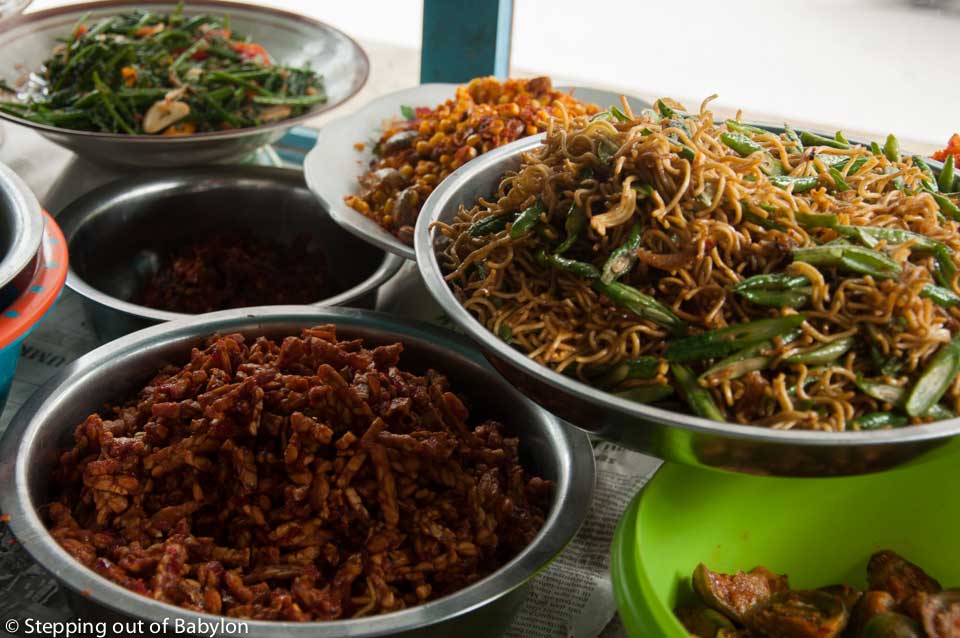
nasi campur served in the traditional way in banana leaf and cooked on Javanese style with fry noodles, sweet tempeh and some vegetables… with a bit of a grind coconut, fried, sweet and seasoned with spices

nasi campur
The Javanese “nasi campur” in a vegetarian version, just with sit fry vegetables, fry noodles and sweet tempeh over a scoop of rice… the “sambal” stands up in the plate by it’s bright red colour

Thanks to the usual presence of vegetables (sayur in Indonesian language) like green beans, papaya and cassava leaf, bean sprouts, cabbage, spinach and other green leaf vegetables… the Indonesian cuisine, despite not being vegetarian (not even in Bali that is an island dominated by Hinduism) has a lot of options for vegetarians. And the frequent presence of tofu and tempeh especially in Java, Bali and Lombok create a wider range of options, even for the ones that want to avoid eggs.

But watch out if you are a “purist” about vegetarianism as there are a few animal products hidden in some of the Indonesian dishes, like the shrimp past that is used in the sambal… some super-small fishes mix in tempeh and vegetable dishes… and also in some crackers served with gado-gado and other salads that are flavoured with peanuts or shrimp past.

the most popular places to eat the "nasi campur" are small informal eateries that are easily identify by the window where the food is exposed in tray os plates... the noodles are an influence of the Chinese gastronomy but the "tempeh" is a traditional Indonesian food made from fermented soy beans, which can be cooked in different ways
the most popular places to eat the “nasi campur” are small informal eateries that are easily identify by the window where the food is exposed in tray os plates… the noodles are an influence of the Chinese gastronomy but the “tempeh” is a traditional Indonesian food made from fermented soy beans, which can be cooked in different ways

Something about tempeh…

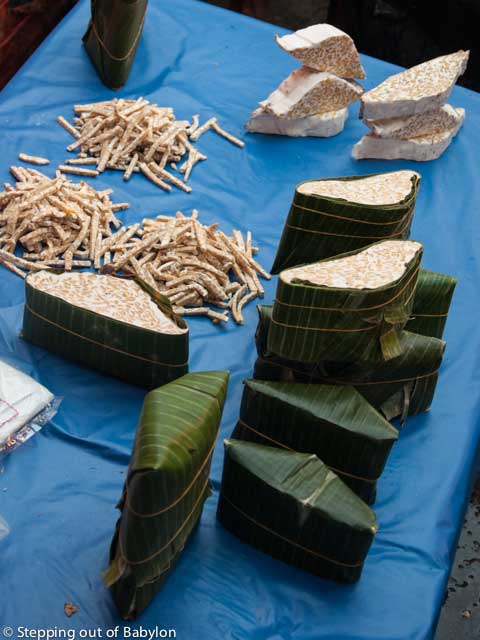
But the Javanese cuisine as something unique to offer: the tempeh!! Tempeh is made from fermented soybean, that gets aggregated forming a soft but compressed block, sometimes warped in banana leaf, which is sold fresh in local markets all over Java but that can also be found in nearby islands of Sumatra, Bali and Lombok.

Due to its compact consistency, the tempeh can be cut in slices or chopped in small pieces. Unlike most of the soy products, the tempeh isn’t an influence from China, but an Indonesian product that is present almost in every restaurant that serves rice dishes.

Is difficult to identify the taste of the tempeh as it isn’t something that stands up in a dish despite being a fermented product, but it can be described as something between beans and mushrooms, resulting from the fermentation of the soybeans that creates a thin layer of mould. It has a heavy and thick consistency but smooth on the month, giving a feeling sensation in the stomach.

The same way as the tofu, the tempeh can be simply deep-fried (goreng) or simply fried in a pan, but can also be cooked with fry peanuts in a sweet and red sauce made from spices and sugar… that is one on the reason why the Javanese food is famous for the sweetness.

[columns] [span6]

tempeh
The tempeh is usually sold in blocks that can be cut in slices or chopped in small pieces.. according to the time of the fermentation the tempeh may look different and have distinctive smells

[/span6][span6]

tempeh
Tempeh packed sold in markets

[/span6][/columns]

tempeh
tempeh sold in a street stall and wrapped in banana leaf… where is visible the layer of mould between the soybeans

fry tempeh... one of the most popular way to cook the tempeh
fry tempeh… one of the most popular way to cook the tempeh… delicious and crunchy

Sambal?!?!

Sambal (don’t mistake with “sambol” a Sri Lankan dish made from coconut) is a spicy condiment made from chilies, usually with a bright red colour but that can also be found in green. The sambal is a must in any nasi campur plate and gives a special touch to any meal. Sometimes a meal can just be some fried tempeh seasoned with sambal and served with a portion of steamed rice!

The sambals in Indonesia are hot but not extremely spicy and the recipe also includes tomato, garlic, shrimp paste and lime juice… but can have more other ingredients, with each restaurant having its own recipe.

The Indonesian sambal change from island to island, from market to market, from restaurant to restaurant… but are a mandatory presence at any rice dish served in Indonesia.

Sambal
Different kinds of “sambal” sold in a Market in Bukittinggi (Sumatra). The “sambal” is a condiment that can be find everywhere in Indonesia that is always added to a rice dish

Tempeh served with sambal and rice


Where to eat nasi campur?

Basically, you can find nasi campur everywhere! It is served in a la carte restaurants, in informal eateries where the food is exposed in trays at the window, in a improvised stall set up in front of a house, in a hidden back street kiosk or inside the markets in a kind of food courts. The nasi campur can also be found in street hawkers that usually hang around the food markets, caring a basket loaded with the familiar paper cones that wraps the food.

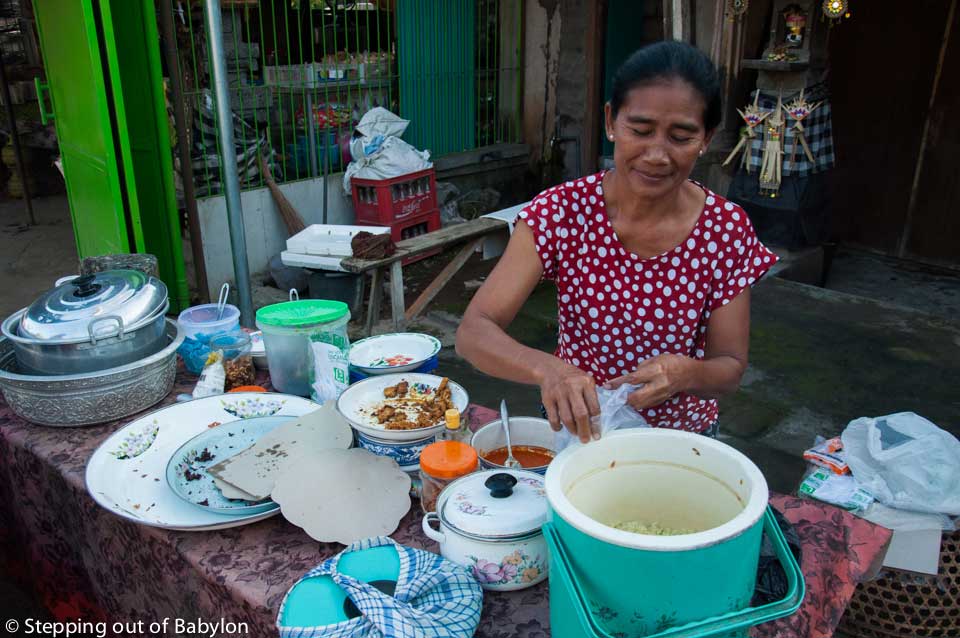
Early morning is the best time to find this informal way to eat the nasi campur, as many housewives set up a table on the street selling food, most of the times for take-away by people on the way to the work, but where is always possible to ask for a plate and seat on the side walk, interacting with other customers and enjoying the movement of the street.

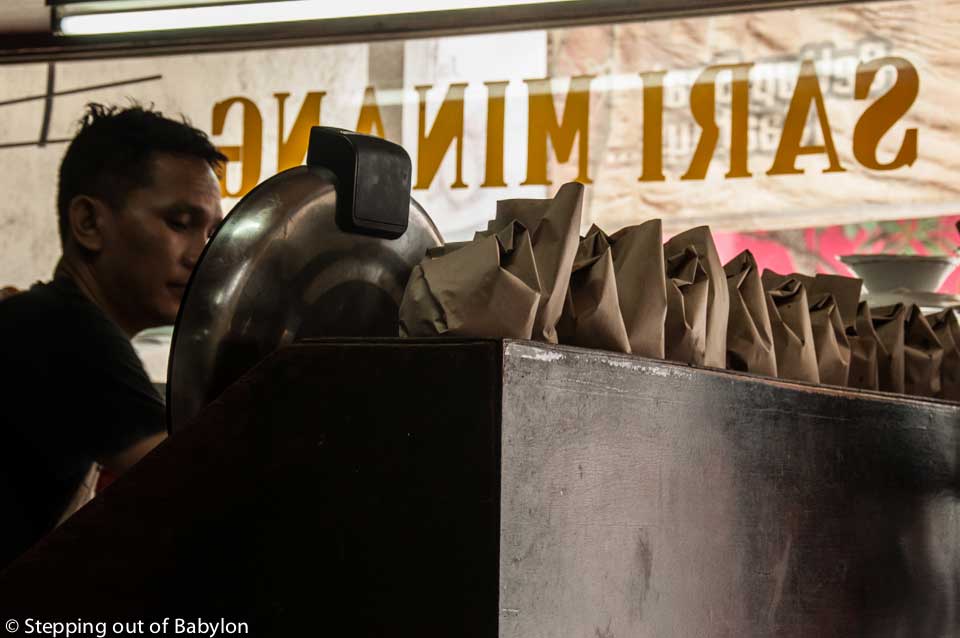
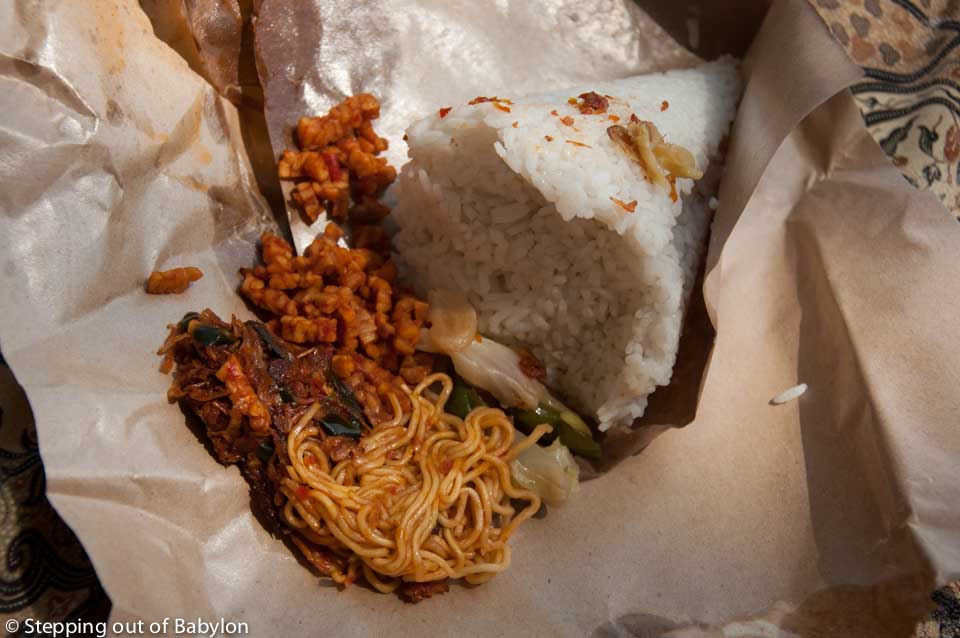
small eateries that are a bit everywhere in Indonesia that serve nasi campur, where the take away sytem is very popular, with the food wraped in paper sheets forming a cone
small eateries that are a bit everywhere in Indonesia that serve nasi campur, where the take away sytem is very popular, with the food wrapped in paper sheets forming a cone

Nasi campur can also be found in improvised food stall that pop up in the mornings along the streets

nasi campur for take away: rice, fry noodles, sweet fry tempeh

Despite the fried rice being the dish easiest to find in Indonesia, mostly due to the easy and quick way to prepare, the nasi campur can be considered the most popular Indonesian food staples, including here all the variations resulting from the different cultures, traditions and climates that characterise this huge country!

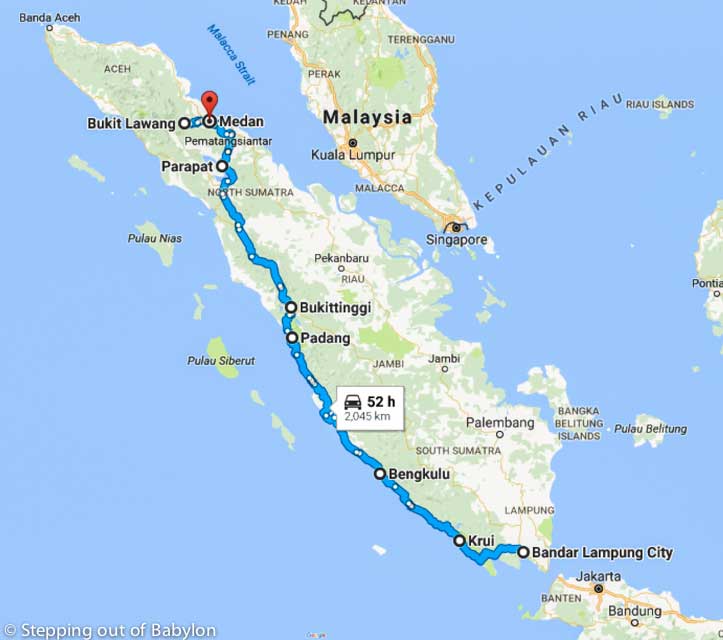
22 days in Sumatra: itinerary & costs

Itinerary:

  • Ferry crossing Merak-Bakauheni (from Java to Sumatra by ferry)
  • Bandar Lampung: 1 day
  • Krui: 5 days
  • Bengkulu: 1 day
  • Padang: 3 days
  • Bukittinggi: 4 days
  • Lake Toba: 3 days
  • Bukit Lawang: 3 days
  • Medan: 2 days

Costs:

13.4 €/day

… considering traveling solo, eating just local (vegetarian) food, no a/c rooms, sometimes dorms, travel by public transport, no alcohol and no soft drinks, making my own laundry and walking a lot on foot… Shopping and souvenirs are also not included, as well health expenses and communications (SIM card, mobile, telephone, internet…).

Costs in Sumatra:

  • room (fan): minimum 60.000 Rp up to 100.000 Rp (one person); in Sumatra the accommodation is usually cheaper that other Indonesian islands. There are many places with dorms in the cities for 60.000 or 80.000 Rp; nearby the beach areas the prices increase reaching 100.000 Rp. Most of the times the breakfast isn’t included.
  • meal: less than 20.000 Rp for a meal (local food, street-food, vegetarian meals). The water is usually free at the guesthouses, as also coffee and tea.
  • rent a scooter: 70.000 Rp/day or 100.000 Rp/day; a litter of petrol: 10.000 Rp in road side shops (at the pump station is 8.500 Rp/l)
  • angkot (small local bus): costs from 2.000 Rp to 10.000 Rp for an urban area trip.
  • ojek (moto-taxi): 10 km cost around 15.000 Rp (but the price of the ojek depends on your bargain skills and the needs of the driver, weather, time of the day…).
    At Medan the GoJek, Uber and Grab companies offer moto-taxi services, that are an easy way to move around.
  • There is only one passenger train service in Sumatra (Bandar Lampung to Palembang), so the bus is the most common option but the distances are big and sometimes the plain is the best option as the prices are not much higher than the bus, and a bus trip of 15 hours can be mande in 1 hour by plane. Still… all this Sumatra trip was done by land!!!!
  • A bus trip of 680 km costs around 200.000 Rp, in a air-con bus.
  • At Sumatra the cost with transportation increase significantly compared with Bali, Lombok or Java) as the distances are bigger. But the accommodation is cheaper than in the other islands that i visit.

Note: this trip was made duriing Jun 2017, which still is still considered the low season, when the prices of the accommodation are lower, that can be significant at beach areas.

MAP_Bandar Lampung City, Lampung, Indonesia to Medan - Google Maps-1-2
Sumatra: itinerary


see also:

Masakan Padang… the most popular Indonesian cuisine

Medan… where Indonesia meet Malaysia and China

Medan is not part of the tourist path being mostly used as an arrival point at North Sumatra, to visit Bukit Lawang and Lake Toba, or to catch a domestic flight to Padang, on the south coast.

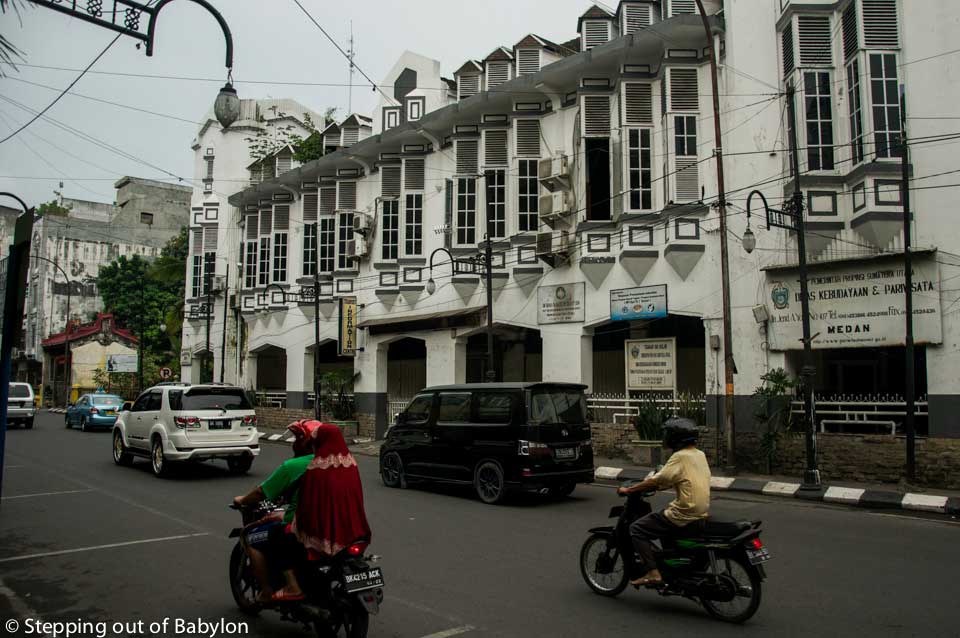
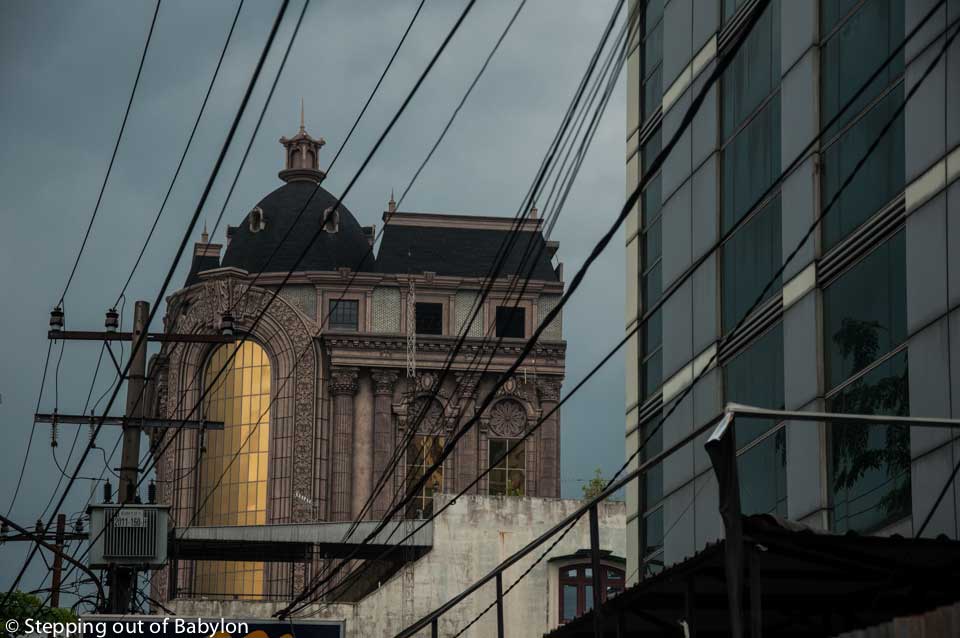
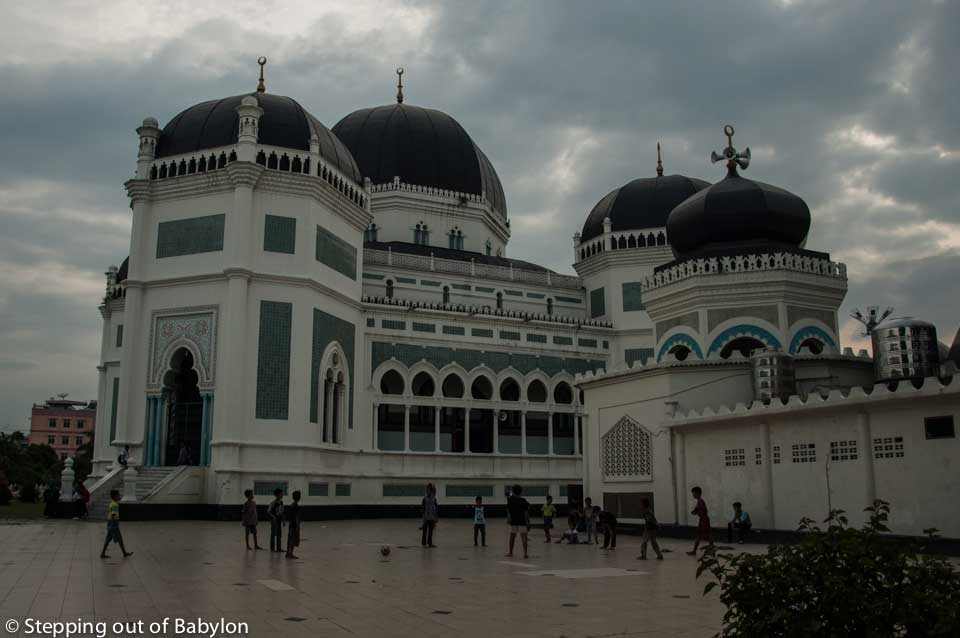
But the city isn’t totally deprived of charm. There’s the Masjid Raya, the more than one century old mosque with an exotic architecture, the Istana Maimoon, a palace built by a sultan that now a small museum, the old town with Dutch colonial building as also a touch of Chinese shop houses and Indian neighbourhood where you can make a break to the Indonesian cuisine.

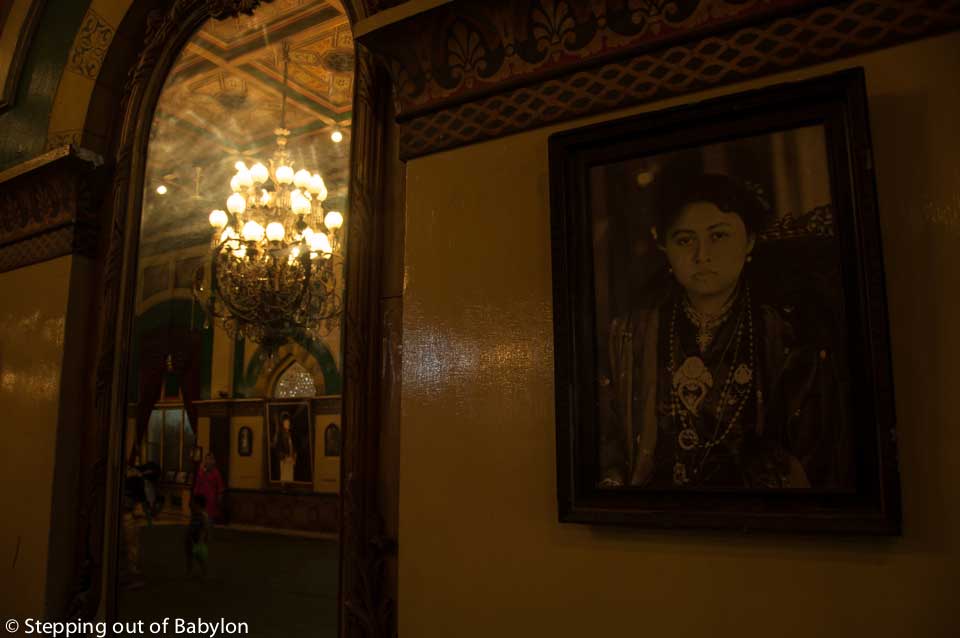
But for me, what brought the biggest surprise and the most pleasant time in Medan was the visit to the Tjong A Fie Mansion, the house of a rich Chinese merchant, from the end of the IX century, build in a mix of European colonial style and a strong Chinese influence. The house is a mark in the cultural panorama of the city and the Tjong A Fie, that arrive at Sumatra as a worker, build a fortune with the trade of tobacco, tea, rubber and sugar, becoming and important figure in Medan supporting education, health arts and culture. The house, where his relatives lived until a few years ago, has a balanced energy that creates a special positive atmosphere… and is a quiet place in the busy center of the city!

With all these Medan is a kind of melting pot of cultures, where Indonesia met Malaysia and China!

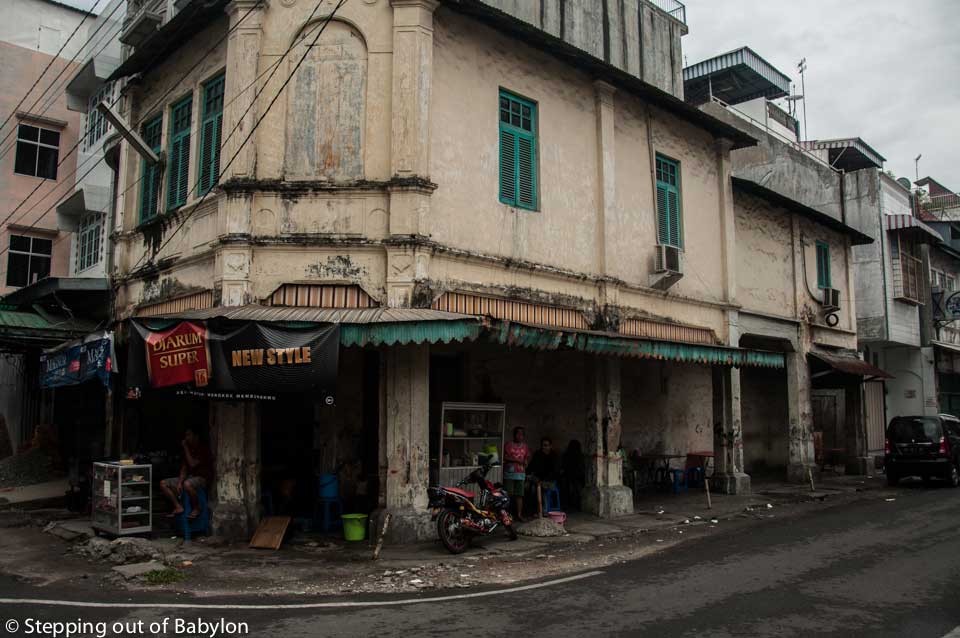
Old colonial building that still resist from the neglected old part of Medan

Medan
Medan

Medan
Medan

"Little India" the Indian neighbourhood but where there's a big mix with the Chinese community
“Little India” the Indian neighbourhood but where there’s a big mix with the Chinese community

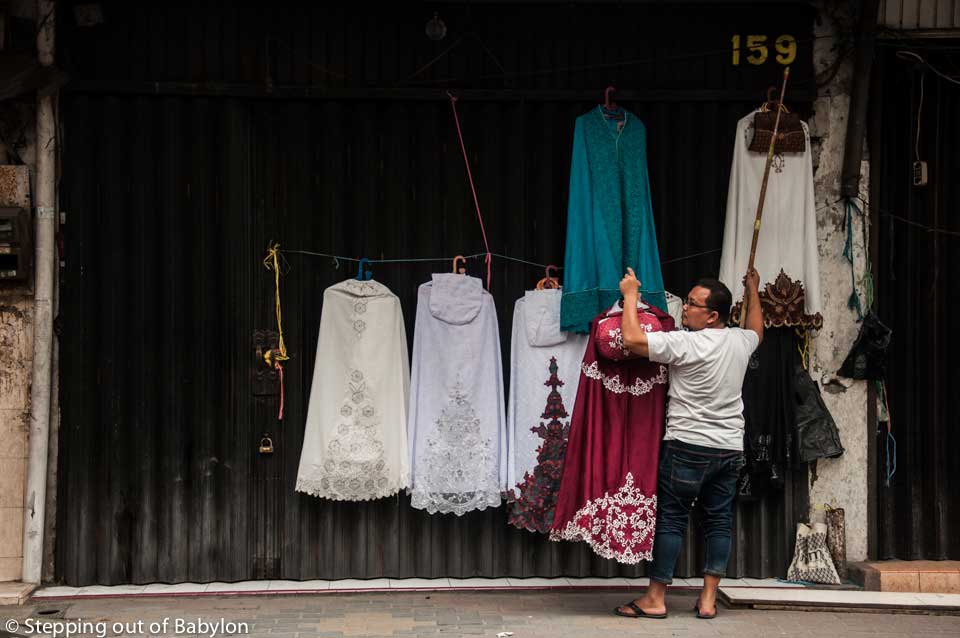
Hijab in a street market at Medan

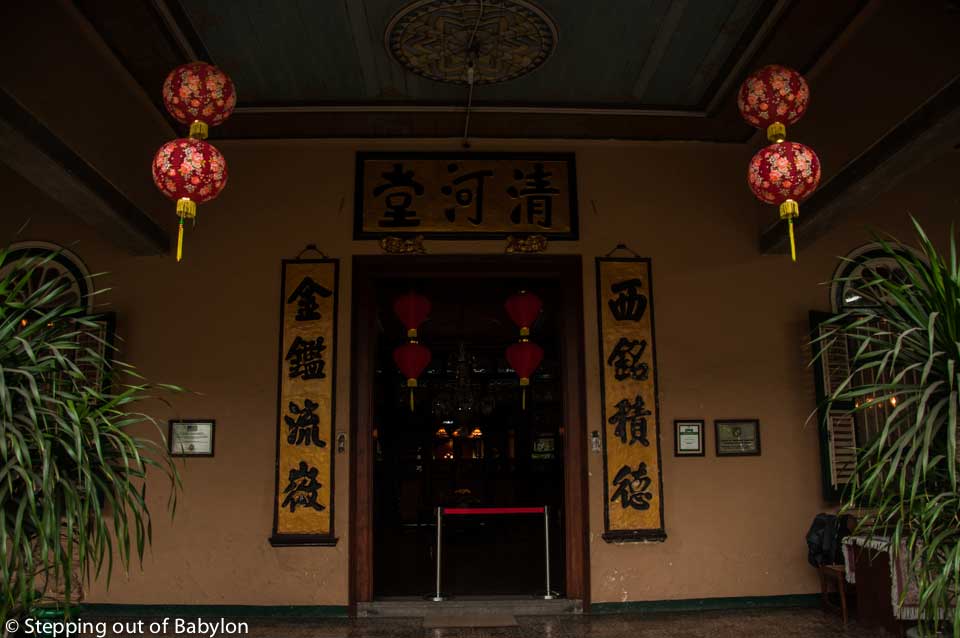
Tjong A Fie Mansion
Tjong A Fie Mansion

Tjong A Fie Mansion
Tjong A Fie Mansion

Tjong A Fie Mansion
Tjong A Fie Mansion

What to see in Medan:

  • Istana Maimoon also called the Sultan Palace build in IX century by the Sultan Ma’moem Al Rasyid. You can’t see much of the interior of the palace but is a nice place where you can chill and enjoy the local people dress up with sultan customs to pose for a photo nearby the throne. Ticket 5.000 Rp.
  • Masjid Raya is free but you need to dress properly (no shorts, no naked shoulders, etc…) and the women must cover the head.
  • Tjong A Fie Mansion is located in the old town that is the most interesting area to walk around in Medan, Ticket 35.000 Rp, which includes a guided tour.

http://tjongafiemansion.org/

•Masjid Raya
Masjid Raya

Istana Maimoon also called the Sultan Palace build

Where to sleep in Medan:

The prices at Medan are higher that the usual in Sumatra, and as this city is not on the backpacker’s circuit is difficult to find a cheap guest house or a hostel.

The K77 Guest House is located a bit far out from the center but offers very nice and clean rooms as also a dorm, in a quiet alley in front of a mosque. In fact, cleanness is the word to describe this guesthouse where the owners are super friendly and provide a lot of information in a good English.

A bed in the dorm is 125.000 Rp and the breakfast is not included.

http://k77guesthousemedan.blogspot.pt/

In a more central area there’s the Yap Hostel, just for women with a bed in a dorm for 75.000 Rp, but book in advance as is usually full, especially at the weekends.

K77 Guest House
K77 Guest House

Where to eat in Medan:

As there’s not much to do in Medan, the food could be a great entertainment if you need to stay a couple of days in this city and location close to Malaysian bring a new input to the Indonesian cuisine. As any big city, in Medan there’s a few “classic” that you must try!!

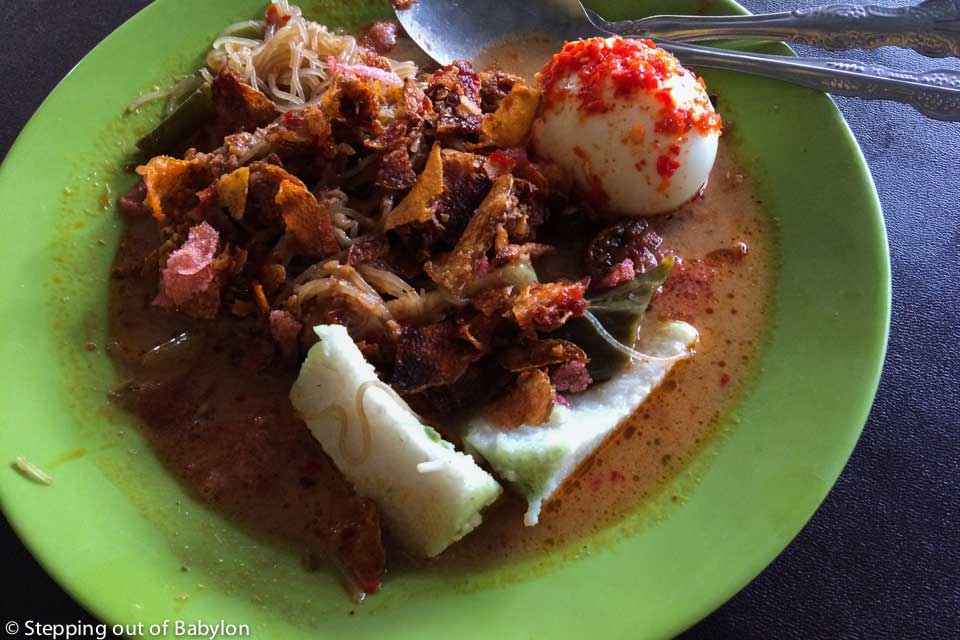
  • Lontong Kak Lin… it’s a simple and humble eatery that serves lontong, a classic Malasian dish, that is a soup where the base is compressed steamed rice. I try the Lontong Sayur, a very rich vegetarian version of the original, that is served with egg, a few noodles, some tapioca crackers and lots of fry onion!! (15.000 Rp)
  • Zulaikha Bika Ambon… bika ambon is an Indonesia cake and apparently Zubaikha is the place to buy it in Medan, judging by the number of people that come here on the last week of the Ramadan to buy several boxes of this cake before visiting the relatives during the Eid al-Fitr (the holidays that mark the end of the fasting). Bika Ambon is made from tapioca flour, egg, coconut milk and sugar, of course! After cooking it results in a dense and wet texture with a lot of thin holes… and less sweet than it looks like! A small cake cost 23.000 p and the big one 43.000 Rp… there are different flavor but I just try the “original”!
  • Rumanh Makan Nasi Campau Hj Uni Emi… this restaurant is a reference in Medan for Nasi Kapau, the traditional Minangkabau cuisine, from South Sumatra.
  • Merdeka Walk… street food everywhere after 5 p.m.

Despite these places there’s a lot of restaurants in Medan and is very easy to find masakan padang restaurants; due to the presence of a big Chinese community is very easy to find noodles, cooked in soups or stir fry.

If you are looking for a good supermarket where you can find top quality Indonesia products (is not so easy as we could imagine in a big city) the Brastagi Supermarket is the place!!! There’s a big choice of coffee and chocolates there!

•Lontong Kak Lin
• Lontong Kak Lin

How to move around Medan:

The city is big and with a lot of traffic but with a lot of public transport (angkot). At your guest house you can get information about the angkot numbers, as this is the best way to identify them, as the destination isn’t written most of the times. There are colours according to the destination. It isn’t difficult but you gonna need help. The traffic is intense so you can easily be stuck in a traffic jam.

Very popular are the bajaj, a kind of auto-rickshaw that can transport two passengers.

The best option, especially if you travel alone, is the ojek (moto-taxi). You can use the app service of GoJek or Grab companies, and a trip inside the city costs around 10.000 Rp… and is a good way to avoid the traffic jams. Usually, this kind of transport doesn’t go out of the city.

How to go from Medan to the Airport:

The closest international airport from the capital of Sumatra is the Kualanamu International Airport (also written as Kuala Namu), which is located more than 40 kilometers from the center of Medan. There are a few ways to reach the airport:

  • Taxi: 150.000 Rp
  • Travel Service arrange by the guesthouse/hotel: 200.000 Rp
  • Train Rail Link: 100.000 Rp. It is the fastest option as it avoids the usual traffic jams of Medan. The train leaves from the Statsiun Medan close from the Merdeka Walk.

https://www.railink.co.id/jadwal-kereta

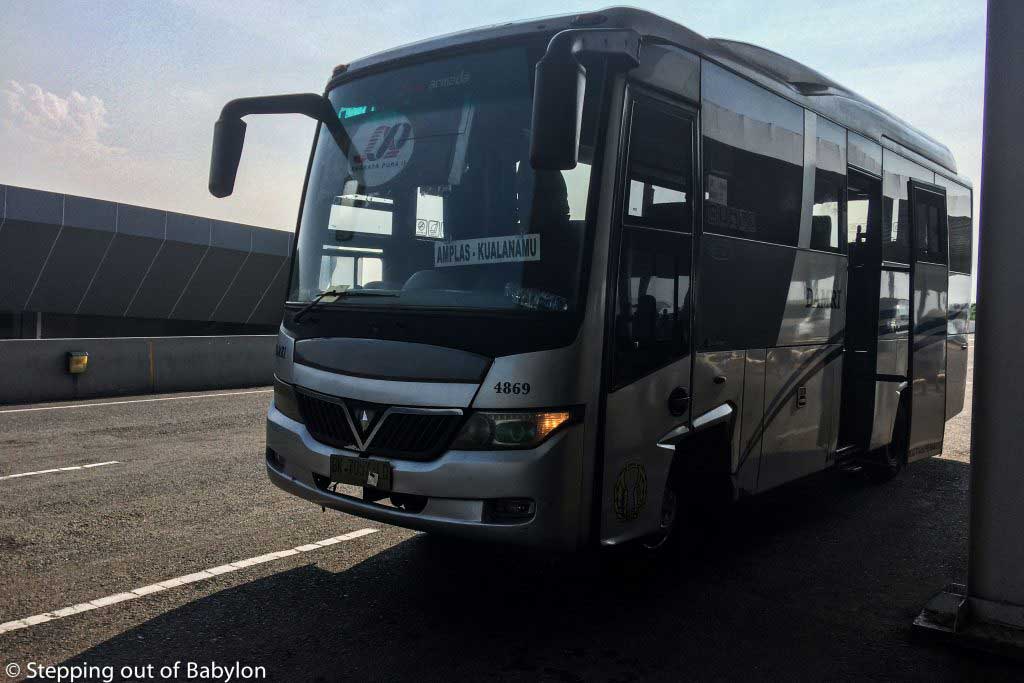
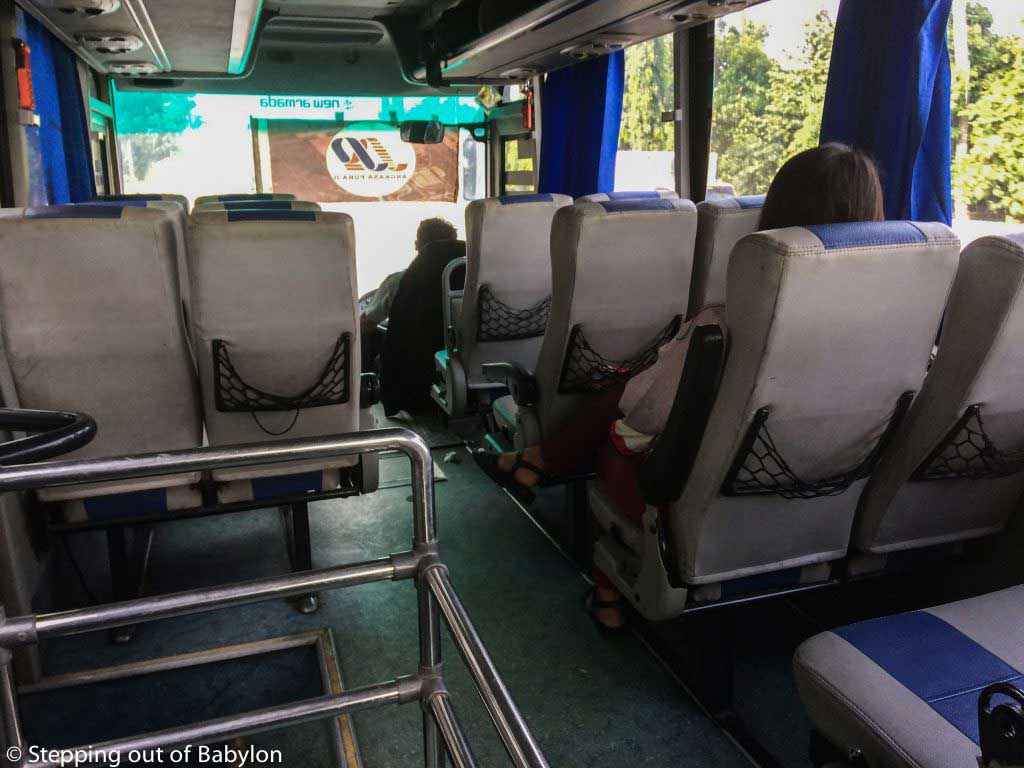
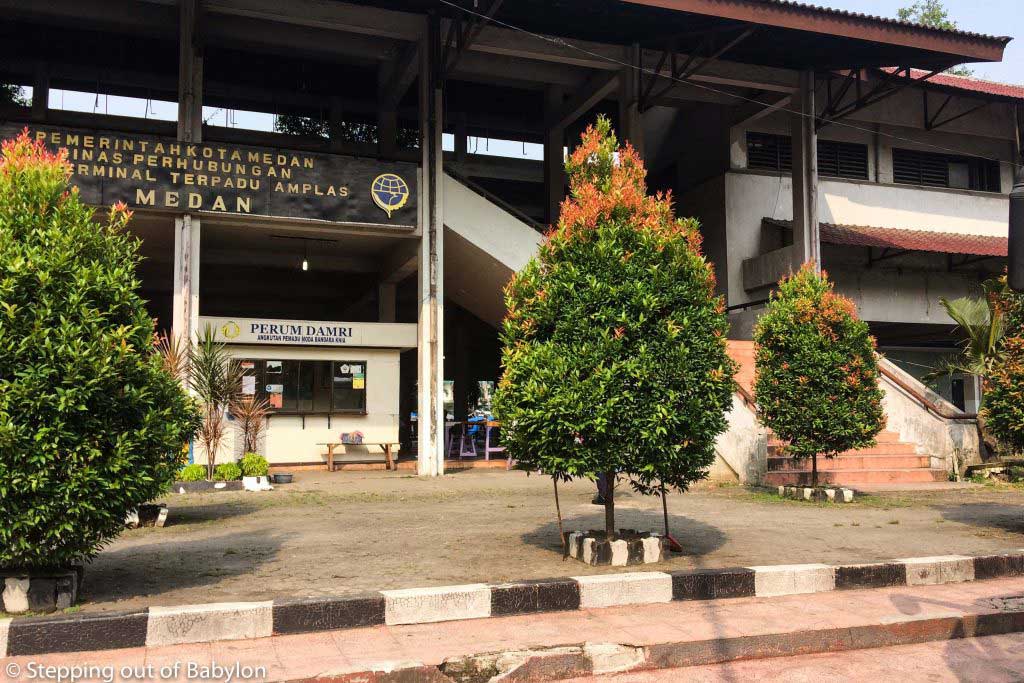
  • Airport Damri Bus: the DAMRI (Indonesian state-owned public transit bus company) operates buses from Amplas Bus Terminal in Medan to Kualanamu International Airport. The ticket costs 000 Rp, in modern air-conditioned buses, and the trip takes less than 45 minutes, but it can be more depending of the traffic. It isn’t the fastest option but is the cheapest!

To reach Amplas Bus Terminal (located in the southeast part of Medan) you need to take one of the angkot (small local bus) that will cost you 10.000 Rp. There are many of these angkots that end their trip at the bus terminal but is better to ask someone on your guesthouse as the destination on this angkots is not clearly written on the vehicle, but to help they all have a number to make it easy to identify. Watch out that this trip to the Amplas Terminal can take you about 2 hours… depending on the time of the day and the distance that you are from the terminal!!!!


How to go from Medan to the Airport: DAMRI bus

How to go from Medan to the Airport: DAMRI bus

DAMRI ticket counter at the Amplas terminal

How to go from Medan to Bukit Lawang:

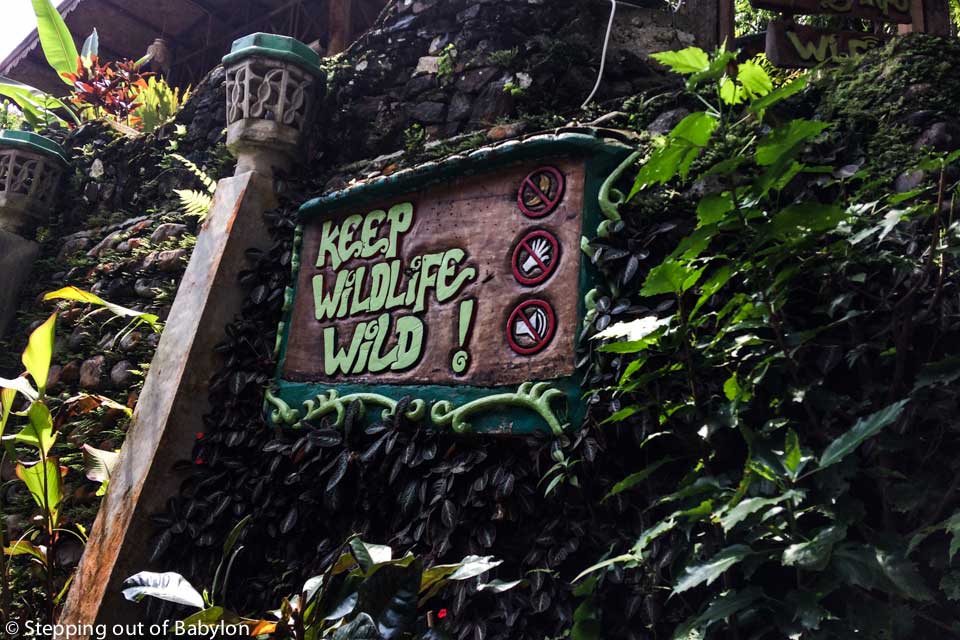
Bukit Lawang… keep wildlife wild!

“keep wildlife wild” can be found in a sign at the settlement of Bukit Lawang, a tiny village located at the entrance of the Gunung Leuser National Park that depends totally on the tourism that comes here to watch the wildlife, especially the orangutans.

*****

There are rumours that the guides feed the animal to attracted them to the areas of the park that the tourists usually visit, a practice that is totally forbidden and that is a disrespect towards the wildlife. I didn’t saw trying to feed the orangutans. And the orangutans seem to me that they don’t care much about human, making any effort to get close. Also didn’t saw anyone feeding the animals… but… there’s always a “but”!!! I saw several pieces of sugar cane on the ground, chewed in a way that any human can do… and there isn’t any sugar cane growing in this jungle!

When asked the guide said that they only give fruits to a specific female that has the fame of being aggressive to humans…. but I spent one day walking in the Park and didn’t saw that animal… but saw a few chewed pieces of sugar cane.

Sad.

Also sad is to see the human pressure on the natural territory of these delicate creatures, with the rubber tree plantation reaching the border of the park, and all the way from Medan to Bukit Lawang surrounded by palm oil trees.

Sad.

*****

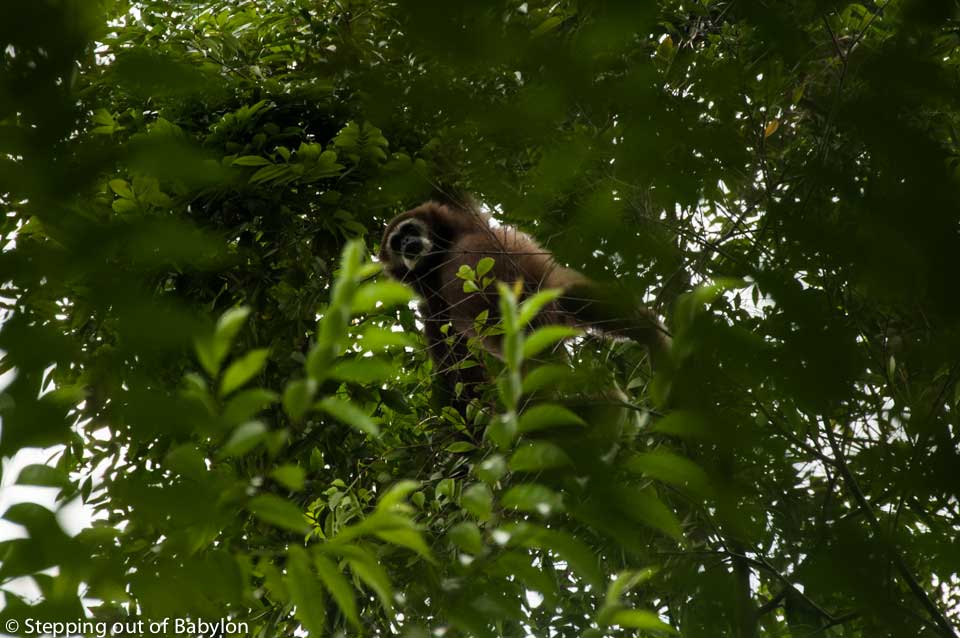
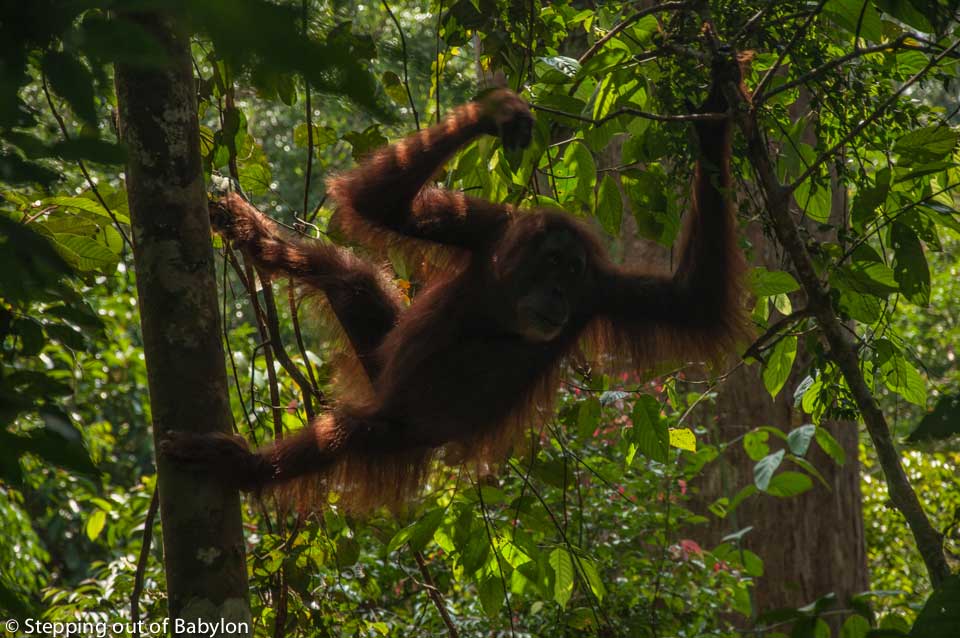
But despite the negative impact that a greedy tourist business can have on the balance of the delicate wildlife a visit to the Gunung Leuser National Park was a very rewarding experience, with the presence of a couple of orangutans females with their babies as also a shy gibbon that was unaware of being watched from the ground.

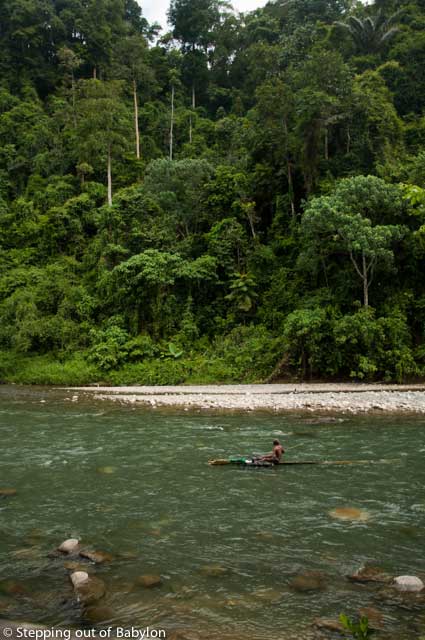
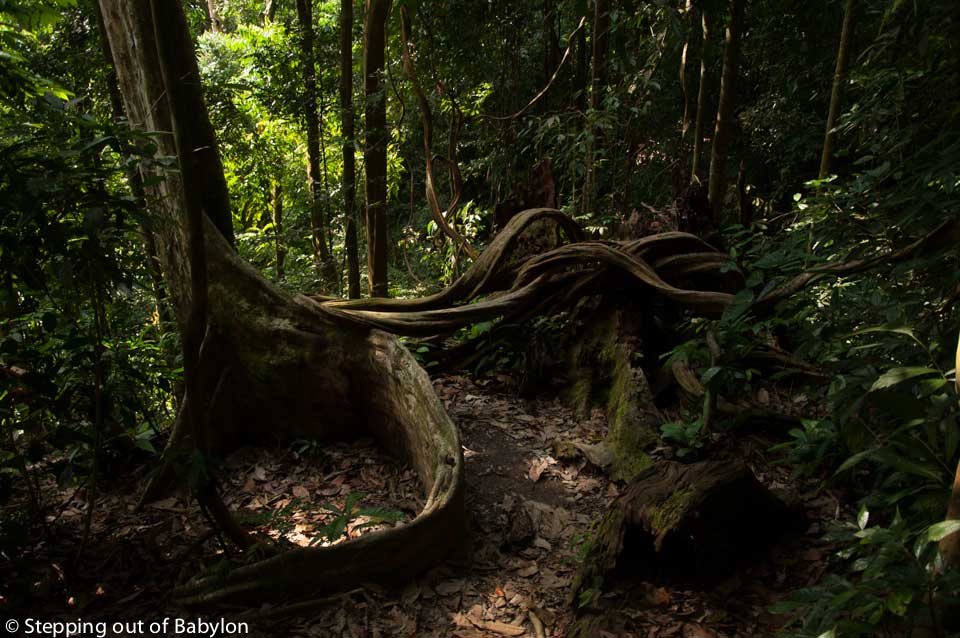
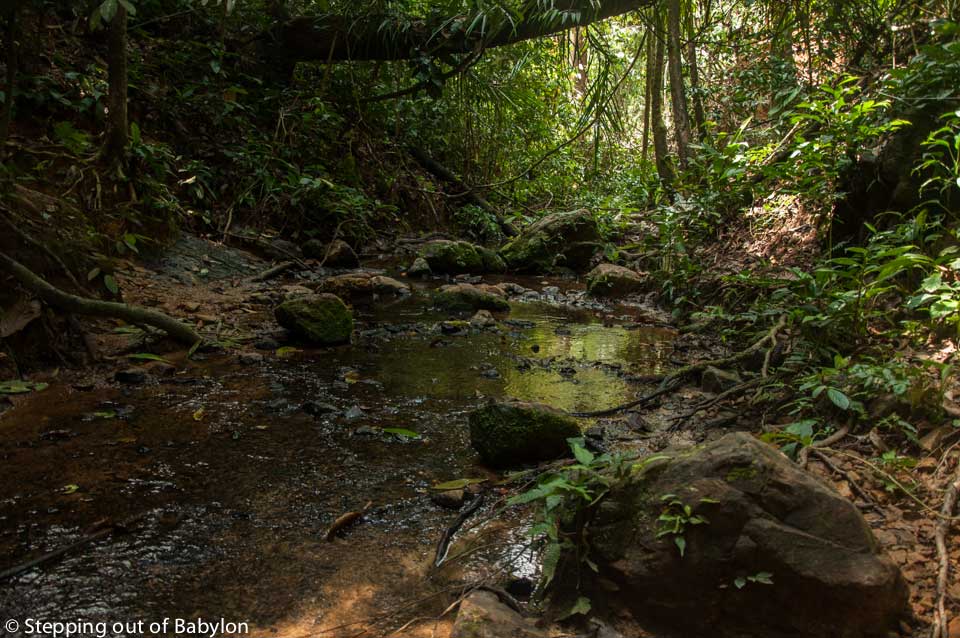
The walk in the jungle isn’t easy, not just because of the hot and humid climate, but because the trails are steep and sometimes muddy, but the contact with the magnificent jungle trees allow us to connect with nature in a way that only the jungle can do!

Gunung Leuser National Park . Bukit Lawang

Orangutang... Gunung Leuser National Park . Bukit Lawang
Orangutang… Gunung Leuser National Park . Bukit Lawang

Gunung Leuser National Park . Bukit Lawang

Gibbon... Gunung Leuser National Park . Bukit Lawang
Gibbon… Gunung Leuser National Park . Bukit Lawang

Gunung Leuser National Park . Bukit Lawang

Gunung Leuser National Park . Bukit Lawang

Orangutang... Gunung Leuser National Park . Bukit Lawang
Orangutang… Gunung Leuser National Park . Bukit Lawang

Bukit Lawang_IMG_3924

Bukit Lawang jungle trek:

I did the 1-day trek at Gunung Leuser National Park with Trek Sumatra. It looks a very reliable company, an Indonesian/Canadian partnership, with an ethical and environment concern, with local and skilled guides and with all the information clearly showed on their web page.

Can’t really recommend Trek Sumatra, as I felt disappointed with the guide, as he didn’t provide much information about the wildlife, being extremely bored during the hike. I ask for a vegetarian meal and they forgot that detail. But he spotted easily the orangutans and the gibbons and didn’t get lost! LOL

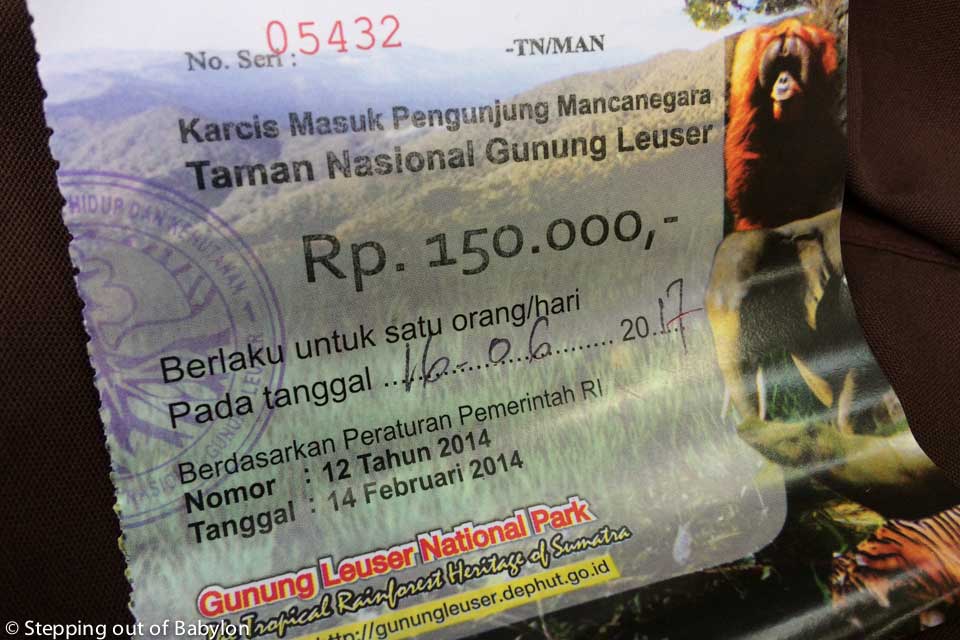
The prices are more or less the same between the different companies and usually all tour pack includes the ticket (150.000 Rp), accommodation, guide and food. Maybe you can get something cheaper locally hiring a local guide. You can’t visit Gunung Leuser National Park alone, as it’s lot allowed but also because the are many trails, and any of them is marked, making difficult the orientation in the jungle.

Ticket for the Leuser National Park . Bukit Lawang

Where to sleep in Bukit Lawang:

The village itself there’s nothing to offer to the visitors, not being more than a settlement of houses. The tourist accommodation as also restaurants, shops and other facilities are all located along a narrow path that runs along the river.

Usually, people arrive at Bukit Lawang already with a tour booked and the accommodation is most of the times included in the “orangutan pack”, which also includes the ticket and the guide.

I stay at Suma Guesthouse that has a dorm with good and comfortable conditions just in front of the river. A bed there is 50.000 Rp but doesn’t include breakfast.

This guesthouse is linked to the www.treksumatra.com

Suma Guest House. Bukit Lawang

Where to eat in Bukit Lawang:

From the more than dozen of places, there was one that caught my attention as also my belly: the Jungle Hill Restaurant, with the standard Indonesian food, but cooked also in several vegetarian options. The best was the “rendang” in a tempeh version! Delicious food served with friendliness.

There are a few grocery shops at Bukit Lawang that provide all the basic stuff that you may need during the trek and during your stay at Bukit Lawang. Lot’s of cookies, chips, chocolates, mosquito repellent, toilet paper… not much choice of dry fruits.

How to arrive at Bukit Lawang from Medan:

If you arrive at Medan by bus you’ll probably end up at Amplas Terminal, located southeast of the city center, and quite far out.

If you arrive at Medan by plane, you can find a Damri Bus (public bus company with air-con vehicles) that drop you at Amplas Terminal.

  • At Amplas Terminal, after you get ride of the ojek drivers, you’ll see a yellow angkot (mini bus). It has a sign saying “Baris” that is the name of the bus terminal nearby. But tell the driver that you want to go to Bukit Lawang and he will drop you directly at the place where the buses stop, at cross road Jalan Gatot Subroto/Jalan Pinang Baris. The angkot cost 10.000 Rp and the trip takes 1.45 minutes, as it needs to cross Medan from East to West, and traffic jams are common in Medan.
  • The public buses to Bukit Lawang departure every 15 minutes. They are orange colour and they stop just in front of the Mawar Bakery. That is an important reference point.
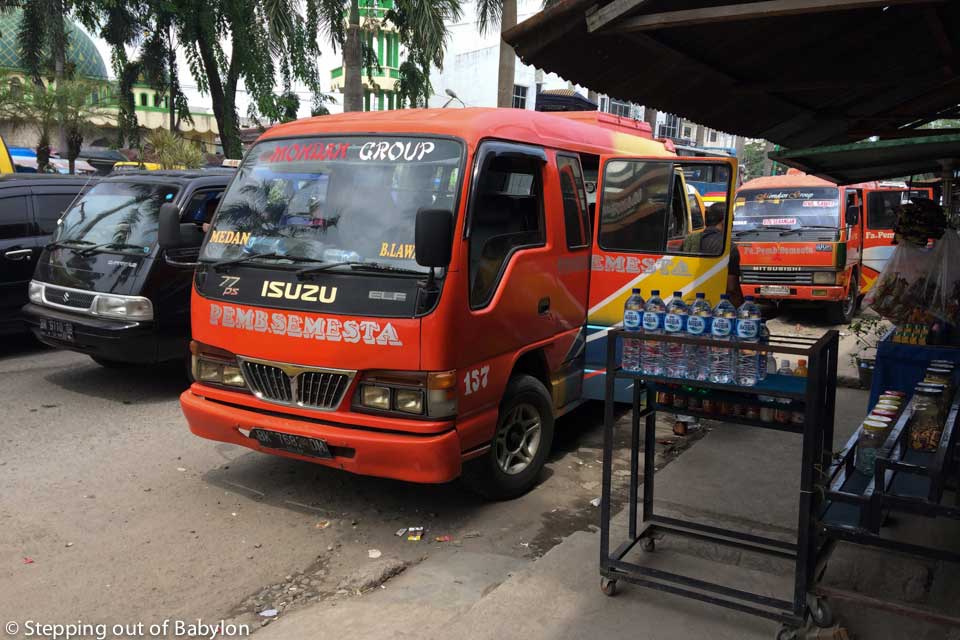
  • The trip to Bukit Lawang takes more than 5 hours through a dusty and very bumpy road, along an endless palm oil trees landscape, in an old and crowded bus. The ticket cost 25.000 Rp. Pay only at the end of the trip to the driver’s helper. There are lots of people hanging around the place from the Bukit Lawang buses departure… stay way from everyone, as there’s a scam with the tickets involving people that are not working on the bus. Watch out your luggage.
  • It will drop you at Gotong Royong. From here you need an ojek to reach Bukit Lawang that is 2.5 km further. The best option is to ask a transportation from your guesthouse… believe me, after all this trip you’ll need this treat… and probably you’ll arrive close to the sunset, that makes more difficult to find your accommodation.

public bus from Medan to Gotong Royong, the last village before you reach Bukit Lawang

How to arrive at Bukit Lawang from Lake Toba:

From Lake Toba to Bukit Lawang

How to move out Bukit Lawang:

  • By public bus:

You must try to get a ride from your guesthouse to Gotong Royong otherwise you have a strong chance to be ripped off by the ojek drivers that hang around Bukit Lawang.

At Gotong Royong there are local buses to Medan every 15 minutes. The ticket cost 25.000 Rp and the trip takes at least 3,5 hours to make the 75 km, along with a very bumpy and dusty road.

The bus drops you nearby Pinang Baris Terminal. There you find a lot of angkot to different parts of Medan, but can be confusing to know the best one for you. So is better to call a GoJek or Grab moto-taxi.

  • By travel service:

It cost 120.000 Rp and the car will drop you at your accommodation in Medan.

This service can be arranged everywhere in Bukit Lawang, from guesthouses to shops and restaurants.

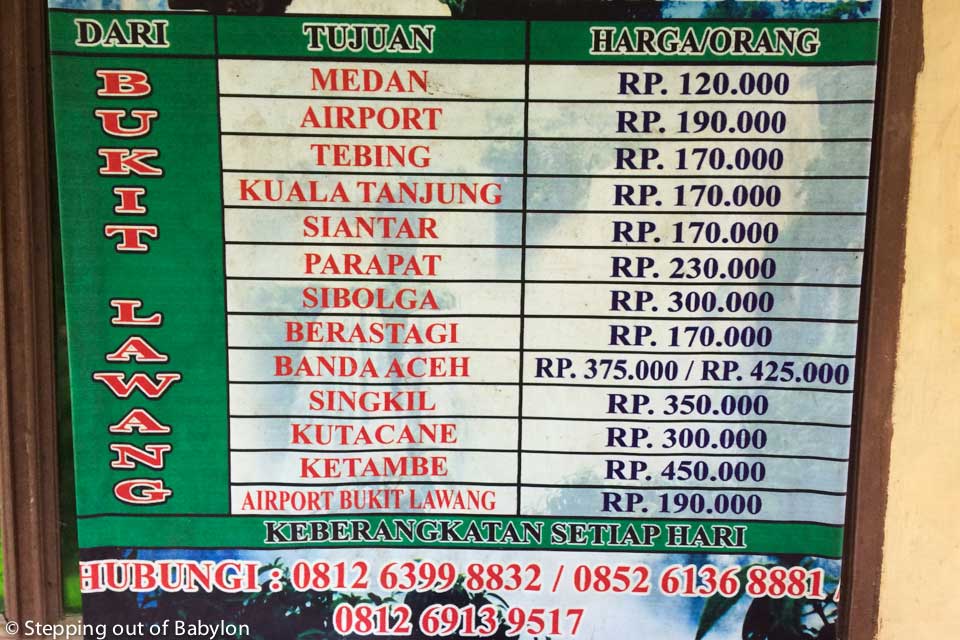
Prices of the travel service from Bukit Lawang to different destinations in Sumatra. The car to Medan and to Medan airport departure at 8 a.m.

ATMs and Money exchange in Bukit Lawang:

There isn’t any ATM at Bukit Lawang. The closest one is at Gotong Royong.

There are many moneychangers but be prepared for a bad rate.

  • Page 1
  • Page 2
  • Page 3
  • Interim pages omitted …
  • Page 10
  • Go to Next Page »

Footer

search

Tags

accommodation Assam Bali Border Crossing Borneo Cappadocia Colombo Dalí Dambulla Dao Cheng Esfahan Fes Food Gilis Hiking hokkaido Istanbul Itinerary Jakarta Java Kandy Kashan Kataragama Kumano Kodo Lombok Meghalaya Meknes Mekong Nagaland Natural Park Nongriat Northeast States Ouarzazate Sarawak Shiraz Sichuan Province Sumatra Tabriz Tehran transportation Visa Yangon Yazd Yogyakarta Yunnan Province

I’m Catarina, a wanderer from Lisbon, Portugal… or a backpack traveller with a camera!

Every word and photo here comes from my own journey — the places I’ve stayed, the meals I’ve enjoyed, and the routes I’ve taken. I travel independently and share it all without sponsors or ads, so what you read is real and unfiltered.

If you’ve found my blog helpful or inspiring, consider supporting it with a small contribution. Every donation helps me keep this project alive and free for everyone who loves exploring the world.

Thank you for helping me keep the journey going!

BUY ME A COFFEE

Categories

Recent Posts:

  • How to go from Hualien to Dulan Beach
  • Taroko Gorge: between marble cliffs and emerald rivers
  • Hualien: a dull gateway to Taroko Gorge
  • Taiwan: Itinerary for an 16 day trip
  • Vietnam: Itinerary
  • 3 months in India: Kolkata, Tamil Nadu, Karnataka, Goa and Kerala
  • Backpacking Turkey in 24 Days: itinerary & costs
  • English
  • Português

© Copyright 2026 Stepping out of Babylon · All Rights Reserved · Designed by OnVa Online · Login