• Skip to main content
  • Skip to footer

Stepping Out Of Babylon

Travel & Photography

  • About me
    • Contact
  • Destinations
    • Africa and Middle East
      • Iran
      • Lebanon
      • Morocco
      • Turkey
    • East Asia
      • China
      • Japan
      • Taiwan (Formosa)
    • South Asia
      • Bangladesh
      • India
      • Nepal
      • Sri Lanka
    • Southeast Asia
      • Cambodia
      • Indonesia
      • Lao
      • Malaysia
      • Myanmar
      • Singapore
      • Thailand
      • Vietnam
  • Itineraries
  • Travel tips
    • Border crossing
    • Hiking and Natural parks
    • Food Journey
    • Visa
  • Photography

Southeast Asia

23 days at Java: itinerary & costs

Itinerary:

  • ferry boat from Bali (Gilimanuk) to Java (Ketapang) 
  • Banyuwangi – Ijen Volcano: 2 days
  • Cemoro Lawang – Bromo volcano: 2 days
  • Malang: 2 days
  • Yogyakarta: 5 days
  • Borobudur: 1 day
  • Batukaras beach: 4 days
  • Bogor: 3 days
  • Jakarta: 4 days
  • ferry boat from Java (Merak) to Sumatra (Bakauheni)

Costs:

14 €/day

… considering traveling solo, eating just local (vegetarian) food, no a/c rooms, sometimes dorms, travel by public transport as far as possible, no alcohol and no soft drinks, making my own laundry and walking a lot on foot… Shopping and souvenirs are also not included, as well health expenses and communications (SIM card, mobile, telephone, internet…).

Costs in Java:

  • room (fan): minimum 60.000 Rp up to 125.000 Rp (one person); sometimes dorms. In Java most of the times the breakfast was not included. In Jakarta and Yogyakarta is easy to find dorms.
  • meal: less than 20.000 Rp (local food, street-food, vegetarian meals). At the big cities, like Jakarta and Yogyakarta, the food is more expensive, with a meal in a low-key restaurant or eatery costing around 30.000 Rp.
  • rent a scooter: 50.000 Rp/day or 60.000 Rp/day; a liter of petrol: 10.000 Rp (at the pump station is 8.000 Rp/l)
  • angkot (small local bus): costs from 3.000 Rp to10.000 Rp for a trip inside a city.
  • ojek: 10 km cost around 15.000 Rp (but the price of the ojek depends on your bargain skills and the needs of the driver, weather, time of the day…)… but once I need to pay 50.000 Rp for a 15 km ride!!!
  • At Jakarta and Yogyakarta the GoJek, Uber, Grab companies offer moto-taxi services, that are an easy way to move around.
  • Java has a good train system, that provide a comfortable way to travel by long distances. https://tiket.kereta-api.co.id/. The prices change according to the class trains (Executive, Business and Economic).
  • A bus trip of 350 km costs around 100.000 Rp, in a air-con bus.

Note: this trip was made in May 2017, which still is still considered the low season, when the prices of the accommodation are lower, that can be significant at beach areas.

Java: iteneraryJava: itinerary
Jakarta… where are the durians??!?!?

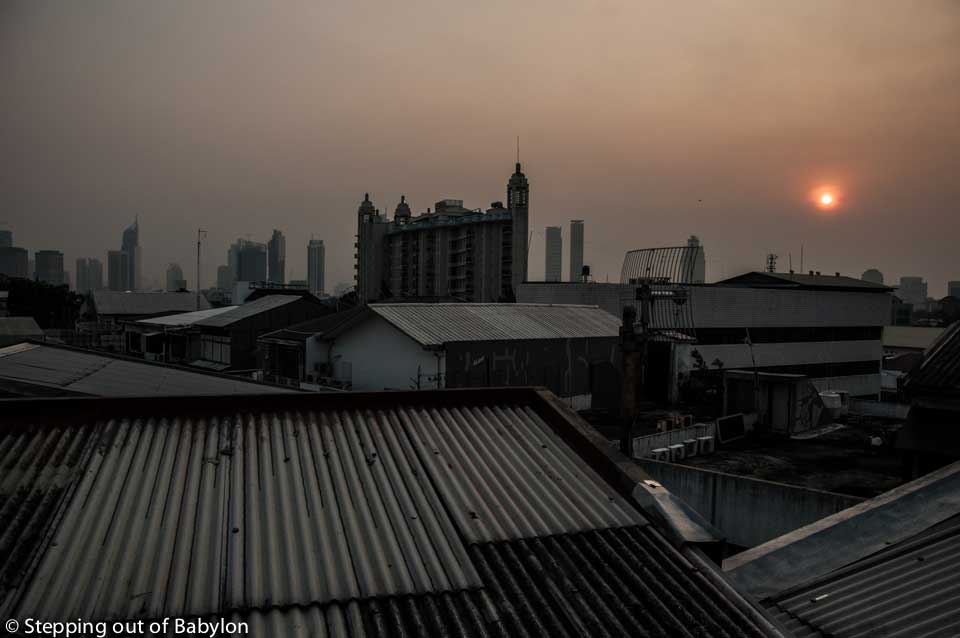
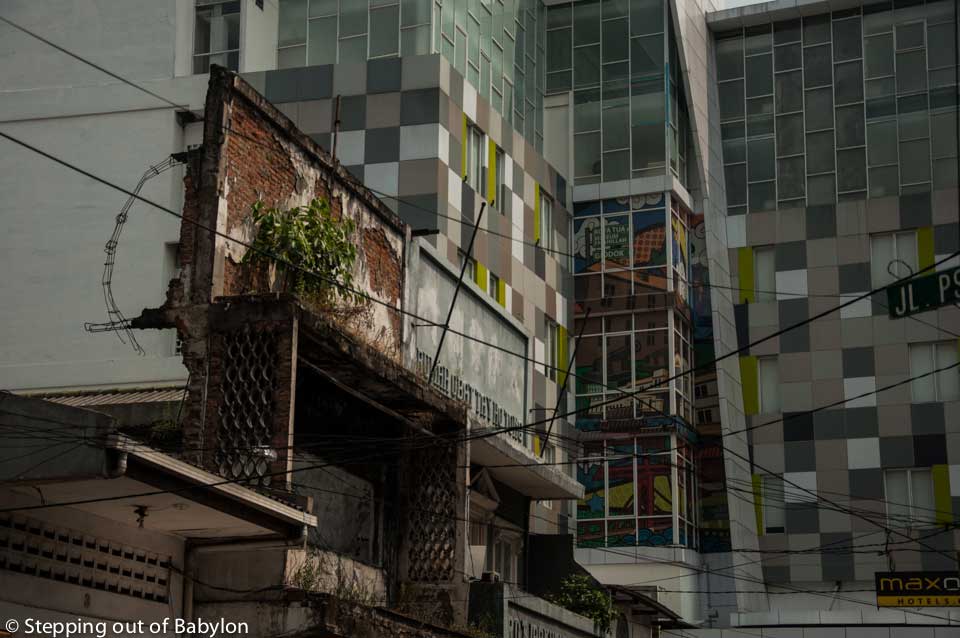
Jakarta, one of the Asian megapolis, a city with a fast economical and population grow, with a modern and westernized lifestyle, with the usual social gap between the rich and poor, where the upmarket malls contrast with the poverty of the suburbs.

Jakarta is known as the “big durian”. I don’t know from where this nickname came from but maybe because Jakarta is more like an agglomeration of cities that could resemble the inside of the durian, compact and dense… and with a spiked shell that usually keeps away the tourists, that just see Jakarta as a necessary stopover when arriving to Indonesia or before leaving to other destination.

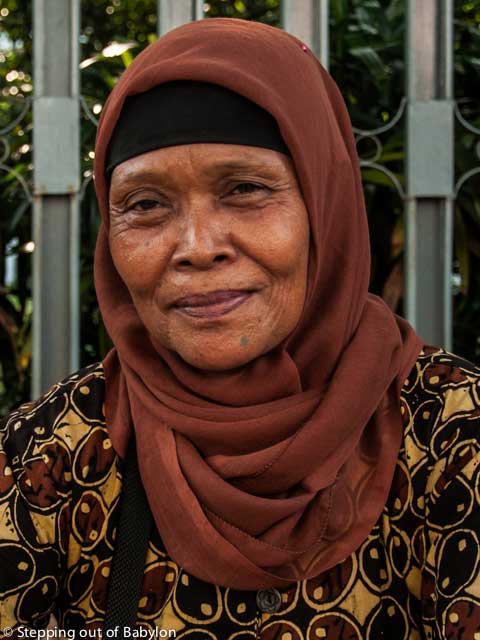
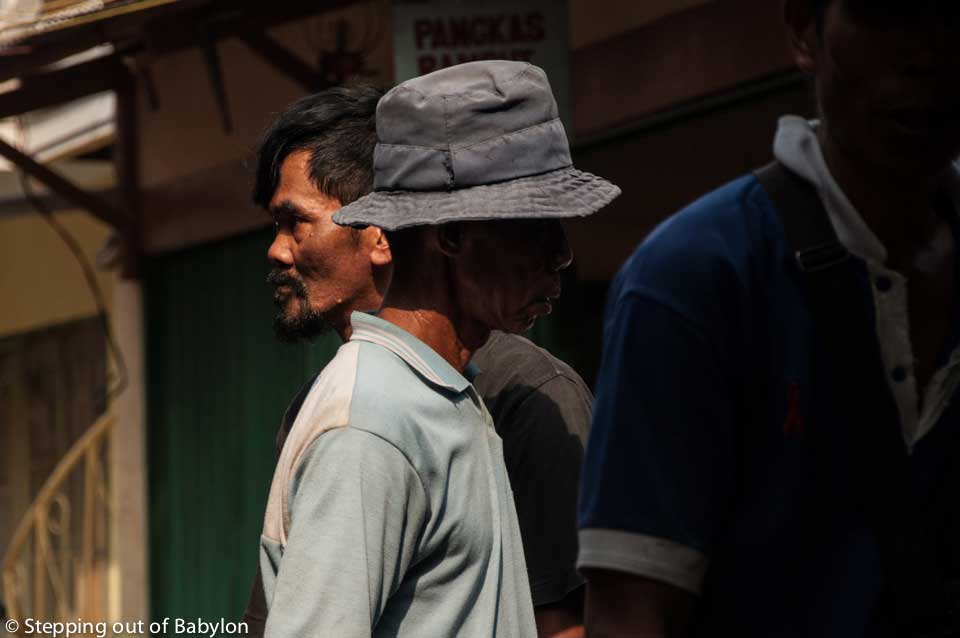
It’s a big city with 10 million of inhabitants, long avenues, wide roads and intense traffic, but where the people still keep a gentleness that is less and less common in the big cities, where people usually don’t avoid eye contact and can answer with a smile!

Maybe Jakarta doesn’t have much to offer to a tourist that just arrives in Indonesia, but for people traveling for a long time, Jakarta (as also Yogyakarta) offer an urban and modern lifestyle, trendy and sophisticated places, with plenty of choices that are a nice break on the low key places that I found along this two months in Indonesia.

And like a durian, that are not such a popular presence in the markets, Jakarta left a mix of feelings, between seduction and loathing!!!!

Jakarta doesn’t have the appealing of Yogyakarta, and the interesting places can be a bit far out from each other’s, but still can be an interesting way to spend the time in the “big durian”. Skipping monuments, churches and museums, that for me are usually a bit boring, here is a list of the sight that I found interesting and that free to visit!

Jakarta
Jakarta
Jakarta
Jakarta
Jakarta
Jakarta
Jakarta
Jakarta

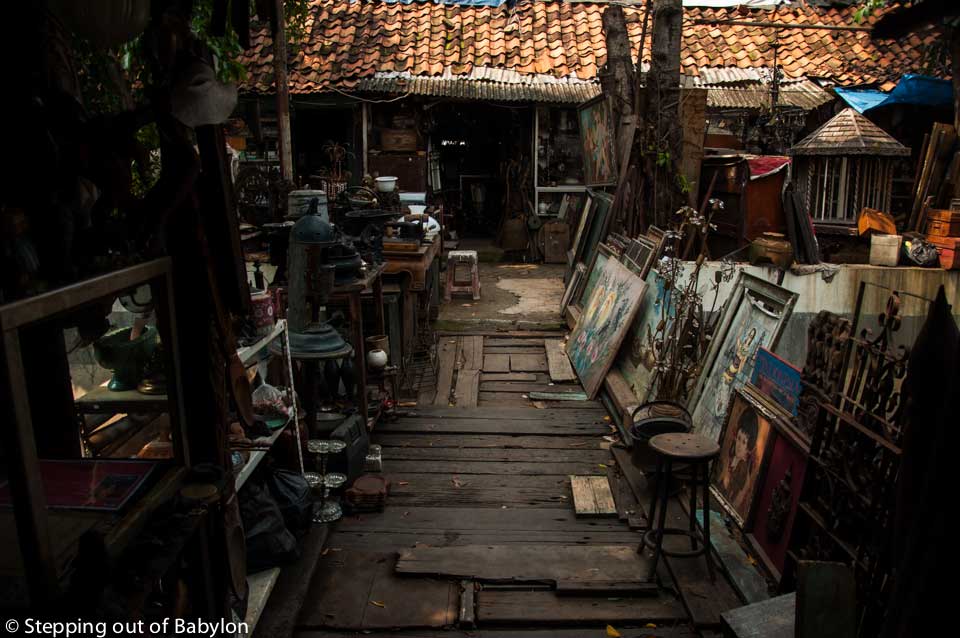
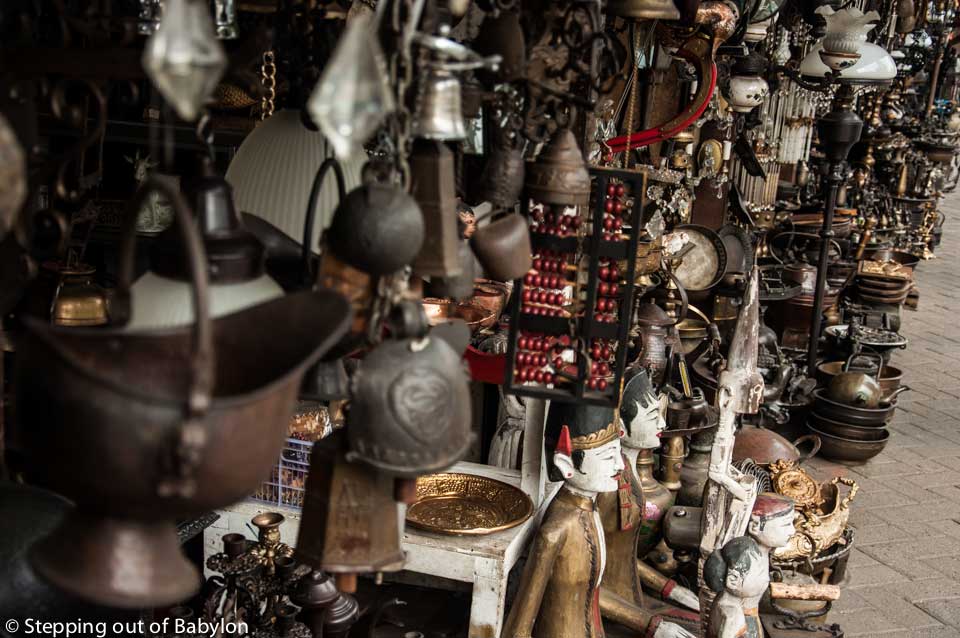
Antiques market

Walk along the Jalan Surabaya (close from Cikini train station) and let yourself lose in the thousands of objects, from statues, coins, fabrics, jewelry… but watch out that not everything is an antique just because it look old and dusty!!! If you are tired you can have a break on the Gianti Coffee, just opposite of the antique shops.

Antiques market at Jalan Surabaya
Antiques market
Antiques market at Jalan Surabaya

Colonial quarter (old Batavia)

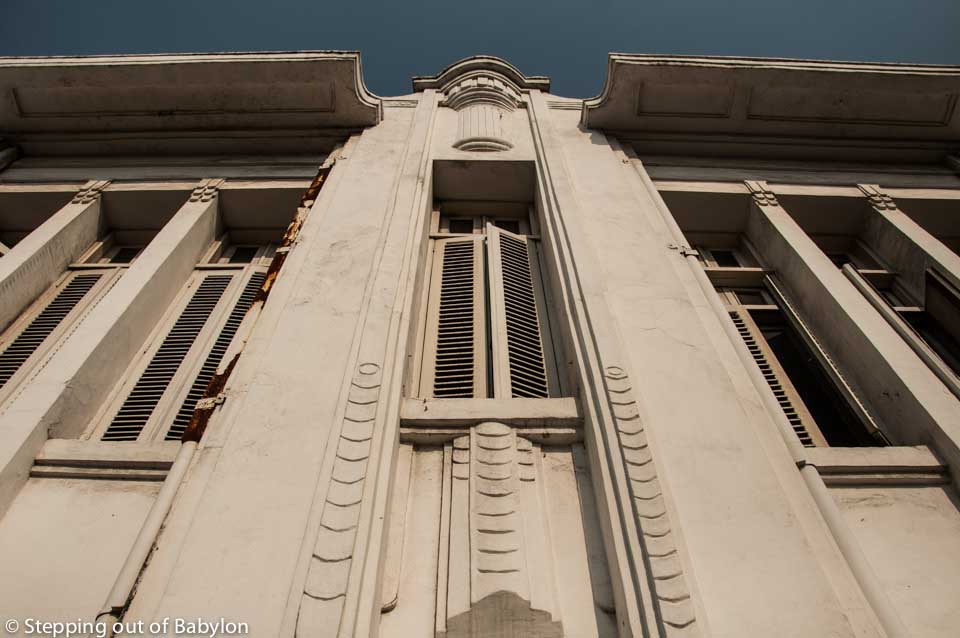
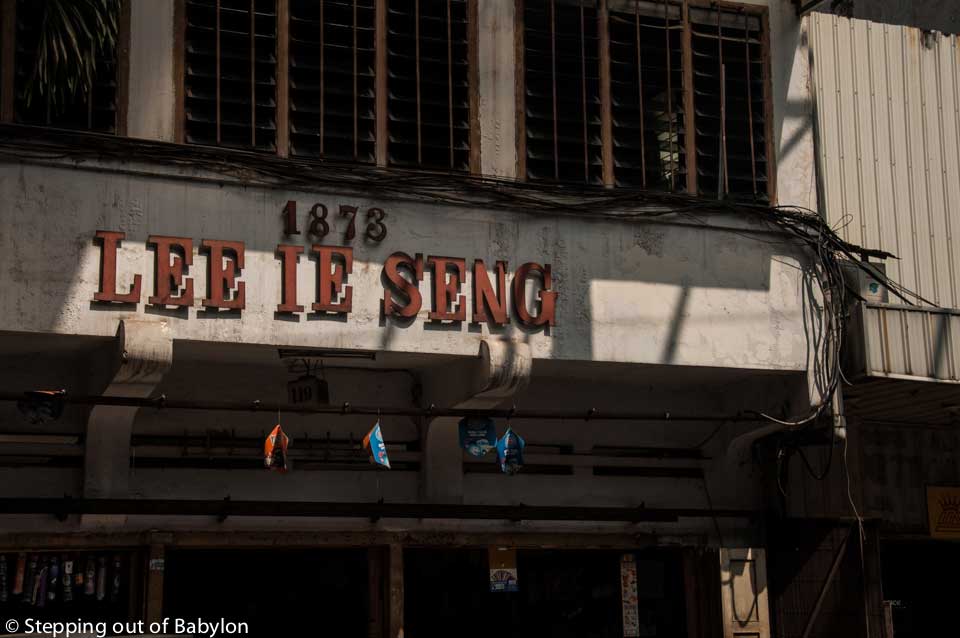
The area is called Jakartakota, or simply Kota, and Fatahillah Square (Taman Fatahillah) is the center of a group of old building left by the Dutch colonization, most of them transformed into museums, but others are simply abandon. Despite the rehabilitation of the area, that is the central tourist attraction of Jakarta, the area around has a certain depressed appearance, like around the canal where you can find a metal drawbridge.

Jakartakota
Jakartakota
Jakartakota where the Fatahillah Square is the heart where bicycles with cheesy decoration can be rented to cycle around the square
Jakartakota
Jakartakota

Glodok

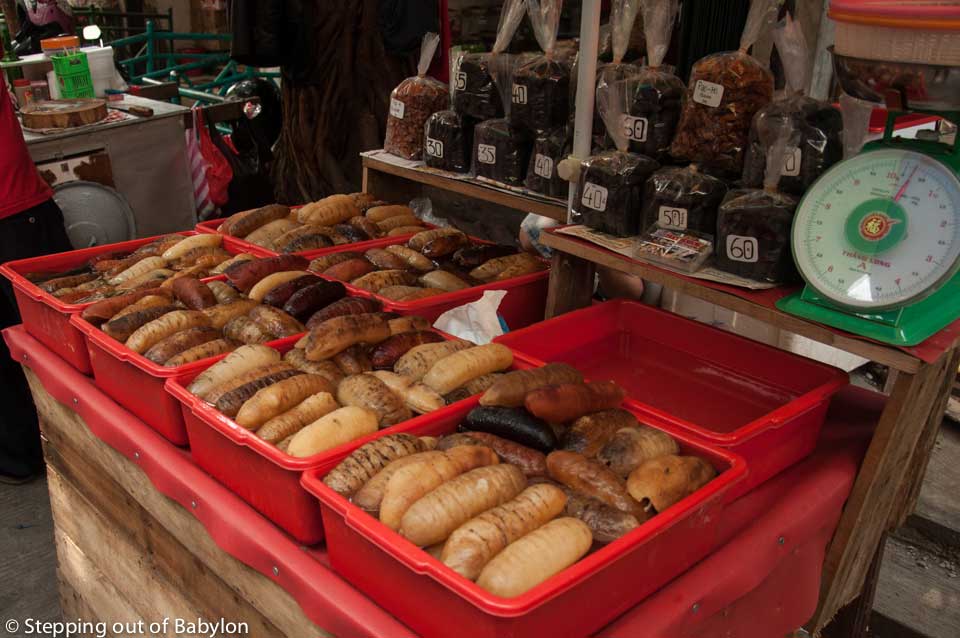
The Chinatown of Jakarta, where you can find a lot of Chinese culture, from restaurants, tea houses, shops and the market with the usual bizarre products. To reach Glodok area you can take the train to Jakarta Kota and from there you can walk.

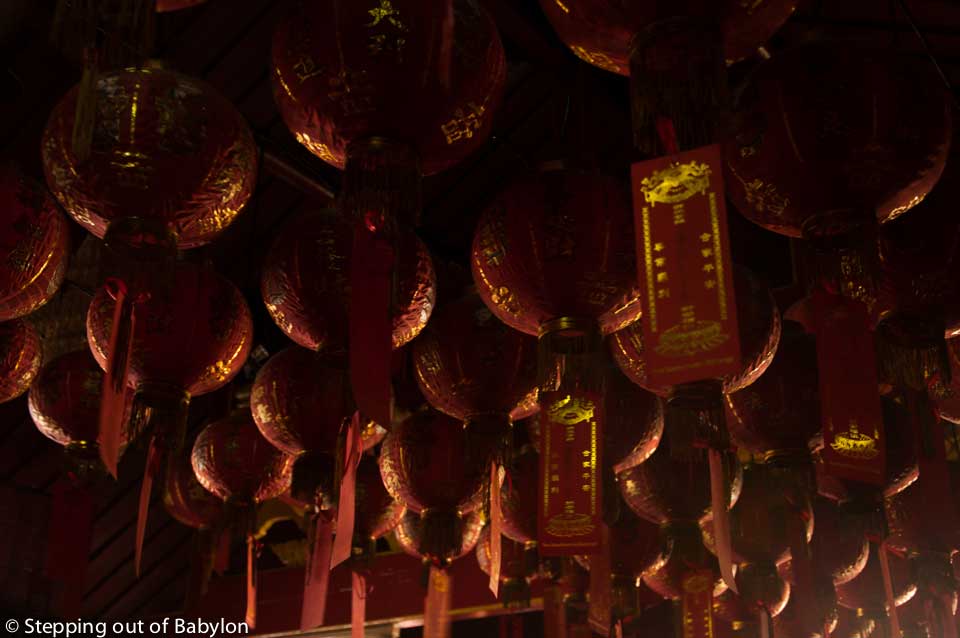
  • The Jin De Yuan Temple (Jl. Kemenangan) was seriously affected by a fire 2 years ago that destroy seriously the building including statues and the rooftop, and what remains from it has a strange, although atmosphere, something between desolation and charming abandon.
  • The Glodok Market (Jl. Kemenangan) is a must see in the area.
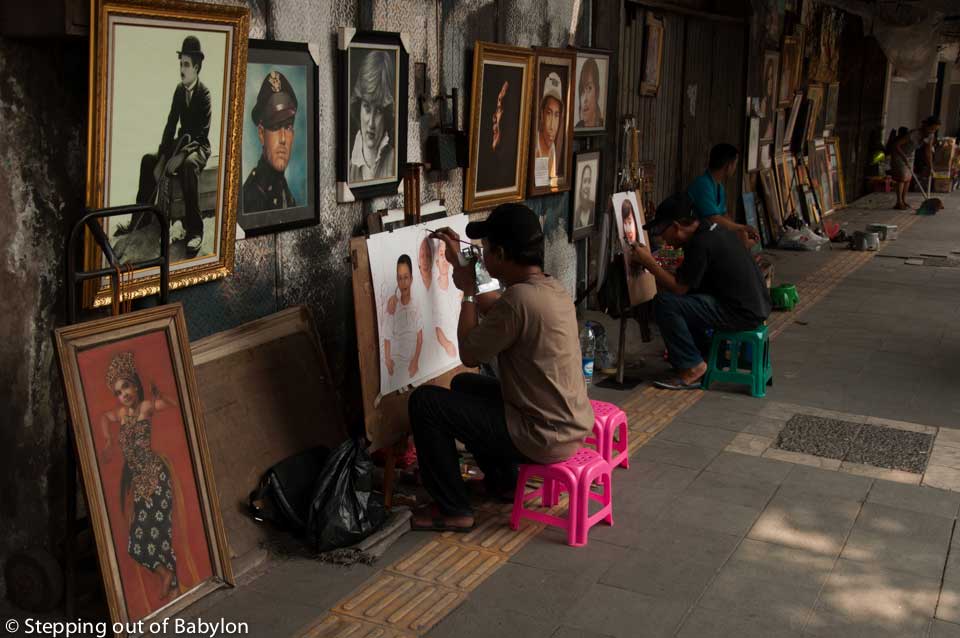
  • Along Jalan Pintu Besar Selatan you can see many painters working on the canvas or simply selling paintings… is a mix of styles where the portraits dominate… a bit cheesy and sometimes with doubtful taste but worth a look on the way from the trains station to Glodok.
Jin De Yuan Temple
Jin De Yuan Temple, also called Vihara Dharma Bhakti on the center of Glodok
Jin De Yuan Temple a Buddhist temple in Jakarta's chinatown
Jin De Yuan Temple a Buddhist temple in Jakarta’s chinatown
many painters working on the canvas or simply selling paintings along Jalan Pintu Besar Selatan
Glodok market
Glodok market… with the usual “strange” and difficult to identify products

Pasar Baroe

This is not much of a market but more a street with shops, mostly fabrics and cloths shops… is a bit lazy during the mornings but gets better later on. Not impressive if you are not in the mood for muslim style cloths, but still you can find some sarong shops and spot some traditional shops that keep the classic style.

Pasar Baroe
Pasar Baroe

Pasar Muara Angke

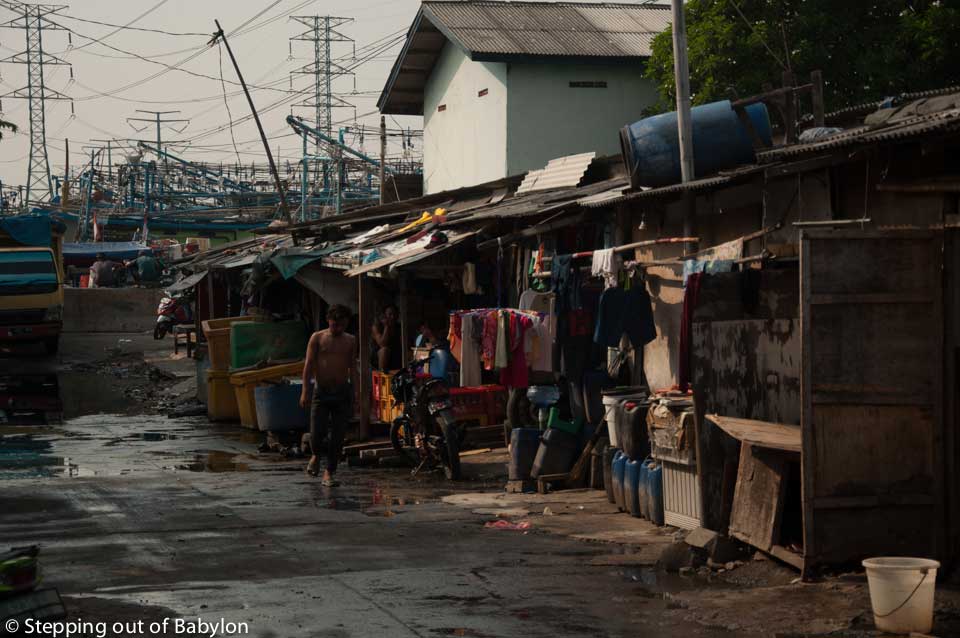
This is located a bit far out on the north of Jakarta, and is mainly focus on the fish, with lots of warehouses and small markets that run very early in the morning. During the day is an poor and depressed port area, with same activity connected with storage and fish processing. Nearby is the Baywalk Mall, a modern shopping area with international brands and a huge massive concrete structure of apartments overlooking the sea.

Pasar Muara Angke
Pasar Muara Angke

Pasar Muara Angke

Pasar Muara Angke.... a poor and depressed port area on the north of Jakarta
Pasar Muara Angke…. a poor and depressed port area on the north of Jakarta
Pasar Muara Angke
Pasar Muara Angke

Plaza Indonesia

The malls… yes! There is a lot of money in Jakarta, and the malls are a good way to see it! There are many shopping areas in the city, but the Plaza Indonesia is maybe on of the most sophisticated and posh one, with a concentration of the most luxurious international brands. It worth a visit to this side of Jakarta, away from the smelly and shabby market of Pasar Muara Angke.


Where to sleep in Jakarta:

The “official” backpackers area of Jakarta is nearby Jalan Jaksa.

But following the advice of the owner of the homestay where I slept in Bogor, I stay at Cikini (pronounces xikini), where the Six Degrees Hostel stands by the reasonable prices and the good conditions offered. There are several types of dorms as also rooms, safe lockers, free fast and reliable wi-fi, free water, tea and coffee, the breakfast is included…. there’s also a kitchen and a roof top that change to a bar, but where the party don’t disturb the sleep of anyone. The rooms don’t have windows (but all with air-con) what is good for travelers that what to recover from the jetlag… and avoid the noise that comes from the street (Jl. Cikini Raya). The staff is friendly and can help you with moving on and around!

http://jakarta-backpackers-hostel.com/

The Six Degrees Hostel is located about 5 minutes walking from the Cikini trains station. Around there’s restaurants and many street-food options, mainly after the sunset. You can have a meal for 10.000 Rp (street-food) or for 100.000 Rp (midrange restaurant) depending on your choice. There are also nice cafes and bakeries around for the delight of a sweet tooth.

[columns] [span6]

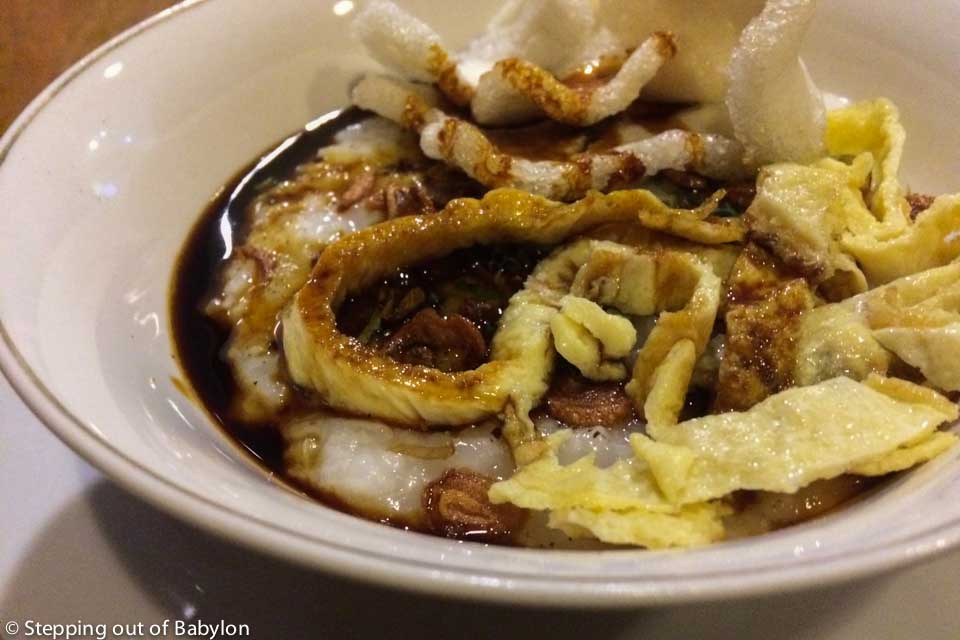
Bubur... a traditional Indonesia breakfast served at Six Degrees Hostel... a kind of rice porridge with a egg topping
Bubur… a traditional Indonesia breakfast and one of the option served at Six Degrees Hostel breakfast… a kind of rice porridge with a egg topping

[/span6][span6]

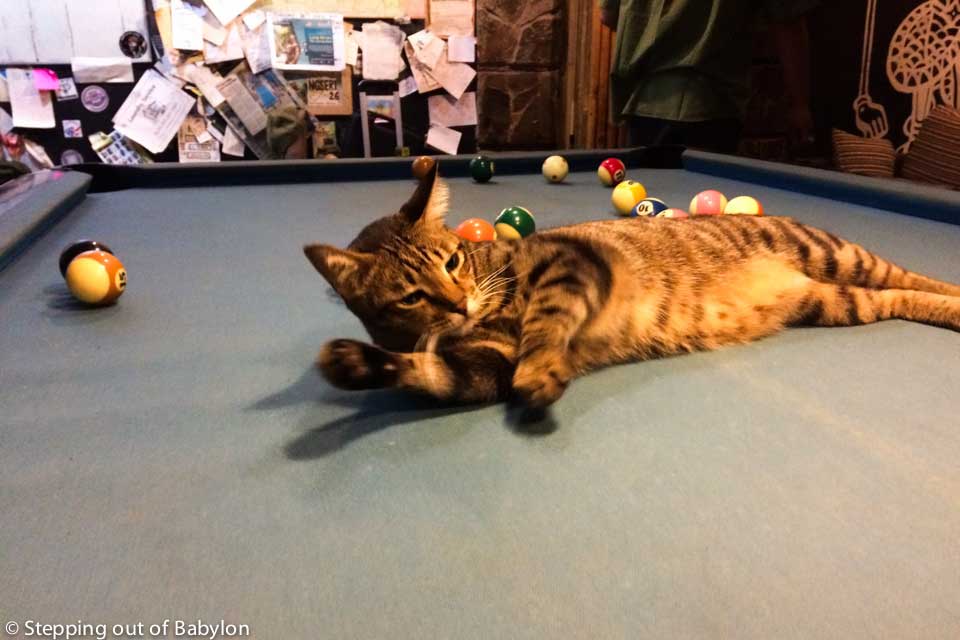
This is Nemo... the spoiled cat of Six Degrees Hostel!! cool cat!
This is Nemo… the spoiled cat of Six Degrees Hostel!! cool cat!

[/span6][/columns]

Where to eat and hang-out around Cikini (Menteng):

As any capital, Jakarta offers a lot of choices For someone that just stayed in this mega city for 4 days will be pretentious to give tips about best food and cool places to chill in the “big durian”… so this is just an overview of Cikini area where I spent most of the time:

  • Bakoel Koffie… good atmosphere, good coffee but not so good cakes. Can be busy and noisy at lunchtime. My favorite place to chill and read a book and blogging!!!
  • Gianti Coffee… a bit hidden at Jalan Surabaya (not far from Madam Chin restaurant); has different areas with nice decoration and cozy environment. But too noisy around lunchtime.
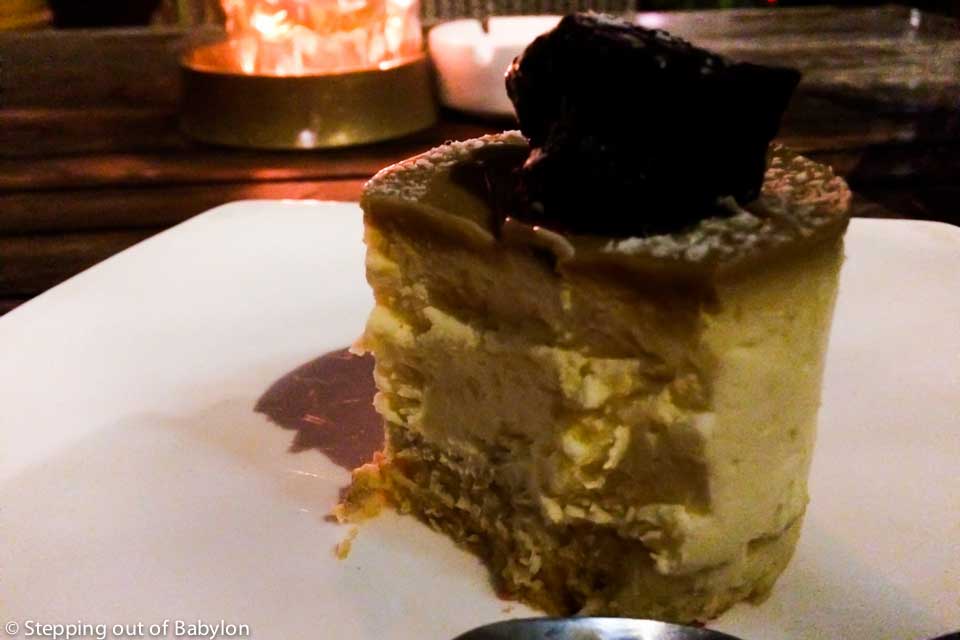
  • Cheesecake Factory (Jalan Cikini Raya)… a super posh place with high-quality products. The cheesecake that I try was perfect! The prices are high but not much more than you can find in others trendy coffee shops of Jakarta. It worth if you are in the mood for a treat!
  • On the ground floor of the Ibis Budget, there’s a food court with. I try the Riung Sunda, a sundanese food restaurant. Is expensive and you can find better in some of the street stalls nearby, for 10 times less the price!!!!
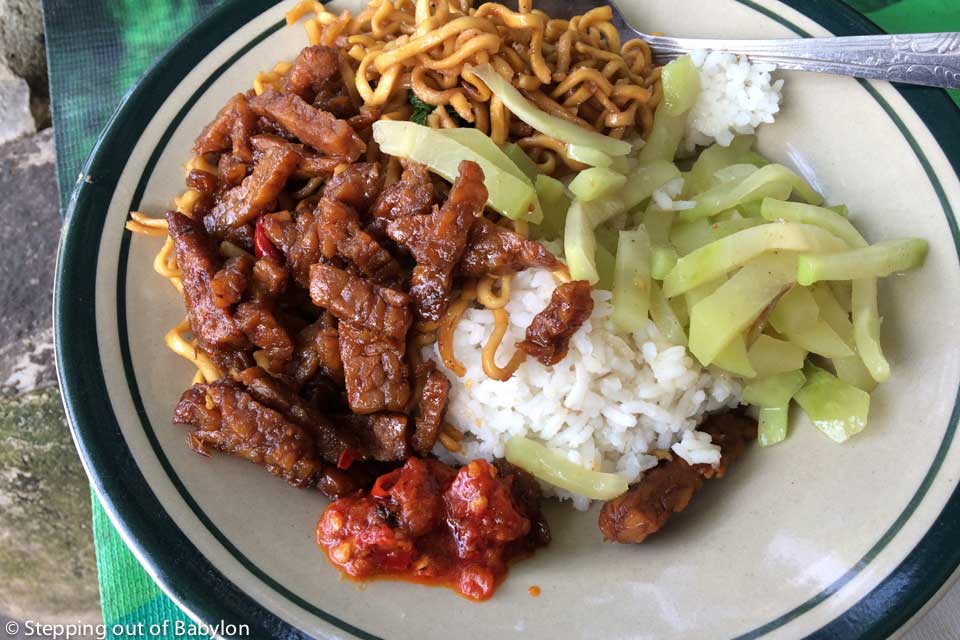
  • Street food…. its’ everywhere along Jl. Cikini Raya, particularly after 5 p.m. Cikini Raya is famous for martabak (Indonesian pancake). During the day you can find a good nasi campur at Jl Cikini 4, as also gado–gado.
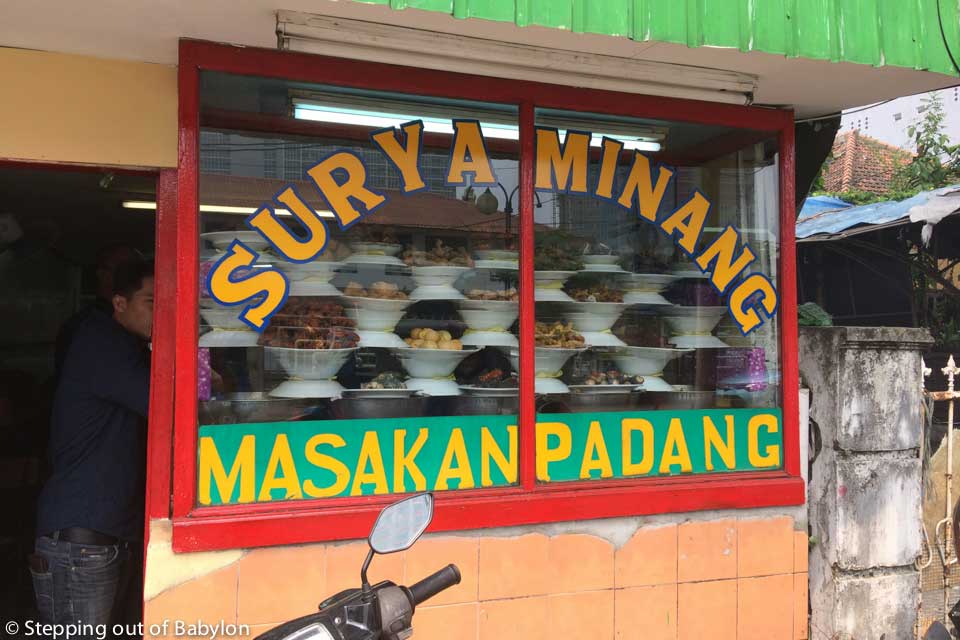
  • Surya Minang… a masakan padang at Jl Raden Saleh (before you reach the Sedahna restaurant) with tasty, simple and cheap food. Is better arrive before 1 p.m. as the runs out quickly! Sedahna restaurant is a reference for padang food but doesn’t have many vegetarian options and is more expensive.
  • On the corner of Jl Cikini Raya with Jala Ciliman there a very popular restaurant that gets full around lunchtime with the local population. Apparently, it doesn’t have a name but is easy to spot with some hawkers selling juices in front during the day. This eatery works on self-service system… a huge meal (vegetarian) cost me 30.000 Rp.
Bakoel Koffie...old school cafe at Cikini
Bakoel Koffie…old school cafe at Cikini
Cheesecake Factory at Cikini
Cheesecake Factory at Cikini… a perfect cheesecake serve in a very posh place!

[columns] [span6]

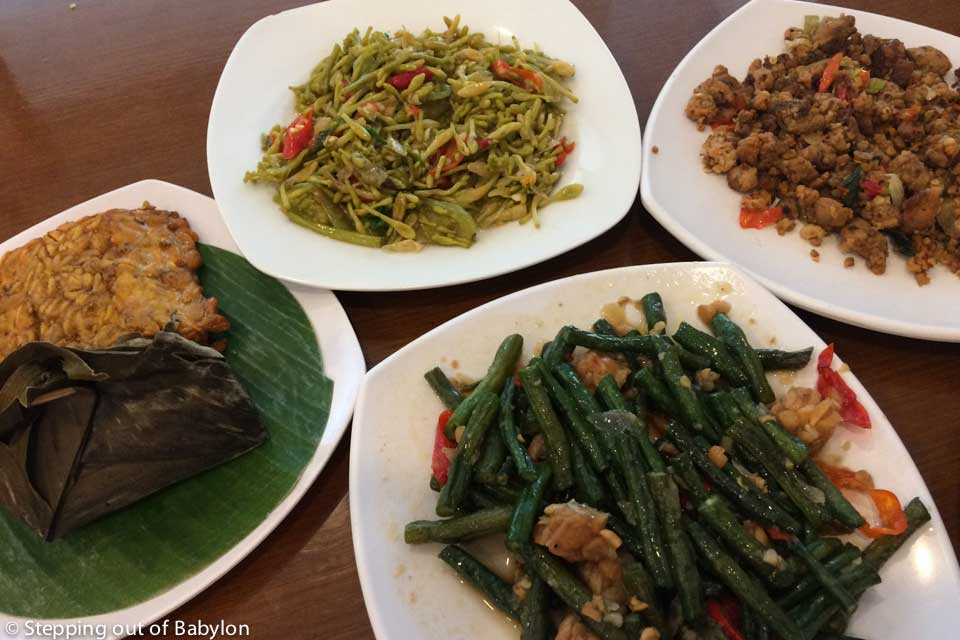
sundanese food... a meal that cost 100.000 Rp at Riung Sunda restaurant... Is expensive and you can find better in some of the street stalls nearby, for 10 times less the price!!!!
sundanese food… a meal that cost 100.000 Rp at Riung Sunda restaurant… Is expensive and you can find better in some of the street stalls nearby, for 10 times less the price!!!!

[/span6][span6]

street-food at Jl. Cikini Raya... delicious and tasty for just 10.000 Rp
street-food at Jl. Cikini Raya… delicious and tasty for just 10.000 Rp

[/span6][/columns]

Surya Minang... a masakan padang with tasty, simple and cheap food. Is better arrive before 1 p.m. as the runs out quickly!
Surya Minang… a masakan padang with tasty, simple and cheap food. Is better arrive before 1 p.m. as the runs out quickly!

[columns] [span6]

Many options in this self-service eatery at Cikini, that serves food since morning until evening

[/span6][span6]

•On the corner of Jl Cikini Raya with Jala Ciliman there a very popular restaurant that gets full around lunchtime with the local population.
• On the corner of Jl Cikini Raya with Jala Ciliman there a very popular restaurant that gets full around lunchtime with the local population.

[/span6][/columns]

How to move around in Jakarta:

  • TransJakarta: modern and comfortable buses that have the advantage of using dedicated lanes in some parts of the city. Unfortunately, the single journey tickets are not longer available and you need to buy a monthly card that is not really an option if you stay just for a few days in Jakarta.
  • Train: if your accommodation is nearby a train station this is maybe the easier and cheapest way to move. I stay at Cikini and this line has trains every 10 or 15 minutes to Jakarta Kota, the “center” and old colonial quarter. The tickets cost 3.000 Rp for trips inside the city. You need to buy a card (10.000 Rp) that you charge for each trip, and in the end of your stay you can give it back and get the 10.000 Rp return… but the train doesn’t reach the airport yet, but the line is supposed to open in August 2017.
  • GoJek, Uber, Grab… all these companies offer moto-taxi services. They are everywhere and are the best way to move through the intense traffic. You just need to download their app and have an Indonesian SIM card. The most efficient way to move around if you are alone. It’s ok to travel with your backpack! Usually, the trips inside de city cost around 10.000 Rp. The ojek (independent moto-taxis are easy to find but with them, you need to deal the price).
  • On foot… forget about it!!!!! Everything is too far, and the hot and humid climate makes a short walk during the day in a sweaty experience.
  • There is no subway in Jakarta!
The train is a easy and cheap way to move around Jakarta, a megacity without subway. Line Jakartakota-Manggarai

See also:

Jakarta: How to go from the city to the airport by public transport

Jakarta: How to go from the airport to the city by public transport


Jakarta: How to go from the city to the airport

How to get from Jakarta city center to Jakarta International airport by public transport

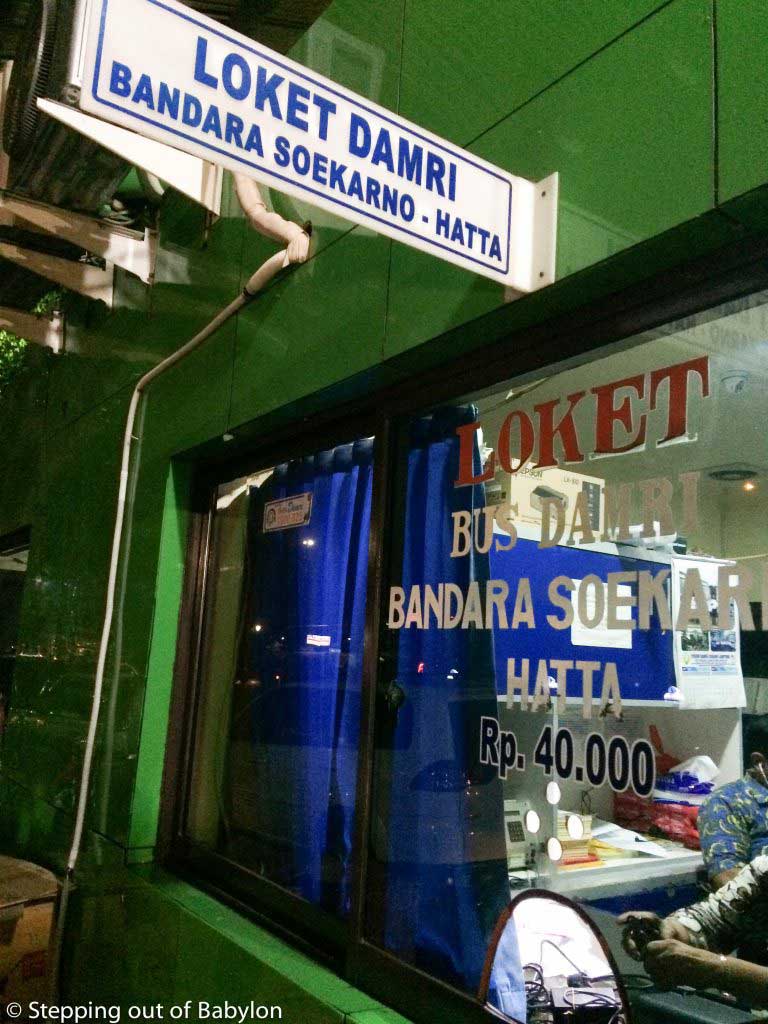
If you are alone or traveling with a tight budget, the bus is the best way to reach the airport! The DAMRI (Indonesian state-owned public transit bus company) operate buses from Gambir to Soekarno–Hatta International Airport.

The DAMRI bus terminal is located nearby a train station – Stasiun Gambir – on the right side if you are looking side, nearby a huge square with the National Monument (Manunen Nasional).

The buses leave from Gambir terminal every 15 minutes from 3 a.m. to 9 p.m., except the two first buses early morning

The ticket cost 40.000 Rp.

The trip takes around one hour, but watch out that Jakarta has intense traffic that can extend this journey for three hours… so go with time if you are traveling during the rush hours or on long weekends.


How to get from Jakarta city center to Jakarta International airport by public transport. DAMRI bus ticket
How to get from Jakarta city center to Jakarta International airport by public transport. DAMRI bus schedule
The buses departure from Gambir station just next to Gambir Terminal (train station)

How to reach Terminal Gambir :

Yes, Jakarta is huge and probably you will not stay close by Gambir… if you accommodation is nearby Jalan Jaksa (the most popular backpackers area of Jakarta) you can reach Gambir on foot, as the distance is around 1.5 km.

But from others areas in the city, like Cikini where i stayed, the easiest and option is to get a GoJek, Grab or Uber moto-taxi service, as it will cost around 10.000 Rp, and you can avoid to be stuck in the traffic jams. This is good if you travel alone and with not much luggage, as your backpack must be on your shoulders, but think that for two people the tuk-tuk or a taxi will be better, but go with plenty of time if you are traveling around rush hours.

See also: Jakarta: how to go from the airport to the city

Jakarta: how to go from the airport to the city

How to get from Jakarta International airport to the city center by public transport

Arriving at Jakarta by plane (Soekarno–Hatta International Airport), you can use the public transport to reach the center of Jakarta… ok, in this huge city is difficult to identify a “center”… but Gambir (also called Manunen Nasional… a huge pillar) is a good central point with a train station, and from there you can get a moto-taxi or the train (Stasiun Gambir).

If you are alone or traveling with a tight budget, the bus is the best way to reach Jakarta!

The DAMRI (Indonesian state-owned public transit bus company) operate buses from Soekarno–Hatta International Airport to Gambir.

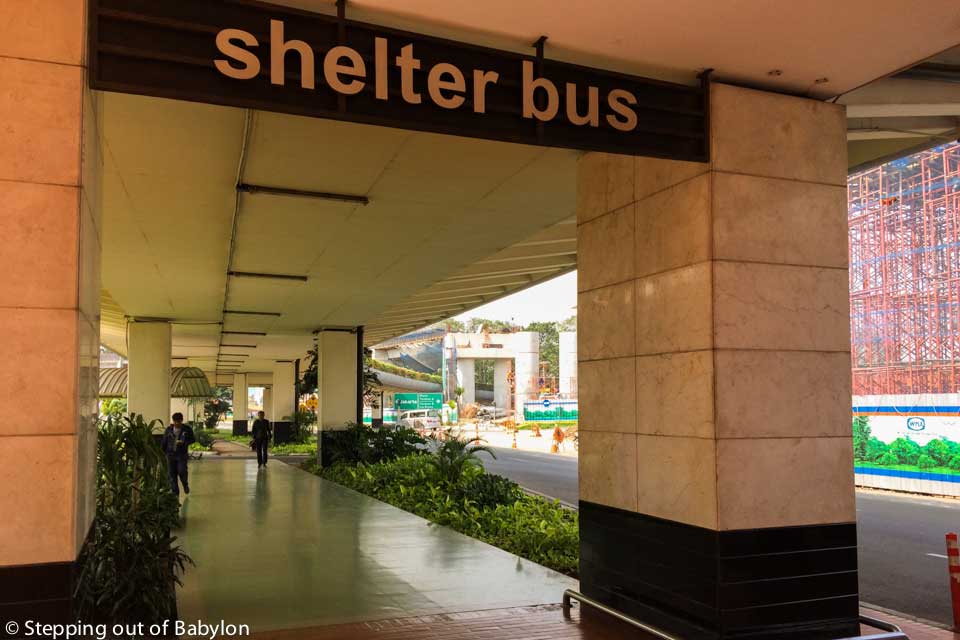
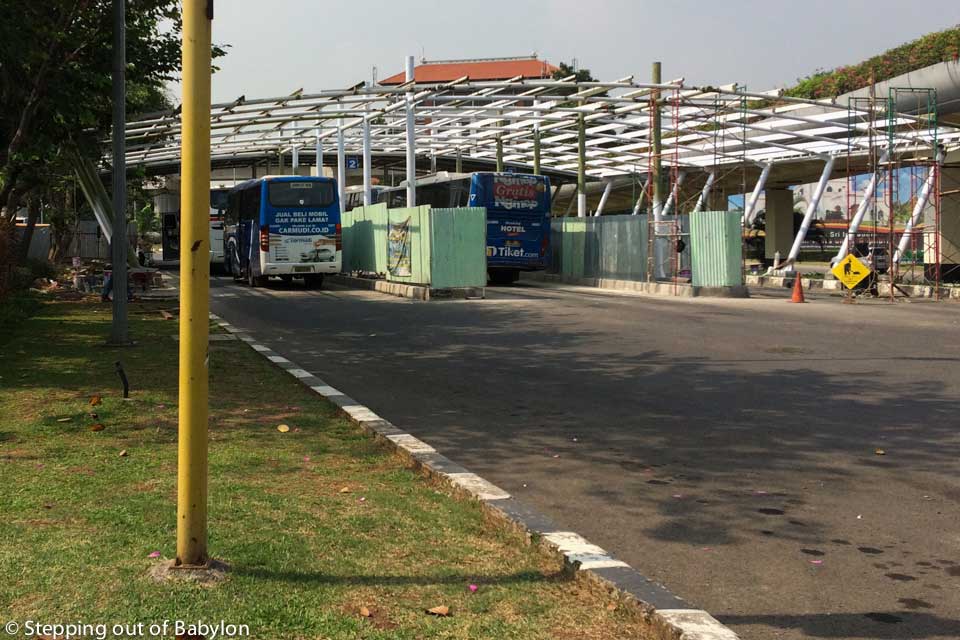
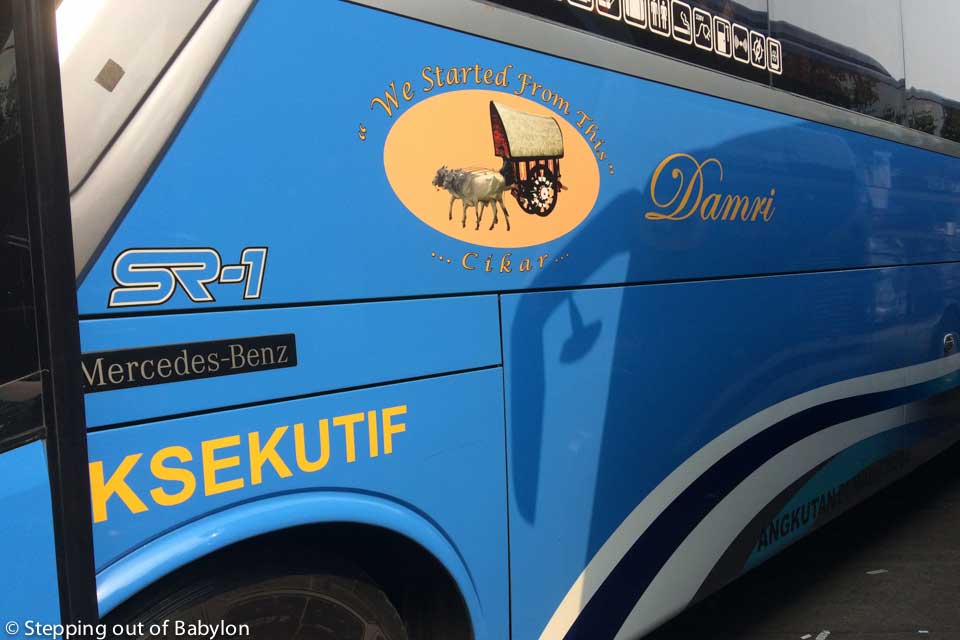
When you leave the airport building (arrivals) you must turn left, and keep walking under the roof until the end of the arrivals building. There you will see a sign (a kind of gate) with the words “Shelter Bus”. Keep walking and you’ll see a few buses and wait for passengers. The DAMRI buses are blue and are modern and well identified.

There isn’t a fixed schedules and but they frequent, every 15 minutes or so. Apparently (I couldn’t check this information) there are DAMRI buses from 3.00 a.m. until 9.00 p.m.

The ticket cost 40.000 Rp for the “executive” class bus, with air-con. Apparently there’s wi-fi on the bus but is never working 😉

I’m not sure if there is a “business” class bus from the airport to the city center.

When you leave the airport building (arrivals) you must turn left, and keep walking under the roof until the end of the arrivals building. There you will see a sign (a kind of gate) with the words “Shelter Bus”.
When you leave the airport building (arrivals) you must turn left, and keep walking under the roof until the end of the arrivals building. There you will see a sign (a kind of gate) with the words “Shelter Bus”
Bus stop at Jakarta internationa airport
If you are alone or traveling with a tight budget, the bus is the best way to reach Jakarta! The DAMRI (Indonesian state-owned public transit bus company) operate buses from Soekarno–Hatta International Airport to Gambri.
If you are alone or traveling with a tight budget, the bus is the best way to reach Jakarta! The DAMRI (Indonesian state-owned public transit bus company) operate buses from Soekarno–Hatta International Airport to Gambir.

How to move around in Jakarta:

  • TransJakarta: modern and confortable buses that have the advantage of using dedicated lanes in some parts of the city. Unfortunately, the single journey tickets are not longer available and you need to buy a monthly card that is not really an option if you stay just for a few days in Jakarta.
  • Train: if your accommodation is nearby a train station this is maybe the easier and cheapest way to move. I stay at Cikini and this line has trains every 10 or 15 minutes to Jakarta Kota, the “center” and old colonial quarter. The tickets cost 3.000 Rp for trips inside the city. You need to buy a card (10.000 Rp) that you charge for each trip, and in the end of your stay you can give it back and get the 10.000 Rp return… but the train doesn’t reach the airport yet, but the line is supposed to open in August 2017.
  • GoJek, Uber, Grab… all these companies offer moto-taxi services. They are everywhere and are the best way to move through the intense traffic. You just need to download their app and have an Indonesian SIM card. The most efficient way to move around if you are alone. It’s ok to travel with your backpack! Usually, the trips inside de city cost around 10.000 Rp. The ojek (independent moto-taxis are easy to find but with them, you need to deal the price).
  • On foot… forget about it!!!!! Everything is too far, and the hot and humid climate makes a short walk during the day in a sweaty experience.
  • There is no subway in Jakarta!
Card of the commuter Train System of Jakarta... a cheap and easy way to avoid the traffic jams of this big city... but unfortunately it doesn't reach the airport yet!!!
Card of the commuter Train System of Jakarta… a cheap and easy way to avoid the traffic jams of this big city… but unfortunately it doesn’t reach the airport yet!!!


See also: Jakarta: How to go from the city to the airport

Botanical Garden… the heart of Bogor

Bogor is famous for the thunders that are a daily presence during the transition between rainy season to dry season… and the same happens before the monsoon. The thunders bring rain… and the rain left behind a humidity that sticks to the skin… the humidity that with the warm temperature create the perfect conditions for the growth of a big range of tropical plants.

The botanical garden, created during the Dutch colonization, and is the central attraction of Bogor, as also the geographic center of the city… a quiet paradise of green surrounded by busy and noisy streets where the traffic is intense and frantic. The Bogor Botanical Garden is a perfect place to spend a few hours and to explore without rush. How peaceful can be the contact with nature?! It looks like it brings a balance, a reconnection with nature.

Don’t miss the medicinal garden, more for the design of the place than because of the plants… the Orchid House that is divided in wild species and hybrids. The gigantic trees and the aerial roots of the ficus tree are impressive. Be impressed by the trees but don’t forget to look down in detail, as you can find mushrooms growing in shady places… minuscule orchid flowers… and the diversity of ferns, from small ones growing on the tree trunks, to the huge ones capable of creating a forest where you can get lost!

Bogor’s Botanical Garden (Kebun Raya Bogor)

The Garden is crossed by a river, so there are a few bridges to cross. Parte of the Botanial Garden is occupied by the presidential palace, a impressive white building in Dutch colonial style, surrounded by an impeccable grass field where hundreds (approximately 700) deers hang leisurely.


Bogor’s Botanical Garden (Kebun Raya Bogor):

It worth to go early in the morning before arriving of the big groups (schools and tours). The garden opens at 8 a.m. and closes at 5 p.m.

You can easily send three or four hours wandering, including some breaks to rest and enjoy the place.

There is a cafeteria at the entrance of the garden, close to the garden shop, with normal prices. But if you want to treat yourself enjoy a coffee or even a meal at the Grand Garden Café, a sophisticated restaurant with a nice view to a grass field, that transport us to a British landscape. It gets busy at lunchtime with posh local people.

Try the bandrek, a hot tea, sweet and the spices, that can have honey, typical from Java.

The Bogor Botanical Garden ticket costs 25.000 Rp for foreigners.


School groups waiting for the opening of the garden.... Bogor’s Botanical Garden (Kebun Raya Bogor)
School groups waiting for the opening of the garden…. Bogor’s Botanical Garden (Kebun Raya Bogor)


Bogor’s Botanical Garden (Kebun Raya Bogor)


see also: Bogor and the thunders

Bogor and the thunders

Bogor is famous for the thunders that are a daily presence during the transition between rainy season to dry season… and the same happens before the monsoon. The thunders bring rain… and the rain left behind a humidity that sticks to the skin… the humidity that with the warm temperature create the perfect conditions for the growth of a big range of tropical plants.

The botanical garden, created during the Dutch colonization, and is the central attraction of Bogor, as also the geographic center of the city… a quiet paradise of green surrounded by busy and noisy streets where the traffic is intense and frantic. The Bogor Botanical Garden is a perfect place to spend a few hours and to explore without rush. How peaceful can be the contact with nature?! It looks like it brings a balance, a reconnection with nature.

See also:  Bogor Botanical garden 

Bogor’s Botanical Garden (Kebun Raya Bogor)

But Bogor is not just the gardens. The Pasar Anyar (close by to the train station), a big market that spreads for a huge two sort building where you can find almost everything… fruits and vegetables, meat and fish, clothes and house article, coffee to sweets… in a confuse endless secession of corridors.

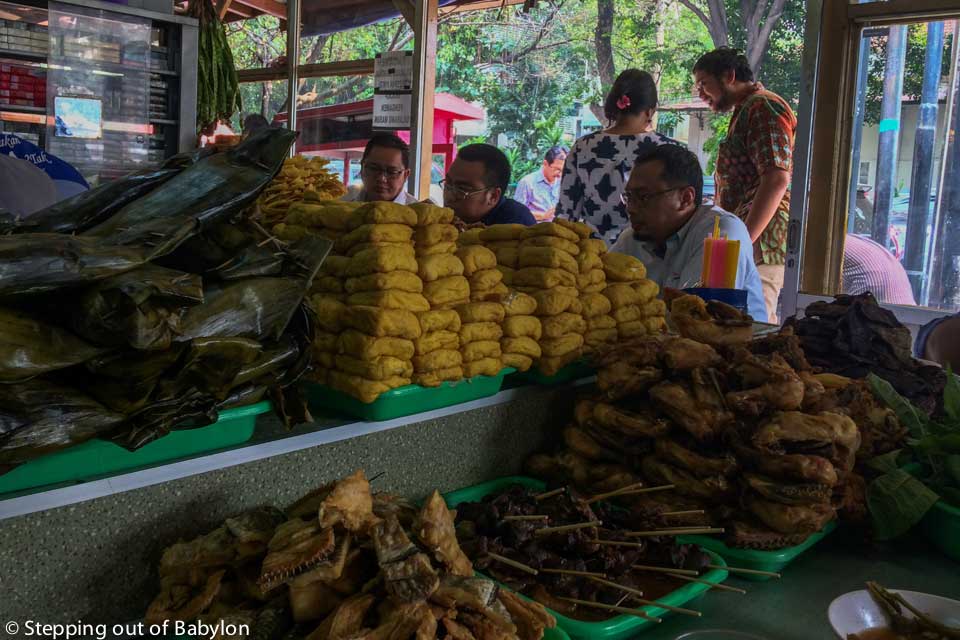
But this market, as usual, extends to the nearby streets, with a crowd of stall and street vendor taking over of the streets, making a walk in this area a challenging experience! But is also a great opportunity to try the street food and the local snacks… there a lot of options, but the deep-fried stuff is very popular, particular the tofu (locally called “táu”), cassava, chicken and banana, for a sweet tooths!!! At Jalan Dewi Sartika, nearby the market you can find a lot of batik shops!

Pasar Anyar
Pasar Anyar
Pasar Anyar
Pasar Anyar
Pasar Anyar
Pasar Anyar

The city is getting busy and busier witht he proximity with Jakarta that keeps on growing, but walking on the small alleys of Bogor, we can feel the laid-back vibe of the population, that can hide the curiosity when they see a foreigner, offering a friendly smile.

Bogor
Bogor
Bogor
Bogor
Bogor
Along the narrow small alleys of Bogor the pace of life runs smooth, away from the stress of the main roads
Bogor
Bogor
Bogor
Bogor
Bogor... street food everywhere
Bogor… street food everywhere

Where to sleep in Bogor:

There aren’t many options in Bogor for backpackers, but even if there were, Tom’s Homestay is the place to stay in town! The house located close to the Botanical Garden and has a lot of character, despite being in the need of a bit of remodeling…. the owner, Tom is a super nice host and will provide all the necessary information about places to visit in Bogor, as well on the surroundings… where to find cheap food, local products, etc. He can take you to short tours to temples, waterfall and other Bogor attractions for a very low price, using local transport, and it will cost you very little.

He was a very helpful source of information about how to move around, and how to go to Jakarta… and he has the gentleness to pick me and take me to the bus terminal…. and all the hassle to go with me to the immigration office!!! Thanks Tom for your good heart.

Strongly recommend Tom’s Homestay. http://tomshomestay.com/home (you can contact him also by phone call or SMS)

The room is 100.000 Rp included breakfast; water, tea and coffee are available for free.


[columns] [span6]

Tom’s Homestay is the place to stay in town!

[/span6][span6]

Tom’s Homestay. Bogor

[/span6][/columns]

[columns] [span6]

Tom’s Homestay. Bogor

[/span6][span6]

Tom’s Homestay. Bogor

[/span6][/columns]

Where to eat in Bogor:

The Simpang Raya Bogor is a restaurant with padang food, where you can choose what to add to your rice plate and pay according to the item that you choose. There are many options that change everyday.

This place is a favorite of local people. The food is delicious and it worth to go there even if the prices are a bit higher than usual at this kind of places. I pay 30.000 Rp for a plate full of food, from aubergine, veg curry, egg, omelet and papaya leafs.

The Simpang Raya Bogor Restaurant is located on Jalan Raya Pajajaran, just next to the Holland Bakery.

[columns] [span6]

Simpang Raya Bogor is a restaurant with padang style

[/span6][span6]

Tom’s Homestay. Bogor

[/span6][/columns]

How to move around in Bogor:

The angkot, mini-vans with green colour that are the most common public transport in Bogor. They have a number according to the destination. Ask the help of someone local people. There are a lot of angkot moving on the streets that make a ring around the Botanical Garden.

The angkot fee is 7.000 Rp (maximum) inside the city.

How to move around in Bogor: The angkot, mini-vans with green colour that are the most common public transport in Bogor.

How to go from Jakarta (Kampung Rambutan) to Bogor:

By bus:

  • Coming from Jakarta you must go to the Kampung Rambutan Bus terminal, on the south part of the city.
  • From there you look for the departure stand number 28. At 6:00 a.m. departure the a/c bus to Bogor that uses the highway toll. Is faster than the normal bus. It takes 45 minutes (depending on the traffic) and ends the trip at Barangsiang Terminal, very close from Botanical Garden. The ticket cost 10.000 Rp.
  • Outside the Barangsiang Terminal you’ll find the angkot (a green colour mini-van) to different parts of the city. The angkot fee is 7.000 Rp maximum inside the city.

By train:

  • You can catch one of the trains leaving from Jakarta Kota Train Station (Stasiun Jakarta Kota) that go to Bogor…. there are many during all day.
How to go from Jakarta (Kampung Rambutan) to Bogor by bus

How to go from Bogor to Jakarta Airport:

There are DAMRI buses (Indonesian state-owned public transit bus company) from Bogor to Soekarno–Hatta International Airport, Jakarta international and domestic airport. The DAMRI terminal is close to the Botanical Square, at Jalan Jalan Raya Pajajaran.

They are comfortable and have air-con. The trip takes around two hours but watch out that the traffic can make this trip much longer….

See prices and schedule below (May 2017).

[columns] [span6]

How to go from Bogor to Jakarta Airport. Ticket fee

[/span6][span6]

How to go from Bogor to Jakarta Airport.

[/span6][/columns]


How to go from Bogor to Jakarta Airport. Schedule.

Buta Karas… finally the waves!

After more than 6 weeks traveling in Indonesia, enjoying the warm and clear waters from Bali and Lombok, there a was thing that was missing: the waves! As a native from a city close to the Atlantic coast, I’m used to waves, big or small, but always waves… of course that the still waters of tropical white sand beaches are amazing, but I always get a bit bored after a few minutes at the sea if there isn’t the same action!

And in Batu Karas (also written as Batukaras), on the south coast of Java, a few kilometers west from Pangandaran I found a good combination, between nature and waves. But the south coast of Java is famous for surf, due the strong currents, and Batu Karas, once an unnoticed fishing village, has become a name on the surf scene in Indonesia, with a small bay where a rock break the ocean currents, creating organized waves a few meters from the shore, perfect for beginners… and with a sandy bottom!

But to make it clear, Batu Karas has two beaches: a small one that has the surf spot, that is also good to swim despite the strong current that due to the shallow bottom is not danger… the other beach, immediately east located in front of the Batu Karas village, is a very long stretch of sand with a rough sea, strong waves and a rocky bottom that is not inviting or safe to swim, and where is located the fishing activity.

Batu Karas is surrounded by a very beautiful landscape where the green is everywhere, the rice fields, a lagoon, the mangroves… a lot of natural vegetation in a chill and relax atmosphere, where only the weekend visitors bring some agitation. Most of the people stay here for surf, and everywhere you look you see surfboards or people passing by in vintage cars and scooters on the way to the beach with the board hanging on the side!

Batu Karas
Batu Karas
Batu Karas surf beach
Batu Karas village beach
Batu Karas
Batu Karas
Batu Karas_Java_Indonesia_DSC_5844
Around Batu Karas village there are many paths to explore along rice fields and forest

We can say that Batu Karas is an idyllic place where a visit can easily get stretched for a week or so… but this place, as many others, suffers from the greediness of some people. A few people capable of ruining your mood… Unfortunately, most of the people that speak English will start a conversation in a relax mode, looking like they want to help you, but for sure will end up trying to push you for surf lessons, a tour, a scooter, a guide… it’s a bit annoying and a waste of energy. And if you don’t get any of their services the friendliness ends quickly, and they will not help you with anything. As Buta Karas is a small place is difficult to avoid this local mafia… is like that in many places, but is sad!

****

What to do in Batu Karas:

Batu Karas is focused on the surf, but there are a few things to do while you wait for the tides.

  • The Mangrove is located about 4 km from Batu Karas. Is better to rent a scooter, but you’ll find ojeks on the way that take you there for 20.000 Rp. I did it on foot, as it was a cloudy day and not so warm, but is better starts early morning. The way to reach the mangrove is very nice landscape with rice fields and a countryside lifestyle. Very relax and pleasant. The last part there are a lot of fisheries under construction, that make the way more difficult and less quiet. The entrance ticket is just 5.000 Rp, both for national as for foreigners!!!! There is a wooden path through the mangrove that ends at the lagoon. Is a nice place to chill, surrounded by the tropical humidity of the lagoon listening to the wakes break on the nearby beach.
Mangrove. Batu Karas

Mangrove. Batu KarasMangrove. Batu Karas

Mangrove. Batu Karas
  • The Green Canyon is the most popular tour, not just for the foreigners but also for the local population that comes from nearby cities. It can be crowded on the weekends and holidays. You need a boat to reach there, and according to how far you want to go (just see the canyon, swim or jump from a rock) there’s a different price. The shortest trip cost 200.000 Rp for a boat that can be shared by six people. So if you are alone just arrive in the morning and wait at the ticket counter for more people to share the boat. I arrive in the afternoon, and not many people saw up, and the ones that come were already in big groups, so after two hours of waiting, I skip this place. At the weekends you have more change to join to the family groups but don’t expect a quiet and chill trip!
Green Canyon. Boat prices. Batu Karas
  • Watch the fishermen (and women) pulling the nets from the sea at the end of the day at Batu Karas beach (not the surf beach). You need to walk a bit east along the beach until you spot a concentration of boats. It’s an enjoyable walk that you can do around 4.30 p.m. when the sun is less strong.
Batu Karas Beach. Java
Batu Karas beach. Java
  • Crossing the Bamboo Bridge, a short cut from Cijulang to Batu Karas, that crosses beautiful landscapes along a river, with some forest and beautiful views. Really special with the light before the sunset, or early morning. For this, you need a scooter, as it is too far to reach on foot.
Bambo Bridge that is part of a nice shortcut from Batu Karas to Cijulang
the shortcut from Batu Karas to Cijulang pass by a lagoon area as also through bamboo forest
  • Batu Hiu (shark rock) is located in the middle on the way between Pangandaran and Butakaras, a bit away from the main road. Is not much more than a small cape from where you can have nice view to beaches on both sides where the waves are quite strong. The place lost the natural look with some cheesy improvements and decoration… not really impressive for me!
view from Batu Hiu. Pangandaran
  • Cagar Alam Pangandaran is a nature park located on a peninsula very close by Pangandaran. The ticket for local people is 16.000 Rp and for foreigners is 215.000 Rp. I didn’t even try, as it also look a lot more a recreation park than an intact nature reserve.
Cagar Alam Pangandaran. The ticket for local people is 16.000 Rp and for foreigners is 215.000 Rp
  • … and of course… surfing!!! On Saturday and Sundays Batu Karas get a lot of visitants from Pangandaran and other cities like Badung and Jakarta, changing totally the place, with the beach full of people where the women bath with clothes, that doesn’t make me feel confortable to sunbathe or swim with a bikini… So is better dress a t-shirt or avoid the beach on the weekends!
Batu Karas
Batu Karas


Where to sleep in Batu Karas:

At Batu Karas village is the biggest concentration of accommodation… villas, resorts, guesthouses, apartments, homestays… and the prices are above 100.000 Rp. There isn’t any hostel or a place with a dorm at Batu Karas.

But for me is more interesting to stay nearby the Batu Karas surf beach. There aren’t so many options here, but you can find a room for 100.00 to 200.000 Rp, as also a couple of resorts. My favorites, as also the cheapest are the few wooden houses that usually don’t have more than two or three rooms on the top floor. Some are a bit close to the road, so you can hear the traffic noise (not significant except on the weekends), bit others are close enough to the sea to hear the waves… and just about 2 minutes from the sea.

I stayed at the Wooden House from 100.000 Rp, a night for one person. The place is cozy but the bathroom is dodgy; the lady that runs the business is very nice and friendly, and try all to help even if she doesn’t speak English… but a certain point I was kicked out in the middle of my stay, by one of her relatives, just because someone was arriving and will pay a higher price for that room… what to do?!?!?

So, despite some argument, I was forced to move to another place, almost next door, the Lucky Luke Guest House. In fact a place with much better conditions that charge 125.000 Rp for one person. A big room, clean and confortable, with some furniture and a small balcony, run by a friendly couple that doesn’t speak English!

Just next door, still under construction (May 2017) there’s a cool place with room around 150.000 Rp, the Tree House Inn, that is easily identified by the colorful wooden doors. Contacts of Tree House Inn: 08.222.000.9155, 0821.3087.6531

[columns] [span6]

Wooden House. Batu Karas.

[/span6][span6]

Wooden House. Batu Karas.

[/span6][/columns]

[columns] [span6]

Lucky Luke Guest House. Batu Karas

[/span6][span6]

Lucky Luke Guest House. Batu Karas

[/span6][/columns]

Lucky Luke Guest House. Batu Karas
Lucky Luke Guest House and Tree House Inn. Batu Karas


Where to eat in Batu Karas:

There are a few restaurants nearby the surf beach, serving the standard Indonesian food with a focus on the fish dishes, serving also western food, like pasta, chips and burgers. I try a couple of these restaurants and wasn’t impressed by any of them. The prices are slightly higher that you can find in the cities or in the countryside, but reasonable as we are far from any city or town.

At Batu Karas village there are a few option with local food, which sometimes are difficult to recognize if it’s an eatery or a house of someone.

I found a humble place with good food that I become fond of, going there every day. Is located on the main road of the village, nearby a crossroad (that has the Mangrove sign) opposite to Jelajah guesthouse: Warung Nasi Itikuri. The place is very simple and humble, but serving fresh and tasty food with the padang style, based on rice that you can add tofu, tempeh, jackfruit, egg, chicken… a meal, that includes a tea, cost around 10.000 Rp to 15.000 Rp (without meat or egg).

I couldn’t find any fruits in Batu Karas except coconut (10.000 Rp) nearby the parking area of the surf beach.

You can find basic stuff on the local shops, but the prices are higher (for example the the water bottle cost the double in Batu Karas). So for shopping is better to go to Cijulang where you can find, supermarkets, fruit shops, and some more option for meals.

[columns] [span6]

Warung Nasi Itikuri.
Warung Nasi Itikuri. Batu Karas

[/span6][span6]

Warung Nasi Itikuri. Batu Karas

[/span6][/columns]

How to move around in Batu Karas:

You can walk around if your destination is not much that get some food or go to the beach.

But to go further you gonna need a scooter. There isn’t a scooter rent shop in Batu Karas but just ask at your guesthouse that they manage to get one. It costs 50.000 Rp/day… and if you need a helmet is better to ask in advance at this is not a common thing in this area.

You don’t need to show any documents: no driving license, no insurance, no nothing!… my scooter didn’t even have a plate number.

ATMs and Money exchange in Batu Karas:

There are a one ATM at Batu Karas village that accepts international cards.

Nearby the surf beach there are also shops that exchange money; but not that here the rats are not so good, so if you have the change is better to exchange your money in Yogyakarta or another big city.

How to go from Yogyakarta to Batu Karas:

No matter from where you came from, if you travel by public transport, you will need to go to Pangandaran. There’s no point to stay in Pangandaran, and the resort/hotel area nearby the beach is not charming. So, even if you are not coming here to surf, Butakaras is definitely the best option to stay.

  • From Yogyakarta, I took a bus to Pangandaran that cost 120.000 Rp. I bought the ticket online (www.bosbis.com) and pay it in one of the supermarkets (Indomaret or Alfamart, that charge 7.000 Rp commission). This service has the advantage that you can choose the pickup point and avoid a trip to the bus terminal, but on the other hand your day starts earlier… so the pickup time was at 7 a.m. but they just arrive one hour later (after many phone calls), and then they drop me at the office of the bus company to wait for more people. The bus just started around 9 a.m.
  • The trip from Yogyakarta to Pangandaran takes 7 hours; is a a/c bus but not very comfortable. It stops around 11 o’clock for food and rest,
  • The bus drops you at the Pangandaran terminal. From here you can catch a bemo (local transport like a mini-van, with beige color) that are waiting on the left side of the terminal entrance, to Cijulang. The trip cost 7.000 Rp and takes almost one hour.
  • At Cijulang (pronounces Xijulan) you need to get a ride to Butakaras from one of the ojek (moto-taxis) that are waiting at the entrance. It cost 20.000 Rp and the trip, along with a very beautiful landscape, takes not more than 15 minutes. There’s a bamboo bridge that is a short cut to Butakaras, if the ojek chose this way, you must pay 2.000 Rp to cross the bridge.
  • On the way back, from Butakaras to Cijulang you are at the mercy of the local mafia and can’t get a ride for less that 25.000 Rp.
_Pangandaran bus terminal_IMG_3343
Pangandaran Bus Terminal. From here there are bemos to Cijulang. The trip cost 7.000 Rp and takes almost one hour.

Wi-fi in Batu Karas:

Almost any of the accommodations that I visit in Batu Karas have wi-fi. So just the most expensive places have this facility.

At surf beach, you can only find wi-fi at Java Cove Resort, which has a restaurant where you can just ask for a coffee and use the wi-fi.


How to go from Batu Karas to Jakarta:

  • You need to take an ojek from Butakaras to Cijulang as you are at the mercy of the local mafia you can’t get a ride for less than 25.000 Rp.
  • The ojek will drop you at Cijulang Terminal, where you can get the beige bemos (local transport like a mini-van) that are waiting there to Pangandaran. The trip cost 7.000 Rp and takes almost one hour.
  • The bemos will drop you at the Pangandaran Bus terminal (nearby a market). From there are buses to Yogyakarta (at 6:00 p.m., no a/c) and to Jakarta one at 7:00 p.m. (no a/c) and 8:00 p.m. with a/c. These buses don’t start at Pangandaran, so when they arrive at the terminal they are usually late.
  • The bus with a/c to Jakarta costs 95.000 Rp and ends at Kampung Rambutan Bus terminal, located on the south part of the city. The trip takes 8 to 9 hours. The first part is very bumpy and along secondary roads, but after Bandung the trip runs smooth.

A short guide to hang out in Yogyakarta

Yogyakarta is modern, cosmopolitan and has a lot to offer, being easy to stay here for a week or more without getting bored.

From stylish cafes, trendy restaurants, concept shops… Yogyakarta has a lot of cultural events going on in this city, away from the traditional dance and music, mostly tourist orientated.

This post is just an unpretentious short list of spots that worth to visit while you stay in this appealing city. But there’s a lot more to explore that is impossible to find in a short five-days visit to Jogja… the nickname for Yogyakarta, used by locals.


Yogyakarta
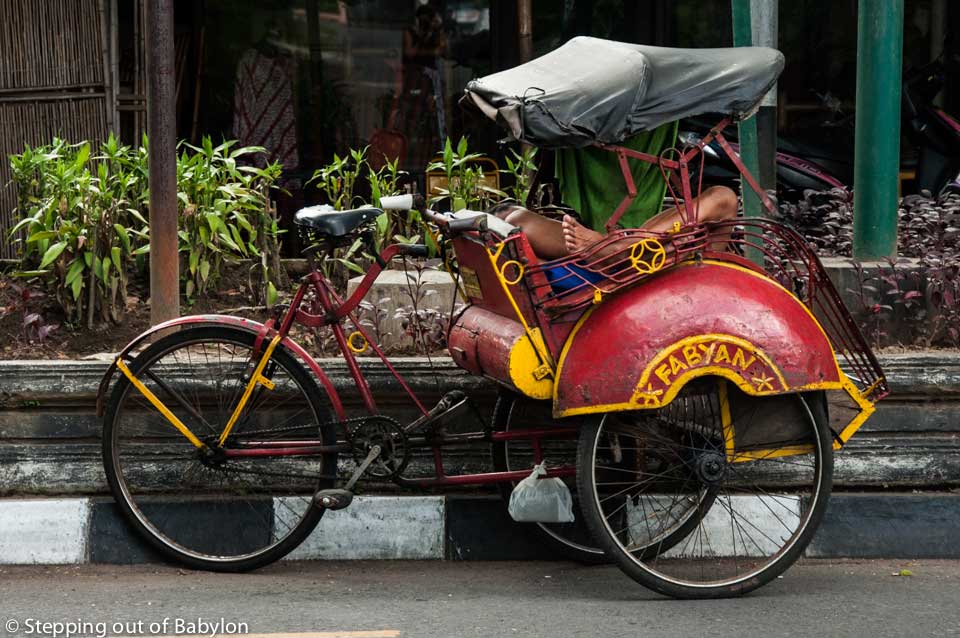
the “becaks”, cycle rickshaws, are everywhere around the city, usually chilling at street corners while waiting for clients. Yogyakarta
Yogyakarta
Despite the busyness of the main streets there’s always some time to read the news. Yogyakarta
Yogyakarta
Yogyakarta
Yogyakarta
Yogyakarta is modern and cosmopolitan but maintain the charm of the traditional neighbourhoods

Yogyakarta has a perfect balance between the

… a few places to chill

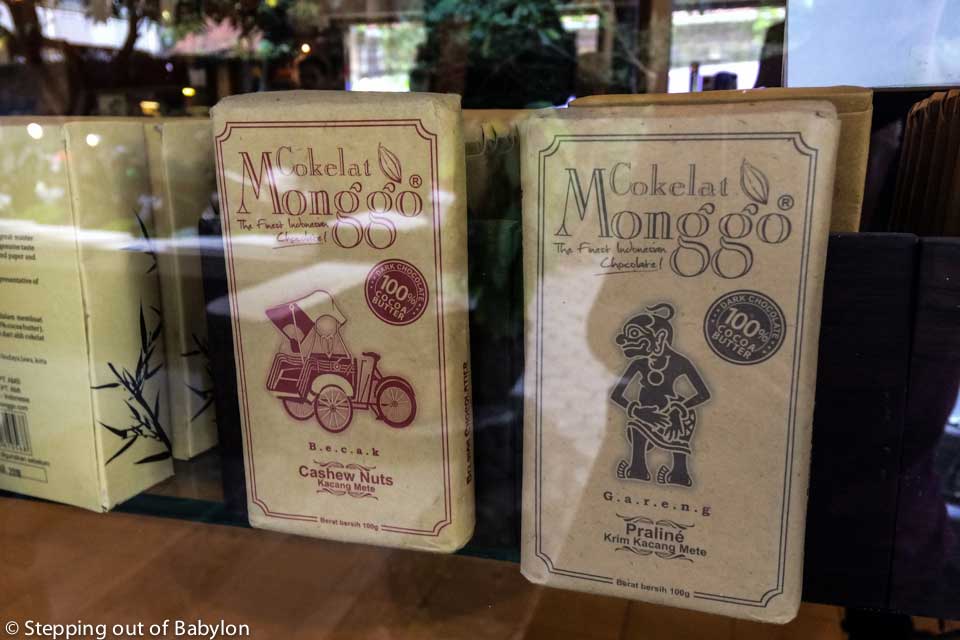
Cokelat Monggo is an reference shop in Jogja, selling chocolate made from Indonesian cacao. At Jalan Tirtodipuran there’s a shop exclusively dedicated to this brand selling a big range of chocolate bars, but you can laos find Monggo products in other shops in Yogyakarta. The cafe next door is a chill place to hang out and try one of the chocolate treats available on the menu.

[columns] [span6]

Cokelat Monggo
Hot chocolate at Cokelat Monggo

[/span6][span6]

Cokelat Monggo_IMG_3310
Chocolate bars from Cokelat Monggo

[/span6][/columns]

 If you are walking on the long a exhausting Malioboro street, Margo Mulyo is a cool and unpretentious eatery to take a rest, eat or drink something in a place full of character… also very popular between the local population.

Margo Mulyo
Margo Mulyo


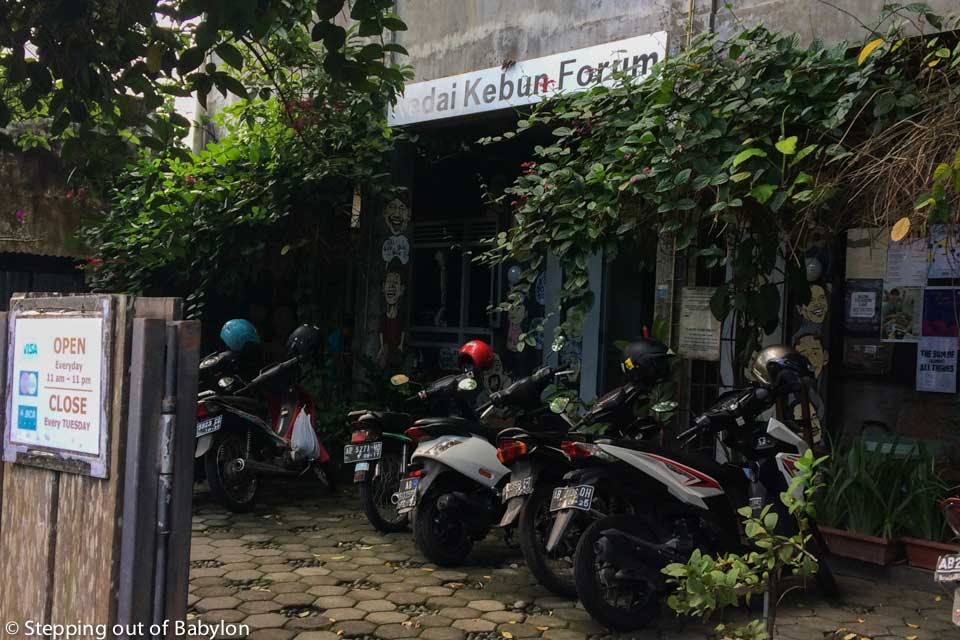
Kedai Kebun Forum, at Jalan Tirtodipuran, is a cultural association that promote several events and where you….can see art exhibitions, watch a movie and get updated about what’s going on in Yogyakarta art scene… There’s also a restaurant in a cool and quiet spot surrounded by trees and bamboos that is a nice place to hang out, reading a book and enjoying a Indonesian coffee.

www.kedaikebum.com

Kedai Kebun Forum
Kedai Kebun Forum. Yogyakarta

Local Markets

A good place to experience local lifestyle are the markets, locally called “pasar”… there are many around Yogyakarta, but from the ones that I visit I strongly recommend the Pasar Kotagede (also written as Kota Gede) as it is small, with the building focus on food products and with the streets around selling a bit of everything. Is better to go early morning when the market has more people and shows up more vibrant.

Is totally away from the Yogyakarta tourist beaten track, and not many foreigners come here… so be prepared to be the star!

Pasar Kotagede
Pasar Kotagede
Pasar Kotagede
Pasar Kotagede

Batik

A stay in Yogyakarta can avoid the batick, as is part of the city identity… and as soon our eyes get used to the intricate patterns of this traditional art of dyed, you’ll be attracted by the diversity of designs, styles and colors of this fabrics. The batik is good souvenir from this city, which is also representative of the Indonesian culture that in Java are used mostly as man shirts and as sarong by the women.

There are hundred of shops specialize in batik, some selling the fabric by meter, other as a sarong, a shirt, trousers, scarfs, shawls, etc… Even if you are not in the shopping mood, it worth visit a visit to a couple of these shops!

  • Along Jalan Malioboro there are also many shops, from the simple to the more sophisticated. Outside along the sidewalk there are an endless number of streets sellers, most of them with batik items.
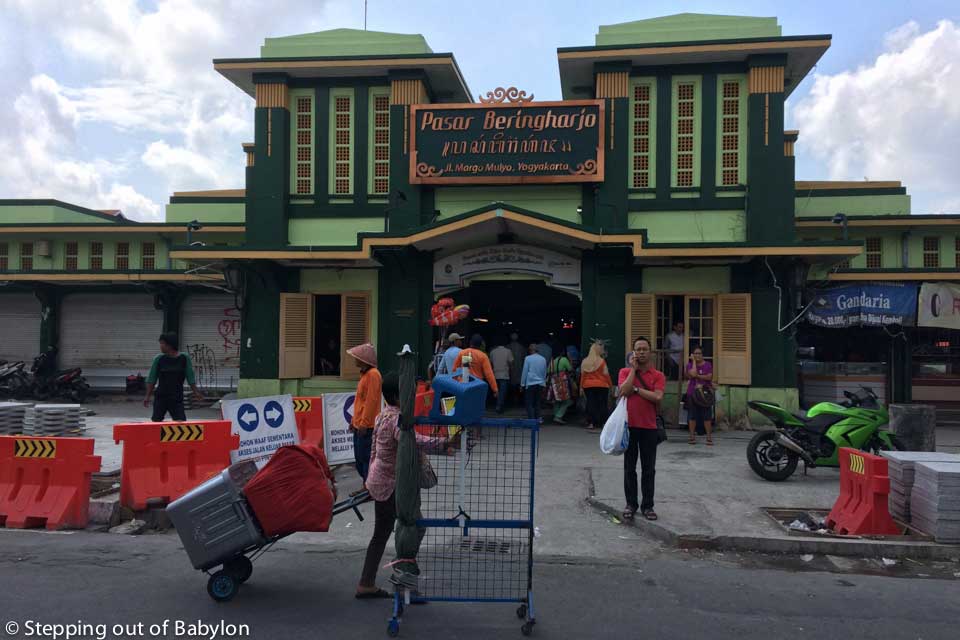
  • Pasar Beringharjo (Jalan Malioboro) is definitively the highest concentration of batik sellers but the quality maybe is not the best and it’s quite busy place.
  • In front of Pasar Beringharjo, there a big and old school shop Mirota Batik (Jalan Malioboro), with big choice of products made form different batik technics, with a beautiful decoration that really worth to visit, even if you are not in the mood for shopping. It’s a classic shop that looks more like an institution in Yogyakarta and which is also a good place for souvenirs.
  • The Batik Winotosastro (Jalan Tirtodipuran) is a traditional shop of hand made batik that also includes a factory, that you can visit and learn the different processes to make the batik… and in the end you’ll understand why some of this fabrics are so expensive!
  • There is also some antique shops specialized in batik articles in Yogyakarta which you can find a few along Jalan Tirtodipuran.
  • Jalan Gamelan, inside the Kraton, has also a few shops but more focus on cloths made form batik fabrics, some of them sophisticated and made more for western customers.

[columns] [span6]

Batik
Batik

[/span6][span6]

Batik
Batik

[/span6][/columns]

Pasar Beringharjo at the busy Malioboro Street, the heart of the comercial area in Yogyakarta

… because food matters

And because food matters… eating is also an important issue when we travel and an enjoyable food experience can change the perspective and the all experience of a place, that can be a city or a country.

The Indonesian food in not properly vegetarian, with the chicken being present in almost all menus. But there are a lot of dishes without meat or fish available in restaurants, warungs (restaurants), masakan padang and also at street food stalls that are a constant presence everywhere, since early morning until evening.

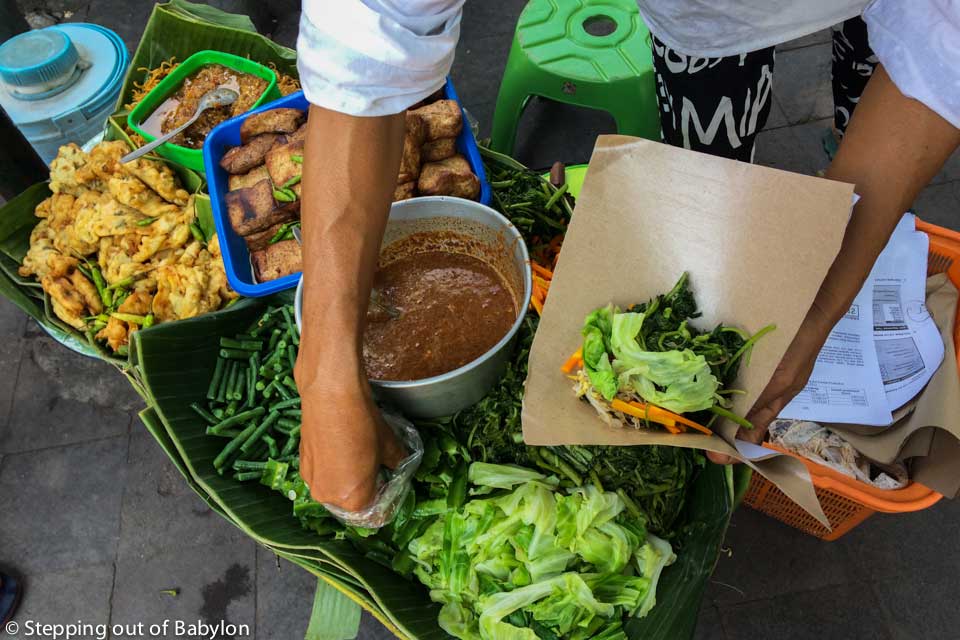
The tofu and tempeh are very popular, and eggs and steam vegetables (spinach, morning-glory and papaya leaf) are also common. Salads made with compressed rice and steam vegetables with a sweet peanut sauce – gado-gado and lotek – are also easy to find, mostly at street food stalls:

Here are some budget eateries that I try, most of them nearby them located near Mantrijeron (where I slept) and kampung Kraton areas.

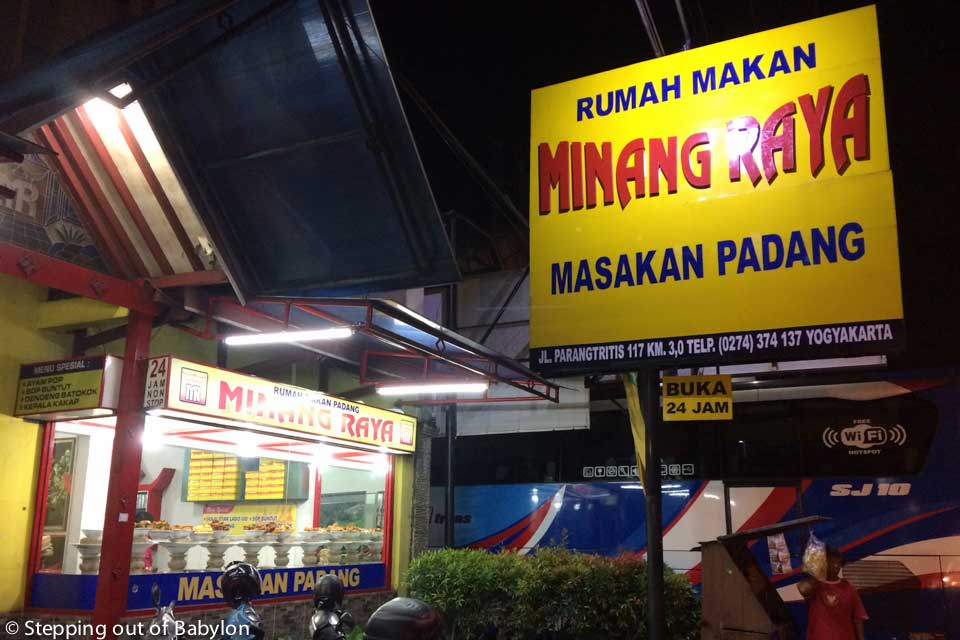
  • Mirang Raya, Ruman Makan Massakan Padang (Jl Parangtritis, 117). Tasty food with many options and cheap price. Some of these Rumah Makan (restaurants) restaurants work on the self-service system, and not really matter the quantity that you put on your plate, but you pay according to the number of items you choose to your plate. A vegan meal costs 10.000 to 15.000 Rp.
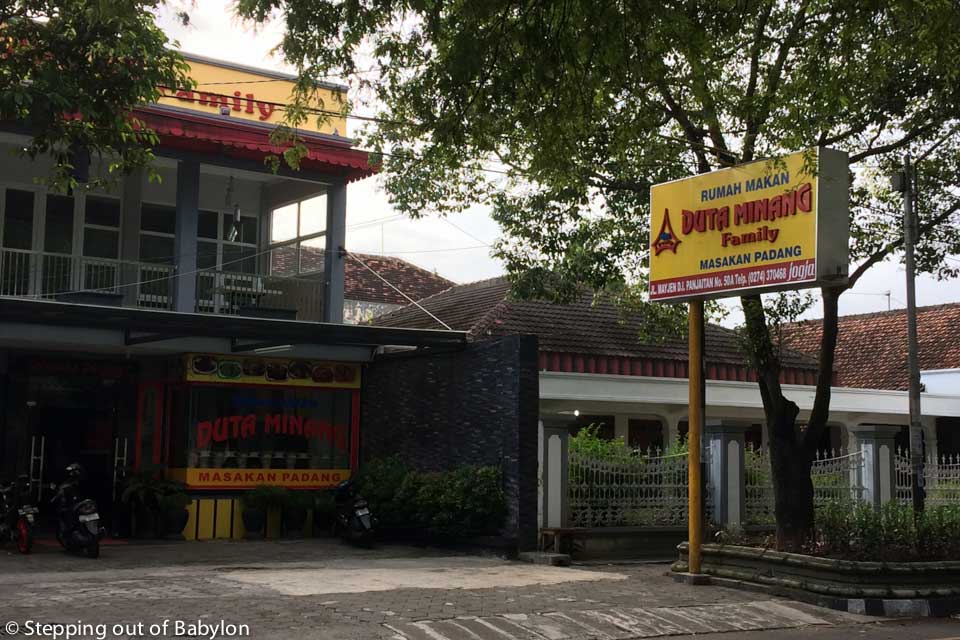
  • Duta Minang, Rumah Makan Massakan Padang (Jl Mayjen D. I. Panjaitan, 50). The classic padang food with many delicious options in a more sophisticated atmosphere but also with the cheap prices, with a meal with tempeh, tofu, vegetables and egg cost 20.000 Rp.
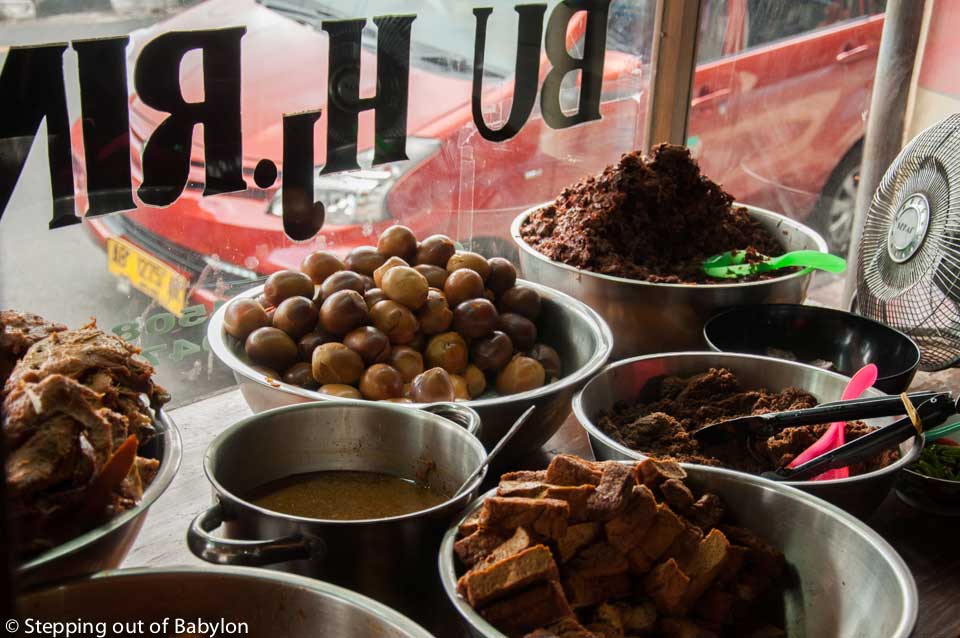
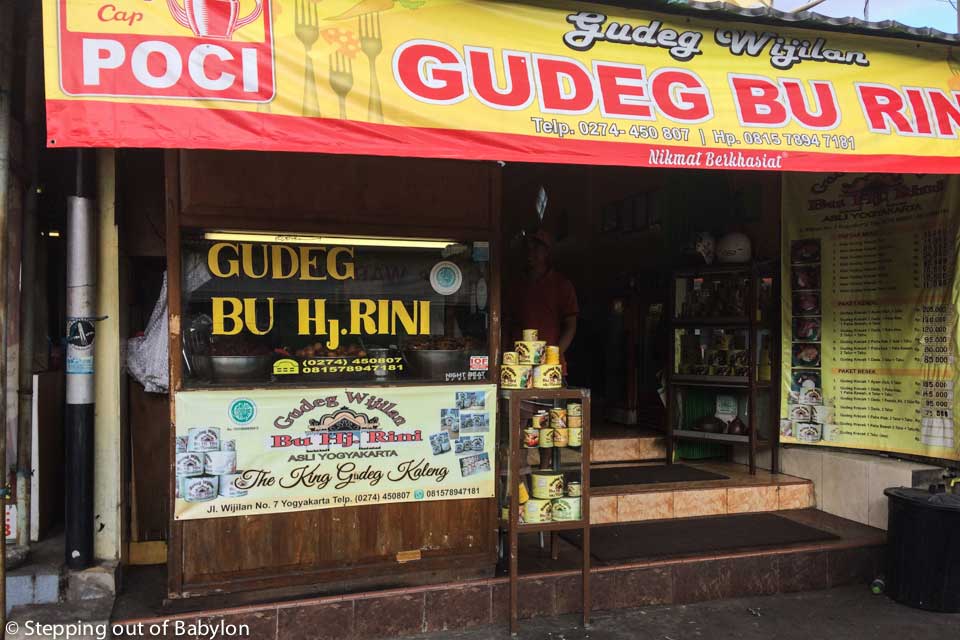
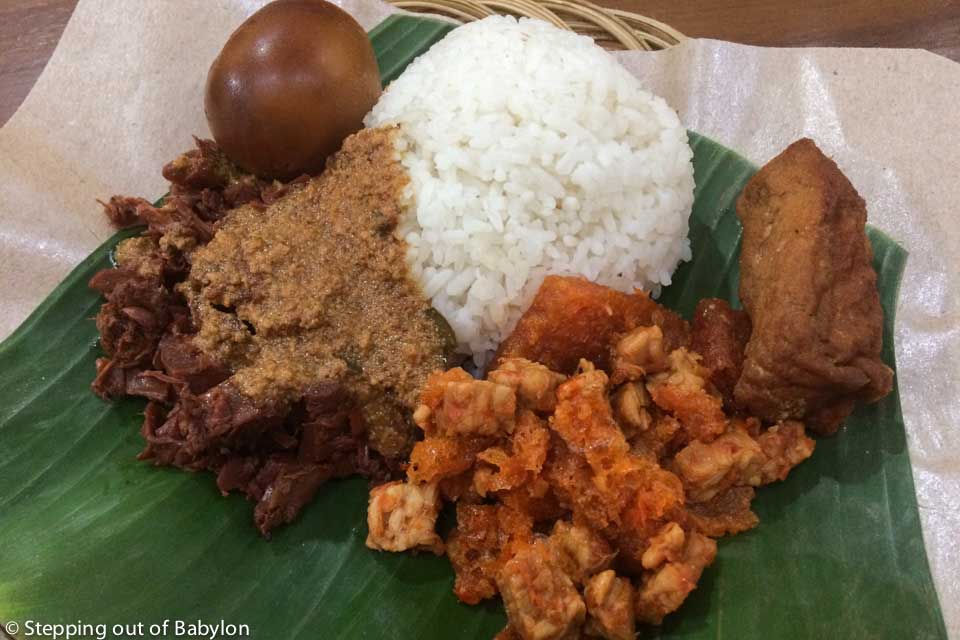
  • Gudeg Bu Hj. Rini (Gudeg Wijilan). Jl Wilijan, 7… if you visit Yogyakarta you must try the gudeg… a jackfruit curry that despite the less attractive look is delicious!!! Along with this street, you’ll find a dozen of gudeg restaurants, but this one was recommended by local people and has friendly prices and a casual environment. A gudeg dish, with rice, egg, krecek (a yellow sambal) and gori (unripe jackfruit curry with coconut milk and sugar) costs around 11.000 Rp…. this is the original version but meat can be added.

where to eat Yogyakarta...Gudeg Bu Hj. Rini
where to eat Yogyakarta… Gudeg Bu Hj. Rini… you must try this local specialty. Maybe it done’s look inviting but is delicious

[columns] [span6]

Gudeg Bu Hj. Rini
Gudeg Bu Hj. Rini

[/span6][span6]

Gudeg Bu Hj. Rini
A gudeg dish, with rice, egg, krecek (a yellow sambal), tempeh, tofu and gori (unripe jackfruit curry with coconut milk and suggar) costs around 11.000 Rp…. this is the original version but meat can be added. Gudeg Bu Hj. Rini, Yogyakarta

[/span6][/columns]

[columns] [span6]

Masakan Padang
Mirang Raya, Ruman Makan Massakan Padang (Jl Parangtritis, 117). Tasty food with many options and cheap price. Mantrijeron. Yogyakarta

[/span6][span6]

Duta Minang_Ruman Makan_Yogyakarta_IMG_3325

[/span6][/columns]


…a bit of a bite on the Yogyakarta street food

And as in any Asian country, the street-food is part of the gastronomic experience. And Indonesia offers a big choice always for a cheap price. And it’s safe! At least I have been eating street food daily for the last 6 weeks and no stomach problems!

There are street food everywhere around the center of Yogyakarta, and on a short visit is impossible to have a stomach to try everything… but in these particular places I found the tastiest options… vegetarians options:

  • Jalan Kemasan on the way to Kotagede Market (Pasar Kotagede), early mornings. Inside the market and in the shops around the market building there are also food stalls, that is good opportunity to try the Indonesian sweets that usually are not too sweet and buy some savory snacks to take-away.
  • Along Jalan Malioboro you find many food stalls with bakso (meatballs soup) and mie (noodles) options mainly concentrated on the top north of the street. There are as also food hawkers selling lotek (a mix of vegetables with peanut sauce on top… my favorite!), mainly located in the south part of the street.
  • There are also some street-food stalls along Jl Mayjen D. I. Panjaitan, with soups, nasi and gado-gado.
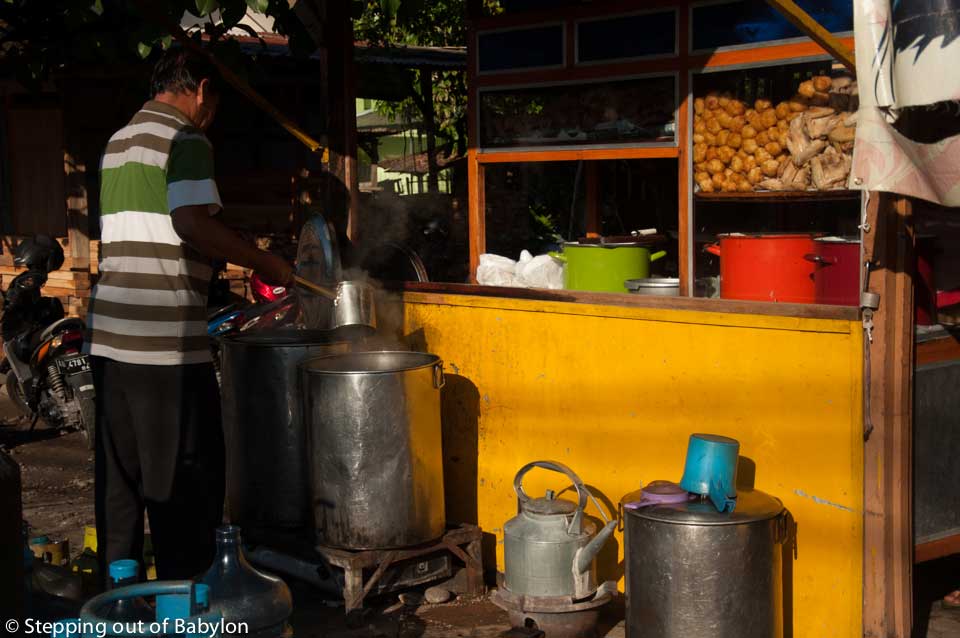
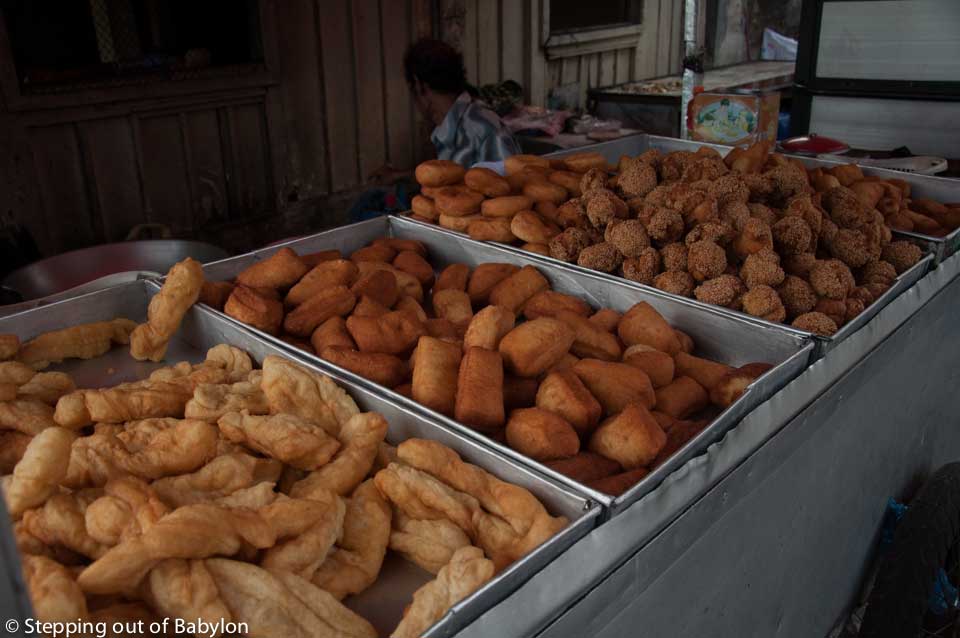
  • Deep fry stuff. Locally called gorengan, is widely available everywhere, but usually just in street-food stalls. Banana, tofu (tahu), chicken and tempeh are the most common ingredients of gorengan. At Yogyakarta is also easily available bolang baling… that are basically deep-fry dough with different shapes and slightly different taste, some of this are like doughnuts.
Lotek salad
Lotek salad


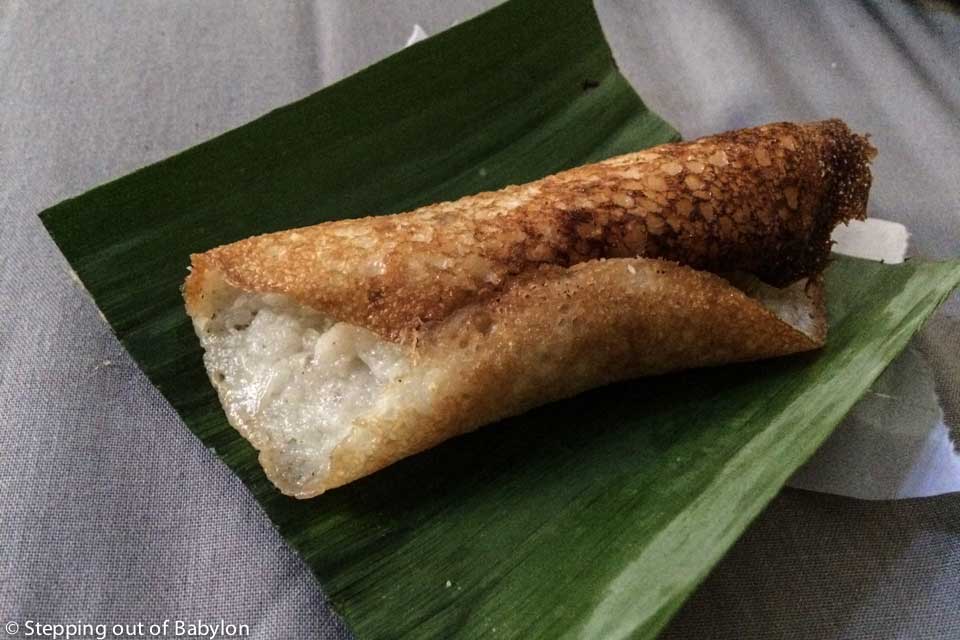
coconut pancake. Yogyakarta
Bakso Soup in one of the quiete streets of Kraton. y+Yogyakarta
Bakso Soup in one of the quiete streets of Kraton. Yogyakarta
Goregan, fry tofu, banana, tempeh... at the sttreet of Yogyakarta
Goregan, fry tofu, banana, tempeh… at the streets of Yogyakarta
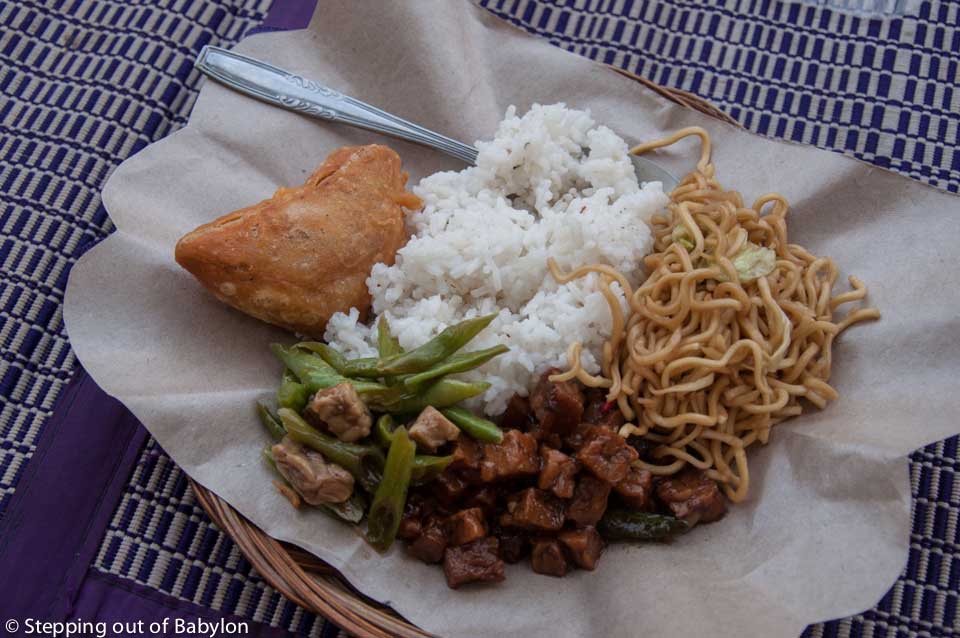
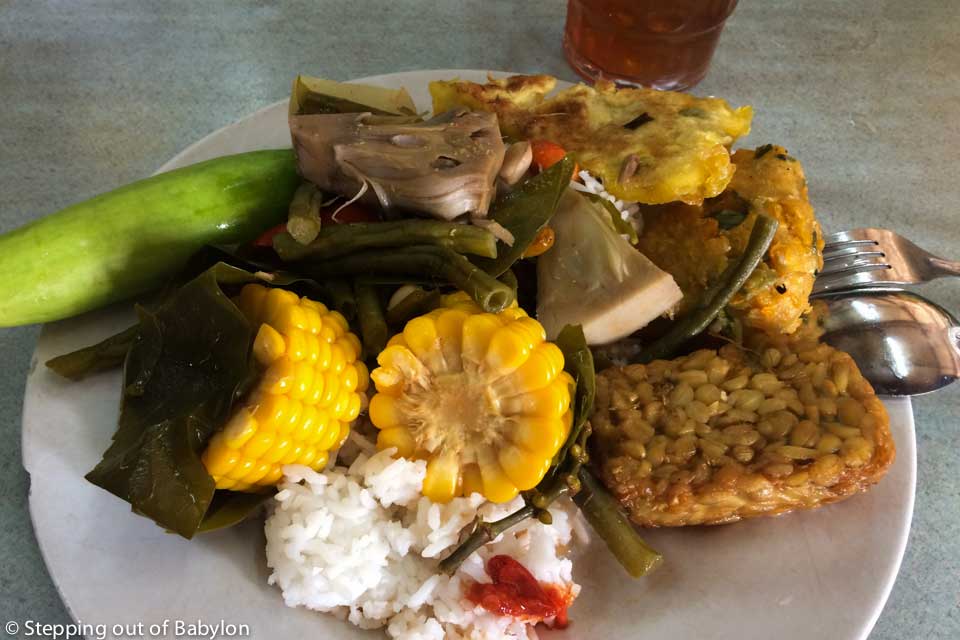
Nasi campur... a breakfast that can be eaten in the Yogyakarta streets
Nasi campur… a breakfast that can be eaten in the Yogyakarta streets

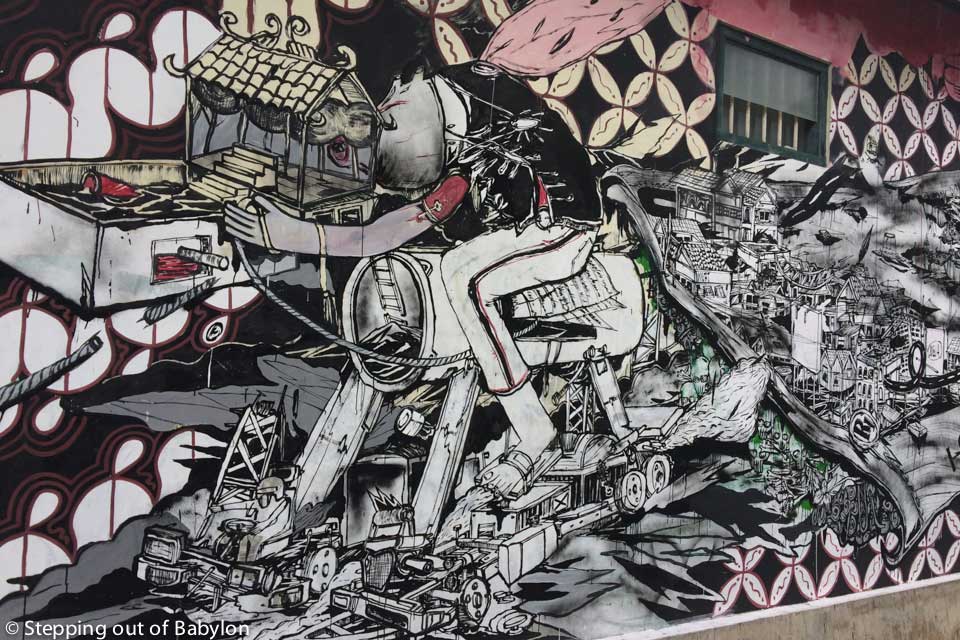
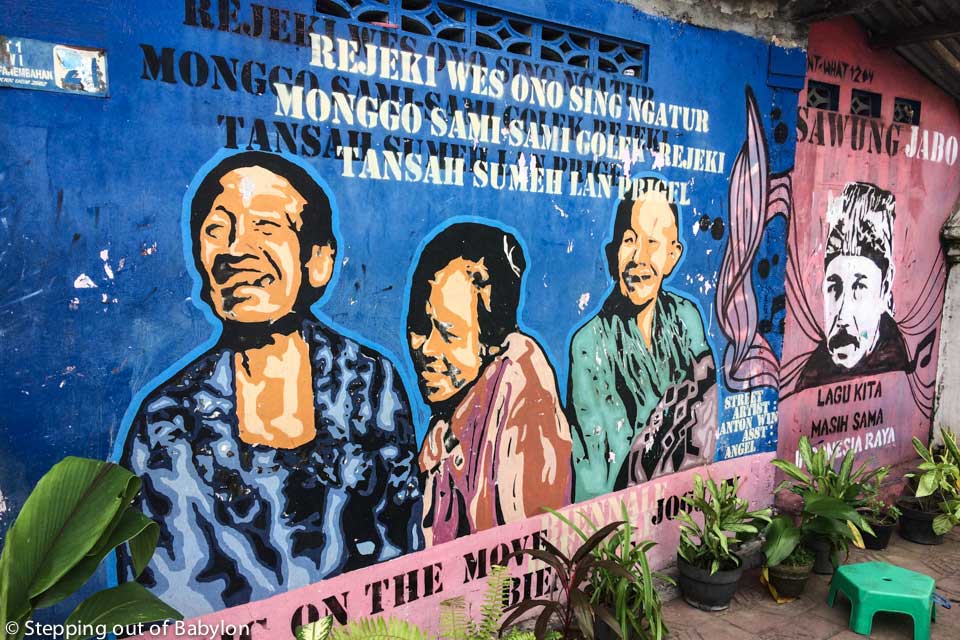
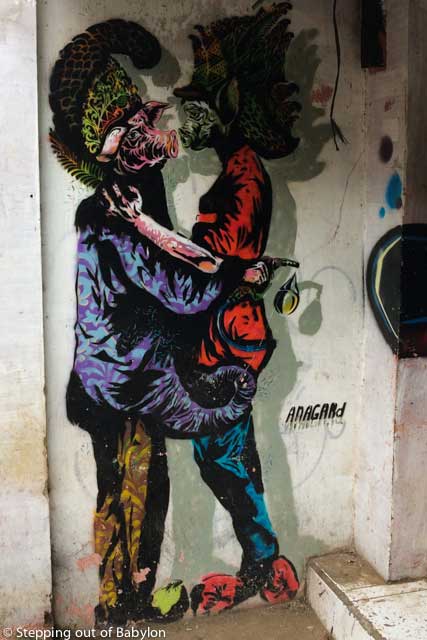
Yogyakarta street Art

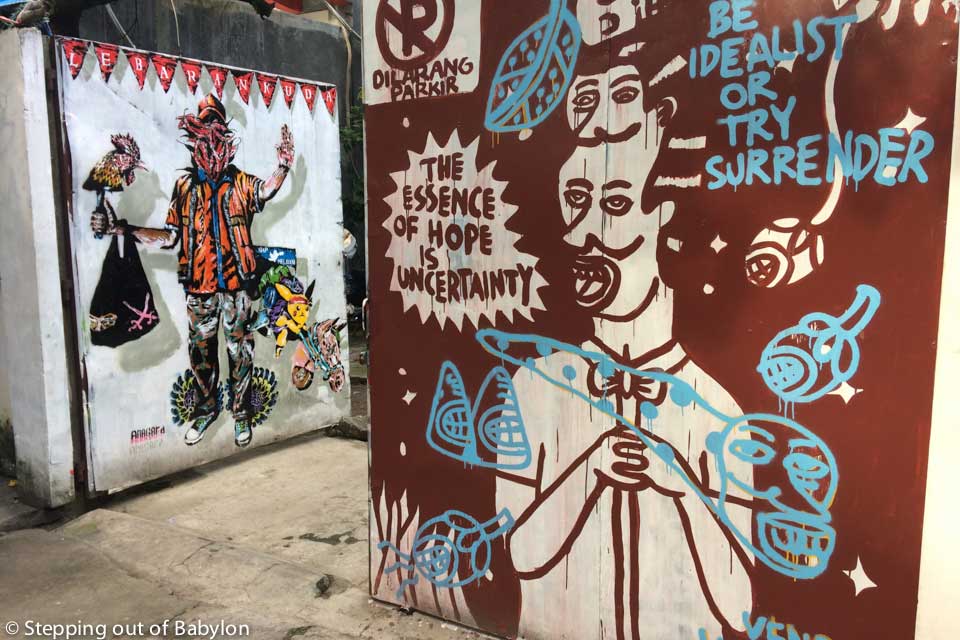
Yogyakarta stands up for it’s cultural and artistic activity that is visible in the vibrant street art that is spread a bit everywhere in the city, as also for the number of galleries, antique shops, cultural centers and art associations.

The street art in Jogja is alive and creative, filling empty spaces of the city with a colorful creativity and a sharp imagination. Just walk around and let yourself being surprised by the art that comes out from the small alleys or abandons walls!… Mantrijeron is a good place to start!


Street at at Yogyakarta

Enjoy Yogyakarta!

  • « Go to Previous Page
  • Page 1
  • Page 2
  • Page 3
  • Page 4
  • Page 5
  • Interim pages omitted …
  • Page 10
  • Go to Next Page »

Footer

search

Tags

Amed Arugam Bay Assam Bali Border Crossing Borneo Colombo Esfahan Fes Food Gilis Hiking hokkaido Istanbul Itinerary Jakarta Java Kashan Kohima Kumano Kodo Litang Lombok Meghalaya Meknes Mekong Mulay Idriss Nagaland Natural Park Northeast States Ouarzazate Sarawak Shangri-lá (Zhongdian) Shan State Shiraz Sichuan Province Sishuan Sumatra Tabriz Tehran transportation Visa Yangon Yazd Yogyakarta Yunnan Province

I’m Catarina, a wanderer from Lisbon, Portugal… or a backpack traveller with a camera!

Every word and photo here comes from my own journey — the places I’ve stayed, the meals I’ve enjoyed, and the routes I’ve taken. I travel independently and share it all without sponsors or ads, so what you read is real and unfiltered.

If you’ve found my blog helpful or inspiring, consider supporting it with a small contribution. Every donation helps me keep this project alive and free for everyone who loves exploring the world.

Thank you for helping me keep the journey going!

BUY ME A COFFEE

Categories

Recent Posts:

  • How to go from Hualien to Dulan Beach
  • Taroko Gorge: between marble cliffs and emerald rivers
  • Hualien: a dull gateway to Taroko Gorge
  • Taiwan: Itinerary for an 16 day trip
  • Vietnam: Itinerary
  • 3 months in India: Kolkata, Tamil Nadu, Karnataka, Goa and Kerala
  • Backpacking Turkey in 24 Days: itinerary & costs
  • English
  • Português

© Copyright 2026 Stepping out of Babylon · All Rights Reserved · Designed by OnVa Online · Login