• Skip to main content
  • Skip to footer

Stepping Out Of Babylon

Travel & Photography

  • About me
    • Contact
  • Destinations
    • Africa and Middle East
      • Iran
      • Lebanon
      • Morocco
      • Turkey
    • East Asia
      • China
      • Japan
      • Taiwan (ROC)
    • South Asia
      • Bangladesh
      • India
      • Nepal
      • Sri Lanka
    • Southeast Asia
      • Cambodia
      • Indonesia
      • Lao
      • Malaysia
      • Myanmar
      • Singapore
      • Thailand
      • Vietnam
  • Itineraries
  • Travel tips
    • Border crossing
    • Hiking and Natural parks
    • Food Journey
    • Visa
  • Photography

Search Results for: Nepal

Tihar Festival at Kathmandu streets

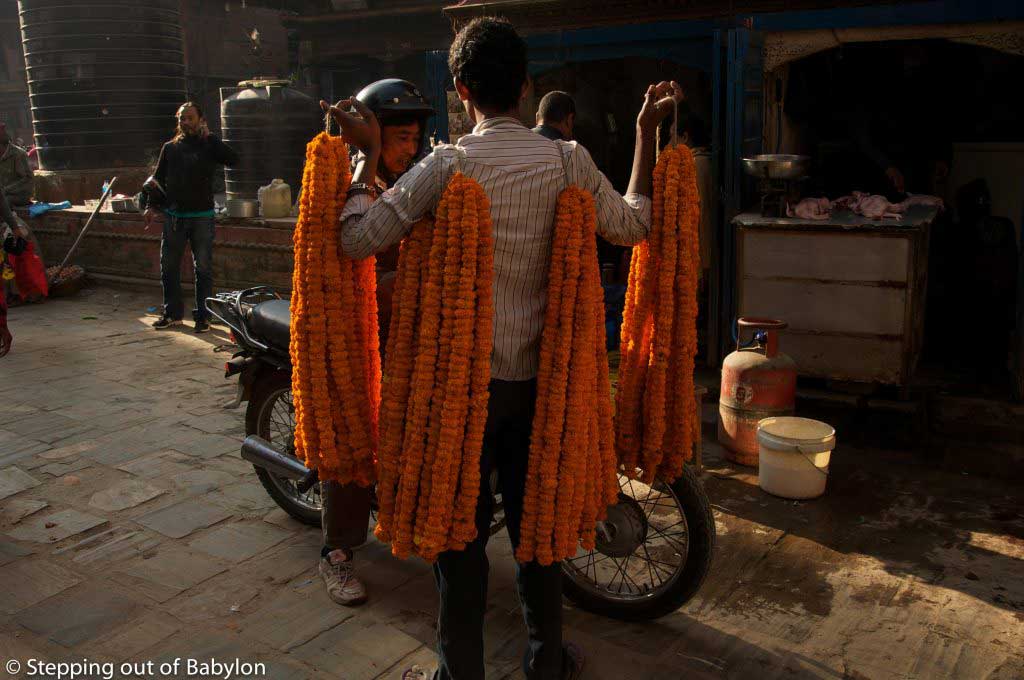
marigold garland seller during Tihar Festival. Kathmandu

Kukur Puja

During the Tihar festival, one of the most important religious festivals in Nepal, there is one day dedicated to worship dogs, “kukur” in Nepali.

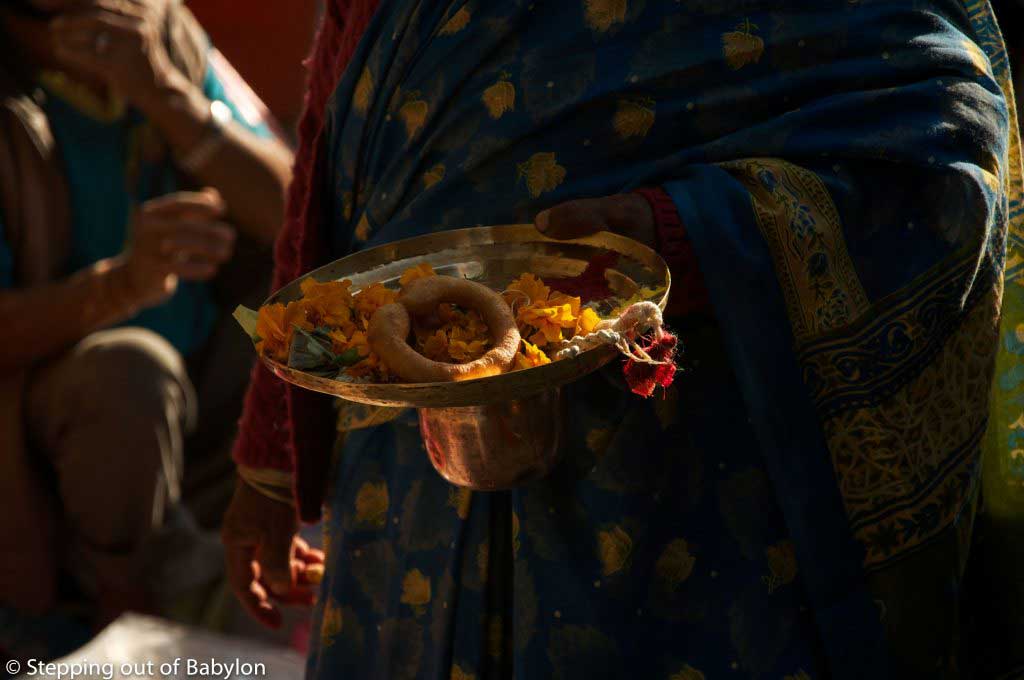
Early morning, through Kathmandu streets, people put “tikka”, red pigment on the dog’s forehead, a flower garland of marigolds on the neck, throw rice and some drops of water. Is offered food to the dogs like sweets, meat and the traditional “sel roti”, the Nepali traditional bread made from rice flour and deep fry.

Both home and stray dogs receive the puja, as is believed that this ritual brings protection to humans and strength the link between humans and dogs.

The dogs seam a bit confuse with the “tikka” and the garlands, but they easily forget the suspicion and the discomfort in front of the food treats.
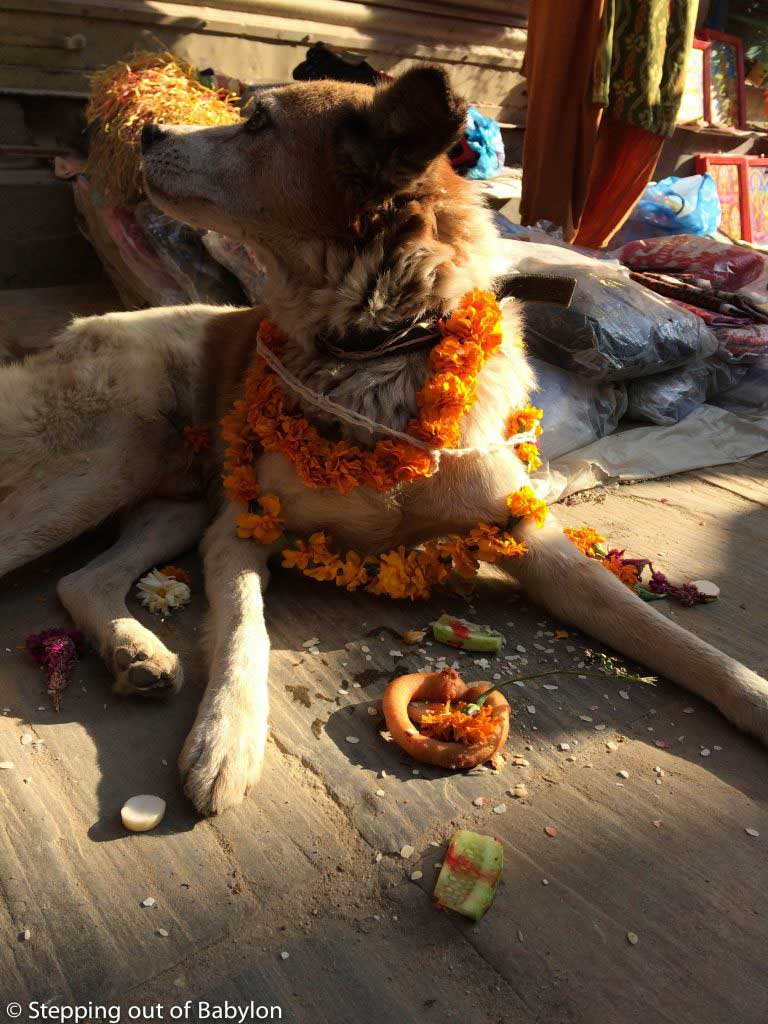
kukur puja during Tihar Festival. Kathmandu
kukur puja during Tihar Festival. KAthmandu
offerings of sweets, flowers, rice and money for kukur puja during Tihar Festival. Kathmandu
kukur puja during Tihar Festival. Kathmandu

Gai Puja

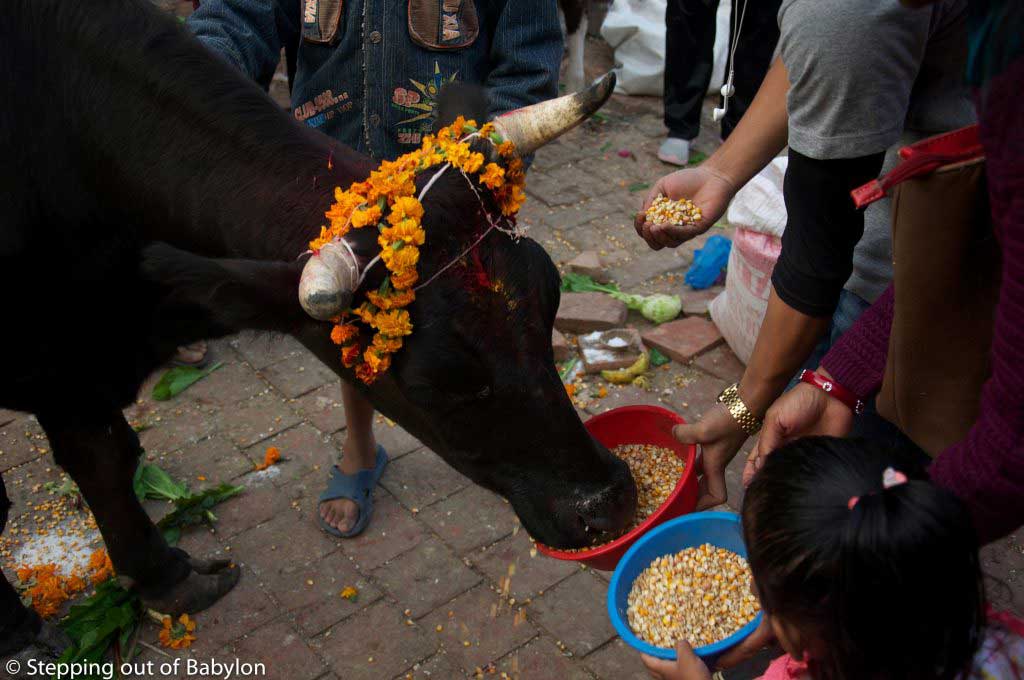
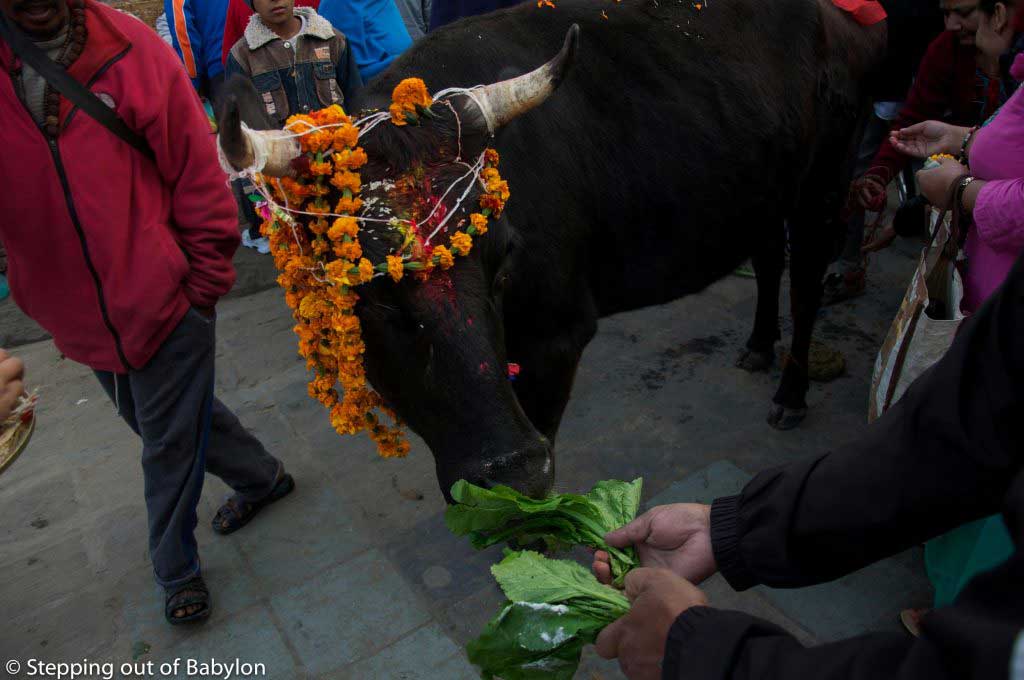
On the third day of Tihar Festival is the turn of the cows to be worship, with offerings of rice, corn, fruits, salt, wheat flour, cookies, chapattis and green veggies! At the same time that they receive food treats, people light candles and incense, drop flower petals on their head and their back, and wrap the tail’s cow with a colourful string. Sesame oil id drop in the forehead of the cow and a “tikka” is made with red pigment.

Contrary to the dogs, that in the morning are more in the mood to sleep that to have food, the cows get enthusiastic with the offerings being totally indifferent to the marigolds garland and all the “puja” rituals. Small money bills are put on the head of the cows that quickly disappears on the pocket of someone, but that doesn’t seam to disturb the ritual of Gai Tihar.
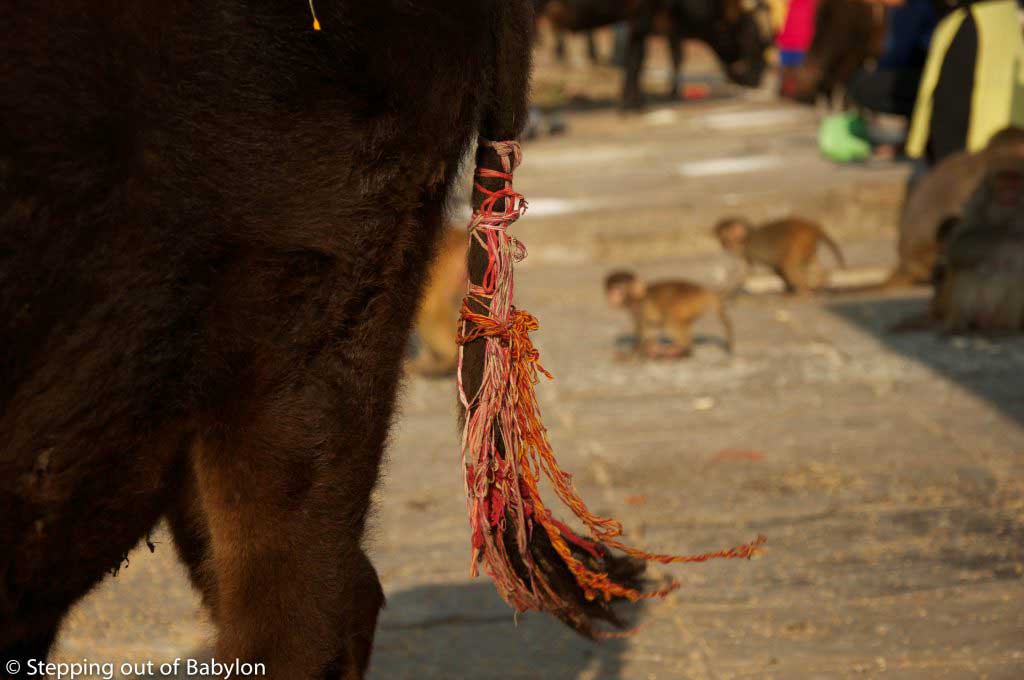
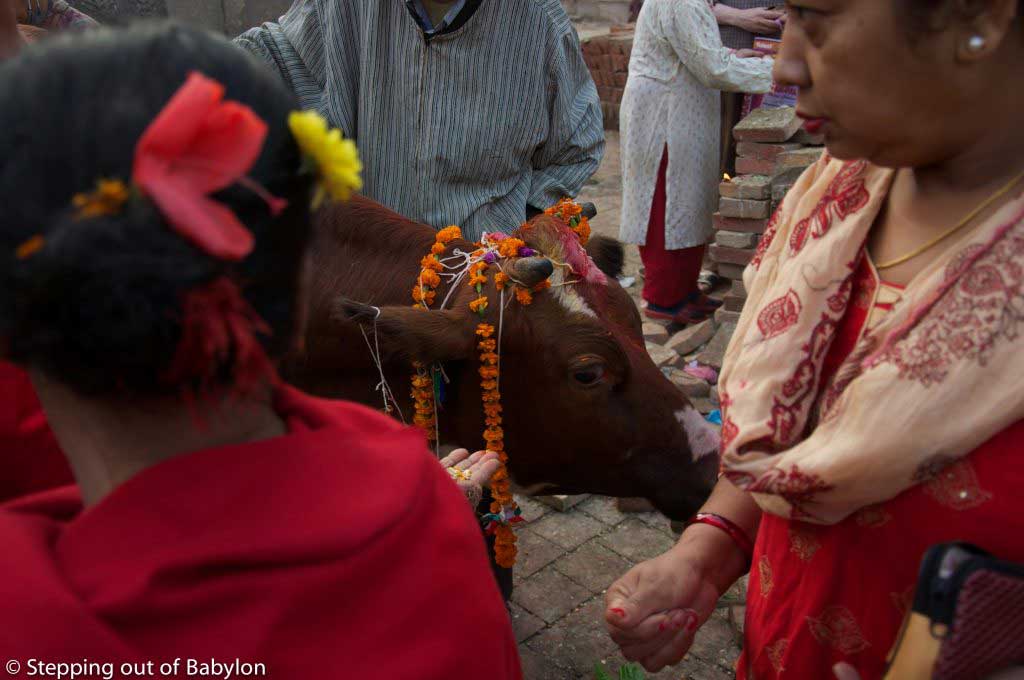
gai puja during Tihar Festival. Kathmandu
offerings for gai puja during Tihar Festival. Kathmandu
gai puja during Tihar Festival. Kathmandu

Lakshmi Puja

Tihar is celebrated mostly during the day, usually with early morning pujas, but on the evening of the third day of the festival the dark streets of Kathmandu lights up for welcoming the Goddess Lakshmi.

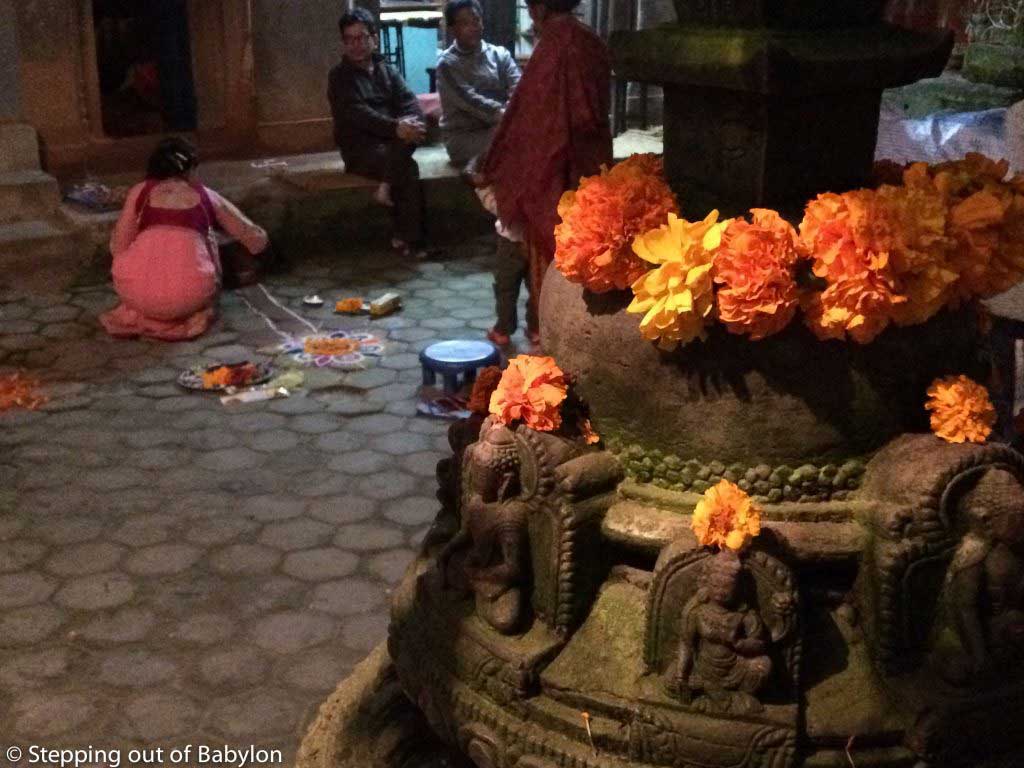
At the entrance of the houses and shops the floor is decorated with colourful designs, mostly mandalas, adorned with flowers, candles and food offerings, while garlands of marigolds are hung above the doors.

The entrance of the houses and shops are painted with a red-brown mud, creating a path that is light up with candles to invite the goddess Lakshmi to come inside.

Along the night people gathering at the streets decorated with lights, chattering, playing music and cards, while groups of children go from door to door, singing songs ask for money and sweets, firecrackers blow every now and then, the creating one of the most animated nights of Nepal.
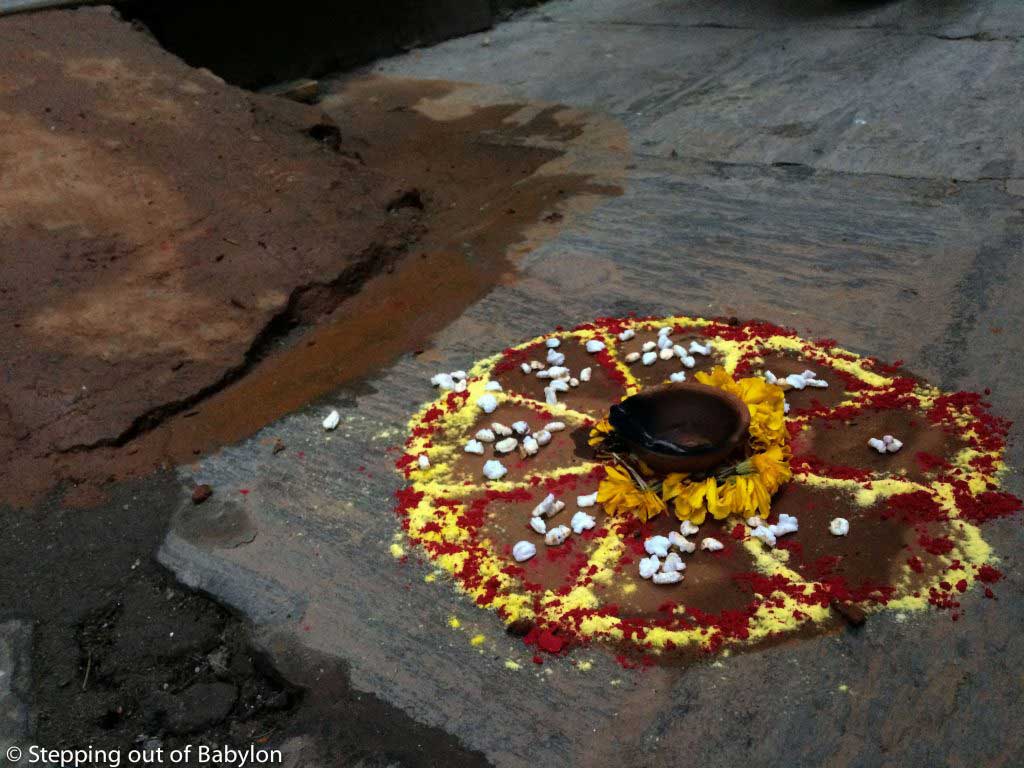
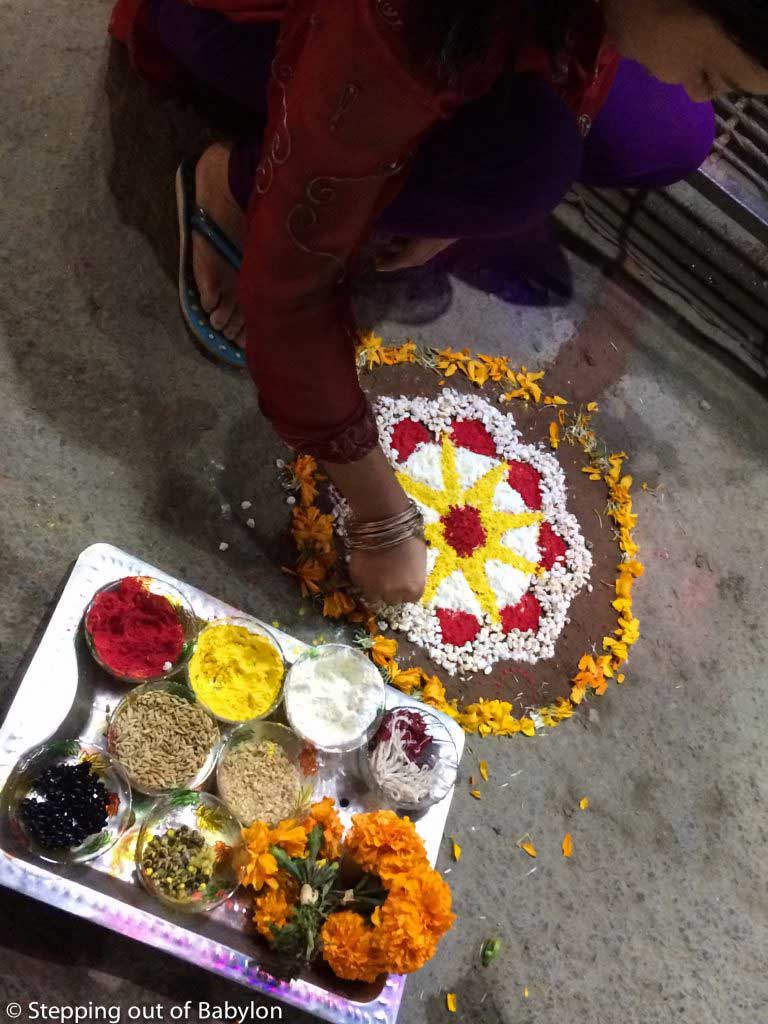
Lakshimi Puja during Tihar Festival. Kathmandu

Note: the best time to see caw puja and dog puja is early morning… so be prepared to jump out of the bed just after the sun rise. Walking along Kathmandu streets you can see a bit everywhere the Kukur Puja, but is better to look for a area with several butchers as there’s a favorite dogs place. For Gai Puja you can see some cows at Basantapur, near Durbar Square, the ground at the entrance of Pashupatinath Temple complex (near the ticket counter, but you don’t need to get the ticket). Lakshimi Puja happens in the evening of the third day of the Tihar festival and is allover the city streets.
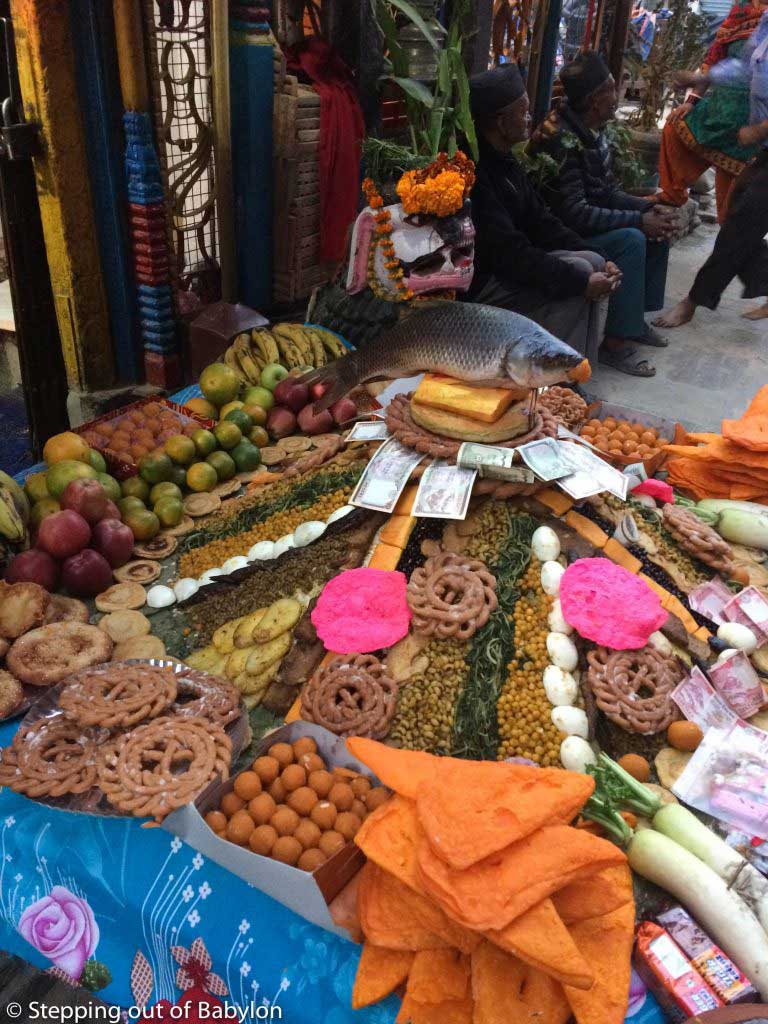
oferings of food piles in from of a small temple during Tihar Festival. Kathmandu
offerings of food piles in from of a small temple during Tihar Festival. Kathmandu


https://steppingoutofbabylon.com/wp/en/2016/11/in-search-of-the-best-dal-bhat-in-kathmandu/

https://steppingoutofbabylon.com/wp/en/2016/09/a-guide-for-snacks-and-street-food-in-kathmandu/


Namo Buddha… in search of tranquility

Sometimes the intense pace of Kathmandu city, with its constant traffic, horns, polluted and dusty air, make for a getaway in search of a healthy atmosphere and a quieter environment.

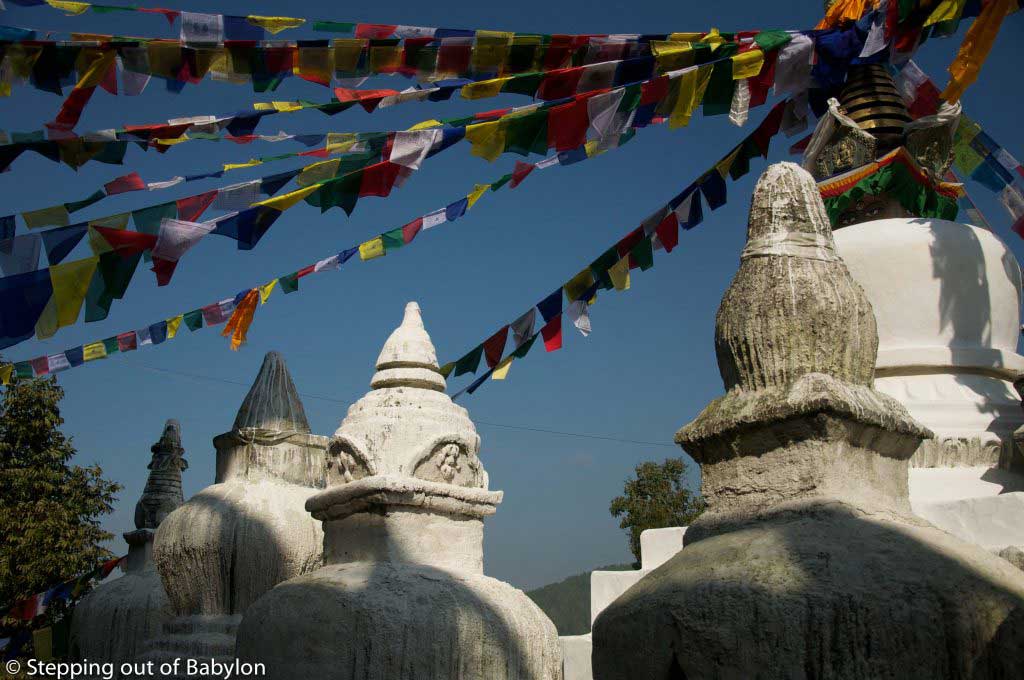
Namo Buddha Stupa
Namo Buddha Stupa

The location of Kathmandu, surrounded by mountains, offers several options for a day trip in search of nature, green landscapes, mountains, and clean air… a place where the birds chirping and singing overlap the noise caused by human beings, such as happens in the overpopulated Kathmandu. Namo Buddha is one of these discrete paradises situated a few kilometers from the capital where it dominates the Tibetan culture and religion, being one of the main places of Buddhist pilgrimage in Nepal, together with the stupas of Boudha and Swayambhunath.

Namo Buddha Stupa
Namo Buddha Stupa

Away from Namo Buddha Stupa to Thrangu Tashi Yangtse Monastery

The stupa houses the relics of a prince who, according to tradition, offered his blood and body as food to a starving tiger as an act of compassion. Apart from the religious significance, the modest stupa does not make a big impression, with the place being surrounded by small restaurants and souvenir shops.

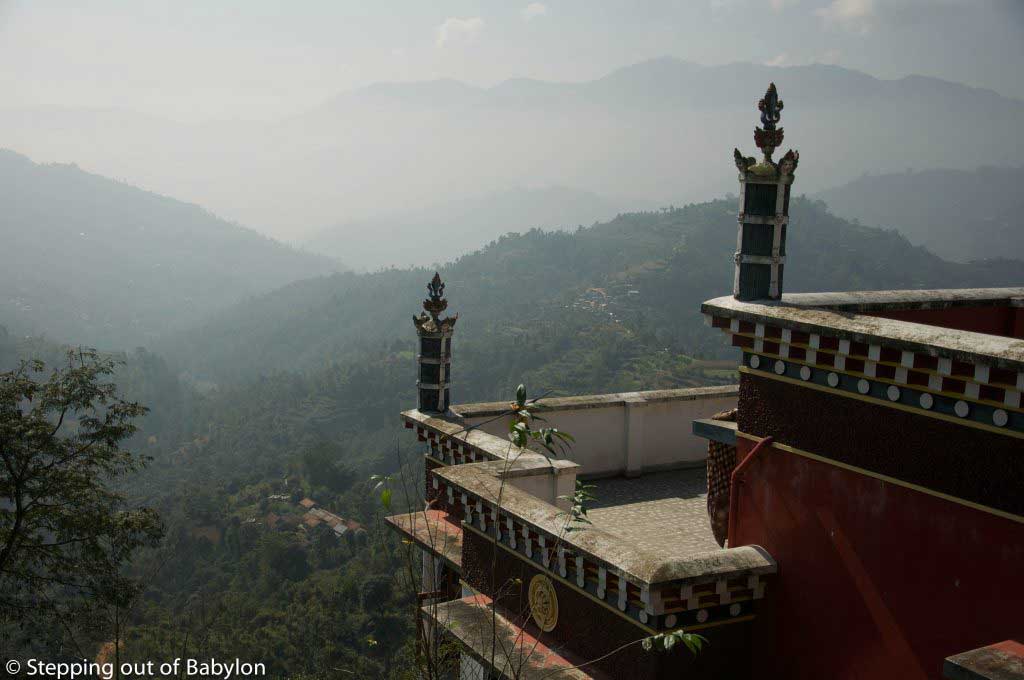
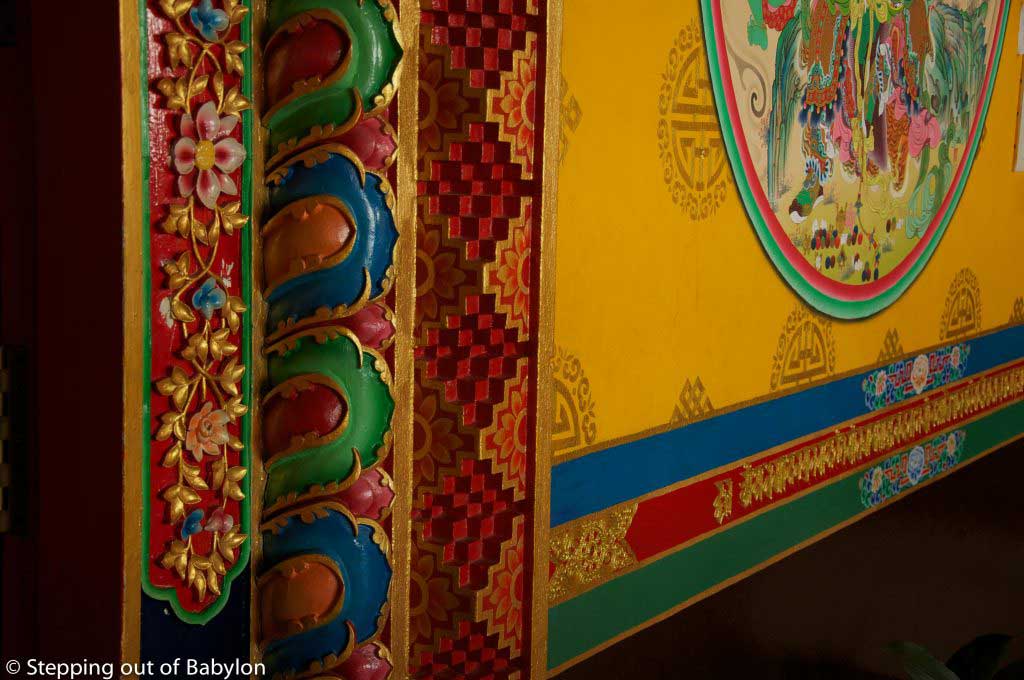
But up the hill, through a dense grove of trees along a path decorated with prayer flags, you reach the top of the hill, from where you can see the Thrangu Tashi Yangtse Monastery.The monastery is of recent construction, and its architecture does not impress, but the interior of the vast temple, with ceiling and walls decorated with delicate Buddhist paintings create a sacred ambiance.

In the various buildings that are part of the monastery are other smaller temples, with elaborate statues of Buddha and the goddess Tara.

Thrangu Tashi Yangtse Monastery

Thrangu Tashi Yangtse Monastery

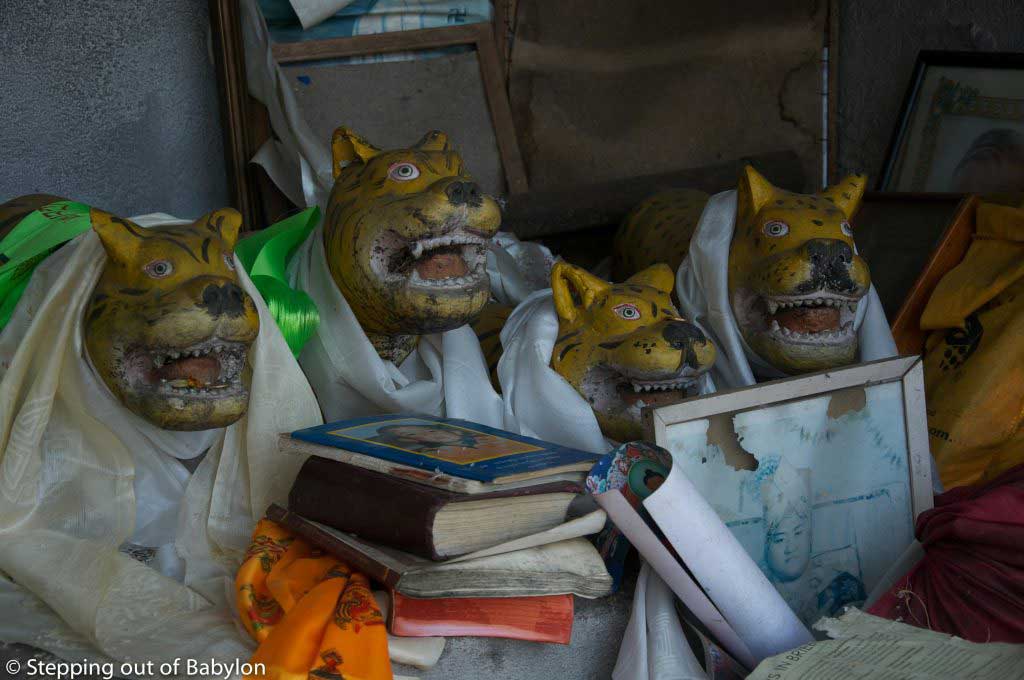
Nearby Thrangu Tashi Yangtse Monastery some temples evoking the tradition of the prince that gave is blood and is live to save a tiger

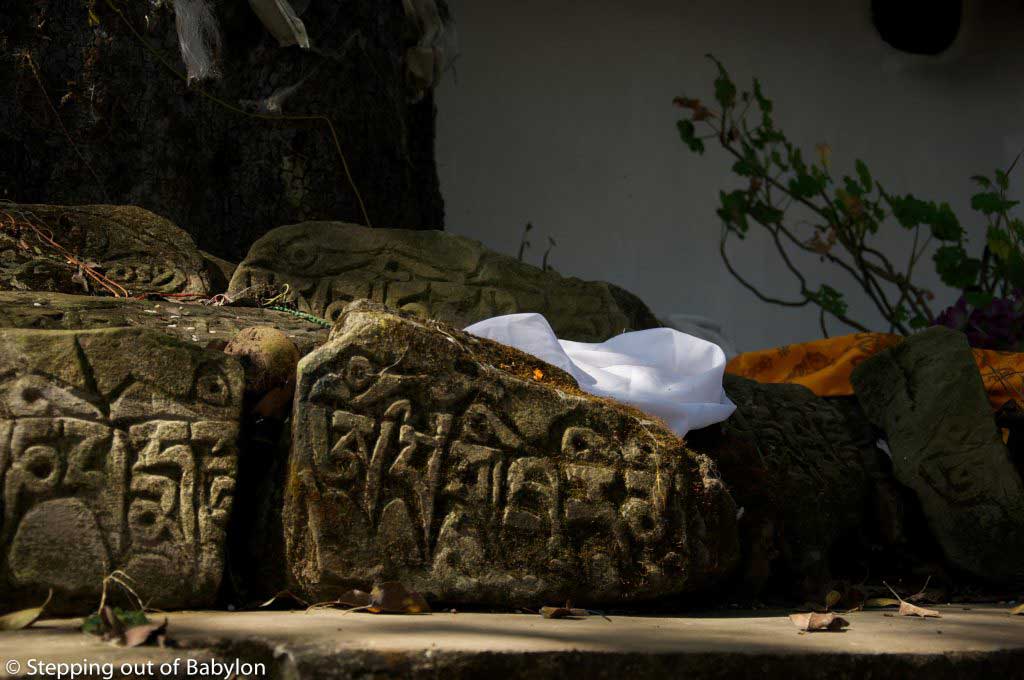
Around Thrangu Tashi Yangtse Monastery

There is an atmosphere of calm and tranquility, promoted by the sacred environment of the monastery and the intense green forest that frames the place, crowned by the snow white that covers the mountains of the Annapurna range.

Note: photos inside the temple arte not allowed

Where to sleep in Namo Buddha:

Namo Buddha is located 40 kilometers from the center of Kathmandu, about two hours away, so it can be visited in one morning. It is advisable to get out of Kathmandu early, around 7 a.m., to avoid the traffic jam.

But in the area, within walking distance, there are a few resorts.

Where to eat in Namo Buddha:

Around the stupa of Namo Buddha, there are several restaurants aimed to pilgrims, who also sell religious articles and incense but that are not inviting for more than a chai.

Along the road where the bus stops, there are three eateries that serve tea and meals, but definitively Banepa offers better options in terms of food.

Transportation to Namo Buddha:

There are no direct buses from Kathmandu to Namo Buddha.

You need to catch a bus at Ratna Park to Banepa first (depart with high frequency).

At the bus terminal of Banepa (bus park), there are buses that pass through Namo Buddha; just ask for Namo Buddha from the various buses that are parked in the bus park.

The bus stops very close to the stupa. After the stupa is about 10 to 15 minutes walk to the monastery.

  • bus Kathmandu to Banepa: 1 hour, 45 rupees
  • Benepa to Namo Buddha bus: 1 hour, 60 rupees

The bus frequency from Namo Buddha to Banepa is not high, so you may have to wait an hour for the next bus… or get a ride from a truck, but pay attention: being faster is more expensive than the bus.

The road between Kathmandu and Banepa is in good condition and the trip is reasonably comfortable, on a flat route. But from Banepa to Namo Buddha the road is steep and winding, unpaved and very deteriorated, making this last stage uncomfortable and tiring.

Pushkar: a guide to snacks and street food

A guide to snacks and street food in Pushkar for vegetarians!

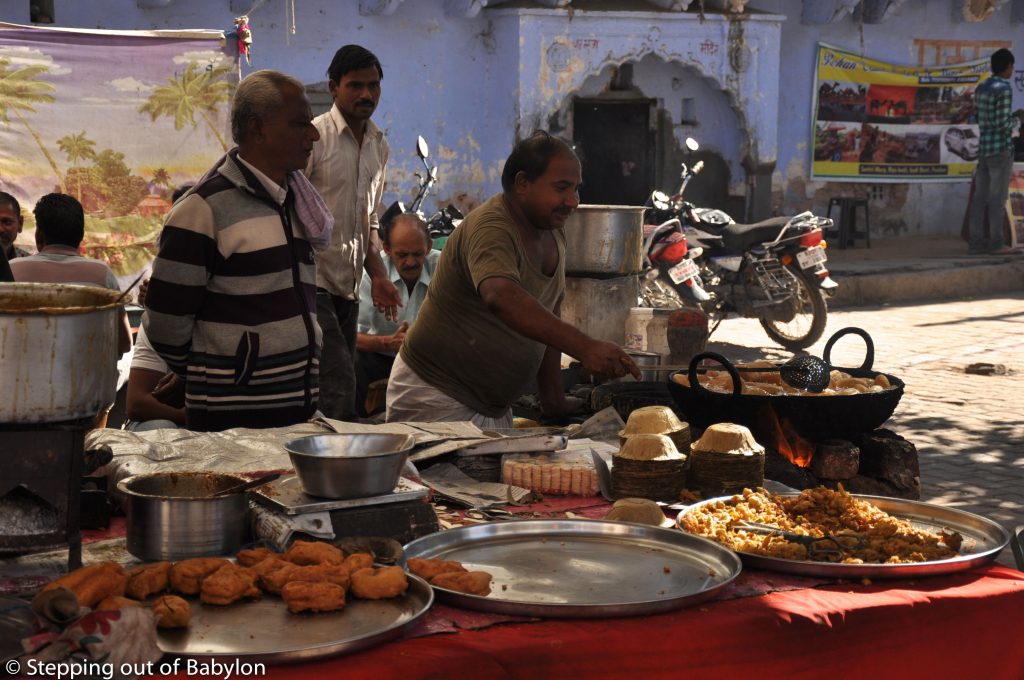
As a holy place for Hindu religion, in Pushkar the meat is banned as also eggs, so is easy to find delicious vegetarian snacks in the small local eateries as also in the many street food stalls, that at different hours of the day pop up along the Pushkar streets!

street-fooddsc_8737-copy
Street food at the Main Bazar Road, Pushkar

Kachori… crunchy and spicy

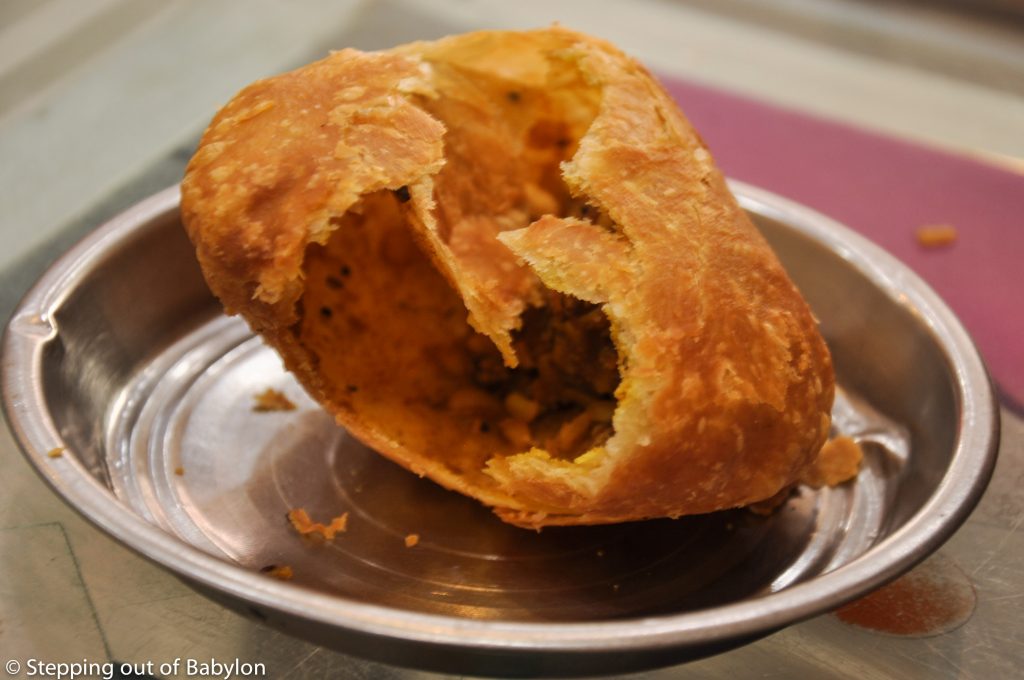
Kachori can be pointed as a gastronomic icon of Rajasthan snacks. This deep-fry dough fills with a mix of lentil (dal) and species can be found in many places in India. The filling can change a bit from place to place, but the hollow crispy dough is a must from any kachori…. yes!

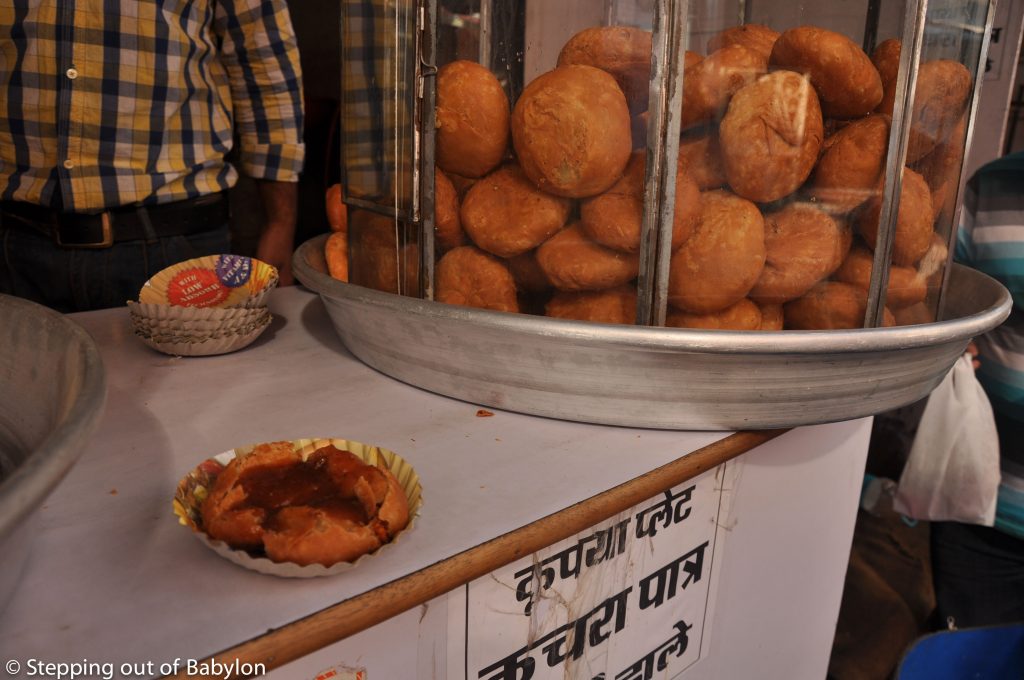
These patties have a small quantity of dal inside and get hollow when are dipped in hot oil. When served, the kachori is slightly smash and topped with a big spoon of a sweet and spicy sauce with a reddish colour.

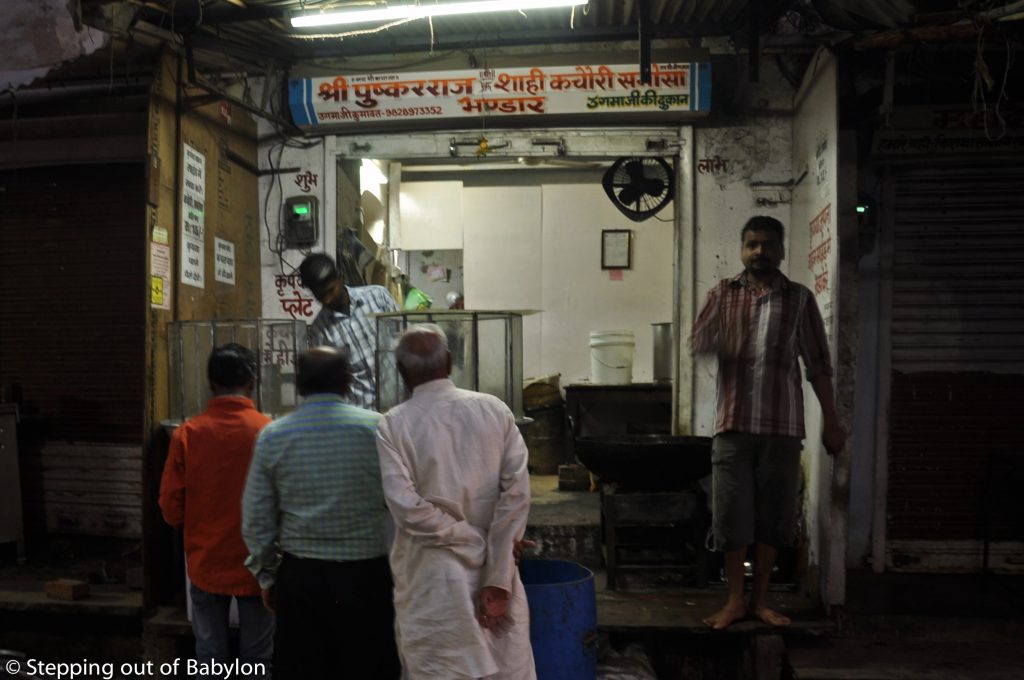
In Pushkar, the kachori can be found in many places, but my favourite one is a small eatery that only has this snacks and samosas (not so special) a couple of minutes from the square where every morning fruits and vegetables hawker gather.

Address: behind Sri Raghunatha Swamy Temple, in a corner about 2 minutes walk from the Market Square, walking in the opposite direction of the lake. Close around 5 p.m.

kachori in a plain version, without the sauce. Pushkar
kachori_dsc_8479-copy
Kachuri
kachori-stall_dsc_8960-copy
kachuri eatery the best place to try a kachuri at Pushkar

Poha… my favourite breakfast

My favorite street-food in Pushkar and also my favorite breakfast: light, spicy a delicious… without oil or much deep-fry stuff!

Poha is basically flattened rice that after gets dry looks like flakes. The poha can be cooked is different ways, as eaten in the morning as breakfast or during the day as a snack, and can be found a bit everywhere in India.

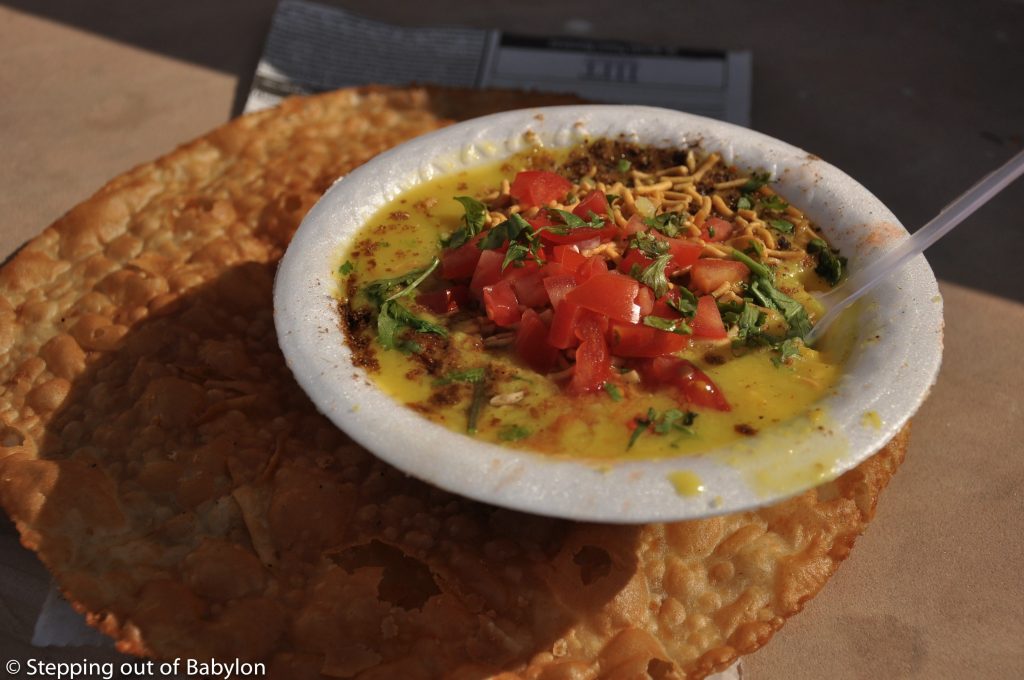
In Pushkar, a popular street stall serves poha cooked with an aromatic mix of cumin, chili, coriander seed, mustard seeds and curcuma that give the yellow color! Then, over this rice mix, is added fresh tomato, onion, cilantro and a big spoon of a creamy and delicious dal (lentil soup). The aloo bhujiya on top gives a crunchy texture to this tasty and healthy meal.

The phoa with dal is be served in a bowl, but if not the phoa can just be served over a newspaper or over a deep-fry cracker, crispy but oily. This wafer can also be cracked and used to top the poha and dal mix.

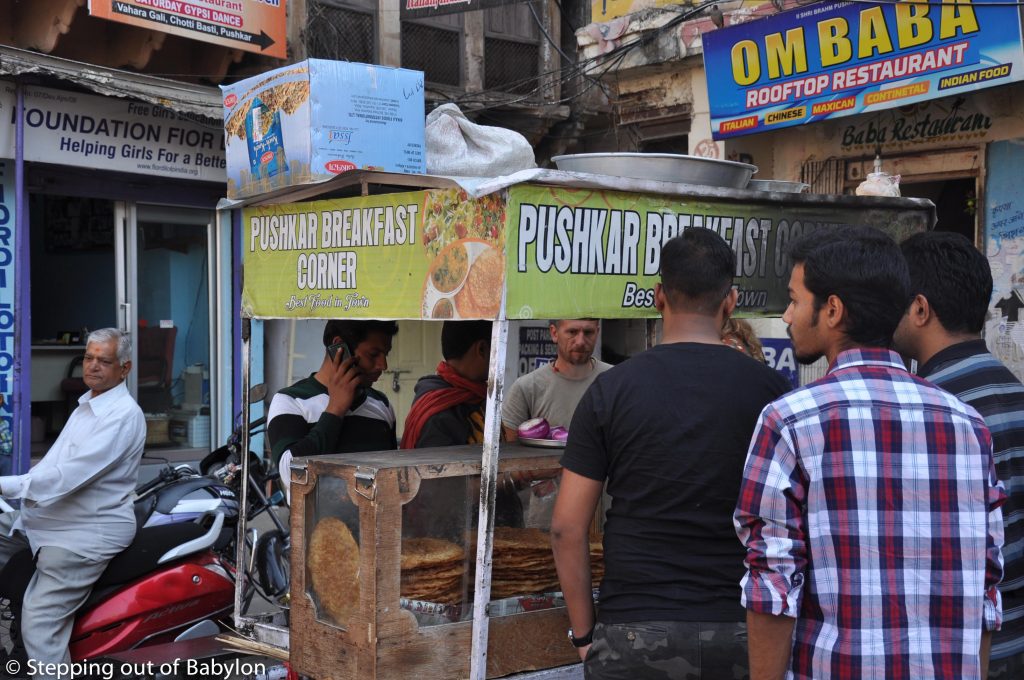
Address: “Pushkar Breakfast Corner” at main market square (a small where every morning fruit and vegetables hawker gather). Every morning until the food finish usually before 10 a.m.

poha-breakfast_dsc_9006-copy
poha… my favourit breakfast. Every morning at Market Square. Pushkar

poha-breakfast-stall_dsc_9045-copy

Paratha… best paratha ever!

… thick, rich in vegetables, spicy and not too oily… yes, the best paratha that I ever try in India!

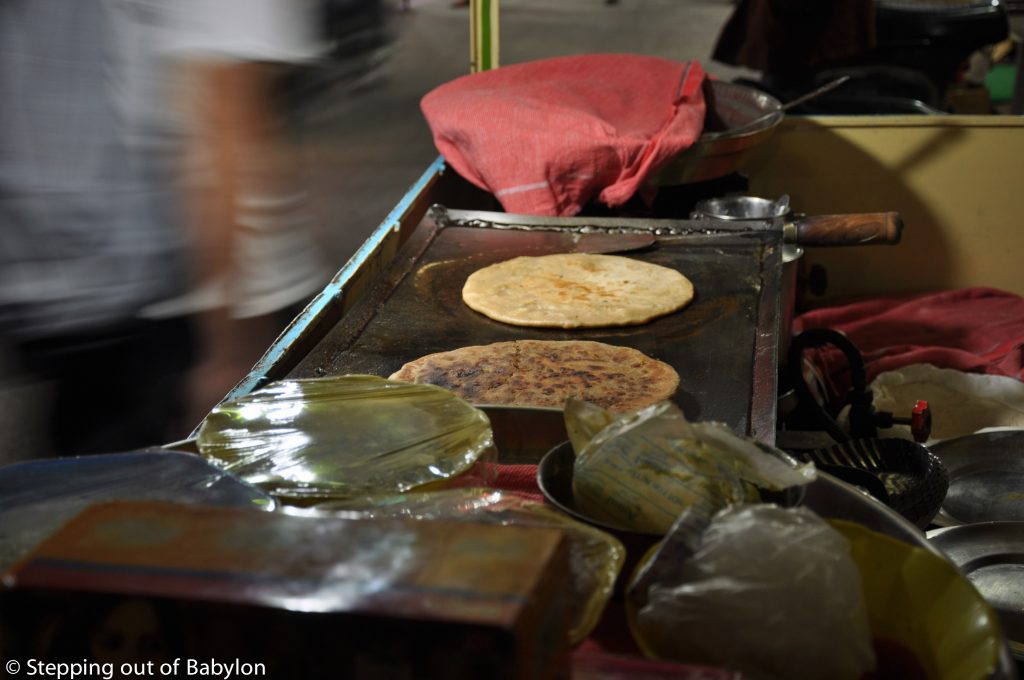
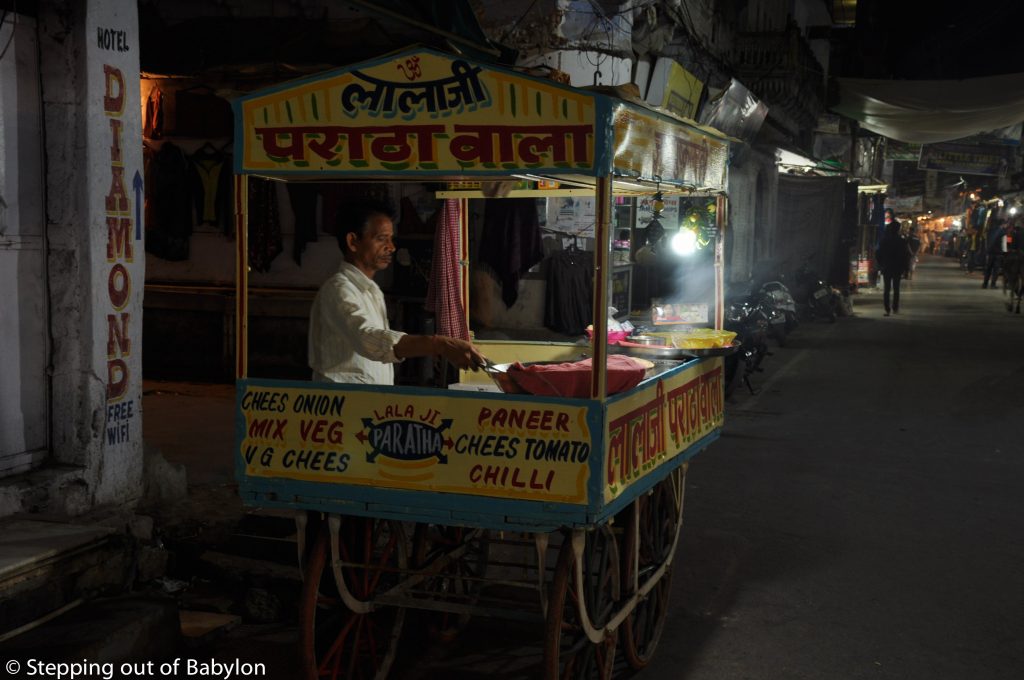
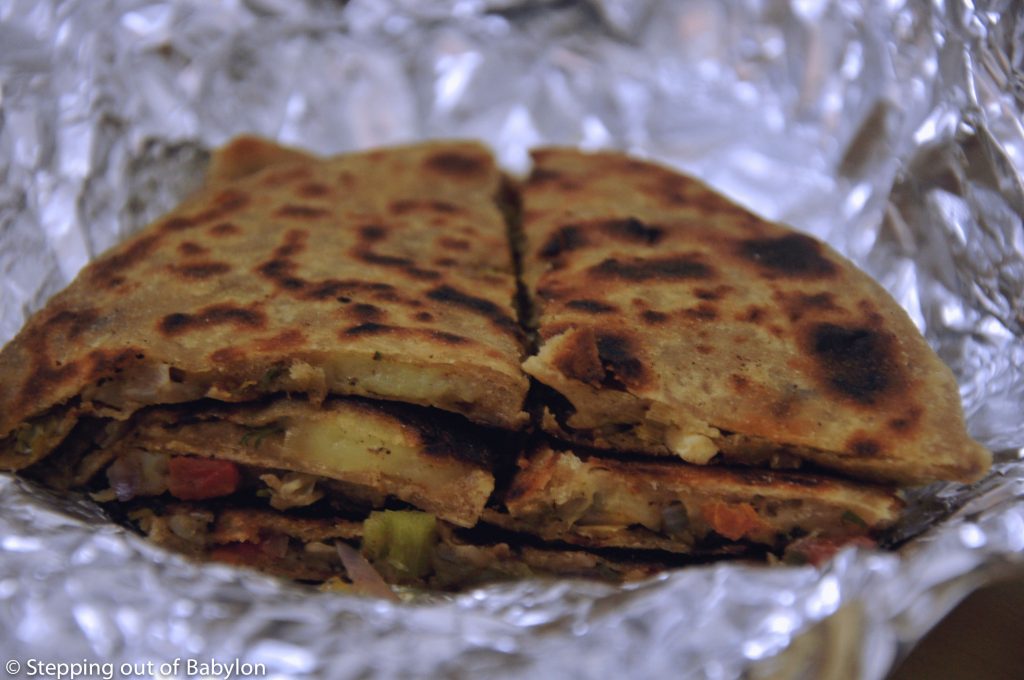
This treat can be found after 5 p.m. in the Lala Ji stall that only make parathas: from the classic aloo (potato) to cheese, onion, vegetable and paneer… but the one that wins is the cheese-vegetables! All are served with a green mint sauce and raita (a yogurt made sauce)

Everything is made at the moment so you may need to wait a bit, and you can eat just there on the street or ask for parcel.

Address: Lala Ji stays along Main Street of Pokhara (Main Market Road) not far from Nagar Palika Ghat.

paratha_street-stall_dsc_8908-copy
hfhkjklçl
paratha_street-stall_dsc_9024-copy
“Lala Ji” the best paratha in Pushkar… everyday from 5 p.m.
paratha_dsc_9044-2-copy
paratha from Lala Ji. Pushkar

Baati

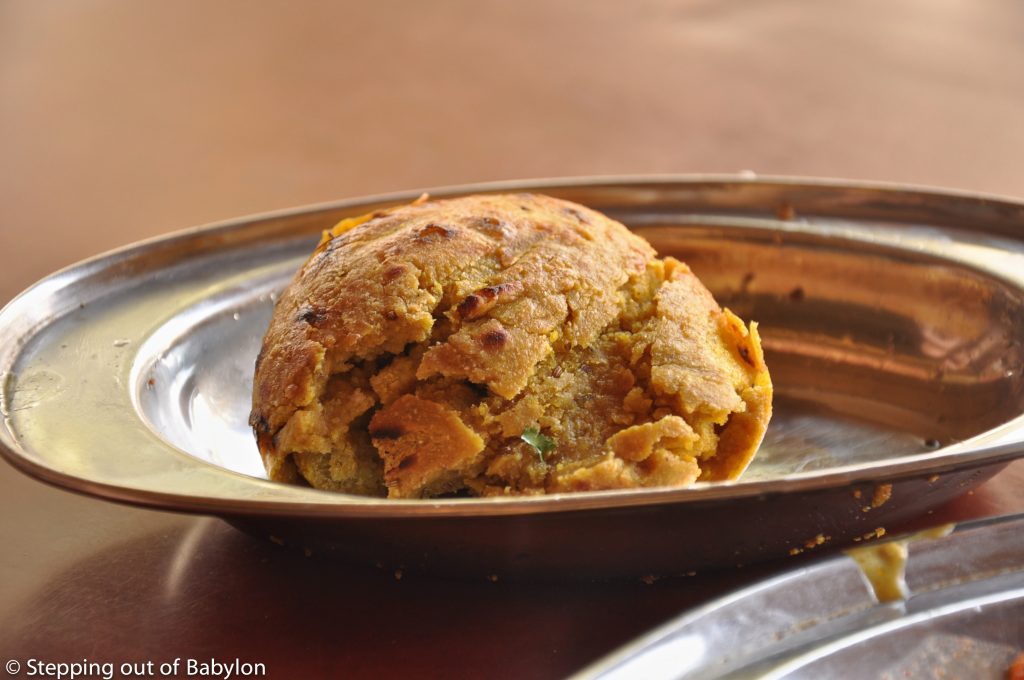
This a typical Rajasthan bread, made from whole wheat flour, semolina, chickpea flour, seasoned with cumin, turmeric, coriander seeds and cooked in wood oven. Just before being served the bread balls are put over the burning coal to get a roast look and the grill taste, and generously soaked in ghee (clarified butter).

From this mix of flour results a rustic bread, dense and with a dry texture, so the ghee put over the warm baati give a more moist and soft texture. In Rajasthan, the baati is eaten soaked in dal, the so-called dal baati, but can also be a filling snack.

"baati" at Shree Karni Maa Restaurant. Puskkar
“baati” at Shree Karni Maa Restaurant. Pushkar

Dal Baati

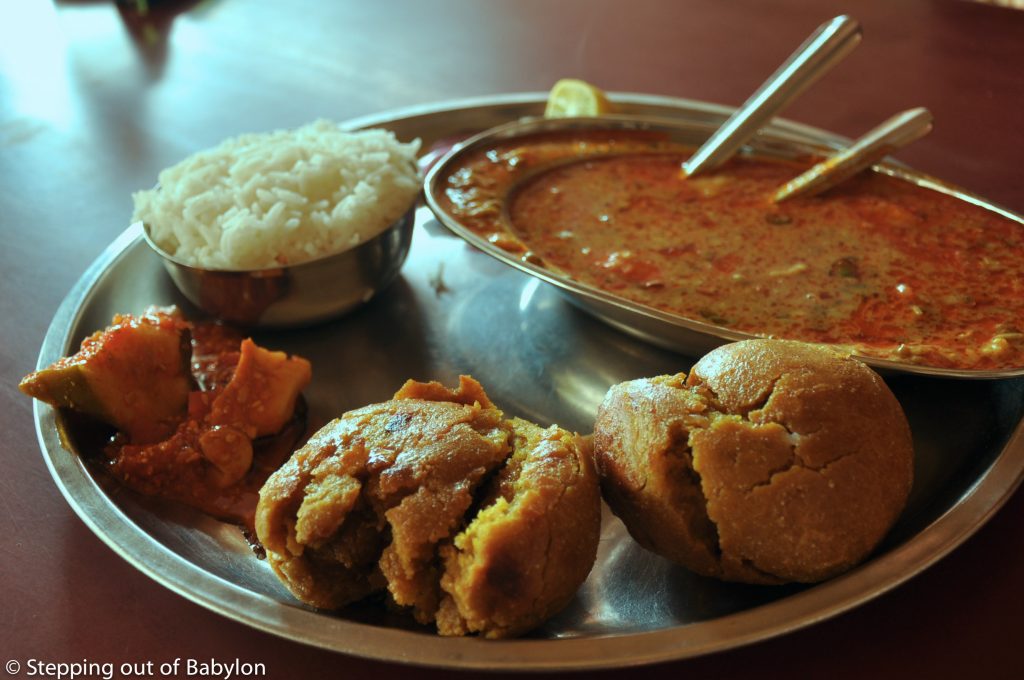
Dal Baati (or dal baati churma) is a typical Rajasthan meal: basically, a dal served with the baati, Rajasthan style bread. The dal is made with a mix of different kinds of lentil, resulting in thick gravy, where are visible tomato and onion finely chopped, aromatized by cumin, coriander, turmeric, cloves, bay leaves and ginger.

In Pushkar, at the Shree Karni Maa Restaurant, the dal baati is served with rice and some achaar (a salty and spicy pickle)… a very filling meal. The rice here is not the traditional way to serve dal baati, because in more dry areas, like in Rajasthan the rice is a rare cereal.

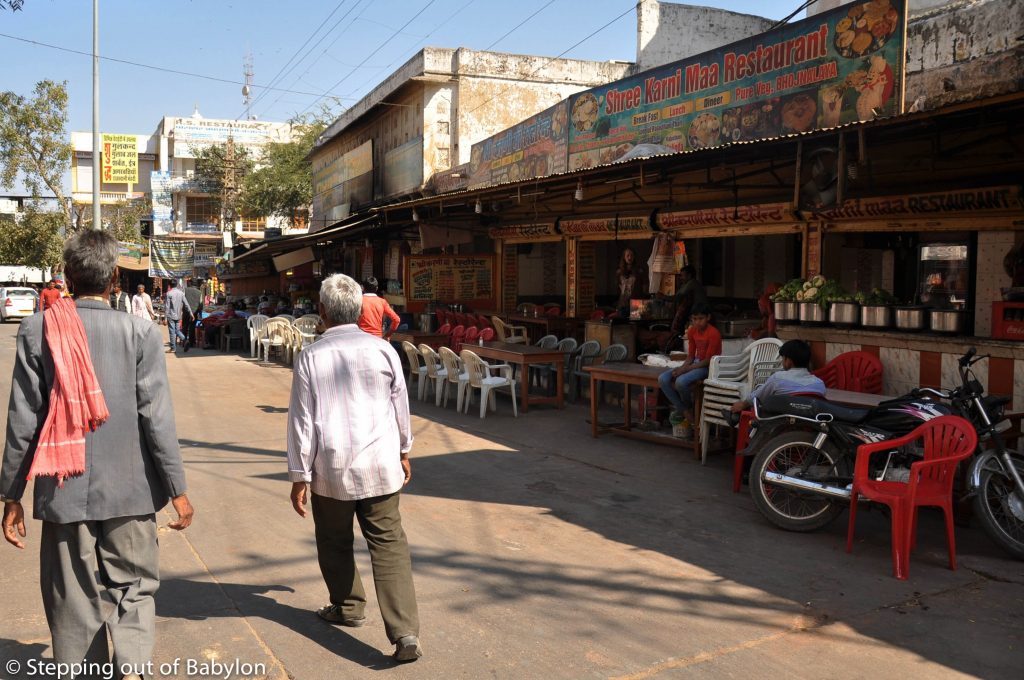
Address: Shree Karni Maa Restaurant, you need to walk a bit further from Brahma Temple, and turn left.

"dal Baati" at Shree Karni Maa Restaurant. Puskkar
“dal Baati” at Shree Karni Maa Restaurant. Pushkar

Thali… in Rajasthan style!

Thali means plate and is referred to a complete meal, that include, rice, vegetables, curries, dal, bread, changing from one region to the others, that is served in a metal plate.

To find a typical Indian food in Pushkar you need to find the local restaurants more focused on pilgrims and Indian tourists! The Shree Karni Maa Restaurant is one of my favourites that despite a big choice of food with some Rajasthan dishes have a very tasty and rich thali.

The thali comes with a tasty light curry, a thik and rich dal, sabji (mix of vegetables), curd (yogurt), achhar (a salty and super spicy pickle), papadum (crispy thin cracker) and a small bowl of rice… all the time are coming freshly cooked roti, roasted over the fire. Delicious!

Address: Shree Karni Maa Restaurant, you need to walk a bit further from Brahma Temple, and turn left. There you’ll see on both sides of the streets lots of restaurants side-by-side… the Shree Karni Maa Restaurant is on your left, and his for me one of the best thali in Pushkar… but not the cheapest! The thali costs 200 rupees, and have an unlimited refill, except the curd (yogurt).

yummy thali at Shree Karni Maa Restaurant. Puskkar
Shree Karni Maa Restaurant. Puskkar
Shree Karni Maa Restaurant. Pushkar

Lassi, sweet lassi

If you going to visit India, you must try the lassi!!! Is a drink made from yogurt, thick, fresh and nutritious… unfortunately with quite some sugar! The lassi has the origin in Punjab state, but is spread all over the north of India as also in Nepal and can also be salted and seasoned with cumin.

There as many lassi places in Pushkar… on of my favorites is at L.M.B…. is creamy, topped with pistachio and served in clay pots!

Address: Hotel L.M.B. is not a hotel in the way that id doesn’t have a place to sleep, but in same parts of India, “hotel” means a restaurant. This place has the same name as a famous one in Jaipur but I think that has nothing to do with each other, as this one in Pushkar is a bit dodgy. Near Main Gau Ghat.

lassi_dsc_8518-copy
lassi served in clay pots at L.M.B. Hotel. Pushkar

Chai

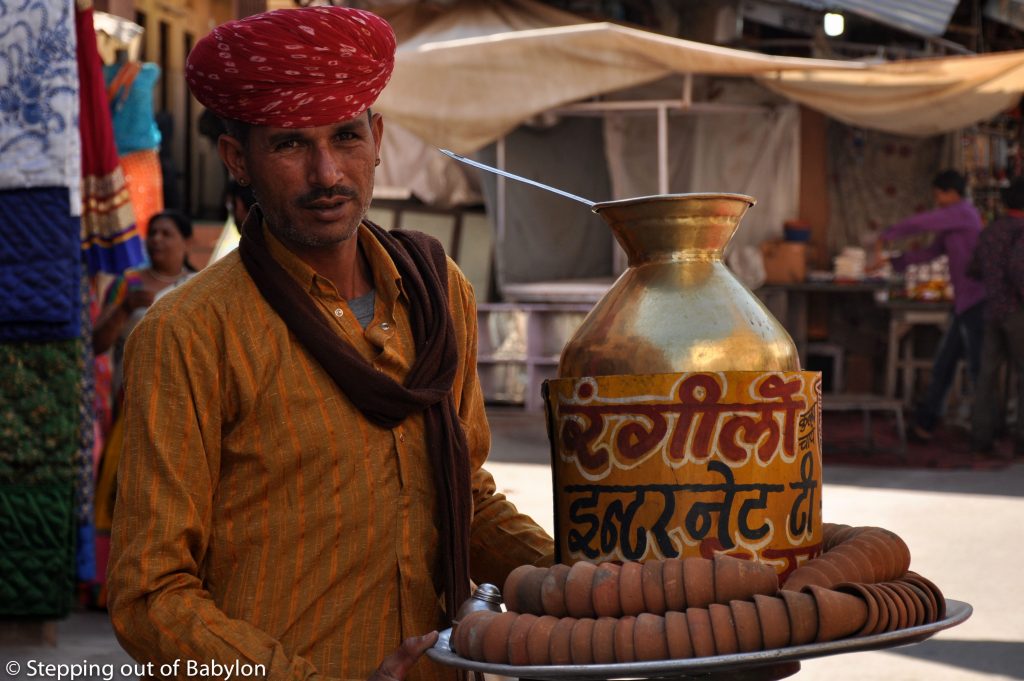
Chai, a tea mix with milk… and sugar, is everywhere in India, but in Pushkar you can find hawkers that walk along the street with their movable stalls. These stalls are something!!! In a fragile metal structure, a kind of tripod, there’s a shinny metal pan that is kept warm with burning coal, and around lays the clay pots. The chai is served in the traditional clay pots, disposed after used.

"chai" at the street of Pushkar
“chai” seller at Pushkar streets

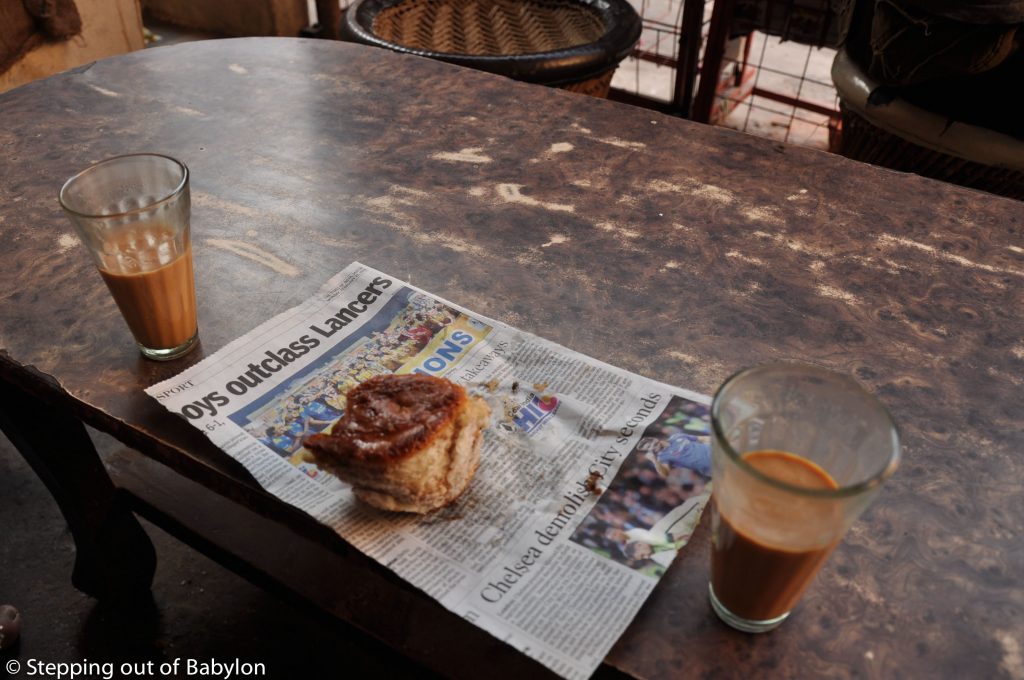
But for me, the best ones can be found just at the main square of Pushkar, in a small stall easily identify by some bamboo stools near the road where many travellers gather. The chai here is amazing! Dark, rich in spicy flavours and with a touch of ginger, this is more a masala tea than a chai, and is difficult to drink just one… just the location of the stall, near the road, is annoying due to the noise and pollution.

Address: Main Market Square, in a small stall, mix between grocery and chai shop, with some stool outside… when you pass by the owner will tell you to try the “best chai in Pushkar!”.

"chai" from the famous chai shop near Market Square.
“chai” at the famous chai shop near Market Square… according to the owner “the best chai in Psuhkar!”

Kathmandu: a guide to snacks and street-food

Snacks and street food in Kathmandu for vegetarians… a quick guide about what to eat and where to eat!

Momos

The momos (also written as mo:mo) are the most popular snack in Nepal, and can be found in small eateries or street stalls a bit everywhere along Kathmandu streets. This small dumpling is made from wheat flour, filled with meat or vegetables, is one of the most popular snacks but is also common as a meal.

In Basantapur, there are a few places selling momos, easily identify by the big aluminium pan, with several trays, that usually stay outside the place. Most of these places just serve buff momos, but there are two places that serve vegetarian ones. One is more or less in front of the palace (Durbar Square), on the same street of Kumari House, a very small restaurant with seats just on the first floor, that offer an interesting view to the square. The name is just in Nepali.

Address: Durbar Square, few buildings further from Kumari House.

momos. Kathmandu
momos. Kathmandu

An other momo eatery, in fact, my favourite momos, is a street stall just in front of Teleju Temple, that serves buff, chicken and veg momos. The Makhan Top Mo:Mo is a very popular and the single bench available will probably be full, force you to eat standing. But still is a good opportunity to appreciate the vibe of the square especially around 5 o’clock, time that looks like all Kathmandu population is on the streets!

A bowl of 10 veg momo cost 60 rupees and is also possible to ask for takeaway.

Address: street stall in front of Teleju Temple.

momos from Makhan Top Mo:Mo. Kathmandu
momos from Makhan Top Mo:Mo, near Teleju Temple. Kathmandu
momos. Kathmandu
meat momos… the half-moon shape indicates that are filled with vegetables, the ball shape ones are buff momos. Kathmandu
kathmandu_street-food_momos-stall_dsc_9360-copy
momos from Makhan Top Mo:Mo, near Teleju Temple. Kathmandu

The fry-momos, are a kind of Indian twist to the original recipe, and after steamed are deep-fry in oil, that give a crunchy feeling to the dough. They are not so popular as the steamed ones, but can be found on a back street of Basantapur (Kampukot Marg) that link to Yatkha.

fry momos. Basantapur. Kathmandu
fry momos… with the half-moon shape that means that are filled with vegetables. Basantapur. Kathmandu

Samosa

Apparently originated from Middle East, the samosa is, without a doubt, a symbol of India gastronomy, especially in term of snacks, and is spread all over the country, as also in neighbouring countries. Nepal didn’t escape to the samosa invasion and this snack is easy to find in the small restaurants along Basantapur and Durbar Square.

My favourite samosa, without a name in western characters is located a few doors further from the Kumari House, just next to the momo place mentioned before. The place is far from being charming, and “clean” is a word that you can’t apply there, but the samosas are delicious, and can be served plain or a yellow dal curry. Spicy and oily but irresistible will they are still warm.

A samosa with curry cost 20 rupees. the samosas are always vegetarian in India and Nepal, usually filled with a spicy mix of potato and beans.

Address: Durbar Square, few doors further from Kumari House

samosa
samosa at Durbar Square eatery. Kathmandu
samosa place at Basantapur
samosa eatery at Basantapur. Kathmandu

Samosa Chaat

Another popular Indian snack that is easy to find in Kathmandu is the samosa chaat, usually from lunchtime until evening. This snack is made with a samosa broken into pieces, and topped with onion, tomato, yellow peas dal, fresh coriander and curd (sweet yogurt) and seasoned with cumin powder, chili powder and Himalayan salt… and a few drops of lime.

But this is the recipe of the small and unnoticed place, the Jay Durga Chaat & Egg-Roll House, located in a back street (Dafter Marg) nearby the so-called Freak Street (Jhochhen Road), 5 minutes from Basantapur.

A samosa chaat cost 90 rupees, but can be found cheaper in hawkers near Teleju Temple at dusk.

Address: Dafter Marg, near  Freak Street, Basantapur

kathmandu_street-food_samosa-chaat_dsc_9246-copy
samosa chaat. Kathmandu
samosa chaat place
samosa chaat eatery near Basantapur

Dahi Puri

The puris (small crunchy shell made from a very thin deep-fry dough) can be found a bit all over the city, usually hawkers specialized on this snack that show up at Kathmandu streets at the end of the afternoon. But these street stalls only have the pani puri, a spicier but less interesting version of the puris.

But my favourites are the dahi puri! It has the same base: puris stuffed with a potato and chickpeas mix but drizzled with yogurt (dahi), coriander and tamarind sauce, and seasoned with cumin and chilli powder. The result is a sweet and spicy mix, very yummy!

As the hawkers in Kathmandu only have pani puris, to find the dahi puri the best option is to walk a bit way from Basantapur, to Khechapukhu Sadak, somewhere between Sundhara e New Road, and look for a small stall in the center od the square, with the sign Khichapokhari Youth Club… usually surrounded by people that stop here for the snacks:

The puris are served in a plate with 6, and each one must be eaten in one bit… otherwise the juice will fill up your hand.

Address: Khechapukhu Sadak somewhere between Sundhara and New Road.

kathmandu_street-food_dhai-puri_img_0254
“dahi puri” from Khichapokhari Youth Club. Kathmandu
kathmandu_street-food-stall_dsc_9646-copy
Khichapokhari Youth Club a popular place for snacks like puris and momos. Kathmandu

Sekuwa

Although being easy to find vegetarian food in Nepal, the meat is quite popular and the sekuwa even more, as it can be eaten as a snack or as a meal, in the many eateries that grill the meat just outside the shop, feeling the air with smoke and the smell of the meat.

Could be made from different kinds of meat, seasoned with a red sauce, and cut in small pieces stick in bamboo and grilled in a wood fire. The sekuwa is usually eaten with puff rice.

Address: a bit everywhere around Basantapur

kathmandu_street-food_sekuwa_dsc_9401-copy
sekuwa. Durbar Square. Kathmandu
kathmandu_street-food_sekuwa_dsc_9395-copy
sekuwa. Durbar Square. Kathmandu

Lassi

A drink made from yogurt, sweetened and chill with ice, that despite it Indian origin is quite popular in Kathmandu.

The Janakpur Dahi Lassi Bhandhar is probably the most popular place and it only sells lassi: big or small, with a topping of raisins, pistachio and caju. As there is no place to seat, people gather in front of the shop, but the pollution and the beeps of the traffic.

Small lassi: 30 rupees and big lassi 60 rupees.

Address: at Chandraman Singh Marg, nearby Indra Chowk.

Lassi from Janakpur Dahi Lassi Bhandhar. Kathamndu
“lassi” from Janakpur Dahi Lassi Bhandhar. Kathamndu
Janakpur Dahi Lassi Bhandhar
Janakpur Dahi Lassi Bhandhar. Kathmandu

Curd (Juju Dhau)

The curd is a rich and thick yogurt, usually with sugar that traditional was made in clay pot. Nowadays is possible to find curd in may places along the city, but the traditional one from Newari region, called Juju Dhau (king yogurt), made in a clay pots are not so common.

One of my favourite places is the Bhaktapur King Curd Shop at the end of Freak Street (Jhochhen Road), just near a junction of five streets. Here is possible to find the original King Curd from Bhaktapur, made from buffalo milk in clay pots or clay plates, sold in different sizes.

Address: at the end of Freak Street (Jhochhen Road) near the cross road of Jor Ganesh Galli with Nabahi Marg

kathmandu_street-food_king-curd_dsc_9544-copy
“king curd” in a clay pot from Bhaktapur King Curd Shop. Kathmandu
Bhaktapur King Curd Shop. Kathmandu

Not far from Durbar Square, in the Guna Kamdev Marg, that leaves the square on the way to the south, there is also a very small place that sells good curd, also in clay pots.

Sel Roti

These deep-fry rings, made from rice flour, are a very popular Nepali breakfast; are made and sold usually during the morning in small shops along the old part of Kathmandu.

They are a bit sweet and get crispy just after being made, which make them irresistible, but heavy for delicate stomachs.

Address: a bit everywhere around Basantapur, as for example at the bakeries along Guna Kamdev Marga

Sel Roti. Nepali breakfast. Kathmandu

Khajuri

These are my favourite Nepali sweet… they don’t have much sugar, and despite being cooked in oil are not very that oily.

The Khajuri are made from wheat flour, sugar and ghee (clarified butter) and can be found in all bakeries during all the time, as they can last for quite a long time without loosing the crispy texture.

Address: at the bakeries along Guna Kamdev Marga, a few meters from Basantapur

Kajuri. newari sweet. Kathmandu

Laakhamari

The Laakhamari is a special bread made usually during the religious festivals, and is easily identify by is complex shape made looking like a complex and artistic knot. Made from a mix of flours, sugar and butter and deep-fry in oil.

After is usually covered with a layer of glazed sugar

Address: at the bakeries along Guna Kamdev Marga, a few meters from Basantapur and many other bakeries in Kathmandu.

kathmandu_street-food_sweets_laakhamari_dsc_9257-copy
Laakhamari
kathmandu_street-food_sweets_laakhamari_dsc_9259-copy
“laakhamari” prepared on Kathmandu street during one of the Nepali religious festivals

Nepali doughnuts (donuts)

Almost so popular as the sel roti, the Nepali version of doughnuts is everywhere, from bakeries to small eateries. This deep-fry dough with the shape of a ring can be eaten plain or stuffed with cream.

Nepali doughnuts. Kathmandu
Nepali doughnuts being fried at front os a small bakery. Kathmandu

Roasted peas

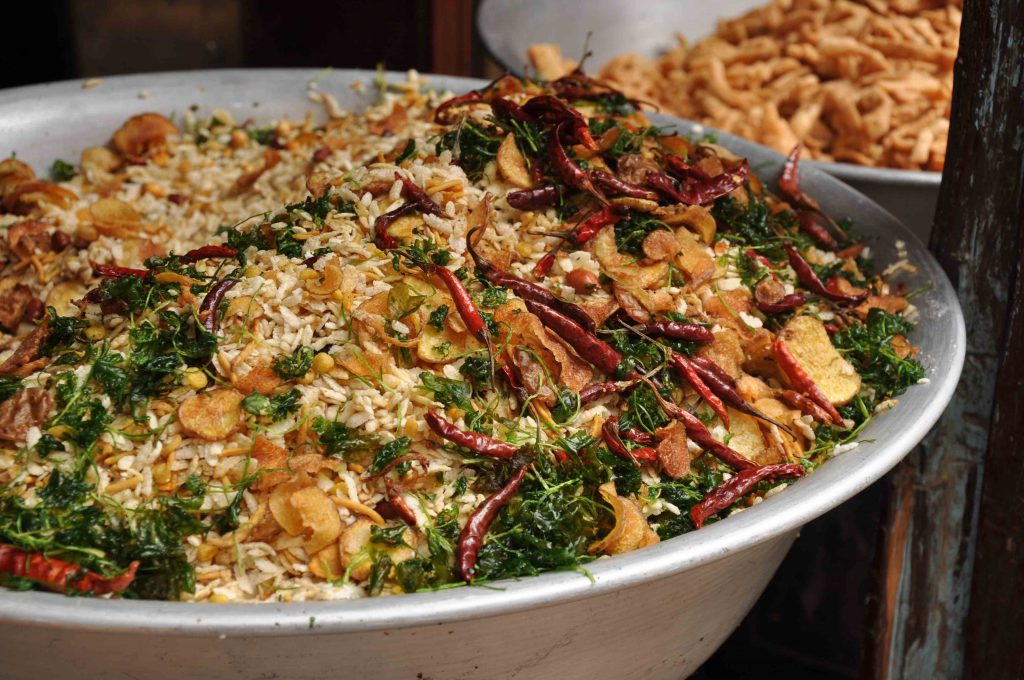
Peas, beans, corn, chickpeas… all roasted and seasoned in a different way, usually with a salty and hot mix of species.

These snacks are always sold by hawkers and can be found a bit everywhere along Kathmandu streets.

spicy roasted peas. Kathmandu

Others snacks….

Walking along Kathmandu streets I’m still surprised with something new in terms of food, prepared in the street or made in small eateries, sometimes so small that most of the things are cooked on the streets… sometimes is not easy to get the name or the ingredients… but here there a few more snacks!!!

breakfast fry doug. Kathmandu
Savory snacks. Kathmandu
puff pastry filled with meat or vegetables. Basantapur, Durbar Square. Kathmandu
potato deep-fry snack, popular in the afternoon. Kathmandu

Enjoy!

The “paan” chewers

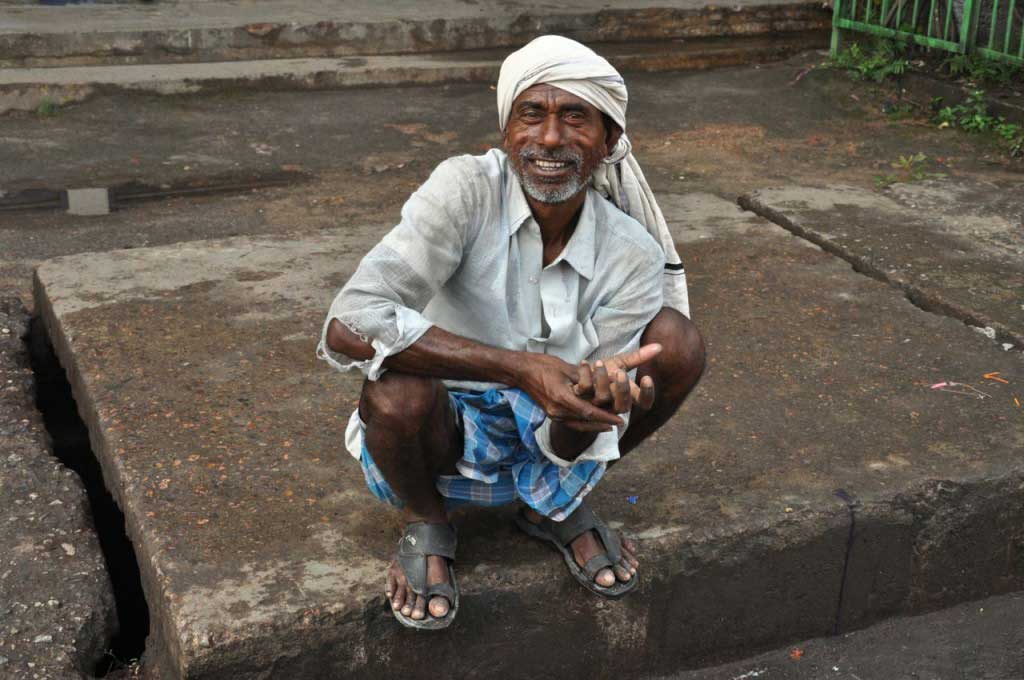
"paan" chewer in the streets of Guwahati, Assam, India

“paan” chewer in the streets of Guwahati, Assam, India


From the experience of traveling in the Northeast states of India, there was one thing that caused a strong impression in the memory of the sensations: the paan… the smell, the color, the gestures, the sound of spit and red trace left on the ground.

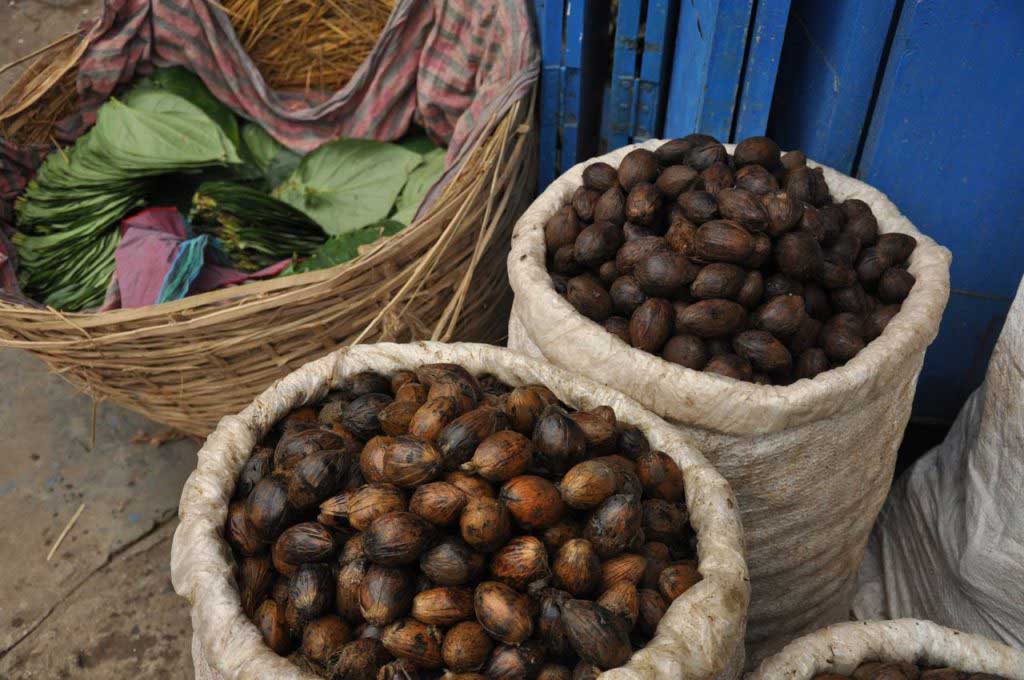
But what is the paan!?! Basically, paan is areca nut, whose appearance resembles a nutmeg, cut into small pieces and wrapped in betel leaf, a green vine leaf that has stimulant effects. To this mixture, is often added tobacco (chewing tobacco) and lime (calcium hydroxide … yes, the same as the lime which is used to cover walls.

The areca nut, resembles much the nutmeg, both in size and in the appearance of the fruit, but rather born of a tree is the fruit of a palm tree, whose nuts grow in clusters at the top of a thin, high trunk.

Areca nut still with the skin of the fruit
Betel Leaf sold in markets (folha de Betel à venda nos mercados)
Areca nut without skin
Areca nut without skin at a market in Burma (Myanmar)
Areca nut tree. Megahlaya. India

The betel leaf is carefully folded in the form of a small rectangle or triangle shape, keeping the areca nut mix inside, and placed in the mouth between the cheek and the teeth. This “pack” is slightly chewed so slowly release the juice that gives gradually a reddish color to the saliva, which extends to the corners of the mouth and lips. After a few years of use, it results, in the decayed teeth and stained red, as well as a certain addition, due to the stimulation property of betel leaf. Mixed with tobacco, it increases the carcinogenic effects of the areca nut.

paan street stall. Burma
paan street stall. Burma (Myanmar)
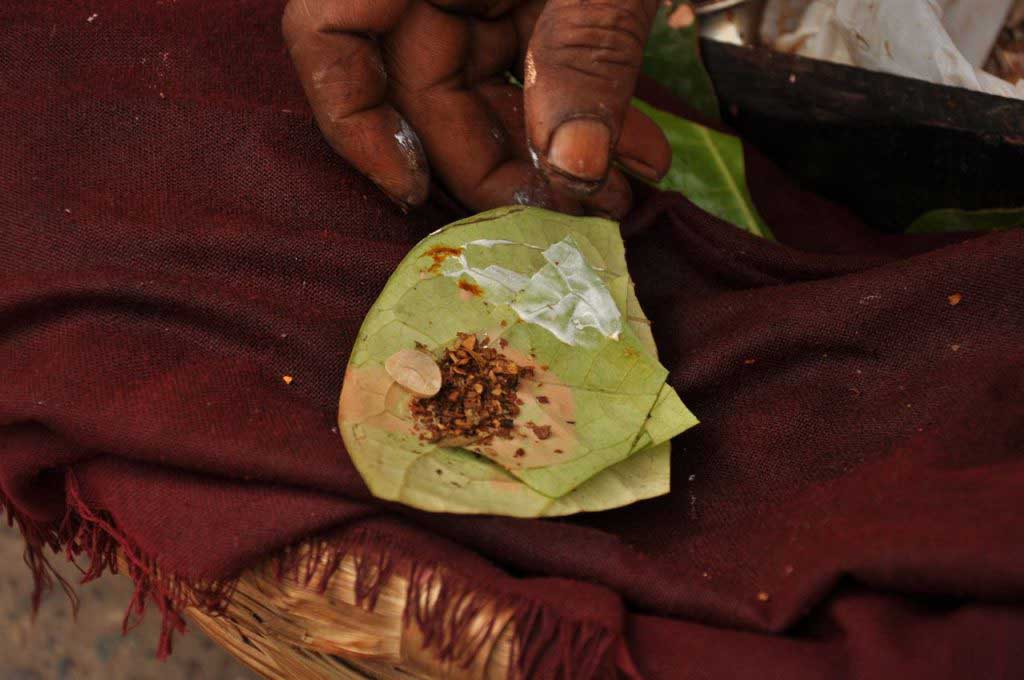
"paan" before being fold in the betel leaf. "paan" uma mistura de nós de areca, cal e tabaco de mascar, enbrulhada numa folha de betel)
“paan” before being fold in the betel leaf. (“paan” uma mistura de nós de areca, cal e tabaco de mascar, embrulhada numa folha de betel)

The paan produces a strong salivation, which makes their consumers have frequent need to spit, which is often made in a showy way, a jet of red saliva, which leaves a trail through the streets, sidewalks and even on the walls!

Being very popular in India, the habit of consuming paan lies spread by all Asian countries, being more evident in India, Nepal, Bangladesh, Sri Lanka and Burma, with this last country being the place where the presence of paan is a constant being also chewed by women and the children.

But weeks spent through some of the northeastern states of India, like Assam, Nagaland and Meghalaya, left a stronger mark of this phenomenon. Here, perhaps more than in any other regions of India, areca nut “rules”, being even chewed without betel leaf or any other mixture.

Being predominantly a male habit, common among the poorest, it is a mark image among bus and tuk-tuks drivers; but in Northeast India the paan is also quite popular among women, and its cross-consumption to the various social classes, not being surprising to find a shepherd in Majuli Island spiting paan or the receptionist of a hotel in Mokokchung with corners of the mouth marked in red by the areca nut.

The chewing tobacco consumption is also very popular, being mixed with lime in order to moist the tobacco dry leaves, forming a paste which is placed near the gums. The tobacco preparation, rubbing the mixture in the hand palm with the index finger, being in the end slightly beaten to become flat and compact, are one of the most preset gestures… in the cities or in the villages, on the streets or in shops, on buses and trains… everywhere!!!

Despite the chew of tobacco be unpleasant, as it produces the frequent need of spit, the paan with its sweetish smell created, after three weeks of traveling through northeastern India, a certain distaste and aversion, for the combination of the spitting sound with the jet red saliva discharged, which doesn’t strive to be discreet or delicate, making the act of spitting an art, where the trajectory and distance of the red track left on the ground, is a matter of pride.

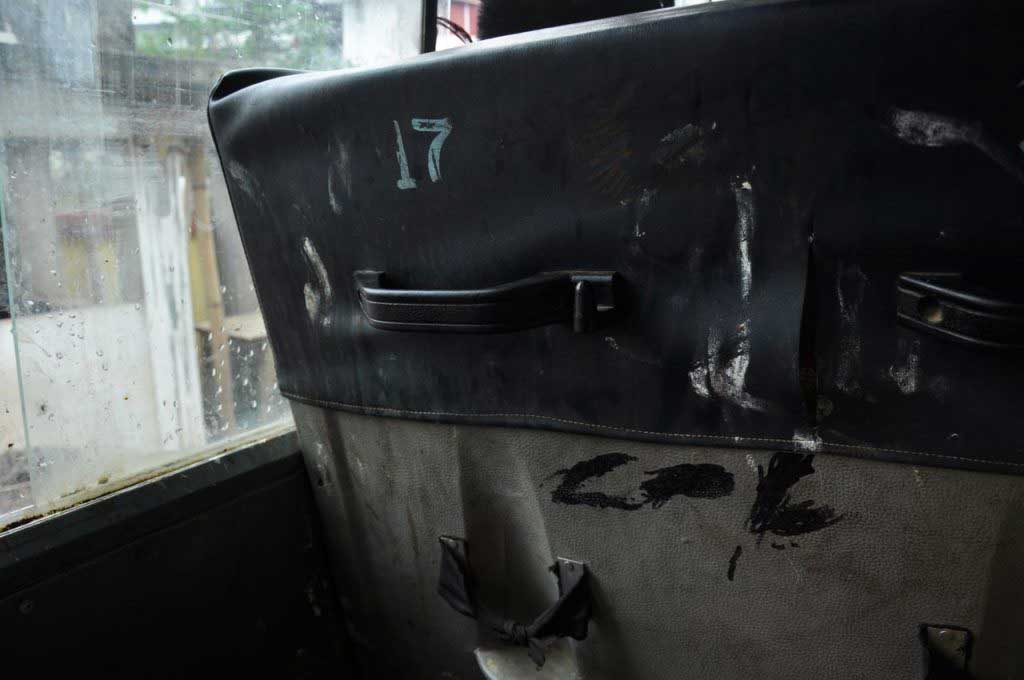
And a little everywhere, always come up white marks left by lime stuck to the fingers, that is rubbed on doorposts of the paan shops, or on the seats of a bus or a train…

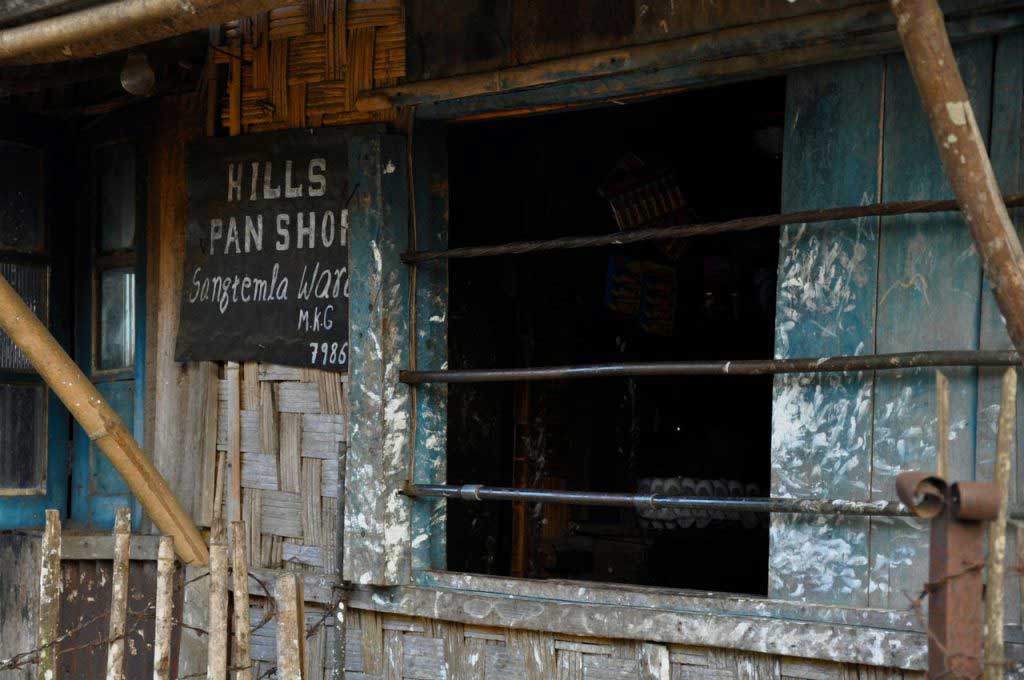
paan shop, that are small stall where the paan is prepared and sold, usually in pack of six. Mokokchung, Nagaland. India
marks left by the fingers with lime that is used to mix with the tobacco and the areca nut (marcas deixadas pela cal usada para misturar o tabaco de mascar com o noz de areca).


And the smell also left a strong mark on my memory, with hotel rooms with paan presence, and long trips made by bus or the sumo, in the company of enthusiastic paan chewers, whose sweet smell pervades the space, and my field of vision regularly crossed by someone that need to spit out by the window.

A negative but strong memory that created in me a disgust of the paan, which my senses can not remain indifferent.

tuk-tuk driver spiting the paan, leaving a red trace on the streets (condutor de tuk-tuk

Guwahati… the gateway to Northeast States

Guwahati, not being the capital of the state of Assam, is the city that works as a gateway to the so-called Northeastern States, mainly due to its geographical position in a lowland area, between Bhutan and the mountains of the state of Meghalaya.

Under the generic name of Northeastern States, gathering seven states also called Seven Sisters, located in the extreme north-east of India, delimited by Bhutan, Bangladesh, Burma (Myanmar) and Tibet (China). These states along with Sikkim are “linked” to the rest of the India by a narrow strip of territory, part of the state of West Bengal. This strip of Indian territory between Nepal and Bangladesh is called “chicken’s neck,” that at some point only 23 km wide.

These Seven Sisters are Arunachal Pradesh, Assam, Meghalaya, Tripura, Mizoram, Manipur and Nagaland. Until recently these states had some restrictions being necessary permits to visit, but currently, only the state of Arunachal Pradesh requires permits, both foreign and Indian nationality, given the sensitive border with China.

Guwahati
Guwahati

After a 30 hours train trip, the usual bustle of Indian big cities waits for us, with noise, traffic and the hurried movements of people. But Guwahati has the advantage of having the train station right in the center of the city, which avoids the usual stress of negotiating rates with tuk-tuks drivers.

And being the gateway to the northeastern states, it is noted upon arrival, a big ethnic diversity.

Leaving the train station we are faced with the Paltan Bazaar located on the left side of the busy national highway running through the town, the GS Road (Guwahati-Shillong Road). In Paltan Bazaar, within five minutes from the station and the bus terminal, there’re plenty of accommodations, dominating the hotels with a big range of prices and quality. But this is here where the difficulties begin. Many of the hotels don’t have the special license need to accept foreigners, given the small number of non-Indians visitors that come so far. Therefore, the most modest lodgings don’t accept foreigners, arguing that they are full when are obvious the room keys hanging patiently at the reception.

This way we are pushed to more expensive hotels, some taking advantage of the few alternatives, charging high prices for a room in miserable conditions… 600 rupees that don’t guarantee clean sheets!

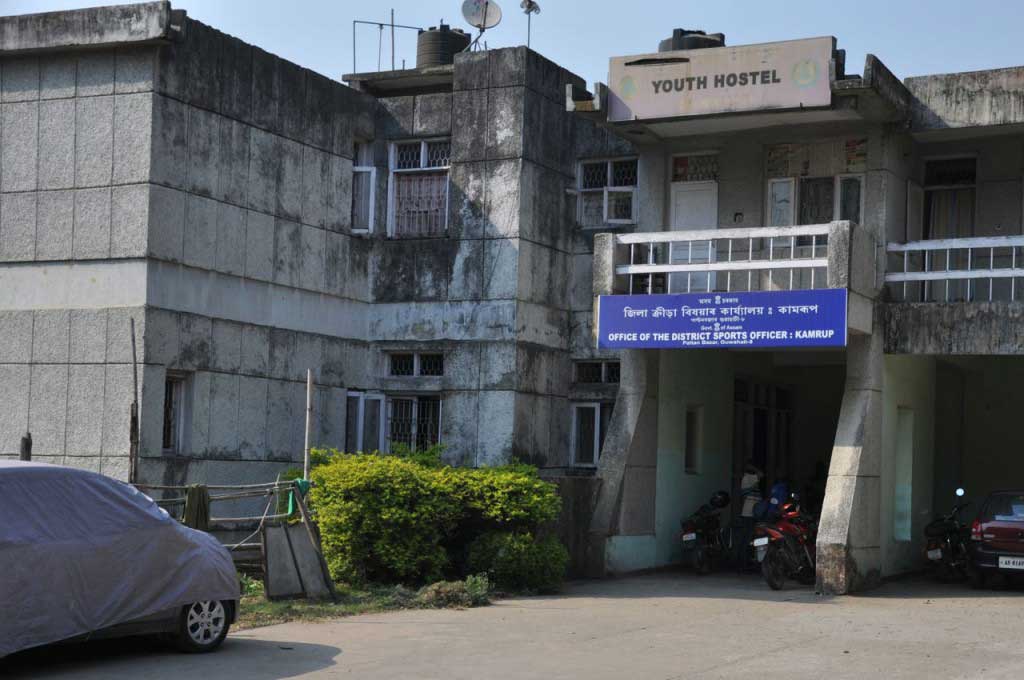
In this search for a place to sleep came on my way the Youth Hostel, an institution that I was unaware of existing in India. In a building that has seen better days, reigns an atmosphere of abandonment and emptiness, where the room show an urgent need of repairs and the toilet is decrepit, but cheap price, the clean sheets and the friendly staff made this place look like a warming shelter to spend a night, before traveling to the mountains of Meghalaya.

Fancy Bazzar
Fancy Bazaar


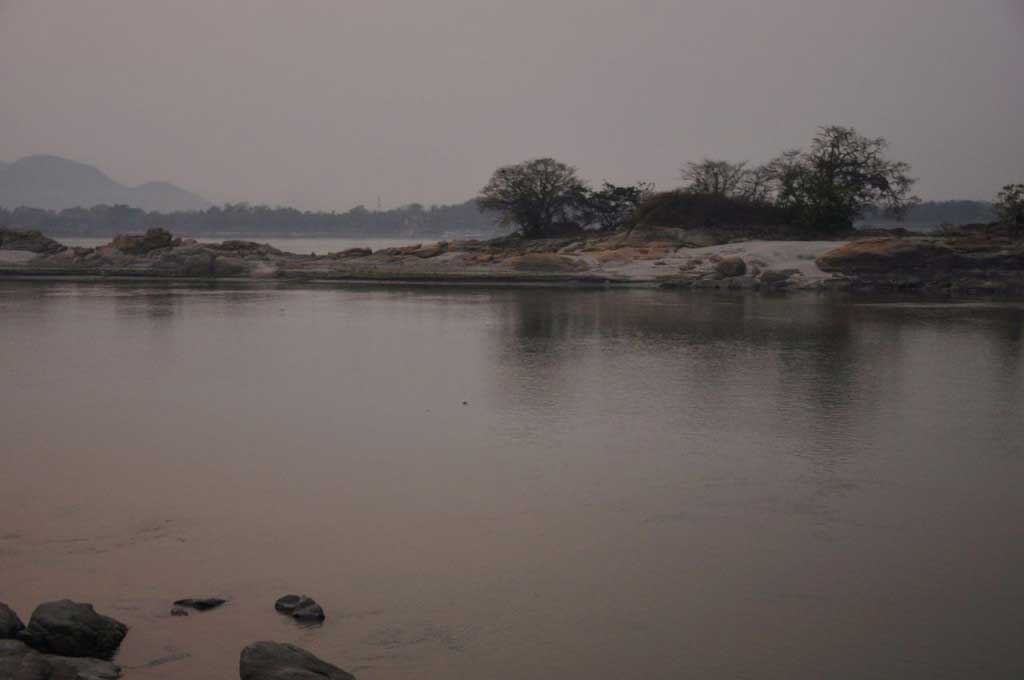
The last afternoon spent in the Guwahati there wasn’t the opportunity to get away from restless city center, away from the confusing Paltan Bazaar and Fancy Bazaar, which despite the names are quite similar. But there was time to walk to the banks of Brahmaputra, which the brownish waters offers a serene landscape that contrasts with the movement of the city streets. The Brahmaputra, one of the largest Asian rivers, runs through the state of Assam, heading south until the Bay of Bengal, crossing the plains of Bangladesh.

Brahmaputra
Brahmaputra

In Hindu religion, it is common the representation of the yoni with the lingam, which corresponds to the female and male elements of cosmic creation, according to the Shiva followers. But in India, there are few temples dedicated exclusively to the female side of this energy: Shakti (also referred as Devi), the goddess representing the energy of creation and change, also associated with fertility and creativity.

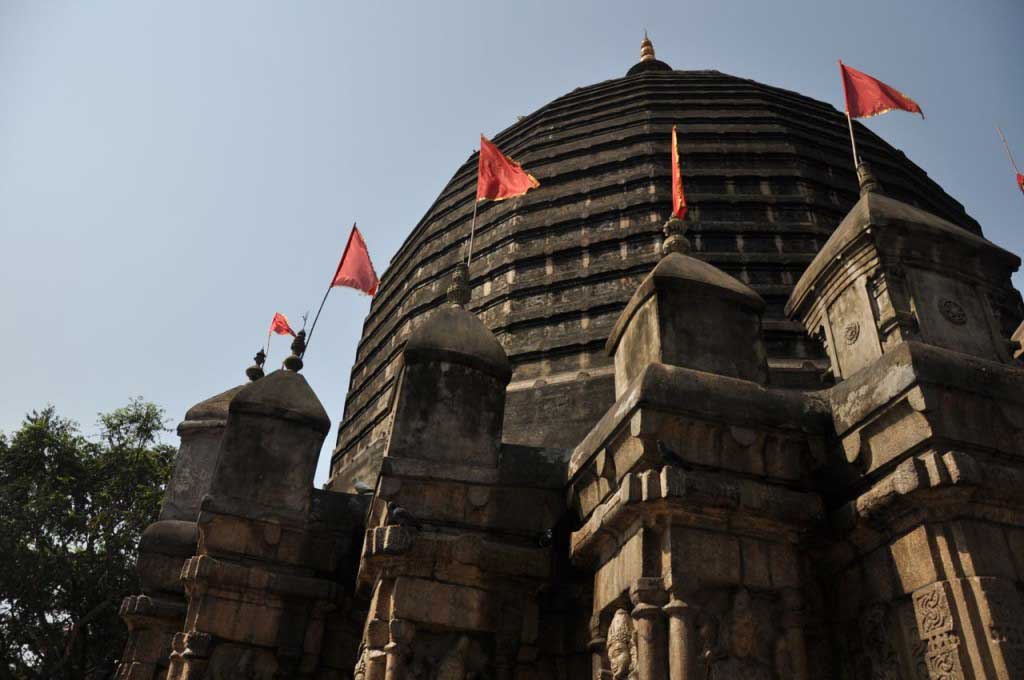
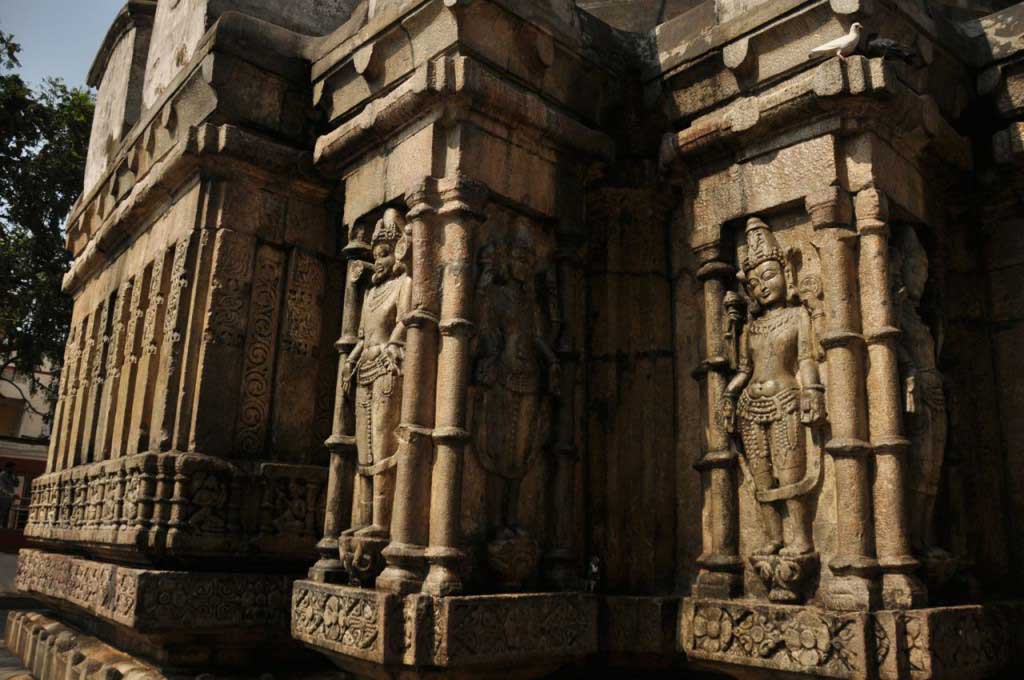
Guwahati is one of the most important temples dedicated to mother goddess: the Kamakhya Temple, where during Ambubachi Mela animals are sacrificed, according to Tantric tradition, with the blood of goats symbolizing the annual period of goddess Kamakhya.

Kamakhya Temple. Guwahati


Kamakhya Temple. Guwahati


Kamakhya Temple. Guwahati


Kamakhya Temple. Guwahati


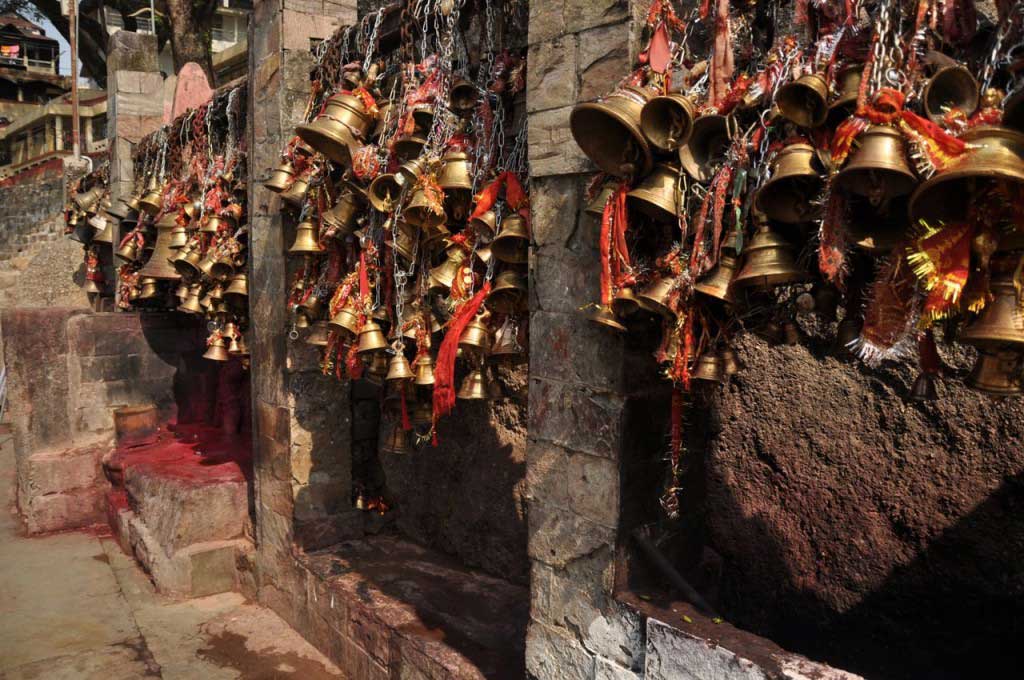
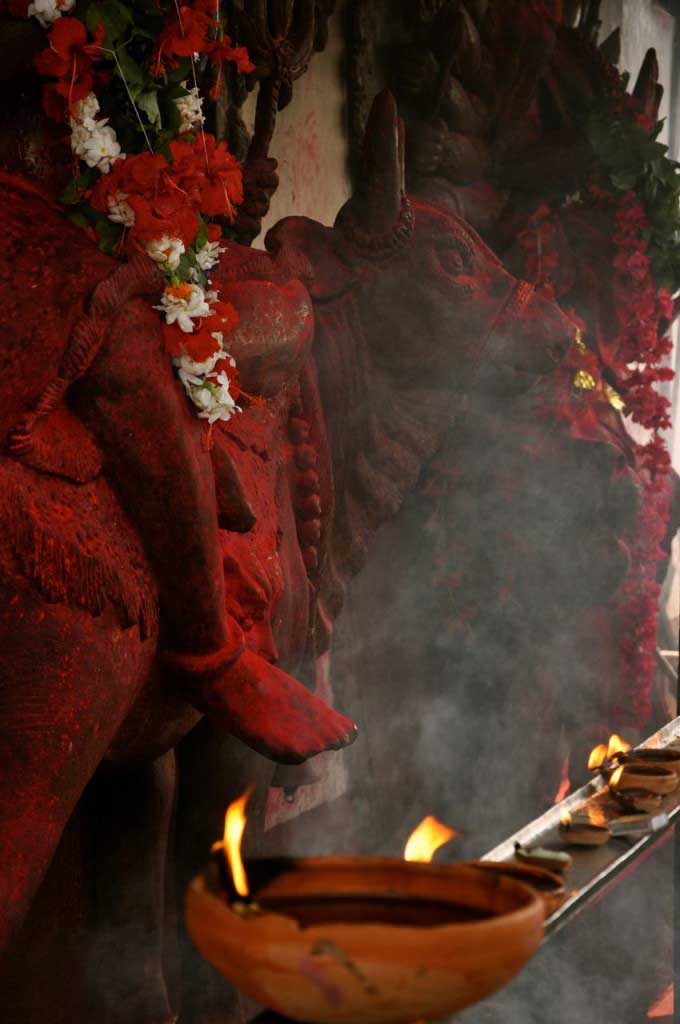
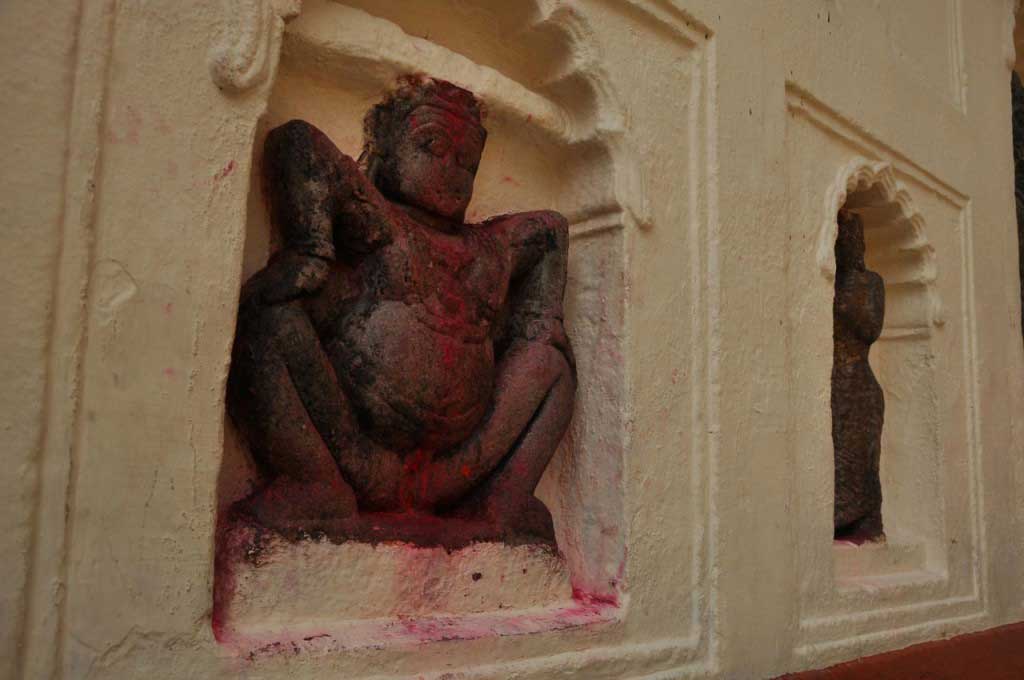
For those who visit the place, where the red color stands out, symbolizing the menstruation, the female reproductive cycle and fertility… in the red robes of the pujari (followers of goddess Kamakhya), in the red flowers that adorn statues, in the red pigment covering the statues of Kamakhya, from whom are lit incense and candles, and the red that seems to come out from vaginas of women statues associated with fertility.

Kamakhya Temple. Guwahati


Kamakhya Temple. Guwahati


How to go to the Kamakhya Temple:


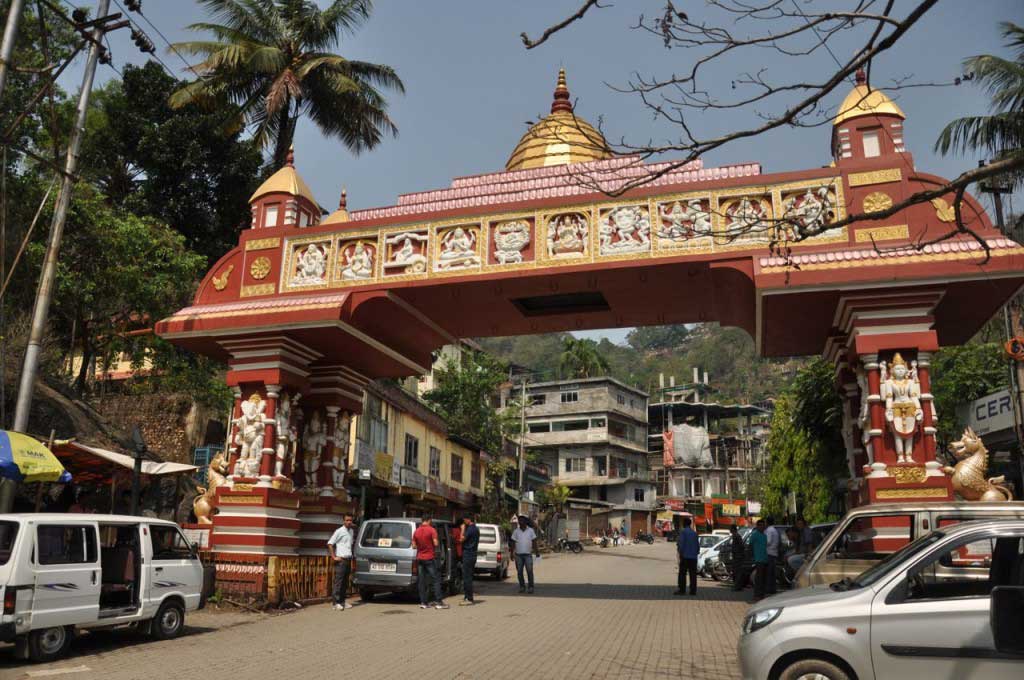
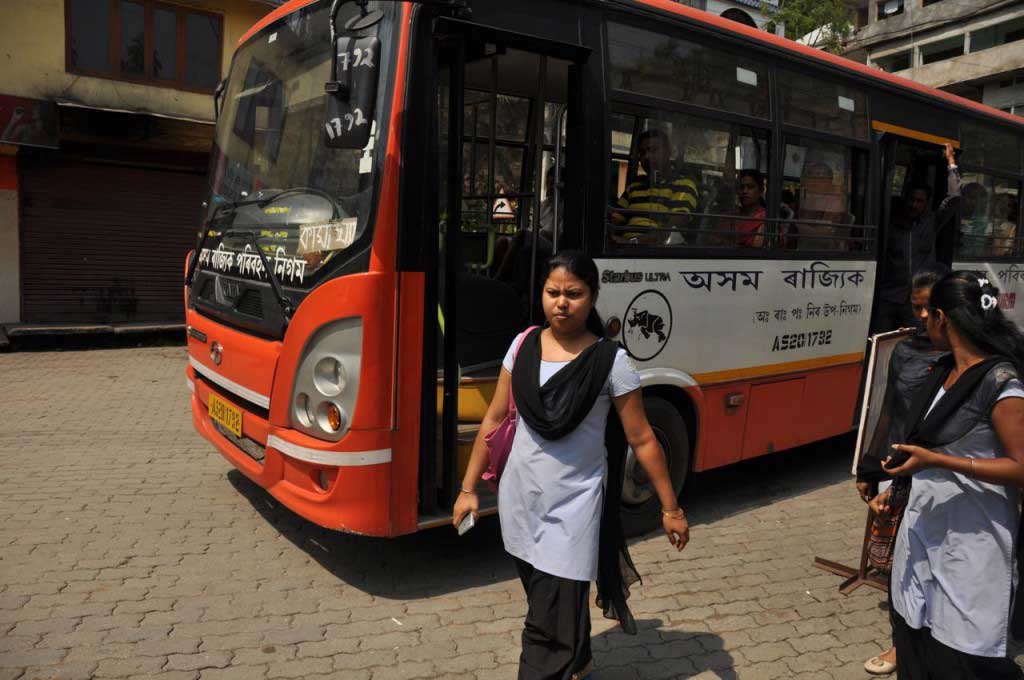
To go to Kamakhya, you can catch one of the buses that pass on GS Road. Just ask for “Kamakhya” and stop on the main road (AT Road). The bus ticket costs 8 rupees. After crossing a gate, there are the ASTC buses that make the journey to the top of the hill, for 7 rupees; these buses depart when are full and the journey takes about 10 minutes. There is a pedestrian access, a staircase you access to the temple but that seems to be little used, with the pilgrims prefer the comfort and the speed of the bus.

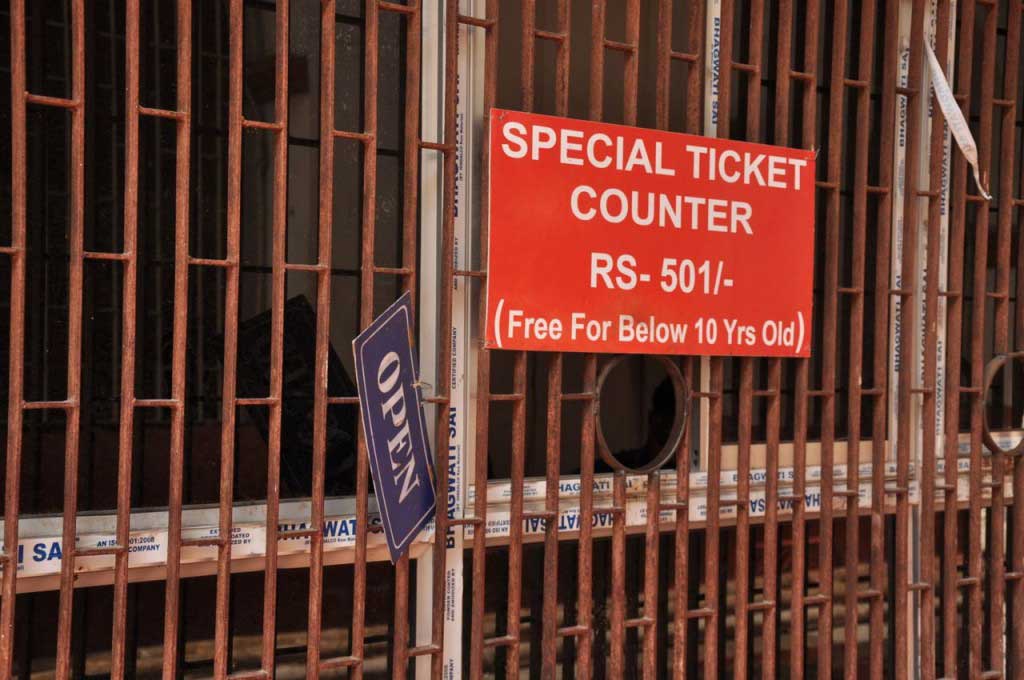
To visit the interior of the temple is required to join the dozens of pilgrims waiting patiently in a long queue, holding offerings to Kamakhya altar. But as often happens in India, where is strong the distinction between social classes, there is a VIP access which saves the pilgrims and visitors from a long wait, by paying 501 rupees… yes, five hundred and one… why this modest rupee among other 500!?!!


Portico junto à estrada principal onde estacionam os bus que vão até ao cimo da colina. Kamakhya Temple. Guwahati
Gate that mark the entrance to the road that goes up to Kamakhya Temple, where buses stop. Guwahati


autocarro para o Kamakhya Temple. Guwahati
Bus Kamakhya Temple. Guwahati


Kamakhya Temple. Guwahati

Where to stay in Guwahati:

For those who stay only for one night, the GS Road and the side streets around Paltan Bazaar, offer dozens of options for several prices. From my experience, you can’t get a room with shared toilet for less than 500 rupees, which however don’t guarantee clean sheets.

Unexpectedly I found the Youth Hostel that has a discreet access on the right side of GS Road, on the corner of MD Shah Road. The building looks abandoned, and in fact, almost no one stays here, with some of the rooms being used as offices of Assam tourism department. The available room works in a dormitory system, with 4 beds with a private bathroom, but everything is in a miserable condition, in need of heavy repairs especially the toilet facility. The bed is comfortable and the sheets are clean; it has a mosquito net for each bed.

The Youth Hostel is an option for those who intended to stay only one night in Guwahati and have a very short budget.

Youth Hostel Guwahati: Bed in a dormitory room with toilet: 250 INR (the room, regardless of the number of occupants). Despite being a dorm, as no one else the room was just for me.


Youth Hostel. Guwahati


Youth Hostel. Guwahati


Youth Hostel. Guwahati

Where to eat in Guwahati:

Many restaurants, here called “hotel” line up next to the train station and along the GS Road, as well as the cross streets of Paltan Bazaar, with reasonable vegetarian thalis for 60 rupees. Here rules the typical Indian food, but in a poorer version that usual, with rice, potato based curries and watery dal. Almost all restaurants have vegetarian and non-vegetarian options, which reflects the taste of the Assamese for meat.

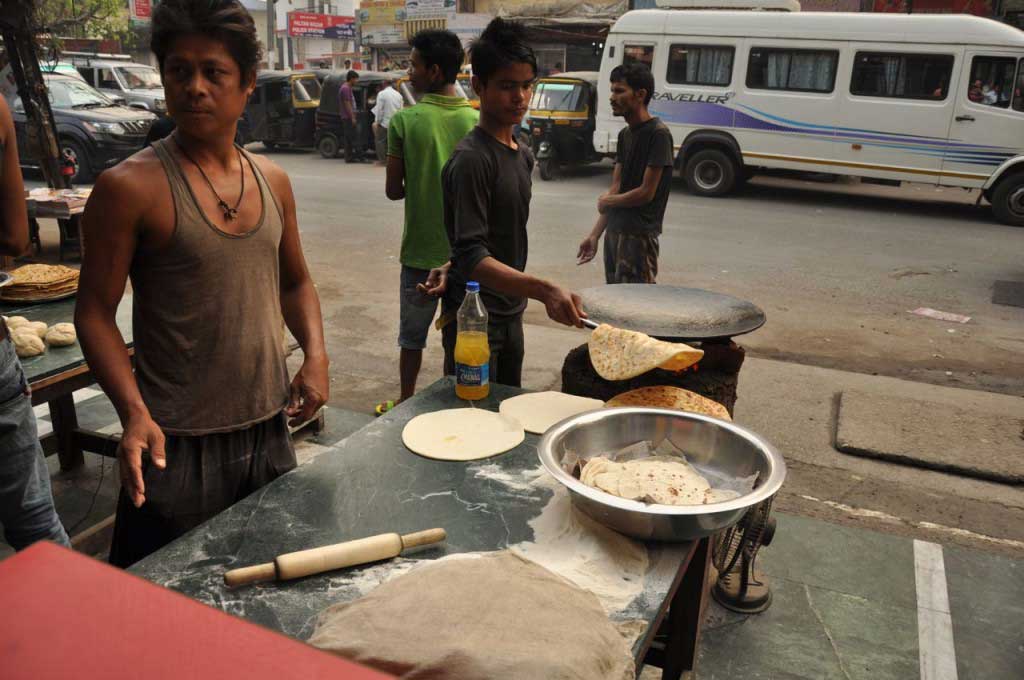
There are great parathas during the morning in two small restaurants at the beginning of GS Road, Greenview and Deepak Restaurant, located on the right side of those coming from the south of the train station exit.


"parathas" no Paltan bazaar. Guwahati.
“parathas” at Paltan bazaar. Guwahati.


restaurante de comida indiana e deliciosas "parathas" no Paltan bazaar. Guwahati.
Indian food restaurant with good “parathas” at Paltan bazaar. Guwahati.


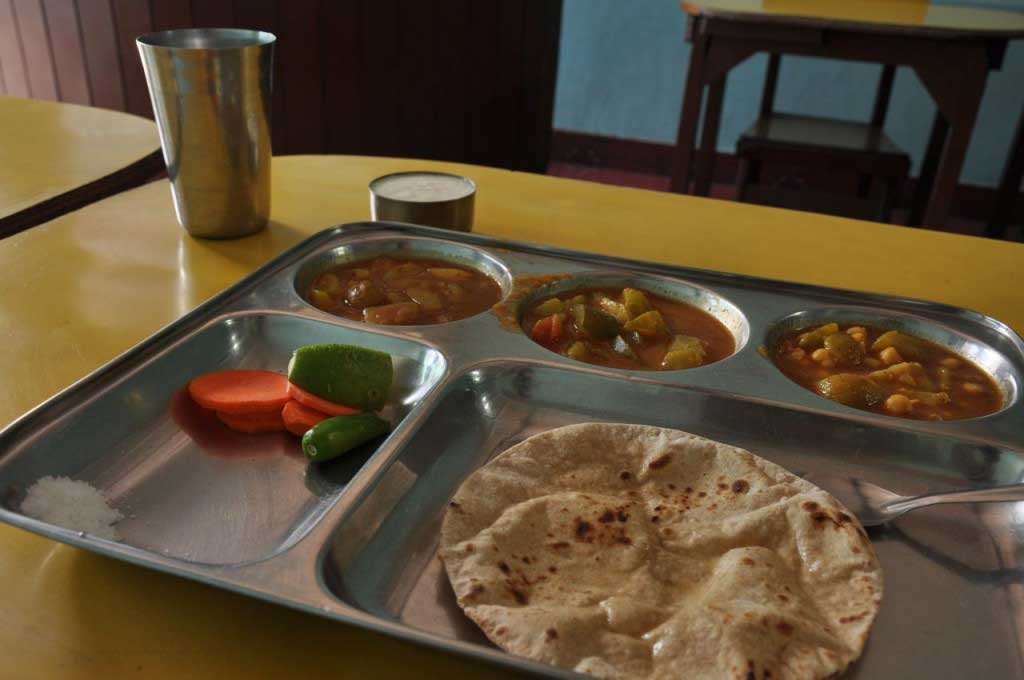
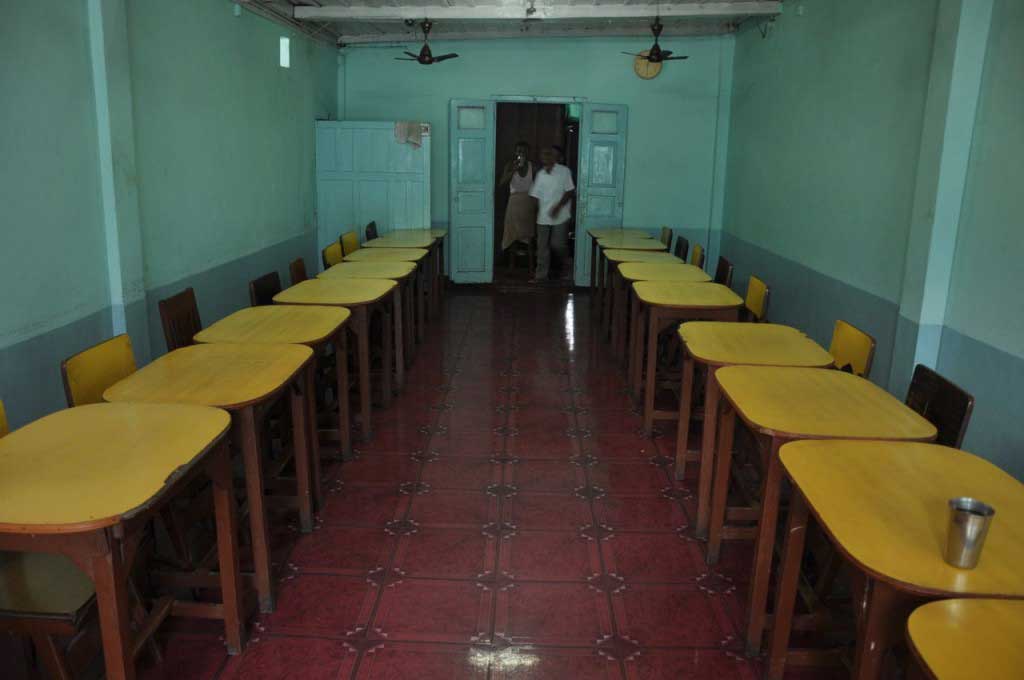
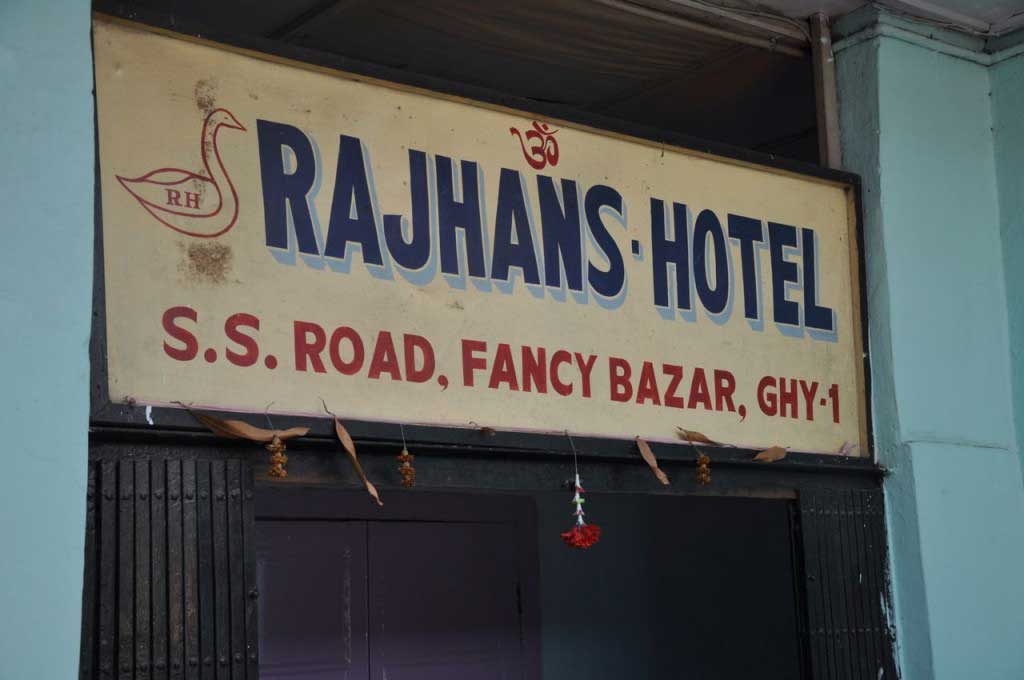
If you are in Fancy Bazaar and feel the call of the stomach, Rajhans Hotel, on the second floor of an anonymous building is a nice option with vegetarian food, friendly service and a decor that takes us to a school canteen, which have certain charisma and a super smiley staff.

Rajhans Hotel: S.S. Road, Fancy Bazaar, Guwahati. Vegetarian thali for 70 rupees.

Rajhans Hotel. Vegetariano. Fancy bazaar. Guwahati.
Kitchen of Rajhans Hotel. Vegetarian restaurant at Fancy bazaar. Guwahati.


tahli no Rajhans Hotel. Vegetariano. Fancy bazaar. Guwahati.
Vegetarian tahli no Rajhans Hotel. Fancy bazaar. Guwahati.


Rajhans Hotel. Vegetariano. Fancy bazaar. Guwahati.
Rajhans Hotel. Vegetarian restaurant at Fancy bazaar. Guwahati.


Rajhans Hotel. Vegetariano. Fancy bazaar. Guwahati.
Rajhans Hotel. Vegetarian restaurant at Fancy bazar. Guwahati.


Transports in Guwahati:

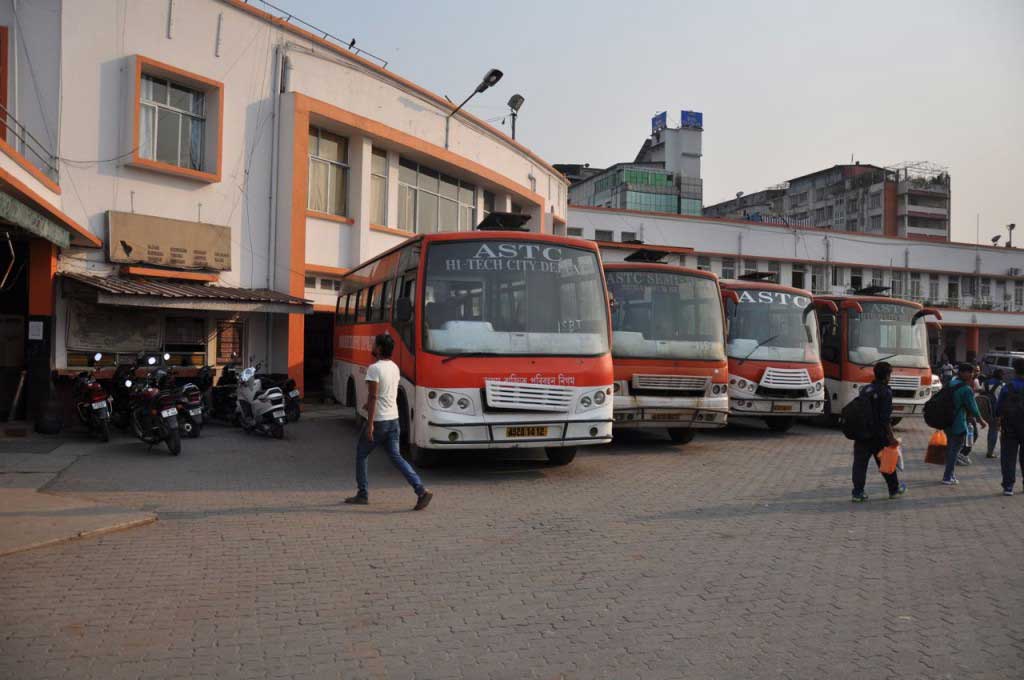
Both the train station and the public bus terminal (ASTC) are conveniently located in the center of Guwahati, close to hotel and restaurants and other commercial activity.

From Guwahati, there are trains that cross Assam stat, towards the North until Dibrugarh, passing through Dimapur.


Note: Guwahati railway station has two entrances: the north side (the same side of the river) and that is the main entrance, and another on the south side that leads directly to the GS Road (Guwahati-Shillong Road). The Reservation Office (for long distance tickets) is in a building a few meters from the north entrance of the station (opposite the Paltan bazaar).


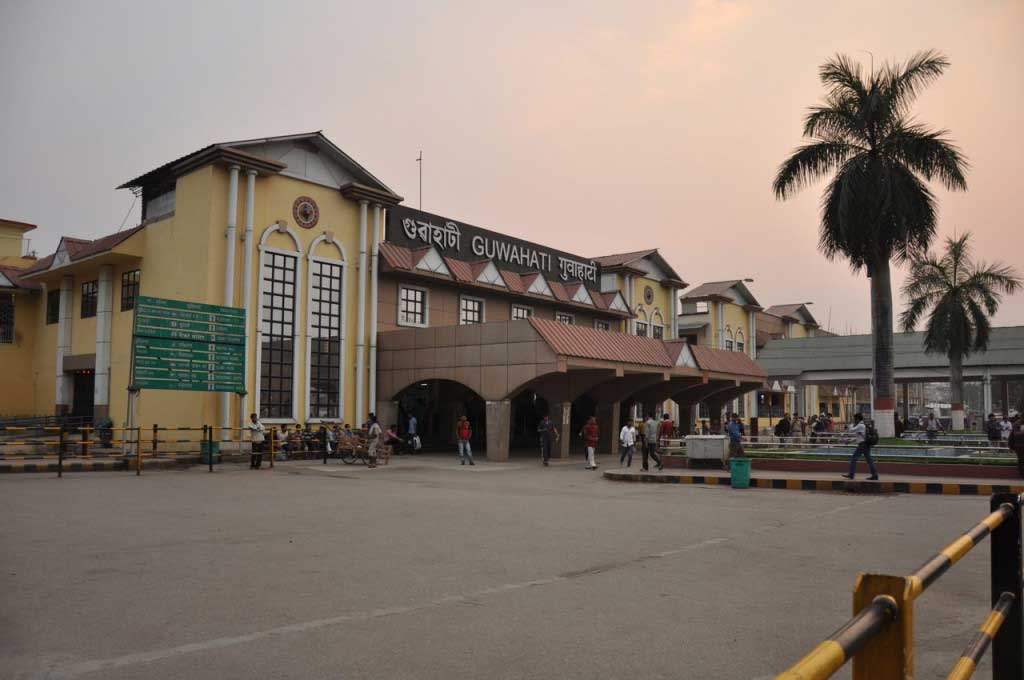
Guwahati Train Station. South entrance. Paltan Bazaar


Guwahati Train Station. North entrance.


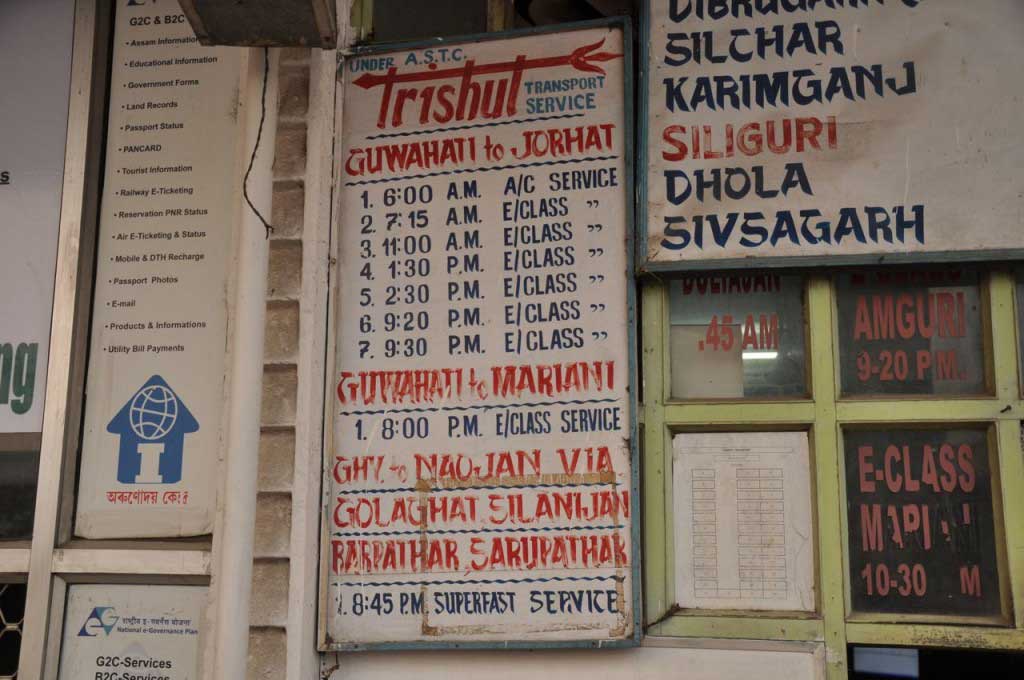
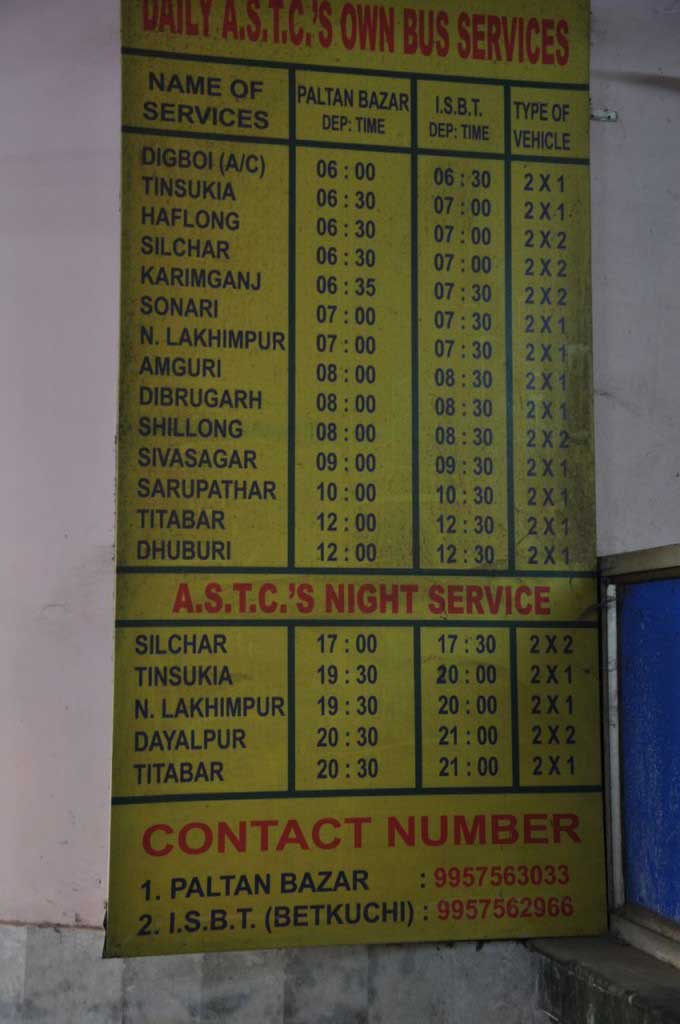
The public bus station is just outside the train station (near the Paltan Bazaar). The ticket office ASTC is inside the building, although there are several counters of private companies that also sell tickets for ASTC buses.

The bus (ASTC) from Guwahati to Shillong leaves at 7:30 am, and the journey takes 4 hours.

  • Bus ticket to Guwahati-Shillong: 135 rupees (a/c)… in fact, the air conditioning doesn’t work, but it is bearable because the bus always runs with the door open, and as we move away from the plains of Assam, the temperature is drop down.


horários. Terminal de autocarros da ASCT em Guwahati
Timetable of private buses from Guwahati


Terminal de bus ASCT em Guwahati
Central buses Terminal. Guwahati


Terminal de autocarros da ASCT em Guwahati
Timetable of private buses from Guwahati


horários. Terminal de autocarros da ASCT em Guwahati
Timetable of ASCT buses from Guwahati


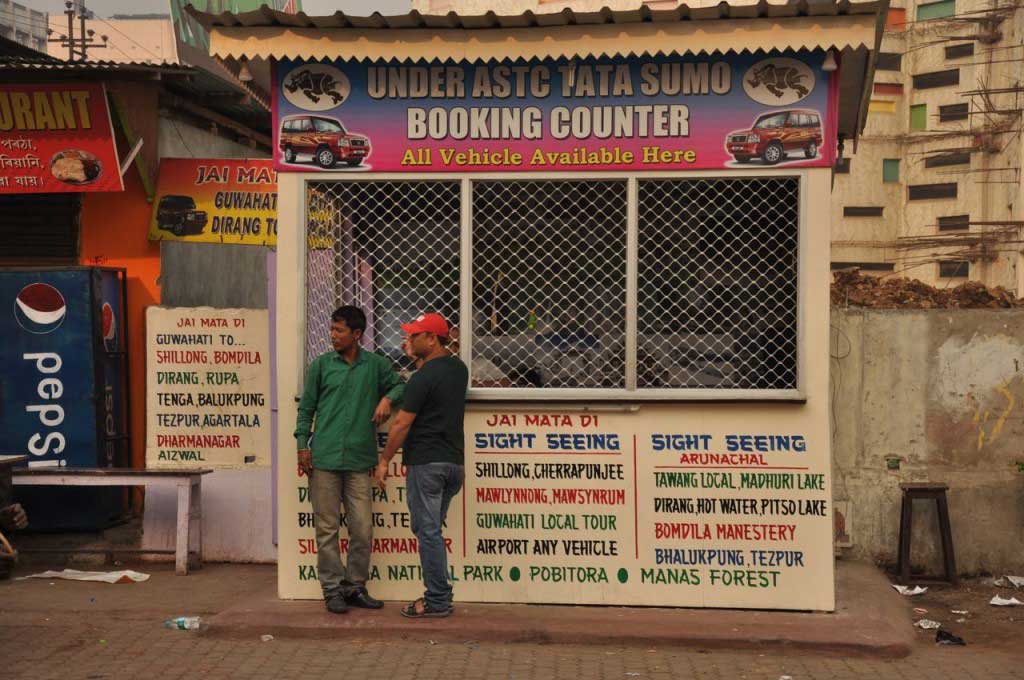
As an alternative to the buses, there are sumos, a shared all-terrain, which are a very popular mode of transport in the Northeast states, and that makes the connection between the main cities. Inside the Guwahati Bus Terminal, in the bus park, there’s a booth where you can buy tickets for the sumos. In general, these vehicles have no set time, circulating during the day, since very early morning, and depart when they are full.

  • sumo Guwahati to Shillong: 170 rupees (the trip takes about 2.45 pm, depending on traffic and number of stops)

bilheteira de "sumo" no Terminal Central de autocarros
“sumo” counter at Guwahati central bus terminal


Internet in Guwahati:

Most hotels don’t have internet and those who have charge sometimes 100 rupees per day. The best option is the cyber-cafes that aren’t easy to find.

In GS Road, on the left side for who comes from the train station, there is a shop “complex”, and on the first floor there’s a cyber-cafe, Virtual Office, with good connection and wi-fi.

  • Wi-fi: 30 rupees per hour.


Elevation: 56 m

Population: 809,895

How to go from Varanasi to Mughal Sarai Train Station

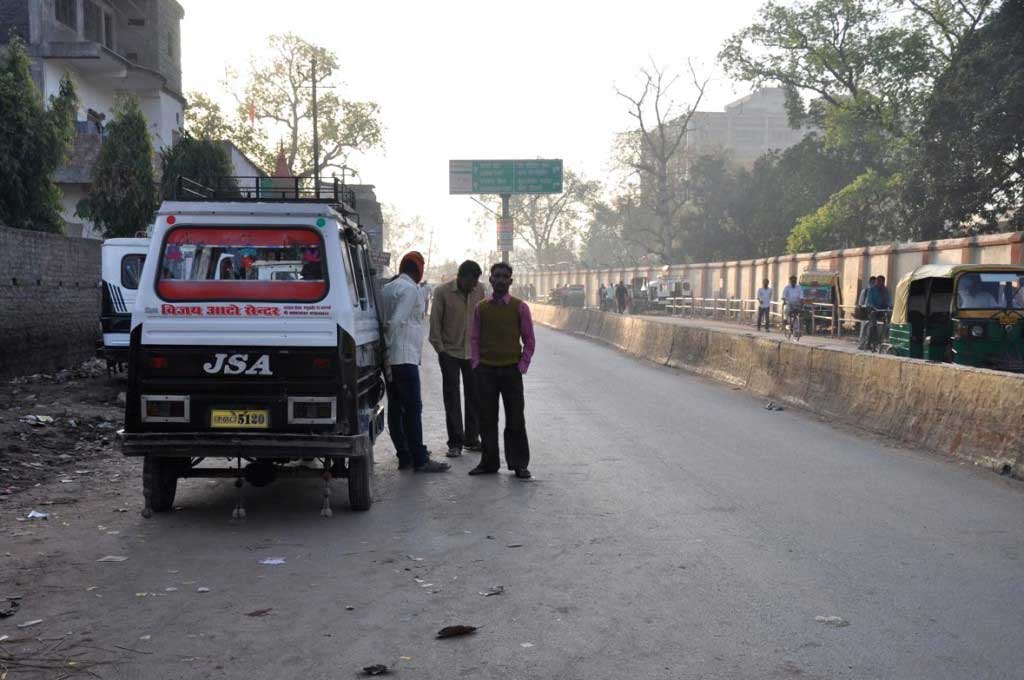
savari at BHU Gate. Varanasi. India


Most of the trains that leave or reach Varanasi stop at Mugal Sarai, 15 km far form the center of the old city, Godowlia Chowk. The two train stations that are located closer to the center of Varanasi – Varanasi Junction, Manduadih and Varanasi City – don’t have such interesting connection with the major train routs that run east-west India, or show less interesting schedules with trains departure from Varanasi in the middle of the night and often with long delays, like the ones that link Varanasi with Gorakpur, on the way to Nepali border Sonauli-Belahiya.

Although, if you are coming or going to New Delhi the best train that you can get is the Shiva-Ganga Express (Train number 12560), that start at New Delhi Railway station and have his terminus at Manduadih. It’s a clean modern train that runs overnight and usually arrive with small delays.

There are 3 options to reach Mugal Sarai Train Station from Varanasi:

  • Taxi
  • tuk-tuk
  • savari (shared taxi)


The taxi is far the most confortable but maybe to expensive if you travel alone… anyway be prepared to pay more than 500 rupies. The taxi has the advantage that run all the time, including evening.

The tuk-tuk are the most popular option, though not so confortable as the taxi, it can be a good option especially if you carry big and heavy luggage. As a woman alone, is not the safest way to travel after the sunset, as the road to Mugal Sarai cross an empty area.

Tuk-tuk: 250 rupies (INR)… from Godowlia Chowk or Bengali Tola area.

The savaris are a kind of big tuk-tuk where 8 passengers are squeeze on the back of the vehicle. The luggage goes on top. It’s far the cheapest option as also the most uncomfortable, as part of the road is bumpy and dusty… but if you are alone, this a totally safe, as you go for sure share the ride with more people… too many in fact! The savaris run since early morning until evening, and just departure when they are full, that in early morning, around 7 am, didn’t took more than 10 minutes..

  • From Varanasi Train Station (also called Varanasi Junction or Varanasi Cantonement): 20 rupies
  • From BHU Gate (near Assi Gaht): 30 rupies


The trip takes around 40 minutes by tuk–tuk to 1 hour by savari. But during rush hour it can take much more, especially if you are in Goudalia area or at the Varanasi Train Station, as the tuk-tuk or savaris need to cross the city to reach the bridge. At BHU Gate you are already a bit out from the center of the city so don’t have so much traffic issues, anyway, go with time.


How to go from Mugal Sarai to Varanasi:

When you leave the station, walking along the footbridge, you must walk until the main building. Don’t turn on the right when you see a ramp where in the end of it some tuk-tuks wait.

When you arrive to the main building ignore the tuk-tuk drivers and walk until you are in the parking area in front of the station building, a kind of yard before you reach the main road. There on your right side you’ll see a group of vehicle bigger that a tuk-tuk, with the capacity of about 6 people: these are the so-called “savaris”, a shared taxi. Talk tot he drivers and find one that goes to BHU, from there you can catch a rickshaw (cyclo) to nearby one of the gath or to the Varanasi Railway Station.

The savari departure when they are full.

The trip takes about 1 hour without traffic.


BHU Gate. Varanasi. India

Costs:

  • to Varanasi Train station (Varanasi Junction also called Varanasi Cantonement): 20 rupies
  • to BHU Gate (near Assi Gaht): 30 rupies

If you prefer the tuk-tuk to reach Varanasi, you’ll probably face the problem to get a good deal with the drivers, but shouldn’t be more than 250 rupies.

Other information about transport prices in Varanasi:

  • Rickshaw from Bengali Tola to Varanasi train station: 50 INR
  • Tuk-tuk from Bengali Tola to Varanasi trains station: 100 INR
  • Rickshaw from Bengali Tola to BHU Gate: 30 INR


Caution:

Mugal Sarai is located far away from Varanasi and the road to reach there is a kind od highway, far from any village, in a kind of empty area, so is no recommended for women travel alone to do this ride after dark. Also the station itself is not a place to be alone during the evening; if you must do it, try to find the rest room inside the station and don’t walk alone outside the station… train station in India become a bit dodgy after dark, so if you can avoid take evening trains, and check the usual delays of the train in order to avoid long waits alone in a spooky train station.


http://trainstatus.info/


Mugal Sarai Train Station

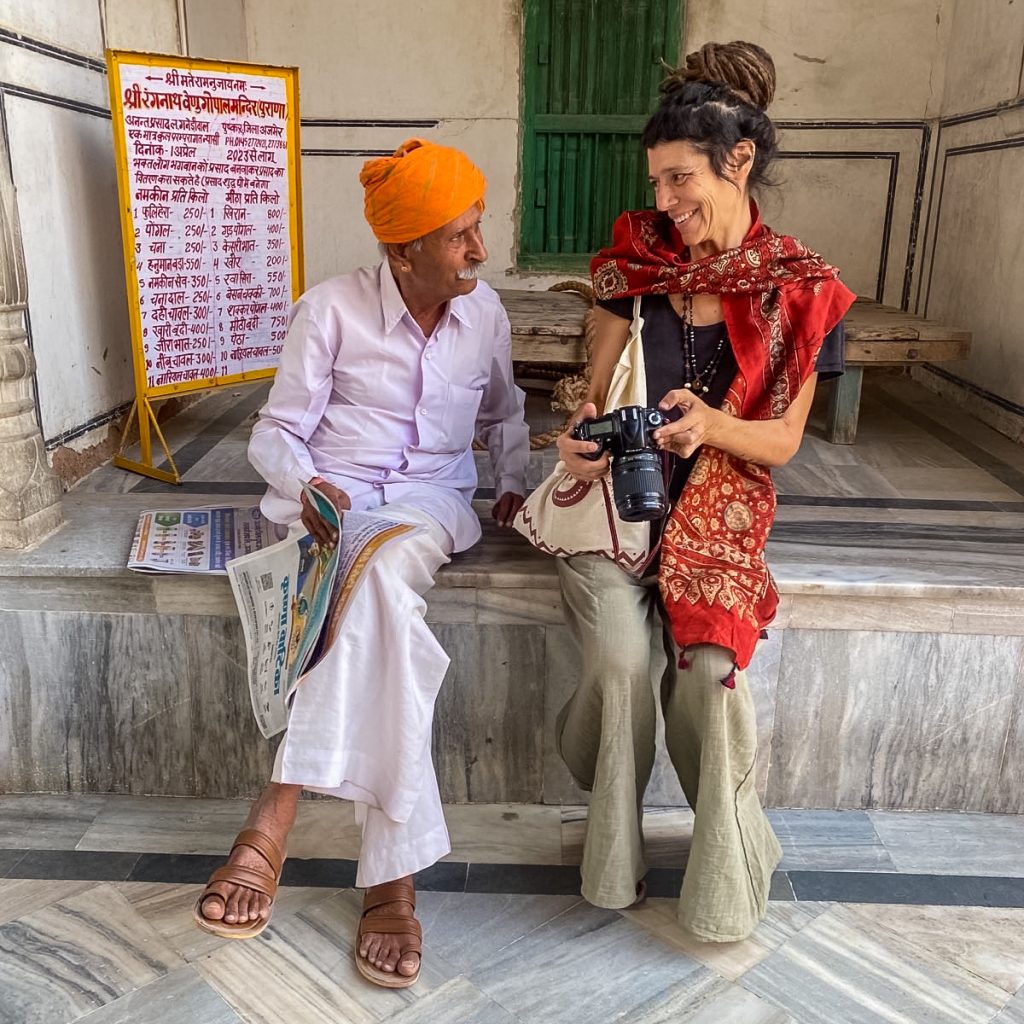
About me

Hey there!

I’m Catarina, a wanderer from Lisbon, Portugal… or a backpack traveller with a camera!

My journey as a traveller started in 2013 and led me towards the Asian continent, after a few short trips to Vietnam, India, and Peru.

The first six months were spent in India which gave me the experience, knowledge, and strength to explore the diversity of Southeast Asia, including Thailand, Laos, Myanmar (Burma), Cambodia, the southwestern region of China, Malaysia, Singapore, and Indonesia. 

But it was India where I found myself visiting often and sticking around longer, exploring more remote areas like Ladakh, Kashmir, Nagaland, Rann of Kutch, Thar Desert and Cherrapunji.

In North Africa and the Middle East, I travelled through Iran, Morocco and Turkey.

Later, Sri Lanka and Nepal complemented the first four years of my journey.

Japan and Taiwan are the farthest East places that I have been so far.

After a two-year break during the pandemic, I hit the road again. This time, I focused on shorter trips and closer destinations. East Turkey and Lebanon are my recent passions with their rich history, cultural diversity, and delicious food.

But my recent biggest surprise was Bangladesh, a lesser-visited country without flashy sights, but which truly captured my heart through the kindness and friendliness of its people.

This blog is my travel notebook: here I share information and tips about accommodation, border crossings, visa arrangements, local transportation… all to help you travel safer, cheaper, and explore behind the beaten path.

I’m not exactly sure what keeps me travelling, but definitely photography keeps me pushing forward, food keeps me excited, and people keep me inspired.

Thanks for stopping by. I hope something here inspires you and inspires your next adventure!

Catarina

Love and Respect

  • « Go to Previous Page
  • Page 1
  • Page 2
  • Page 3
  • Go to Next Page »

Footer

search

Tags

Amed Arugam Bay Assam Bali Border Crossing Borneo Colombo Esfahan Fes Food Gilis Hiking hokkaido Istanbul Itinerary Jakarta Java Kashan Kohima Kumano Kodo Litang Lombok Meghalaya Meknes Mekong Mulay Idriss Nagaland Natural Park Northeast States Ouarzazate Sarawak Shangri-lá (Zhongdian) Shan State Shiraz Sichuan Province Sishuan Sumatra Tabriz Tehran transportation Visa Yangon Yazd Yogyakarta Yunnan Province

I’m Catarina, a wanderer from Lisbon, Portugal… or a backpack traveller with a camera!

Every word and photo here comes from my own journey — the places I’ve stayed, the meals I’ve enjoyed, and the routes I’ve taken. I travel independently and share it all without sponsors or ads, so what you read is real and unfiltered.

If you’ve found my blog helpful or inspiring, consider supporting it with a small contribution. Every donation helps me keep this project alive and free for everyone who loves exploring the world.

Thank you for helping me keep the journey going!

BUY ME A COFFEE

Categories

Recent Posts:

  • How to go from Hualien to Dulan Beach
  • Taroko Gorge: between marble cliffs and emerald rivers
  • Hualien: a dull gateway to Taroko Gorge
  • Taiwan: Itinerary for an 16 day trip
  • Vietnam: Itinerary
  • 3 months in India: Kolkata, Tamil Nadu, Karnataka, Goa and Kerala
  • Backpacking Turkey in 24 Days: itinerary & costs
  • English
  • Português

© Copyright 2026 Stepping out of Babylon · All Rights Reserved · Designed by OnVa Online · Login